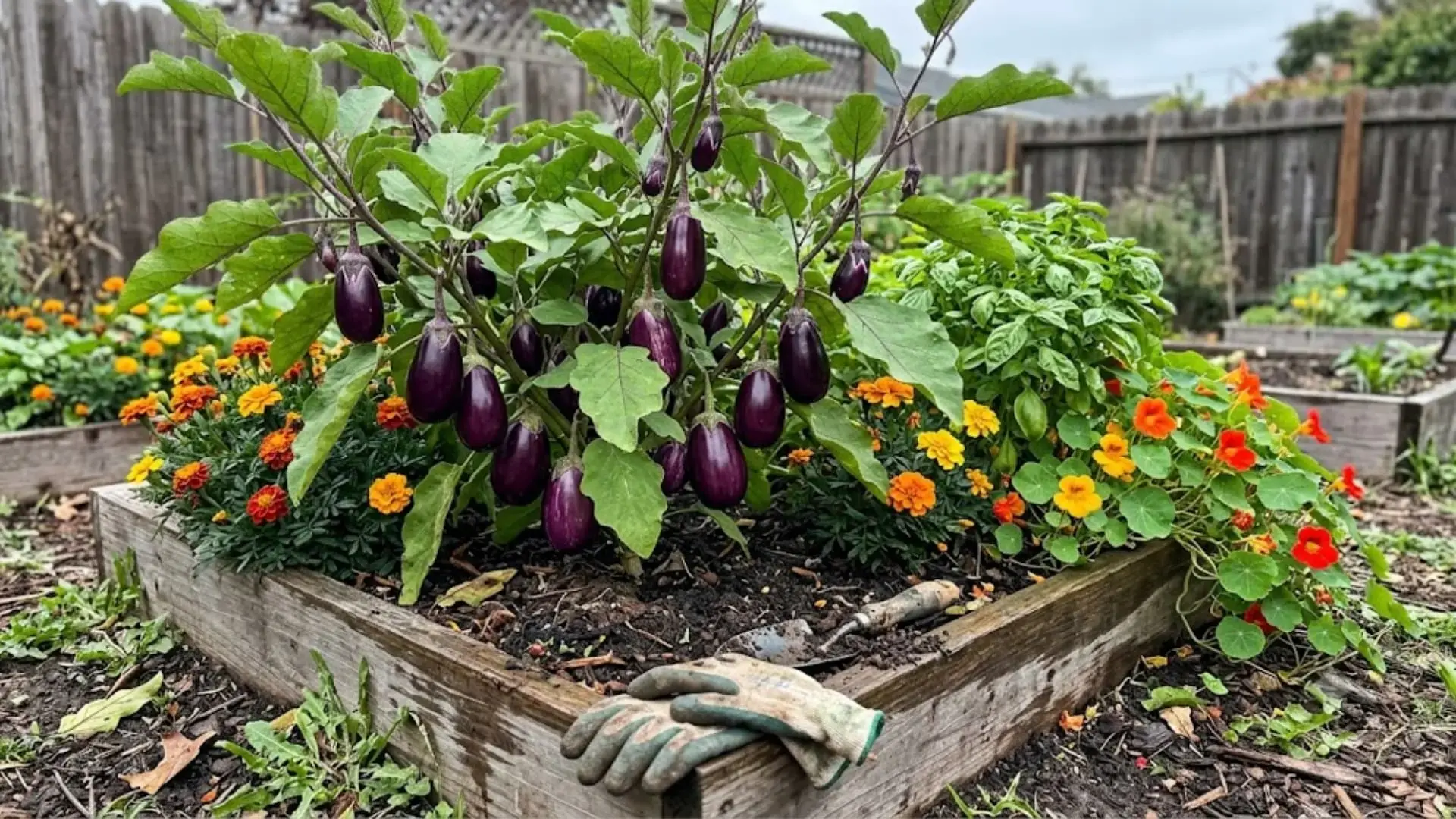
Eggplant does well when planted next to a few helpful neighbors. Picking eggplant companion plants helps your garden stay healthy and productive.
Some plants attract bees and other helpful bugs. Others naturally keep pests away from your eggplant. I learned this myself after losing plants to pests early on.
Your garden works better when plants support each other instead of competing for space. Pairing eggplant with the right neighbors saves you time during the season.
It also lowers the chances of pests and disease taking over. Choosing the right companions makes gardening easier for you.
What Makes a Good Companion Plant for Eggplant?
Good companion plants need the same sun and warm soil as eggplant. They should not compete with eggplant for water, nutrients, or root space.
Look for plants that attract pollinators and other helpful insects. Adding different plant types can make your garden more diverse.
Mixing plant heights also helps you use your space well. Tall plants can give some shade, while shorter plants fill in open ground.
It helps to think about how big a plant will grow. A small plant now might take up too much room later. Planning ahead helps each plant grow well together.
Best Eggplant Companion Plants for a Healthy Garden
I’ve read through plenty of options over the years, and tried quite a few myself, but I’m sharing a mix of what’s worked in my own garden and what solid research backs up.
Here are some of my favorites to grow alongside it:
1. Basil
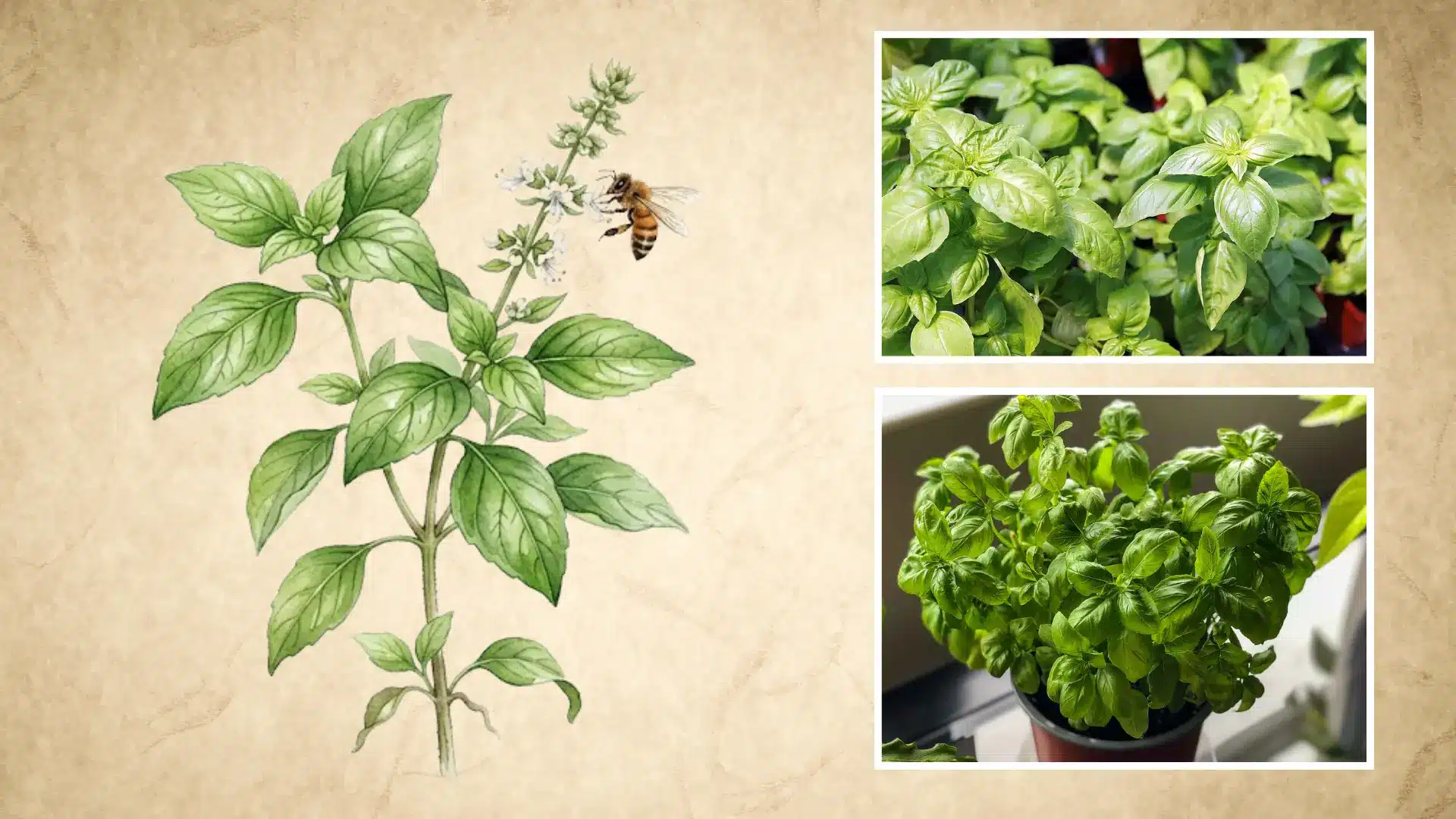
Basil and eggplant both prefer warm weather and full sun, making them a natural match. Its scent may help discourage certain nearby garden pests.
Small white flowers can bring bees and other pollinators to the bed. Space plants about twelve inches apart so roots have enough room.
Regular trimming keeps the plant bushy rather than leggy. It also adds a pleasant scent to the garden.
2. Marigolds
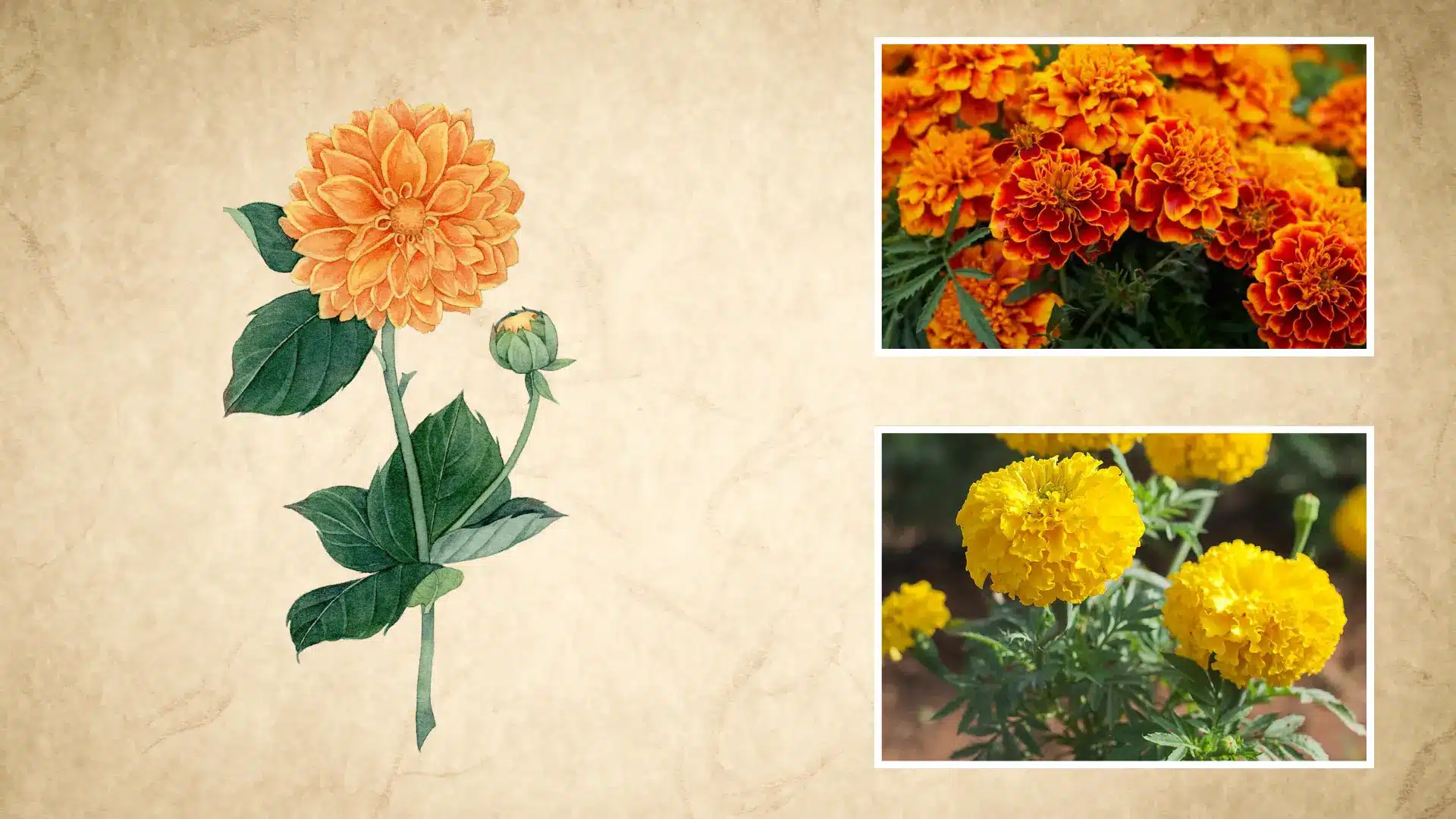
Marigolds are a common choice to plant alongside eggplant. Bright orange and yellow blooms attract bees, butterflies, and other helpful insects.
Compounds released by the roots may help reduce nematodes in the soil. Transplants or seeds can go around the base of each eggplant.
Their short, bushy shape keeps them from shading taller crops. Their color also adds a nice touch to the garden bed.
3. Nasturtiums
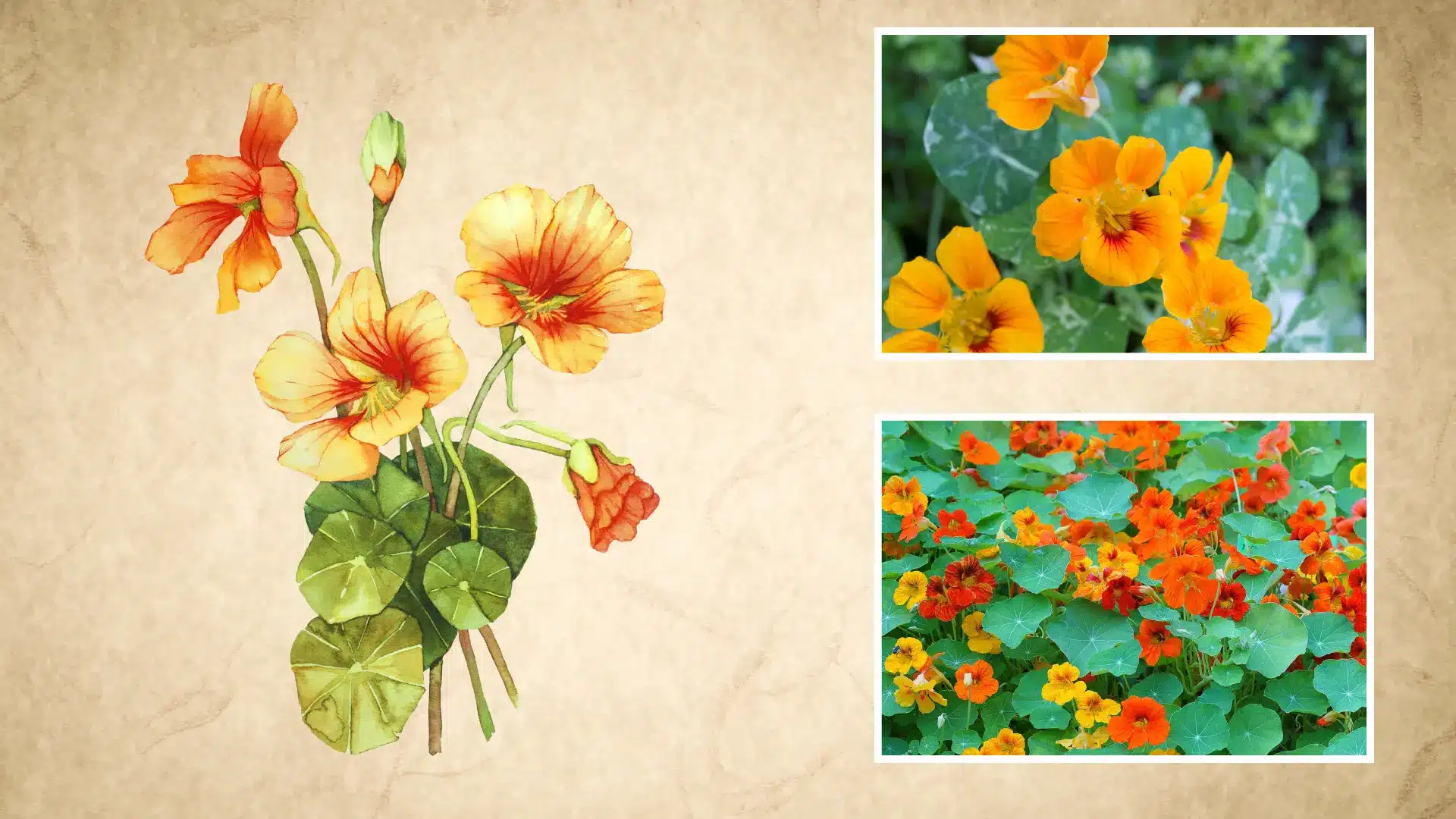
Nasturtiums can draw aphids away from eggplant, acting as a helpful trap crop. Sprawling vines fill open ground without taking up much root space.
Bright, trumpet-shaped blooms attract bees and hummingbirds. Scatter seeds directly into the soil, and they sprout easily.
Since aphids cluster on new growth first, learning to spot aphid infestations helps judge if nasturtiums are working.
4. Bush Beans
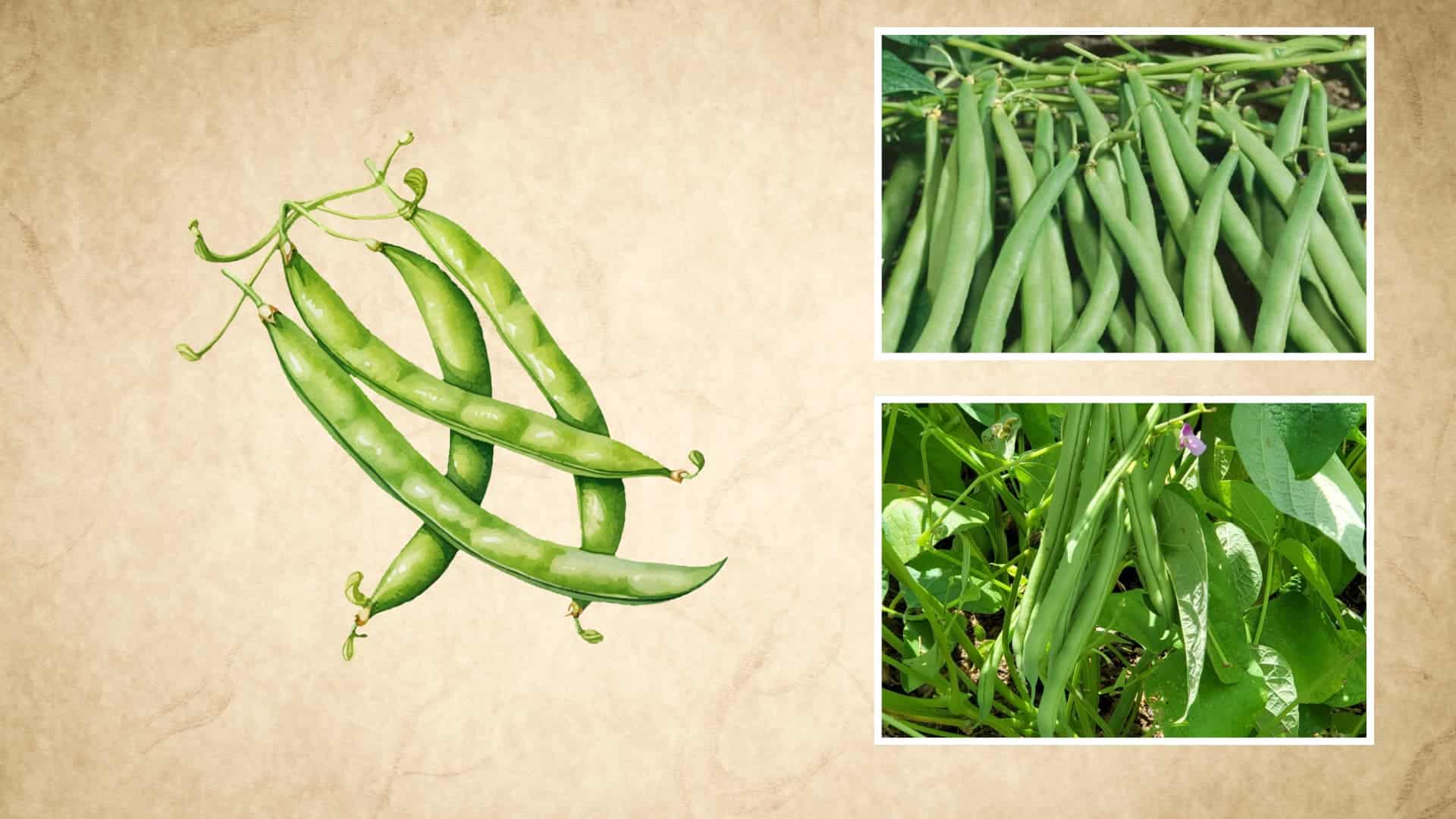
Bush beans have become one of my go-to picks ever since I first tried them in the eggplant bed. They add nitrogen to the soil as they grow, giving nearby eggplant a nice boost.
Their short, compact shape keeps them from shading taller plants, and small flowers throughout the season bring in bees.
I plant seeds directly in the ground, spacing them about six inches from eggplant, and the fast harvest often leaves room for a second planting.
5. Peas
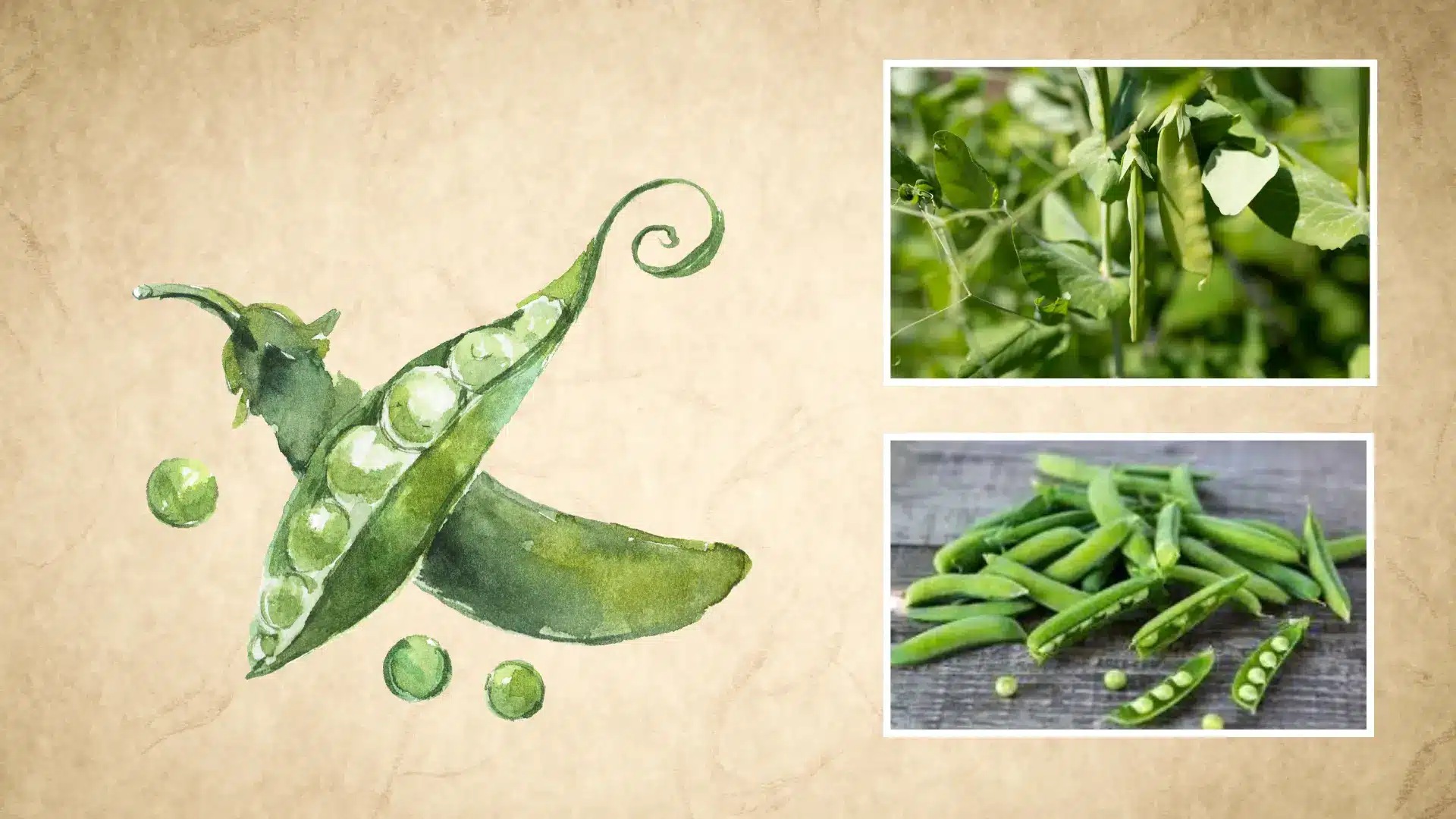
Peas grow best in cool spring weather and often finish before eggplant needs the space. Nitrogen left in the soil afterward can benefit eggplant later on.
Climbing vines take up little ground when grown on a trellis. Sow seeds directly as soon as the soil can be worked.
Flowers along the vine also attract bees. This timing allows two harvests from a single garden bed.
6. Spinach
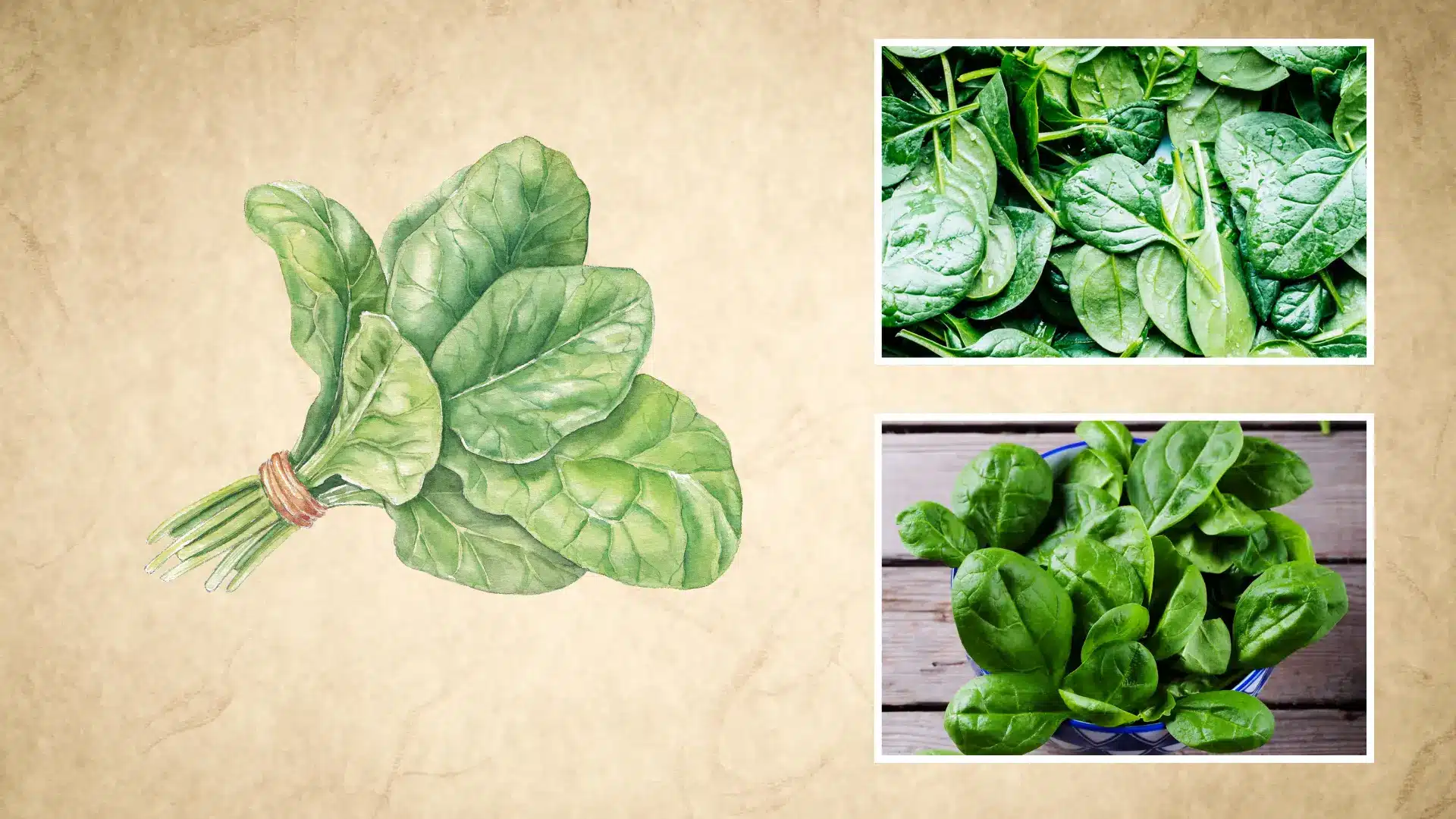
Spinach grows well in cool early-season temperatures, before eggplant is ready for the garden. Its shallow roots don’t compete much with eggplant’s deeper root system.
A short growing cycle means spinach is often picked before space gets tight. Sow seeds directly and thin seedlings once they sprout.
Its low, compact leaves fit neatly between other young plants. This makes spinach a practical choice for early spring beds.
7. Lettuce
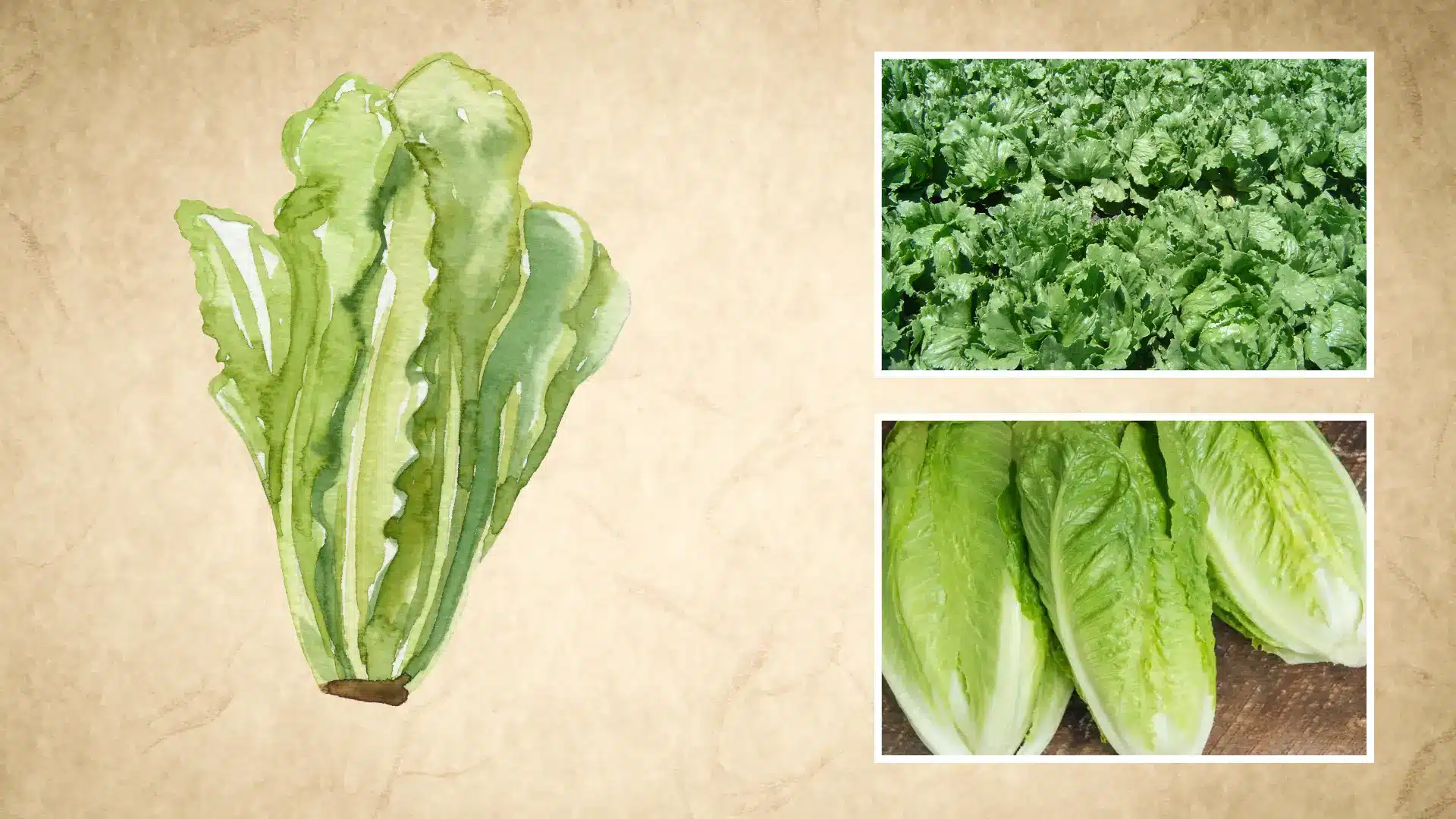
Lettuce can benefit from the shade that taller eggplant plants provide later in the season. Its shallow roots stay clear of eggplant’s deeper root zone.
Quick to mature, lettuce is often harvested before the bed fills in. Sow seeds close together, then thin as seedlings grow. Its low, leafy habit adds variety without demanding many resources.
This makes it a good option for filling gaps between larger plants.
8. Radishes
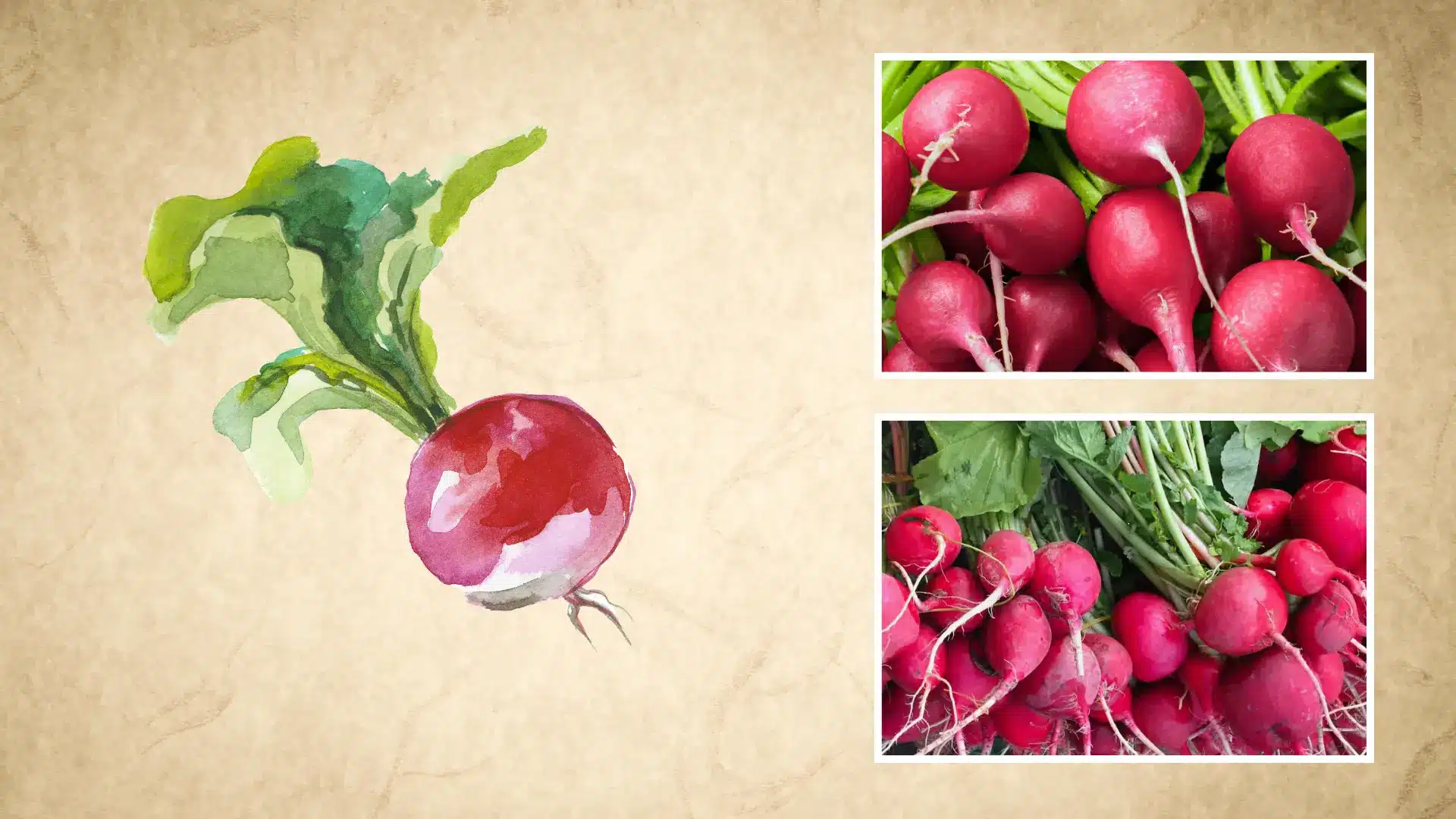
Radishes grow quickly and are often ready to harvest within a month. Their short time in the ground means little competition with eggplant.
Digging roots can help loosen compacted soil for nearby plants. Sow seeds directly and space them a few inches apart.
Their small size lets them fit into narrow, unused gaps. This crop requires little effort for a reliable harvest.
9. Carrots
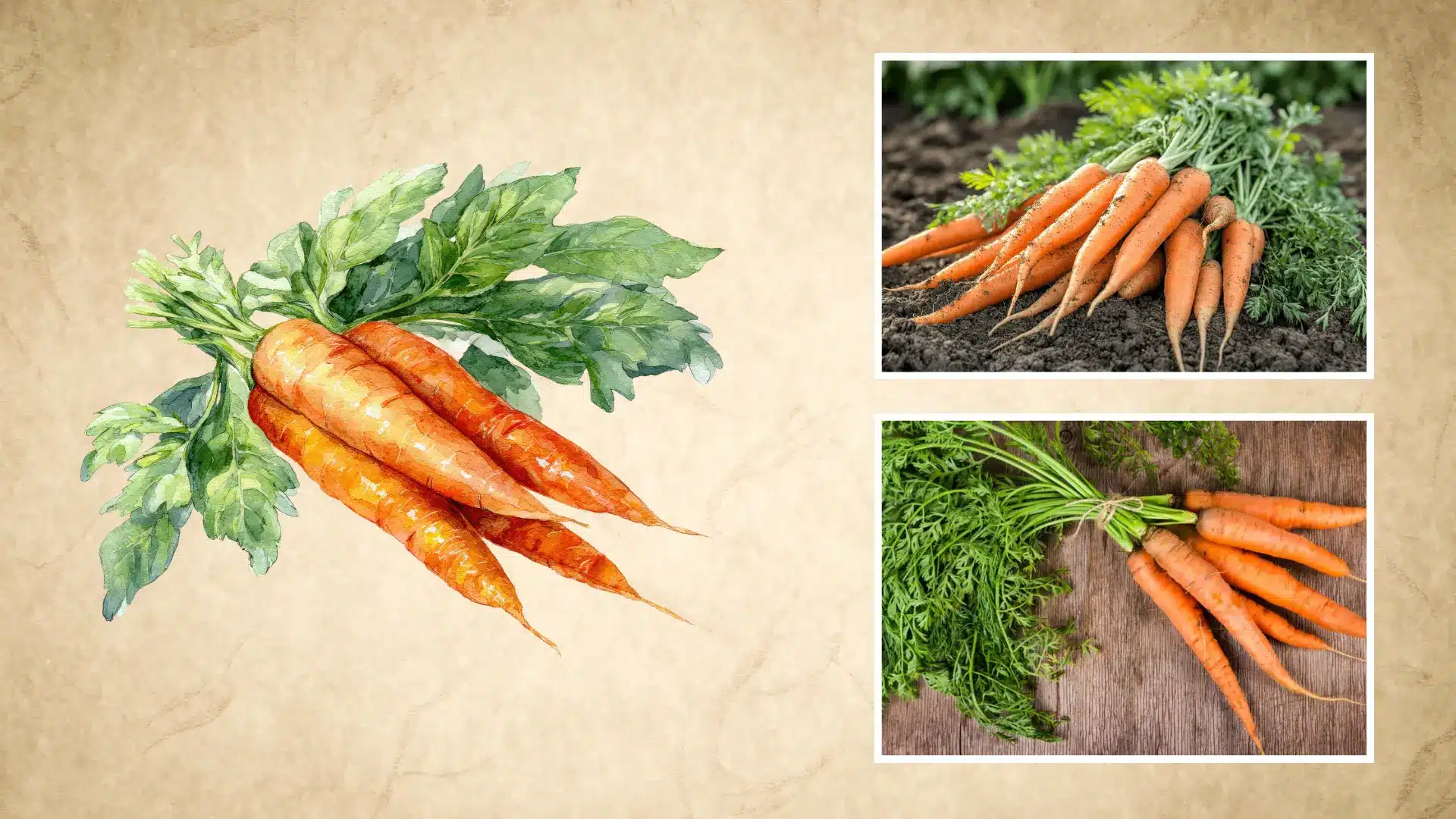
Carrots grow underground while eggplant grows tall above, so the two use space differently. Thin roots take up little space or nutrients from neighboring plants.
Loosened soil from carrot growth may also benefit nearby roots. Sow seeds directly and keep the soil consistently moist.
Thin seedlings once they sprout to prevent overcrowding. This pairing makes efficient use of both height and depth in a bed.
10. Onions
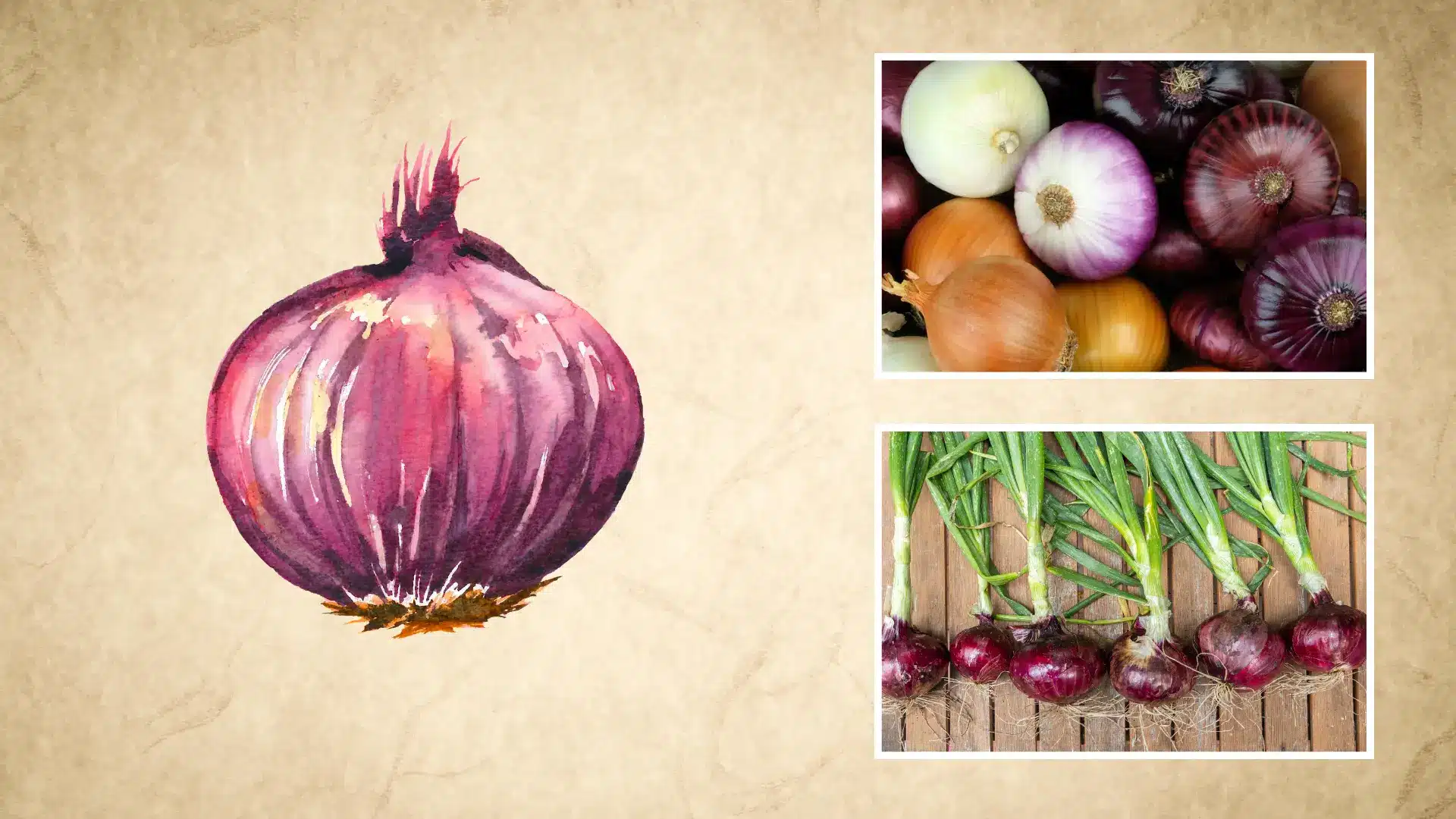
Onions have a strong smell that may help discourage certain garden pests. Their narrow, upright leaves take up very little ground space.
Sets or small seedlings can go a few inches from eggplant rows. Bulbs form below the surface while eggplant grows tall overhead.
Both plants prefer full sun and warm soil. This pairing offers a simple, practical way to manage pests.
11. Garlic
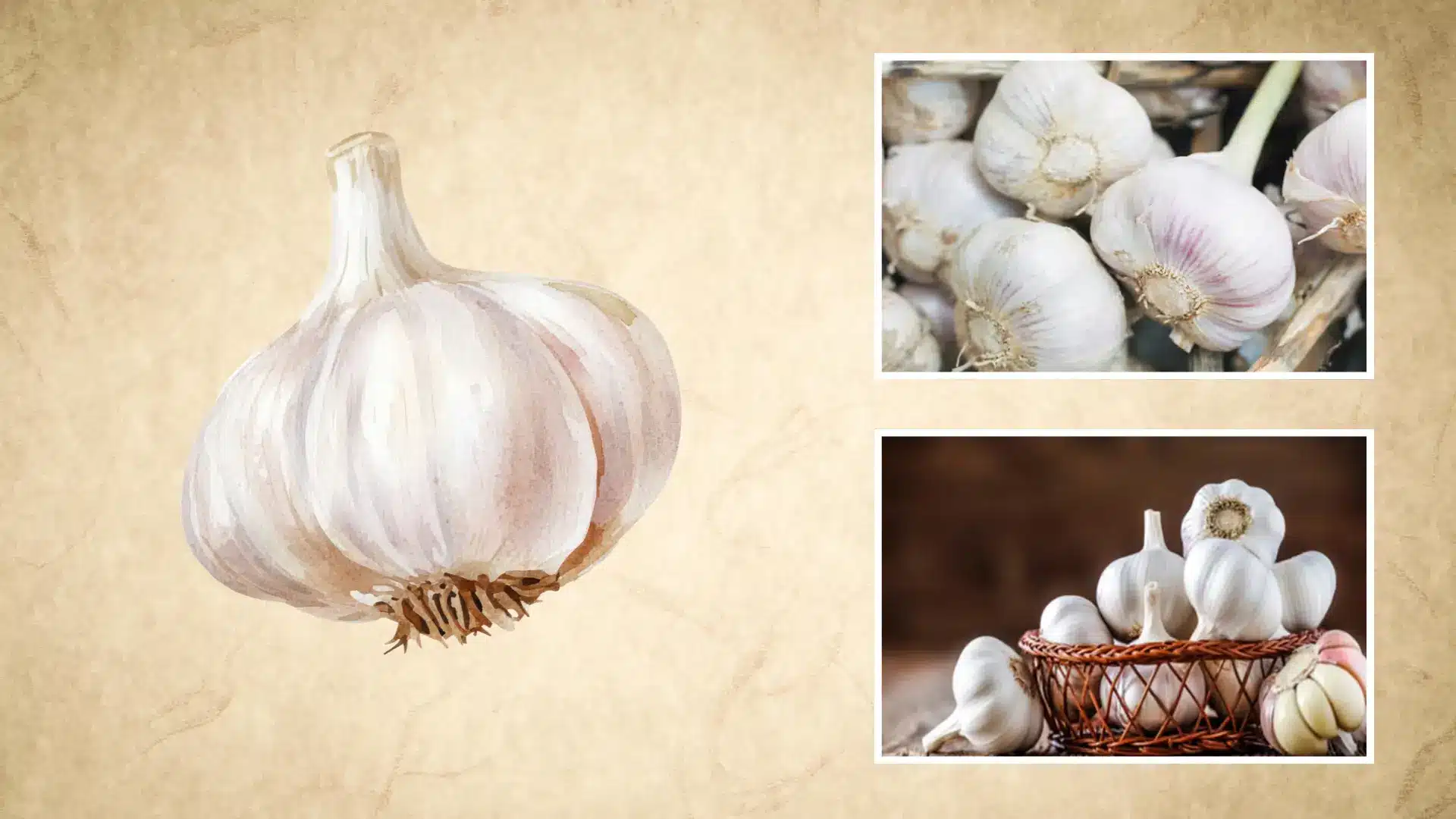
Garlic gives off a strong scent that may help keep pests away. Its slim, upright growth takes up little space above the soil.
Getting clove depth and spacing right when planting garlic cloves in fall affects bulb size the following summer.
Both plants share similar sun and soil needs. This makes garlic a low-maintenance addition with pest-control benefits.
12. Thyme
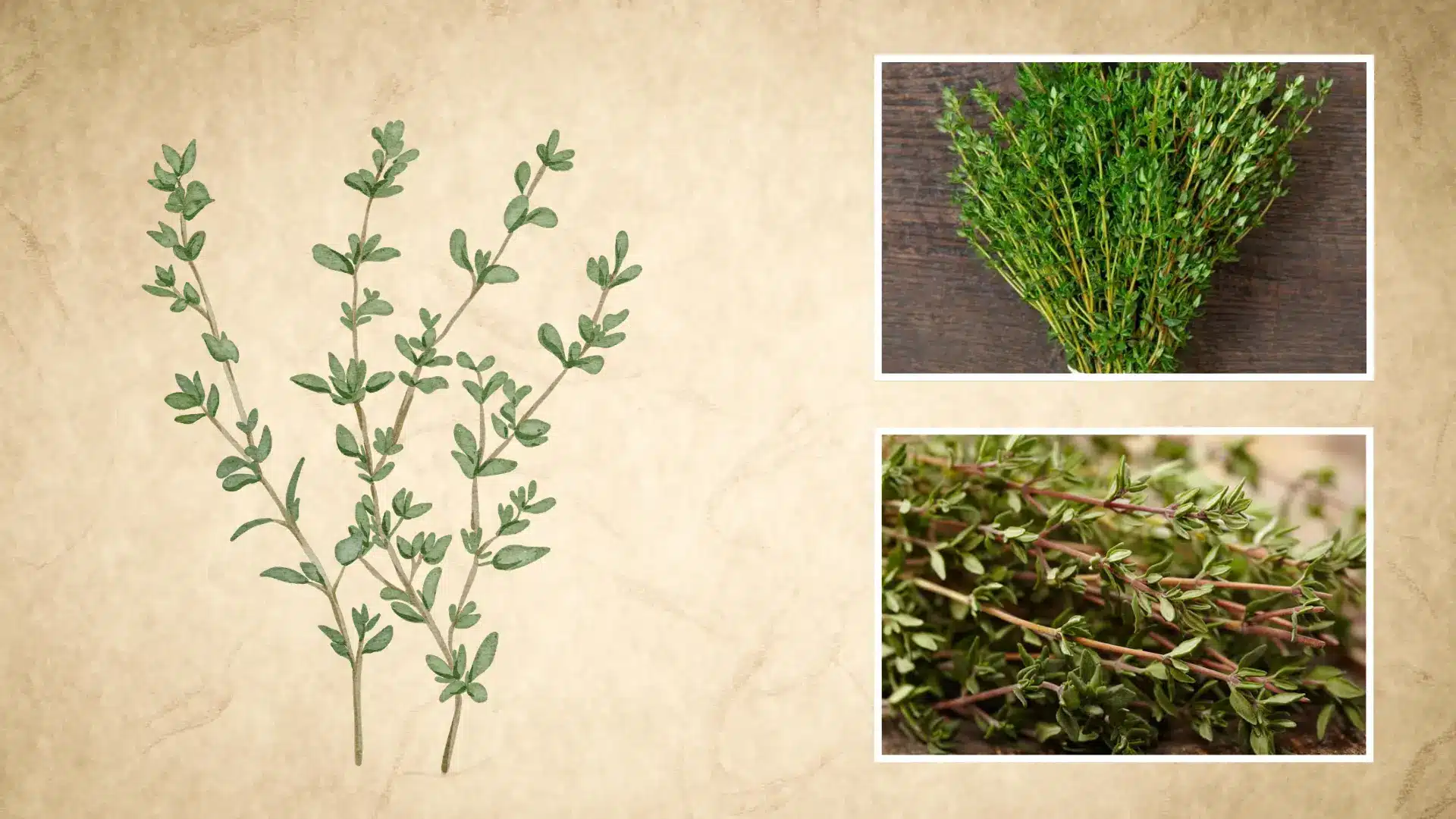
Thyme spreads low along the ground and works well as a border near eggplant. Its small flowers attract bees and other pollinators.
Being drought-tolerant, it doesn’t draw extra water away from nearby plants. Plant it along bed edges, where it has room to spread.
Trim it occasionally to keep growth neat. It also adds fragrance and texture to the garden.
13. Oregano
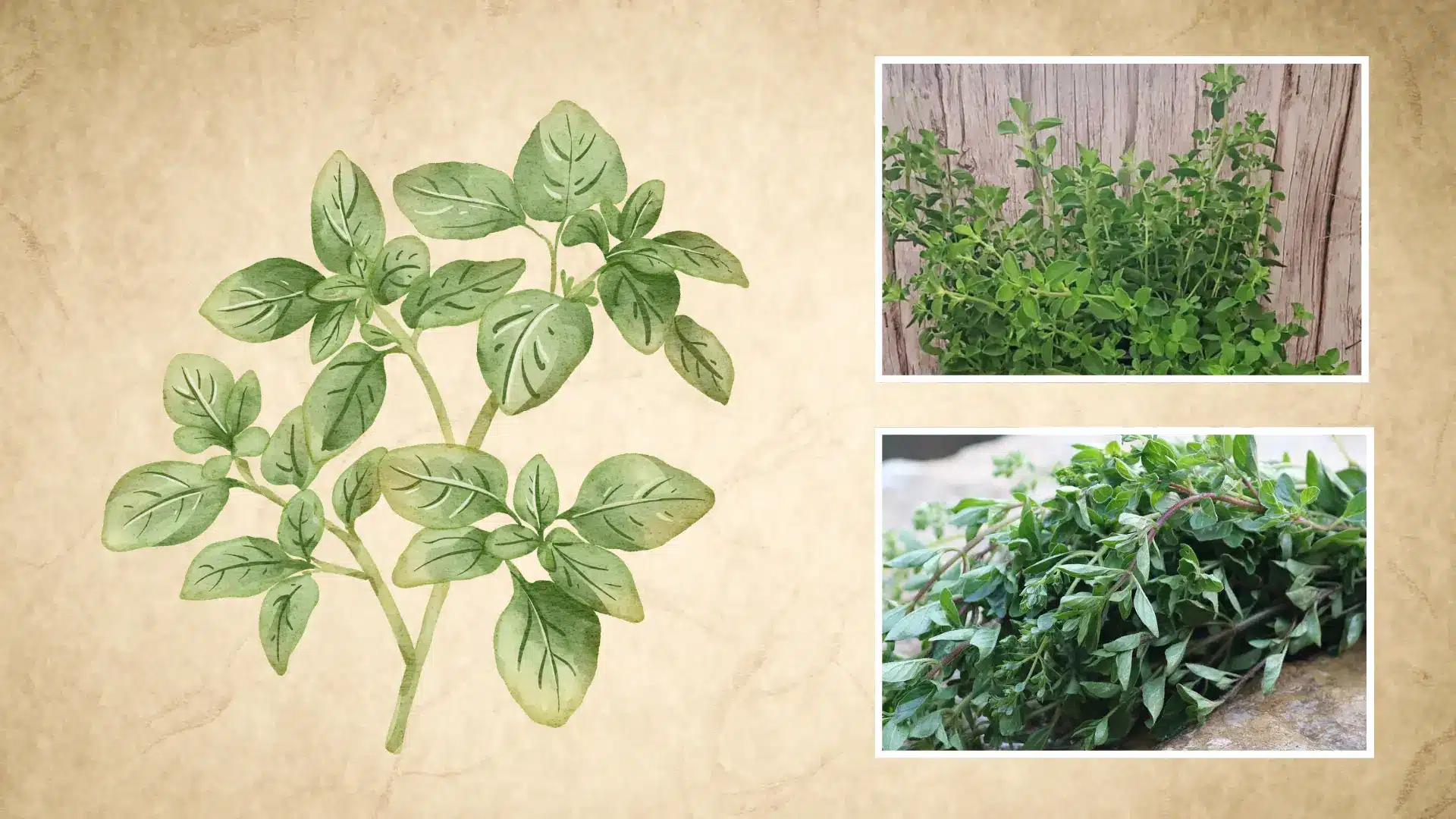
Oregano’s ground-hugging growth fills space without blocking light from taller plants. Its flowers attract bees and other beneficial insects.
It tolerates the same warm, sunny conditions that eggplant prefers. Plant it along borders or between rows, where it can spread out.
Trim it back occasionally to keep it in check. This herb adds fragrance to the bed with little upkeep required.
14. Dill
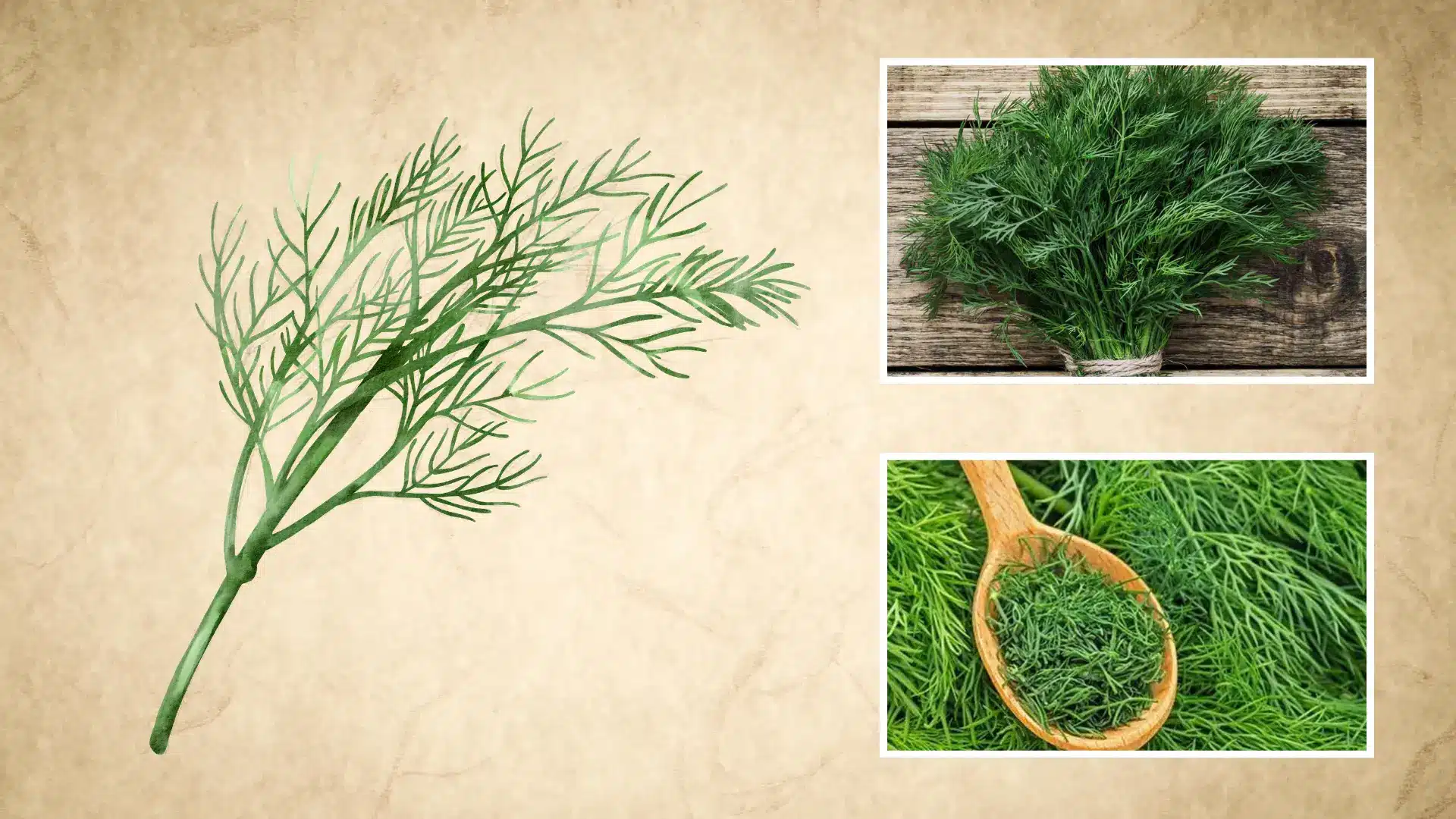
In my own garden, dill is one herb I always make room for near eggplant.
It attracts ladybugs and lacewings, which help control garden pests, and its tall stems offer light shade to smaller plants.
For this herb, I plant seeds directly since it transplants poorly, giving it distance from eggplant so both have enough root room.
15. Calendula
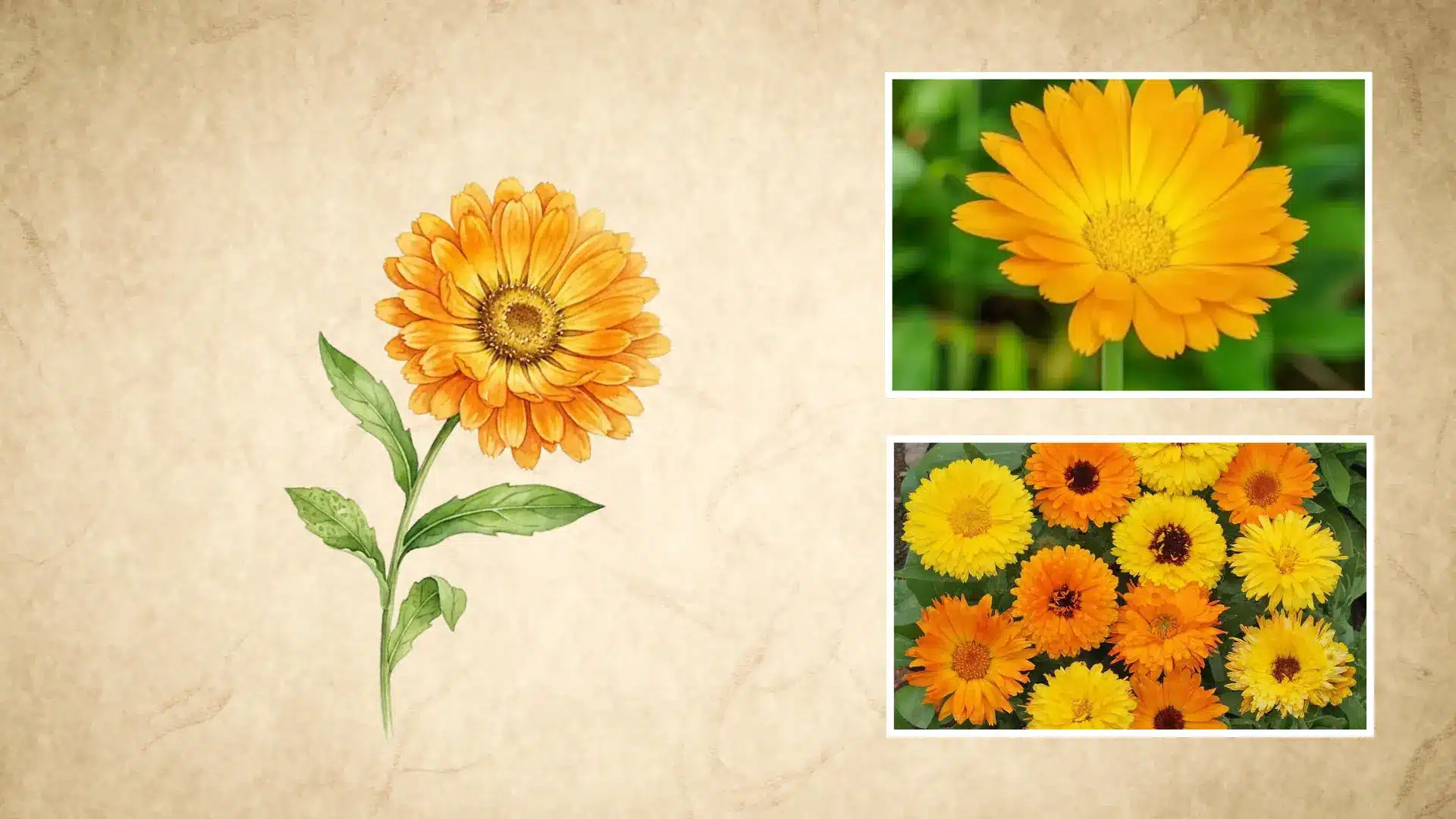
Calendula’s bright blooms attract bees and other pollinators to the garden. Some gardeners plant it to help draw pests away from other crops.
Its compact size keeps it from crowding eggplant’s root zone. Sow seeds or set out young plants in early spring. Removing spent flowers encourages new blooms.
This flower adds color along with some pest-management benefits.
16. Sweet Alyssum
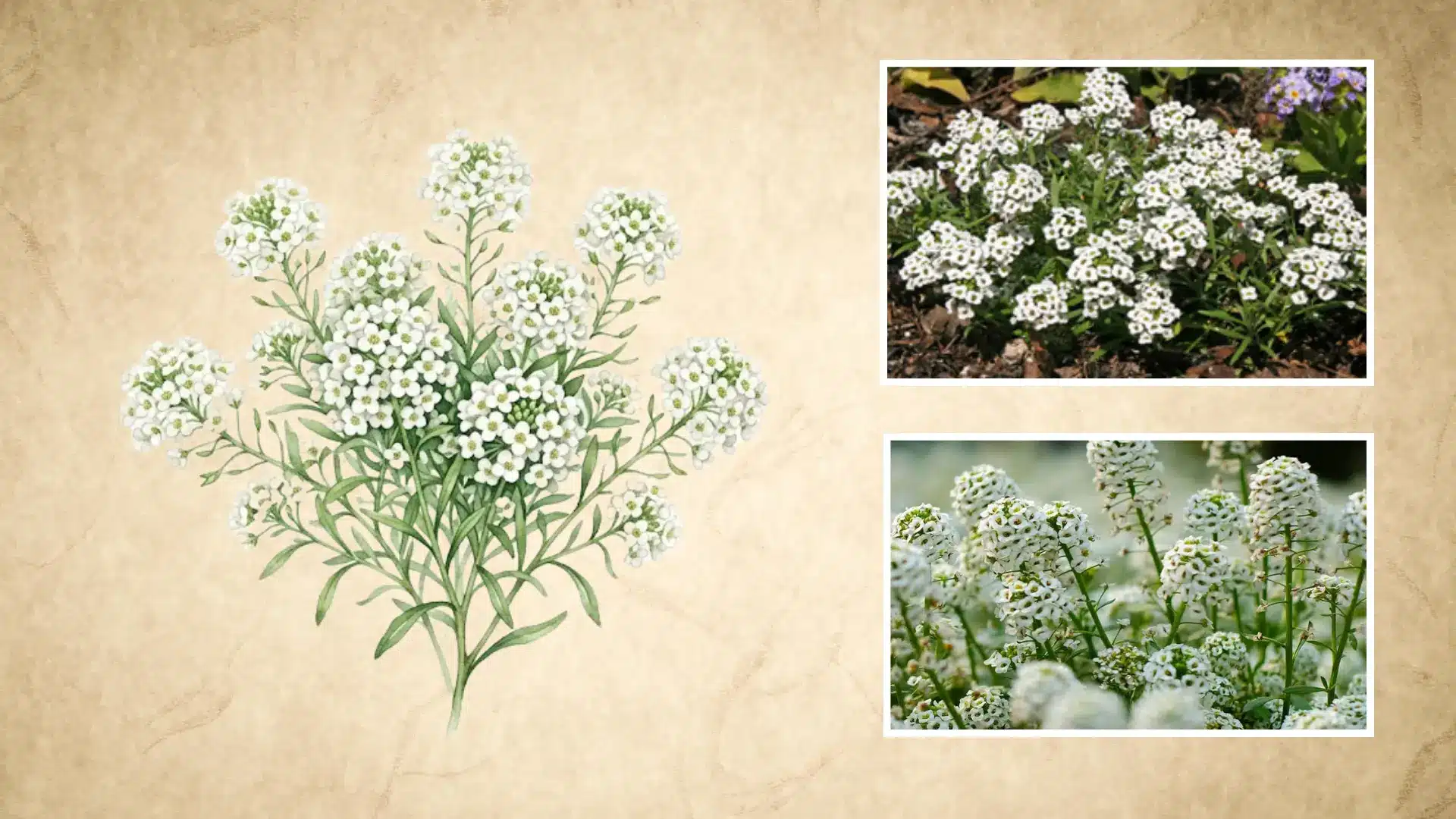
Sweet alyssum spreads low to the ground, filling gaps around taller plants. Its tiny flowers attract hoverflies, which help keep aphids in check.
Compact growth means little competition for nutrients or space. Scatter seeds near the base of eggplant to fill in quickly.
It tends to bloom steadily through the growing season. These flowers offer both ground cover and pest control.
17. Parsley
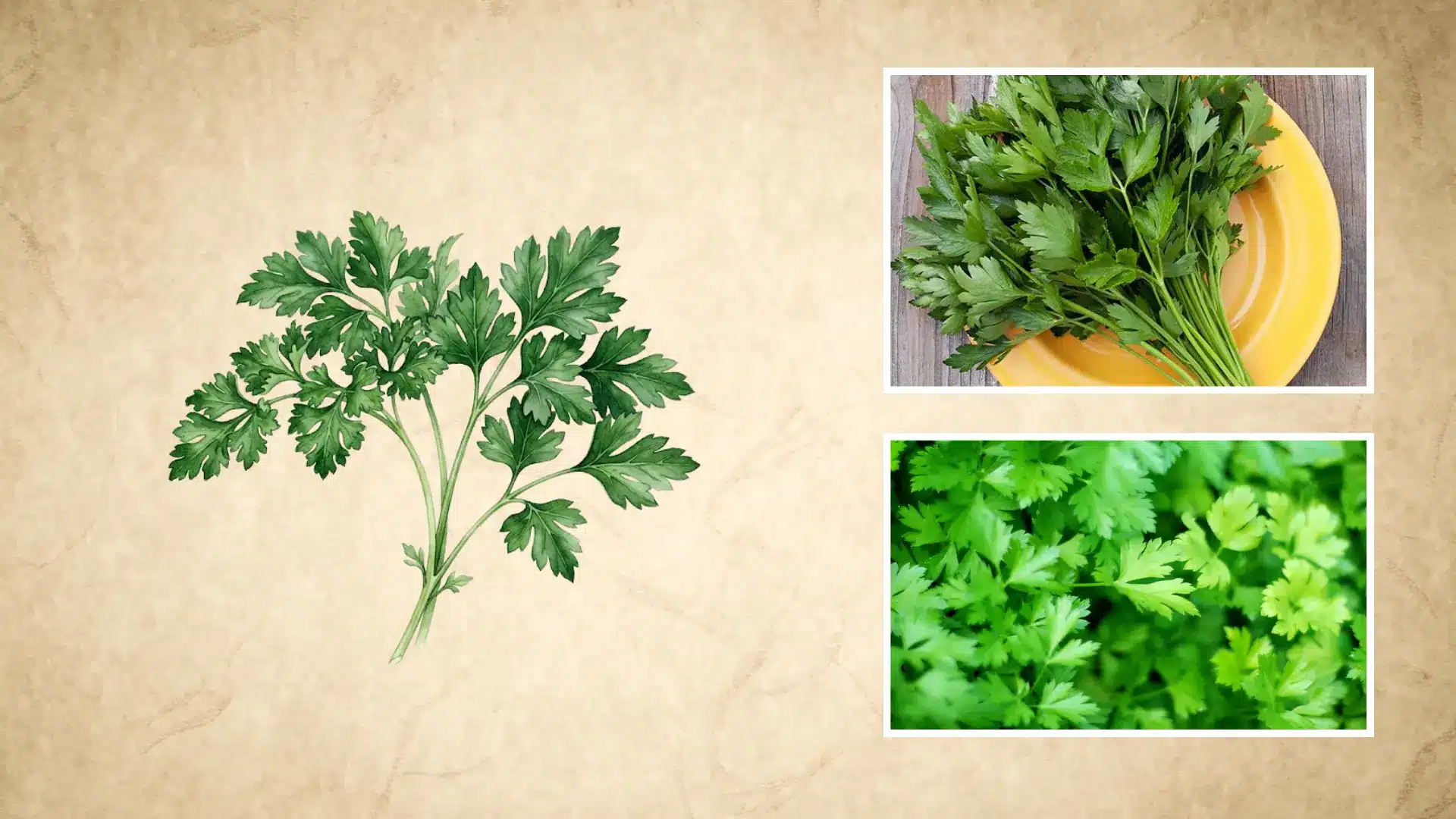
Out of all the companions I’ve tried, parsley is one of my favorites near eggplant.
Its small flowers pull in ladybugs and other helpful insects, and its low, compact growth tucks in easily between bigger plants.
It shares similar sun and soil needs too. I sow seeds directly since parsley tends to transplant poorly, and I harvest leaves often to keep growth full and space well used.
18. Cilantro
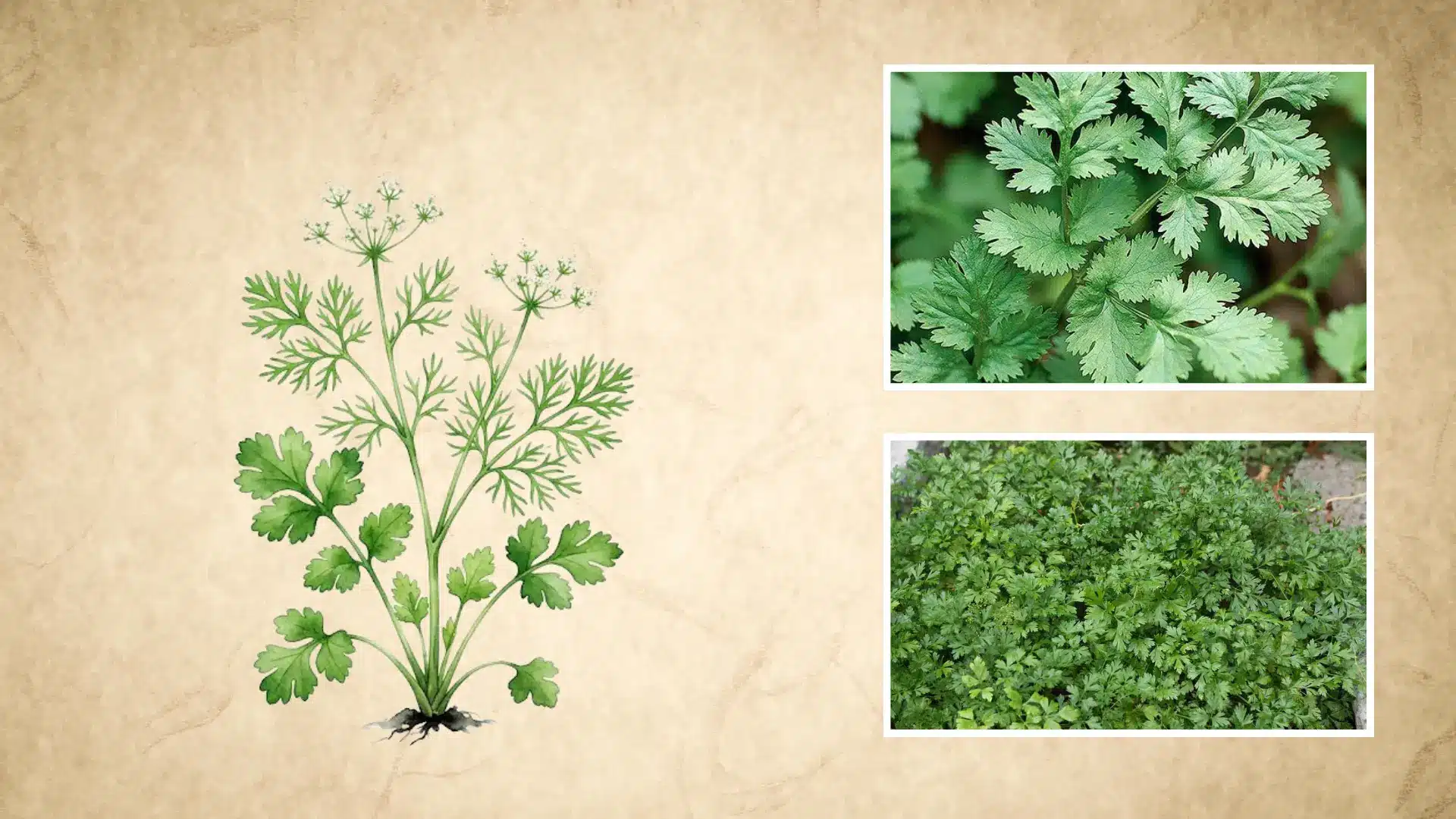
Cilantro’s delicate flowers attract insects that help control common garden pests. Its short growing cycle means you can harvest it before space becomes limited.
This herb does best in cooler temperatures, so plant it early. Sow seeds directly, as cilantro rarely transplants well.
Its light, feathery growth doesn’t block much sunlight from nearby plants. This makes it a quick, easy companion for eggplant.
19. Rosemary
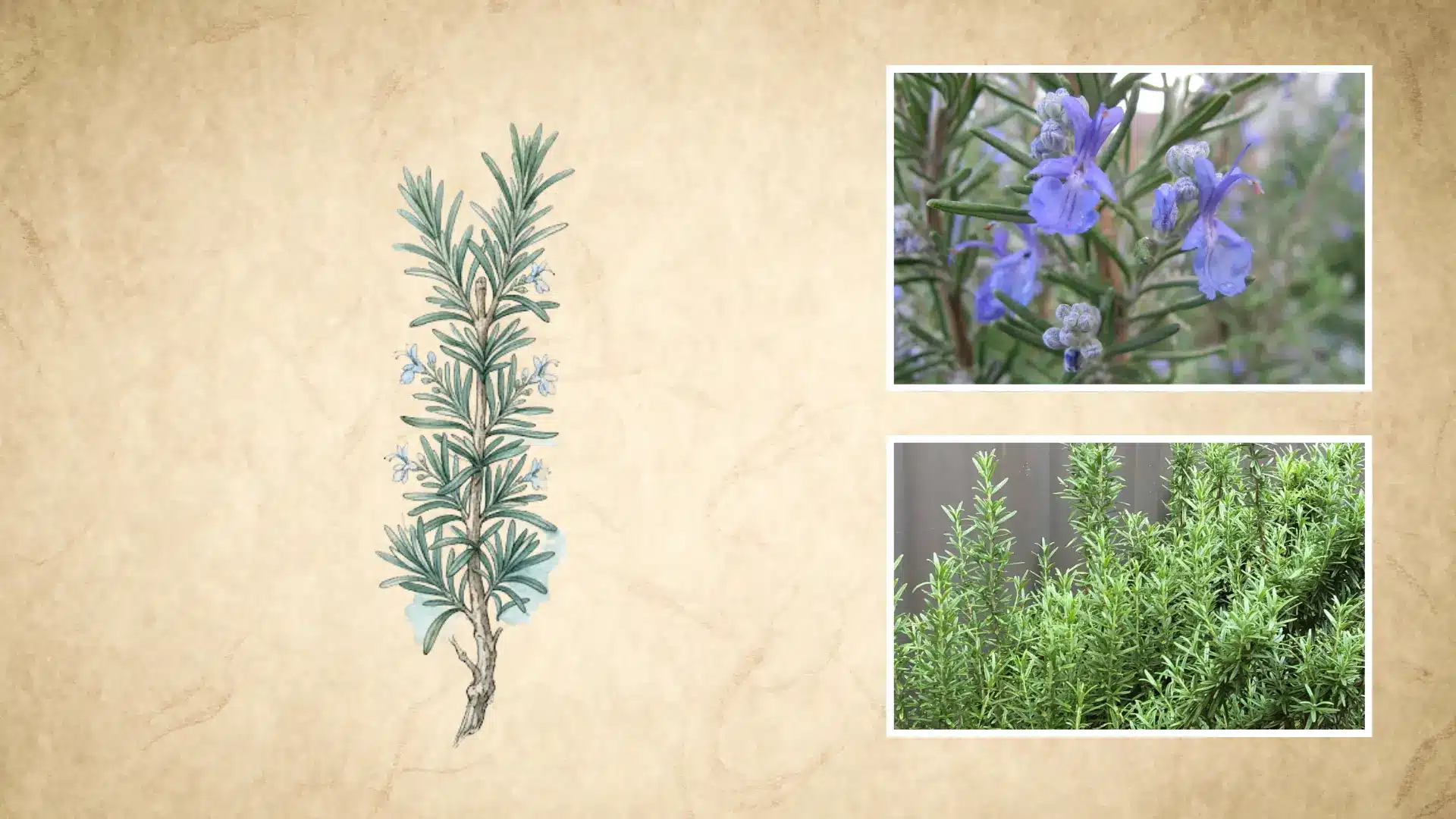
Rosemary’s strong scent may help keep certain pests at a distance. Woody, upright stems take up little space once established. Small blue flowers attract bees.
Plant it along bed edges, giving it room to grow undisturbed. It prefers the same warm, sunny conditions as eggplant. This herb adds structure and fragrance with very little upkeep.
20. Chives
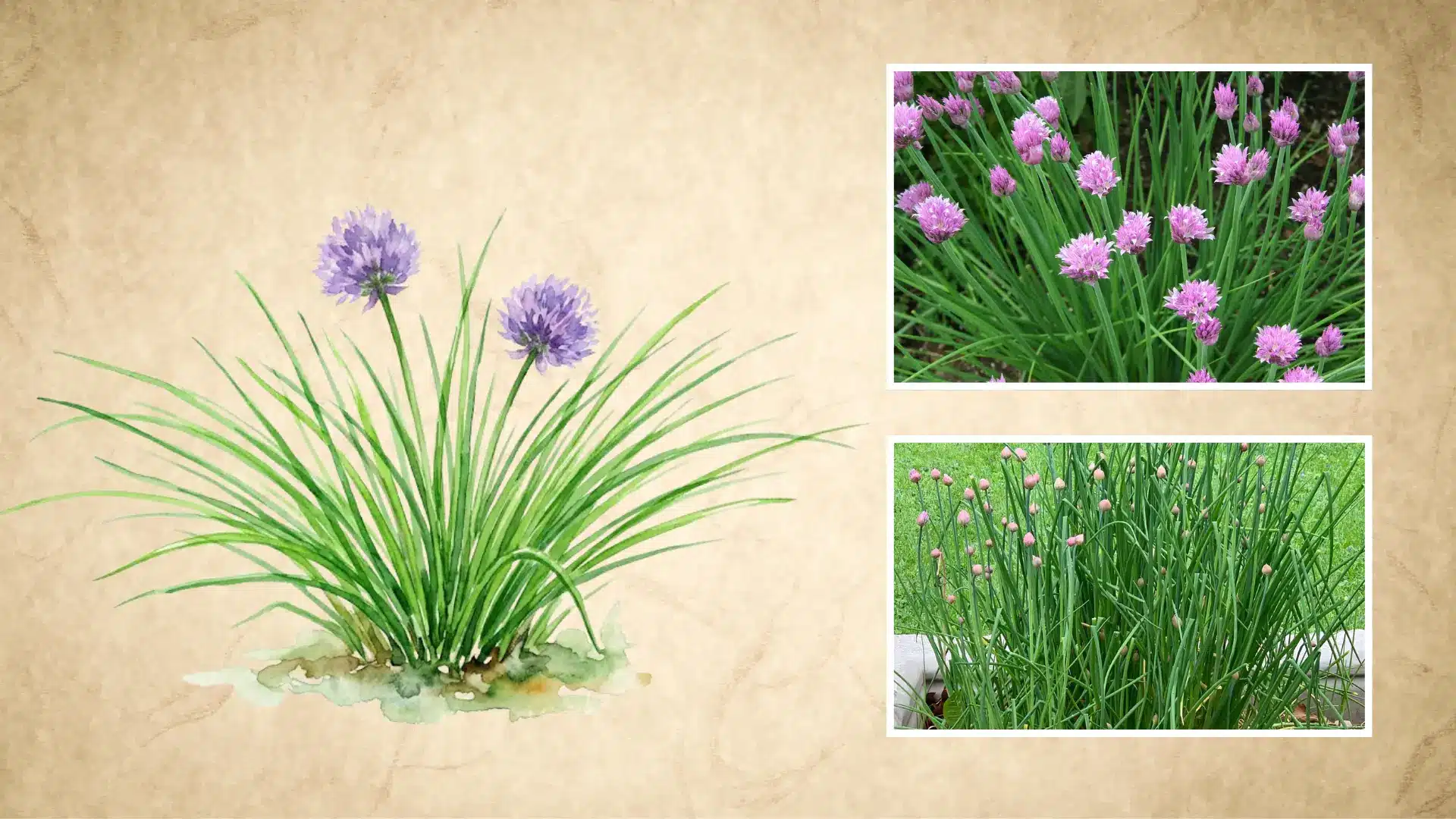
Chives have a sharp scent that may help keep certain pests away. Their narrow, upright leaves take up very little space in the bed.
Purple flowers attract bees and other pollinators during the growing season. Plant bulbs or divisions along borders or between rows.
Established clumps can be divided and replanted every few years. This makes chives a tidy option for tighter spaces.
21. Borage
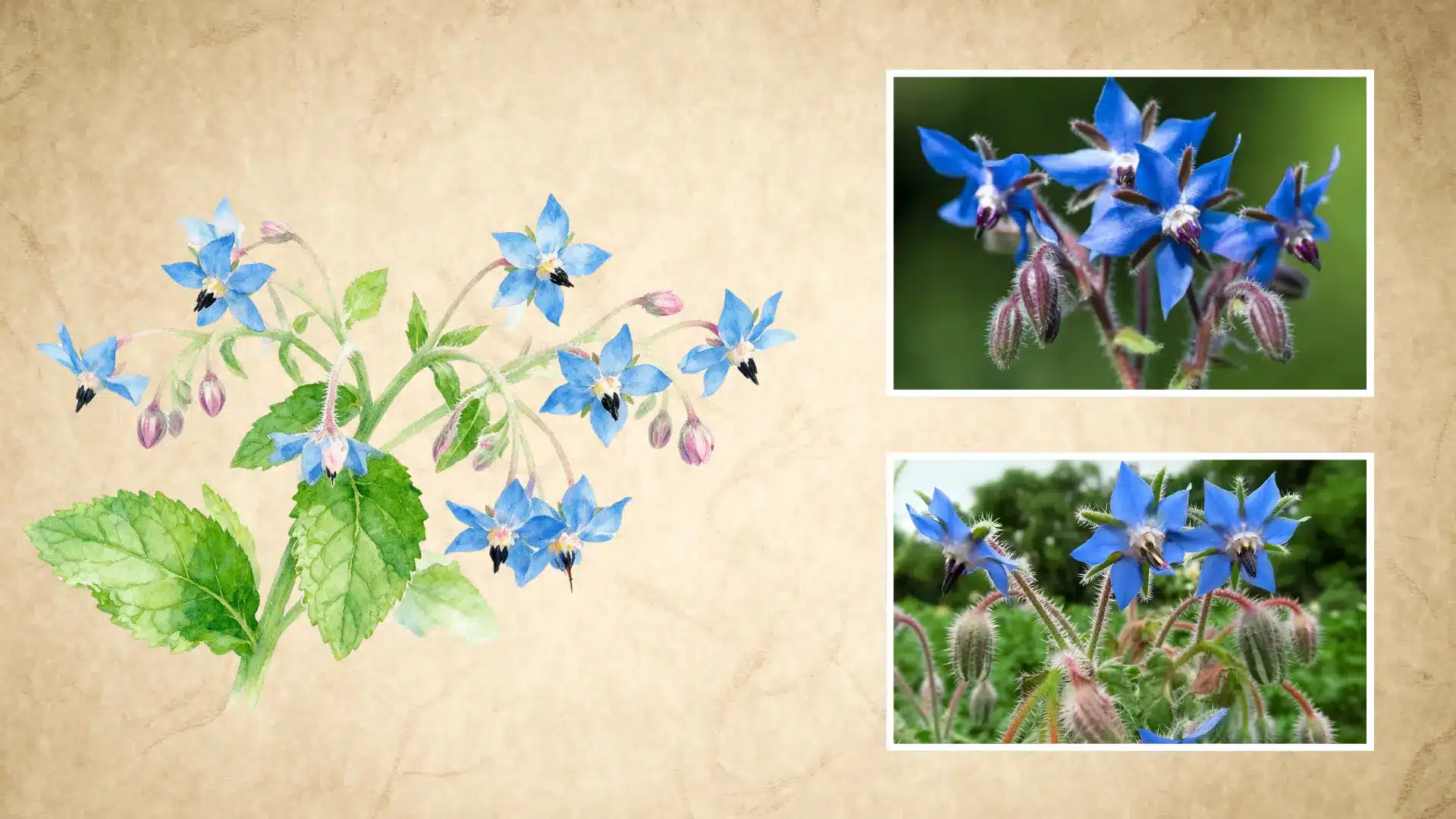
Borage draws bees to the garden with its bright blue flowers. Some gardeners believe it can improve the health of nearby vegetables.
Sow seeds directly, since borage grows quickly and often self-seeds on its own. Give it extra room, as it tends to spread wider than expected.
Its star-shaped blooms add a pop of color to the bed. This herb offers strong pollinator support throughout the season.
22. Turnips
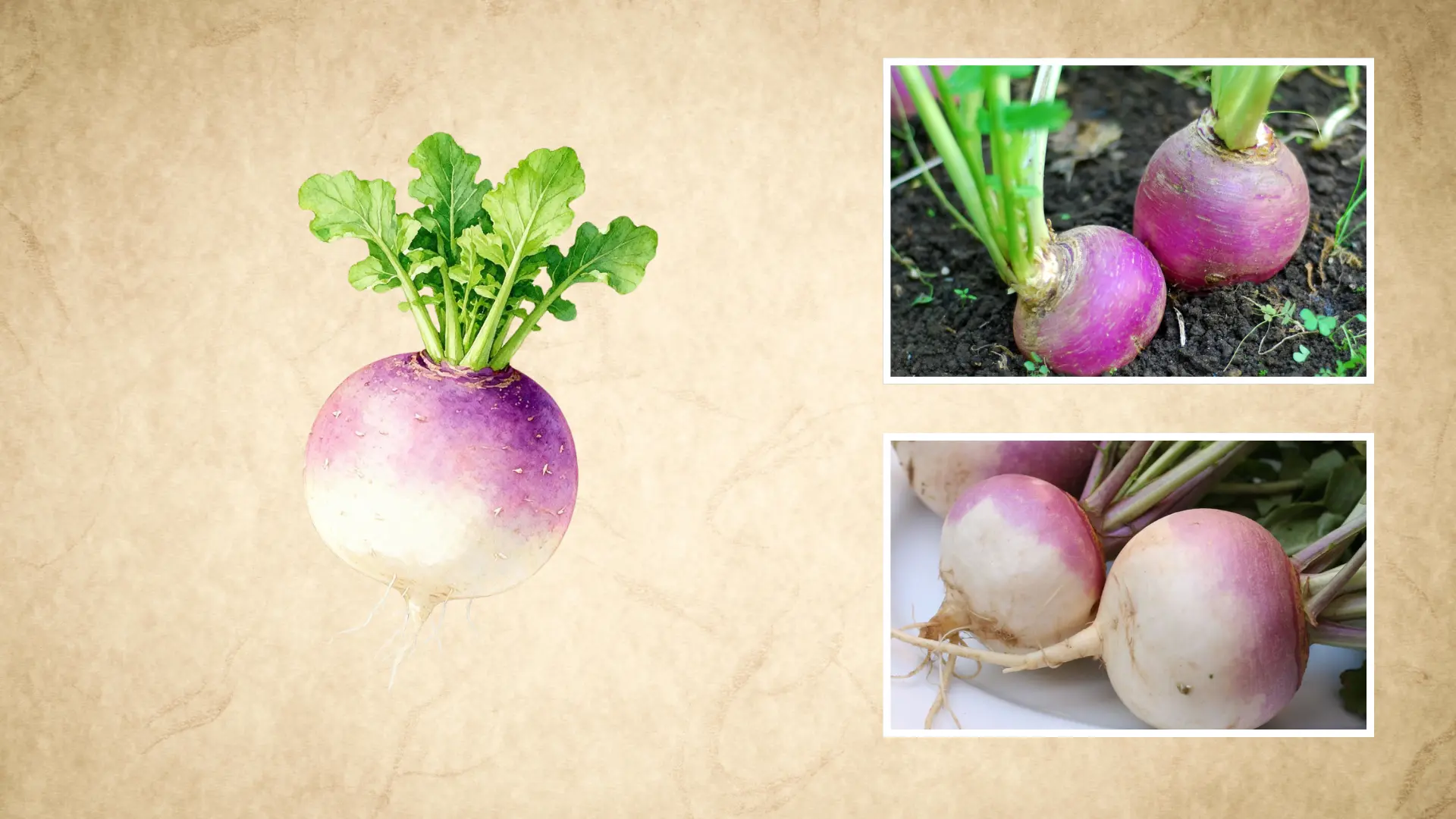
Turnips grow below ground while eggplant grows tall above it. A short growing season means turnips are usually harvested before crowding becomes an issue.
Loosened soil from root growth may benefit nearby plants too. Sow seeds directly, then thin them to encourage stronger growth.
Both the greens and roots are useful in the kitchen. This root vegetable uses garden space efficiently.
23. Beets
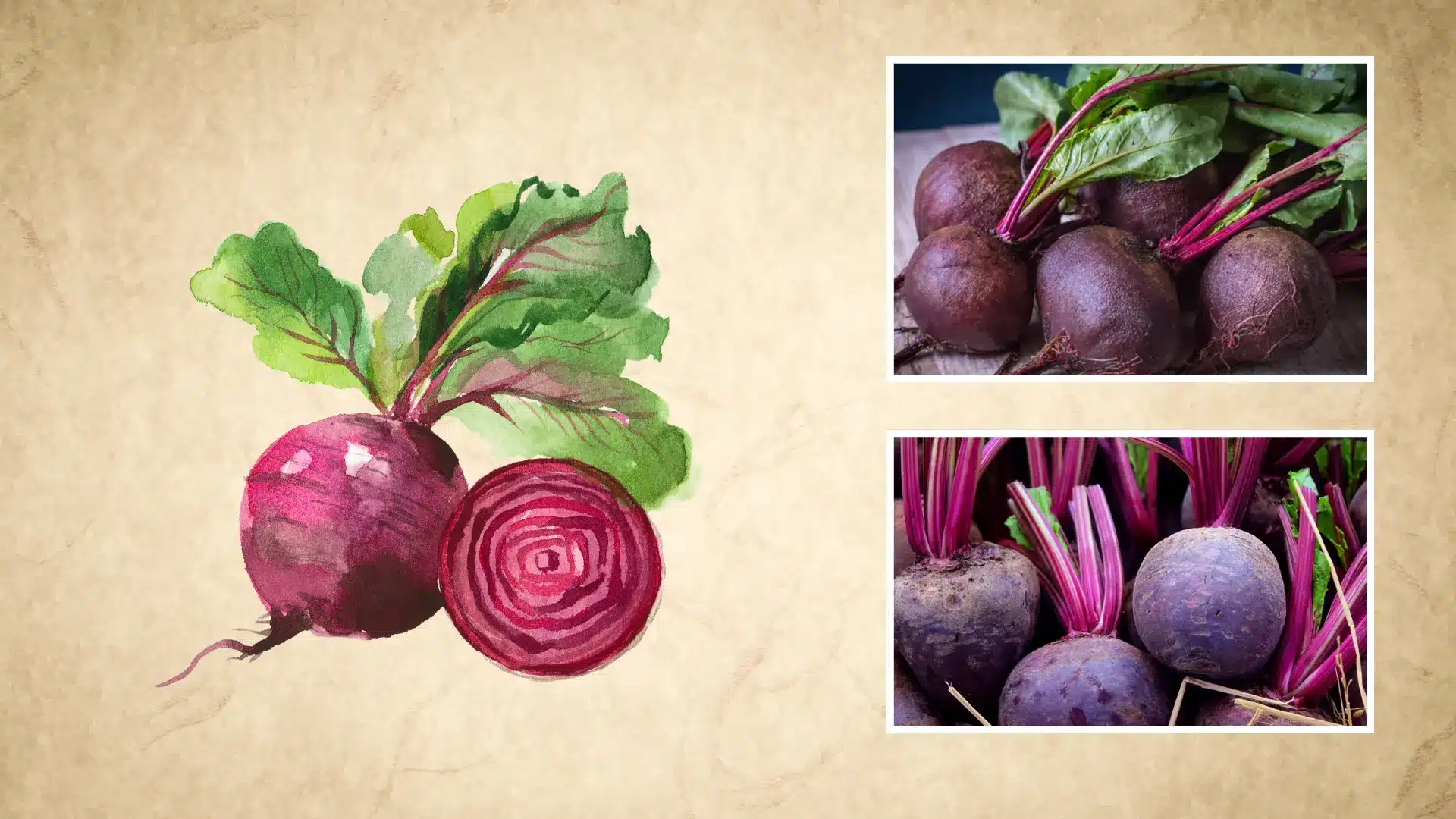
Beets share similar soil needs with eggplant, making them easy to grow together. Shallow roots minimize competition for underground space.
You can harvest both the leafy tops and roots. Sow seeds directly, then thin them to give roots room to expand.
Their compact habit fits well into narrow spaces near larger plants. This crop offers practical, dual-purpose value in the bed.
24. Swiss Chard
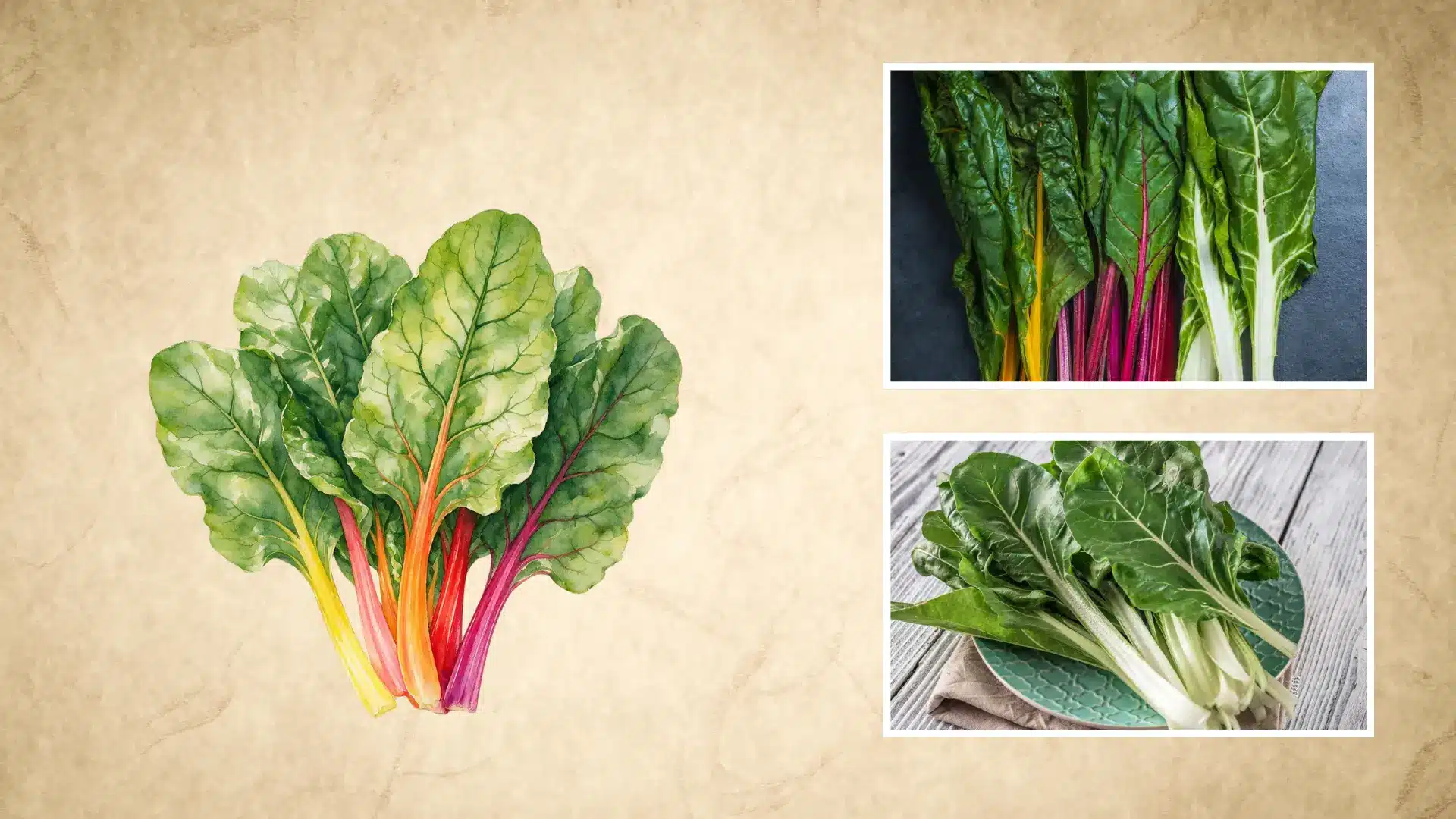
Swiss chard tolerates the same warm growing conditions that suit eggplant. Upright leaves take up moderate space without crowding nearby roots.
Harvesting outer leaves regularly keeps the plant producing through the season. Seeds or young transplants both work well to start this crop.
Its colorful stems add visual variety to the garden. This leafy green offers a steady, low-maintenance harvest.
25. Celery
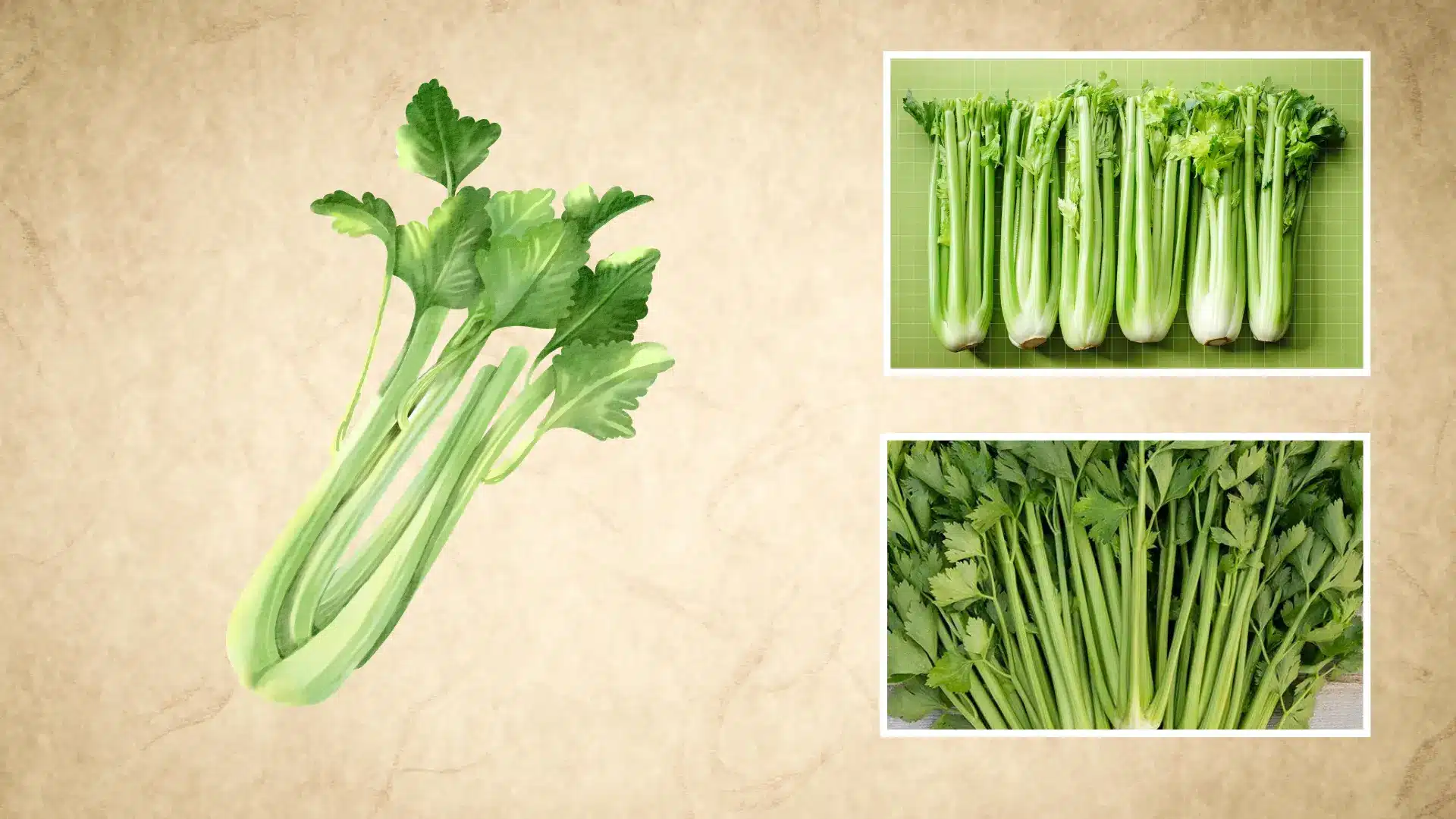
Celery prefers consistently moist soil, similar to what eggplant needs. Its upright growth keeps it from spreading into eggplant’s space.
Afternoon shade from taller eggplant plants can actually benefit celery. Transplant young seedlings rather than sowing them directly outdoors.
Keeping soil evenly moist throughout the season leads to better results. Shared water needs make this a practical pairing for the garden.
What Not to Plant With Eggplant
Some plants just don’t work well next to eggplant. Here’s what I tend to avoid planting close by:
| Plant | Why to Avoid | Key Concern |
|---|---|---|
| Fennel | Often kept separate from vegetable crops. | May release compounds that slow nearby plant growth, though evidence is limited. |
| Corn | Competes with eggplant for light and nutrients. | Tall stalks can shade eggplant, and wide roots can crowd its root zone. |
| Large or Spreading Crops (Pumpkins, Squash, Melons) | Vines take up too much ground space. | Sprawling growth can block light and reduce airflow, raising disease risk. |
| Tomatoes, Peppers, and Potatoes | Not automatically bad, but need caution. | The same nightshade family shares pests and diseases; rotate crops to reduce risk. |
A little planning keeps every plant healthy. If curious how a full nightshade bed compares, a tomato companion planting layout follows similar logic with different pest-deterring neighbors.
Tips for Planting Eggplant With Companion Plants
Planting eggplant with companions takes a little more thought than planting alone. A few simple steps can help everything grow well together:
- Follow spacing guidelines for your eggplant variety instead of filling every gap with companion plants.
- Position companions carefully so tall plants don’t block the sunlight eggplant needs throughout the day.
- Group plants with similar watering needs, avoiding drought-tolerant herbs next to plants that need consistently moist soil.
- Avoid overcrowding by pruning or harvesting companions regularly to maintain airflow around eggplant foliage.
- Think about mature plant size, not seedling size, when placing tall or spreading companions nearby.
I always think a few steps ahead before adding new plants to my eggplant bed. This kind of planning saves me time and keeps my garden looking its best.
Frequently Asked Questions (FAQs)
How Far Apart Should Eggplant and Companion Plants Be Spaced?
Spacing depends on the companion, but most herbs and flowers do well six to twelve inches from eggplant’s base.
Does Companion Planting Really Improve Eggplant Yields?
Companion planting can support healthier growth by attracting pollinators and deterring pests, though results vary by garden and conditions.
Can Eggplant Be Companion Planted with Herbs in Raised Beds?
Raised beds work well for pairing eggplant with herbs like thyme or oregano, since good drainage suits both plant types.
The Bottom Line
A little planning with companion plants makes all the difference for my eggplant. Start It picking the right neighbors for the bed.
The right neighbors keep pests away and pollinators close by. That means fewer problems and a healthier eggplant plant all around.
I stick to plants that won’t compete with eggplant for space, light, or water. Each one gets enough room to grow into its full size. Small choices now save me headaches later in the season.
My garden works best as a team, not a bunch of plants doing their own thing. Bookmark this page and come back before your next planting season.