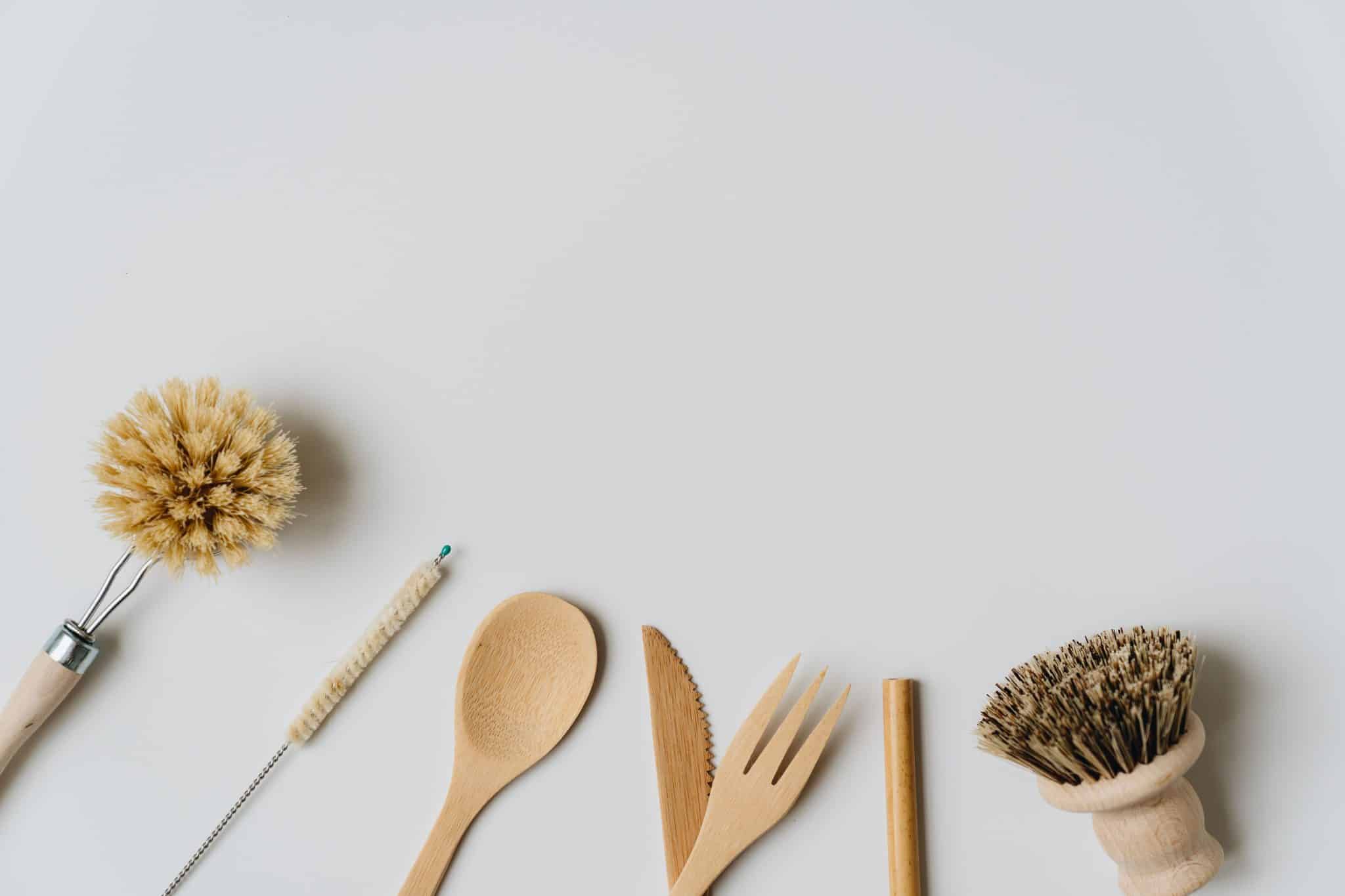
Cleaning your home often creates more trash than most people realize. Disposable wipes, plastic spray bottles, refill pouches, and single-use scrubbers pile up surprisingly fast over the course of a year. Fortunately, reducing plastic waste does not mean sacrificing a clean kitchen, sparkling bathroom, or fresh-smelling living space. A few thoughtful product swaps can dramatically shrink the amount of plastic entering your home while making your cleaning routine more affordable over time. Whether you are just getting started or looking to replace worn-out supplies, making practical changes can have a lasting impact.
Rethink the Cleaning Products You Buy First
One of the easiest places to begin is by understanding the problem with plastic. Most household cleaning bottles are made from plastic that may only be used once before being discarded. Even when containers are technically recyclable, many never complete the recycling process because of contamination, local recycling limitations, or mixed materials.
Instead of purchasing a brand-new bottle every time you run out, look for refill concentrates packaged in glass, aluminum, or recyclable paper. A single reusable spray bottle can last for years with proper care. Powdered cleaning tablets and concentrated liquids also reduce shipping weight, lowering transportation emissions while eliminating unnecessary packaging.
Simple cleaning cloths made from cotton, bamboo, or cellulose can replace countless disposable wipes. Natural scrub brushes with wooden handles and replaceable heads also stay useful much longer than inexpensive plastic brushes that crack or warp after repeated use. These small upgrades reduce household waste without making daily chores more difficult.
Build a Cleaning Kit That Lasts for Years
Creating a reusable cleaning collection is often less expensive than continually replacing disposable supplies. Rather than filling a cabinet with specialty cleaners, focus on durable tools that serve multiple purposes throughout the home.
Glass spray bottles work well for everything from all-purpose cleaners to window sprays. Stainless steel buckets resist rust and last for decades. Reusable microfiber cloths can clean countertops, appliances, mirrors, and furniture before going straight into the washing machine for another round.
Many homeowners also replace disposable mop pads with washable fabric versions designed to fit reusable mop systems. The same idea applies to dusting cloths, dish brushes, and floor scrubbers. Purchasing quality products once usually costs less than buying inexpensive plastic replacements several times each year.
Storage matters, too. Keeping cleaning tools dry between uses helps natural materials last longer and prevents mold or unpleasant odors from developing. With proper maintenance, a thoughtfully chosen collection of reusable supplies can remain dependable for many years.
Natural Ingredients Can Handle More Than You Think
Many effective cleaning routines rely on ingredients that have been used for generations. White vinegar helps dissolve mineral deposits, baking soda provides gentle abrasion for scrubbing, and castile soap works on a wide variety of surfaces without requiring several different specialty products.
Gardens also offer surprising inspiration for sustainable living. Learning about the benefits of dandelions reminds people that many plants commonly dismissed as weeds actually have practical value. While dandelions are better known for culinary and gardening uses than household cleaning, they reflect a broader mindset of making better use of natural resources instead of automatically reaching for disposable, heavily packaged alternatives.
Reusable containers make homemade cleaning solutions simple to store. Label each bottle clearly and mix only what you expect to use within a reasonable amount of time. Homemade cleaners are not appropriate for every surface, especially natural stone or certain specialty finishes, so always verify compatibility before applying any solution.
The goal is not to replace every commercial cleaner overnight. Instead, identify products that can safely be simplified while keeping specialized cleaners available when they genuinely perform better for specific materials.
Reduce Single-Use Plastic Without Changing Your Entire Lifestyle
Many people assume sustainable living requires a complete lifestyle overhaul, but meaningful progress usually happens through gradual habits. Replacing one disposable item every month often creates more lasting change than attempting to transform every purchasing decision at once.
Choose refill stations when they are available in your community. Purchase larger concentrated products that reduce packaging. Bring reusable shopping bags consistently rather than relying on store-provided plastic bags. Keep reusable gloves, cloths, and brushes accessible so convenience continues working in your favor.
The same philosophy extends beyond cleaning supplies. Refillable hand soap dispensers, reusable food storage containers, stainless steel water bottles, and cloth produce bags all reduce everyday waste while fitting naturally into existing routines. When one plastic item eventually wears out, replace it with a longer-lasting alternative instead of purchasing another disposable version.
Small Changes Create a Cleaner Home and Less Waste
Reducing plastic waste does not require perfection. Every reusable bottle, washable cloth, and refillable container replaces dozens or even hundreds of disposable products over time. Those individual decisions add up, creating less household trash while often lowering long-term costs.
A cleaner home and a cleaner environment can support each other without adding unnecessary complexity. By choosing durable tools, reducing single-use plastics, and making thoughtful purchasing decisions, homeowners can build a cleaning routine that performs well today while producing far less waste tomorrow. Practical improvements are usually the easiest ones to maintain, making sustainable cleaning a realistic goal for almost any household.