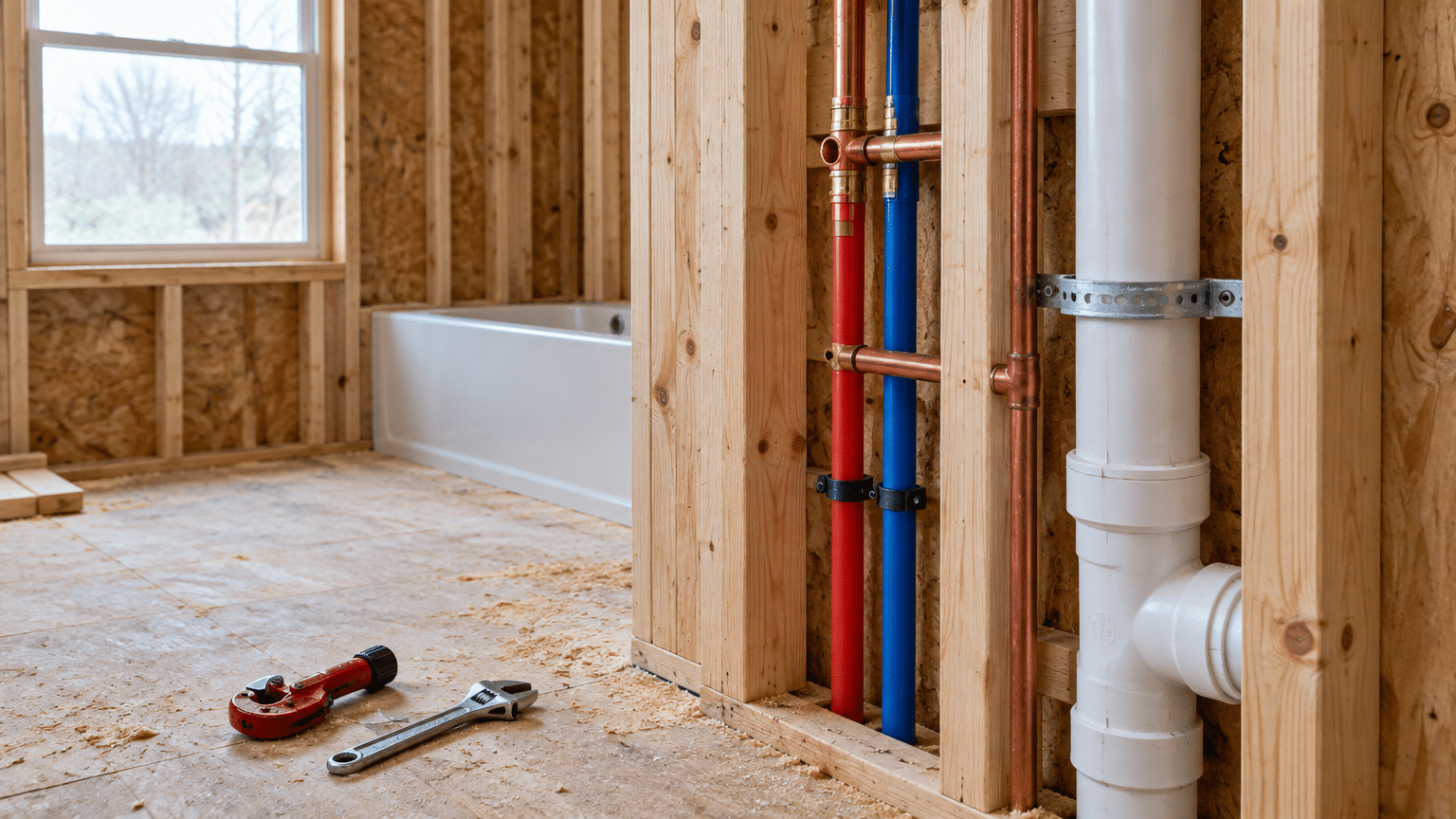

Thinking of installing underfloor heating in your home?
Underfloor heating has been one of the UK’s most requested home improvements in the past ten years. And it’s not hard to understand why. Who doesn’t want cosy floors, gentle heat and a tidy home without chunky radiators dominating every wall?
But here’s the thing…
One size does not fit all when it comes to underfloor heating systems. Choosing wrong can be expensive. Here are few things you should know before deciding on underfloor heating.
Let’s jump in!
Here’s What’s Inside:
- What Is Underfloor Heating?
- The Best Flooring To Pair With It
- Types Of Underfloor Heating Systems
- Costs & Energy Efficiency
- Installation Mistakes To Avoid
What Is Underfloor Heating?
Radiant heating, also known as underfloor heating (UFH), literally heats your home from the floor up.
Rather than blowing hot air from radiators, hydronic or electric radiant heating uses hot water pipes or electric heating elements installed beneath the floor. The heat rises evenly throughout the entire room. No more cold spots and wasted energy heating your ceiling.
Pretty cool, right?
Here’s why homeowners love it:
- Even heat across every room
- No radiators cluttering up your walls
- More energy efficient than traditional systems
- Works brilliantly with hard flooring like tile and stone
- Lower bills over the long run
They come in two varieties – electric and water. They operate differently and are better for different houses. More on that below…
The Best Flooring to Pair With It
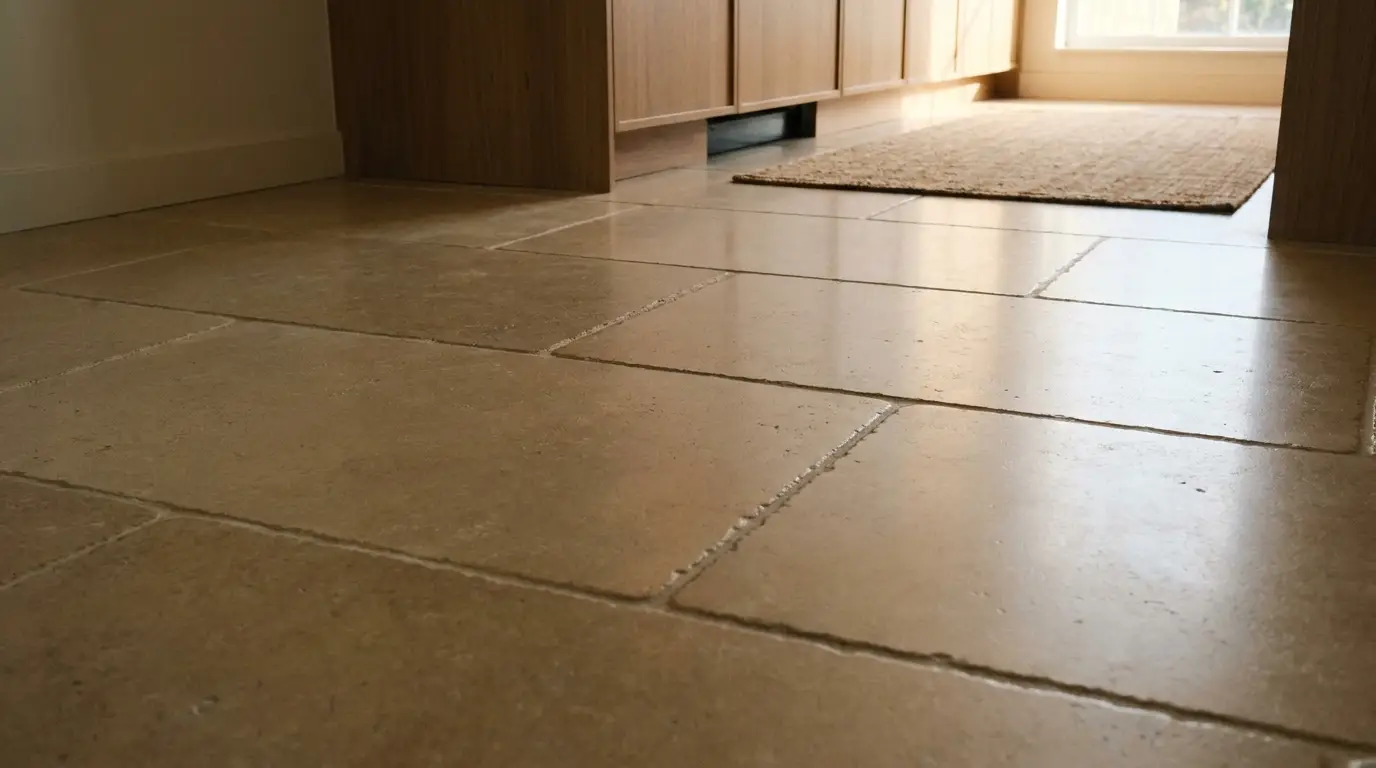
Not every floor works well with underfloor heating.
Your choice of flooring material greatly affects your system’s efficiency. Certain floors inhibit heat transfer. Some allow it to happen freely. This is one of the homeowner’s most crucial choices.
Stone and tile are the best choice for underfloor heating.
They transfer heat exceptionally well and retain it even after the system has switched off. Beige floor tiles are also ideal as they heat up quickly, have a neutral colour that will suit any room and will complement both contemporary and classic designs. Beige tiles work exceptionally well in kitchens and bathrooms which are areas UFH is installed most often.
If you want something with more of a high-end finish, natural stone like limestone slabs work just as well. Natural stone absorbs heat and slowly releases it over time, keeping your rooms warm for longer.
Here are the top floor coverings that pair well with UFH:
- Beige floor tiles
- Natural stone
- Porcelain
- Engineered wood (thin planks)
- Vinyl (LVT)
Don’t use thick carpets or solid wood flooring. These are insulators that stop heat from escaping into the room.
Types of Underfloor Heating Systems
There are two varieties of UFH available. Both have advantages and disadvantages.
Electric Underfloor Heating
Electric UFH uses thin heating cables or mats laid under the floor.
The easiest residential pipe to install and is commonly used in smaller areas such as bathrooms or kitchens. Some even tackle the project themselves (electrician completes final connection).
The good stuff:
- Cheap to install
- Fast to warm up
- Great for retrofit jobs
- Perfect for single-room upgrades
Electric Radiant Heating works by using electricity to heat up thermal panels and blankets, which in turn emit radiant heat.
The downside?
It’s more expensive to run than hydronic (water-based) systems. Ideal Home reports that electric space heating consumed 4% of all electricity demand across the UK in 20 24. Running costs can get expensive when trying to heat large spaces, so it’s best kept to smaller areas.
Water Underfloor Heating
Water UFH (also called hydronic) uses warm water pumped through pipes under the floor.
Runs cheaper than electric and it works perfectly with heat pumps or a high efficiency boiler. However it is more costly to install. Ideal for new builds or full renovations when the floor is getting dug up anyways.
Performance tests carried out on Energy House 2.0 revealed that UFH was 25% more efficient compared to radiators operating at 5°C when connected to a heat pump. This makes a difference to those looking for long-term savings on bills.
Costs & Energy Efficiency
Cost is often the biggest question homeowners have. And rightly so.
Here’s a rough breakdown of what to expect:
- Electric UFH: £50–£75 per square metre (supply and fit)
- Water UFH: £70–£120 per square metre (supply and fit)
Okay, so hydro systems are expensive. However they are cheaper to run over time. Because they operate at lower temperatures you use less energy. Lower energy = cheaper bills in the long run.
One of the reasons UFH has become so popular in the UK is its efficiency. It runs at lower water temperatures than radiators. This means it is ideal to use with heat pumps, which are the heating solution of the future.
If you’re building new or renovating extensively, water-based UFH is going to be right for you almost all of the time.
Installation Mistakes to Avoid
Getting UFH wrong is expensive and painful to fix.
When you put down a floor you can’t pick it back up to fix the pipes or electrical. That is why planning is paramount. Don’t be that homeowner who skimps on planning and regrets it.
Here are the top mistakes to watch out for:
- Inadequate insulation: If there isn’t floor insulation under the system, heat will travel downwards rather than upwards. This wastes energy and increases costs.
- Incorrect flooring type: Thick carpet or solid wood suck up heat and render the system ineffective.
- Skipping the manifold placement: Placement of manifold is important for water systems, as it should be placed somewhere smart that you can access later.
- DIY installation without experience: Electric underfloor heating can be suitable for DIY installation however water systems should be installed by a professional.
- Do not zone: Heating rooms you don’t need means throwing money away on a daily basis.
Take the time to plan properly. It’s much cheaper than fixing mistakes later on.
Final Thoughts
Underfloor heating tops the list when it comes to upgrades homeowners can make to their homes.
Its economical. It’s comfortable. It looks great with contemporary flooring choices such as beige floor tiles or natural stone. If you know which system is right for your home, choose the appropriate flooring and have it installed properly, Geothermal heating and cooling can be a dream come true.
To quickly recap:
- Pick the right flooring (stone and tile are best)
- Choose between electric or water-based systems
- Plan for insulation and zoning from the start
- Budget properly for install and running costs
- Hire a pro for water systems
Done right, you’ll have warm, cosy floors for years to come. Combine them with the right beige tiles or natural stone and you’ll be pleased you spent every penny.