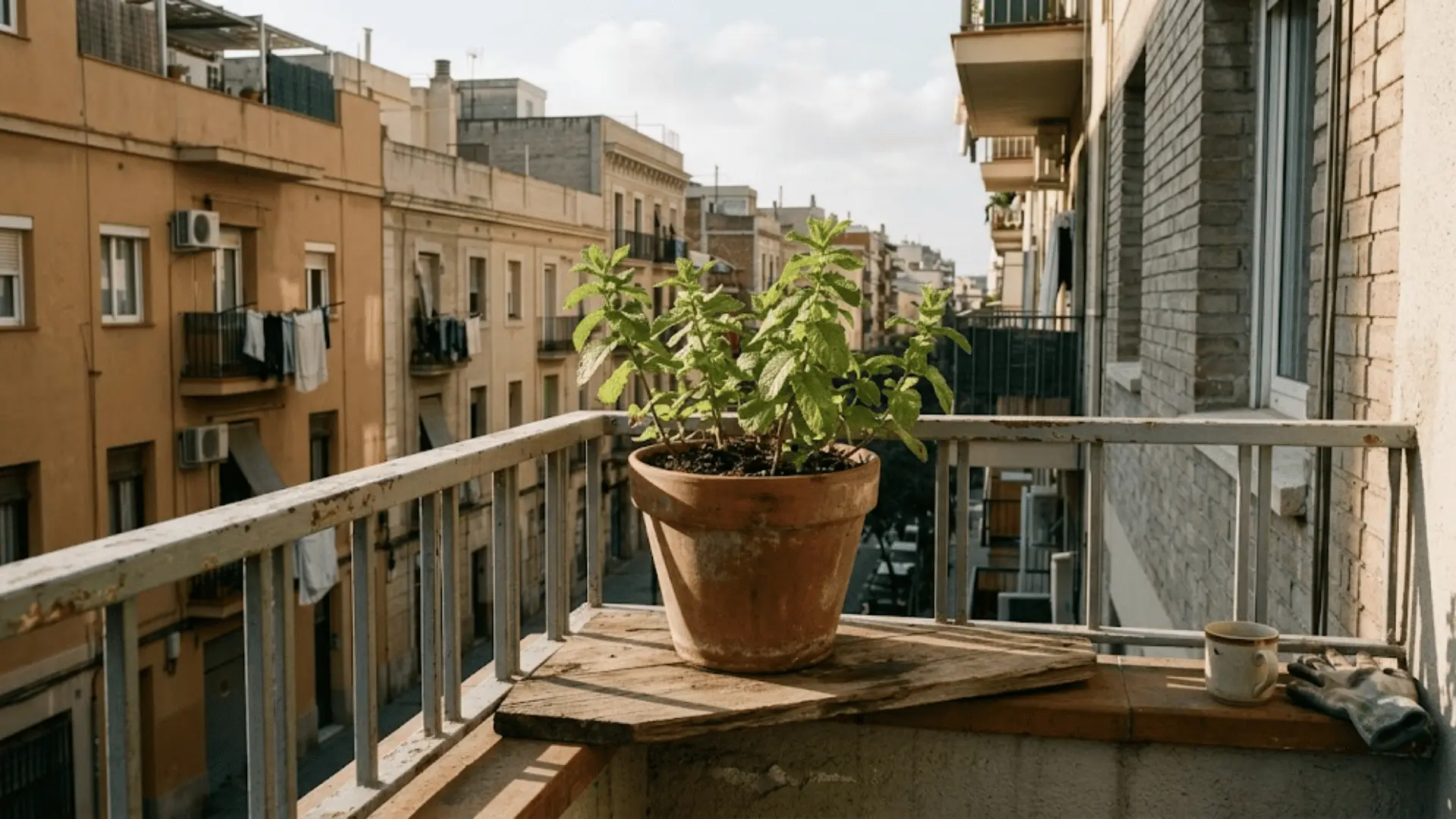
I still remember turning a bare balcony corner into my first green spot. Just one pot of mint and a lot of hope.
That is really what urban gardening is. It takes the idea of growing plants and fits it into whatever space a city gives you.
A windowsill. A fire escape. A shared courtyard. Even a few crates by the back door.
Some days it means fresh basil for dinner. Other days it is just flowers that make the place feel like yours. Either way, it starts small. And it grows from there.
What Does Urban Gardening Mean?
Break the phrase down, and it is simple.
Urban means located in or around a city or densely populated area. Gardening means growing plants, whether for food, flowers, landscaping, pollinators, or just for personal enjoyment.
Put together, urban gardening is defined more by where it happens and how space gets used than by any single method.
No single formal definition covers every form of urban agriculture, which is part of why the concept stays so flexible.
What Makes a Garden an Urban Garden?
- Location within a city or densely populated area.
- Use of limited, unconventional, or shared space.
- Container, raised bed, or vertical growing is common, but not required.
- Can be personal, community-based, educational, or commercial.
Urban Gardening vs. Urban Agriculture: Are They the Same?
Not quite, though many articles use the two terms interchangeably. The difference comes down to scale and purpose.
Urban gardening stays personal and small. Urban agriculture is the wider umbrella that includes commercial and production-scale growing.
Here’s how they compare, and where they overlap.
| Category | Urban Gardening | Urban Agriculture |
|---|---|---|
| Scale | Household, community, or small local scale | Broader, can extend to commercial and production scale |
| Purpose | Personal use, recreation, landscaping, or small-scale food production | Cultivation, processing, and distribution of agricultural products |
| Typical Examples | Balcony herb garden, backyard flower bed | Rooftop farms, hydroponic systems, vertical production |
| Where They Overlap | A community vegetable garden fits here | A community vegetable garden fits here, too |
The label often depends on intent, not appearance. Two rooftop plots can look identical, same containers, same crops, same layout, and still fall into different categories. One feeds a family. The other supplies a restaurant down the street.
Same setup, different name.
Where Can Urban Gardening Take Place?
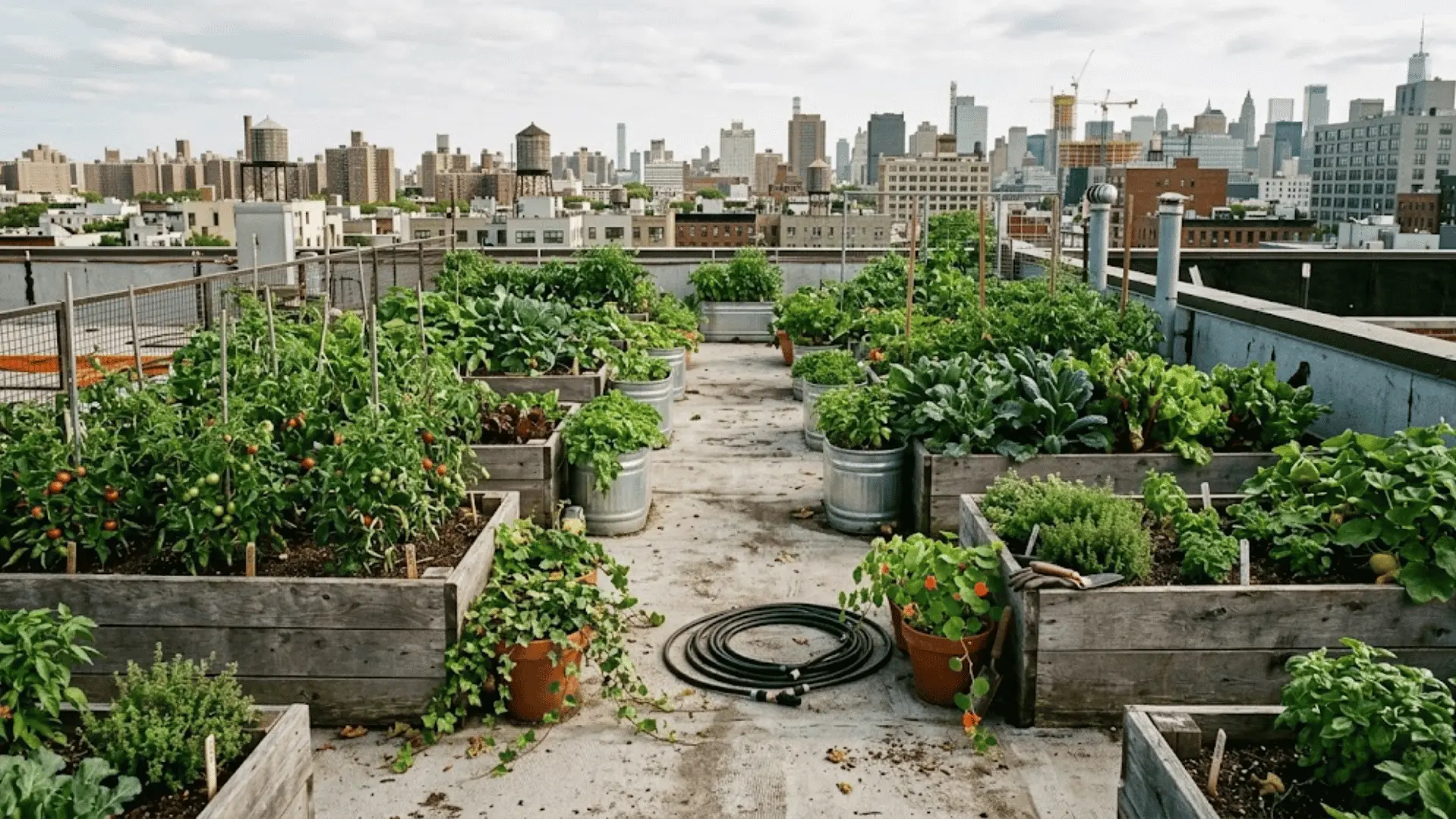
Urban gardening does not need a fixed address to work. Almost any patch of light and space can become one, once you know what fits where.
1. Apartment Balconies
A balcony is often the first space people try, and for good reason. Railing planters and stackable containers make the most of a narrow footprint.
Vertical systems let herbs, peppers, and compact tomatoes grow upward instead of out. Check wind exposure and weight limits early. Balconies dry out faster and cannot support as much weight as a backyard bed.
2. Rooftops
Rooftops can support anything from a few containers to a full rooftop farm. What matters most is what is underneath the plants. Structural capacity, drainage, and access all need a real check first.
Most cities have rules around rooftop use, too. It is worth confirming those with a building manager or local code office before installing anything larger.
3. Patios and Small Backyards
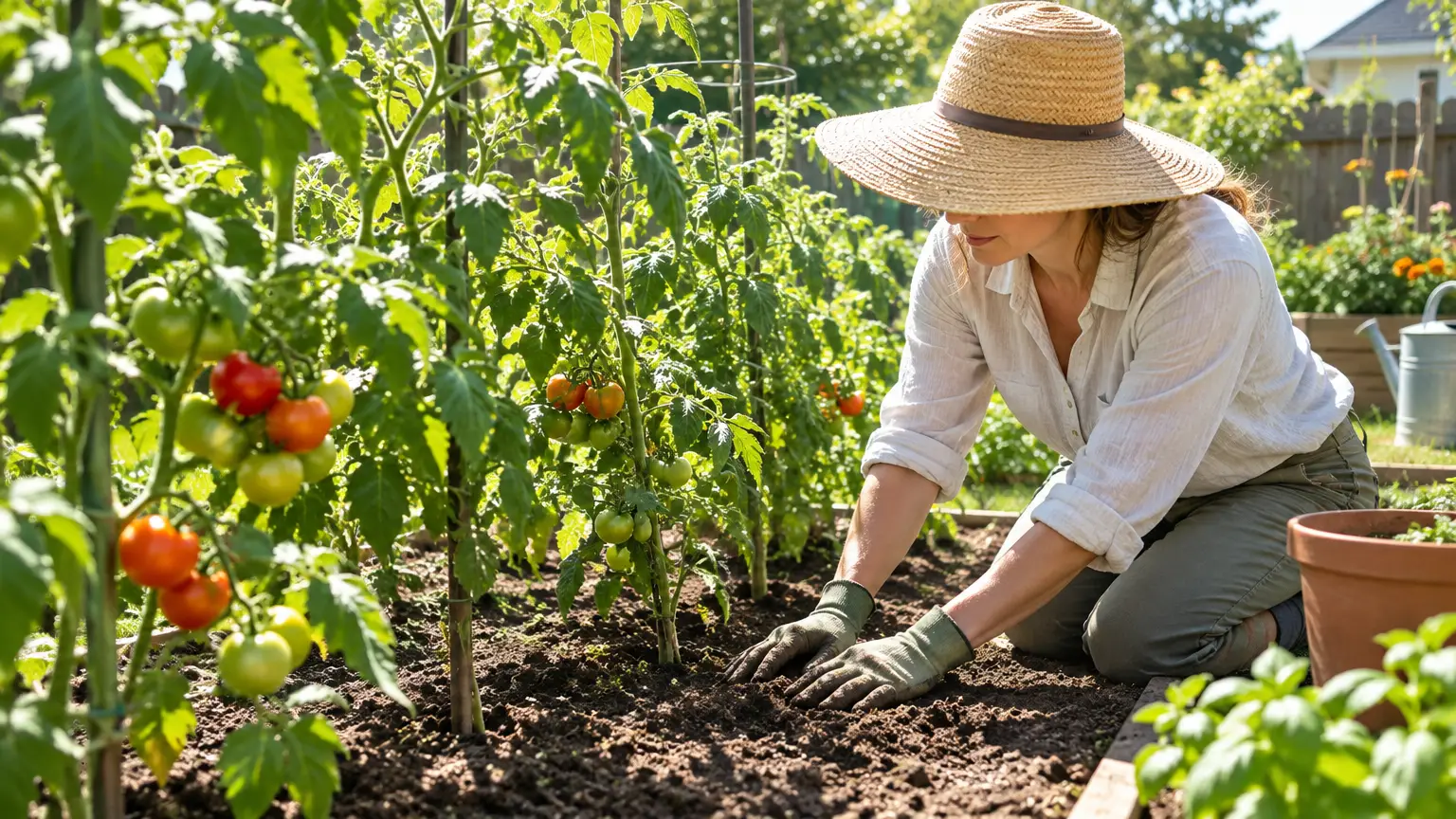
Patios and small backyards offer more flexibility than most people expect. Container gardens work well for renters or anyone unsure about permanence. Raised beds suit a yard with poor native soil.
Edible landscaping is another option worth trying. It tucks herbs and vegetables into existing flower beds.
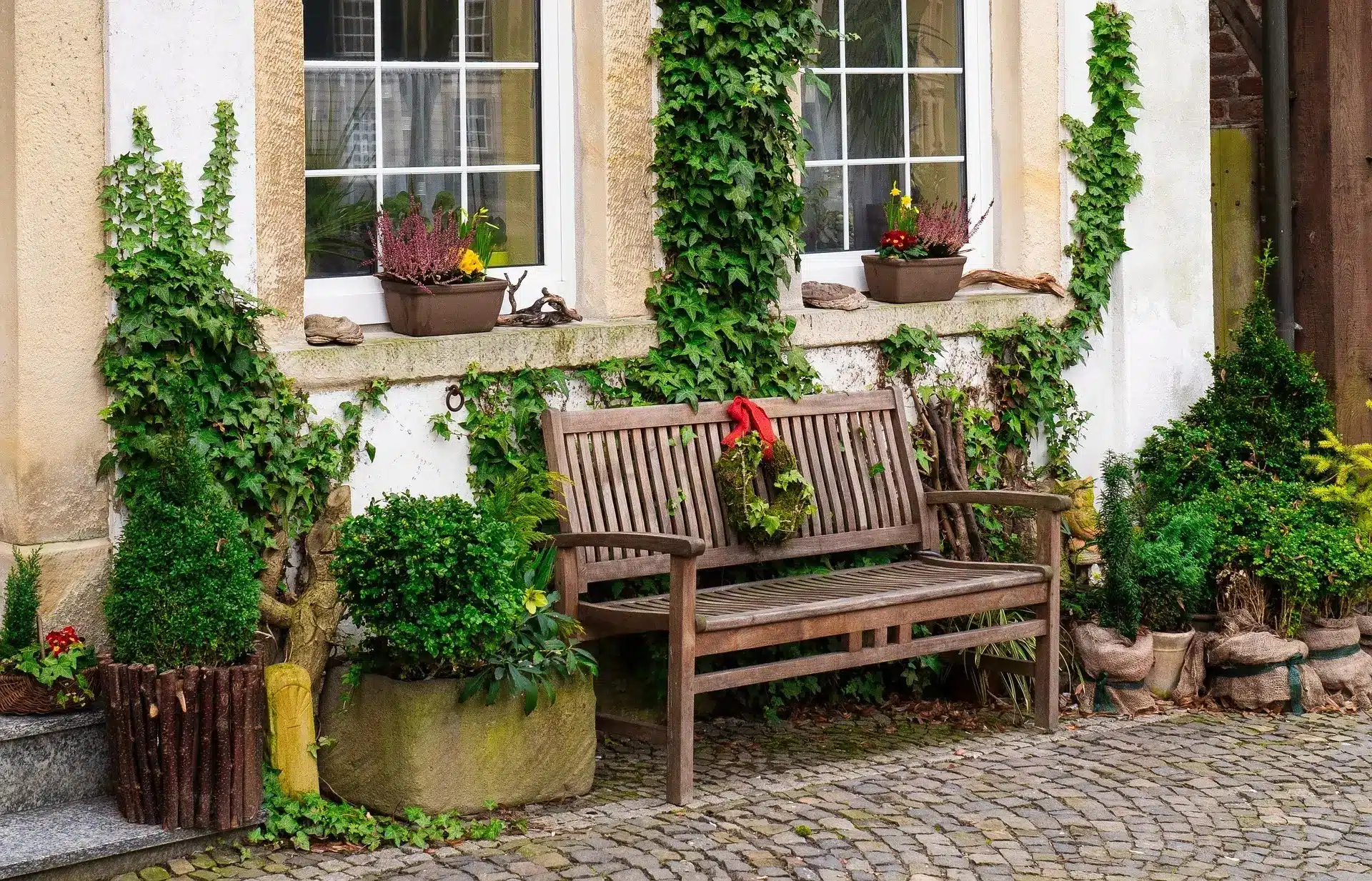
Getting more out of a small patio often comes down to using height and grouping wisely, rather than adding more floor space. The space still looks intentional, not purely functional.
4. Window Boxes and Sunny Windows
A sunny window can grow more than people assume. Herbs, lettuce, and other compact plants do well in boxes.
The catch is light. Indoor growing still depends on several hours of direct sun a day. A window facing the wrong direction will leave even hardy herbs leggy and pale.
5. Community Gardens
Community gardens sit on shared land. That land can be public, nonprofit, school-owned, or privately offered for local use. Beyond growing food, these spaces tend to double as gathering spots.
These gardens often work as informal classrooms, too. Longtime gardeners pass along soil tips and seasonal timing. New growers pick up more than they expect from the plot next to theirs.
6. Vacant Lots and Underused Urban Spaces
Empty lots and forgotten corners of a neighborhood are increasingly getting reclaimed. These spaces come with more homework than a backyard would.
Soil testing matters here especially. Old lots can carry contamination from past use. Land-use permission needs to be sorted out, too. None of that should wait until after ground is broken.
7. Indoor and Vertical Growing Spaces
Growing does not have to stop at the walls of a building. Hydroponic setups, vertical gardens, and shelving under grow lights all help. Together, they make it possible to garden indoors year-round.
No soil or sunlight is required for any of it. This is less a full system to master overnight. It is more a direction worth exploring once the basics click.
What Can You Grow in an Urban Garden?
Crop choice depends less on being urban and more on space, sunlight, climate, and container size. Once those factors are clear, most plant types become fair game.
| Category | What to Grow | Notes |
|---|---|---|
| Vegetables | Lettuce, radishes, tomatoes, peppers, bush beans, carrots, cucumbers | Cucumbers need a suitable vertical setup to climb |
| Herbs | Basil, thyme, parsley, chives, mint | Mint spreads fast and is best kept in its own container |
| Fruits | Strawberries, dwarf blueberries, patio tomatoes, dwarf fruit trees | Dwarf trees work only where space and light allow |
| Flowers and Ornamentals | Annuals, perennials, pollinator-friendly flowers, compact shrubs and foliage plants | Good for adding color without needing much room |
| Small or Shady Spaces | Leafy greens, herbs, shade-tolerant ornamentals | City buildings create unusual shade, heat, and wind patterns |
That last point is worth sitting with. BBC Gardeners’ World has noted how buildings, paving and reflected heat can quietly shape a city garden’s microclimate, sometimes more than the season does. A spot near a brick wall might stay warmer than expected. A gap between buildings might funnel wind no forecast accounts for.
What are the Benefits of Urban Gardening?
The benefits below are commonly cited rather than guaranteed, since outcomes vary by space, climate, and how a garden is set up and maintained.
- Fresh Produce Close to Home: Herbs and vegetables can be harvested steps from where they are cooked and eaten. Community gardens can also expand access to fresh produce within a neighborhood.
- Better Use of Small Spaces: Balconies, rooftops, courtyards, and other overlooked corners can become genuinely productive rather than sitting empty.
- More Green Space in Dense Areas: Urban gardens add vegetation where traditional gardens may be scarce and can contribute to neighborhood beautification.
- Stronger Community Connections: Community gardening creates a shared space where people work, learn, and socialize side by side.
- Educational Value: Urban gardens offer a hands-on way to teach both children and adults about plants, food production, and natural systems.
- Support for Urban Wildlife: Flowers, native plants, and varied plantings can provide habitat and forage for pollinators and other wildlife moving through the city.
- Possible Environmental Benefits: The EPA lists reduced stormwater runoff as one of the potential community benefits of urban agriculture and gardening.
What are the Challenges of Urban Gardening?
Urban gardening comes with its own set of hurdles, and knowing them upfront makes the whole process easier to plan around.
- Limited Space: Small containers restrict how far roots can spread and how large a crop can grow. Vertical growing along walls and railings can help stretch that space further.
- Uneven Sunlight: Nearby buildings can block direct light for part of the day, while nearby reflective surfaces can increase heat exposure even in shaded spots.
- Wind and Extreme Heat: Rooftops and balconies tend to be far more exposed than ground-level gardens. Securing containers and choosing plants suited to that specific microclimate helps offset the risk.
- Watering: Containers dry out faster than in-ground beds, and rooftop gardens in particular may need more frequent monitoring to keep up.
- Soil Contamination: This is especially relevant on vacant lots, old industrial sites, and other previously developed land. Testing questionable soil before growing food is one of the practical cautions emphasized by both consumer and Extension sources.
- Pests: Squirrels, rats, birds, insects, and even pets can all cause damage in urban gardens, so protective barriers are sometimes necessary.
- Permissions and Building Rules: Rooftops, shared lots, and public spaces often come with building, zoning, lease, or community rules attached.
The American Planning Association notes that a lack of clear zoning has historically been a common barrier for urban agriculture. It is worth verifying local requirements before installing anything permanent.
How Does Urban Gardening Work in a Small Space?
Getting started really comes down to four simple steps, from sizing up the space to putting it to good use.
- Step 1: Measure the area, track sunlight, check water access, and note wind or nearby structures.
- Step 2: Choose based on light levels, container versus bed setup, and plant size at maturity.
- Step 3: Pick from containers, raised beds, vertical structures, hanging planters, community plots, or indoor systems.
- Step 4: Grow upward with trellises, group compatible containers, and stick to plants you will actually use.
Vertical gardening comes up again and again in small-space setups, and for good reason. It turns unused wall or railing space into real growing room without adding to the footprint.
Urban Gardening Methods to Know
A handful of methods make up most of what people mean by urban gardening. Comparing them side by side makes the trade-offs easier to spot.
| Method | Best For | Typical Urban Setting | Space Needed |
|---|---|---|---|
| Container Gardening | Herbs, vegetables, flowers | Balconies, patios, windows | Minimal, works in a single pot |
| Raised-Bed Gardening | Vegetables and flowers | Yards, rooftops, community plots | Moderate, needs open ground or a stable surface |
| Vertical Gardening | Climbers and compact crops | Balconies, walls, fences | Minimal footprint, relies on height instead of floor space |
| Community Gardening | Shared food and flower growing | Vacant lots, parks, community land | None of your own, uses a shared plot |
| Rooftop Gardening | Edibles and ornamentals | Flat roofs and terraces | Depends on structural load limits |
| Hydroponic Gardening | Indoor or controlled growing | Apartments, indoor spaces | Minimal, but needs equipment and power |
| Indoor Gardening | Herbs and leafy greens | Sunny windows, shelves, grow-light setups | Minimal, limited by available light |
Is Urban Gardening Sustainable?
It can be, though not automatically. Urban gardens reuse underutilized spaces like balconies and rooftops, often supporting local food production in the process.
Practices like composting, water conservation, and plant diversity can meaningfully improve a garden’s environmental footprint.
But sustainability really depends on materials, water use, energy use, inputs, and location.
A simple balcony herb garden and an energy-intensive indoor hydroponic setup sit at very different points on that scale.
Urban agriculture carries environmental, social, and economic dimensions at once, which means it is not sustainable by definition.
Urban Gardening Inspirations
Seeing urban gardening in action often makes more sense than reading about it. These examples show what small-space growing actually looks like against a city backdrop.
1. Apartment Balcony Herb Garden
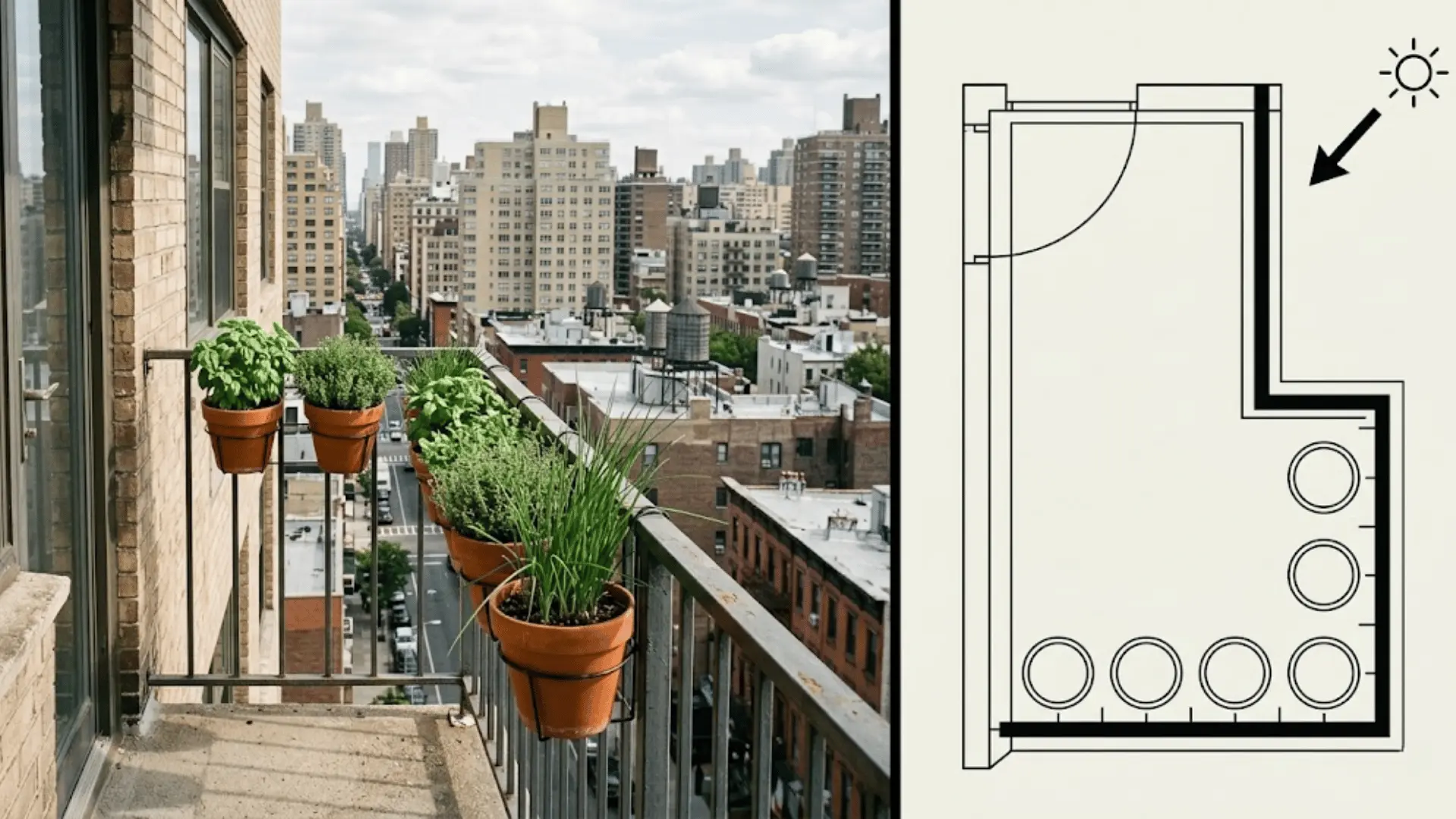
A small railing planter or a row of terracotta pots is often all it takes. Basil, thyme, and chives sit close to the kitchen door, catching a few hours of direct sun between apartment walls.
It is one of the most common entry points into urban gardening, requiring little more than containers, decent light, and regular watering to get started.
2. Rooftop Vegetable Garden
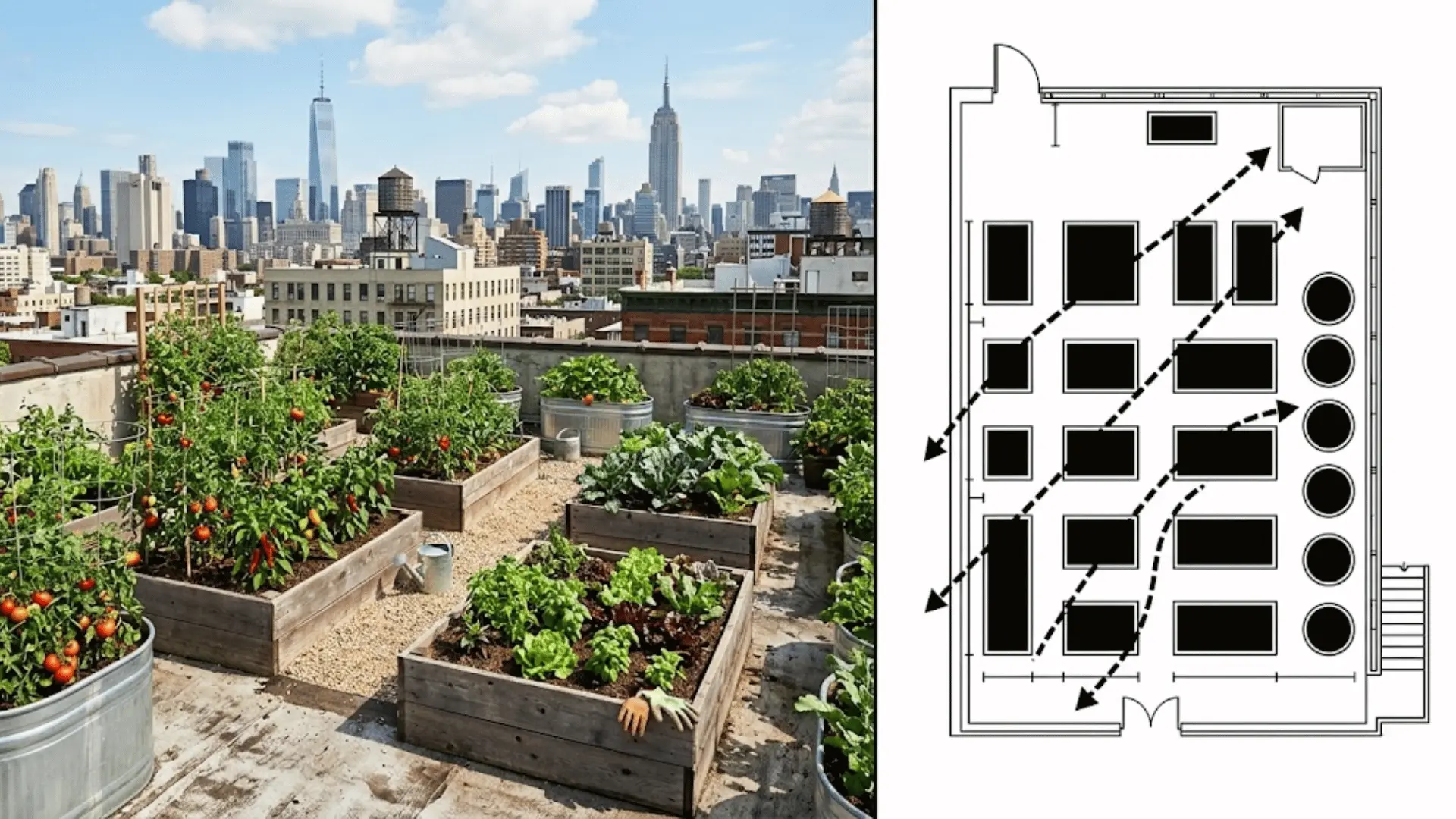
Rooftops turn flat, often unused surfaces into a full growing space. Raised beds or large containers hold tomatoes, peppers, and leafy greens, with surrounding buildings and open sky forming a distinct backdrop.
Wind and structural weight limits shape what gets planted here, but the payoff is a surprisingly productive garden sitting several stories above street level.
3. Community Garden Plot
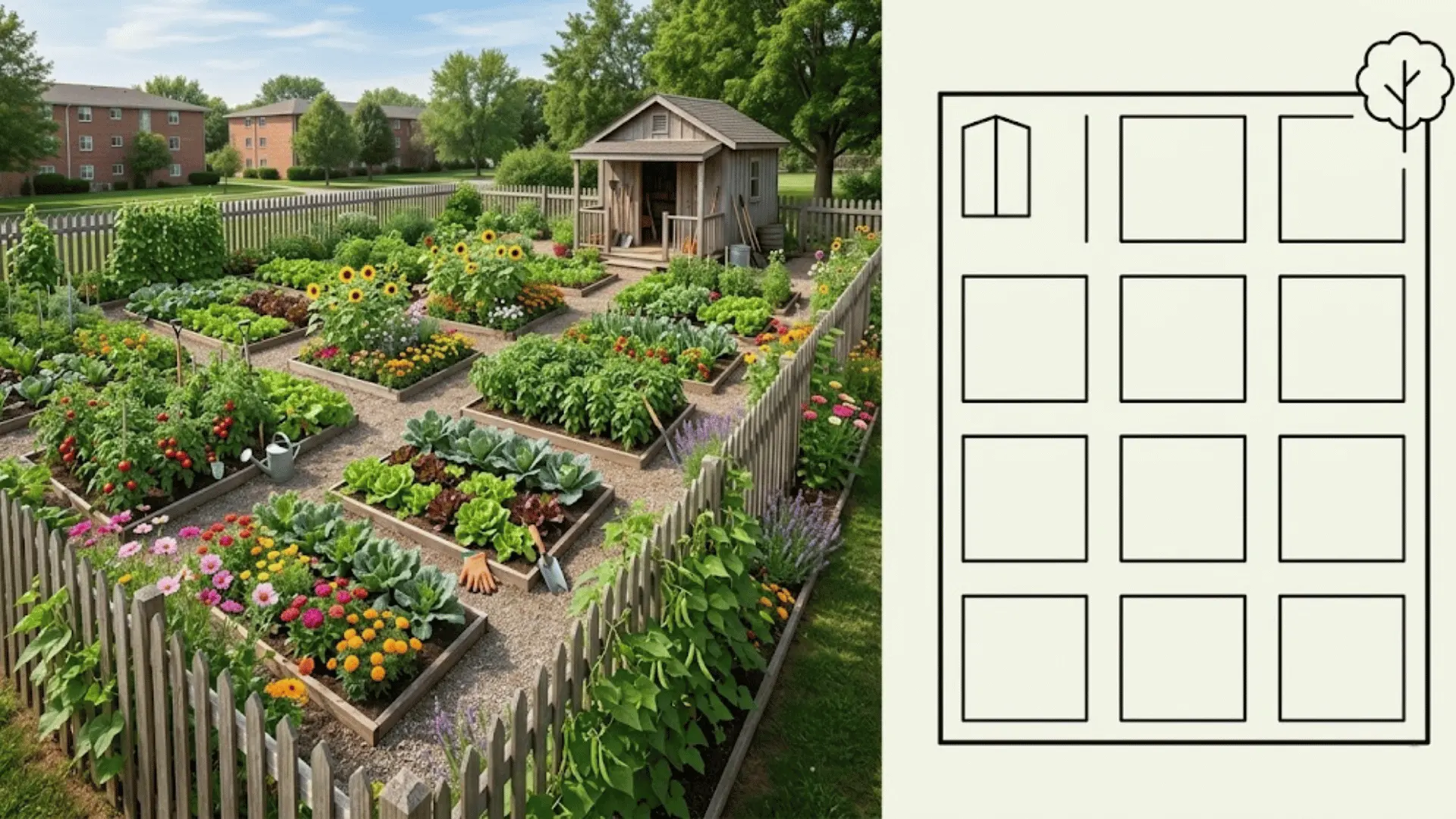
A community garden usually shows up as a patchwork of individual plots. Set on shared land, whether a vacant lot or a designated public space, these gardens mix vegetables, flowers, and sometimes fruit trees side by side.
Fences, shared tool sheds, and hand-painted plot markers are common visual signs of a space built and maintained by many hands rather than one.
4. Small Backyard Raised Beds
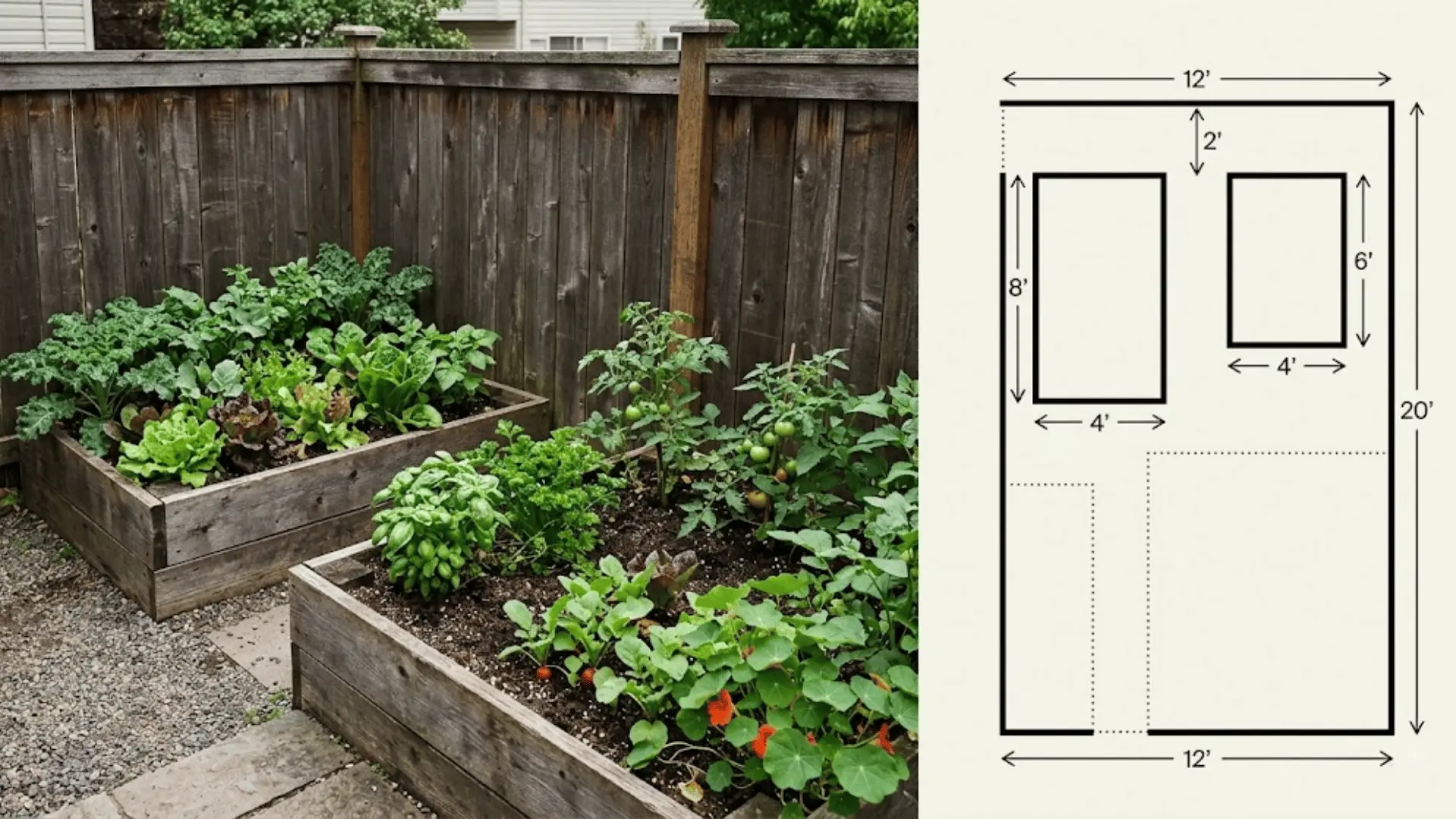
Even a modest city backyard can hold one or two raised beds tucked against a fence or wall.
This setup suits gardeners dealing with poor native soil or limited ground space, since the bed’s contained soil can be built up exactly to what the plants need.
Planning out a garden layout in advance helps make the most of that limited space before the first seed goes in. It is a middle ground between full in-ground gardening and container growing.
5. Vertical Vegetable Garden
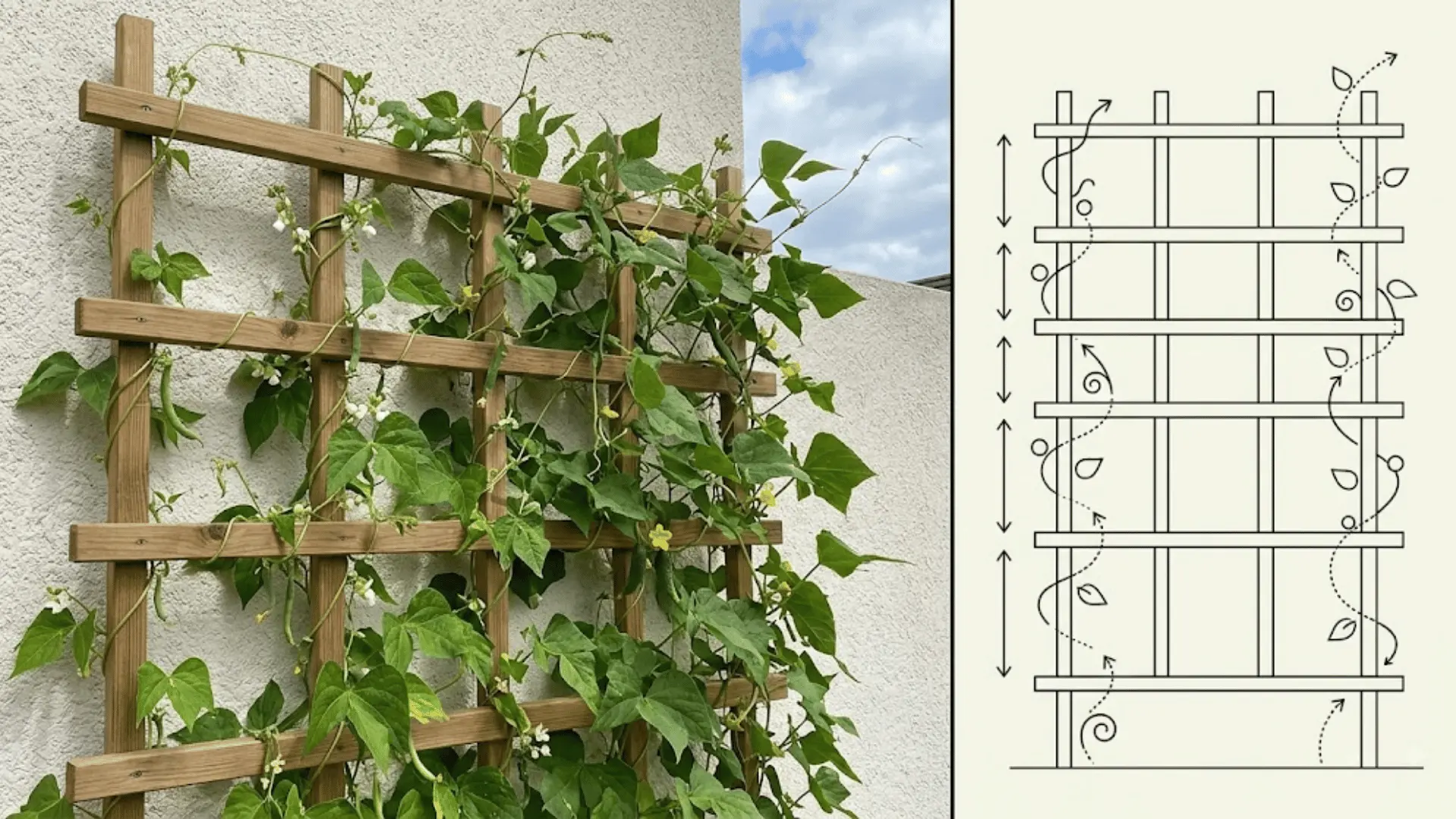
Trellises, wall-mounted planters, or stacked shelving let vining crops like beans, peas, and cucumbers grow upward instead of sprawling outward.
This method is especially visible against a plain wall or fence, where climbing plants create their own green backdrop.
Building a vertical garden setup usually comes down to getting the structure, watering, and plant choice right from the start. It is one of the most space-efficient ways to garden in a city, since it uses vertical surfaces most people overlook.
6. Window-Sill Herb Garden
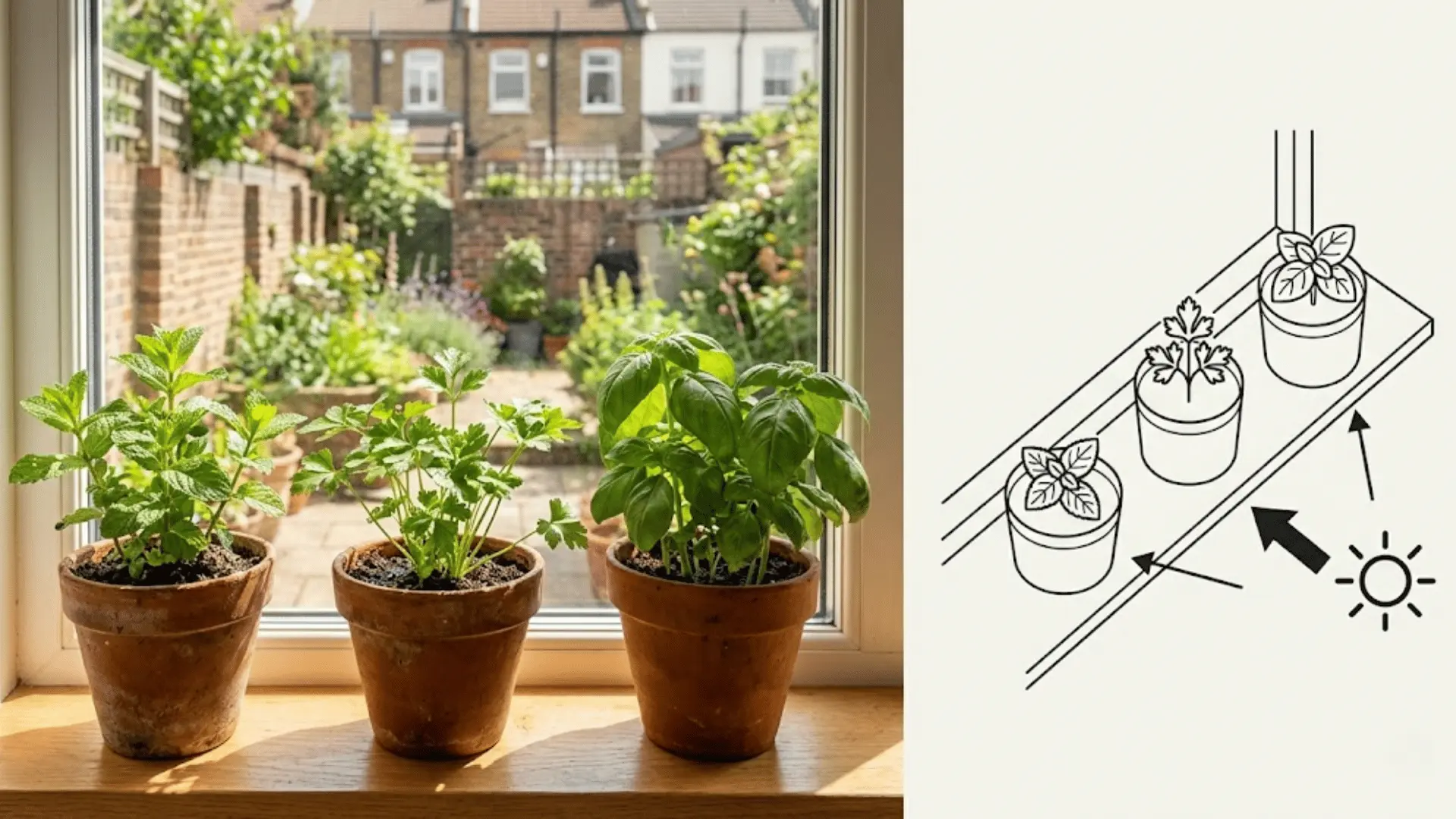
A row of small pots lined along a bright window is one of the smallest possible urban gardens, and often the first one people try indoors.
Mint, parsley, and basil tend to do well here, as long as the window gets several hours of direct light. It works well for apartment dwellers with no outdoor access at all, since the entire garden fits on a single sill.
7. Patio Container Garden
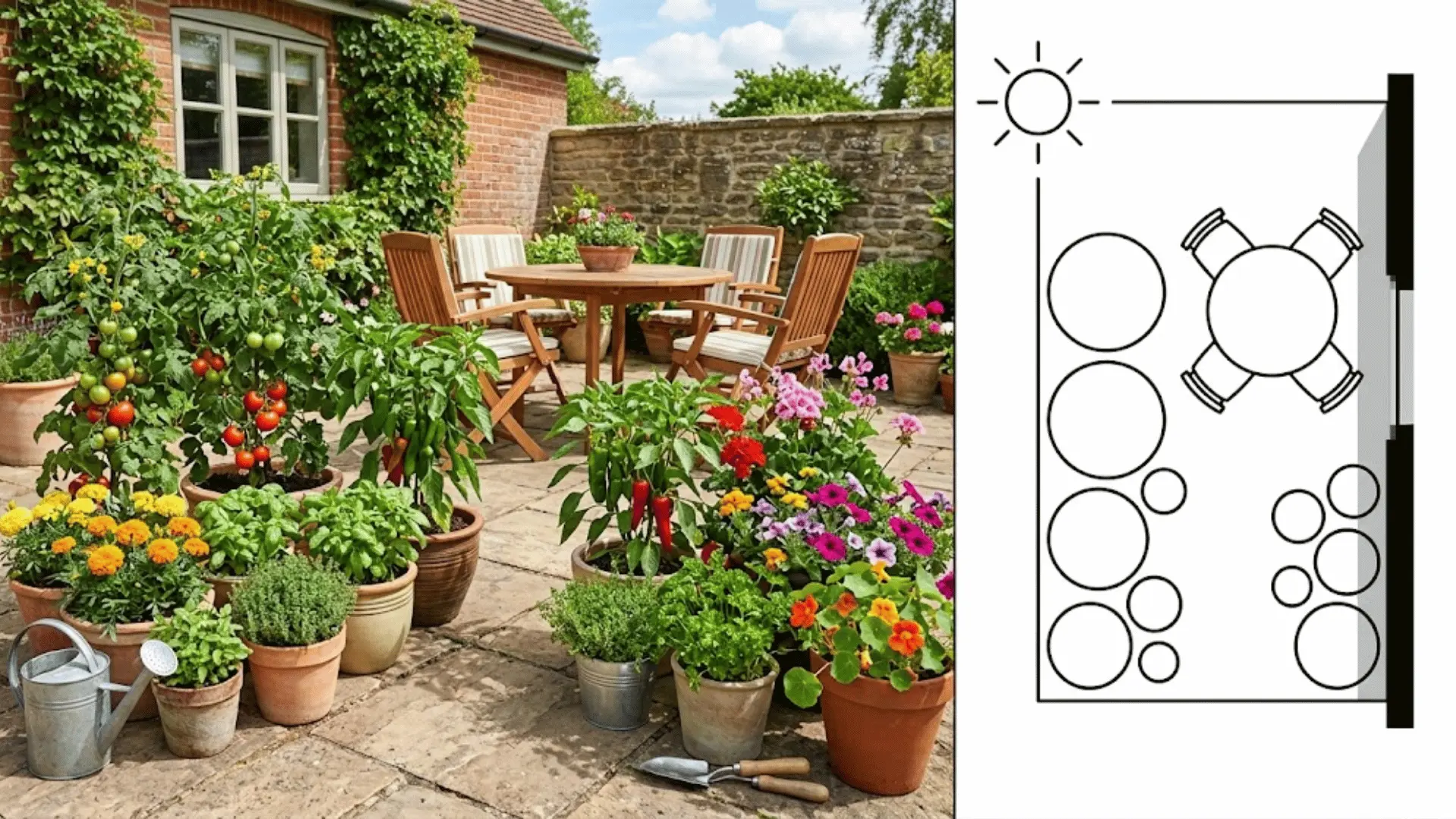
A patio setup often groups several containers of different sizes together, mixing edibles like peppers and tomatoes with ornamental flowers for visual interest.
Because patios usually offer more room than a balcony, gardeners have more flexibility to arrange pots by sun exposure or group plants with similar watering needs, without committing to permanent raised beds.
The Bottom Line
Every city has more room for green than it first seems to offer.
Urban gardening is less about square footage and more about noticing what a windowsill, a railing, or a rooftop corner can actually hold.
Whether that turns into a few pots of basil or a full shared plot down the road is entirely up to how much space and time feel right.
What matters is starting somewhere and letting the garden grow from there.
What does your city garden look like right now? Drop a comment below and share what is growing on your balcony, windowsill, or rooftop.
Frequently Asked Questions (FAQs)
What are the Three Main Types of Urban Gardening?
There is no single agreed-upon set of three types. Common forms include container, community, rooftop, vertical, and indoor gardening, often used together rather than as separate categories.
Can You Garden in a City Without a Yard?
Yes. Balconies, patios, windows, rooftops, vertical setups, and community garden plots all offer ways to grow without any yard at all.
Is Urban Gardening Expensive?
Costs vary widely. Starting with recycled containers and basic supplies costs very little, while raised beds, irrigation or indoor grow systems can add up quickly.
Can Urban Gardening Be Done Indoors?
Yes. Windowsill containers and grow lights both work well indoors, though plant choice still depends heavily on how much light the space actually gets.
Is Soil Safe for an Urban Vegetable Garden?
Not always. Urban soil can carry contamination from past use, so testing it first, or using clean growing media in raised beds, is the safer route.