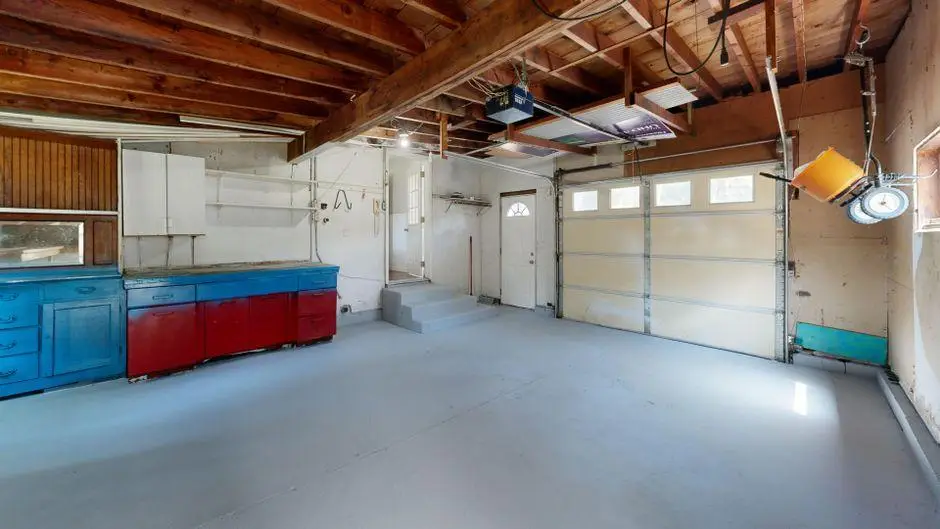
Your garage can quietly become the most chaotic square footage in your home. One week it holds tools, sports gear, holiday bins, and paint cans. A month later, it feels like a maze with a lawn mower parked in the middle. If you want your home-improvement efforts to pay off in a practical way, organizing this space matters more than many people expect. A cleaner garage saves time, protects your stuff, and makes everyday projects much less annoying.
Cabinets Work Best When You Need Storage to Look Clean and Stay Protected
Open shelves are useful, but they also display every mismatched container, half-used product, and mystery screw jar you’ve collected over the years. If you want your garage to look sharper and stay easier to maintain, garage storage cabinets can do a lot of heavy lifting.
They’re especially useful for items that should stay protected from dust, moisture, and temperature swings. That includes power tools, detailing supplies, fasteners, backup household products, and anything you’d rather not leave exposed. Cabinets also make the garage feel less like a catchall and more like an intentional part of the house.
A few practical advantages stand out:
- Hidden storage reduces visual clutter
- Lockable options help with safety
- Durable materials hold up better than flimsy plastic units
- Configurations can match your workflow and wall space
If you’re investing in a more finished garage, cabinets create a cleaner baseline. You can still mix them with open shelves and wall racks, but enclosed storage often gives the whole space a more polished, useful feel.
Start by Figuring Out What Your Garage Is Really Doing
Before you buy a single bin or cabinet, step back and look at how you actually use the space. Plenty of garages are supposed to hold a car but end up serving as a workshop, gym, bike shed, garden station, and storage zone all at once. That mix changes everything.
If you use your garage mainly for home projects, keep tools, hardware, and work surfaces close together. If it doubles as family storage, seasonal items and outdoor gear need a different setup. A household with kids usually needs quick-grab access for balls, scooters, and backpacks, not a perfectly staged showroom that falls apart in two days.
Make a short inventory in categories:
- Tools and hardware
- Yard equipment
- Sports gear
- Seasonal decorations
- Automotive supplies
- Paint, chemicals, and cleaning products
That list helps you spot what deserves daily access and what can stay tucked away. Good organization starts with function, not with buying containers just because they look neat on a shelf.
Clear the Floor First if You Want the Room to Feel Bigger
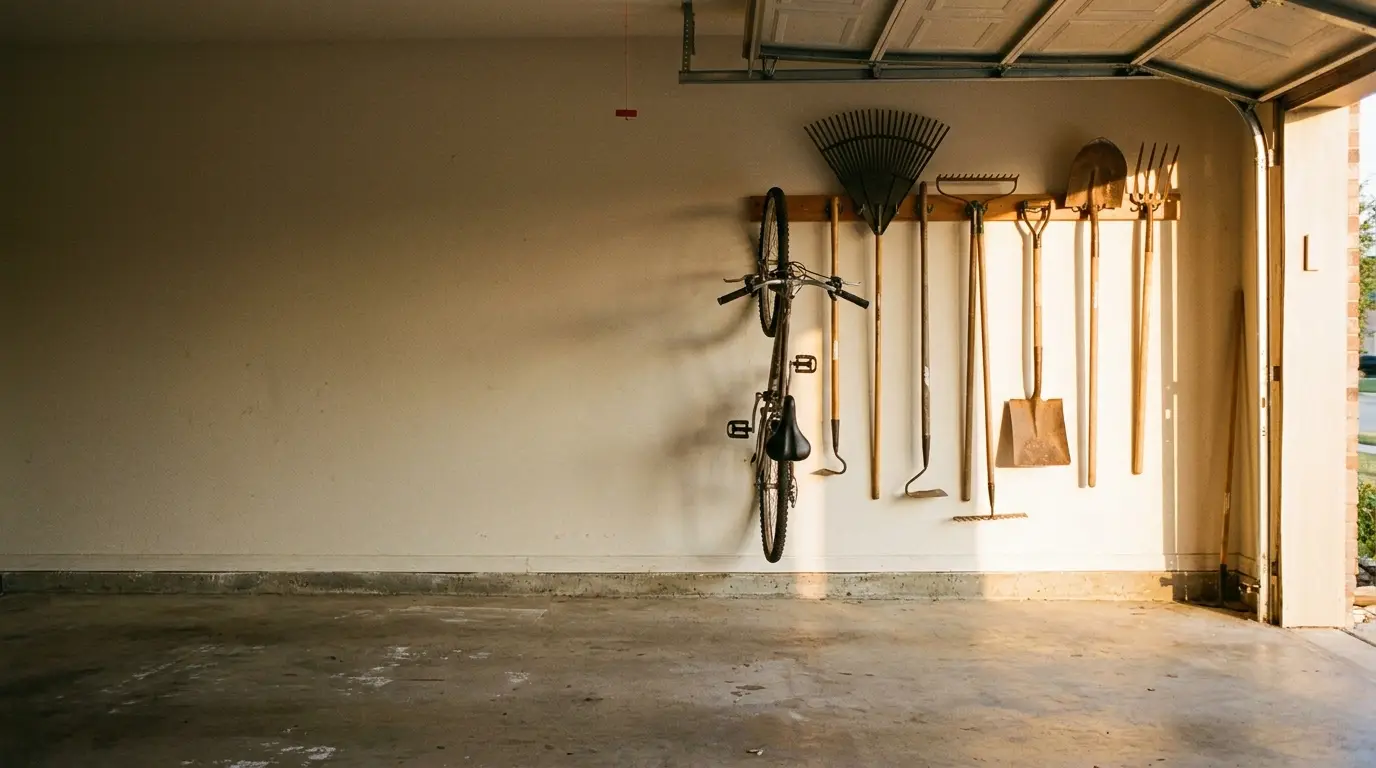
The fastest way to improve a garage is to reclaim the floor. Once things start piling up at ground level, the whole area feels cramped, even if the walls are barely being used. You can have a decent amount of storage and still lose the room if your layout keeps spreading outward instead of upward.
Wall-mounted systems, shelving, and hooks work well for awkward items that don’t stack neatly. Bikes, ladders, extension cords, leaf blowers, and folding chairs all eat space in strange ways. Getting them off the floor instantly makes the garage easier to walk through and easier to clean.
Think in zones rather than random piles:
- One wall for lawn and garden items
- One section for tools and repairs
- One area for sports and recreation
- One upper shelf for seasonal storage
This setup cuts down on the daily scavenger hunt. You won’t be digging through camping gear just to find a socket wrench. That sounds obvious, yet clutter has a talent for creating tiny absurdities that waste ten minutes at a time.
Plan Around Real Habits, Not Your Ideal Version of Yourself
A garage system only works if it matches your routines. That means your most-used items should be the easiest to reach, not stored based on what looks nicest in a photo. The stuff you grab every week belongs at eye level or within one step. Rarely used items can go higher or farther back.
You also need to be honest about drop zones. If shoes, bags, and random packages tend to land near the door, create a small landing area there on purpose. Fighting your habits usually fails. Designing around them works better.
Keep these questions in mind:
- What do you use every weekend?
- What creates the biggest mess fastest?
- What needs child-safe or pet-safe storage?
- Which items should stay near the garage door versus the workbench?
This approach matters in real homes because life rarely stays tidy for long. A layout that survives a busy Tuesday has more value than one that looks perfect for ten minutes after a full cleanout.
Don’t Ignore Lighting, Durability, and Climate Issues
Storage is not just about where things go. It’s also about how well the space supports the way you use it. A dim garage makes every project harder. Weak shelving becomes a problem once heavier tools and bins move in. Heat, humidity, and cold can quietly wreck supplies that seemed fine sitting in the corner.
If you’re upgrading the space, better lighting is one of the smartest improvements you can make. Bright LED fixtures help you see labels, work safely, and make the whole garage feel more usable. Durable materials matter too, especially if your area deals with humidity, big seasonal changes, or a lot of dust.
Pay attention to:
- Rust-resistant hardware
- Easy-to-clean surfaces
- Strong wall anchoring for heavier storage
- Ventilation near paints or chemicals
- Moisture protection for stored tools and supplies
These details may sound small, but they shape how well your setup performs over time. A garage is a working space. If the materials can’t handle real conditions, the neat system you built can age badly in a hurry.
A Good Garage Setup Should Save You Time Every Single Week
The best home-improvement projects keep paying you back. Garage organization does that in small, steady ways. You spend less time hunting for tools, less money replacing things you forgot you owned, and less energy moving junk around just to start a project.
It can even affect how you use the rest of your home. When overflow storage moves into closets, mudrooms, or spare rooms, those spaces lose function too. A well-organized garage acts like a pressure valve. It gives bulky, messy, practical items a home that makes sense.
You do not need a luxury renovation to get there. You need a system with a clear purpose, solid materials, and storage that matches your daily life. Start with the floor, define your zones, and choose solutions that make maintenance easier rather than more complicated.
A garage doesn’t need to be photo-shoot perfect. It just needs to work well enough that you can find what you need, park if you want to, and stop treating every weekend cleanup like an archaeological dig.