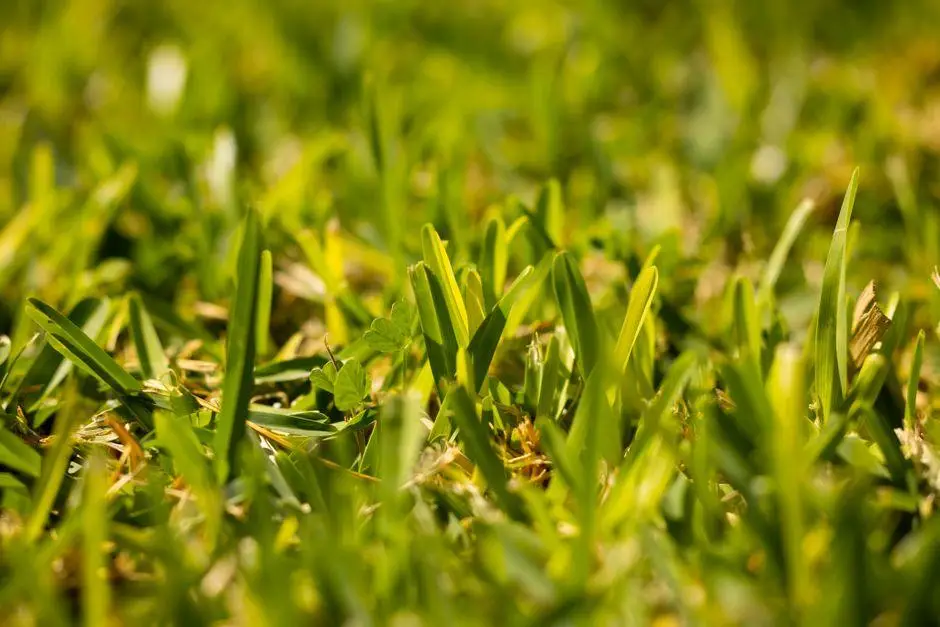
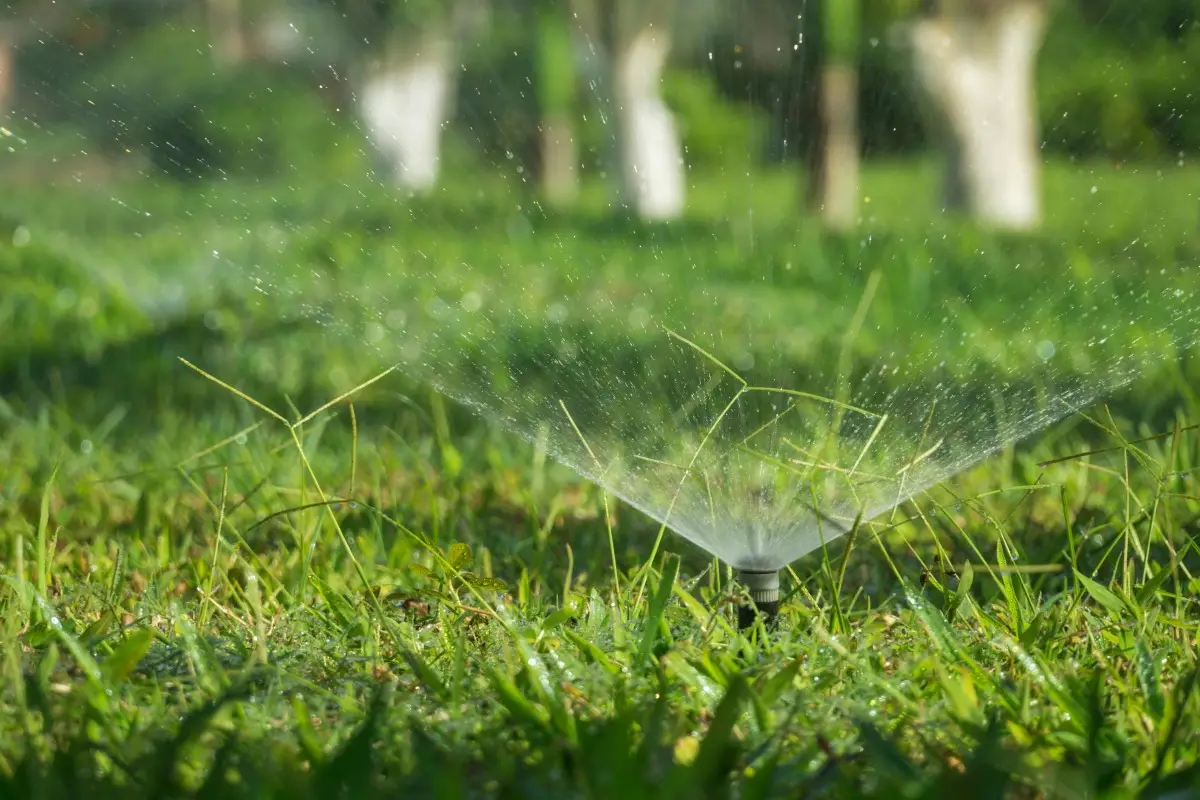
Water new grass seed 2 to 3 times per day in short sessions, keeping the top inch of soil consistently moist until germination. Once seedlings are up and growing, cut back to once a day or less and water deeper. The goal shifts from “keep it wet” to “push roots down.” Most watering problems with new seed come from one of two mistakes: letting the seedbed dry out before germination, or continuing the same frequent shallow watering after the grass is already up.
Watering Schedule at a Glance
|
Stage |
Frequency |
Duration |
Goal |
|---|---|---|---|
|
Pre-germination (day 1 to sprout) |
2 to 3x per day |
5 to 10 minutes |
Top 1 inch of soil stays consistently moist |
|
Early seedling (sprout to 1 inch tall) |
1 to 2x per day |
10 minutes |
Seedbed stays moist, never soggy |
|
Establishment (after first mowing) |
Every 2 to 3 days |
20 to 30 minutes |
Soil moist 3 to 4 inches deep |
|
Mature lawn |
1 to 2x per week |
30 to 45 minutes |
1 inch of water per week total |
How to Water Grass Seed Before It Germinates
Before germination, your only job is keeping the seedbed from drying out. Grass seed begins absorbing water the moment it makes contact with moist soil, and if it dries out at any point during that process, the seed can die. This is not a situation where missing a watering is easily recovered from. One dry period can kill the germination process entirely and force you to reseed.
Two to three light sessions per day is the right approach for most situations. Each session should be short, around 5 to 10 minutes, just enough to wet the top inch of soil without creating runoff or pooling. The surface should feel consistently damp to the touch but not saturated.
Check the seedbed by hand in the late morning and mid-afternoon. If the top half-inch of soil feels dry, water immediately. Do not wait for the scheduled session. In hot weather or on sandy soils that drain quickly, you may need to water more than three times a day.
Best Time of Day to Water New Grass Seed
The two best windows are early morning and early to mid-afternoon. Early morning watering gives the soil time to absorb moisture before the heat of the day increases evaporation. Mid-afternoon watering tops up moisture lost during the hottest hours without leaving the surface wet through the cool of the evening, which can encourage disease on young seedlings.
Avoid watering late in the evening if you can. Wet soil and cool overnight temperatures create conditions where fungal issues can develop on a new seedbed. Morning and midday sessions keep the cycle timed to when the water is most useful.
How Long to Water New Grass Seed
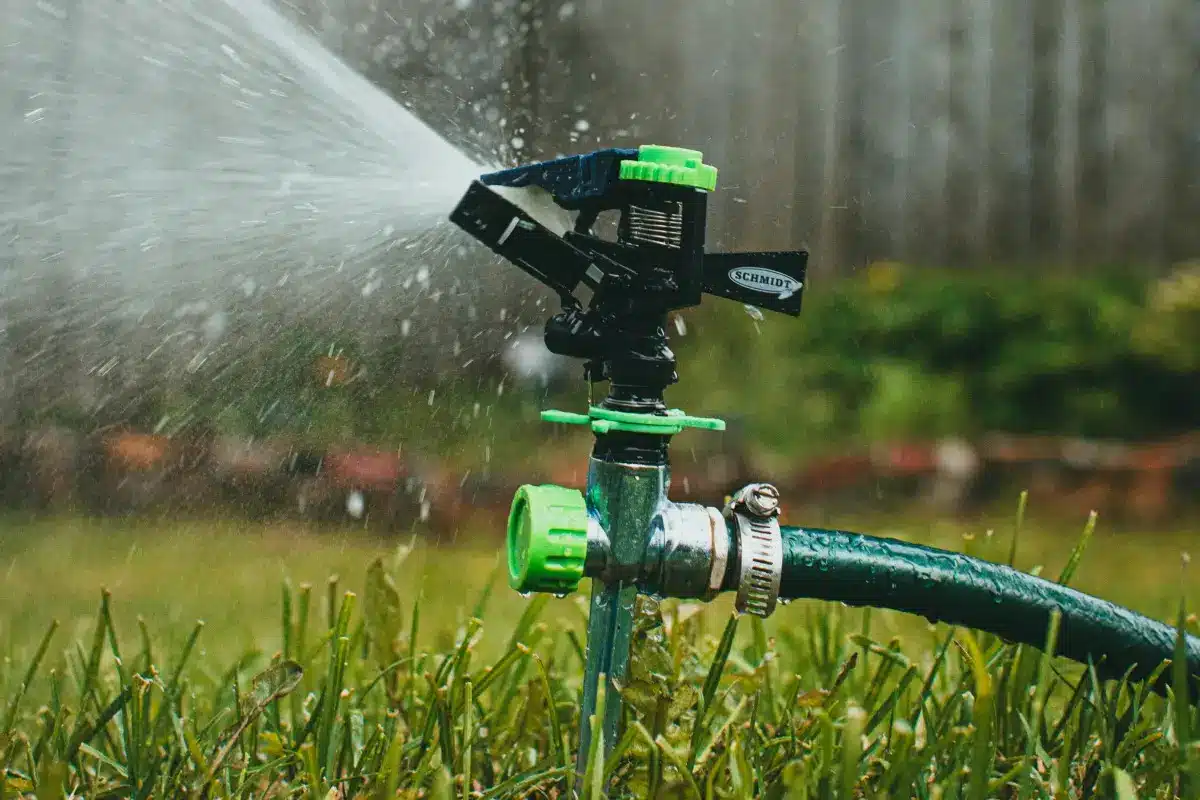
Session length matters less than outcome. The goal before germination is wetting the top inch of soil. On most lawns with average soil, 5 to 10 minutes from a sprinkler delivers enough moisture to hit that target. On clay soils that absorb water slowly, shorter and more frequent sessions prevent runoff better than one longer session. On sandy soils that drain fast, you may need slightly longer sessions or more frequent ones.
After germination and once seedlings are visibly growing, shift to longer, less frequent sessions. Twenty to thirty minutes every two to three days encourages roots to follow moisture deeper into the soil. This is how you build a lawn that handles dry stretches rather than one that depends on daily irrigation.
How to Water Grass Seed After Germination
This is where most homeowners make the mistake of continuing to water three times a day long after it is necessary. Once seedlings are visible and growing, the root system is starting to extend into the soil. Shallow frequent watering at this stage keeps roots near the surface, which makes the lawn more vulnerable to heat and drought later.
Transition gradually. Move from twice daily to once daily, then to every two to three days as the seedlings grow. Water longer each session to wet the soil 3 to 4 inches deep. You can check depth by pushing a screwdriver or wooden dowel into the soil after watering. If it goes in easily to 3 or 4 inches, your session length is about right.
The lawn is ready for a normal mature watering schedule, roughly 1 inch per week, once it has been mowed 2 to 3 times and feels firmly rooted when you tug lightly on a handful of grass.
Adjusting Your Watering Schedule by Season
Spring
Cooler temperatures and more frequent rainfall mean the seedbed stays moist longer between sessions. Two waterings per day may be enough, and on rainy days you may not need to water at all. Monitor the seedbed by hand rather than running a fixed schedule. Overwatering in cool, wet spring conditions can cause the soil to stay too saturated and slow germination.
Summer
Summer seeding of cool-season grasses is not recommended precisely because of the watering demands. Heat dries out a seedbed extremely fast, sometimes within an hour on a hot, sunny day. If you are seeding warm-season grasses like bermuda in summer, three or more watering sessions per day is often necessary, and you need to be consistent. Missing even one session on a hot day can dry out the seedbed enough to stall or kill germination.
Fall
Fall is the most forgiving season for watering new grass seed. Cooler temperatures reduce evaporation, and fall rain patterns in most regions help supplement irrigation. Two sessions per day is usually sufficient, and natural rainfall will often handle one of them. This is one of the reasons fall is the best time to seed cool-season lawns: the watering burden is lower and the margin for error is higher.
Hot Weather and Drought Conditions
If you are seeding during a dry stretch regardless of season, increase session frequency before reducing session length. A seedbed that dries out completely is more damaging than one that gets slightly too much water. In sustained heat above 85 degrees, watering three times a day is a baseline, not a maximum. Cover the seedbed with a light layer of straw if direct sun is drying it out between sessions.
Watering Grass Seed Covered With Straw
Straw mulch slows evaporation from the seedbed, which reduces how often you need to water and lowers the risk of the seed drying out between sessions. If your seeded area is covered with a thin layer of straw, the soil beneath will stay moist longer and you may be able to reduce to two sessions per day even in moderate heat.
The watering goal is the same: keep the soil beneath the straw consistently moist. The straw itself does not need to be soaked. Press your hand under the straw layer and check the soil directly. If it feels dry a quarter inch down, water.
How Long Can Grass Seed Go Without Water
Before germination, grass seed can go 24 to 48 hours without water before the germination process is significantly compromised, and that window shrinks fast in hot or windy conditions. Once a seed has started the germination process and then dries out, it typically does not recover. This is different from a dry seed sitting in a bag that has not been planted yet.
After germination, seedlings with shallow root systems are similarly fragile. A fully established lawn can handle 1 to 2 weeks without water depending on grass type and climate. A newly germinated seedling may struggle after 2 to 3 days without moisture, especially in warm weather.
Getting the watering right is half the equation. Starting with a high-quality grass seed blend suited to your lawn type and climate gives you the best chance that the time and water you invest actually produces the lawn you are after.
FAQs
Should I Water Grass Seed Every Day?
Yes, during germination, you should water every day, typically two to three times per day in short sessions. After seedlings emerge, you can reduce frequency and increase session length. Once the lawn is established after its first few mowings, watering every day is too frequent and keeps roots shallow.
How Many Times a Day Should You Water New Grass Seed?
Two to three times per day is the standard recommendation before germination, adjusted for conditions. In mild, cool weather with some cloud cover you may manage with two. In hot, sunny, or windy conditions you may need to go to four. Check the seedbed by hand and add a session anytime the top half-inch of soil feels dry.
What Is the Best Watering Schedule for New Grass Seed in Fall?
In fall, twice daily watering in early morning and midday is usually sufficient for most cool-season grasses. Cooler temperatures reduce evaporation and fall rainfall often fills in the gaps. Monitor the seedbed daily and skip a session when natural rainfall keeps the soil moist.
How Do I Keep Grass Seed Moist Without Overwatering?
Short, frequent sessions before germination keep the top inch of soil moist without saturating it. Watch for puddles or runoff as signs you are applying water faster than the soil can absorb. On clay soils, split a 10-minute session into two 5-minute sessions with a short break between them so water has time to soak in.
Will Grass Seed Grow Without Watering?
No. Grass seed requires consistent moisture to germinate. Rainfall can substitute for irrigation, but the seedbed must stay consistently moist throughout the germination window. Relying on unpredictable rainfall without any supplemental watering is one of the most common reasons new seedings fail.