
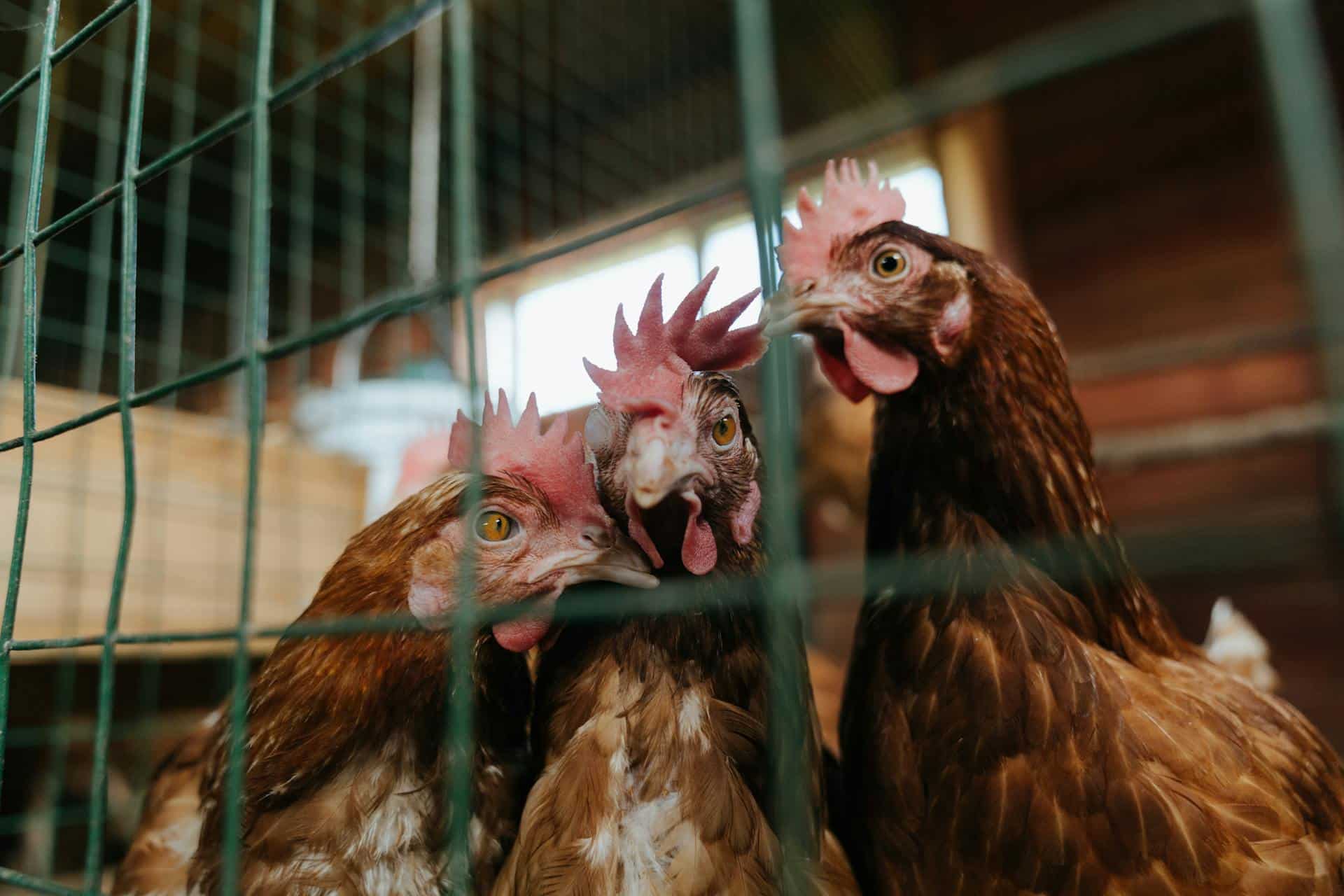
Backyard chickens have become far more common than many people realize. According to the American Pet Products Association, millions of households in the United States now raise chickens at home. Many homeowners enjoy fresh eggs and natural pest control in their gardens. Chickens also help families feel more connected to their food sources.
A well-planned setup makes backyard poultry easier to manage. The right coop design supports healthy birds and reduces daily effort. Good placement, proper airflow, and enough space help chickens stay comfortable. The following tips explain simple and practical ways to create a safe and functional chicken coop in your garden.
1. Select The Right Location In Your Garden
Location plays a big role in the comfort of chickens and daily care. A coop should receive gentle sunlight during the early morning hours. Later in the day, some shade helps keep the area cooler. This balance of sunlight and shade keeps temperatures more stable. The USDA also mentions that proper sunlight helps natural laying cycles in chickens.
Chickens stay more active when the coop is in a good location. Choose a place that allows easy access for feeding and egg collection. Slightly raised ground usually works better for most backyard setups. Rainwater drains away faster, and the floor stays dry.
2. Provide Enough Space For Every Chicken
Enough space helps chickens stay calm and healthy inside the coop. Birds that live in crowded places may start showing stress. Some birds even begin pecking others when space becomes limited.
Overcrowded flocks may produce fewer eggs and show more tension. A simple rule can help during coop planning. Each chicken should have around three to four square feet indoors. The outdoor run should provide eight to ten square feet per bird. Extra space improves airflow and allows easier movement. Chickens can rest, walk, and socialize in a more natural way.
3. Ensure Good Ventilation Inside The Coop
Fresh air helps keep the coop environment healthy for chickens. Chickens release moisture when they breathe and through droppings. Because of this, humidity can slowly build inside the coop. If there is no proper ventilation, the inside air may become damp. The Poultry Extension Service explains that poor airflow can cause breathing problems in backyard flocks.
Small vents placed near the roof help warm air escape. These openings should still stop strong drafts from entering the coop. Balanced airflow keeps the inside space more comfortable for birds. It also helps bedding stay dry for longer periods. Dry conditions reduce bad smells inside the coop. They also make cleaning a bit easier for chicken owners. Good airflow usually supports stronger and healthier backyard flocks.
4. Install Nesting Boxes And Roost Bars
Chickens prefer quiet spaces when they lay eggs. Nesting boxes provide a private area. These boxes help keep eggs clean and easy to collect. Poultry experts recommend one nesting box for every three to four hens. This simple guideline reduces competition among birds. Roost bars also play an important role in coop design. Chickens naturally sleep on raised surfaces at night. Smooth wooden bars protect their feet and provide stability. Place the bars slightly higher than the nesting boxes to support natural roosting habits.
5. Strengthen Protection Against Predators
Backyard chickens can attract predators in many areas. Raccoons, foxes, hawks, and stray dogs usually search for easy food sources. According to the Humane Society, predator attacks remain one of the most common causes of chicken loss. A secure coop greatly reduces this risk. Strong wire mesh made from hardware cloth provides better protection than regular chicken wire. Doors should also include secure latches. Close the coop each evening to protect birds overnight. These simple safety steps help keep the flock protected.
6. Plan Easy Cleaning And Maintenance
A clean coop helps maintain a healthy flock. Waste buildup can attract insects and cause poor air quality inside the structure. Good coop design can make maintenance easier. Removable trays beneath roost bars collect droppings quickly. Large access doors allow easier sweeping and bedding changes. Smooth interior surfaces also simplify cleaning. These features reduce the amount of time needed for daily upkeep.
7. Seek Advice From Poultry Experts
New chicken owners can learn a lot from experienced poultry keepers. Many farmers and backyard poultry groups share helpful advice. Their experience helps beginners avoid small mistakes during coop setup. The American Poultry Association also notes that guidance from skilled keepers supports better flock health. It also improves daily flock management for beginners. Experts usually suggest the right coop size for different flock numbers. They also recommend good ventilation placement inside the coop. Some even share simple predator protection ideas. This kind of practical advice makes the planning process easier for new chicken owners.
Backyard chickens can become a nice part of everyday garden life. With proper planning, the flock gets a comfortable place to live. A good location helps keep the coop clean and dry. Enough space allows chickens to move and rest calmly. Strong protection keeps the flock safer from outside threats. Ventilation and regular cleaning also help maintain bird health. A well-designed chicken coop supports healthy birds and easier care. With a bit of planning, many homeowners find raising chickens quite simple and enjoyable at home.