Australian backyards have evolved far beyond simple lawns and a barbecue area. Today, outdoor spaces are treated as true extensions of the home, designed for relaxation, entertaining, and everyday living. With homeowners placing greater value on lifestyle and outdoor comfort, landscaping trends are shifting toward designs that combine practicality, sustainability, and visual impact. Whether you are planning a full backyard renovation or simply looking to upgrade key elements of your garden, the latest trends reveal how outdoor spaces are becoming smarter, more functional, and better suited to the Australian climate. Many homeowners are also seeking guidance from experienced landscaping professionals such as Landscapes WA to ensure their outdoor designs work with local conditions, block layouts, and long-term maintenance considerations. As we move through 2026, several clear landscaping trends are shaping the way Australian gardens are being designed and enjoyed.
1. Outdoor Living Rooms That Feel Like an Extension of the Home
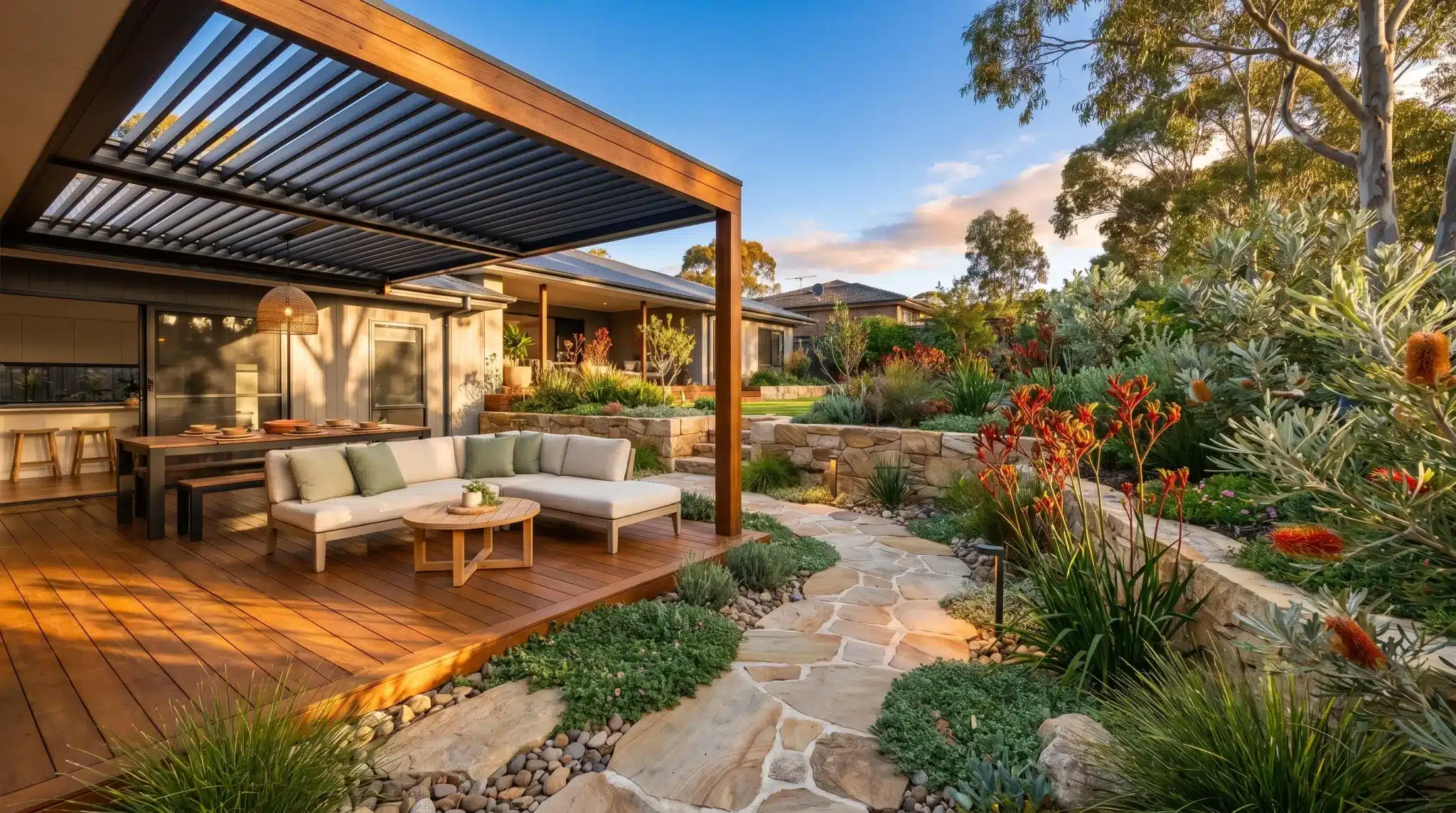
One of the biggest shifts in backyard design is the creation of outdoor living areas that mirror indoor spaces. Instead of a simple patio with outdoor furniture, homeowners are building fully functional outdoor rooms that can be used year-round. These spaces often include comfortable lounges, dining areas, outdoor kitchens, and integrated lighting to create a welcoming atmosphere for entertaining. Covered alfresco areas, pergolas, and louvre roofs are also becoming popular as they provide protection from sun and rain while maintaining airflow and natural light. The goal is to make the outdoor space feel like a seamless continuation of the home’s interior, allowing families to enjoy more time outside.
2. Native and Climate-Friendly Planting
With water conservation and environmental awareness becoming increasingly important, many homeowners are choosing native and climate-adapted plants for their gardens. Australian native species are well suited to local conditions and typically require less water and maintenance than exotic varieties. Plants such as kangaroo paw, grevillea, and banksia provide vibrant colour while supporting local wildlife and pollinators. Native gardens can also be designed in ways that feel modern and structured rather than wild or overgrown. By combining native plants with thoughtful layout and spacing, homeowners can achieve a garden that looks striking while remaining sustainable and easy to care for. Landscape By Design and other world-class service providers help homeowners by providing high-quality tradesmanship and zero stress.
3. Low-Maintenance Landscaping
Busy lifestyles have driven a growing demand for gardens that look impressive without requiring constant upkeep. Low-maintenance landscaping focuses on reducing time spent on tasks like mowing, pruning, and watering while still delivering strong visual appeal. Artificial turf, decorative gravel, mulch beds, and hardy plant selections are frequently used to create clean, manageable spaces. Raised garden beds and structured planting zones also help simplify maintenance by keeping plants organised and accessible. By designing gardens with practicality in mind, homeowners can enjoy beautiful outdoor spaces without the stress of ongoing intensive care.
4. Statement Hardscaping Features
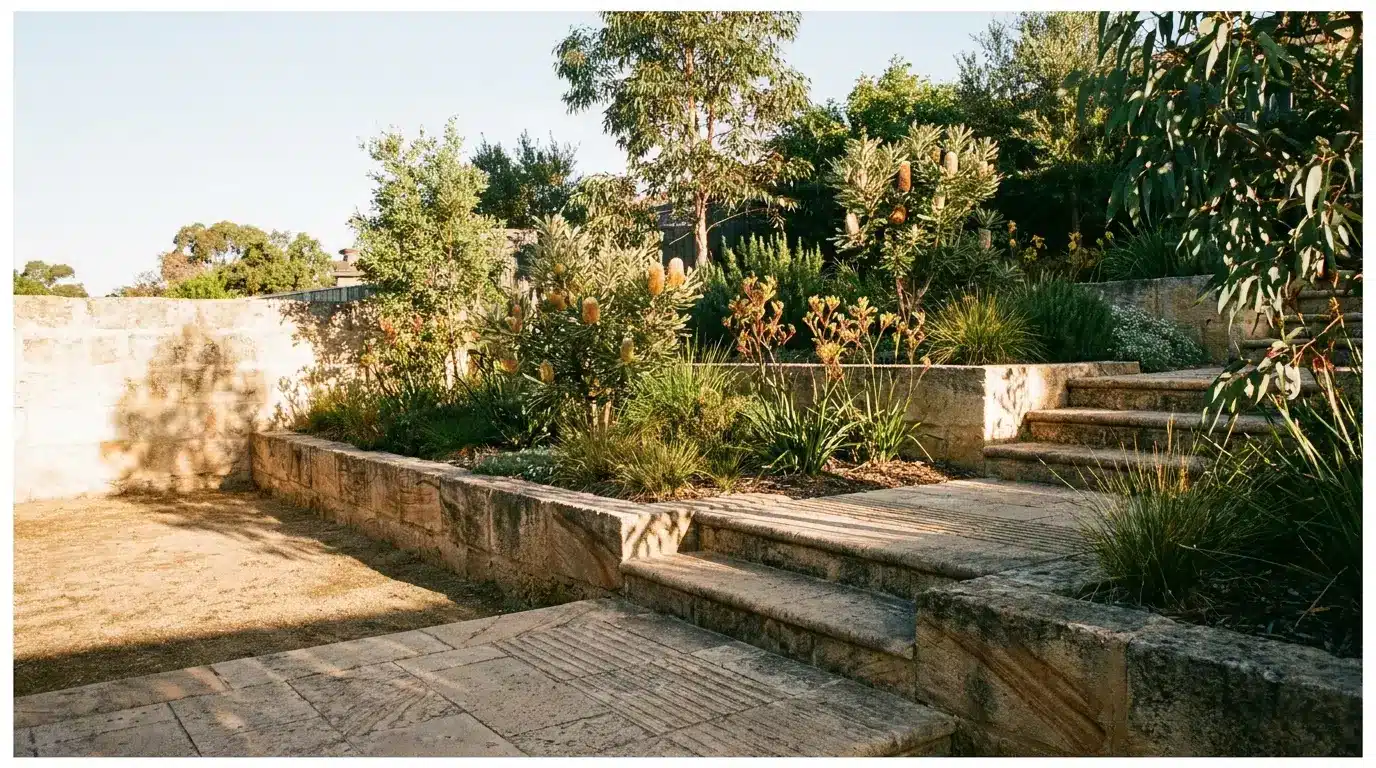
Hardscaping elements are playing a larger role in modern backyard design. Instead of relying solely on plants to create visual interest, homeowners are incorporating structural features that bring texture, depth, and function to their outdoor areas. Retaining walls, feature paving, stone pathways, and decorative concrete finishes are increasingly popular. These elements help define zones within the garden while also improving usability and accessibility. For example, retaining walls can create terraced gardens on sloping blocks, while paved entertaining areas provide durable surfaces for outdoor dining and gatherings. When combined with thoughtful planting, hardscaping creates a balanced landscape that feels both structured and inviting.
5. Smart Irrigation and Garden Technology
Technology is gradually becoming part of the modern garden. Smart irrigation systems allow homeowners to control watering schedules through mobile apps, adjusting automatically based on weather conditions or soil moisture levels. This ensures plants receive the right amount of water while minimising waste. Outdoor lighting systems are also becoming more sophisticated, with energy-efficient LED fixtures used to highlight pathways, garden beds, and architectural features. Some systems even allow homeowners to adjust lighting colours and brightness to suit different occasions. These innovations make gardens more efficient and easier to manage while enhancing the overall outdoor experience.
6. Multi-Functional Garden Spaces
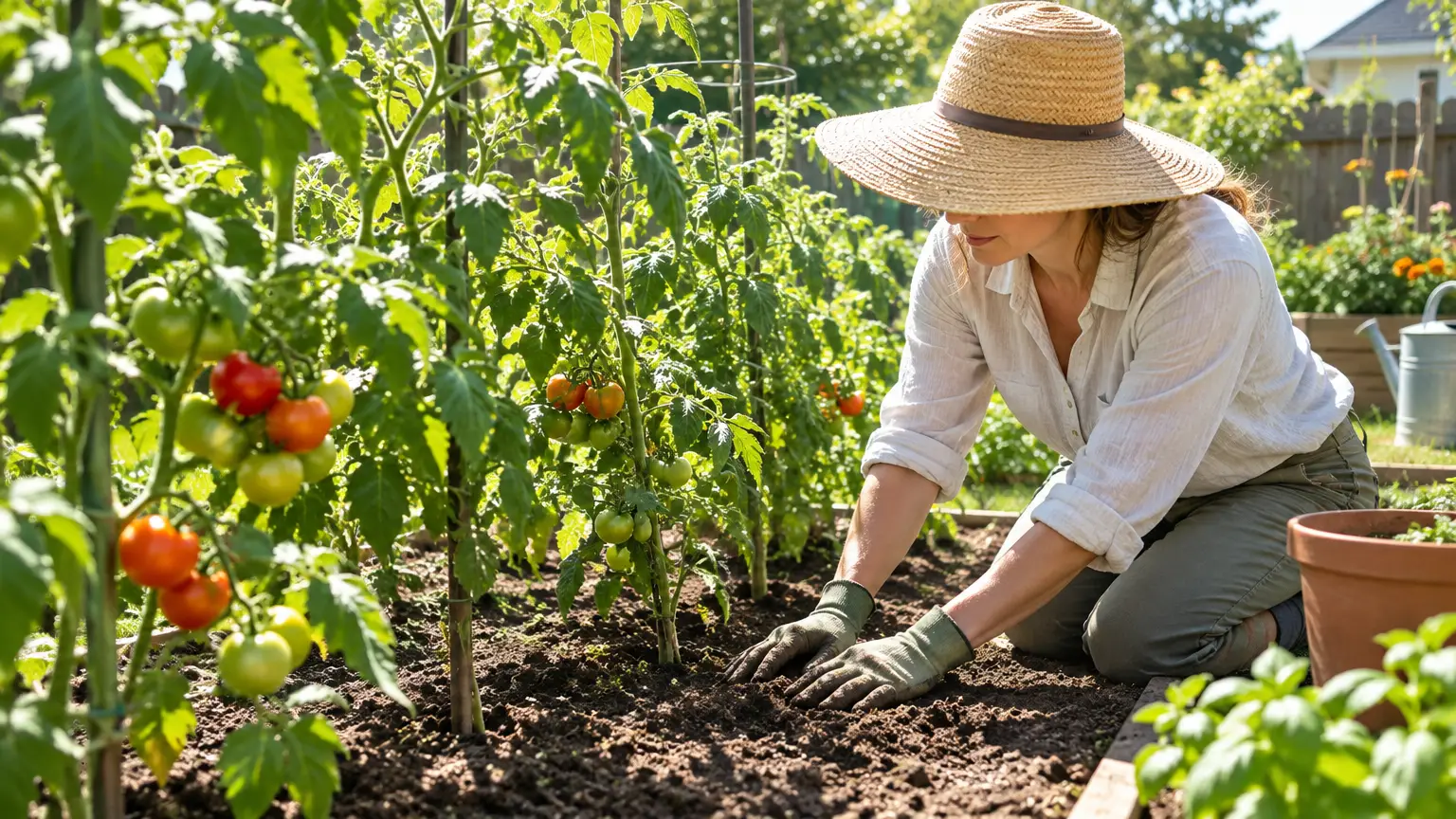
Backyards are increasingly being designed with multiple purposes in mind. Rather than dedicating the entire space to one function, homeowners are creating zones that serve different activities. A backyard might include an outdoor dining area, a quiet garden retreat, a play space for children, and even a small vegetable garden. By dividing the space into purposeful sections, gardens become more versatile and enjoyable for the whole household. Clever layout planning, such as using pathways, retaining walls, or changes in materials, helps define each zone while maintaining a cohesive design.
7. Natural Materials and Textured Finishes
Natural materials are making a strong comeback in outdoor design. Timber decking, stone paving, textured concrete, and raw finishes add warmth and authenticity to garden spaces. These materials blend beautifully with plants and greenery, creating outdoor environments that feel organic and welcoming. Timber seating, stone retaining walls, and natural-looking pathways help soften the overall look of modern landscaping while still maintaining a contemporary aesthetic. The combination of natural materials and modern design techniques allows homeowners to create spaces that feel both stylish and timeless.
Designing the Backyard of the Future
The landscaping trends shaping Australian backyards in 2026 reflect a growing desire for outdoor spaces that support lifestyle, comfort, and sustainability. From outdoor living rooms and native planting to smart irrigation and multi-functional layouts, the modern backyard is becoming a carefully designed extension of the home. By focusing on thoughtful design and climate-appropriate solutions, homeowners can create gardens that not only look impressive but also remain practical and enjoyable for years to come.