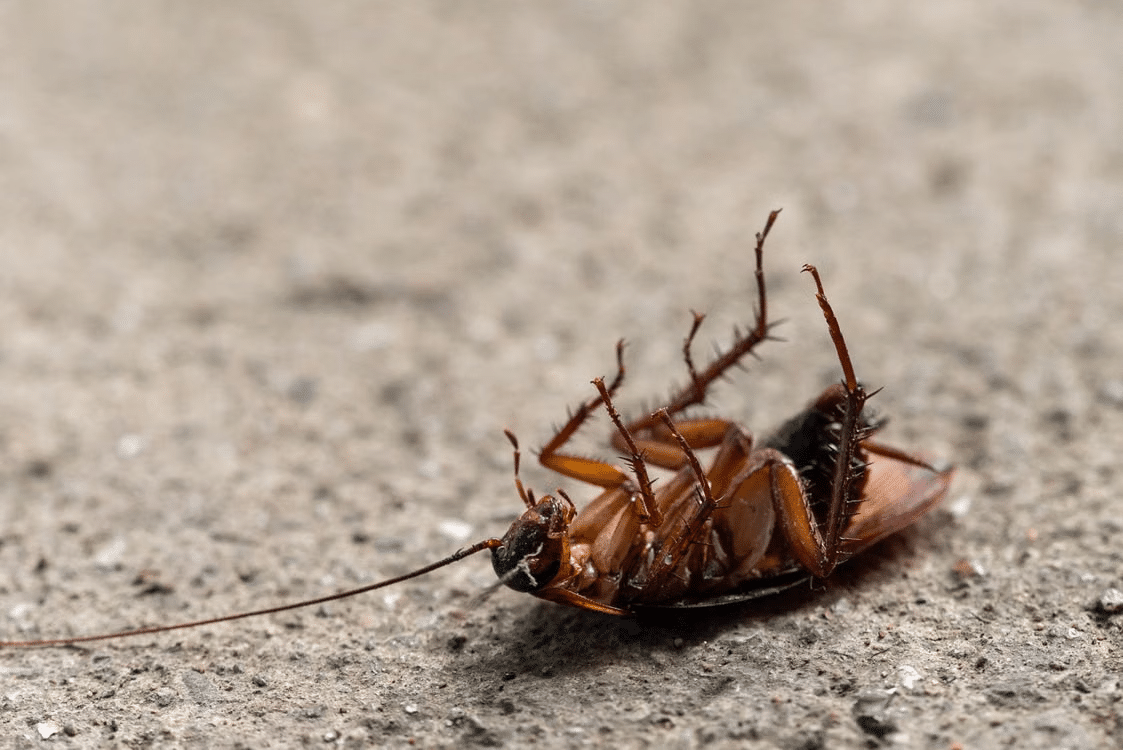

A well-tended desert yard behaves like a small ecosystem, and the house sits right at its edge. Drip lines, citrus trees, stacked mesquite and a porch light all work as invitations, and the pests that accept them tend to keep walking until they hit a wall. As of fall 2026, with the cooler months ahead, this guide covers what each yard feature attracts and what a gardener can do about it before anything reaches the door.
What Does Pest Control in Phoenix Look Like for a Garden Home?
For a garden home in Phoenix, pest control is mostly yard management with a professional layer at the house edge. The gardener controls water, plant debris, wood and light, which decide how many pests gather near the foundation. A licensed service handles the perimeter and interior work that a hose and a rake cannot.
City Wide Pest Control is a family-owned, locally owned and operated company that has served Phoenix and Maricopa County since 1986 and holds Arizona license #2317. It says on its website that scorpions, termites, cockroaches, rodents and ants are active in every month here, which matches what gardeners see: there is no true off-season, only a change in which pest is working the yard. Its page on residential pest control in Phoenix describes an initial inspection, a treated exterior perimeter, targeted interior work when needed and technician notes after each monthly visit, a useful picture of what the house edge needs even when the gardener handles everything outside it.
How Do Irrigation, Mulch and Citrus Pull Pests Toward the House?
They do it by concentrating the three things pests want in a dry climate: moisture, shelter and food. Irrigated beds are often the most reliable water for a long way around, so crickets, roaches and ants gather along drip emitters and then follow the damp edge of a slab toward the wall. Thick mulch holds that moisture and gives scorpions and roaches a cool place to hide through the day.
Citrus adds fallen fruit and leaf litter, which feed ants and roaches and bring in the small insects that scorpions hunt. A scorpion does not need the tree itself, only a pantry of prey beneath it. The closer that tree stands to a block wall or the house, the shorter the walk inside.
Termites follow the same moisture. On its website, City Wide Pest Control says Arizona’s warm soil lets subterranean termites stay active year-round without any winter dormancy, and that they find entry through slab-on-grade construction, plumbing penetrations, expansion joints and irrigated landscaping. Mulch piled against a stucco foundation also hides the exact line where an inspector needs to look.
Which Yard Features Draw Which Pests?
Wet soil, thick mulch, fruit trees, woodpiles and bright lights each draw their own pests, as the table shows. The fixes are small and mostly involve moving things.
|
Yard feature |
Pests drawn | Gardener fix |
| Drip lines and wet soil | Crickets, roaches, ants, termites | Repair leaks, move emitters off slabs |
| Mulch against walls | Scorpions, roaches, termites |
Pull mulch back from foundation |
| Fruit trees | Ants, roaches, scorpions |
Collect fallen fruit often |
| Woodpiles | Scorpions, termites, roaches |
Raise and move away from house |
| Bright night lights | Crickets, moths, spiders |
Use warm, shielded bulbs |
Woodpiles and landscape rock deserve the same suspicion. A stack against the house gives scorpions and roaches shelter and gives termites a bridge from soil to structure, so firewood belongs on a rack, away from the wall and off the soil. Stones, pavers and pots left in beds act the same way, which is why moving them occasionally shows what has settled underneath.
Night lighting deserves its own note because it works on a delay. Lights draw moths and crickets after dark, spiders build webs where the meal collects, and scorpions come for both. Moving a floodlight away from the door, or swapping to a warmer bulb, breaks the chain at the first link.
Why Do Scorpions and Crickets Gather at Block Walls and Patios?
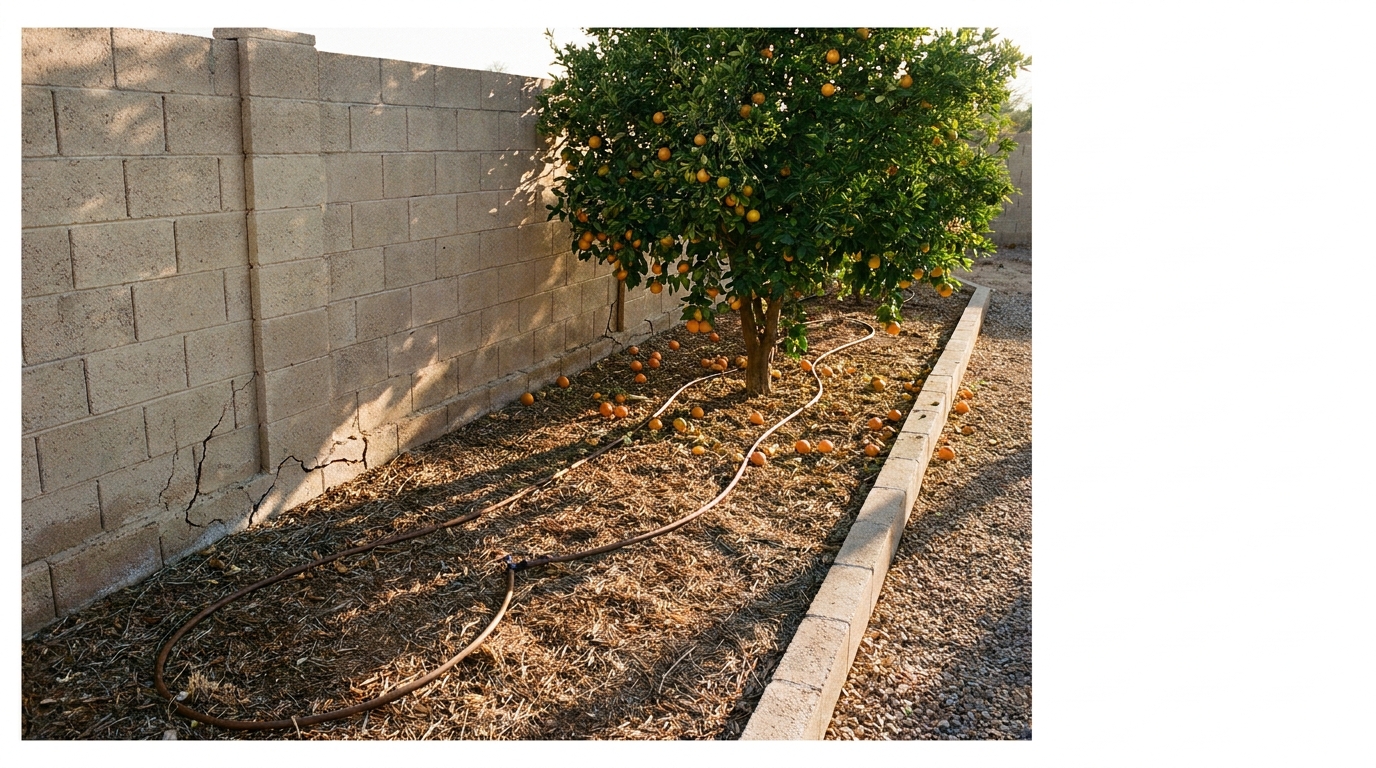
Because block walls and patios give them cover, warmth and a travel route in a single structure. Cracks and weep holes in a block wall shelter scorpions by day, and the wall often runs right beside the beds, citrus and lights that supply their food. Crickets collect in the same shaded corners and tend to move toward porch lights and door gaps after dark.
The practical response is to break the connection between wall and house. Keep a clear strip of bare ground or gravel along the base, trim any branch or vine that bridges the gap to the roofline, and store pots and tools off the ground. City Wide Pest Control lists block wall management as part of its scorpion work, which targets the same travel route.
A Season-by-Season Routine for the Yard and Foundation Line
Phoenix pests never fully stop, so a seasonal routine shifts the focus instead of pausing it. Each stretch of the year has one main job for the yard and one for the wall line.
- Fall: Clear summer debris, trim back plants touching walls, and reset irrigation timers as water needs drop. Walk the foundation and check that mulch sits well back from the stucco.
- Winter: Finish the citrus harvest and pick up every fallen fruit. Stack firewood off the ground and well away from the house, and replace any bright bulbs near entries.
- Spring: Run the irrigation and look for leaks, since moisture draws termites. Schedule the annual termite inspection before the heat arrives.
- Summer: Water early so the soil surface is dry by evening, wear gloves when moving pots, stones or wood, and keep the lights low. Scorpions and crickets are most active after dark, so evening checks matter most.
Once a season, take ten minutes to circle the house and look at the foundation line. Check weep holes, gaps around plumbing and utility entries, door sweeps and any soil piled against the stucco. Small gaps and damp spots are far easier to fix when you notice them early.
When Should a Gardener Hand the Perimeter to a Professional?
A gardener should hand over the perimeter when pests keep reaching the interior despite a tidy yard, or when the problem involves termites or scorpions. Yard care lowers the pressure, but it cannot treat the wall line, the entry points or the spaces inside. Scorpions found indoors more than once in a while, roaches in the kitchen, ant trails that return after cleaning and mud tubes or shed wings near the slab all point to the same decision.
Termites deserve the most caution because the damage is hidden. Per City Wide Pest Control, Arizona is home to several termite species, including the desert subterranean termite, the arid-land subterranean termite and the western drywood termite. The company recommends that owners schedule a professional termite inspection every year, repair plumbing issues promptly, keep written records of every treatment and inspection, and have a property inspected at the time it is purchased. Its commercial inspection description covers the foundation perimeter, plumbing penetrations, expansion joints and utility entries, and those are the same spots worth watching at a home.
Licensing is the other thing to check. The Office of Pest Management, part of the Arizona Department of Agriculture, oversees structural pest control in Arizona, which means homeowners are free to request a company’s license number and verify it before any foundation treatment begins. A locally owned company also tends to know the block walls, slab foundations and irrigated lots common across Maricopa County.
Before the Next Planting Season
Heading into 2027, the most useful habit is treating the yard and the house as one system. Water, wood, fruit and light are all things a gardener already manages, and small changes to each reduce what reaches the wall. Where the yard work has done what it can, a perimeter service regulated by the Office of Pest Management picks up the rest. Small habits and the right hand-off keep a desert garden enjoyable instead of defensive.