Moving to a new home is already a big shift. There are boxes to pack, rooms to measure, utilities to schedule, and a long list of details that somehow keep getting longer. But when you are a plant lover, relocating comes with another layer of care.
Your plants are not just decorations. They are living things you have watered, pruned, repotted, rotated toward the light, and sometimes worried over more than you expected. Maybe you remember the first new leaf on your monstera. Maybe your pothos started as a tiny cutting from a friend. Maybe that fiddle leaf fig has survived three apartments and one very questionable winter.
So when it is time to move, plants need more than a spot in the backseat. They need planning, patience, and a little understanding of how stressful relocation can be for them, too.
Start by Taking Inventory
Before you pack a single pot, take a slow walk through your home and look at every plant you own. This may sound simple, but it matters. Moving gives you a chance to notice what is thriving, what is struggling, and what may not be worth transporting.
Some plants handle change well. Snake plants, pothos, ZZ plants, spider plants, and philodendrons are usually forgiving. Others are more sensitive. Ferns, calatheas, orchids, and fiddle leaf figs can react quickly to changes in light, humidity, and temperature.
Make a simple list of your plants and group them by size, fragility, and care needs. Large floor plants may need special handling. Small pots may be grouped together in open boxes. Trailing plants may need gentle wrapping so vines do not snap. Plants with delicate leaves should be given more space instead of being crowded together.
This is also the right time to decide whether every plant should come with you. If a plant is already unhealthy, heavily pest-infested, or too large for your next space, consider gifting a cutting or giving the plant to someone who can care for it. It can feel hard, but sometimes it is the kindest choice.
Prepare Plants Before Packing Day
A smooth plant move starts days before the moving truck arrives. About one week before relocating, inspect each plant carefully. Look under leaves, along stems, and at the soil surface for signs of pests. Small insects, webbing, sticky residue, yellowing leaves, or unusual spots can all be clues.
If you notice pests, isolate the plant and treat it before the move. You do not want one struggling plant spreading problems to the rest of your collection while everything is packed closely together.
This is also a good time to prune dead leaves, trim damaged stems, and remove any loose debris from the soil. Do not do a major repot right before moving unless you absolutely have to. Repotting can shock a plant, and relocation adds even more stress. If a pot is cracked or unstable, place the plant into a safer container. Otherwise, wait until after the move to change pots.
A few days before the move, water your plants as needed. You want the soil to be slightly moist for most plants, not soaked. Wet soil makes pots heavier and can lead to messes, root stress, or fungal issues during transport. Dry soil can make plants wilt faster, especially in warm conditions.
If you are partnering with full-service moving companies, it is worth asking in advance how they handle live plants. Policies can vary depending on the distance, season, and type of move. Some movers may be able to transport plants for local moves, while long-distance relocations may require a different arrangement. Clarifying this early gives you time to plan the safest option for your plants and keeps moving day running smoothly.
Check the Rules Before Moving Plants
Plant lovers moving across town usually do not need to worry much about regulations. But if you are relocating across state lines, across borders, or to a region with strict agricultural rules, you should check what is allowed before moving your plants.
Some states and countries restrict the movement of certain plants, soil, fruits, seeds, or outdoor garden materials because pests and plant diseases can spread easily. Even healthy plants may carry insects or organisms in the soil that you cannot see.
If you are planning a long-distance move, look up the plant transport rules for your destination. This is especially important for outdoor plants, citrus trees, herbs, vegetable starts, and anything grown in garden soil. A little research early can save you from delays, fines, or having to leave plants behind at the last minute
Pack Plants With Care
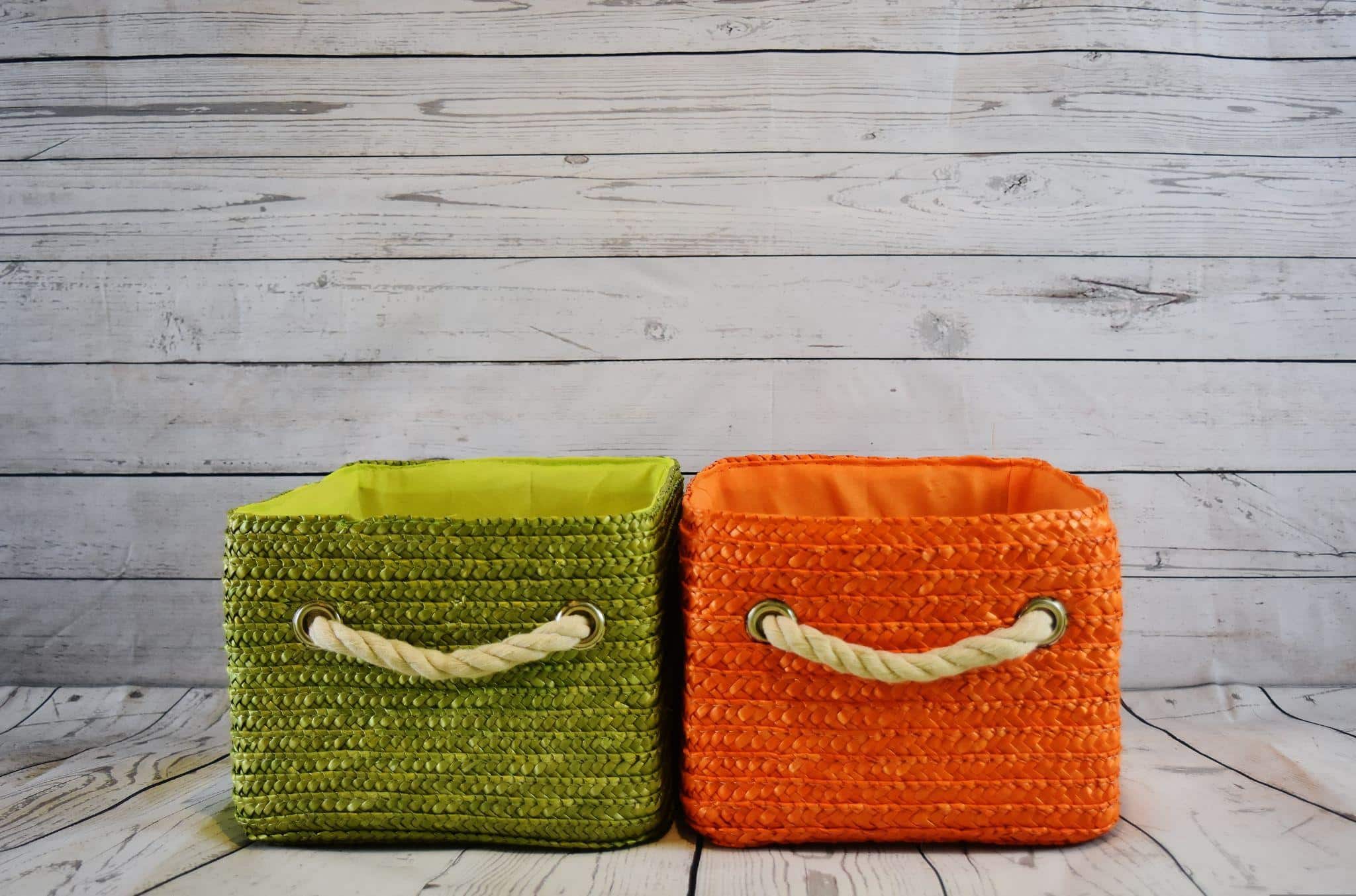
Plants should be packed in a way that protects both the pot and the foliage. For smaller plants, use sturdy open boxes. Line the bottom with towels, paper, or packing material to prevent pots from shifting. Place plants close enough that they support each other, but not so tightly that leaves are crushed.
For fragile pots, wrap the container itself with paper, cloth, or bubble wrap, while leaving the plant uncovered enough to breathe. If soil may spill, place a light layer of paper over the soil and secure it gently around the base of the plant. Avoid pressing too tightly against the stem.
Tall plants may need stakes or soft ties to keep them upright. Use plant ties, twine, or soft fabric strips, but do not pull stems into unnatural positions. Broad leaves can be lightly wrapped in paper for protection, especially if the plant will be carried through narrow doorways or placed near other items.
Avoid sealing plants in closed boxes for long periods. Plants need air, and closed boxes can trap heat and moisture. If you must cover them briefly, use breathable material and remove it as soon as possible.
Label plant boxes clearly. Write “live plants,” “fragile,” and “this side up” on the outside. Even if you are moving everything yourself, labels help when the day gets busy and people start stacking boxes wherever they fit.
Think About Temperature and Timing
Temperature is one of the biggest risks during a plant move. Many houseplants are tropical, which means they are sensitive to cold drafts, freezing temperatures, and intense heat. A few minutes in the wrong conditions can cause leaf damage.
If you are moving in winter, warm the car before loading plants and keep them covered while carrying them outside. Do not leave plants sitting in a cold vehicle while you finish loading other items. Even hardy houseplants can suffer when exposed to freezing air.
In summer, keep plants out of direct sun inside a parked car or truck. Heat builds quickly, and leaves can scorch or wilt before you notice. Try to move plants early in the morning or later in the evening when temperatures are gentler.
For long drives, keep plants in the passenger area if possible, not in a hot trunk or unventilated cargo space. Make sure they are stable and will not tip when you brake or turn. If the trip takes more than a day, bring plants inside overnight rather than leaving them in the vehicle.
Help Plants Adjust After the Move
Once you arrive, it can be tempting to place every plant exactly where you imagine it belongs. But plants often need a little time to adjust. Your new home may have different light, airflow, humidity, and temperature patterns. A window that looks bright to you may be much stronger or weaker than the one your plant is used to.
Start by placing plants in safe, stable spots with indirect light while you unpack. Check the soil before watering. Some plants may dry out during the move, while others may still be moist. Avoid watering everything automatically.
Over the next few weeks, watch for signs of stress. Drooping, yellow leaves, leaf drop, or slower growth can happen after relocation. This does not always mean something is wrong. Sometimes the plant is simply adjusting. Try not to respond with too much water, fertilizer, or repotting right away. Too many changes can make stress worse.
Give your plants time. Rotate them as needed, adjust their placement slowly, and learn how the light moves through your new space.
Create a Plant-Friendly Setup in Your New Home
Relocating is a chance to rethink your plant care routine. Instead of placing plants only where they fit, consider where they will actually thrive. Notice which windows get morning light, afternoon sun, or soft filtered brightness. Pay attention to vents, heaters, drafty doors, and humid areas like bathrooms or kitchens.
Group plants with similar needs together. Humidity-loving plants often do better near each other. Sun-loving plants should be closer to bright windows. Low-light tolerant plants can help soften corners, shelves, or offices that do not get much direct sun.
This is also a good moment to clean leaves, refresh plant stands, check drainage trays, and organize your watering tools. Small choices make plant care easier once life settles back into a rhythm.
Be Patient With the Transition
Plants do not understand moving day. They only feel the changes. Less light for a few hours. A sudden temperature shift. A bump in the car. A new room with unfamiliar conditions.
Some will bounce back quickly. Others may take weeks or even months to feel settled. That is normal.
The best thing you can do is observe before reacting. Look closely. Touch the soil. Notice the light. Let the plant show you what it needs rather than trying to fix everything at once.
Relocating with plants takes extra care, but it also brings something meaningful into the moving process. While everything else may feel new and unsettled, your plants offer a sense of continuity. They remind you that growth can survive change.
And when you finally see a new leaf unfurl in your new home, it feels like a small sign that both of you are settling in.