It started with a single question while planting tomatoes: Why does everyone around me use that layer of stuff on the ground? I had to know: what is mulch made of?
That simple thought led me to uncover a mix of things I never expected: wood chips, pine needles, old leaves, and even rubber pieces. Each one had a purpose I hadn’t noticed before.
If you’ve ever paused at a garden bed and wondered the same thing, you’re in the right place.
This blog breaks down what mulch is made of, why it’s useful, and how to choose the right kind for your yard. It’s not just a topping, it’s one of the hardest-working parts of the garden.
How Mulch Fits Into Basic Gardening Care
If you are new to gardening, mulch can feel confusing at first. You see it on top of soil, around trees, and in flower beds, but its role is not always clear.
Mulch is not soil, and it is not fertilizer. Instead, it works as a surface layer that helps protect what is underneath.
Gardeners use mulch to manage moisture, control weeds, and reduce stress on plants. It also helps keep soil temperatures more stable during hot days and cooler nights. Over time, some types of mulch break down and change how the soil behaves.
Understanding what mulch does makes it easier to understand what mulch is made of. Once you know its purpose, the materials used to create mulch start to make more sense.
What is Mulch Made Of?

What is mulch made out of? The answer depends on the type you’re looking at. Most mulch falls into two groups: organic and inorganic. Each group includes both common and lesser-known materials.
Organic mulch comes from natural things that break down over time. Common choices include:
- Wood chips or bark: often used around trees and shrubs
- Straw or hay: useful in vegetable gardens
- Leaves: either shredded or whole, often found in home gardens
- Grass clippings: quick and free, but best in thin layers
- Compost: mainly used to feed the soil but can also work as mulch
Less common organic mulches include:
- Pine needles: good for plants that like acidic soil, such as blueberries
- Cocoa hulls: smell nice and look clean but can be harmful to pets
- Newspaper or cardboard: often layered under other mulch to stop weeds
Inorganic mulch does not break down and usually lasts longer. Common examples are:
- Rubber mulch: made from recycled tires, often seen in playgrounds or paths
- Landscape fabric: placed under gravel or stones to block weeds
- Rocks or gravel: used in dry areas or places with poor drainage
Some gardeners also use plastic sheets: these help trap warmth and stop weeds, especially in vegetable beds.
Each mulch type has its own strengths. Knowing what it’s made of helps you choose the best one for your garden, climate, and how much time you want to spend keeping it up.
How Different Types of Mulch Are Made
Not all mulch is made the same way. Each type comes from different materials and goes through its own steps before it ends up in your garden.
Knowing how mulch is made can help you understand its quality, how long it lasts, and how it will behave in your soil. Here’s a closer look at how common types are created:
1. Wood chips and bark mulch: These come from tree branches, trunks, or leftover wood from sawmills. The wood is chopped into small pieces using large grinders. Bark is usually stripped from logs and broken down into nuggets or fine shreds. Some kinds are dyed with safe colorants to make them look nicer or last longer.
2. Straw mulch: Straw is what’s left after harvesting grains like wheat or oats. It’s dried, baled, and then broken apart before being spread as mulch. It’s light, easy to work with, and breaks down over time to help feed the soil.
3. Leaf mulch: This is made by shredding collected leaves using a mulcher or mower. The result is soft, crumbly mulch that breaks down quickly and feeds the ground.
4. Grass clippings: These come straight from mowing your lawn. They can be used fresh in thin layers or dried out first to avoid clumping and smell.
5. Compost: Compost mulch is made by breaking down food scraps, yard waste, and other organic matter over time. Once it turns dark and crumbly, it can be used as a mulch layer that also feeds the soil.
6. Pine needle mulch: Also called pine straw, this is made by collecting fallen needles from pine trees. It’s raked, cleaned, and sometimes baled before use.
7. Rubber mulch: This type is made from old tires. The tires are cleaned, shredded, and shaped into small chunks. It’s long-lasting and doesn’t break down, but it doesn’t feed the soil either.
8. Rock or gravel mulch: These are simply mined, cleaned, and sometimes crushed into smaller pieces. They’re often used in dry areas and don’t need to be replaced often.
9. Plastic mulch sheets: These are made from thin layers of polyethylene. They’re rolled out over soil to trap heat and stop weeds. This is common in large vegetable farms.
Each type has its own way of being made, and that affects how it works. If you want something natural that breaks down and feeds your soil, choose organic mulch.
If you’re looking for something low-maintenance that lasts a long time, inorganic mulch might fit better.
How Compost Mulch Forms Naturally
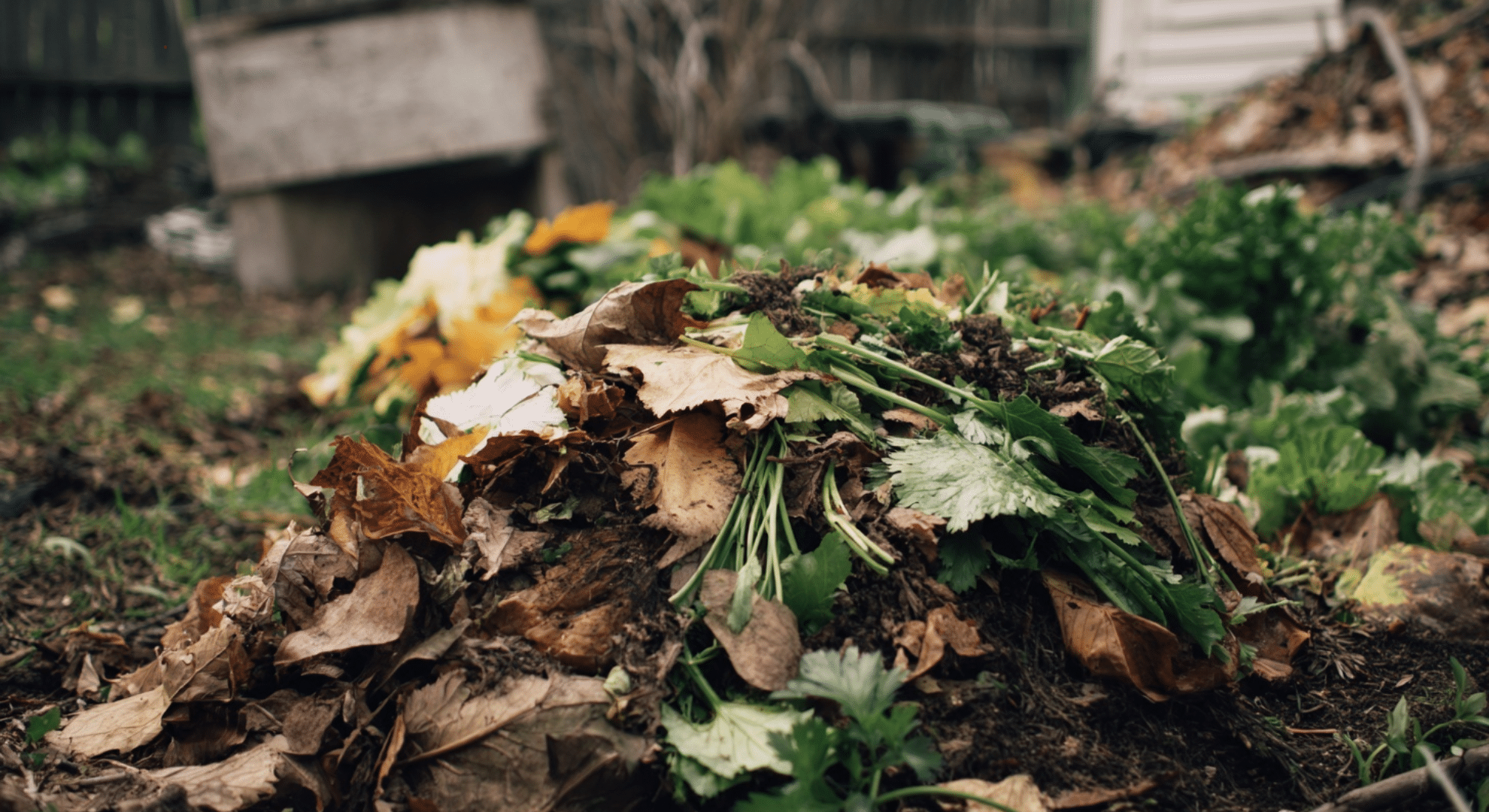
Compost mulch forms through a natural process that turns waste into rich, dark material. It starts with a mix of browns and greens.
Browns are dry items like leaves, small branches, and paper. Greens include fresh grass clippings, food scraps, and garden waste. Browns give carbon, and greens give nitrogen; both are needed for balance.
As the pile builds, decomposition begins. Microorganisms break down the mix in stages. First, the pile heats up. Then, as the materials break down further, the temperature drops and stabilizes.
Turning the pile helps speed things up. It adds oxygen and spreads the heat. A hot pile can reach 130 to 160 degrees Fahrenheit, which helps kill weed seeds and bad bacteria.
When finished, compost mulch is dark, crumbly, and smells like earth. It’s no longer hot or smelly. This natural mulch helps feed your soil, hold moisture, and improve plant health over time.
Key Characteristics That Define Good Mulch
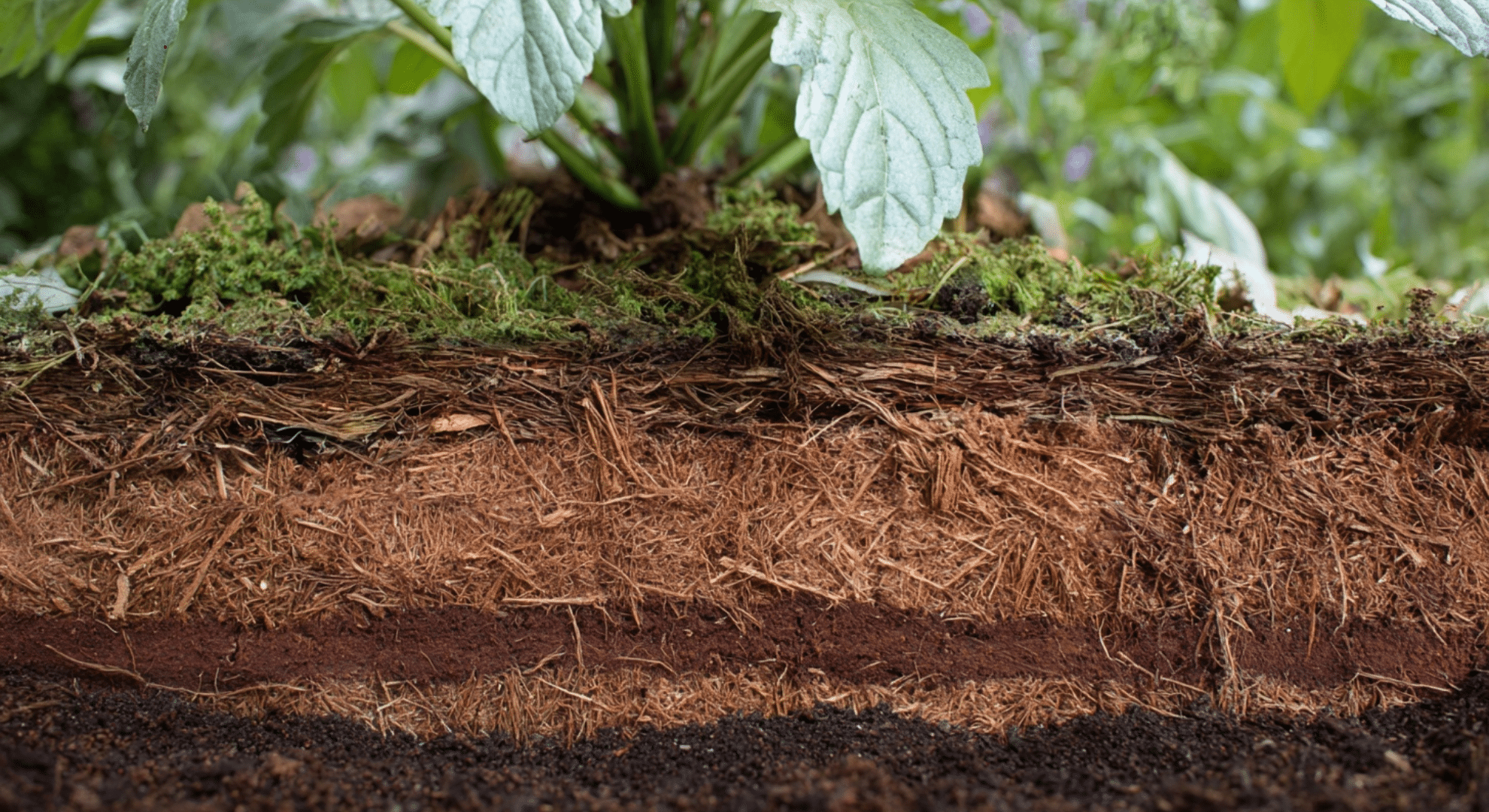
Good mulch does more than just cover the ground. It helps your garden in several ways, and the best kind depends on what you need.
One key trait is water retention. Mulch holds moisture in the soil, so plants stay hydrated longer. It also helps with soil temperature, keeping roots cool in summer and warm in winter.
Another important feature is weed control. A solid layer blocks sunlight and stops most weeds from growing. With organic mulch, how fast it breaks down matters too.
Fast breakdown feeds the soil but needs to be replaced more often. Slower types last longer and still improve soil over time.
Inorganic mulch doesn’t break down, so it lasts for years. It’s great for low-maintenance spaces but won’t feed the soil.
Finally, appearance and color matter too. Good mulch holds its shape and color, keeping your garden neat and tidy throughout the season.
Comparing Mulch With Compost and Topsoil
Mulch, compost, and topsoil all play important roles, but they aren’t the same. Each has a different job in the garden. Knowing how they work helps you layer them correctly and use them in the right way.
| Feature | Mulch | Compost | Topsoil |
|---|---|---|---|
| Main Material | Bark, wood chips, straw, rubber, leaves | Food scraps, grass clippings, leaves, paper | Sand, clay, silt, and organic matter |
| Main Purpose | Protects soil, holds moisture, blocks weeds | Feeds and improves soil | Base for planting, holds roots and nutrients |
| Breaks Down | Slowly (organic only) | Yes, fully breaks down | No, stays as a growing base |
| Improves Soil | Slowly, if organic | Yes, adds nutrients and improves structure | Yes, supports growth and root systems |
| Placement | Top layer above soil or compost | Mixed into or placed on top of soil | Bottom layer in planting areas |
| When to Use | To cover and protect soil | To feed and build healthy soil | As the planting base for seeds and roots |
Use topsoil as your base, compost to feed it, and mulch to protect it. Together, they create strong, healthy ground for plants to grow.
How to Choose the Right Mulch for Your Garden
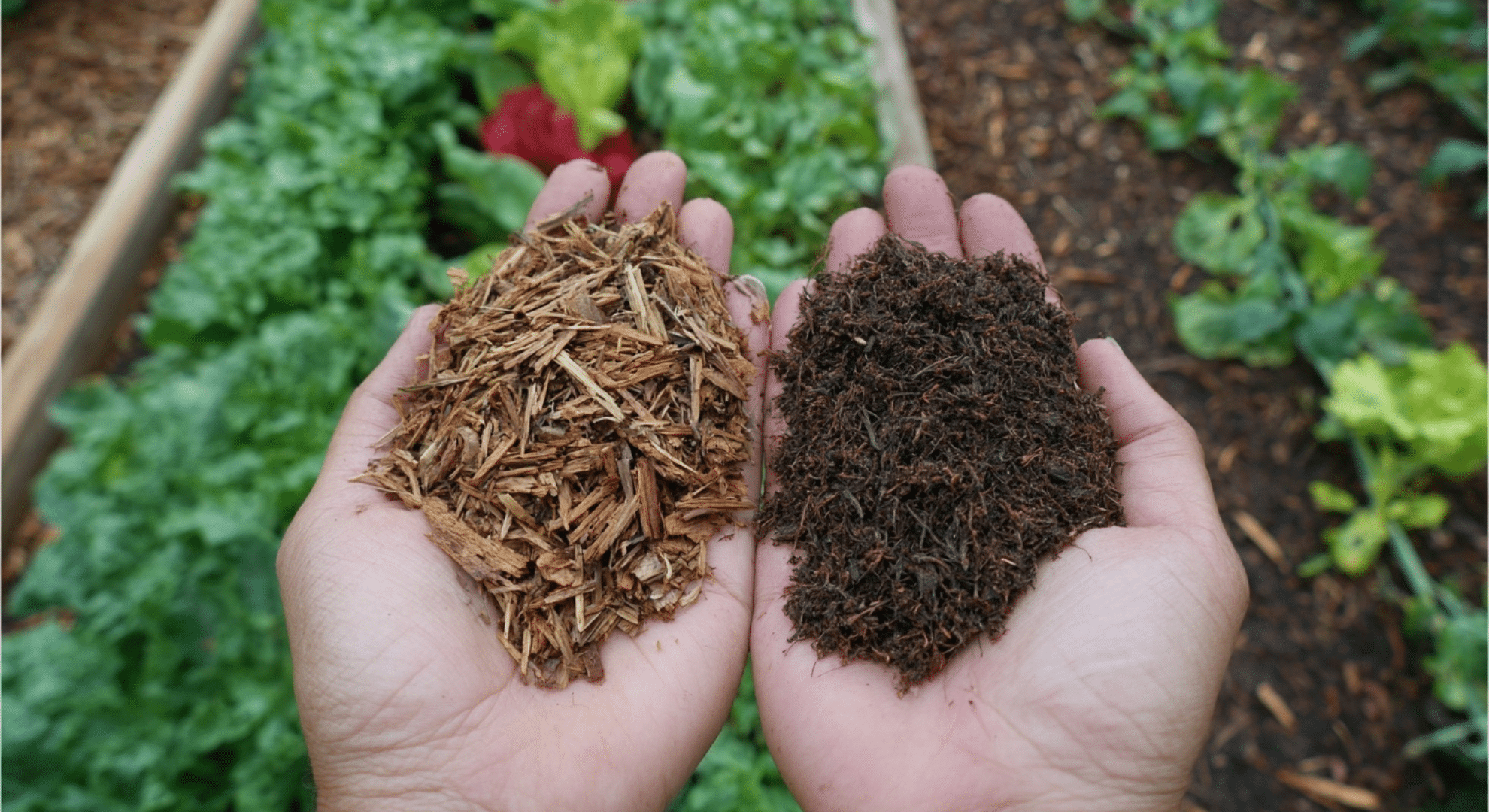
Choosing the right mulch depends on your garden’s needs, how much time you want to spend on upkeep, and what you’re growing.
For flower beds or areas you want to keep neat, bark mulch or wood chips look clean and last longer. In vegetable gardens, straw, grass clippings, or leaf mulch work well because they break down quickly and feed the soil.
If you want low maintenance, rubber mulch or rocks last for years but don’t help the soil.
For weed control, pick a mulch that blocks light and can be laid thick. If soil health is your main goal, choose organic mulch that breaks down and adds nutrients.
Also think about your climate. In hot areas, mulch that holds water well helps keep plants hydrated. And always match the mulch to the plant’s needs, what works for one garden might not be right for another.
Practical Mulching Tips for Better Results
Mulching isn’t just about tossing material on the ground. Doing it the right way helps your plants grow better and keeps your garden looking clean. Here are some tips to get the most out of your mulch:
- Use 2 to 3 inches: That’s thick enough to block weeds but not so thick that it blocks air and water.
- Don’t pile it against stems or trunks: Leave space to avoid rot or pests.
- Water before mulching: Moist soil under the mulch holds water better.
- Use the right mulch for the right plant: Acid-loving plants like pine needles, while veggies do better with straw or compost.
- Top up as needed: Reapply organic mulch each season as it breaks down.
- Check for mold or matting: Stir mulch lightly if it clumps or smells.
- Use barriers when needed: For extra weed control, layer newspaper or cardboard under the mulch.
Smart mulching takes just a little effort but gives big returns, less weeding, better soil, and healthier plants all season long.
Conclusion
I never realized how much a simple layer of mulch could do until I looked into it myself.
Learning what mulch is made of helped me see how it protects the soil, keeps moisture in, and cuts down on weeding. It’s now something I don’t skip in my garden routine.
Now that you know the basics, you can make better choices for your own garden. Think about what your plants need and what kind of mulch fits your space and time. A little planning goes a long way.
One last tip: always mulch on damp soil and keep it a few inches from plant stems.
Want more helpful, easy garden tips? Check out my other blogs to keep growing your know-how!