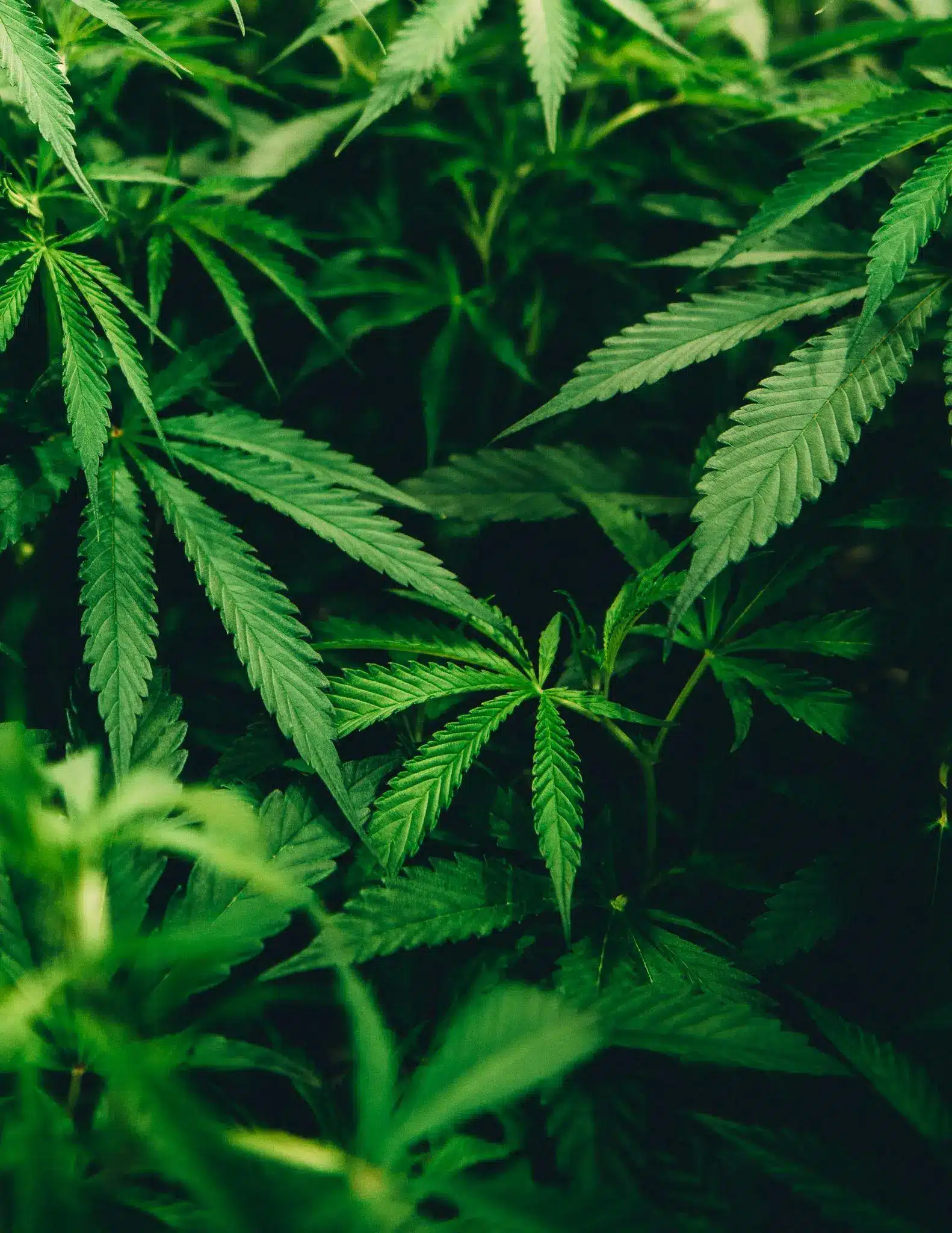
Cannabis seed shopping is a lot like seed shopping for anything else: the labels matter, but only if you know what they mean. Regular, feminized, autoflower, photoperiod. For a home grower just getting started, “feminized” is the one worth understanding first, because it solves the single biggest frustration new cannabis gardeners run into. Here is the short version: feminized cannabis seeds are bred to produce almost exclusively female plants. And female plants are the only ones that grow the flowers you actually want to harvest.
Why Plant Sex Matters in Your Garden
Cannabis is a dioecious species, meaning each plant grows as either male or female, much like asparagus, spinach, or hops. The sex is governed by sex chromosomes: females carry two X chromosomes (XX), males carry one X and one Y (XY). That split would be botanical trivia if it did not have such direct consequences for your harvest. Only female cannabis plants develop the dense, resinous flowers home growers are after. Males produce pollen sacs instead, and if that pollen drifts onto your females, they redirect energy from flower production into making seeds. In a home setup with four to six plants, a single undetected male can pollinate the entire crop before you catch it. With regular seeds, every seed is roughly a coin flip: about 50% will grow male. You will not know which until plants start showing sex traits a few weeks into the flowering stage, which means weeks of watering, feeding, and caring for plants that may end up in the compost bin.
What Are Feminized Seeds, and How Do They Work?
That is where feminized seeds come in. They are bred to produce female plants at a rate of 99% or higher, so nearly every seed you germinate will develop into a flower-producing plant. The breeding process works by eliminating the Y chromosome from the cross entirely. Breeders apply a silver-based solution (typically silver thiosulfate) to a female plant, which suppresses ethylene, a hormone involved in flower development. The treated female develops pollen sacs, but because the plant is genetically XX, the pollen carries only X chromosomes. Fertilize another female with that pollen, and the resulting seeds inherit two X chromosomes and grow female. A 2021 study in Frontiers in Plant Science confirmed this: crossing only XX parent plants produced entirely female offspring. The process is hormone manipulation, not genetic modification, and it takes advantage of biology cannabis already has.
Feminized vs Regular Seeds: What the Difference Means in Practice
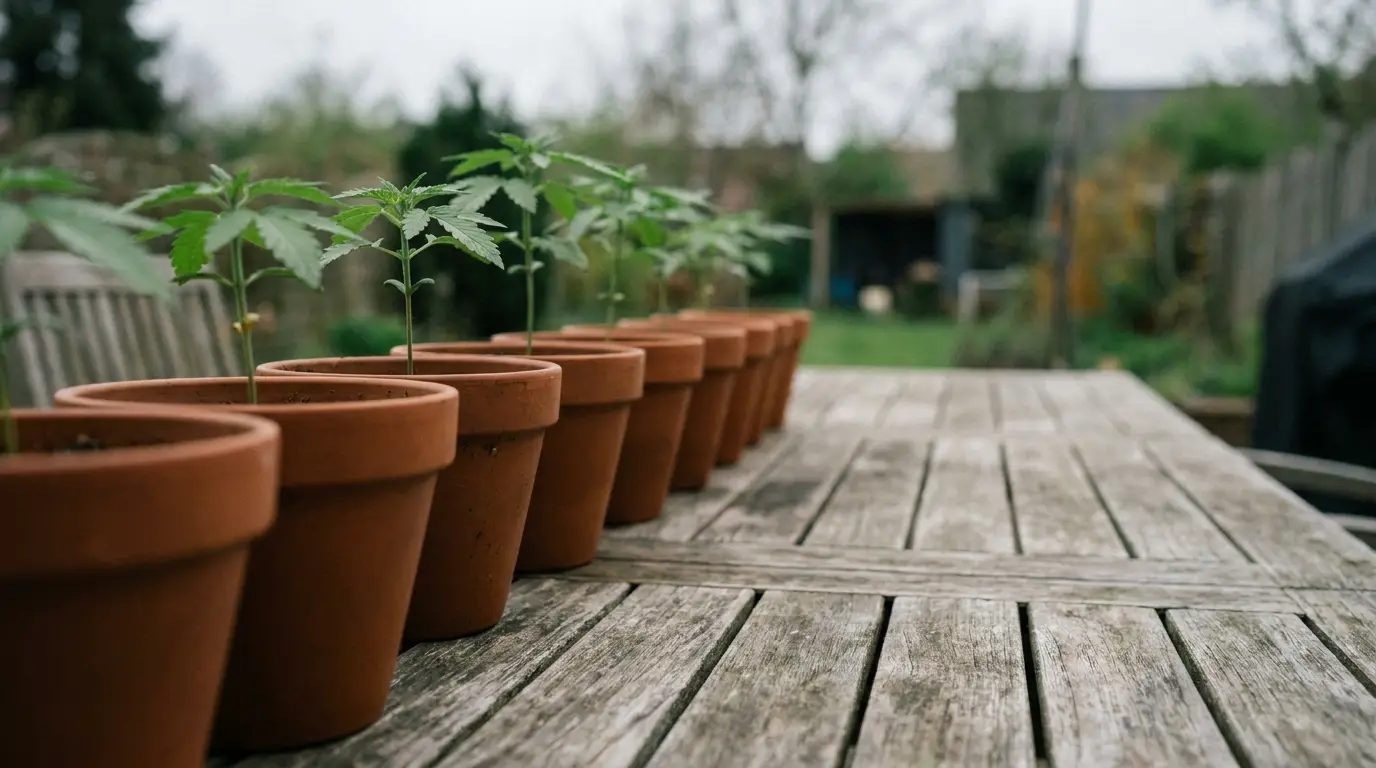
The practical gap is about predictability, and it hits hardest in small grows.
Plant six regular seeds, and you might get three females and three males. You will not find out until early flower, when tiny pollen sacs appear at the nodes of your male plants and you have to pull them immediately, sometimes within a day or two of spotting them to prevent pollination. Suddenly half your containers are empty and your canopy has gaps.
Plant six feminized seeds, and all six are overwhelmingly likely to grow female. You keep every plant, your canopy stays full, and you do not spend the first weeks of flowering on a daily inspection routine wondering which ones to cull. For anyone working with a single grow light or a few pots on a patio, that predictability is the difference between a productive first harvest and a discouraging one.
Regular seeds still matter for growers who want to breed or develop new genetics, since that work requires male pollen; but most home cultivators are not starting a breeding program, and feminized seeds are the more practical entry point.
Choosing the Right Seeds for Your First Grow
Feminized seeds are the starting point, but you will also choose between photoperiod and autoflowering varieties. Photoperiod strains flower when the light cycle shifts (typically to 12 hours on, 12 hours off), which gives you more control over plant size but demands either an outdoor season long enough to trigger that switch or a timer-controlled indoor setup. Autoflowering feminized strains flower on their own internal clock regardless of light, finishing faster and forgiving the kind of schedule inconsistencies that trip up beginners.
Climate is the other early filter. Outdoor growers need a variety that finishes before autumn cold and rain arrive; indoor growers should check a strain’s expected stretch, because some varieties can double in height once flowering starts and outgrow a small tent in a week.
Treat the seed order the way you would any garden purchase: one or two well-reviewed varieties matched to your setup. Resist the urge to order ten strains for your first run. Learning what cannabis cultivation teaches you about horticulture is half the point, and simpler setups produce clearer lessons.
One more thing before you order: cannabis home-cultivation laws vary by state and country, and some places that allow possession still prohibit growing. Check your local regulations first, and only grow where it is legal to do so.
Getting Started at Home
The basics are familiar to anyone who has grown tomatoes or herbs: adequate light, well-draining soil, consistent watering, and nutrients matched to the plant’s growth stage. Cannabis adds a few wrinkles. Photoperiod strains need uninterrupted darkness during their dark cycle; even a brief light leak can stress them into producing male flowers on an otherwise female plant. And cannabis feeds more heavily than most garden plants during flower, so a basic bloom-stage nutrient schedule matters more here than it would with basil.
Overwatering is still the number-one beginner mistake, same as with every other plant. Let the top inch of soil dry between waterings. If you are growing indoors, keep a small fan running; stagnant air invites mold, and cannabis flowers are dense enough to trap moisture. That same beginner instinct that serves you well with easy vegetables applies here: start small, watch closely, and read what the plant is telling you.
What Comes Next
Every first grow has a learning curve, but feminized seeds take the sharpest early variable off the table. The difference between a crop where every plant produces flower and one where half the containers end up empty is not small, especially when you only have room for a handful. From there, it is the same cycle every gardener knows: observe, adjust, try something different next season, and let each round of growing teach you what the last one could not.