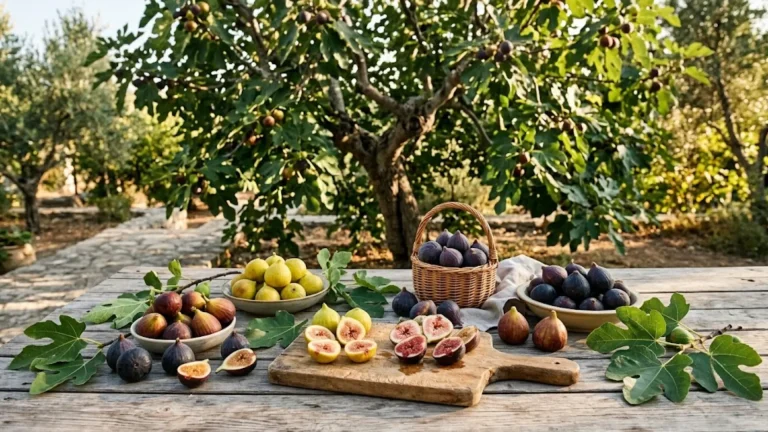
I have been growing fruit trees for years, and if there’s one tree that’s taught me about how much a single “type” of fruit can vary, then it’s definitely a fig.
I still remember the first one I planted was a Black Mission Fig, because it was the only variety my local nursery carried.
It did fine in my yard, but a friend planted the exact same tree and watched it struggle in her heavier, wetter soil.
That’s when it clicked for me that the variety you choose matters just as much as how you care for it.
Here, in this blog, I will be breaking down different types of figs, what sets each type apart, and which ones best suit your plans.
Getting to Know the Fig Tree Before You Pick One
Figs, technically Ficus carica, are tough, sprawling trees that live a long time.
Some keep fruiting for over a hundred years; that’s exactly why it’s worth taking a little extra time to pick the right variety now.
Botanically, figs fall into four types based on pollination: common figs, Smyrna figs, San Pedro figs, and caprifigs.
In my years experimenting with fruit trees, I have noticed that most backyard growers stick with common figs since they are self-fruiting and skip the need for a special wasp to pollinate them.
Types of Figs Worth a Spot in Your Yard
These thirteen varieties each bring their own flavor, look, and growing quirks to the table, so there’s likely one suited to exactly what you have in mind.
1. Brown Turkey Fig
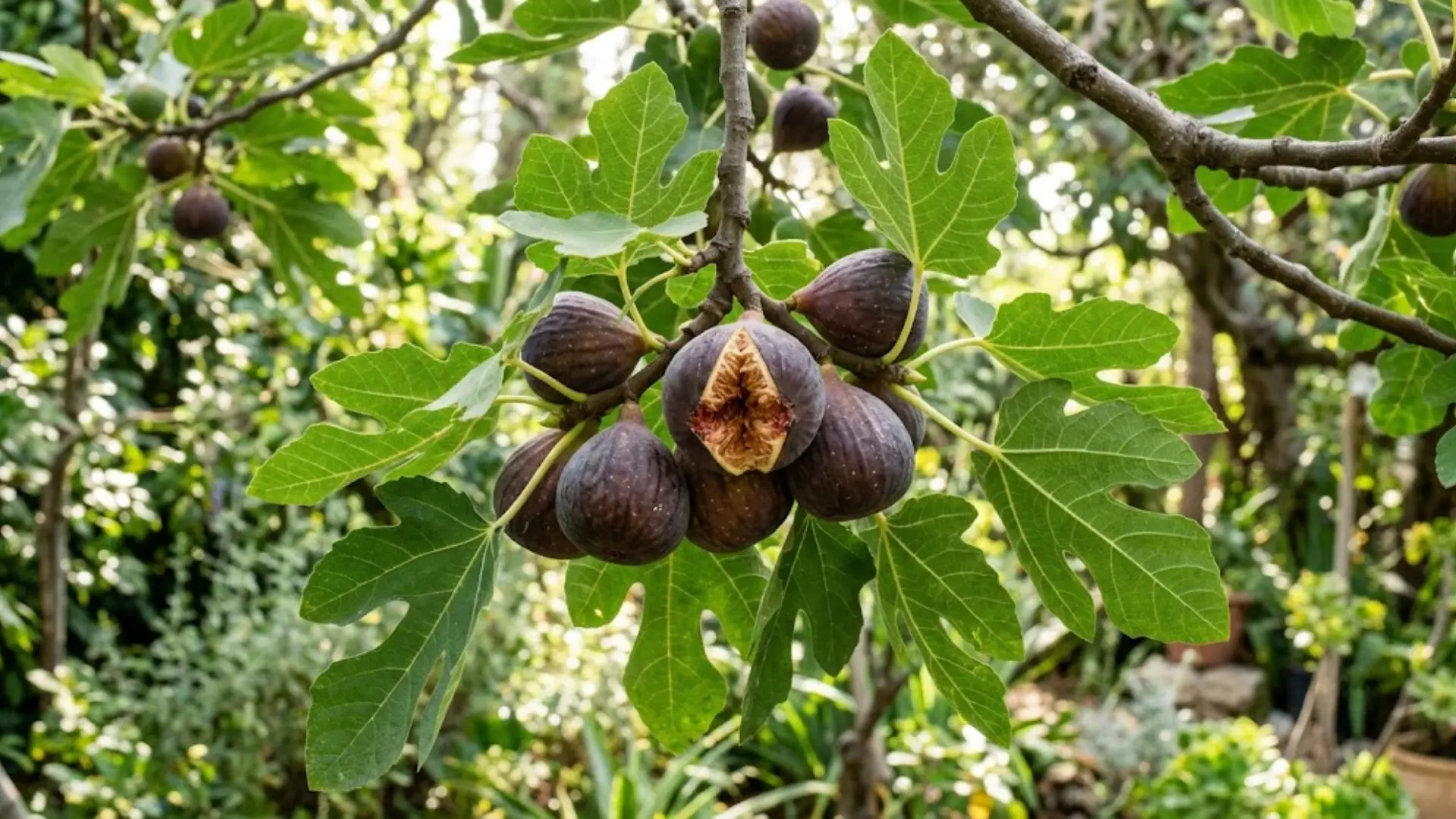
Appearance: Purplish-brown skin with pink-amber flesh
Flavor: Mild and sweet
Ripening Season: Early summer through fall (breba and main crop)
USDA Zones: 7-10
This is the variety I recommend most to first-time fig growers because it forgives a missed watering or a rough pruning season without sulking. The tree produces two harvests a year and tolerates a wider range of soil types than most figs.
Fresh eating brings out its honeyed notes, though it holds up fine in preserves too. Its compact, manageable size makes it a solid pick for smaller backyards.
2. Black Mission Fig
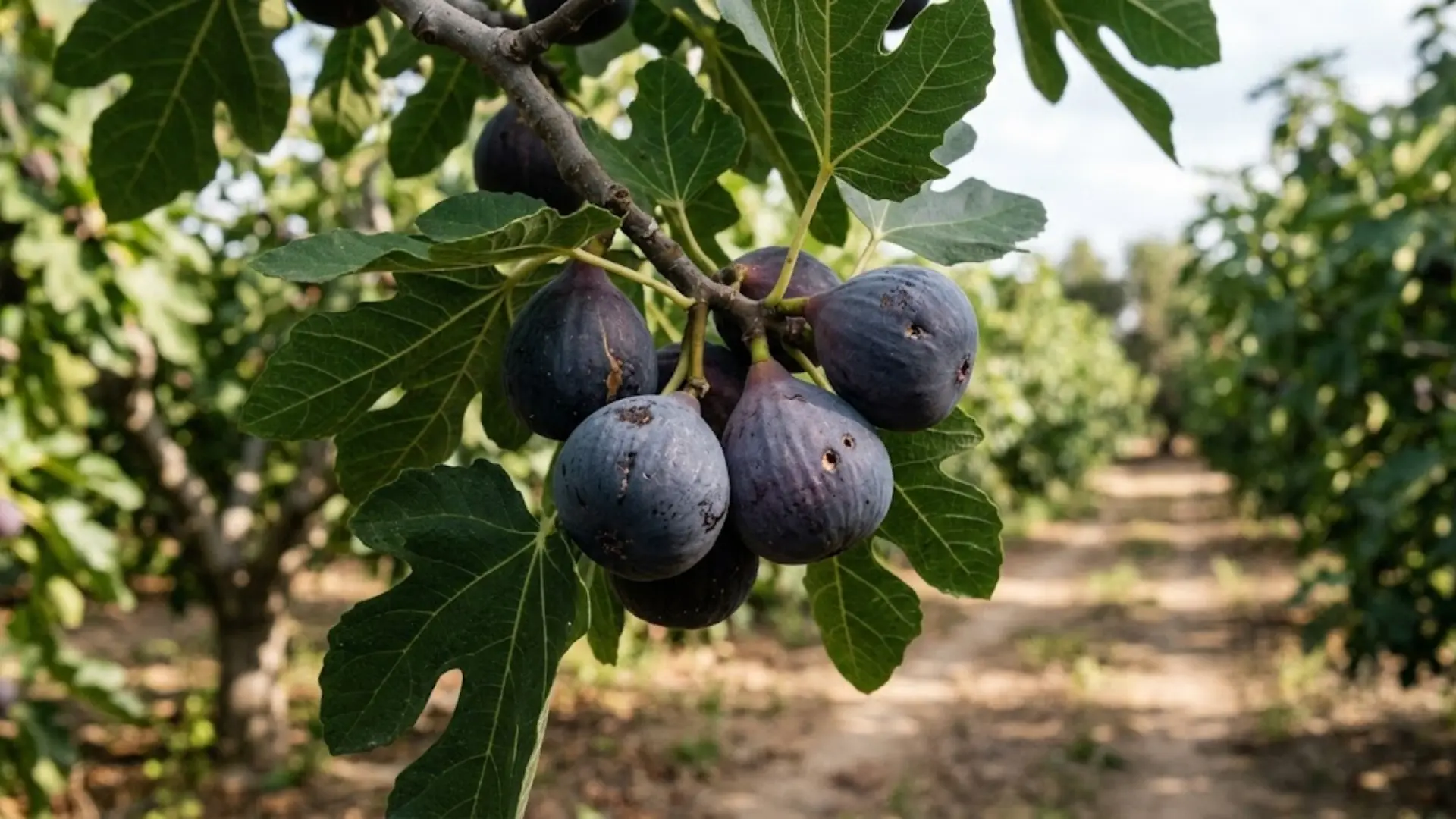
Appearance: Deep purple-black skin with strawberry-pink interior
Flavor: Rich, berry-like sweetness
Ripening Season: Early summer and again in early fall
USDA Zones: 8-10
Black Mission is the fig you’ve probably eaten without realizing it, since it’s a staple in commercial orchards across California. The tree grows vigorously and can reach considerable height if left unpruned, so plan on regular shaping.
Its dense sugars make it a favorite for drying and baking, though plenty of growers eat them straight off the branch. Disease resistance is decent, but it prefers hot, dry summers to really thrive.
3. Celeste Fig (Sugar Fig)
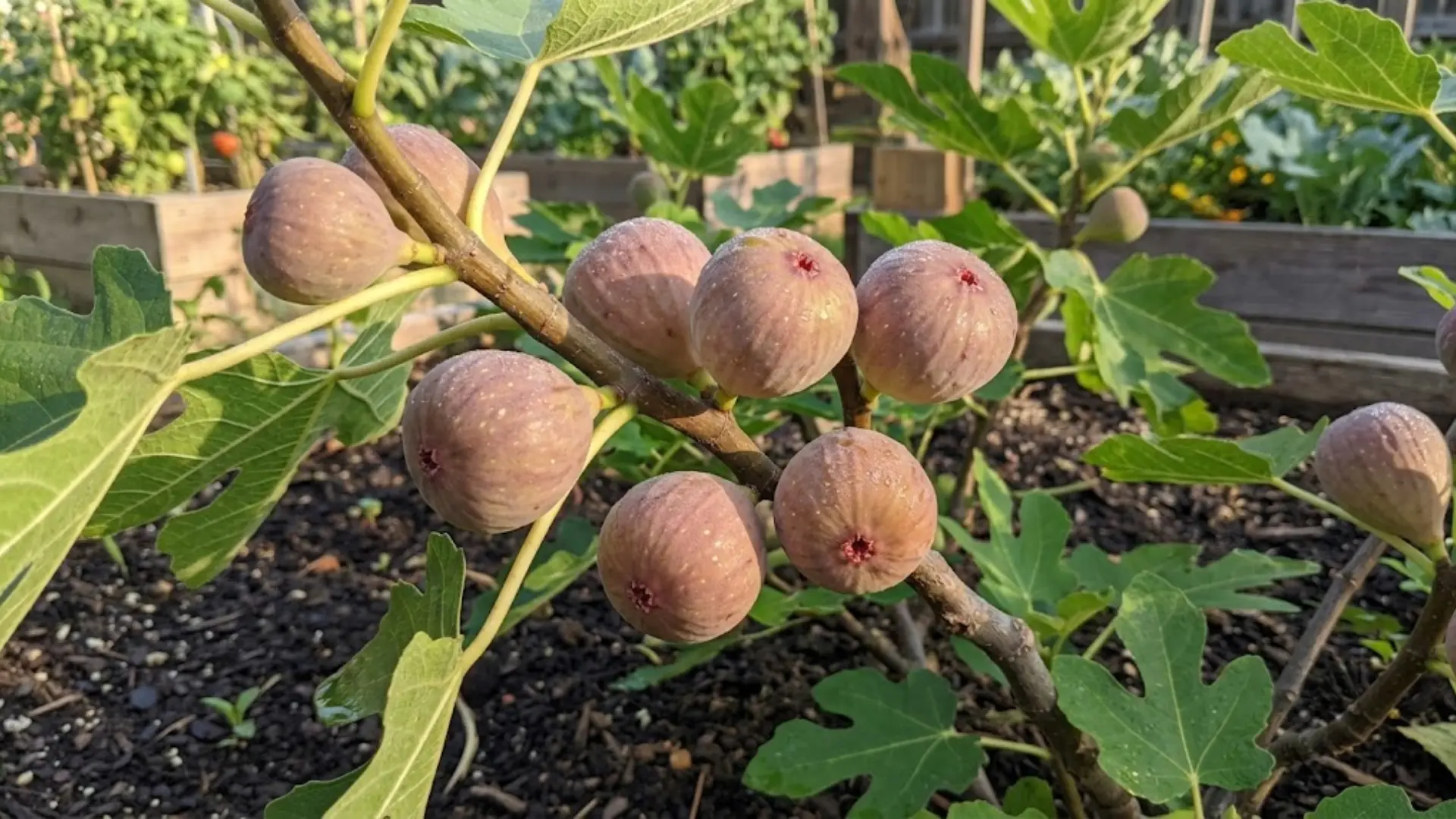
Appearance: Small, light purple-brown fruit with a tightly closed eye
Flavor: Exceptionally sweet, almost syrupy
Ripening Season: Early to mid-summer
USDA Zones: 6-9
Southern gardeners lean on Celeste for good reason. That closed eye keeps out sap beetles and dried fruit beetles, which cuts down on the spoilage that plagues open-eyed varieties in humid climates.
The tree stays fairly compact and handles cold snaps better than most fig types. Best eaten fresh, since the small size makes peeling for preserves a bit tedious, but the sugar content is hard to beat.
4. Chicago Hardy Fig
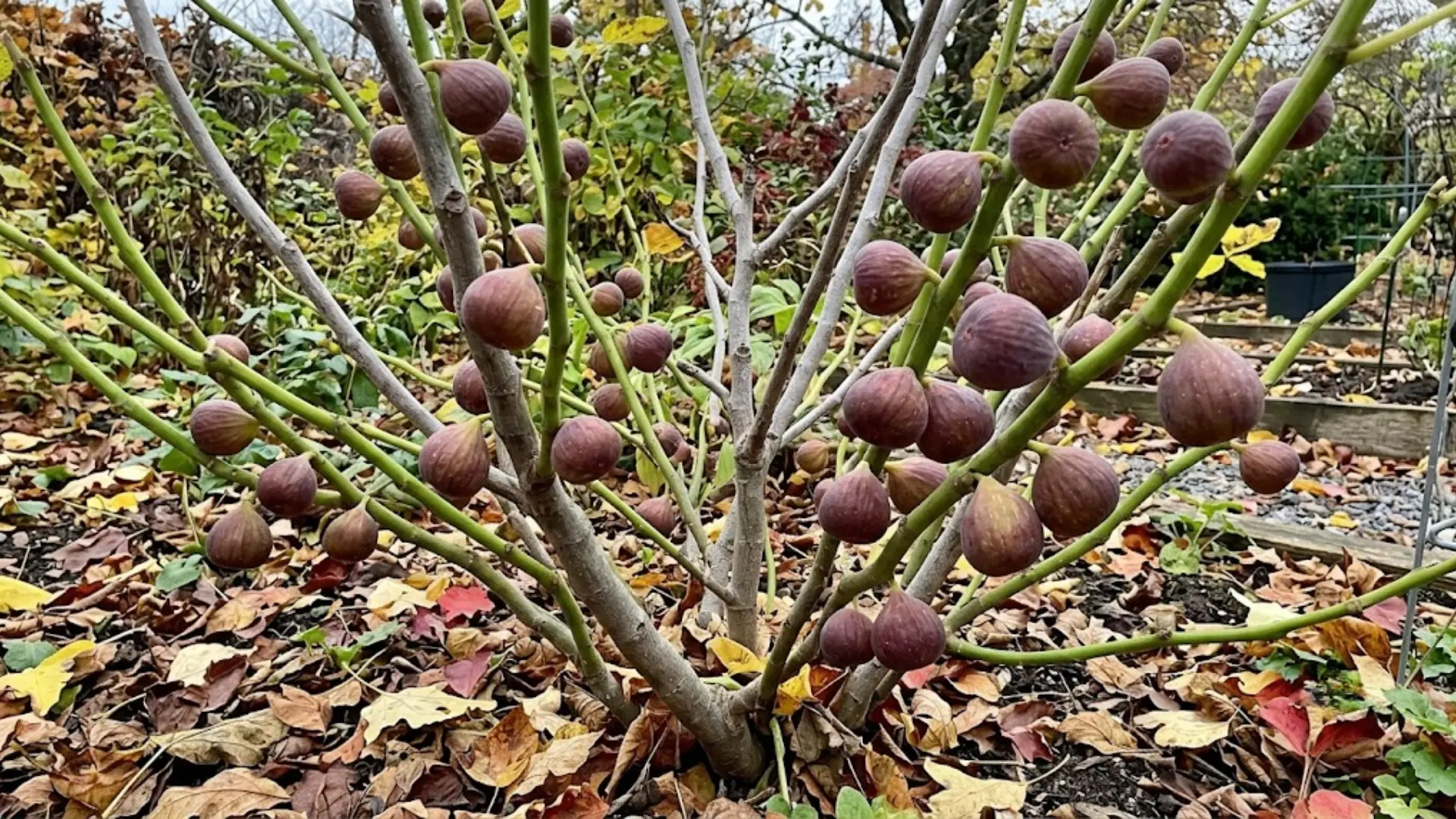
Appearance: Purplish-brown skin with reddish-pink flesh
Flavor: Sweet with a mild berry finish
Ripening Season: Late summer into September
USDA Zones: 5-9
If you garden somewhere with real winters, this is the fig that makes growing one possible at all. It dies back to the ground in harsh cold and regrows from the root each spring.
Growth habit is more shrub than tree in colder zones. So, anyone gardening in a shorter season can get a fuller picture of what a fig actually needs to survive winter and still produce fruit.
5. Kadota Fig
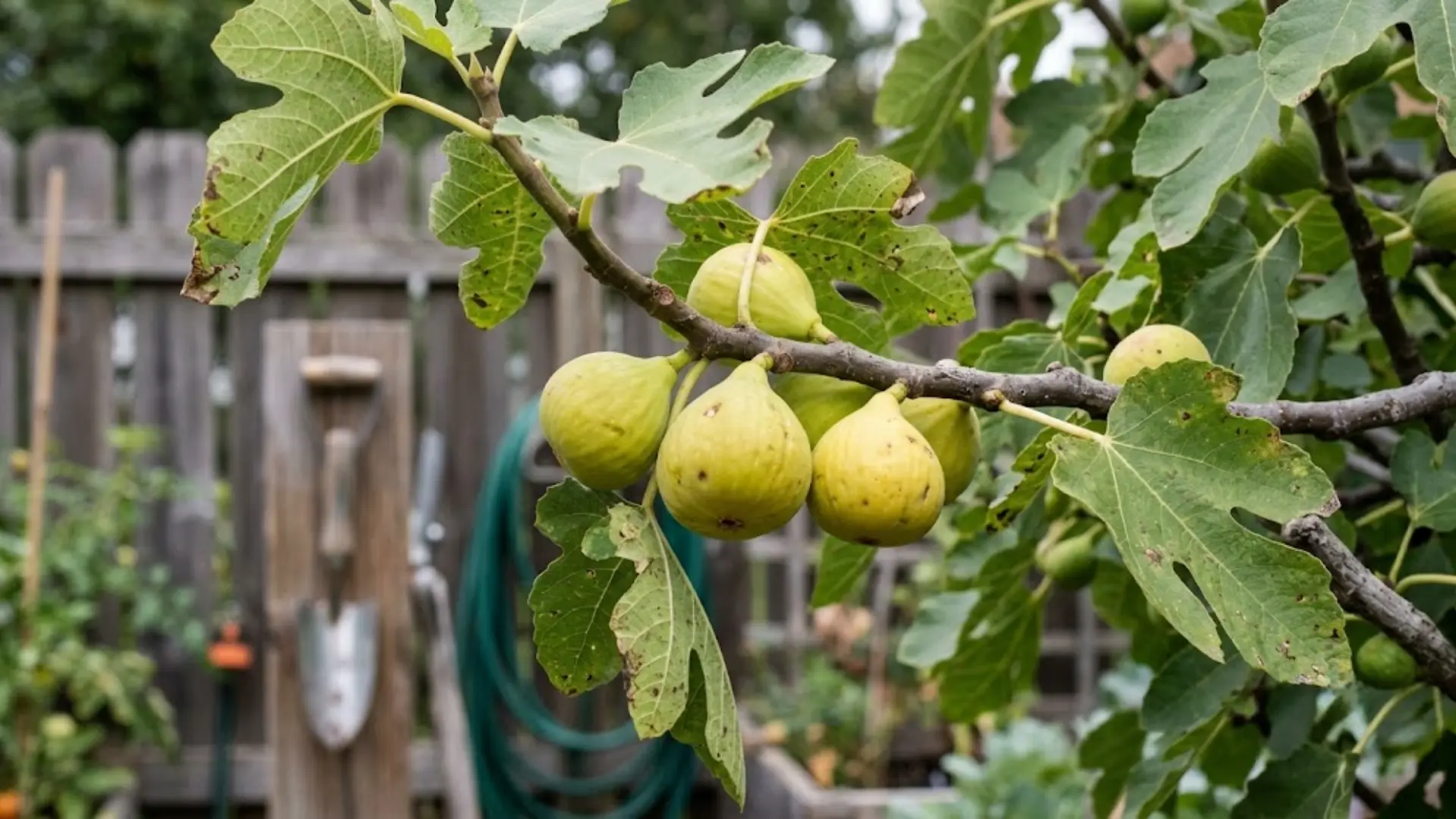
Appearance: Green-yellow skin, amber flesh
Flavor: Mild, less sweet than darker varieties
Ripening Season: Summer through early fall
USDA Zones: 8-10
Kadota’s thick skin and firm flesh make it the go-to choice for canning, since it holds its shape through the heat processing that would turn softer figs to mush. The tree grows upright and produces reliably once established.
It’s not the fig I would reach for fresh off the branch, but for preserves, jams, or fig cake, its milder sugar profile actually balances better against added sweeteners.
6. Adriatic Fig
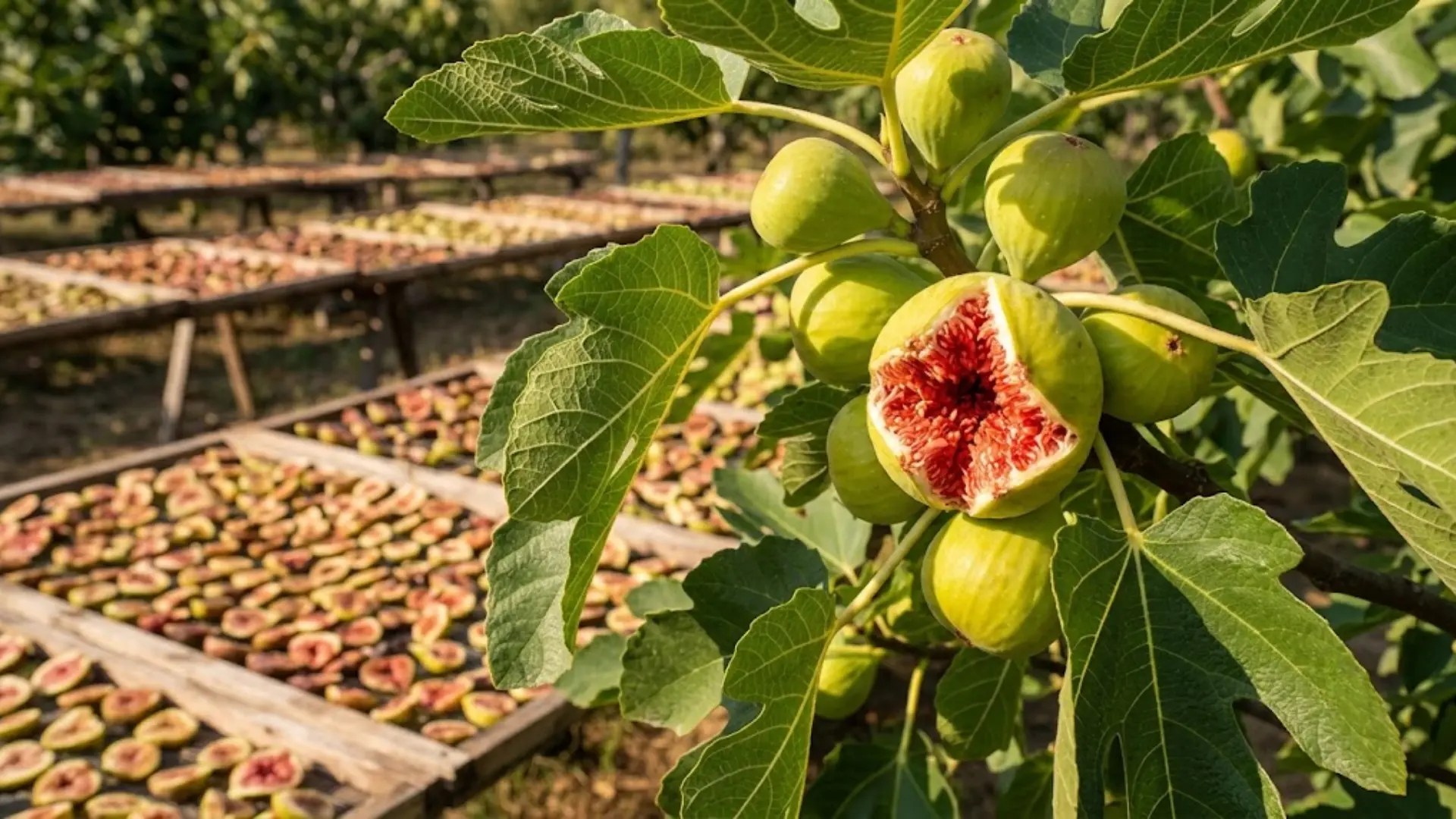
Appearance: Light green skin with vivid strawberry-red interior
Flavor: Rich, honeyed
Ripening Season: Mid to late summer
USDA Zones: 7-10
Adriatic figs are the ones you’ll find in commercial fig bars, largely because their high sugar content and thin skin make them dry beautifully. The tree produces heavily once mature and adapts well to a range of soils.
While fresh eating is enjoyable, drying is where this variety really earns its reputation. Expect a vigorous grower that benefits from annual pruning to keep fruit within reach.
7. LSU Purple Fig
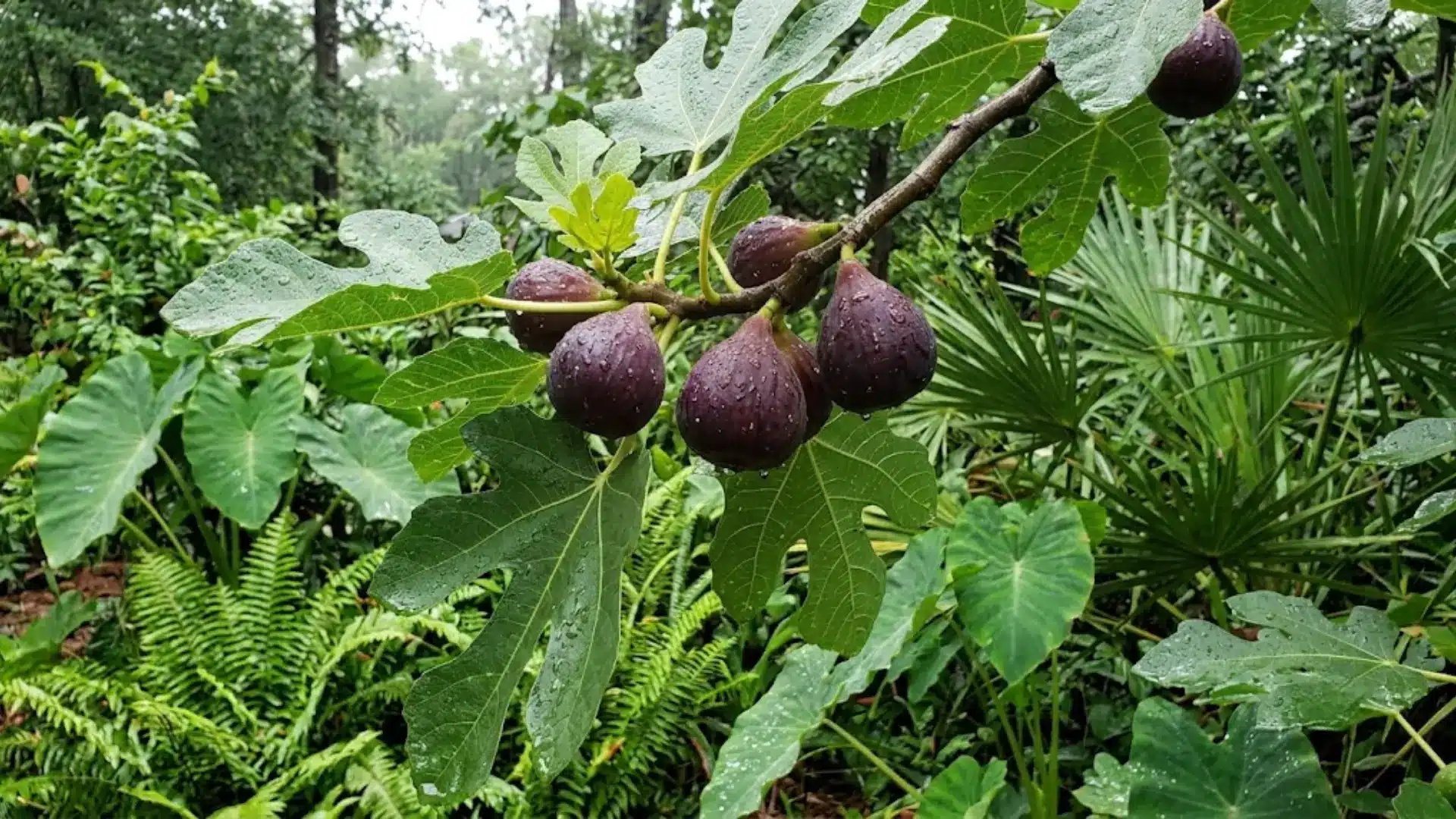
Appearance: Deep purple skin, rosy flesh
Flavor: Sweet with a subtle berry edge
Ripening Season: June through October
USDA Zones: 7-9
Louisiana State University bred this variety specifically to handle the humidity and rainfall that cause other figs to split or rot on the branch. That rain tolerance is its standout trait, along with solid resistance to fig rust.
Harvests tend to be generous across a long season. Moreover, it’s a versatile fig, good fresh, baked, or turned into preserves, and a smart choice for anyone gardening in a wetter climate.
8. Calimyrna Fig
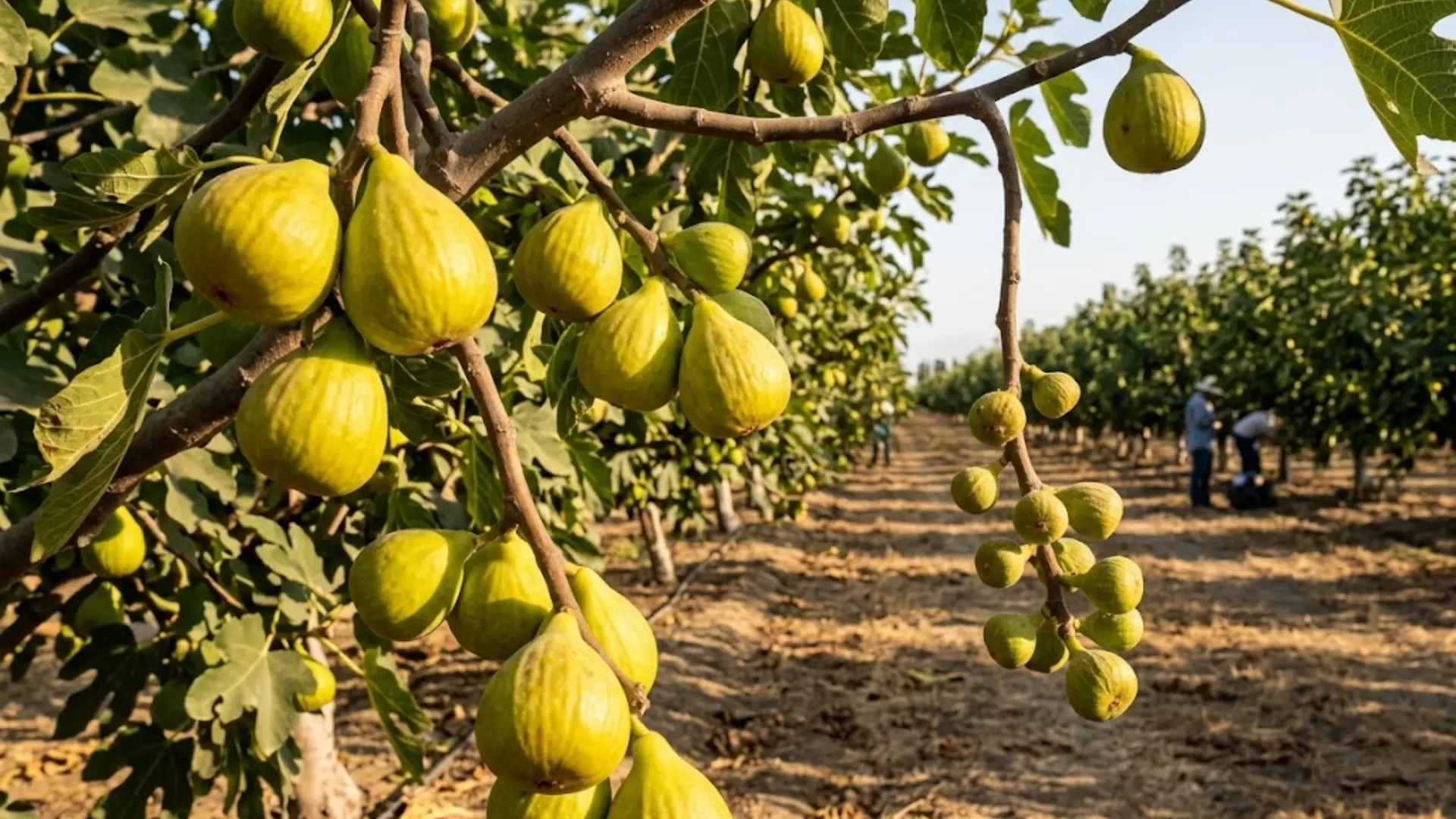
Appearance: Greenish-yellow skin, amber-pink flesh
Flavor: Distinctly nutty
Ripening Season: Late summer
USDA Zones: 8-10
Calimyrna is the classic Smyrna-type fig grown widely in California, and it’s one variety where I’d caution home growers: it needs pollination by the fig wasp Blastophaga psenes, which requires a nearby caprifig tree.
Without that, the fruit won’t develop properly. The relationship between figs and their wasp pollinators is stranger than most people assume, and it’s worth understanding before planting a Smyrna type.
Where pollination is handled, the reward is large fruit with a distinct nutty flavor, excellent fresh or dried, and a tree that produces heavily once established.
9. Violette de Bordeaux
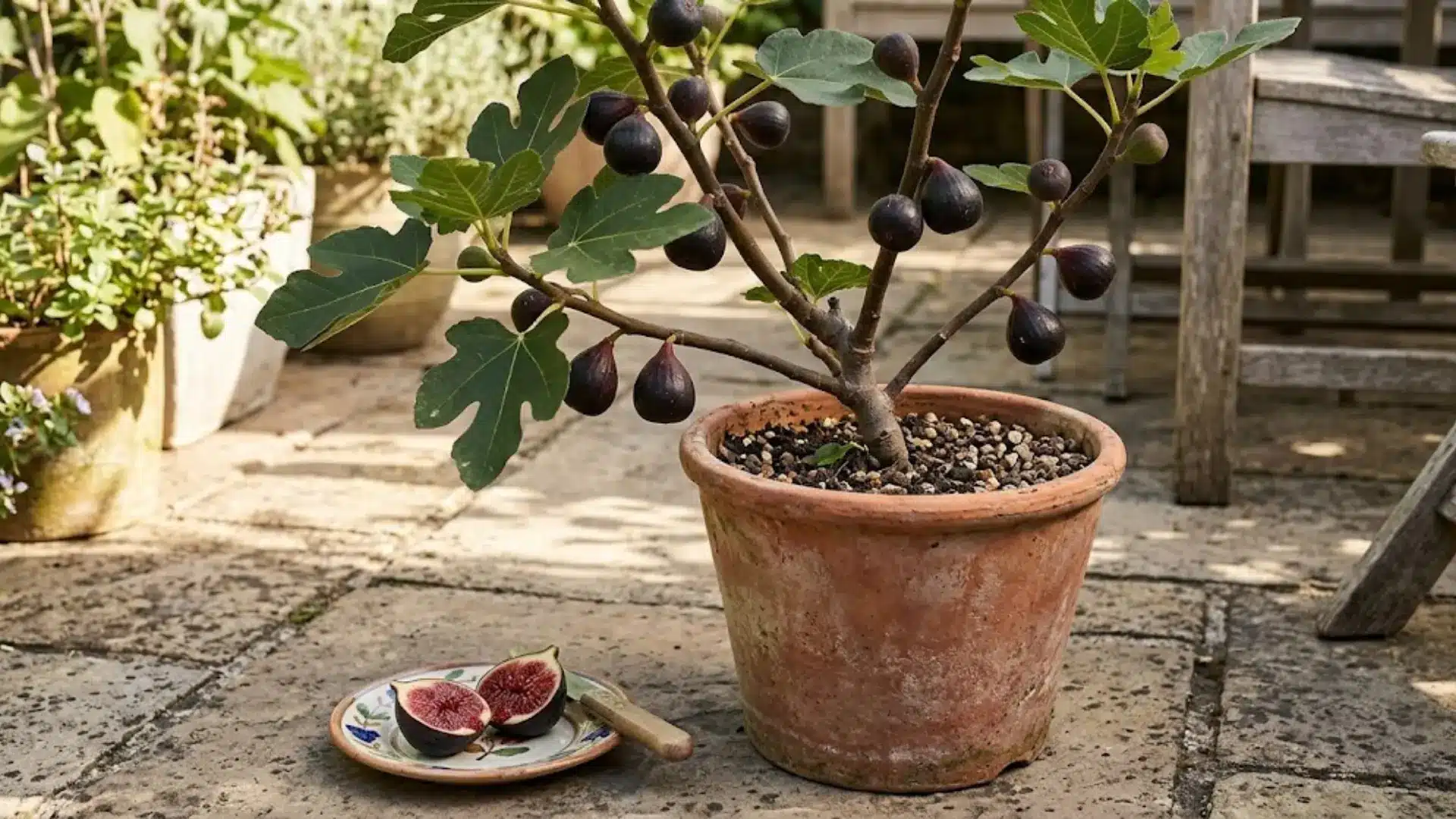
Appearance: Small, near-black fruit with deep red flesh
Flavor: Rich, jam-like sweetness
Ripening Season: Early and late summer, two crops
USDA Zones: 7-9
This French heirloom is prized among gourmet growers, and honestly, it’s the variety I would definitely suggest to anyone short on space. Its compact size makes it one of the best figs for container growing, even on a patio or balcony.
The flavor is concentrated and almost wine-like, making it a standout among preserves. Fresh eating is just as rewarding given how few figs reach this depth of sweetness.
10. Tiger Fig (Panachée)
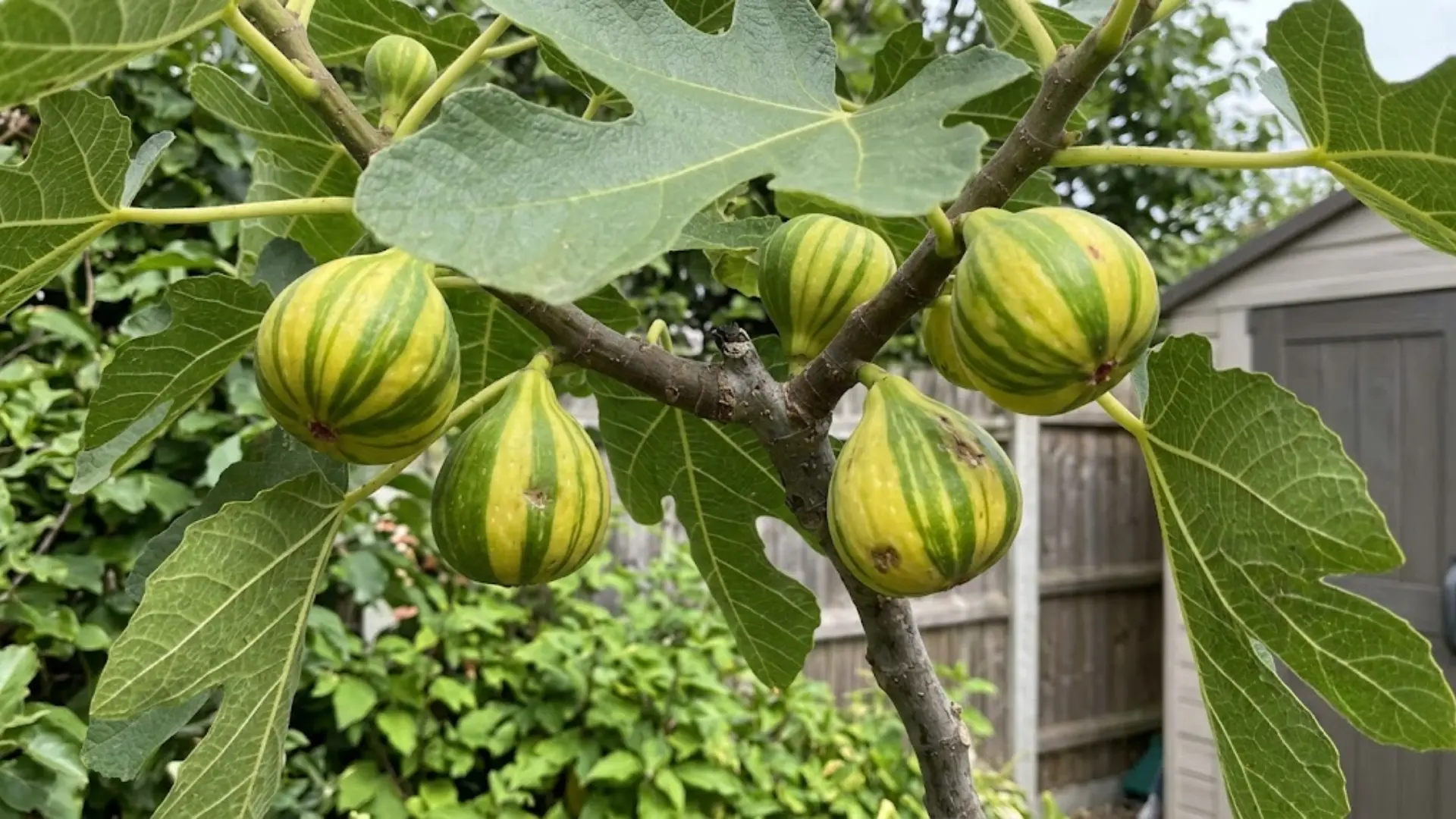
Appearance: Green-and-yellow striped skin, bright red flesh
Flavor: Sweet, berry-forward
Ripening Season: Late summer
USDA Zones: 7-10
Tiger figs are as much a conversation piece as a fruit tree. The striped skin sets it apart from every other variety on this list, and cutting one open to reveal that vivid red interior never gets old.
Beyond looks, the flavor holds its own, sweet and slightly tangy, best enjoyed fresh to appreciate the color contrast. Growth habit stays moderate, making it manageable for most home gardens.
11. Desert King Fig
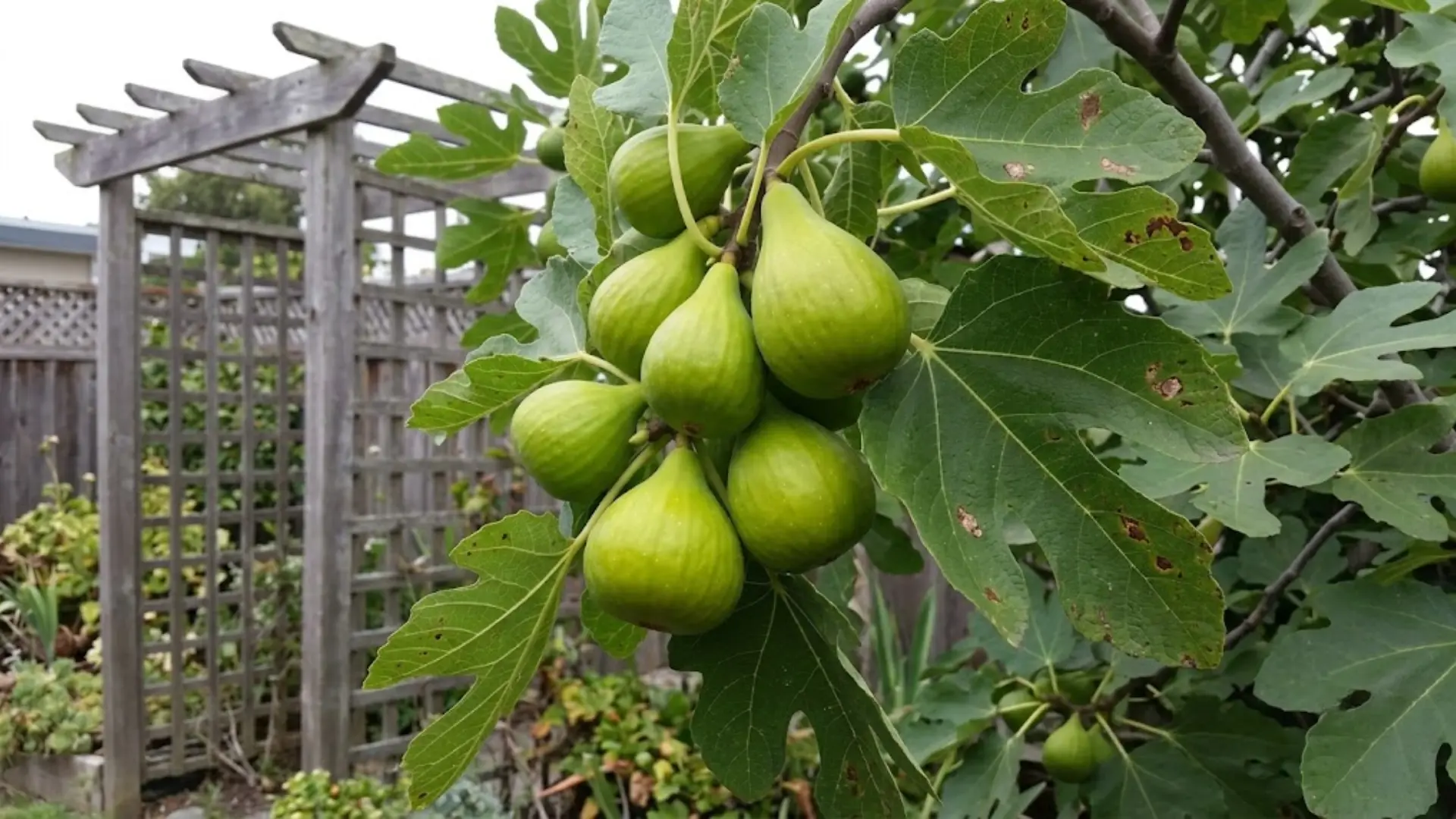
Appearance: Green skin, sweet pink flesh
Flavor: Sweet with a mild berry note
Ripening Season: Early summer, heavy breba crop
USDA Zones: 7-9
Coastal growers in cooler climates often find Desert King to be the only fig that reliably fruits for them, since it produces its main harvest on the breba crop rather than needing a long hot summer for a second flush.
The fruit runs large, and the flesh stays sweet even without intense heat. Fresh eating is the best use here, and the tree tolerates fog and marine air better than most varieties.
12. Peter’s Honey Fig
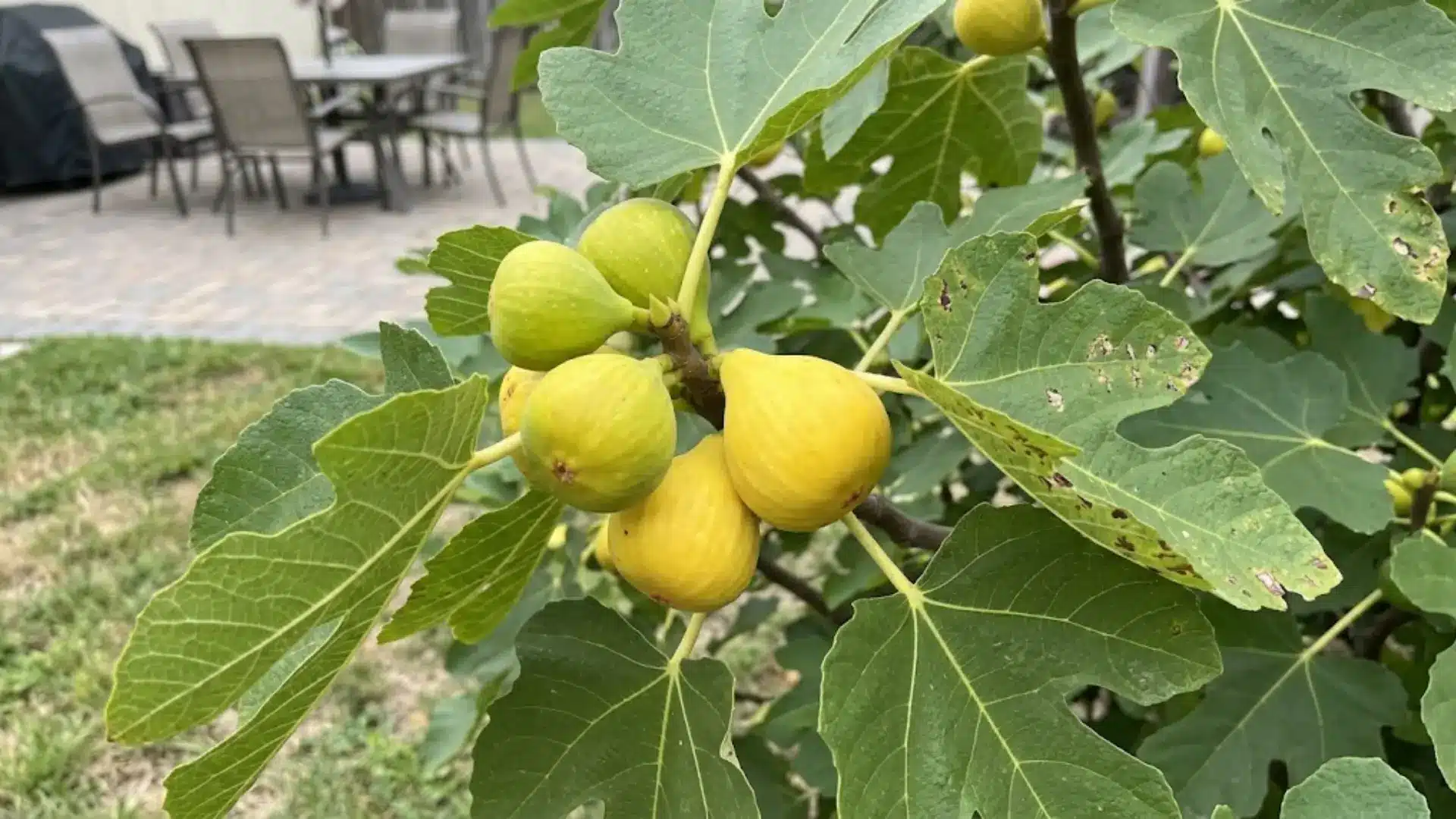
Appearance: Bright yellow skin, amber flesh
Flavor: Distinctly honey-like
Ripening Season: Summer
USDA Zones: 7-10
Peter’s Honey earns its name honestly; the sweetness here leans closer to actual honey than the berry notes common in darker figs.
Medium-sized fruit and an attractive, well-shaped canopy make this tree a good pick if you want something ornamental as well as productive.
Best enjoyed fresh where that honeyed flavor really shows, though it holds its own in light preserves too.
13. Alma Fig
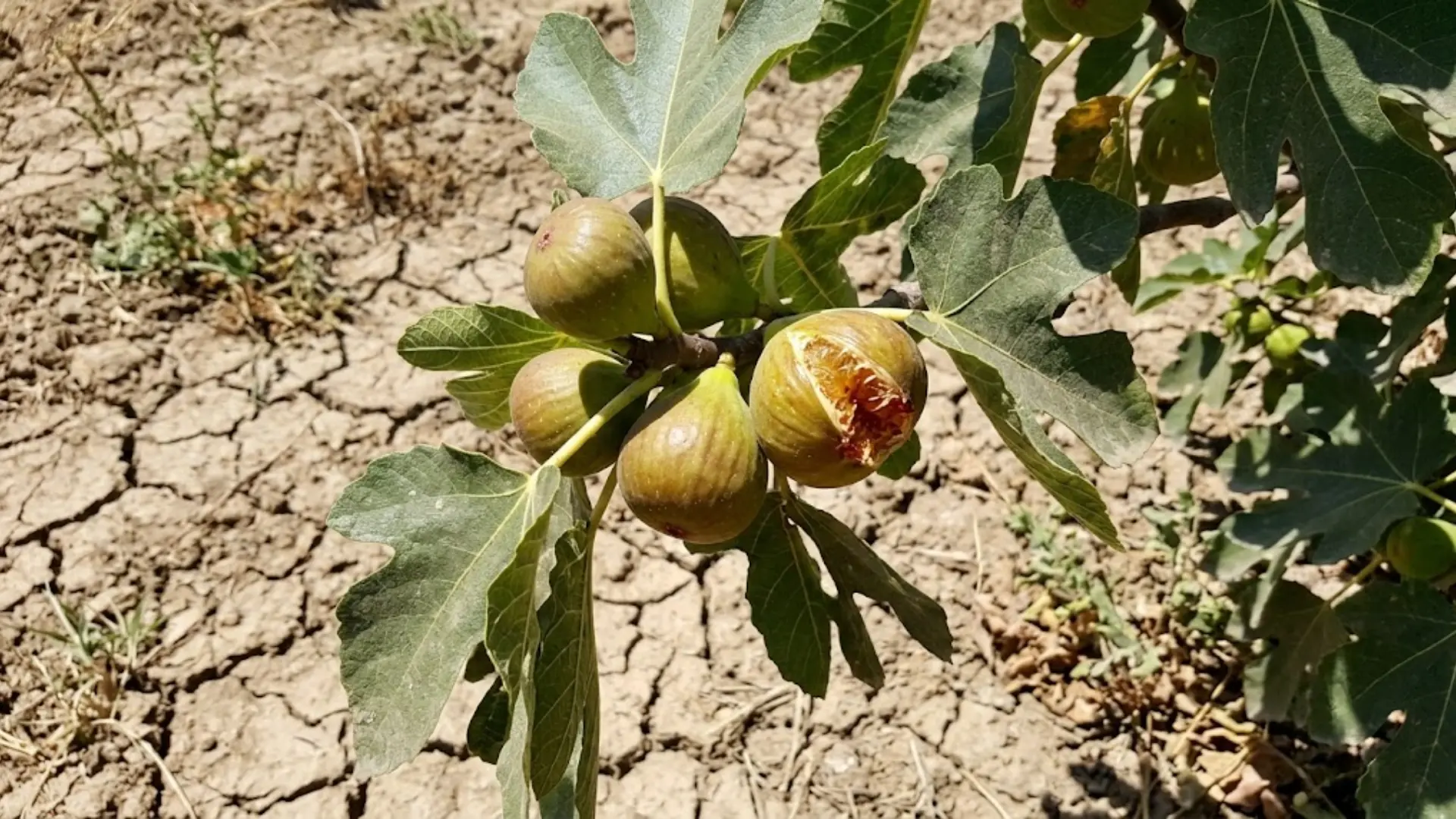
Appearance: Greenish-brown skin, amber flesh
Flavor: Naturally sweet
Ripening Season: Late summer
USDA Zones: 7-9
Alma was developed with heat and disease resistance in mind, and it shows. This tree handles scorching southern summers and resists the splitting and souring that trouble other varieties in similar conditions.
I have found it to be one of the most reliable producers for gardeners dealing with long, dry heat. Fresh eating suits it well, and the sturdy skin means less fruit loss to pests before harvest.
Which Fig Variety Tastes the Best?
Flavor really comes down to personal preference, but figs do fall into a few clear camps once you start comparing them side by side.
If pure sweetness is what you’re after, Celeste and Violette de Bordeaux deliver a syrupy, concentrated sugar that’s hard to top, while Black Mission, Tiger Fig, and Chicago Hardy lean into a bolder, berry-forward taste instead.
If you’re newer to figs, Brown Turkey and Kadota offer a gentler, beginner-friendly flavor, while Violette de Bordeaux and Calimyrna bring the wine-like depth gourmet cooks seek out for preserves and baking.
Best Fig Tree Varieties for Different Growing Conditions
Where you live and how much space you’re working with should shape your pick just as much as flavor does.
Here’s a quick reference for matching fig varieties to your actual growing conditions.
| Growing Condition | Best Varieties | Horticultural Reason |
|---|---|---|
| Cold Climates | Chicago Hardy, Celeste | Root-hardy to about -10°F, fruits on new wood after dieback |
| Hot Climates | Alma, Black Mission | Skin resists splitting and souring under intense heat |
| Container Growing | Violette de Bordeaux, Peter’s Honey | Shallow root systems, compact mature size |
| Fastest-Growing Varieties | Brown Turkey, Black Mission | Vigorous growth, fruits within a year or two |
| Small Backyards | Violette de Bordeaux, Celeste | Naturally compact, needs minimal pruning |
| Humid Regions | LSU Purple, Alma | Bred for fig rust and rain resistance |
Best Types of Figs for Fresh Eating vs. Cooking
Not every fig is meant to be eaten the same way. Some shine straight off the branch, while others only reveal their best qualities once heat or sugar gets involved.
Best Figs for Fresh Eating
These varieties bring balanced sweetness and texture that’s best enjoyed without any cooking at all.
- Fresh Snacking: Brown Turkey and Celeste offer balanced sweetness straight off the tree.
- Salads: Tiger Fig adds color and mild tang without overpowering greens.
- Cheese Boards: Black Mission pairs beautifully with soft cheeses and honey.
Best Figs for Cooking and Preserving
Heat and sugar bring out a different side of these figs, making them better suited to the kitchen than the fruit bowl.
- Drying: Adriatic and Calimyrna hold sugar well and dry without turning mushy.
- Baking: Kadota keeps its shape and structure under heat.
- Homemade Jam: Violette de Bordeaux brings a naturally jam-like richness.
- Preserves: Kadota’s firm flesh resists breaking down during canning.
- Roasting and Grilling: Peter’s Honey caramelizes beautifully under direct heat.
Does Fig Color Actually Tell You Anything About Flavor?
Skin color gives you a rough idea of what to expect, but flesh color and sugar content matter just as much when it comes to actual flavor.
| Fig Color | Common Varieties | Flavor Expectation |
|---|---|---|
| Green | Kadota, Desert King | Milder sweetness, less sugar-dense than darker skins |
| Purple | Brown Turkey, LSU Purple | Balanced sweetness with a soft berry undertone |
| Black | Black Mission | Deep, concentrated sweetness with bold berry notes |
| Yellow | Peter’s Honey | Floral, honey-like flavor with high sugar content |
| Brown | Alma, Celeste | Sweet and mellow, varies with flesh color |
| Pink Flesh | Brown Turkey, Desert King | Gentle sweetness, less intense than red flesh |
| Red Flesh | Tiger Fig, Adriatic | Bolder, jammier sweetness with more depth |
How to Choose the Right Fig Tree Variety?
With so many options on the table, narrowing it down comes down to matching a variety to your actual conditions and plans.
Here’s what to weigh before you commit to one.
- Your USDA Hardiness Zone: Check the USDA Plant Hardiness Zone Map to confirm which varieties survive winters.
- Available Growing Space: Compact trees like Violette de Bordeaux suit small yards, while vigorous growers need room to spread.
- Fresh Fruit vs. Preserving: Sweeter, softer figs suit snacking, while firmer-fleshed types hold up better in jams and canning.
- Container or In-Ground Planting: Shallow-rooted varieties adapt more easily to pots in the long term.
- Pollination Needs: Common figs self-pollinate, but Smyrna types like Calimyrna need a caprifig and its wasp nearby.
- Harvest Season: Some varieties produce one crop; others give you a breba crop and a main crop for a longer harvest window.
Once you’ve weighed these factors, you’ll likely find one or two varieties that fit your garden far better than the rest, and that’s really all it takes to get started.
Growing Tips That Apply to Most Fig Tree Varieties
Regardless of which variety ends up in your yard, figs share a handful of care basics that hold true across almost every type.
- Sunlight Requirements: Figs need a minimum of 6-8 hours of direct sun daily to develop full sugar content in the fruit.
- Soil Preferences: Well-draining loam with a slightly acidic to neutral pH (6.0-6.5) prevents the root rot figs are prone to in waterlogged soil.
- Watering Schedule: Deep, consistent watering during fruit development matters more than frequency, as inconsistent moisture can cause fruit to split or drop early.
- Fertilizing: Go light on nitrogen, since excess pushes leafy growth at the expense of fruit, and favor a balanced or phosphorus-forward feed instead.
- Pruning: Prune during dormancy to shape the tree and remove dead wood, but avoid heavy cuts on varieties that fruit on old wood.
- Winter Protection: Mulching heavily around the root zone and wrapping trunks protects less cold-hardy varieties through freezes.
- Common Pests and Diseases: Watch for fig rust, root-knot nematodes, and dried fruit beetles, all of which spread faster in humid or poorly ventilated conditions.
Once fruit starts forming, timing the harvest matters almost as much as the growing itself, since figs stop ripening the moment they’re picked and a simple check at the neck can tell you if one is actually ready.
Frequently Asked Questions (FAQs)
How Many Varieties of Figs Are There?
Estimates put the number well over 700 varieties worldwide, though only a few dozen are commonly grown by home gardeners. Most backyard growers stick to a handful of reliable, well-adapted types.
Can All Figs Be Eaten Fresh?
Nearly all fig varieties can be eaten fresh, but not all taste their best that way. Firmer, less sugary varieties like Kadota are better suited to cooking and preserving.
Do All Fig Trees Need Pollination?
No, most common figs are self-fruiting and don’t need pollination at all. Only Smyrna types like Calimyrna require a fig wasp and a nearby caprifig tree to develop fruit properly.
Which Fig Trees Survive Freezing Temperatures?
Chicago Hardy and Celeste are the most cold-tolerant varieties, with Chicago Hardy surviving root-hardy down to around -10°F. Both can die back in harsh winters and still regrow fruit-bearing wood the same season.
Can Different Fig Varieties Grow Together?
Yes, planting multiple varieties together is common and won’t cause cross-contamination in flavor. It’s actually a great way to extend your harvest season and enjoy a range of textures and tastes.
Wrapping Up
I truly believe figs require a little patience with variety, whether that means a Brown Turkey tree forgiving the first attempt at pruning or a Violette de Bordeaux thriving in a pot on the patio.
Once you match the right type of fig to your climate and how you actually plan to eat it, the rest tends to fall into place.
Pick one that fits your space, give it a season to settle in, and you’ll likely find yourself planting a second variety before long.
Which type of fig are you leaning toward for your garden? Drop a comment and let me know.