Brussels sprouts have a reputation for being tricky, but with the right approach, you can grow tight, flavorful little heads that will make even the pickiest eaters reconsider their stance. Whether you’re a first-time grower or a seasoned gardener looking to up your game, these tips will help you get the most out of your crop.
Start Early…Really Early
Brussels sprouts need a long growing season, typically 80 to 100 days to maturity. That means timing is everything. In most climates, you should start seeds indoors 6 to 8 weeks before your last frost date, then transplant seedlings outdoors in early spring. Alternatively, plant in midsummer for a fall harvest, which is often underutilized. A light frost actually improves the flavor of Brussels sprouts by converting starches to sugars, making late-season harvests sweeter and more tender.
Choose the Right Location
Brussels sprouts are sun-lovers. Choose a spot in your garden that receives at least 6 hours of direct sunlight per day, but full sun is even better. They also prefer cooler temperatures (60–65°F is ideal), so avoid planting where the soil heats up quickly or where afternoon sun is especially intense in summer. Good air circulation helps prevent fungal diseases, so don’t crowd your plants.
Prep Your Soil
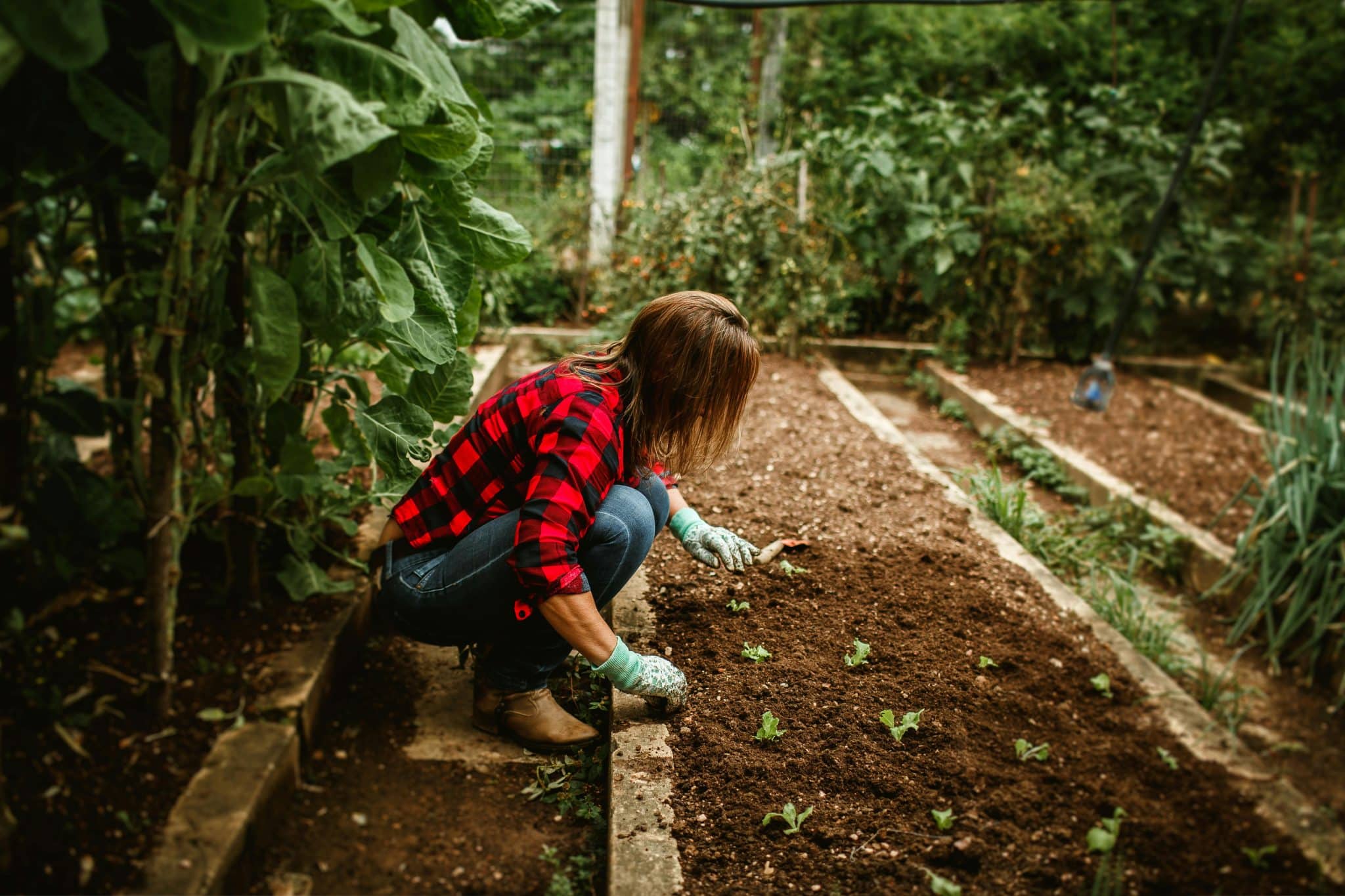
Brussels sprouts thrive in rich, well-draining soil with a slightly alkaline pH between 6.5 and 7.0. Before planting, work in generous amounts of compost or aged manure to improve both fertility and drainage. Compact soil stunts root development and limits the plant’s ability to support its tall, heavy stalk. Take time to loosen the soil at least 12 inches deep before transplanting for happier plants.
Proper Fertilization
Fertilizing your Brussels sprouts correctly is one of the most important factors in growing a successful crop. These are heavy feeders that demand consistent nutrition throughout the growing season. Start with a balanced fertilizer (10-10-10) at planting time, then switch to a nitrogen-rich formula as the plants grow tall and leafy. Nitrogen supports the strong vegetative growth needed before sprouts begin to form. About six to eight weeks before your expected harvest, ease off the nitrogen and shift toward a phosphorus and potassium blend to encourage tight, well-developed heads. Side-dress with compost midseason for a natural nutrient boost. Avoid over-fertilizing with nitrogen late in the season, as this encourages loose, leafy sprouts rather than firm, compact ones.
Water Consistently
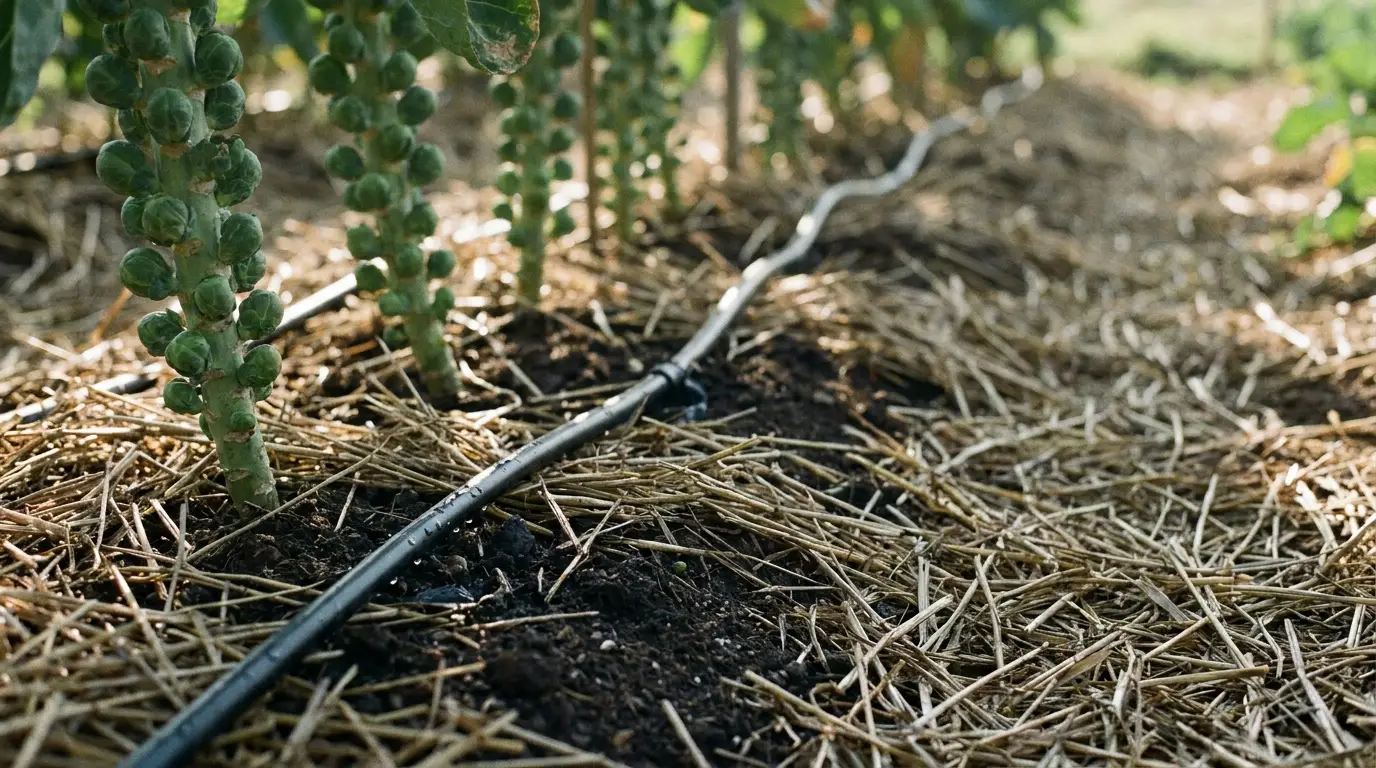
Inconsistent watering is one of the most common reasons Brussels sprouts fail to develop properly. They need deep, regular watering (about 1 to 1.5 inches per week), especially as the sprouts begin to form along the stalk. Drought stress causes small, bitter heads, while waterlogged soil invites root rot. Drip irrigation or soaker hoses are ideal because they deliver moisture directly to the roots while keeping foliage dry. Mulching around the base of the plant helps retain soil moisture and regulate temperature.
Remove Growing Tip at Right Time
Want bigger, more uniform sprouts? About four weeks before your first expected frost, pinch or cut off the top growing tip of the plant. This redirects the plant’s energy away from new leaf growth and toward maturing the existing sprouts along the stalk. It’s a small step that makes a noticeable difference in the size and quality of your final harvest.
Stay Ahead of Pests
Cabbage worms, aphids, and cabbage loopers are the primary enemies of Brussels sprouts. Check the undersides of leaves regularly for eggs and larvae. Row covers are one of the most effective preventative measures, blocking common pests from ever reaching the plant. Keeping weeds down around your plants also reduces habitat for pests.
Enjoy Your Harvest
If you have successfully followed all of these tips then you will be sure to have some tasty Brussels sprouts to enjoy this year!