Most people do not abandon gardening because they are lazy. They abandon it because the upkeep quietly overtakes the enjoyment. What initially felt to them as a satisfying activity turns into a list of recurring tasks that never fully go away.
We believe that the setup matters more than the effort. A garden that is built with strong order/plan, right from the start, asks far less of you week to week.
This article talks about specific, practical decisions upfront that reduce ongoing work, not vague advice about “working smarter”.
Inconsistency Kills Gardens, Not Laziness
For most lawns, the problem may not lack of care. It is irregular maintenance. People often mow once a month, water occasionally, and weed only when it becomes noticeable. This irregular maintenance creates cycles of stress in plants and soil.
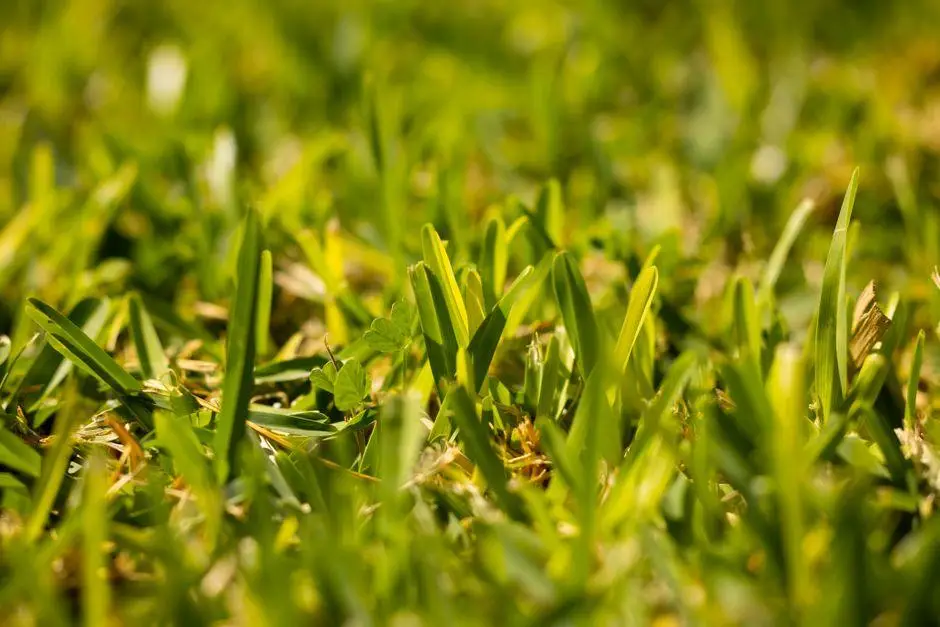
Did you know: Grass cut lightly and frequently remains healthier than grass cut heavily after long gaps. Infrequent mowing forces the lawn into recovery mode. The same applies to beds. Soil that is mulched early requires minimal weeding, while exposed soil demands constant attention.
Our end goal is consistency. So, either you maintain it regularly, or you design a system that maintains it for you.
Automate Mowing with a Robotic Lawn Mower
We get it, mowing is the most time-consuming recurring job in any garden with a lawn, and it repeats without exception. If we remove it, that takes out a huge chunk of maintenance. That’s where robotic lawn mowers come in.
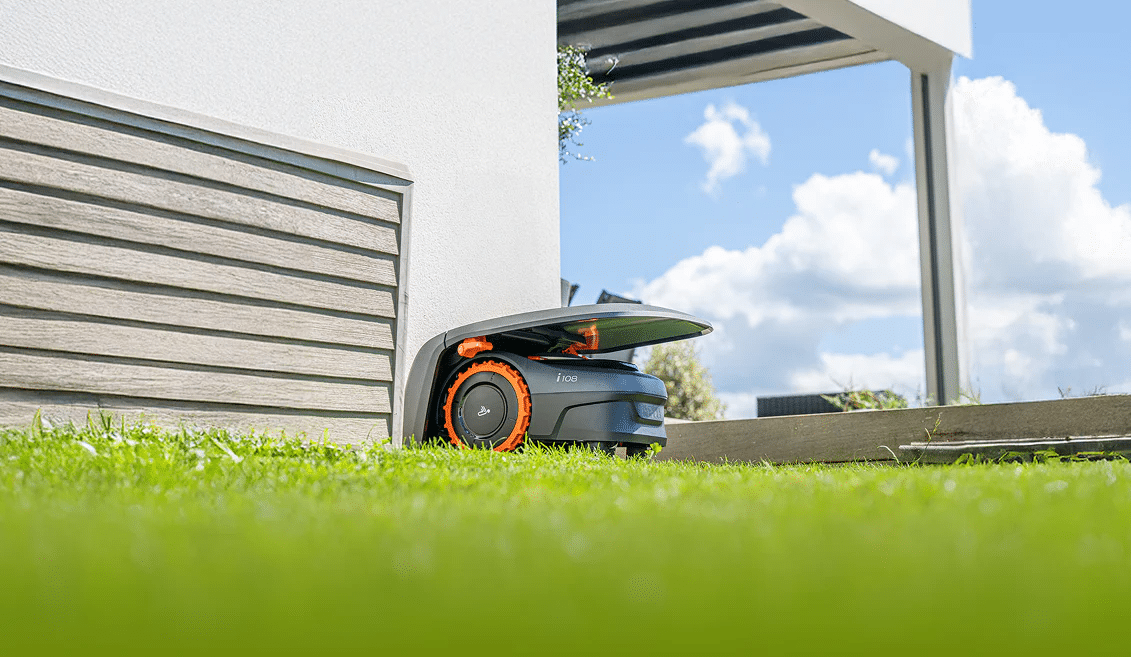
A modern mower, like Segway Navimow robotic mower, operates on a fixed schedule and cuts small amounts of grass each time. This keeps the lawn at a consistent height and avoids stress cycles. Because each cut is minimal, the clippings are fine enough to decompose quickly and return nutrients to the soil.
Lay Mulch Once and Avoid Continuous Weeding
Weeding is repetitive only when the conditions for weeds are left open. Bare soil allows light to reach weed seeds, creating constant germination.
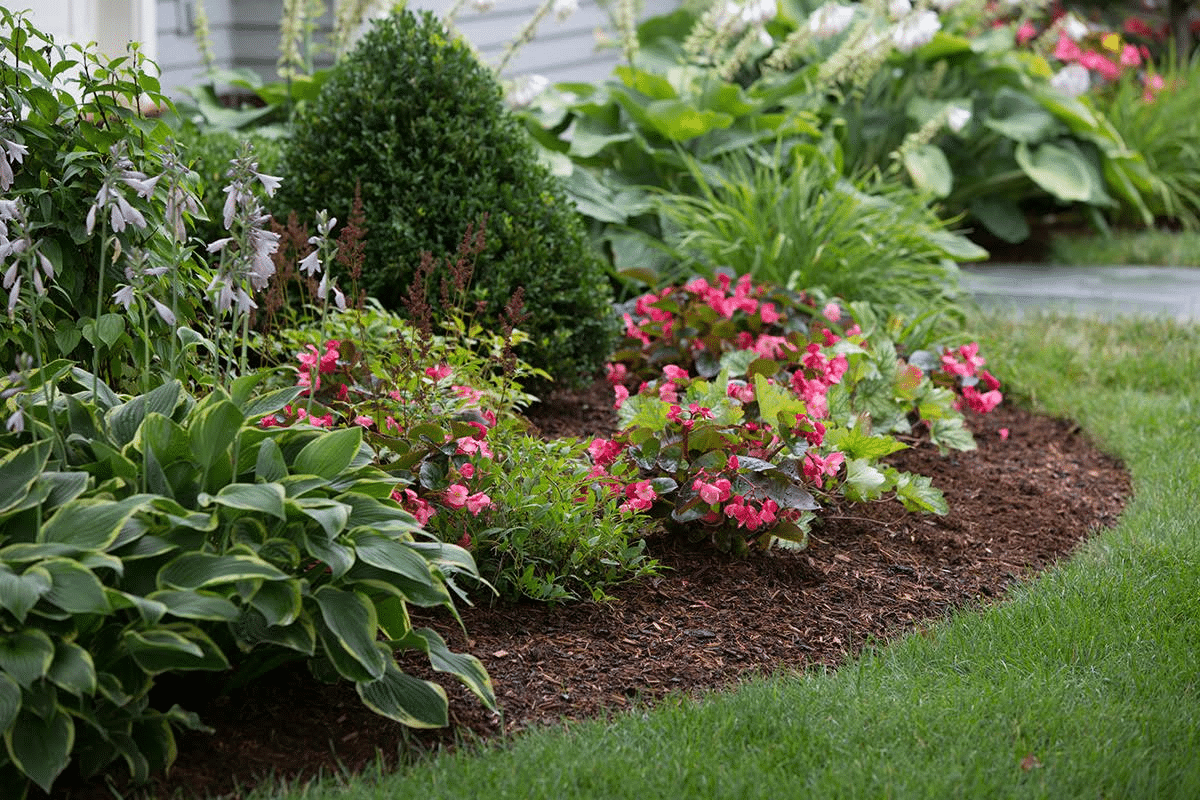
A three-inch layer of mulch blocks this light, significantly reducing weed growth. It also retains moisture and stabilizes soil temperature, which benefits plant health overall.
One afternoon of mulching at the start of the season replaces dozens of weeding sessions throughout it. For non-planting areas, gravel over landscape fabric provides long-term weed control with no ongoing effort.
Fix the Soil Once So Plants Feed Themselves
Most gardeners respond to problems as they appear. For instance, they don’t add fertilizer until plants begin to struggle. This creates a cycle of dependency on ongoing intervention. The smarter approach is to build soil quality once at the start, so plants have what they need without regular intervention.
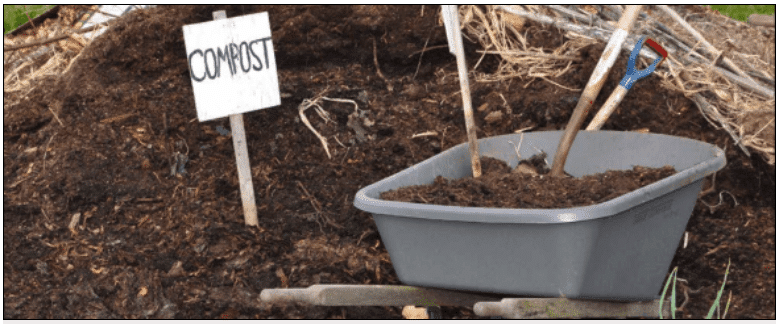
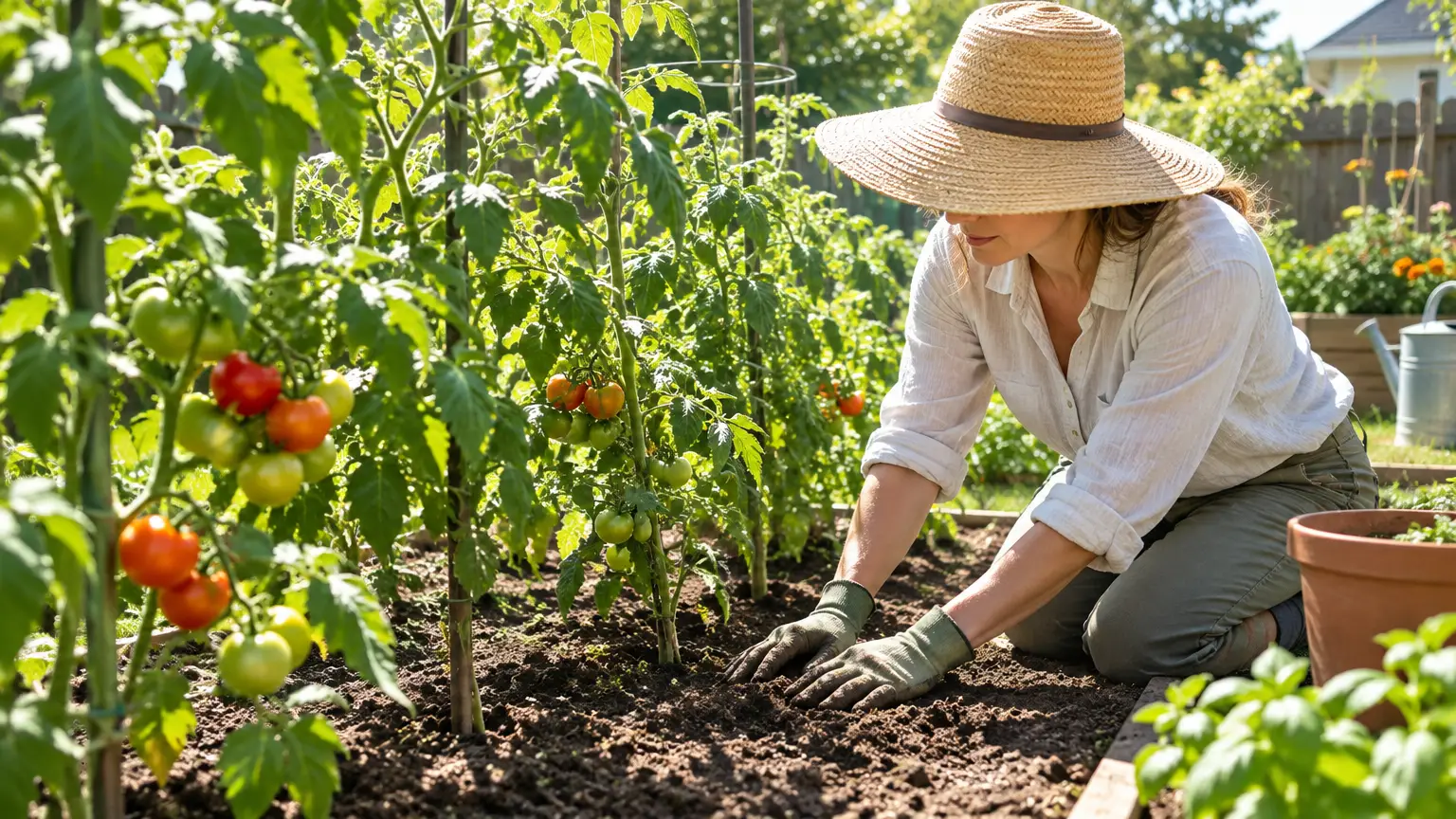
One appropriate way is to dig compost into beds before planting. It releases nutrients slowly through the season without any further effort. You may use a slow-release granular fertiliser at planting time – one application feeds for months.
Choose Plants That Do Not Require Attention
Plant choice directly determines how much work a garden requires. High-maintenance plants introduce ongoing tasks such as staking, pruning, and scheduled feeding.
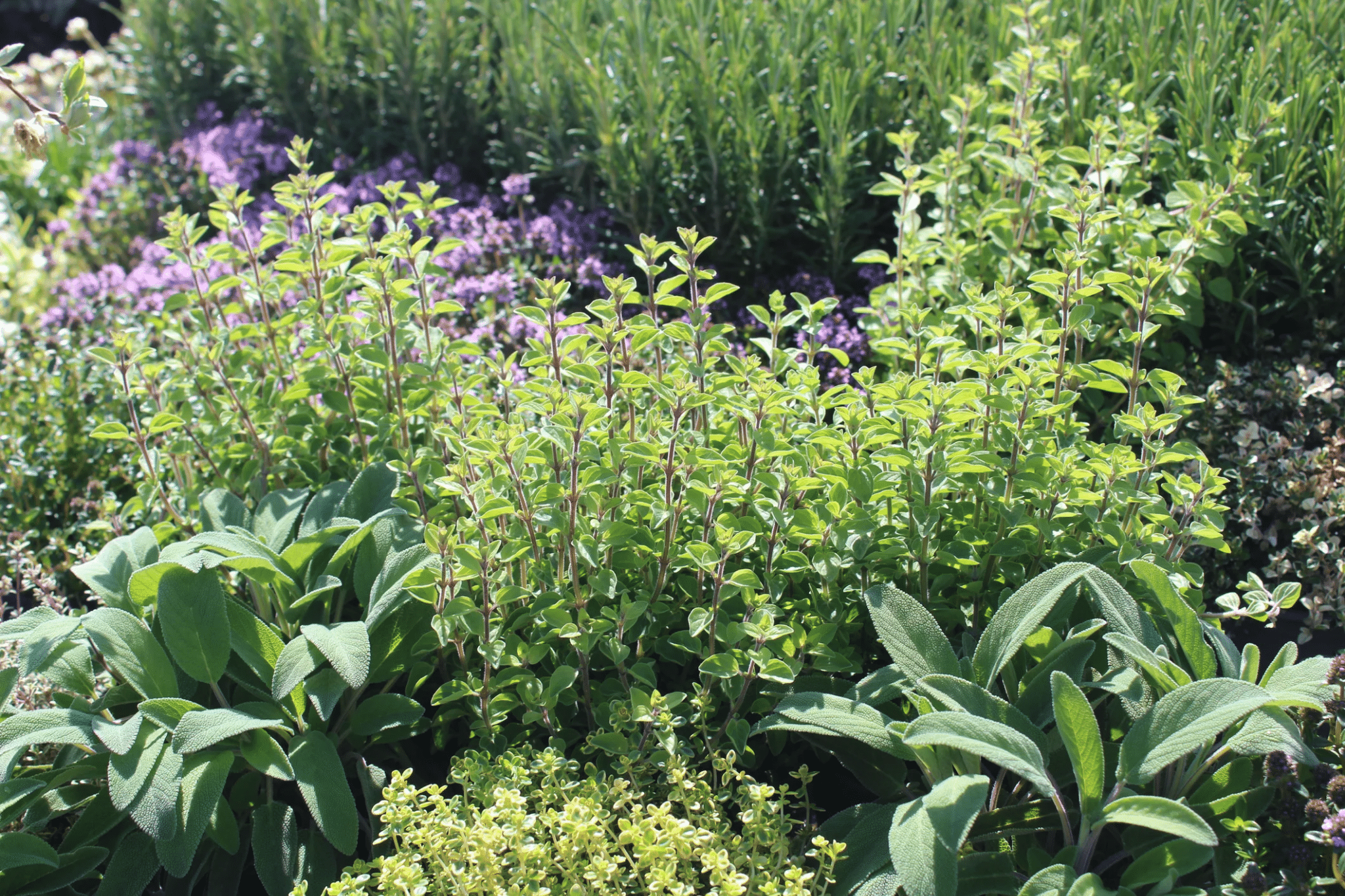
Plants such as rosemary, thyme, and sage are drought-tolerant, low-feed, and useful in the kitchen. Complement them with self-seeders like nasturtiums, calendula, and foxgloves that fill gaps without any replanting.
Reduce Watering by Designing for Retention
Forgetting to water is one of the most common reasons plants fail, but the solution isn’t to water more often; it’s to reduce how often plants need it.
Mulch is the most effective tool here as it slows evaporation from the soil surface significantly, meaning plants go longer between waterings without stress.
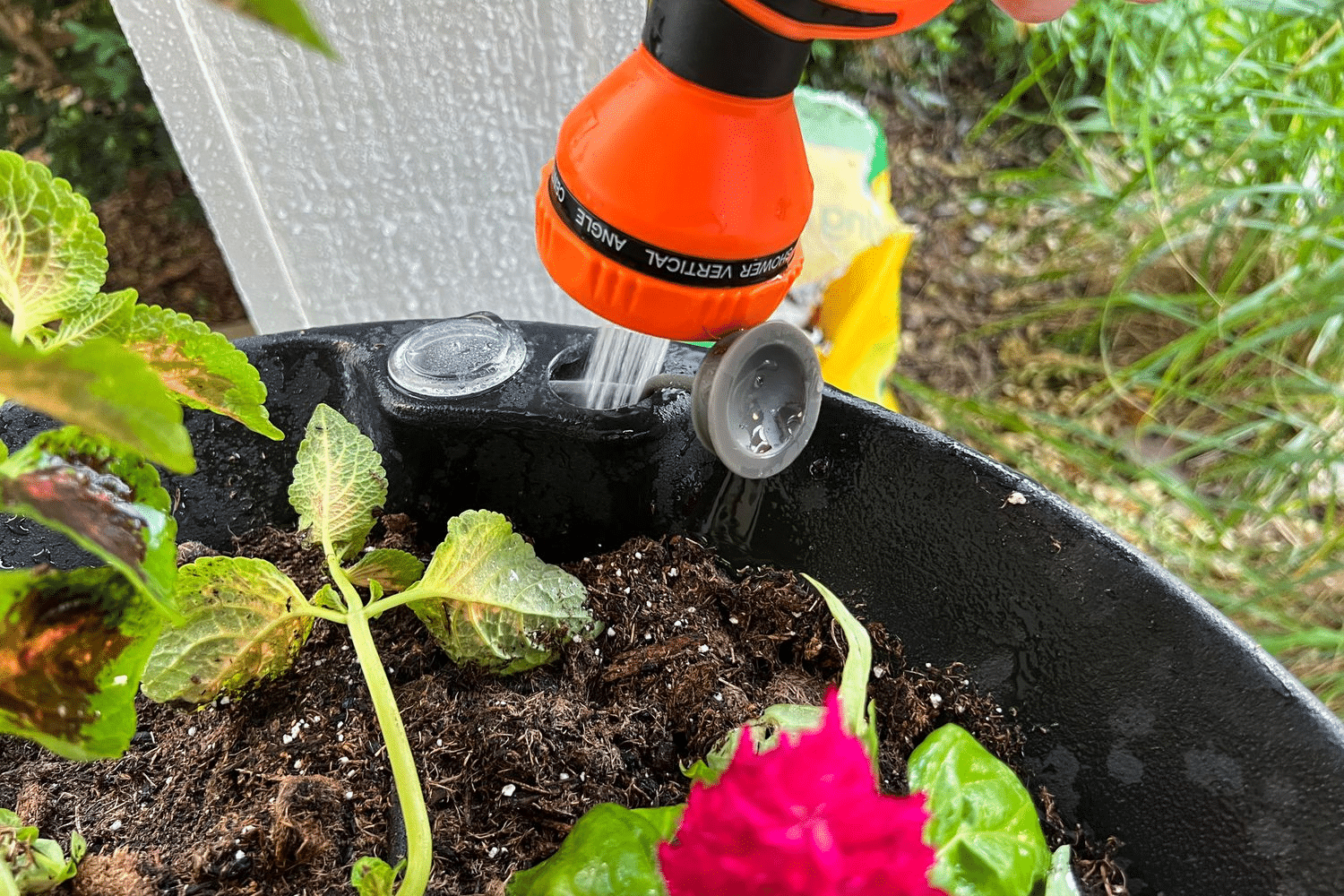
You can also use self-watering containers that draw water up from a base reservoir as the plant needs it. For beds, a basic drip irrigation line on a timer would be very effective.
Use Weed-Barriers from the Start
Weeds in beds and containers are preventable when addressed early. Weed-blocking fabric allows water to pass through while preventing light from reaching the soil below, reducing weed growth significantly.
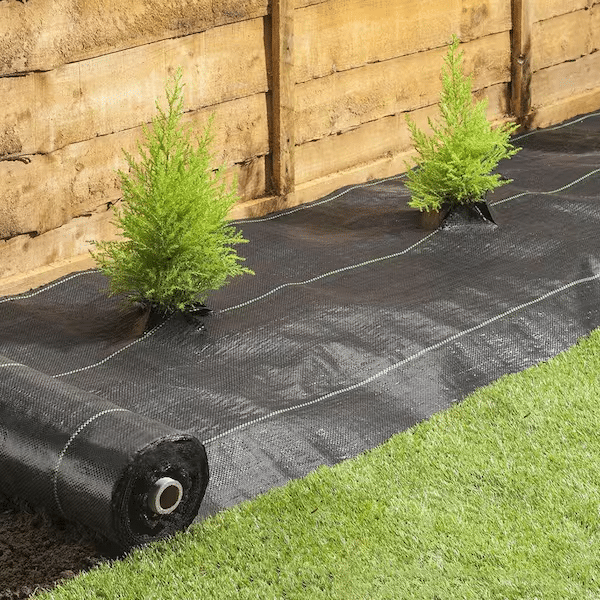
Dense planting achieves a similar effect by eliminating open space where weeds could establish. When beds are filled properly, there is little room for unwanted growth.
You can further explore on do’s and don’ts of seed sheet gardening in this post.
Time Is the Real Cost
Most people think about gardening in terms of money. The higher cost is time.
Maintenance tasks repeat every week. When delayed, they compound into larger workloads that take more effort to fix. Unlike money, time spent on maintenance cannot be recovered.
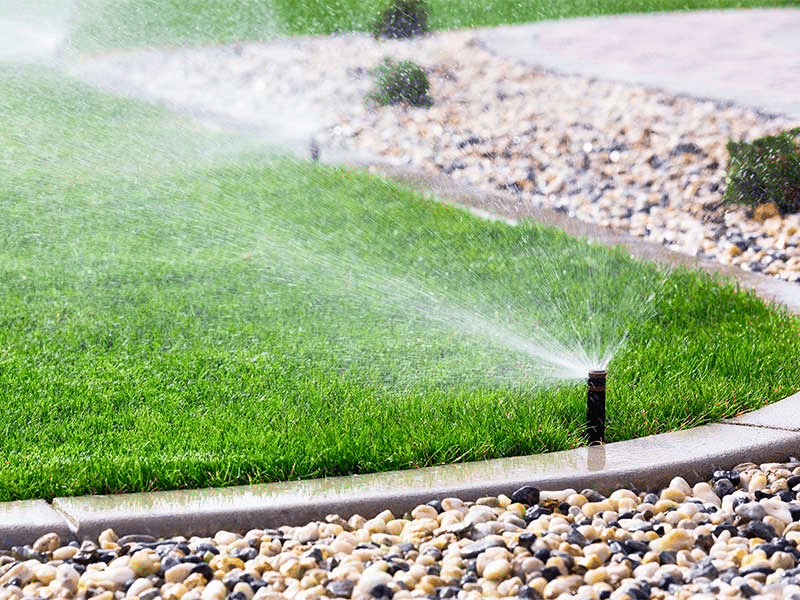
Automation removes these recurring demands. Mowing can be automated via robot grass mower and watering by automatic sprinkler systems.
Although there’s an upfront cost associated with them, that investment replaces continuous time expenditure, making the garden easier to manage long term.
Group Plants by Requirement
Gardens designed only for appearance often create unnecessary maintenance problems. Plants with different water, sunlight, and nutrient needs end up competing within the same space.
Grouping by requirement instead means one watering zone covers plants that all need the same frequency, one feeding session covers everything that needs feeding, and neglected areas contain plants that don’t mind being neglected.
The Lazy Gardener’s Seasonal Calendar
Rather than weekly maintenance sessions, aim for one focused half-day per season. Here’s how what you can do per season:
- Spring: cut back dead growth, apply fresh mulch, start the robotic mower schedule, and set the irrigation timer for the season.
- Summer: check containers, harvest what’s producing, let the mower and irrigation handle the rest
- Autumn: plant perennials and self-seeders for next year, add compost to beds, dial back the mower as growth slows
- Winter: mower rests, beds are mulched, nothing needs doing.
Conclusion
The gardens that consistently look good aren’t maintained by people who work harder. Instead, they’re maintained by setups that work consistently.
This lazy gardener’s setup isn’t a compromise. A lawn mowed daily by a robot is healthier than one mowed weekly by hand; beds mulched properly produce better than ones weeded repeatedly.
Our goal was never a perfect garden. It was a space worth being in, one that doesn’t demand your weekend every time it needs to look presentable.