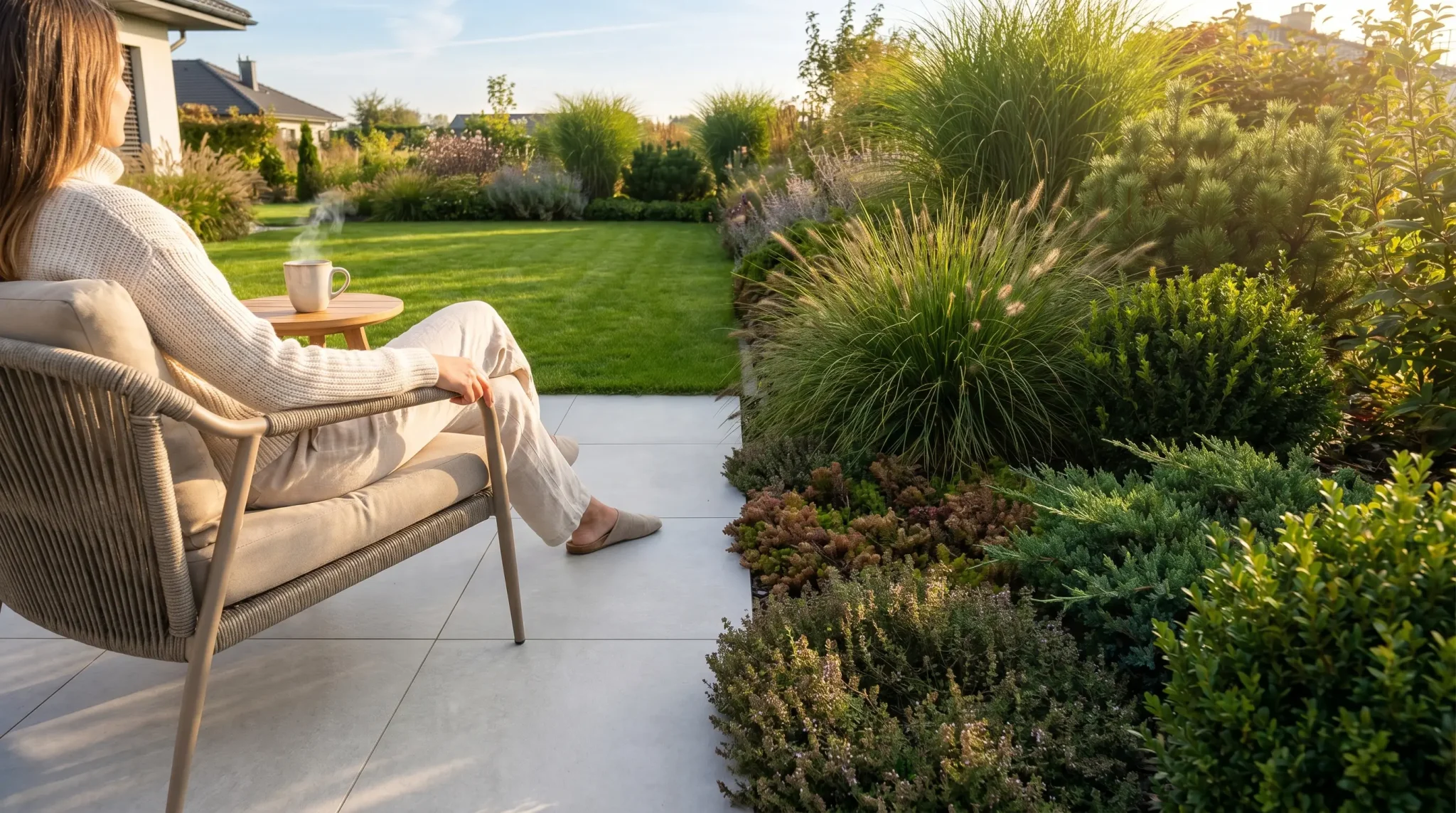
Some gardens seem to catch hold right away. Others struggle before summer has fully arrived. The difference often starts below the surface. A bed can look neat from above and still work against every seed and root underneath it. Soil that stays tight, drains too fast, or dries into a hard crust creates problems early, and plants feel that stress long before gardeners can see it.
That’s why the materials beneath a garden bed deserve more attention than they usually get. Good soil gives roots room to spread. Compost adds texture and microbial life. Mulch keeps moisture from disappearing by midday and softens the swing between cool nights and hot afternoons. Gravel and stone can help when drainage keeps turning a promising spot into a soggy one. For gardeners choosing those base materials, Ebyland landscape supply is one source for the soil, mulch, stone, and other essentials that shape how a bed performs from the start.
A healthy garden has momentum. Water sinks in the way it should. Roots settle faster. Plants stop spending all their energy on survival and start putting it into growth. That shift begins with the ground itself.
Why the Foundation of a Garden Matters More Than You Think
A lot of garden problems get blamed on the wrong thing. The weather gets blamed. The seeds get blamed. Watering habits get blamed as well. Sometimes the real issue is simpler. The bed was built on weak ground.
Roots need more than dirt. They need air pockets, steady moisture, and soil loose enough to let them push outward instead of curling back on themselves. When soil is compacted, roots stay shallow and stressed. When it drains too quickly, plants never get a reliable drink. When water lingers too long, roots lose access to oxygen and start to fail. That chain reaction starts before the first green shoot appears.
This is where landscape supplies stop feeling like background materials and start doing real work. Compost loosens dense soil and helps it hold moisture more evenly. Mulch protects the surface from baking in the sun and hardening after dry weather. Stone or gravel can solve drainage problems that would otherwise keep a bed soggy for days after rain. Each material changes the way the garden functions at ground level.
It also changes how much effort the garden demands from you. A bed with good structure holds moisture longer, resists weeds better, and gives plants a stronger start. You spend less time correcting problems in midsummer because fewer problems show up in the first place. Get the base right, and the whole garden feels steadier from day one.
The Key Landscape Supplies That Support Healthy Plant Growth
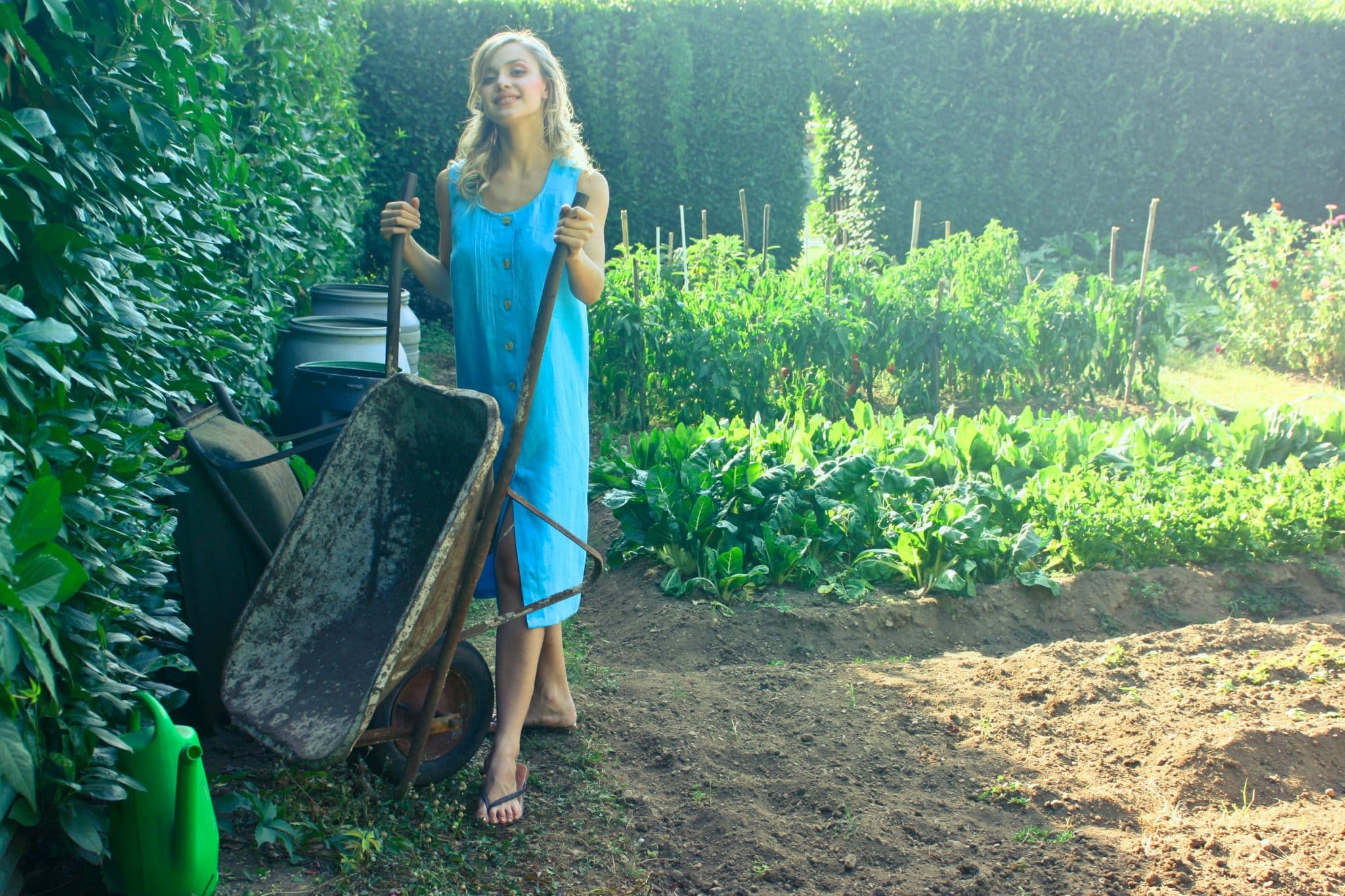
Garden beds rarely succeed because of one magic ingredient. They work when a few basic materials do their jobs well through heat, storms, and long dry stretches. Each one affects how roots grow, how water moves, and how the soil behaves after a week of tough weather.
Soil carries most of the load. It needs enough structure to stay loose, enough organic matter to hold moisture, and enough body to support steady root growth. Thin, worn-out soil tends to swing between extremes. It turns slick when wet, stubborn when dry, and difficult in either state. Compost helps correct that. It opens up dense ground, improves texture, and creates better conditions for the microbial life that keeps soil productive over time.
Mulch solves a different set of problems. Spread over the surface, it slows evaporation, softens temperature swings, and keeps the top layer of soil from drying into a crust. It also cuts down on weeds, which means young plants spend less time competing for water and nutrients. Beds with organic mulch that helps reduce evaporation, suppress weeds, and moderate soil temperature tend to stay more even through the roughest parts of the season, especially when heat and dry weather arrive together.
Drainage materials matter most when a garden holds too much water. In low spots or beds with stubborn clay, gravel and stone can help move excess moisture away from the root zone instead of letting it sit there for days. That fix may not be glamorous, but it can be the difference between a bed that flourishes and one that stays patchy after every hard rain.
There’s a visual side to all this, and it matters more than people admit. Defined edges, clean stone paths, and neatly mulched beds make a garden easier to care for because the space feels settled. Plants have room. Water goes where it should. The whole bed feels intentional instead of improvised.
How to Build a Garden Bed That Helps Seeds Thrive
A good garden bed doesn’t need to be fancy. It needs to work. That starts with paying attention to the ground you already have instead of piling new soil on top and hoping for the best.
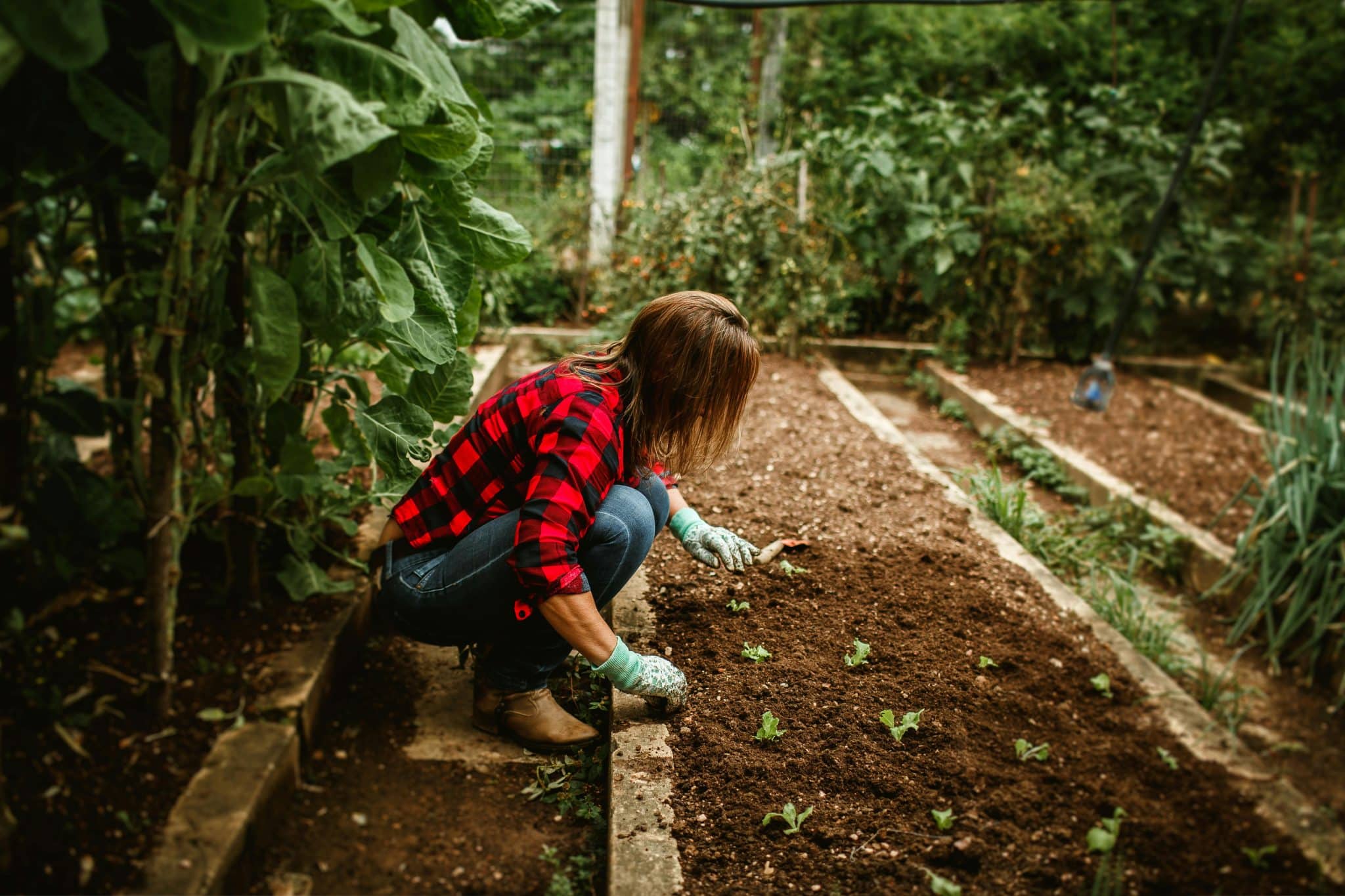
Clear the space first. Pull weeds, remove old roots, and break up any crust that has formed on the surface. If the ground feels hard a few inches down, loosen it before adding anything else. Roots stall quickly in compacted soil, and no amount of watering fixes that.
Once the area is open, look at how the soil behaves. Does water disappear right away, or does it sit there and sulk? Does the soil crumble in your hand, or form a sticky lump? Those small clues tell you whether the bed needs more organic matter, better drainage, or both. Compost usually earns its place here. It improves texture, helps sandy ground hold moisture longer, and gives heavy soil a better chance to loosen up.
After that, build in layers with some restraint. Gardeners often overdo it, piling on materials without thinking about how they’ll settle together. A planting bed doesn’t need a complicated recipe. It needs a healthy growing layer deep enough for roots to spread and stable enough to hold moisture evenly. If drainage is a problem, that’s the moment to fix it with the right base materials, not after plants start struggling.
Mulch comes last, and it matters. A light layer over the surface helps keep moisture where young roots can use it. It also protects the soil from baking hard between waterings, which makes a bigger difference than many people expect. The bed stays more even, and seeds get a gentler start.
A well-built bed has a certain feel to it. Water sinks in without puddling. The soil stays soft below the surface. Seedlings settle faster because the space around them supports growth instead of resisting it.
Common Foundation Mistakes That Hold Gardens Back
Some garden beds fail in slow motion. Nothing dramatic happens. Seeds sprout, a few plants hang on, and the space never fills out the way it should. That kind of underperformance usually traces back to small decisions made early, before the bed ever had a fair chance.
One of the biggest mistakes is planting straight into compacted ground and calling it done. Hard soil blocks root growth, sheds water unevenly, and leaves plants stuck in survival mode. You can usually spot it when water runs off the surface or pools in strange places instead of soaking in.
Another common misstep is treating bagged topsoil like a complete solution. Fresh soil helps, but a thin layer spread over poor ground doesn’t fix what sits underneath. If the base layer stays dense, lifeless, or badly drained, roots hit that barrier fast. The bed may look improved for a few weeks, then slide right back into the same old problems.
Skipping mulch creates its own set of headaches. The surface dries out faster. Weeds move in faster. Temperature swings hit harder. Bare soil has a way of turning stubborn after a stretch of hot weather. It crusts over, sheds water, and makes it harder for young plants to settle in.
Drainage is often ignored, especially in yards where one area always seems a little wetter than the rest. People plant anyway and hope the sun and warmth will sort it out. Sometimes they do. Often they don’t. A bed that stays soggy after rain creates stress from below, and stressed roots rarely produce strong top growth.
Then there’s the problem of doing too much at once without any real balance. Too much wood mulch worked into the soil, too many layers piled together, or a raised bed filled with whatever was cheapest can create a messy root zone. Good bed prep has structure. Each material should solve a problem or improve a condition. When everything in the bed has a purpose, plants respond with steadier growth.
Building a Garden That Thrives Season After Season
A strong garden bed earns its keep over time. The first season tells you whether plants can establish themselves. The second and third show whether the space can keep producing without turning into a yearly repair project. That kind of staying power comes from a bed that holds its structure, drains well after storms, and keeps enough organic matter in the soil to support steady growth.
Maintenance starts to feel less like rescue work and more like rhythm. A fresh layer of mulch helps the bed stay cooler through heat spells and slows the steady loss of moisture from the surface. Compost worked in at the right time keeps the soil from thinning out or hardening into something roots have to fight through. Even small habits, like checking for low spots where water collects or replacing washed-out edging, help preserve the conditions plants rely on.
The payoff shows up in obvious ways. Seedlings settle in faster. Watering becomes more predictable. Beds hold their shape instead of slumping into uneven patches by midsummer. Plants put their energy into leaves, flowers, and fruit because the root zone isn’t under constant stress. Gardens built with thoughtful raised garden bed layers tend to keep better structure through the season, which makes moisture, airflow, and root growth easier to manage.
A garden with a healthy foundation tends to age well. The soil gets better instead of worse. Seasonal upkeep feels lighter. The whole space starts to work with you, which is when gardening becomes a lot more satisfying.
The Ground Sets the Terms
People notice a garden once it starts blooming, spilling over the edges, or filling in with color. By then, the real work has already happened underground. Roots have found their path. Moisture has settled into a usable pattern. The soil has either supported growth or quietly made every step harder than it needed to be.
Landscape supplies have a quiet but lasting effect on how a garden grows. Soil gives roots the space and support they need. Compost improves texture and helps the bed stay fertile. Mulch holds moisture in the ground and shields the surface from drying out too quickly. Drainage materials help prevent water from pooling where it can weaken roots. None of this is especially showy, though it has a real impact on how healthy, steady, and resilient a garden becomes.
A bed built on strong materials has a different energy to it. Plants establish faster. Seasonal care feels simpler. The space looks better, but more importantly, it works better. What shows up above ground usually starts with a smart decision below it.