Your home’s air conditioning system does a lot of quiet, thankless work. On the hottest days of summer, it’s one of the most important systems in your house, and like any major mechanical system, it has a lifespan.
Understanding how central air conditioning systems work, what affects their lifespan and what to watch for as they age can help you make smarter decisions and avoid getting caught off guard by a breakdown at the worst possible time.
How Does a Central Air Conditioning System Work?
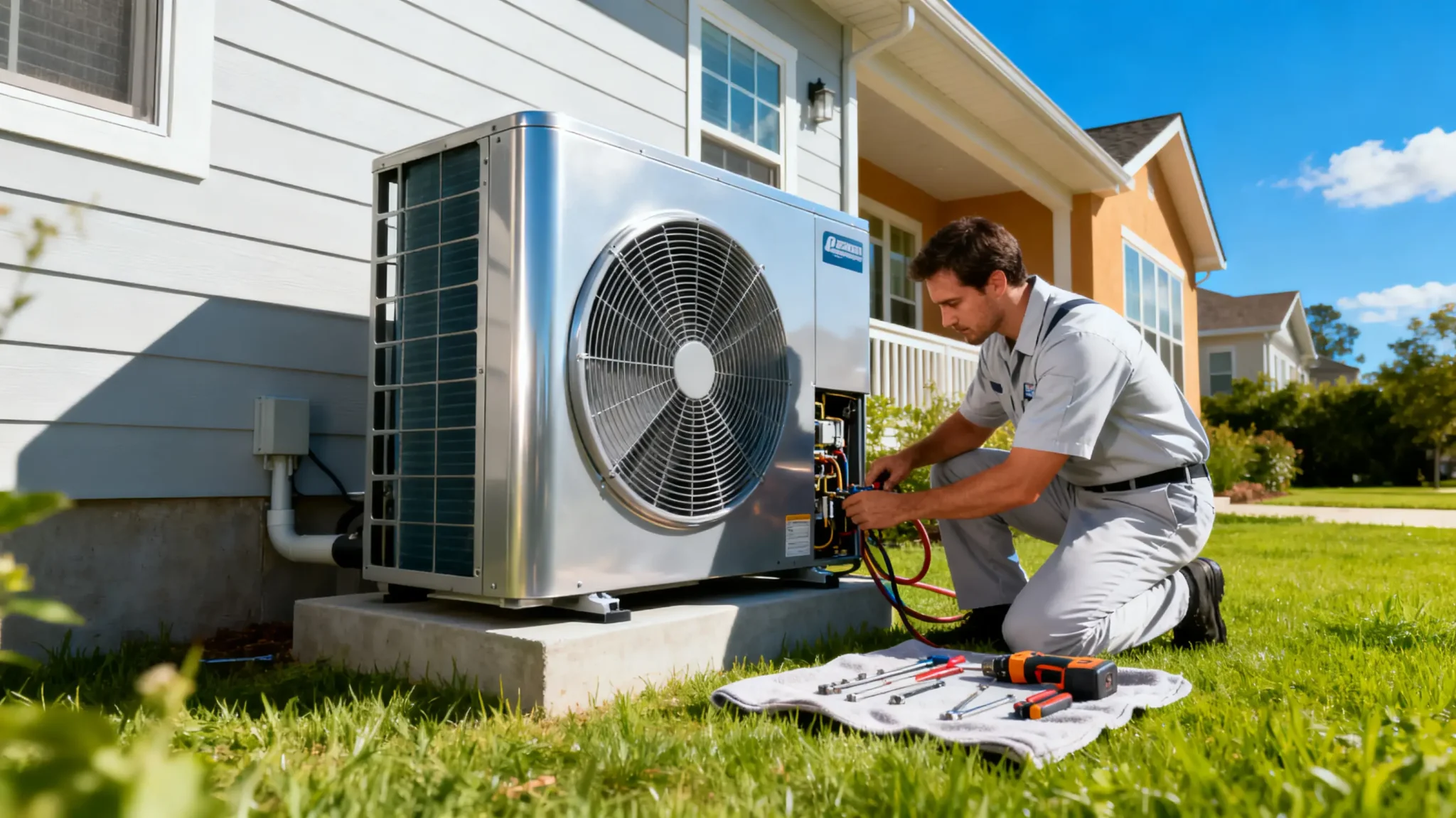
A central air conditioning system cools your home by moving heat from inside to outside, not by generating cold air. The core of a central AC system contains two principal units — an outdoor unit with the compressor and condenser coil, and an indoor unit with the evaporator coil and air handler. Refrigerant circulates between these two units, absorbing heat indoors and releasing it outside. A blower fan then pushes the cooled air through your home’s ductwork.
Understanding this basic process helps when something goes wrong. Most AC problems stem from airflow, refrigerant or electrical issues. Recognizing early symptoms can mean the difference between a minor service call and a major repair.
What Is the Lifespan of a Typical Air Conditioning Unit?
According to Ingrams Water & Air Equipment, LLC, “The standard anticipated lifespan of a typical central air conditioner is about 15 years.” That said, you should use 15 years as a general benchmark rather than a strict rule. Several factors influence whether a unit reaches or exceeds that mark:
- Installation quality: A system that was correctly sized and properly installed from the start will generally outlast one that wasn’t. Oversized or undersized units cycle inefficiently, which accelerates wear.
- Maintenance history: Units that receive regular attention, including seasonal filter changes and periodic professional checkups, tend to last longer than those that are ignored until something breaks.
- Local climate: Systems in extremely hot or humid climates work harder and often more frequently, which can shorten their effective lifespan.
- Usage patterns: A system that runs 12 hours a day will accumulate more wear than one that runs 6 hours, regardless of age.
If your unit is approaching or past the 15-year mark, it’s worth paying closer attention to how it’s performing, even if it hasn’t broken down yet. Staying vigilant allows you to honestly evaluate the condition of your home’s air conditioning system and identify the best path forward.
How Do You Know Your Air Conditioner Is Aging Out?
There are a few indicators that suggest an air conditioning system is near the end of its life. Identifying them allows you to plan rather than react.
Firstly, aging air conditioners lose efficiency. If your energy bills are climbing year over year without a significant change in usage, the system is likely working harder to achieve the same level of output.
This additional strain often leads to suboptimal performance and uneven cooling throughout your home, since these older systems often struggle to maintain consistent temperatures. If your home feels muggy or unevenly cooled, your air conditioner’s performance might also be declining. If it’s producing unusual sounds, such as grinding or rattling, it’s another clear sign that a professional evaluation is needed.
Additionally, if an air conditioner requires frequent repairs, its best days are probably behind it. If a repair costs more than half the price of a new system and the unit is over 10 years old, a replacement is often the better financial decision.
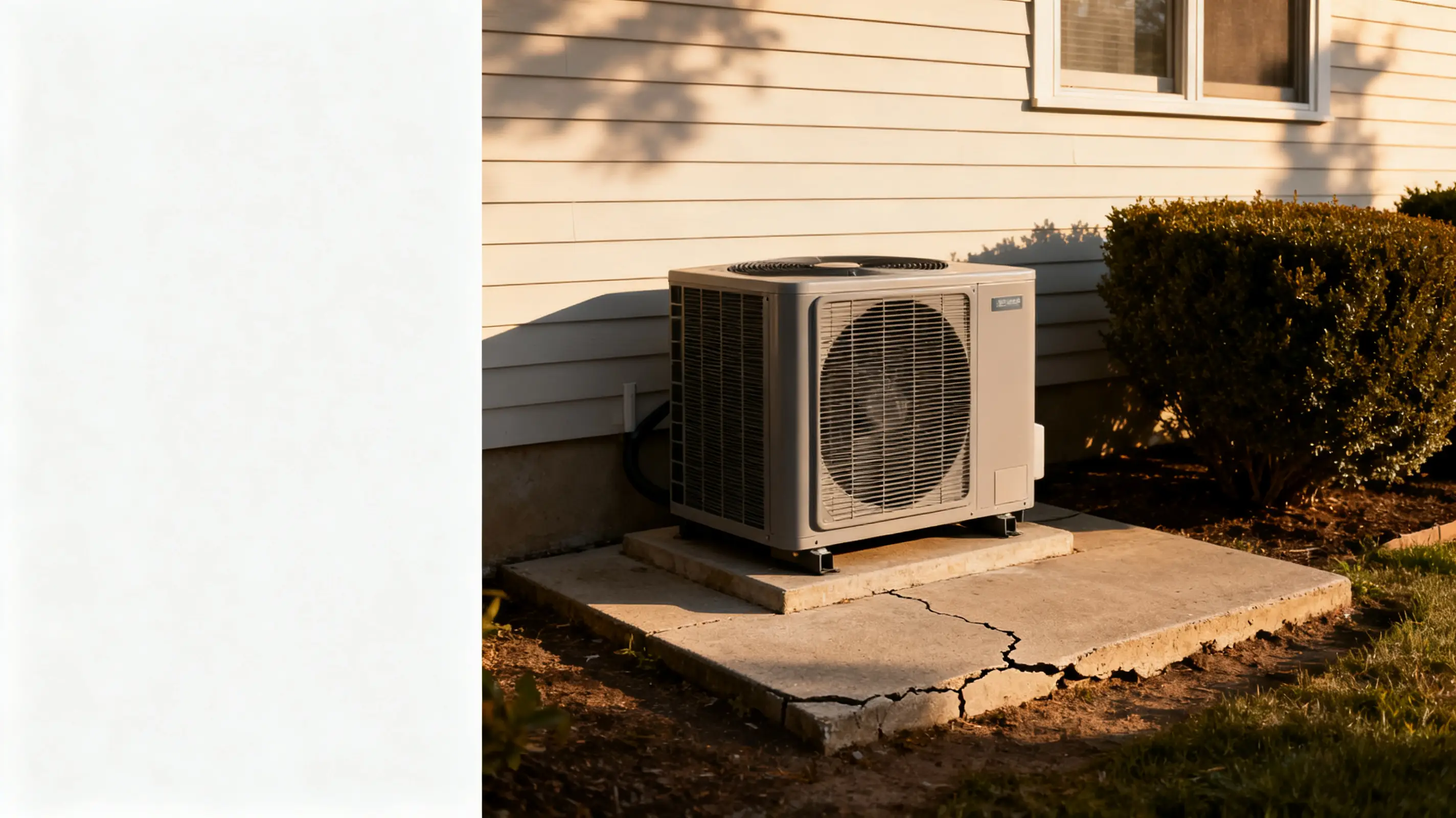
Another reliable way to determine whether your system is outdated is to check the refrigerant type. If your system uses R-22 refrigerant, which is also known as HCFC-22, it was manufactured before 2010. R-22 is no longer produced in the United States, which makes servicing these older systems progressively more expensive. If your unit runs on R-22 and needs a refrigerant change, that alone may make replacement the more economical path.
What Are the Benefits of Upgrading to a New Energy-Efficient System?
Modern air conditioners are significantly more efficient than units manufactured 10 to 15 years ago. Efficiency is measured by Seasonal Energy Efficiency Ratio 2 (SEER2), and today’s systems typically achieve SEER2 ratings that translate to meaningful reductions in monthly energy expenditure compared to aging equipment.
Newer systems often include variable-speed compressors and fan motors. These components adjust output based on demand rather than cycling fully on and off, reducing energy consumption and improving comfort by maintaining more consistent temperatures and humidity levels.
Warranty coverage is another consideration. New systems come with manufacturer warranties that typically cover the compressor and major components for several years. An aging system outside its warranty period leaves you fully exposed to repair costs. While a new unit can be a significant up-front investment for homeowners, it can lower long-term costs and reduce the risks of maintaining an aged system.
Finally, many utility companies offer rebates and incentives for installing qualifying high-efficiency equipment. The programs can meaningfully reduce the cost of replacement and are definitely worth checking before you make a purchase decision.
Frequently Asked Questions
Learn more about installation and replacement considerations for air conditioning units.
What Are the Signs That an Air Conditioning Unit Needs to Be Replaced?
The most common indicators include rising energy bills without a change in usage, more frequent or costly repairs, uneven cooling throughout the home, outdated refrigerant types, and unusual sounds.
What Is the Lifespan of a Typical Air Conditioning Unit?
The typical air conditioning lifespan is around 15 years, though this depends on how well the system was installed and how well it has been maintained over the years. Some units fall short of that mark, while others exceed it with proper care.
How Much Does a New Central Air Conditioner Cost?
Costs vary based on the brand, system size, installation logistics and efficiency rating. Entry-level systems can start at a few thousand dollars, while larger or higher-efficiency systems can run considerably more. Homeowners must also account for installation labor. Getting a quote for your specific home and system requirements gives you the most accurate picture.
Is a New Air Conditioner More Energy-Efficient Than My Older Unit?
Generally, yes, a new air conditioner is more energy-efficient than an older system. Modern systems carry significantly higher efficiency ratings than units manufactured 10 to 15 years ago, and many include variable-speed components that adjust output to match demand rather than cycling fully on and off. That translates to lower monthly energy costs and more consistent comfort compared to aging equipment.
Keep Your Home Comfortable for Years to Come
Replacing an air conditioning system can be a hefty home expense, but with the right planning and research, it doesn’t have to be a financial shock. Costs vary based on the size of the system your home requires and its specific installation logistics. Getting a quote in advance, before your old unit fails completely, gives you time to compare options and explore financing if needed.
Understanding your home’s unique HVAC needs, the right course of action for meeting those requirements, and the various ways to lower replacement and installation costs can help ensure your living environment stays comfortable and sustainable for years to come.