Aloe vera has quietly become the darling of plant lovers everywhere, and honestly, it’s easy to see why.
This spiky succulent asks for almost nothing yet gives so much in return, from its healing gel to its sculptural beauty perched on a sunny shelf.
Forgetful waterers and first-time gardeners find a loyal companion in aloe, one that forgives missed waterings and still manages to look effortlessly cool.
It transitions seamlessly from indoor spaces to outdoor gardens, adapting to your lifestyle with minimal fuss.
What makes aloe even more special is the wealth of real-world wisdom flowing through gardening communities, where seasoned growers share their favorite tricks for keeping these desert beauties happy in any setting.
Understanding Aloe Vera: Growth Habits & Natural Environment
Aloe vera hails from arid, sun-drenched landscapes where rainfall is scarce, and soil drains fast.
In its native desert habitat, this succulent clings to rocky terrain, storing water in those thick, fleshy leaves to survive long dry spells.
Understanding these roots makes caring for aloe feel intuitive: it craves bright light, abhors soggy soil, and actually prefers a little neglect over constant fussing.
While true aloe vera is the most recognized variety, you’ll also find aloe aristata with its spiky rosettes, striped tiger aloe, and coral aloe, adding texture to home collections.
Each shares that same low-maintenance, drought-loving personality.
Best Conditions for Growing Aloe Vera
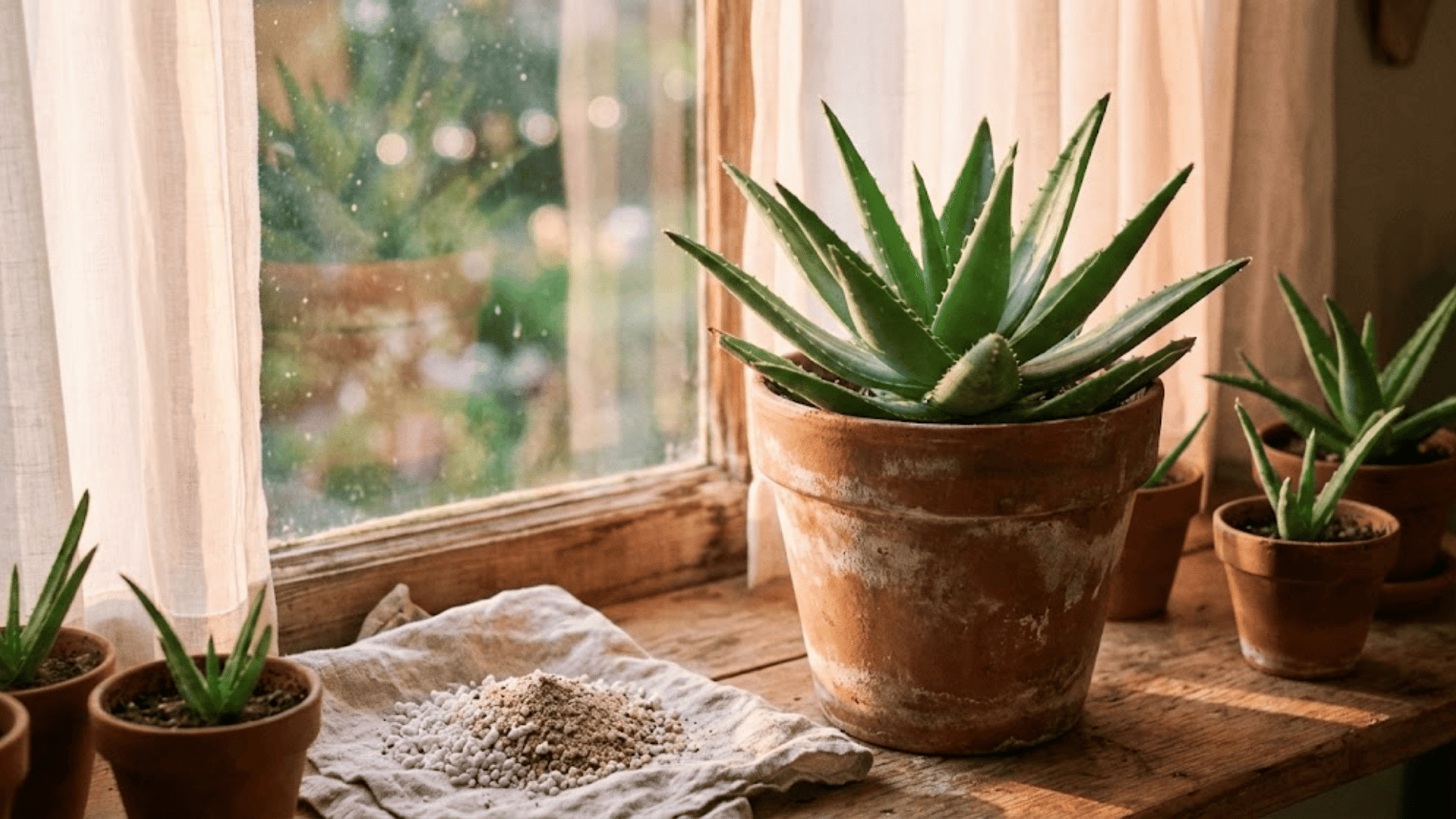
Aloe vera isn’t particularly fussy, but getting a few fundamentals right makes all the difference between a thriving plant and a struggling one.
Here’s what real gardeners have learned about creating the perfect environment for their aloes.
1. Light Requirements
Aloe plants are sun worshippers at heart, but they appreciate a little nuance. Too much direct intensity can scorch those plump leaves, while too little leaves them stretching and pale.
- Bright, indirect light indoors (south or west windows) or full sun outdoors with afternoon shade in hot climates prevents stress while promoting healthy growth.
- Brown or reddish leaves signal sunburn, while leggy, pale growth with spreading leaves means your aloe needs more light.
- Gradually acclimate aloes when moving them outdoors, starting with morning sun and increasing exposure over two weeks to avoid shock.
2. Temperature & Climate
Aloe thrives in warmth but has limits when temperatures drop. Understanding your local climate helps you decide if your aloe can live outdoors permanently or needs seasonal adjustments.
- Optimal range is 55°F to 80°F, with brief tolerance into the 40s. Freezing temperatures damage or kill aloe, so cold-climate growers bring plants indoors for winter.
- Zones 9–11 support year-round outdoor growing (Southern California, Florida, parts of Texas), while colder regions keep aloes in containers for seasonal moves.
- Watch frost warnings closely and have a backup plan, as even mild climates can experience damaging cold snaps that harm unprotected plants.
3. Soil Requirements
The right soil makes or breaks aloe success. This succulent demands excellent drainage, as waterlogged roots spell disaster quickly.
- Pre-mixed succulent or cactus soil with perlite, pumice, or coarse sand keeps water flowing through rather than pooling around roots.
- DIY mix: equal parts potting soil, coarse sand, and perlite, adjusting ratios for climate (more drainage in humid areas, slightly more organic matter in dry regions).
- Outdoor aloe needs sharper drainage through raised beds, rocky slopes, or amending native soil with grit to replicate desert conditions.
How to Water an Aloe Plant Properly?
Watering aloe vera feels counterintuitive at first, especially for gardeners used to thirstier plants.
The secret lies in mimicking those desert downpours followed by long dry periods, giving your aloe exactly what it would experience in the wild.
Watering Frequency & Timing
Indoor aloes typically need water every two to three weeks, while outdoor plants in hot climates might require weekly soaks during summer.
The golden rule remains constant: stick your finger two inches into the soil, and only water when it’s completely dry.
Gardeners in humid regions water less frequently, while desert growers adjust based on intense heat and sun exposure.
Proper Watering Technique & Troubleshooting
Deep, thorough soaking beats frequent light watering every time. Pour water until it drains from the bottom, then let the soil dry completely before the next round.
Avoid splashing the crown where leaves meet the stem, as trapped moisture invites rot. Mushy, translucent leaves and blackened roots signal overwatering, while shriveled, brown-tipped leaves that feel thin indicate thirst.
Outdoor aloes face unique challenges like monsoon saturation or frost damage, both causing similar browning and mushiness.
How to Care for an Aloe Plant Outdoors?
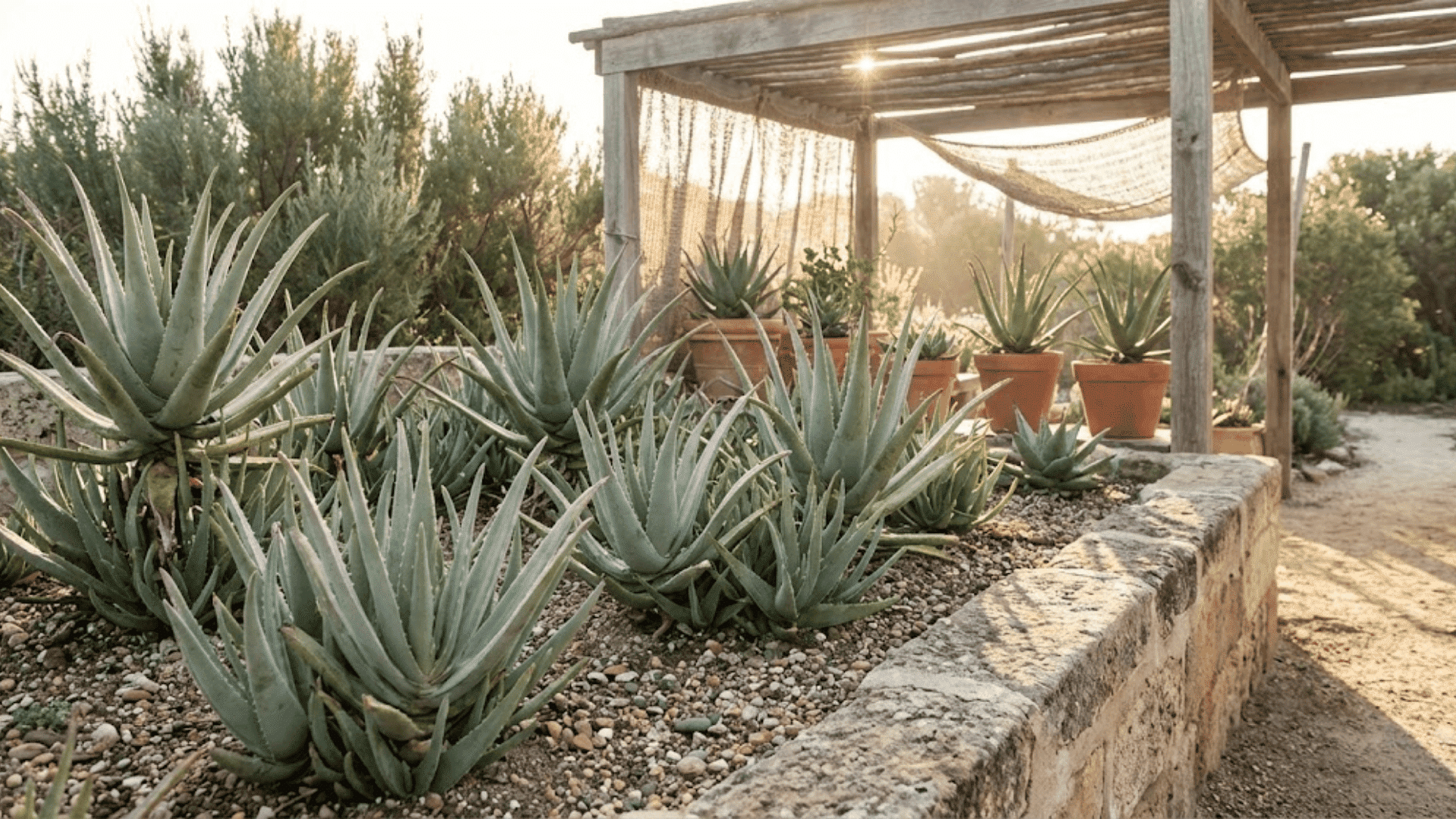
Taking aloe outdoors unlocks its full potential, with plants growing larger and producing more pups than their indoor counterparts.
Success hinges on choosing the right spot and protecting your aloe from weather extremes.
1. Choosing the Perfect Outdoor Location
Full sun works beautifully in temperate coastal areas, while inland desert gardeners often provide afternoon shade to prevent leaf scorch. Morning sun with dappled afternoon light creates ideal conditions in hot climates.
Raised beds offer superior drainage and prevent root rot during rainy seasons, though pots give cold-climate growers the flexibility to move plants indoors when temperatures drop.
Sloped terrain naturally sheds excess water, making it prime real estate for outdoor aloe colonies.
2. Weather Protection Strategies
Outdoor aloes face seasonal challenges that indoor plants never encounter. Knowing how to shield your succulent from temperature swings and precipitation extremes keeps it thriving year-round.
- Drape frost cloths or blankets during cold snaps, move pots under eaves, or bring containers indoors when temperatures threaten freezing.
- Add temporary shade cloth or position near taller plants during heat waves to prevent reddish-brown scorch marks on stressed leaves.
- Tilt pots for faster drainage, move under overhangs, or top-dress with gravel during rainy seasons to keep moisture away from the crown.
3. Managing Outdoor Pests & Diseases
Aphids and mealybugs cluster on new growth, sucking sap and leaving sticky residue that attracts ants. A strong spray of water dislodges most pests, while rubbing alcohol on a cotton swab kills mealybugs on contact.
Snails munch leaf edges at night, leaving telltale slime trails and requiring manual removal or organic bait.
Fungal spots caused by excess moisture respond well to improved air circulation, reduced watering, and promptly removing affected leaves before infection spreads.
Fertilizing Aloe Vera
Aloe thrives on neglect, and fertilizing falls squarely into the optional category. Most gardeners report healthy, robust plants without ever feeding them, as aloes naturally grow slowly and draw nutrients from decent soil.
For those who do fertilize, diluted succulent or cactus fertilizer applied once in spring provides a gentle boost without overwhelming the plant.
Half-strength is crucial, as full-strength formulas burn roots and cause leaf tip browning. Outdoor aloes in poor soil benefit more than potted indoor plants.
Community consensus leans toward skipping fertilizer entirely, with growers praising their thriving, unfed aloes that produce abundant pups and maintain that signature plump, green appearance year after year.
Repotting & Propagating Aloe Vera
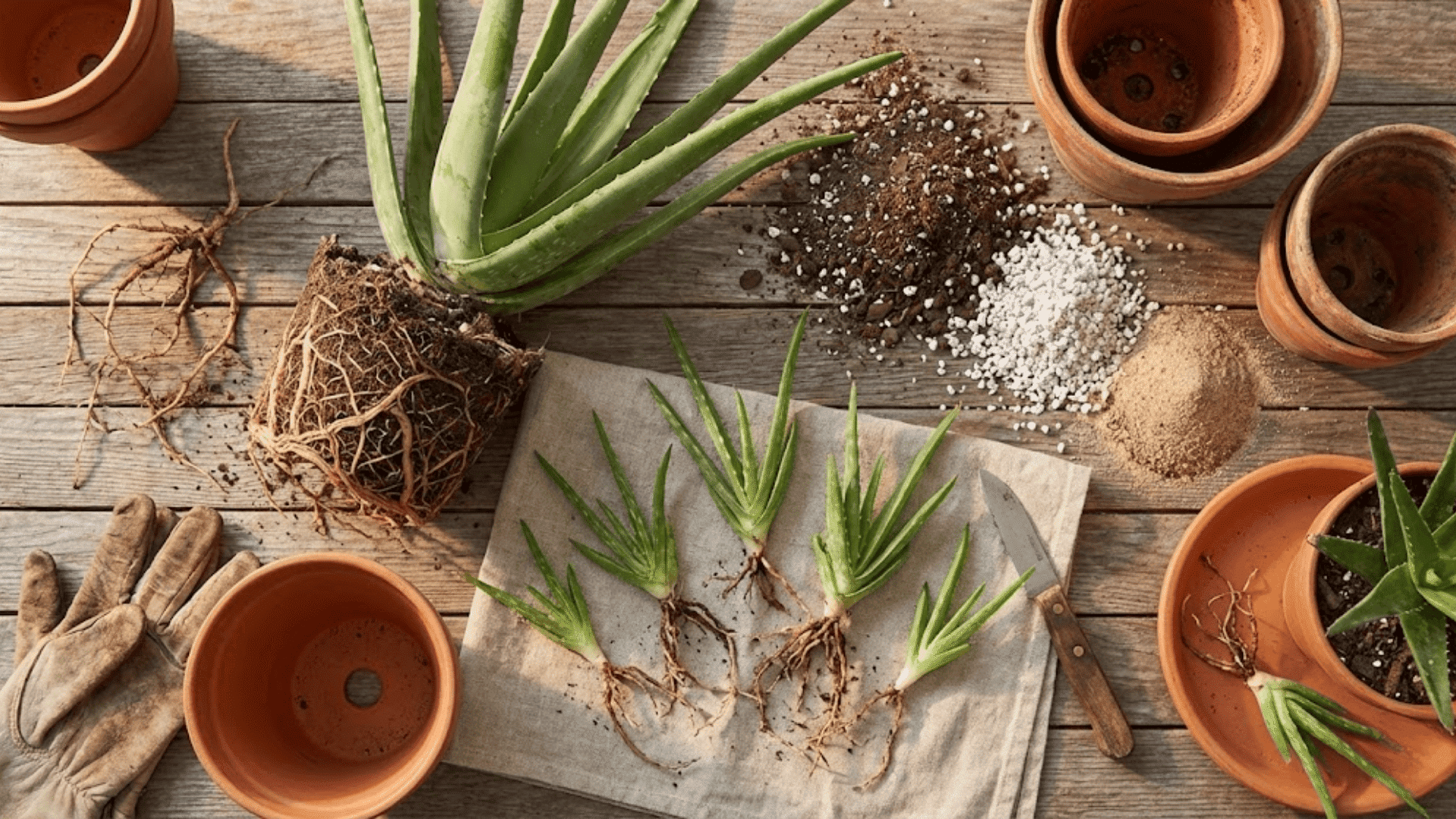
Aloe plants eventually outgrow their containers and generously produce offsets that deserve their own space.
Knowing when and how to repot or propagate keeps your aloe collection healthy and multiplying.
Repotting Your Aloe Plant
Rootbound aloes show roots circling drainage holes or pushing through soil, with slowed growth despite proper care.
Repot every one to two years into a pot just one to two inches larger, as oversized containers trap excess moisture. Terracotta pots excel for their breathability, wicking away moisture naturally.
Remove the plant, shake off old soil, trim damaged roots, and settle into a fresh succulent mix at the same depth.
Propagating Aloe Pups
Pups appear as small rosettes at the mother plant’s base, ready for separation at three to four inches tall with visible roots. Unpot the entire plant, locate connections, and use a clean knife if the roots tangle.
Let cut surfaces dry 24 hours before planting to prevent rot, a step beginners often skip. Plant in dry succulent mix, wait three to four days before first watering, then treat as mature plants.
Success rates soar when pups have established roots, while younger offsets struggle.
Community Tips: Shared Experiences from Aloe Enthusiasts
Gardeners across climates have cracked the aloe code through trial and error. Arizona growers swear by afternoon shade during brutal summers, preventing that telltale reddish scorch.
Florida enthusiasts battle humidity by adding extra perlite to their soil mix and by covering patios during hurricane season. Texas gardeners report massive outdoor colonies thriving in raised beds with zero supplemental water.
California coastal growers enjoy year-round outdoor success in full sun, while Pacific Northwest fans keep aloes under eaves to escape relentless rain.
Northeast gardeners perfect the seasonal shuffle, moving pots indoors by October and back out in May. Check out r/succulents for hundreds of real success stories and troubleshooting threads.
Final Thoughts
Caring for aloe vera truly lives up to its low-maintenance reputation once you nail the basics of bright light, well-draining soil, and restrained watering.
This resilient succulent rewards minimal effort with years of lush growth, healing gel, and endless pups to share with friends.
Whether yours basks on a sunny windowsill or anchors an outdoor succulent garden, aloe adapts beautifully to your space and lifestyle.
Every climate brings its own lessons, and every grower adds their personal touch to keeping these spiky succulents thriving. What’s your aloe story? Share your wins, your losses, and those happy accidents in the comments below.