Designing a thoughtful living space balances modern comfort with eco-friendly choices. Choosing renewable materials, energy-conscious features, and natural elements creates a welcoming home environment. These straightforward styling concepts help reduce environmental impact without losing personal taste.
Embracing Warm Organic Modernism
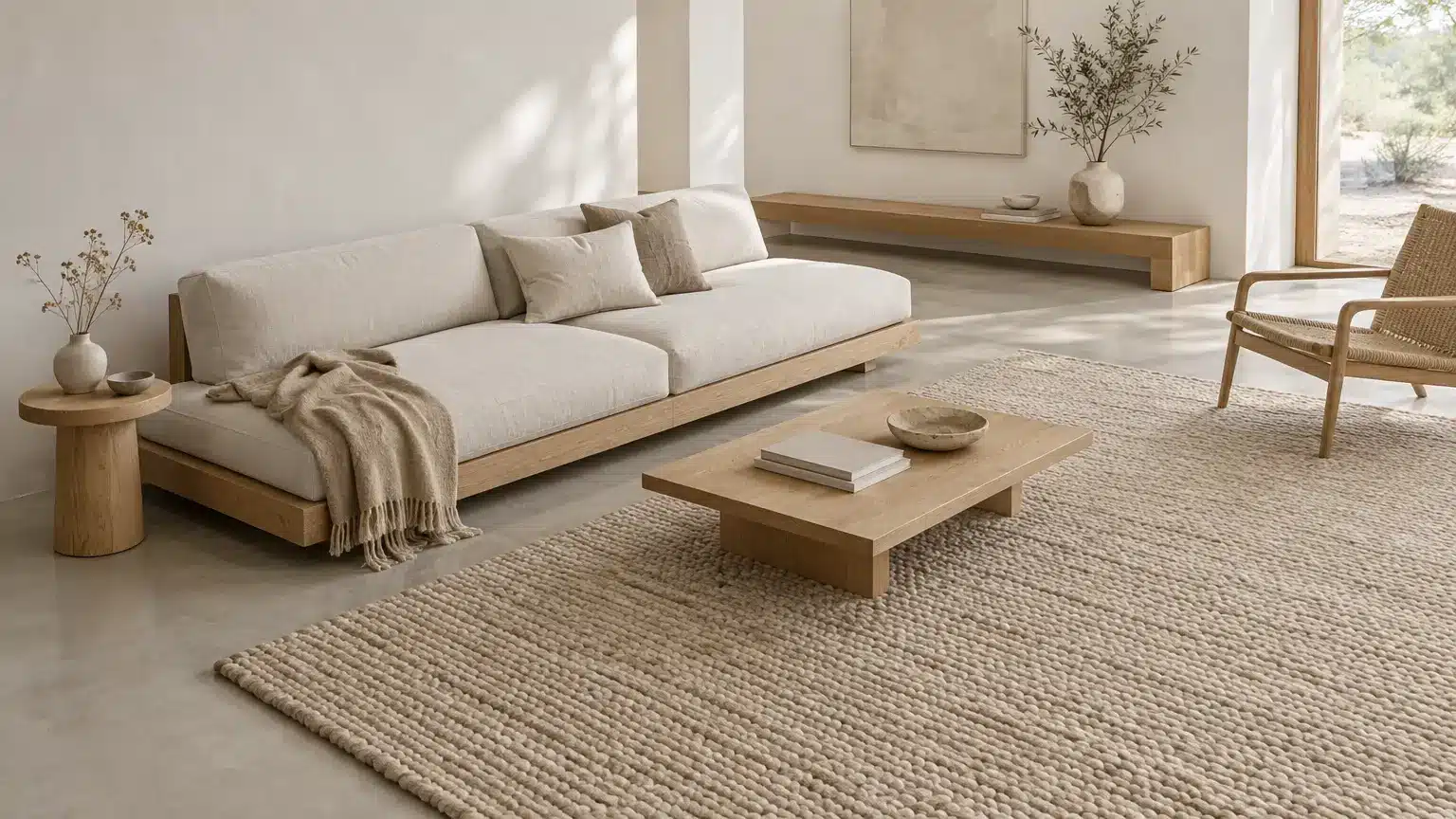
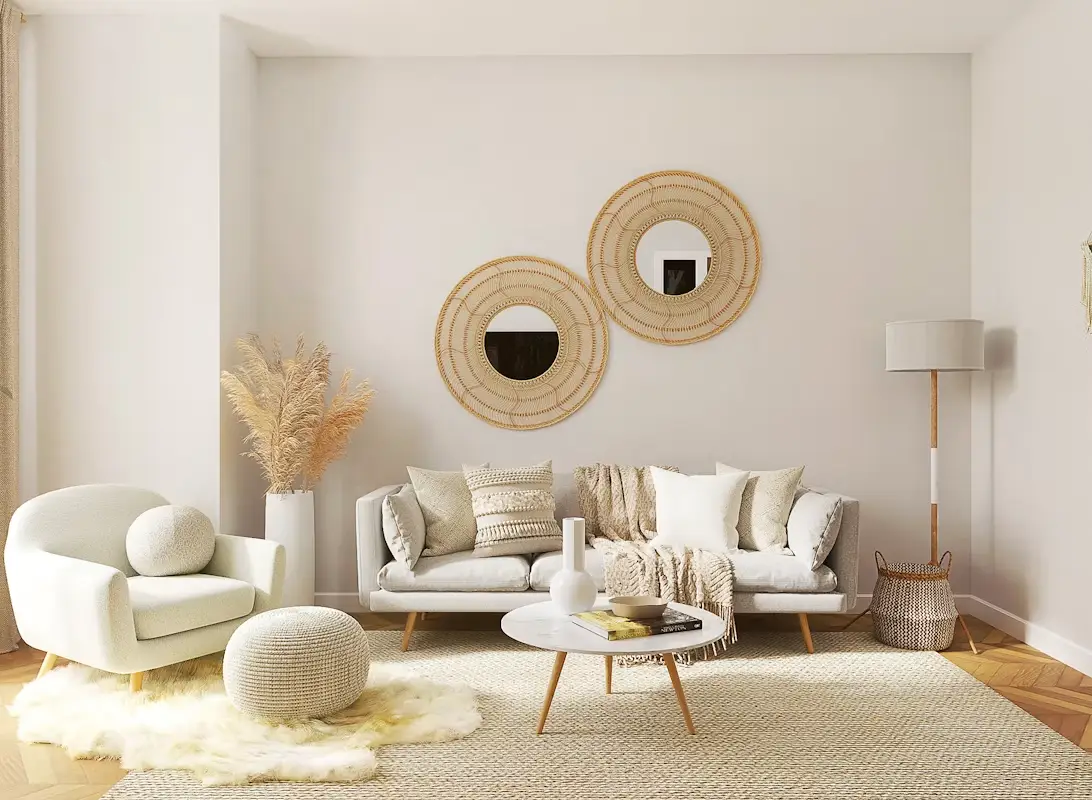
Design trends focus heavily on soft minimalism and grounded aesthetic choices. Neutral color palettes pair smooth stone with raw timber to construct calm living spaces. Layering organic fibers brings soft warmth into seating areas across all seasons.
Decorating floor space requires sustainable materials offering both comfort and low environmental impact. Homeowners often start by exploring eco-friendly living room rugs at Rug n Carpet to establish a natural foundation for their space. Natural jute, organic cotton, and recycled fiber options keep indoor air clean and add rich texture. These floor coverings pair seamlessly with low-waste furniture and botanical accents.
Natural plant fibers absorb ambient room noise and feel soft underfoot. Choosing unbleached textiles prevents harsh chemical processing from polluting local waterways during manufacturing.
Tactile Surfaces and Earthy Finishes
Surface textures take center stage in low-impact interior design. Design industry updates note that authentic, tactile surfaces such as wood, natural stone, and linen top modern living room preferences. An interior design report notes that organic modern decor leads styling trends by combining natural materials, warm minimalism, and sustainable elements. Raw grain patterns and unpolished surfaces highlight natural craftsmanship throughout the home.
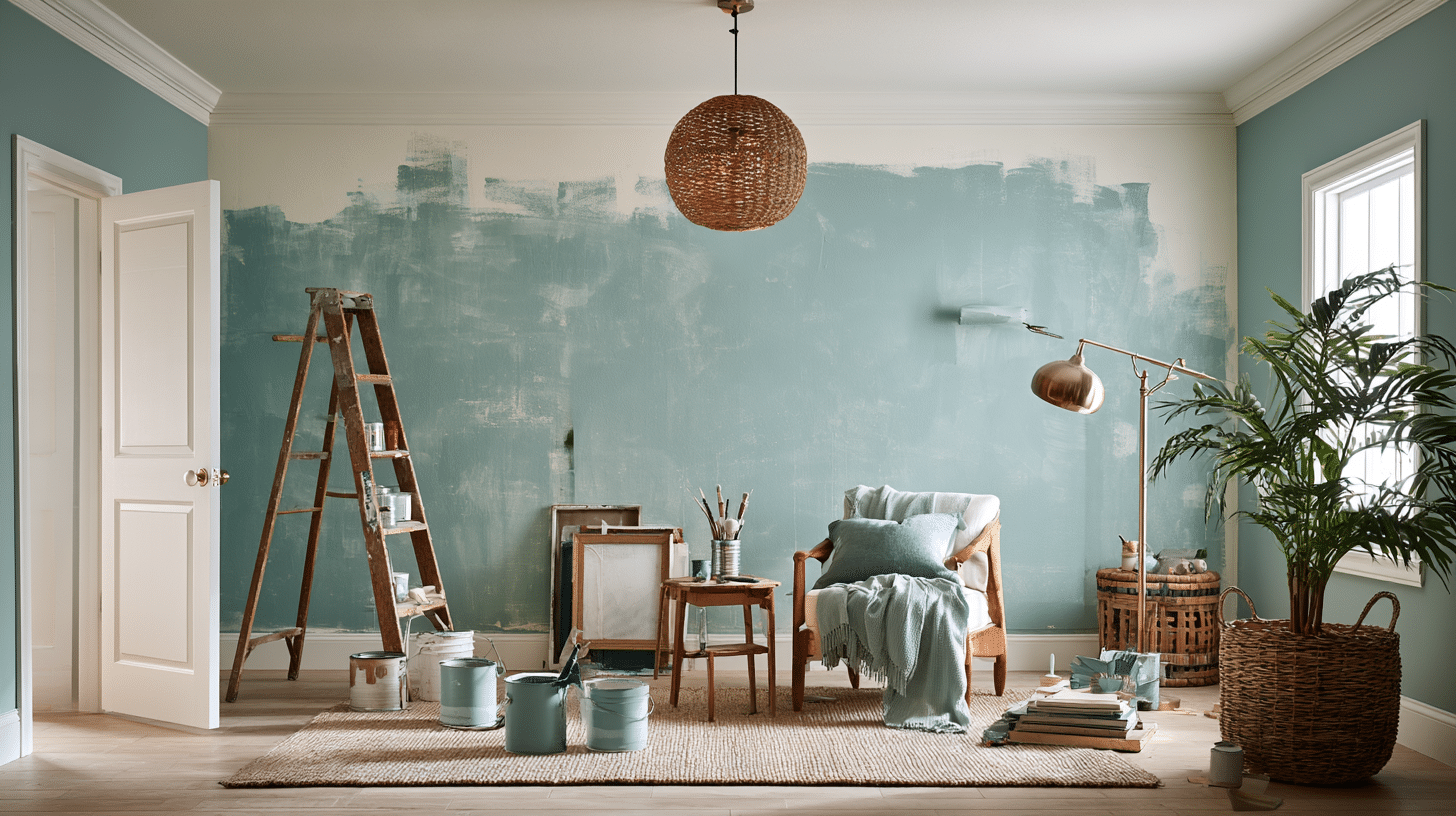
Reclaimed wood coffee tables show off unique character through subtle knots and rough edges. Lime washes on plaster walls add depth without releasing synthetic chemical fumes into living quarters. Handcrafted clay pottery and undyed hemp throw blankets complete the room with touchable warmth.
Mixing raw stone hearths with untreated timber shelving creates balanced visual weight. Unvarnished surfaces develop a rich patina as years pass that tells a story of daily family life. Simple maintenance using non-toxic seed oils keeps these natural materials protected for decades.
Integrating Living Greenery and Indoor Gardens
Plants bring living energy straight into main family seating zones. Home garden hobbyists set up seed starter trays on sunny windowsills right alongside leafy monsteras and trailing vines. Growing herbs and microgreens near main seating areas connects daily living with fresh plant care.
Vertical wall planters maximize tight floor layouts by turning empty drywall into lush botanical features. Potted ferns in porous terracotta containers balance indoor moisture levels naturally. These botanical additions improve air purity and keep your home tied to organic growth cycles.
Window seed starter trays allow families to sprout garden greens directly inside the living room. Nurturing small seeds into healthy sprouts brings functional food growing into everyday indoor living spaces.
Eco-Friendly Furniture and Market Shifts
Buying choices lean heavily toward non-toxic craftsmanship and long-lasting materials. Market projections show the sustainable interior design industry moving toward a $100 billion market size. Industry data projects the global eco-friendly furniture market reaching $58.3 billion in 2026. Buyers turn away from disposable furniture in favor of sturdy pieces crafted from responsibly harvested timber.
Upcycled wooden frames and modular cushions allow easy home repairs. Choosing solid maple or bamboo prevents unnecessary manufacturing waste from accumulating in municipal landfills. These durable choices outlast cheap synthetic furniture across decades of everyday family use.
Non-toxic wood glues and zero-VOC finishes protect indoor air quality from harmful off-gassing. Local furniture artisans craft solid dining tables and credenzas using traditional joinery methods. Investing in quality craftsmanship eliminates the need for frequent furniture replacements.
Energy-Efficient Ambiance and Smart Lighting
Lighting plays a major role in cutting home energy usage and maintaining a cozy mood. Modern setups blend low-wattage LED bulbs with handcrafted shades made from woven rattan or recycled paper. Intelligent controls make daily energy conservation effortless.
- Voice-activated smart controls that automatically dim lights during daylight hours.
- Color-tunable LED bulbs set to warm color tones for evening relaxation.
- Handcrafted shades made from upcycled agricultural fibers or organic linen.
- Solar-powered window accents charging through daytime light.
Task lighting focused over reading chairs cuts down on unneeded ceiling light usage. Natural daylight flows freely through sheer organic cotton curtains, reducing electric lamp needs until dusk.
Curating Upcycled and Thrifted Statement Pieces
Thrifted furniture shopping stops solid items from reaching local landfills. Restored wooden sideboards, vintage brass lamps, and secondhand ceramic art add character that mass-produced items cannot mimic. Shopping pre-owned items creates a distinct personal style with zero raw material extraction.
Repurposing vintage storage chests yields functional coffee tables with hidden storage. Sanding away old varnish reveals beautiful grain patterns underneath. Mixing antique treasures with contemporary eco-textiles crafts a space that grows gracefully as decades pass.
Secondhand wooden armoires offer generous storage without requiring new timber logging. Re-upholstering worn armchairs with organic canvas gives vintage frames a modern second life.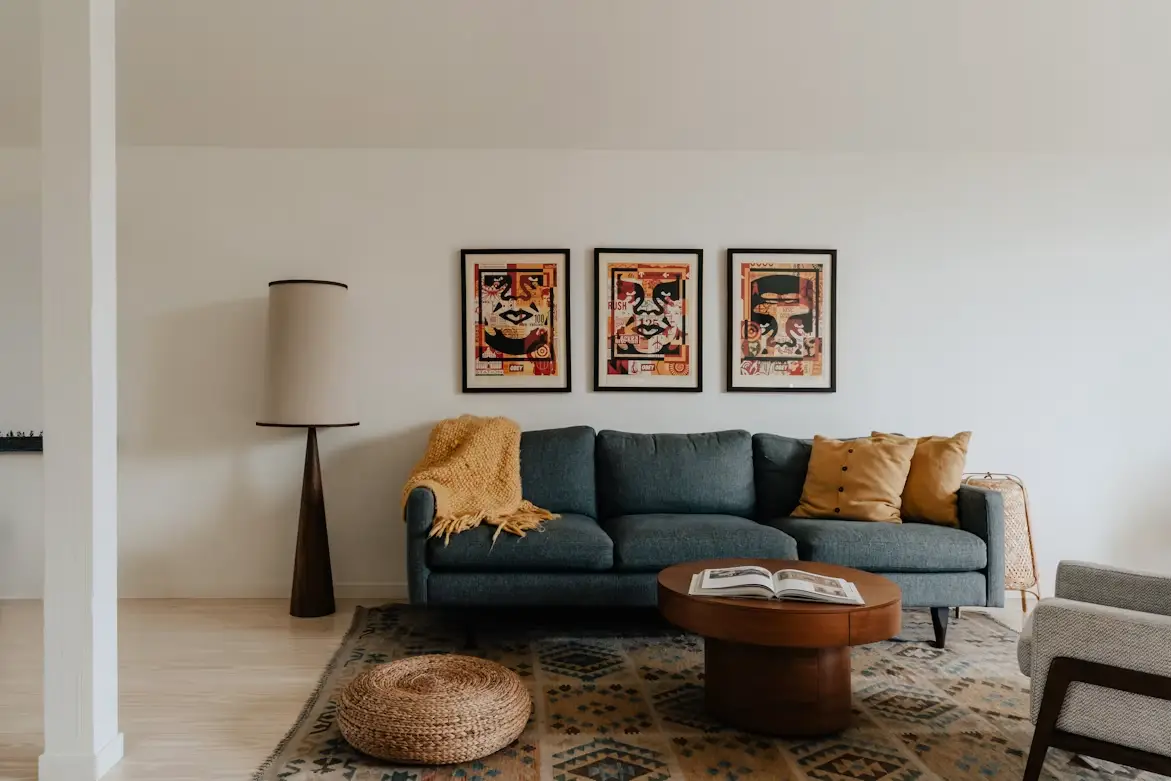
Building a green living space is a step-by-step journey of mindful decisions. Every natural textile, reclaimed wood table, and windowsill garden tray helps lower your footprint and boosts comfort. Mindful material choices create healthy indoor rooms, benefiting your household and nature alike.