I used to think my AC was just weak. Every summer in St. Pete, I’d crank the thermostat down, listen to the unit hum all day long, and still end up sweating in my own living room by mid-afternoon. The electric bills were embarrassing — sometimes hitting $280 in July — and I kept shrugging it off as just the Florida tax.
Then my neighbor, who lives in a nearly identical house two doors down, mentioned his summer bills were hovering around $140. Same size house. Same neighborhood. I had to know his secret.
Blown-in insulation. That was it. He had called one of the local attic insulation companies the previous spring, had the job done in a single afternoon, and hasn’t looked back since. I did the same thing a few months later, and I wish I had done it years ago. Here is everything I learned along the way.
Why Florida Homes Lose So Much Heat (and Cool Air)
Most people think insulation is a winter thing — something homeowners in Minnesota worry about, not folks in Florida. But that thinking is exactly backwards for those of us sweating it out on the Gulf Coast.
In a hot climate like St. Pete, your attic acts like a giant heat collector. On a sunny afternoon, attic temperatures can reach 140 to 160 degrees Fahrenheit. Without proper insulation, that heat radiates down through your ceiling and into your living space, forcing your air conditioner to work double-time just to keep up.
Older homes in the Tampa Bay area — especially those built before the 1990s — often have thin or degraded insulation that no longer meets modern energy standards. Fiberglass batts sag and compress over time, losing their effectiveness. Some homes have almost nothing up there at all. If you have not thought about your attic insulation in a while, there is a real chance it is quietly costing you every single month.
What Is Blown-In Insulation, Exactly?
Before I called anyone, I spent a few evenings reading up on the different types of insulation. There are batts (the pink fluffy rolls most people picture), spray foam, rigid boards, and blown-in. Each has its place, but blown-in kept standing out for attic applications — especially in retrofit situations like mine where I wasn’t doing a full renovation.
Blown-in insulation is exactly what it sounds like. Loose material — usually cellulose (recycled paper fibers) or fiberglass — is blown through a large hose into your attic space using a special machine. It fills every crack, corner, and gap evenly, including around joists, pipes, and other obstructions that batts can never quite conform to.
The main advantages for St. Pete homeowners include:
- Complete coverage with no gaps or voids
- High R-value (resistance to heat flow) per inch, important in extreme heat
- Works well over existing insulation without requiring tear-out
- Fast installation — most attic jobs are completed in half a day
- Cellulose options are eco-friendly and fire-resistant
The Department of Energy recommends an R-value of R-38 to R-60 for attics in Florida’s climate zone. Most older St. Pete homes I have talked to neighbors about were sitting at R-11 or lower. That gap is enormous — and it shows up directly on your utility bill.
How I Found the Right Attic Insulation Company in St. Pete
I will be honest — I was not sure where to start. I typed “attic insulation companies” into Google one evening and got a long list of results. Some were local, some were national chains, and a few had websites that looked like they hadn’t been updated since 2009. Sorting through them all felt overwhelming at first.
Here is the process I landed on after a lot of trial and error, and it worked out well for me.
Start With Local Reviews and Referrals
The best lead I got was from my neighbor, the one who inspired this whole thing. Personal referrals carry more weight than any online rating system, so if you know someone in the area who has had insulation work done, start there. Beyond that, neighborhood apps and local Facebook groups for St. Pete homeowners are full of honest, unfiltered feedback about contractors.
I also checked Google reviews specifically for businesses listed in Pinellas County, not just the Tampa metro area. A company that services dozens of counties sometimes doesn’t give smaller markets the attention they deserve.
Ask for a Free Attic Assessment
Every reputable attic insulation company should offer a free inspection before giving you a quote. They come out, go into the attic, check your current R-value, look for air leaks, assess ventilation, and tell you what they find. If a company skips this step and just quotes you a flat price over the phone without seeing your attic, that is a red flag.
I had three companies come out for assessments. Each one found roughly the same issues — about R-9 coverage across most of the attic, a few gaps near the eave vents, and one area near the HVAC unit where the existing insulation had been pushed aside. The quotes varied by about $400 total, which was less than I expected.
Verify Licensing and Insurance in Florida
Florida requires insulation contractors to hold a certified contractor license. Before you sign anything, ask for their license number and verify it through the Florida Department of Business and Professional Regulation (DBPR) website. It takes about two minutes and gives you real peace of mind.
Also confirm they carry general liability insurance and workers’ compensation coverage. You do not want to be on the hook if something goes wrong while a crew is working in your attic.
Ask About the Material They Use
Not all blown-in insulation is the same. Cellulose tends to perform a little better in humid climates because it manages moisture slightly differently than fiberglass blown-in, though both work well in Florida with proper attic ventilation. Ask each company what product they recommend and why — a contractor who can explain their material choice confidently is one who knows their craft.
What the Best Blown-In Insulation Looks Like in St. Pete: The Installation Day
The company I went with scheduled the job for a Tuesday morning. Two technicians arrived at 8 a.m., and by noon it was completely done. I want to walk you through what actually happened because I think a lot of homeowners expect it to be more disruptive than it actually is.
First, they sealed all the air leaks they found during the assessment — gaps around recessed light fixtures, the area where plumbing pipes pass through the attic floor, and a few spots along the top plates of interior walls. This air sealing step is crucial. Blown-in insulation slows heat transfer, but air sealing stops conditioned air from escaping entirely. Skipping it leaves real energy savings on the table.
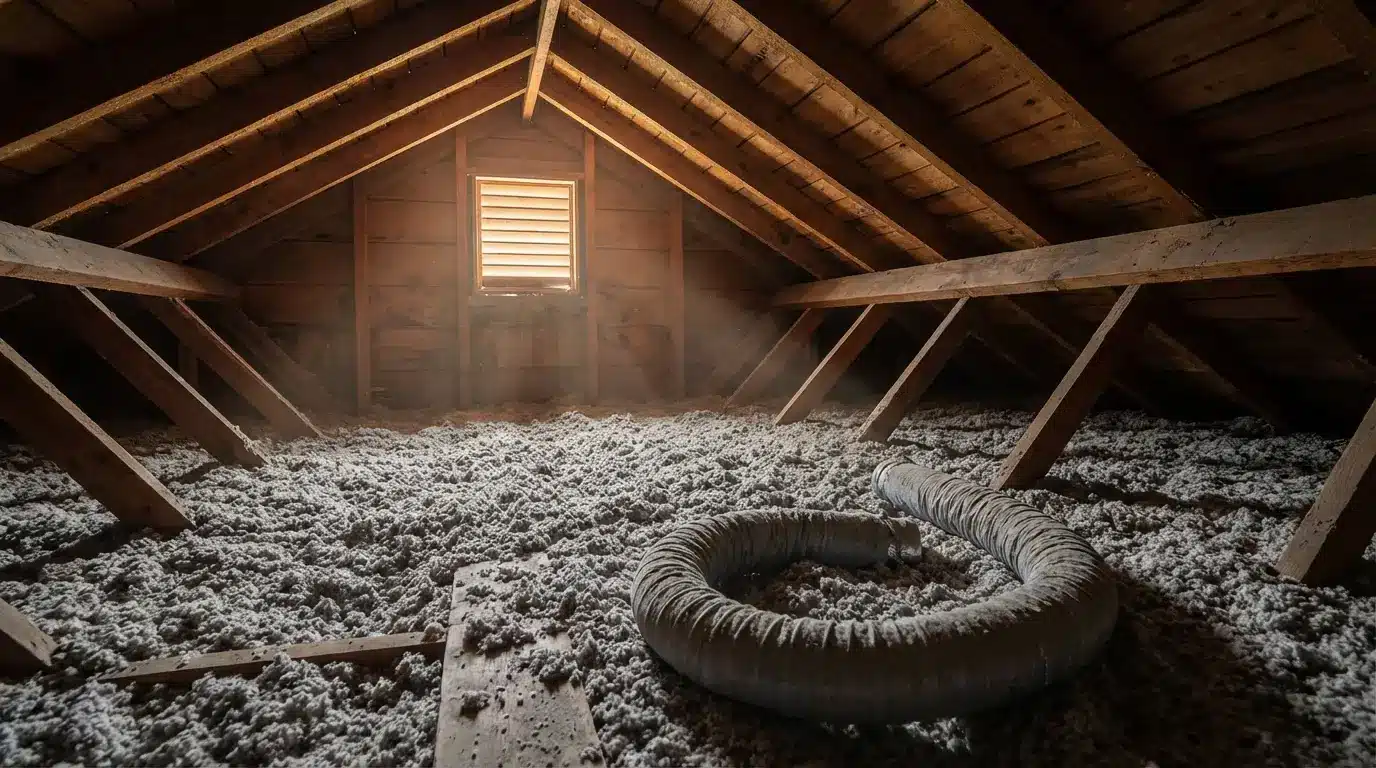
Then they ran a large flexible hose up through the attic access hatch, connected it to the blowing machine they had parked in my driveway, and started filling the space. Within about two hours, the attic floor was covered with a thick, even layer of cellulose that completely buried the old batts underneath. They measured the depth at multiple points to confirm they hit the R-49 target we had agreed on.
Cleanup was minimal. They vacuumed the hallway, wiped down the access hatch area, and were gone. My house smelled slightly dusty for an afternoon, and that was it.
The Results: What Actually Changed
I want to be specific here because vague promises about “lower energy bills” are everywhere and I find them kind of useless. Here is what I actually noticed in my home after the blown-in insulation was installed.
Energy bills: My first full summer post-insulation, my July bill was $161. The summer before, it had been $278 in the same month. That is a savings of $117 in a single month. Over the full summer season (roughly May through October), I estimate I saved somewhere around $500 to $600 total.
Comfort: This one surprised me most. The rooms on the second floor of my house — which had always been noticeably hotter than the rest — felt dramatically different within a couple of weeks. My AC runs for shorter cycles now, and the temperature holds much more consistently throughout the day.
Noise: A bonus I hadn’t expected. The extra insulation mass in the attic reduced some of the road noise from the street. It is not dramatic, but my house feels quieter, especially in the front rooms.
Payback period: My total installation cost was $1,450. At roughly $600 in annual energy savings, I will have paid off the job in about two and a half years. After that, it is pure savings — and the insulation should last 20 to 30 years with no maintenance.
Tips for Homeowners Considering Blown-In Insulation in St. Pete
Get multiple quotes, but do not just go for the lowest price. Ask each attic insulation company what R-value they will achieve and how they plan to air seal before blowing. A cheaper quote that skips the air sealing step will underperform.
Check for utility rebates. Duke Energy and Tampa Electric (TECO) both have energy efficiency rebate programs that may cover a portion of your insulation project. Ask your contractor if they are familiar with the current programs, as many will handle the paperwork for you.
Schedule in spring or fall. Attic work in summer is brutal for the crews, and many companies are booked solid from June through August. You may get better scheduling flexibility and possibly better pricing if you plan the project in March, April, October, or November.
Address moisture issues first. If you have any signs of moisture, mold, or roof leaks in your attic, those need to be fixed before insulation goes in. Any reputable company will flag this during their inspection, but it is worth knowing upfront.
Ask about the federal tax credit. Under current federal energy efficiency incentives, insulation improvements may qualify for a tax credit of up to 30 percent of the project cost. Check with your tax advisor or the ENERGY STAR website for the most current information.
Frequently Asked Questions
How Do I Know if My Attic Needs More Insulation?
A few signs: your energy bills seem high compared to neighbors with similar-sized homes, rooms on the top floor feel significantly hotter than the rest of the house, or you can see the floor joists in your attic (meaning the insulation isn’t even covering them). A free inspection from a local attic insulation company will give you a definitive answer.
What Is the Best Blown-In Insulation for St. Pete’s Climate?
Both cellulose and fiberglass best blown-in insulation St. Pete. Cellulose has a slight edge in humid climates because of how it handles moisture, and it is made from recycled materials if that matters to you. Fiberglass blown-in is also effective and is sometimes preferred in homes with existing moisture concerns. A knowledgeable contractor will recommend the right option after inspecting your specific attic conditions.
How Long Does Blown-In Insulation Installation Take?
Most residential attic jobs in a standard St. Pete home take between three to five hours from start to finish, including air sealing and cleanup. Larger homes or complicated attic layouts may take a full day. You typically don’t need to leave the house during the work.
How Much Does Blown-In Attic Insulation Cost in the St. Pete Area?
Prices vary depending on attic size, current insulation levels, and how much air sealing is required. As a rough ballpark, most homeowners in the Tampa Bay area pay between $1,000 and $2,500 for a standard single-story attic. Getting three quotes from reputable attic insulation companies is the best way to understand pricing for your specific home.
Does Blown-In Insulation Settle and Lose Effectiveness Over Time?
All blown-in insulation settles somewhat after installation, which is why professional installers blow it in at a depth slightly above the target to account for settling. Once settled, it remains effective for 20 to 30 years under normal conditions. It does not need to be replaced unless it gets wet, which is why fixing any moisture issues beforehand is so important.
Can I Install Blown-In Insulation Myself?
Some big-box hardware stores rent blowing machines, and there are DIY kits available. It is technically possible to do it yourself, but I would not recommend skipping the professional route for most homeowners. The air sealing step is the part that really moves the needle on energy savings, and that requires some expertise to do correctly. A professional contractor will also know how to handle attic ventilation and can spot issues like moisture damage or inadequate ventilation baffles that a DIYer might miss.
Will Insulation Alone Fix My High Energy Bills?
Insulation is one of the highest-impact improvements you can make, but it works best as part of a broader home energy strategy. Other contributors to high bills in St. Pete homes include old or undersized HVAC systems, leaky ductwork, single-pane windows, and inadequate window shading. If your bills are still high after insulating, a home energy audit can help identify the next biggest opportunity.
Final Thoughts
If you are a homeowner in St. Pete dealing with high summer energy bills, sluggish AC performance, or rooms that just refuse to cool down, blown-in insulation is one of the most effective and practical upgrades you can make. It is not glamorous — nobody posts an Instagram reel about their attic insulation — but few home improvements deliver a faster and more consistent return on investment in Florida’s climate.
Start by reaching out to a few local attic insulation companies for free assessments. Ask the right questions, compare your quotes carefully, and look into available utility rebates and federal tax credits before you commit. The upfront cost feels real, but the monthly savings feel real too — and they keep coming for decades.