I never meant to care about orchids. But one showed up in a cracked pot outside a corner store, half-forgotten, still blooming like it didn’t care.
That stuck with me. I started noticing them more: on windowsills, in greenhouses, even hanging upside down in trees.
Turns out, orchids don’t fit in a box. There are hundreds of kinds, each with its own way of surviving and showing off.
If you’re here to figure out the types of orchids, you’re in the right place.
This blog breaks them down clearly: what makes each one different, which are easier to care for, and how to tell them apart without needing a science degree. You’ll see what makes these flowers quietly fascinating.
Why Orchids Can Feel Confusing at First
Orchids can throw you off, especially in the beginning. You might see one name on the tag at the store, but then five other names pop up when you search for it online.
That’s because orchids belong to one of the most prominent plant families in the world. Some have scientific names, some have nicknames, and others are named after people or places. It gets messy fast.
Stores often use broad or made-up names to make orchids sound nicer or easier to sell. Online lists can be just as confusing; they’re long, full of fancy words, and often don’t match what you see in person.
Photos don’t help much either. A flower might look bright and perfect online, but in your home, light, temperature, and care change everything.
Owning an orchid is different than seeing one in a picture, it’s more real, and sometimes more surprising.
Types of Orchids You’re Most Likely to See
When it comes to orchids for your home, a few types show up more than others. These are the ones you’ll find in stores, online, or on someone’s windowsill.
They’re popular for a reason: simple care, steady blooms, and bold looks. Here’s a quick guide to the types of orchids you’re most likely to run into:
Phalaenopsis (Moth Orchids)
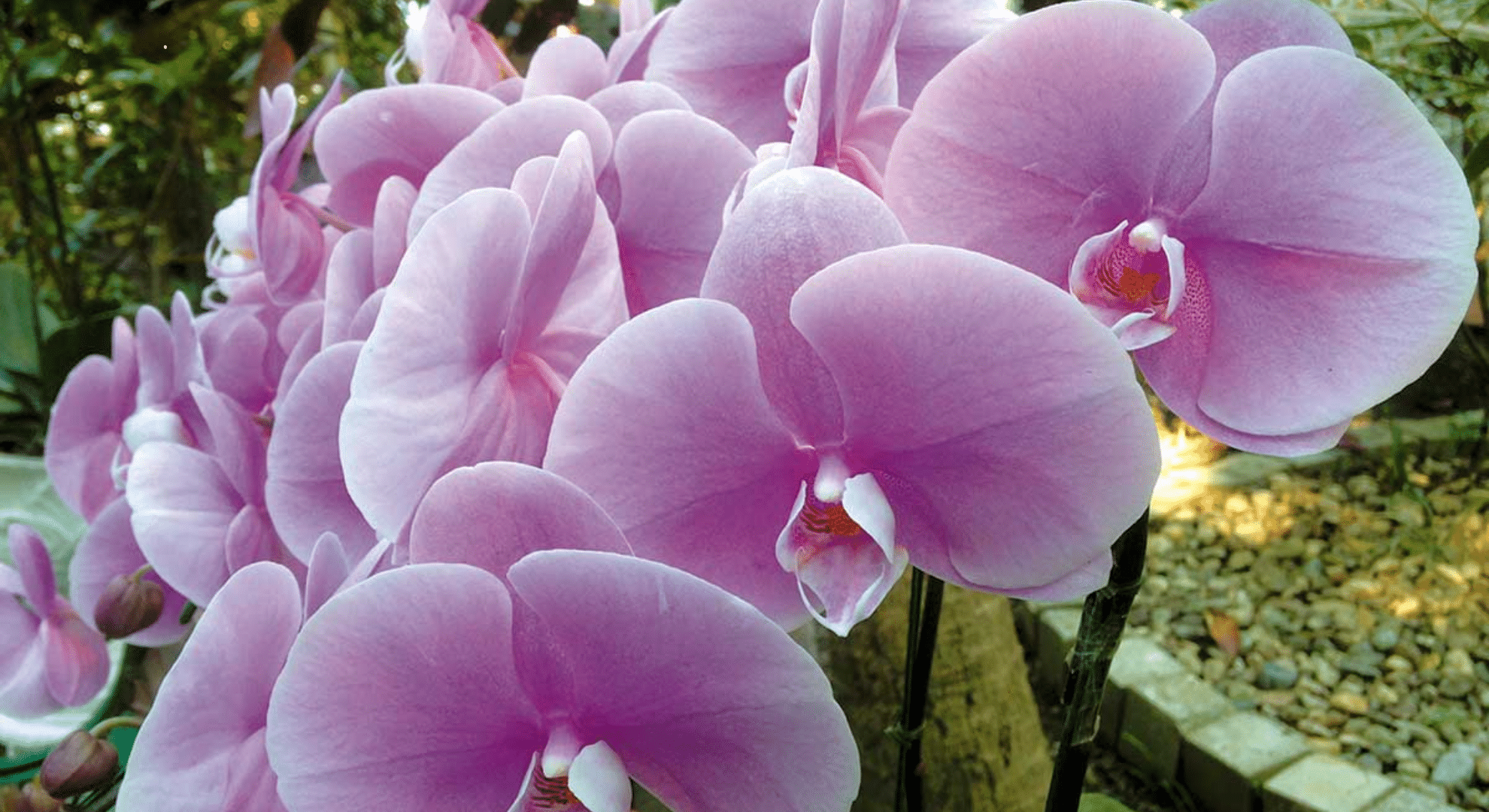
These orchids have wide, flat flowers that last for months. They bloom in pinks, purples, and whites.
They’re the easiest for beginners: low light, weekly watering, and no drama. That’s why they’re sold everywhere. Even if you’ve never owned a plant before, Phalaenopsis orchids are a great place to start.
Cattleya Orchids

Cattleyas have large, ruffled blooms that grab attention. Some smell sweet, and they often bloom once a year. They need bright light and a bit more care than beginner orchids.
If you already enjoy houseplants and want something bold, this type could be a fun next step.
Dendrobium Orchids
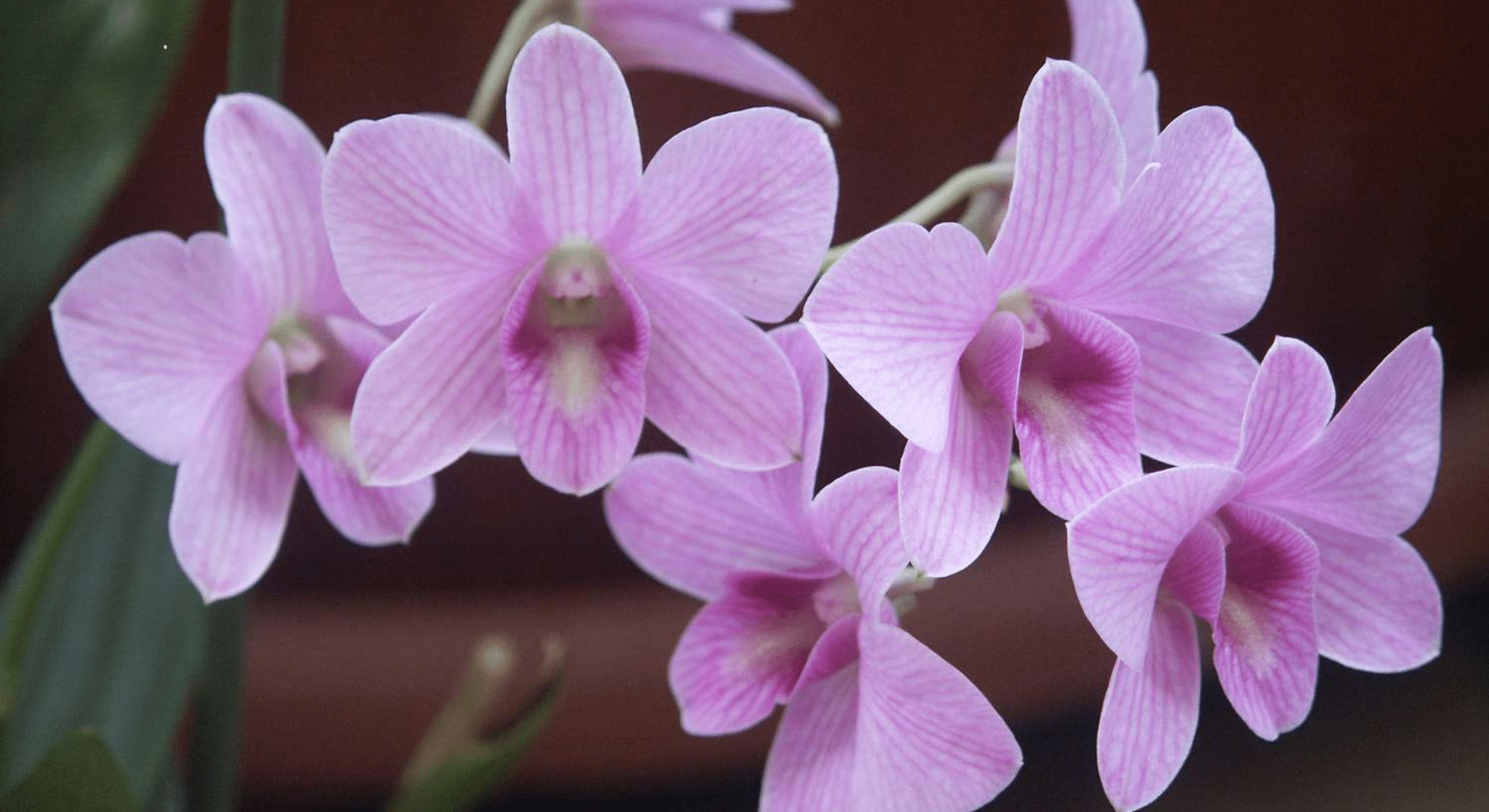
Dendrobiums grow tall, with thin canes and seasonal blooms. Flowers appear along the cane and can surprise you in cooler months. Many beginners cut the canes too early, but don’t.
These orchids need bright light and cooler nights. They’re a good pick if you want a different growing style.
Cymbidium Orchids
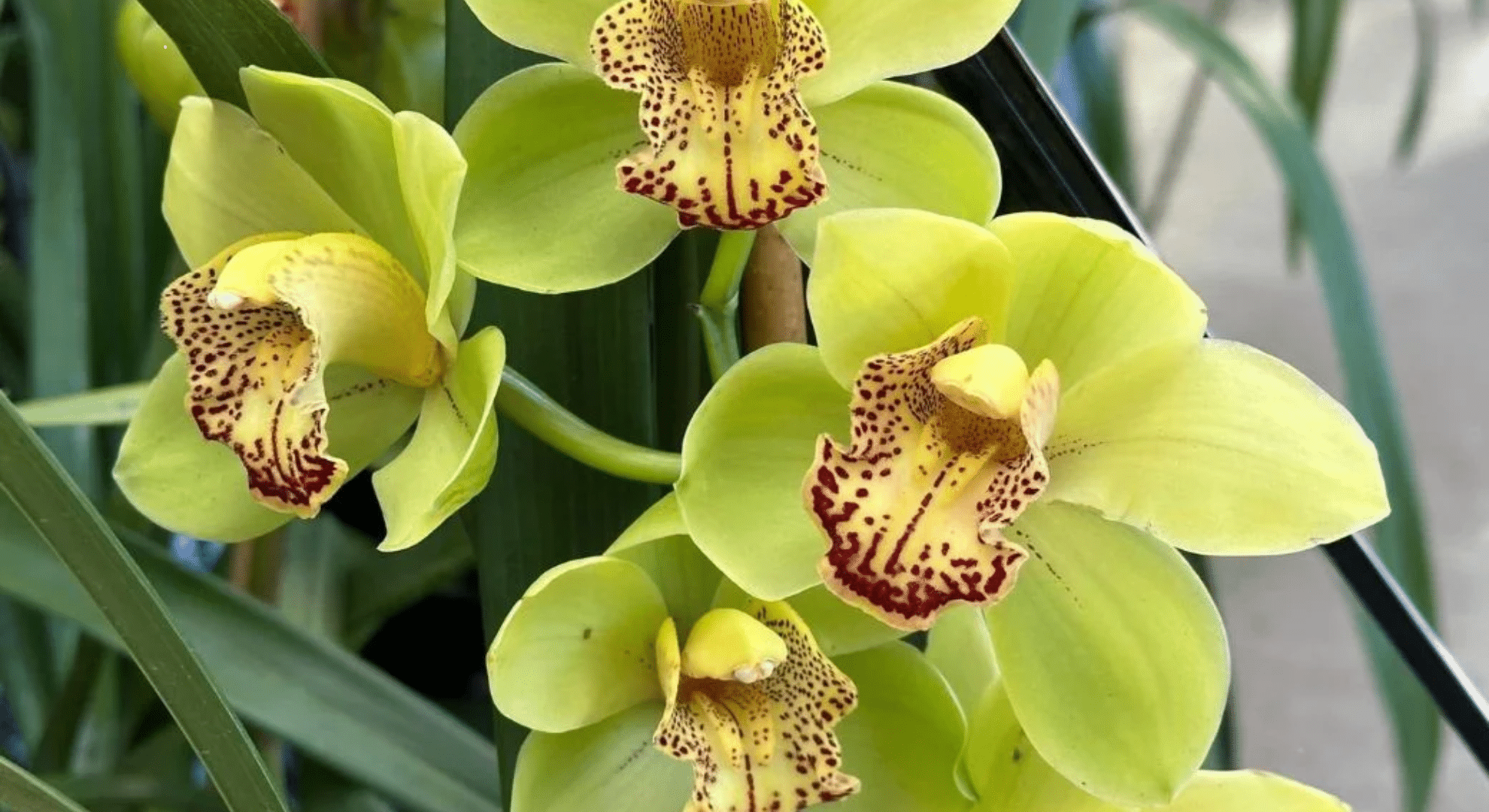
Cymbidiums love cooler weather and often grow well outside in mild climates. Their flowers are smaller but bloom in full sprays.
They need cooler nights to bloom, unlike other types. If your home has bright, cool spaces, these orchids can do really well and bloom once a year.
Vanda Orchids
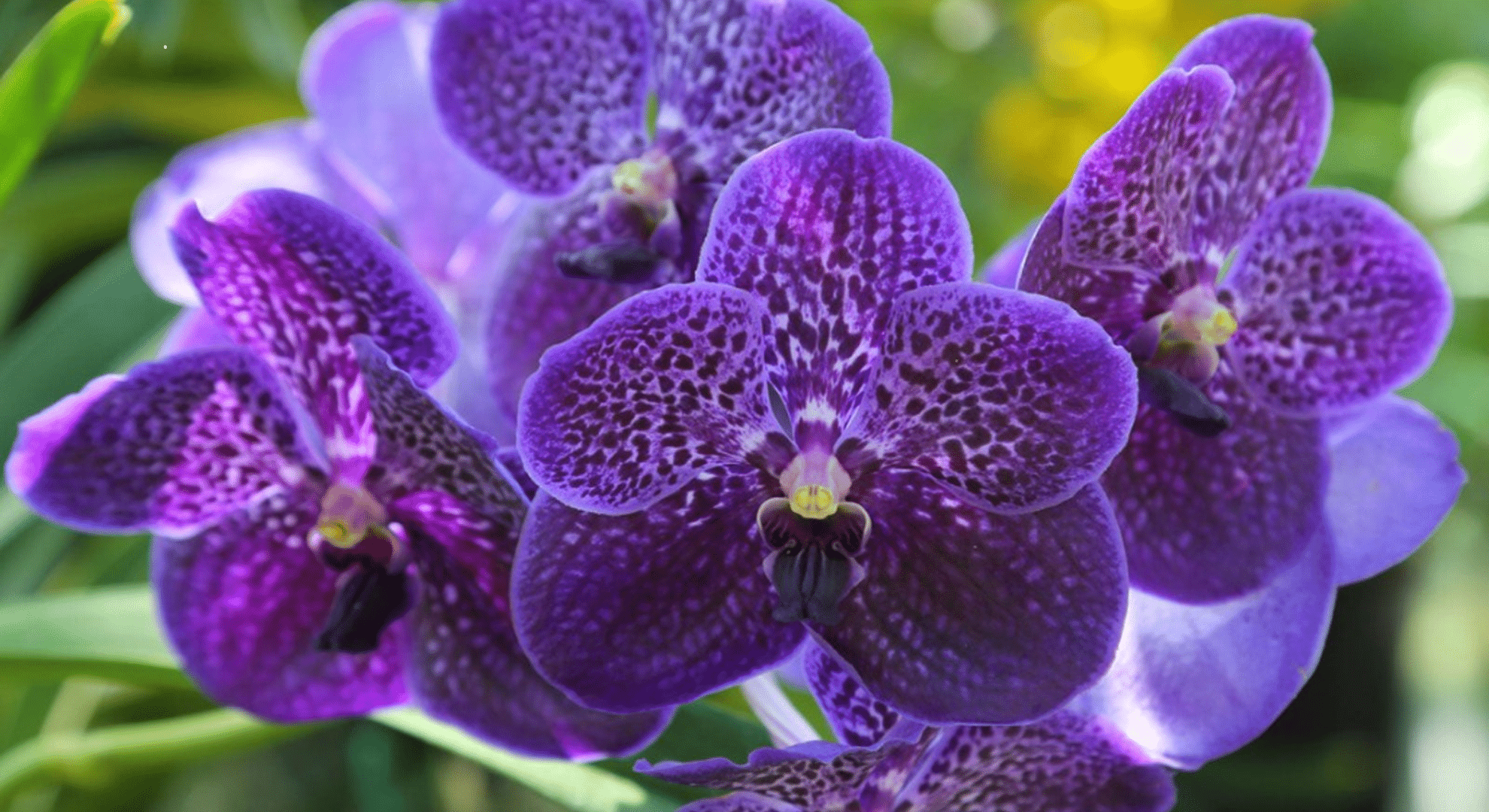
Vandas grow in open baskets with roots hanging in the air. They need daily watering and lots of light and humidity. Their blooms are bright and round, often in blue or purple.
They’re harder to care for but visually amazing. Great if you want a challenge and have time for daily care.
Paphiopedilum (Slipper Orchids)
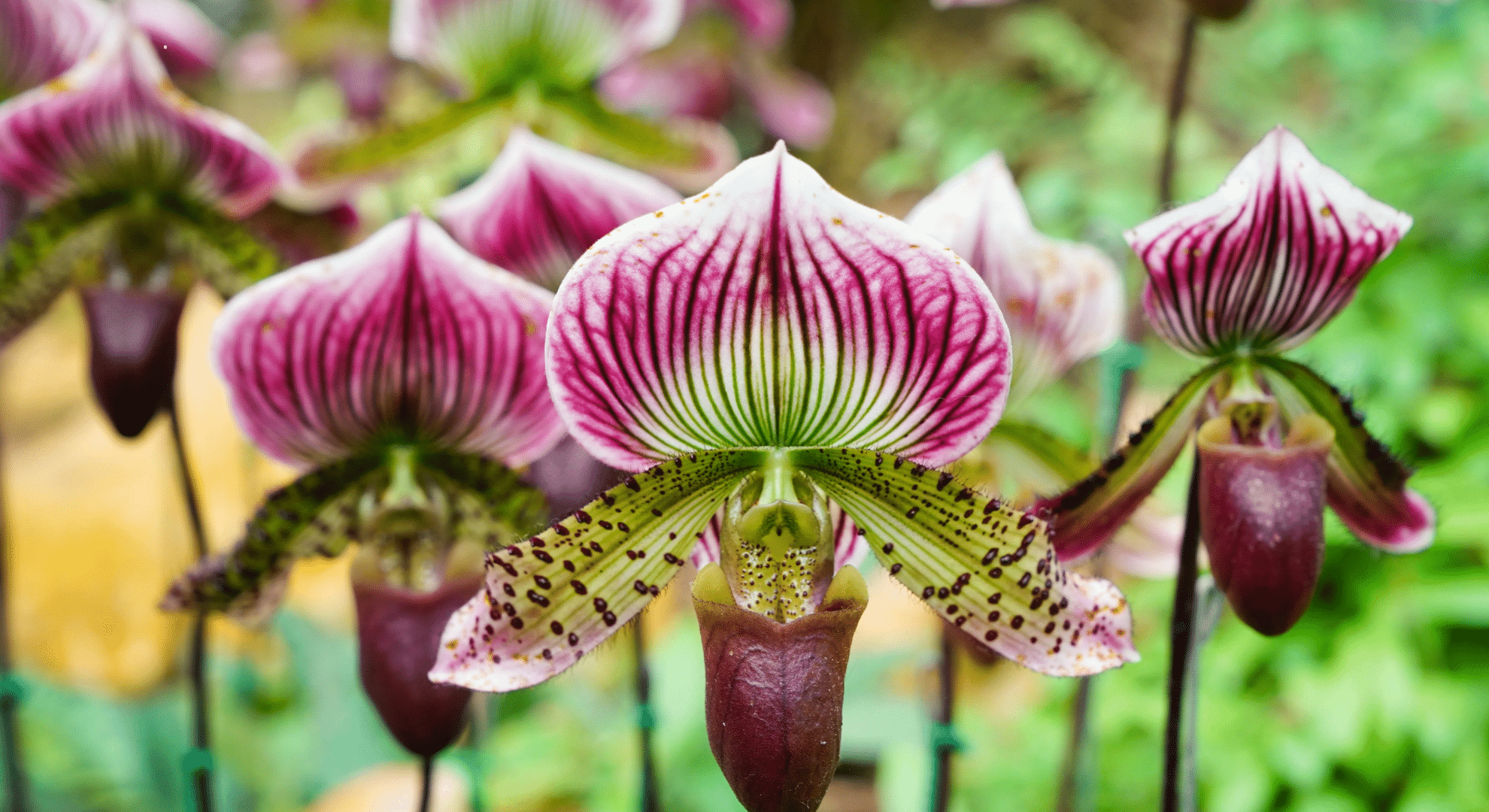
These orchids have pouch-like flowers and patterned leaves. They like low to medium light and grow well indoors. Their flowers last weeks, and their leaves stay attractive year-round.
Slipper orchids are easy to care for and good if you want something a little weird but low-maintenance.
How Orchids Are Classified
Orchid names can sound complicated, but the basic idea is simple. Think of “genus” as the family name. It’s the group orchids belong to, like Phalaenopsis or Cattleya.
“Species” is like the first name, showing the exact type within that family. A “hybrid” is a mix of two or more orchids, usually made by growers to create new colors or shapes.
For most people growing orchids at home, you only need to know the genus. That tells you how the plant grows, how much light it needs, and how often it blooms. It’s the most useful part.
Orchids are often grouped by how their flowers look or how the plant grows. That’s why you’ll see types based on shape or growing habits, not long scientific names.
Scientific names matter more if you are breeding orchids or collecting rare ones. Otherwise, the basics are all you really need.
Different Types of Orchids Based on How They Grow
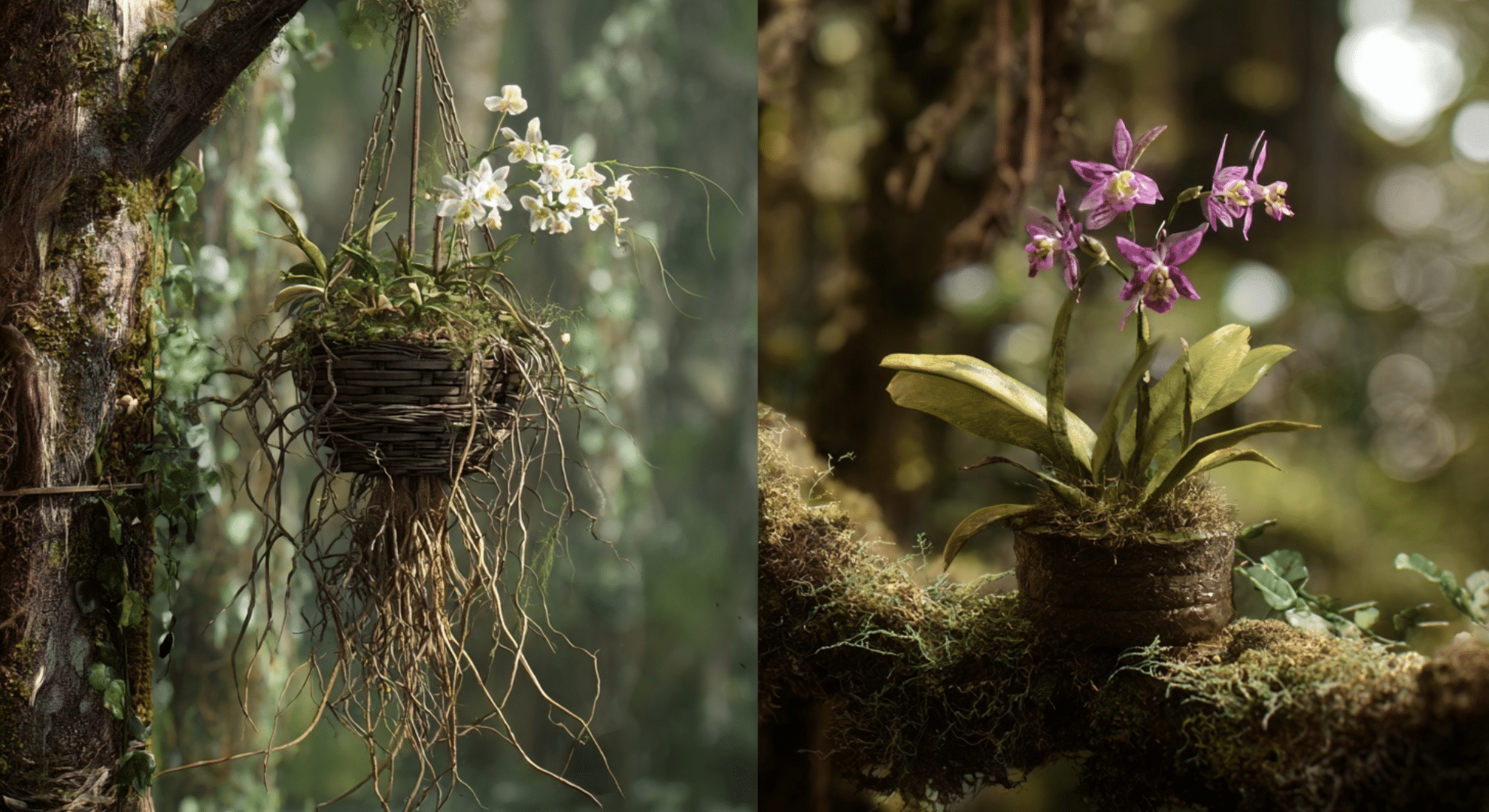
Another way to look at the different types of orchids is by how they grow, not just by their names. This helps you understand what they need and where they’ll do best.
Some orchids are epiphytic, which means they grow on trees in nature. Their roots stay exposed and pull moisture from the air. These orchids, like Phalaenopsis and Vanda, don’t like to sit in soil.
They need airy pots or even hanging baskets.
Others are terrestrial, which means they grow in the ground. Their roots are used to soil or mossy layers. Paphiopedilum orchids are a common example.
Knowing the growth style matters. Epiphytic orchids need fast-draining setups and more air around their roots. Terrestrial types hold more water and like snugger pots.
When you match the setup to the growth type, watering becomes easier and your orchid stays healthier.
How to Identify the Orchid You Already Have
If you’ve got an orchid at home but aren’t sure what type it is, don’t worry, it happens a lot.
Many orchids are sold without clear labels, and the names can be confusing anyway. But you can still figure it out by looking closely at how your plant looks and grows.
These small clues will point you in the right direction. Here are a few things to look for:
- Flower shape and size: Flat, wide petals often mean Phalaenopsis; pouch-shaped flowers suggest a Paphiopedilum.
- Leaf patterns: Mottled or spotted leaves are common in slipper orchids; plain, thick leaves are typical of Phalaenopsis or Dendrobium.
- Growth style: Roots in open air and no soil often point to epiphytic orchids like Vanda; tall, cane-like stems suggest Dendrobium.
Once you have those details, you can compare your orchid to photos online or ask a plant expert. It’s a simple step that can make care much easier.
Best Types of Orchids to Grow at Home
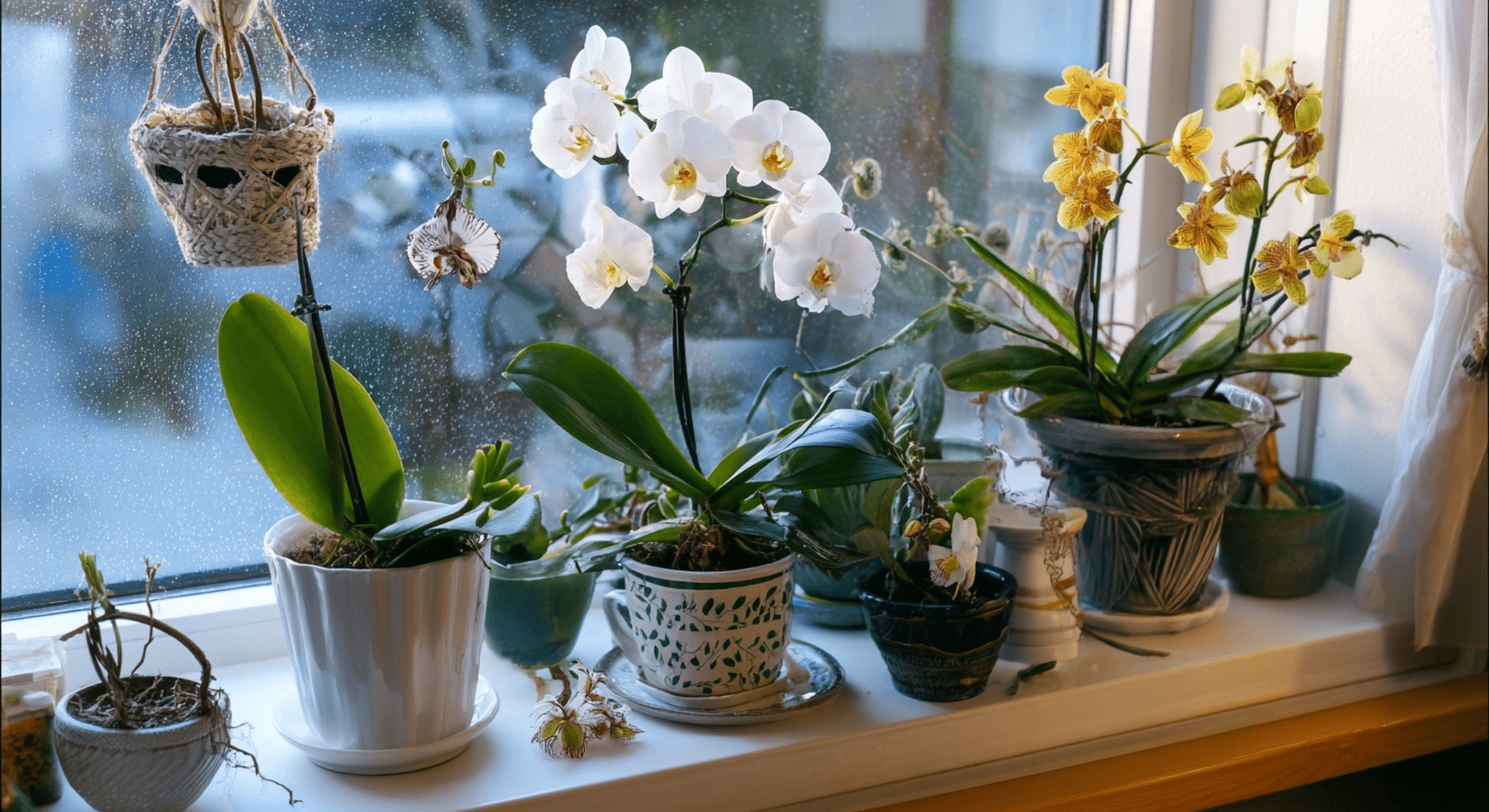
Not all orchids like indoor life, but some types do really well in average home settings.
Phalaenopsis orchids are the top choice, they handle low to medium light, bloom for months, and bounce back from missed watering. Paphiopedilum orchids are another good option.
They enjoy low light and are grown for both their flowers and their patterned leaves.
If you often forget to water, these two are your best bet. Their roots and leaves can handle a little delay.
Orchids like Cymbidium and Vanda are harder indoors. Cymbidiums need cooler temps to bloom, and Vandas need daily care and high humidity.
These are better left for experienced growers or greenhouse setups.
If you care more about blooms than leaves, go for Phalaenopsis or Cattleya. If you like pretty leaves even when the plant isn’t flowering, Paphiopedilum is ideal.
Start simple, and your orchids will reward you.
Indoor vs. Outdoor Orchid Types
Some orchids grow best indoors all year, while others can handle outdoor conditions, if the climate matches their needs.
Moving orchids between indoors and outdoors also takes timing, especially with changing temperatures.
| Orchid Type | Indoor Only | Can Grow Outdoors | Notes |
|---|---|---|---|
| Phalaenopsis | Yes | No | Prefers steady indoor temps; sensitive to cold |
| Paphiopedilum | Yes | No | Grows well in low indoor light; keep inside |
| Cymbidium | No | Yes | Needs cool nights; ideal for mild outdoor fall |
| Dendrobium | Yes | Yes | Likes bright light; can go outside in summer |
| Vanda | No | Yes | Needs high light and humidity outdoors |
| Cattleya | Yes | Yes | Can grow outdoors in warm, bright conditions |
Putting an orchid outside without checking its needs can lead to burned leaves, missed blooms, or stress. Always consider light, temperature, and season before moving your orchid.
How Many Types of Orchids Exist Worldwide?
There are over 25,000 known species of orchids around the world, making them one of the largest plant families on Earth.
In addition to that, growers have created more than 100,000 hybrids through crossbreeding. These numbers grow every year as new orchids are found in nature and new hybrids are developed in labs and greenhouses.
Orchids are found on every continent except Antarctica, with the highest variety in tropical regions like Southeast Asia and South America.
Some grow on trees, some in soil, and others even on rocks. Despite all this variety, only a small number of orchids are commonly grown in homes.
Most people stick to a few easy types that do well indoors.
Final Thoughts
When I started learning about orchids, I thought it would be too much: too many names, too many rules. But once I focused on just understanding how each type grows, it all got easier.
I stopped overthinking and started noticing what my plant actually needed.
You can do the same. You don’t need to know everything, just enough to notice patterns, match care to the plant, and make small changes when required.
Keep things simple, and don’t rush. Orchids take their time, and that’s okay.
If this helped clear things up, don’t stop here. There’s more to learn, and it gets easier as you go. Check out the other blogs for garden help just for you!