
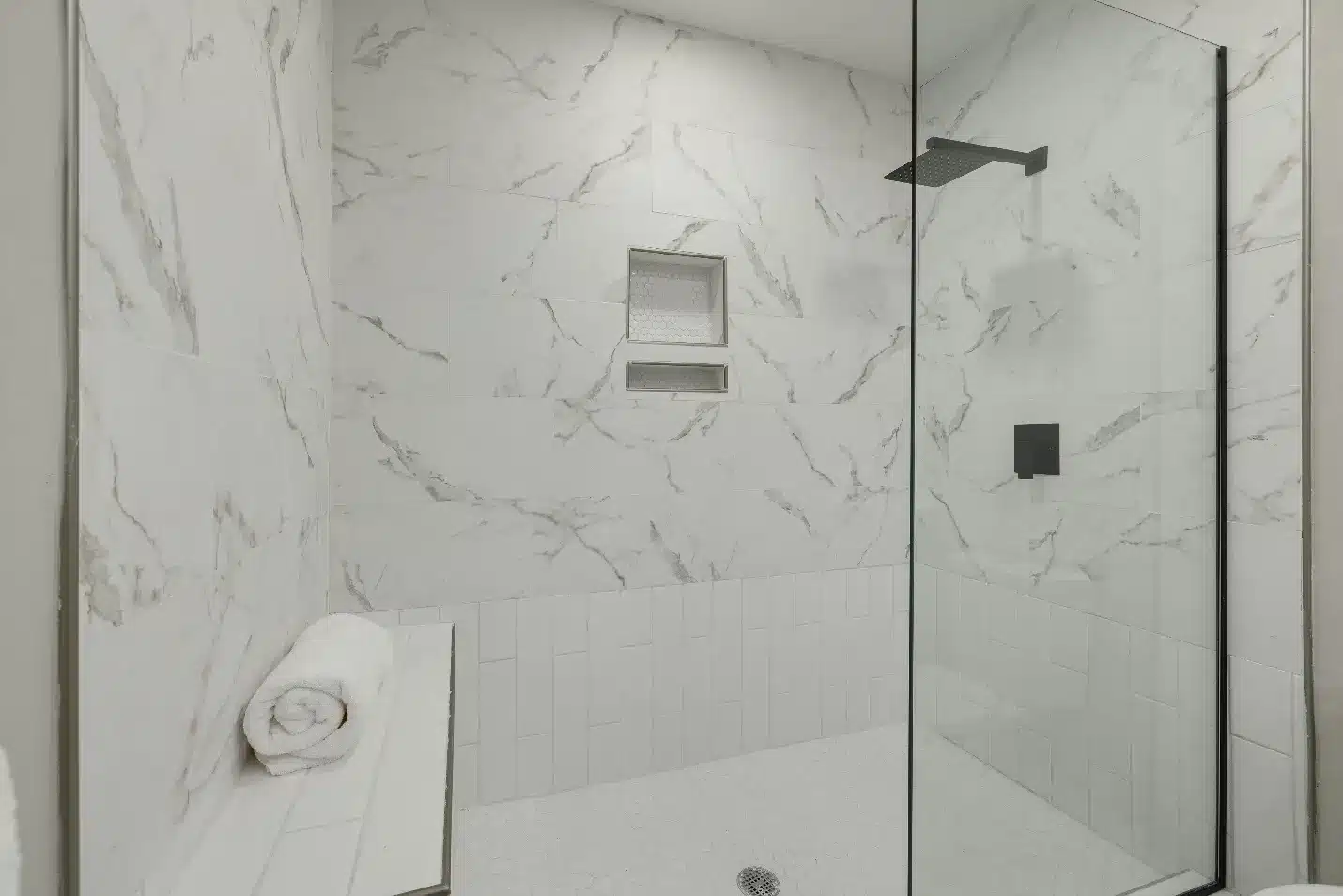
You notice it when you reach for something and there is nowhere clean to put it down, so it ends up balancing on the edge of the sink like it always does. Nothing is broken exactly, but nothing works smoothly either. That kind of friction builds up, day after day, until the space feels more like something you manage than something you use.
In places like Tampa, where many homes carry older layouts and bathrooms were not designed for how people live now, these small issues tend to show up more often. Tight spaces, outdated fixtures, and materials that have simply aged out create daily inconvenience. It is not always obvious at first, but over time, the bathroom starts to feel like it is working against you instead of with you.
When Daily Use Starts Feeling Off
The first sign is usually not visual. It is how the space feels when you use it. Maybe the lighting is too dim in the morning, or too harsh at night. Maybe the sink area feels crowded even when there is not much on it.
Over time, routines become slower. You adjust your movements without thinking. You lean around things, reach a little further, or avoid using certain parts altogether. That is usually when people start to realize the setup no longer fits how they live.
Looking Closer at Shower Function and Wear
Showers tend to show wear earlier than other parts of the bathroom. Constant use, water exposure, and cleaning products all take a toll. At first, it might just be a small crack or a bit of discoloration that does not come off. Then the issues start to stack. Water pressure feels inconsistent. The floor may not drain properly. Surfaces begin to feel less stable underfoot. In Tampa shower replacement may be needed sooner than later.
For homeowners dealing with these gradual issues, shower replacement is a way to reset that part of the bathroom without reworking everything at once. The idea is less about appearance and more about restoring reliability where it has slowly faded.
Storage That Never Quite Works
Storage problems rarely show up all at once. It starts with a few extra items on the counter. Then a drawer gets crowded. Eventually, things no longer have a place, so they just stay out. This affects more than just how the bathroom looks. It slows things down. You spend time moving items around, looking for space, or avoiding clutter instead of fixing it. That routine becomes normal, which makes it harder to notice.
Better storage does not always mean adding more space. Sometimes it means using the existing space differently. But when the current setup cannot support daily use, it becomes clear that something needs to change.
Materials That Have Reached Their Limit
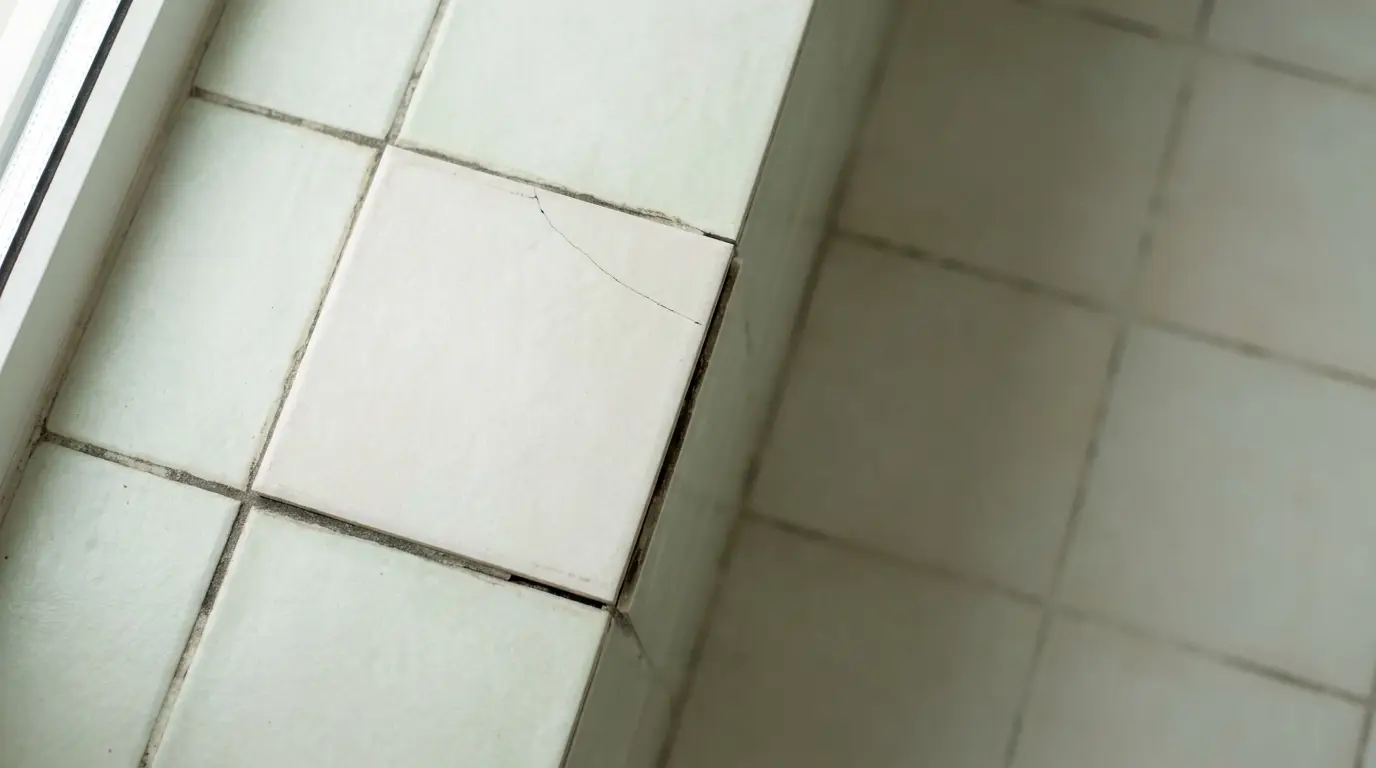
Bathrooms deal with moisture constantly. Over time, materials start to show it. Grout stains that do not clean up. Tiles that feel loose. Fixtures that look worn even after cleaning.
These are not just cosmetic issues. They often point to deeper wear. Water may be getting into places it should not. Surfaces may not be sealing properly anymore. These small failures tend to grow quietly. Replacing materials at the right time can prevent larger repairs later. Waiting too long often leads to more complicated problems, especially when moisture is involved.
Layout That No Longer Makes Sense
Older bathroom layouts were designed for different routines. Fewer products, fewer devices, and often fewer people using the space at the same time. That shows up in how the room is arranged. The sink might be too close to the wall. The door may block movement. The shower may take up space that could be used more effectively. These issues are not always obvious until you start thinking about how often they interfere. A layout that worked years ago may not work now. Adjusting it can make the space feel larger, even if the actual size does not change.
Lighting That Works Against You
Lighting is often overlooked, but it affects everything. Poor lighting makes it harder to see clearly, which affects grooming and cleaning. It can also make the space feel smaller or less comfortable.
In many bathrooms, there is only one main light source. That creates shadows or uneven brightness. Adding or adjusting lighting can change how the space feels without major construction. It is one of those changes that seems small until it is done. Then it becomes hard to imagine going back.
Fixtures That Feel Outdated in Use
It is not always about how fixtures look. It is how they behave. A faucet that splashes too much. A handle that is hard to turn. A toilet that uses more water than necessary. These details affect daily use more than people expect. They are touched and used constantly. When they do not work smoothly, the experience of the whole room changes. Upgrading fixtures can improve function without requiring a full remodel. But when several fixtures show the same kind of wear, it often makes sense to address them together.
When Cleaning Becomes Too Much Work
A bathroom should be easy to maintain. When cleaning starts to feel like a constant task, it usually means the surfaces are no longer doing their job. Grout that traps dirt, fixtures that stain easily, and materials that wear unevenly all contribute to this. You clean, but it does not feel clean for long. This is often one of the clearer signs that materials have reached their limit. Newer options tend to be designed with easier maintenance in mind, which reduces effort over time.
None of these issues alone usually pushes someone to upgrade. It is the combination. Slight inconvenience here, small wear there, a bit more effort than before. Over time, it adds up. The bathroom still works, but it does not work well. That difference becomes more noticeable the longer it goes on. It starts to affect how the day begins and ends, even if it is not obvious at first. Upgrading is not always about making something look better. It is often about removing friction from daily routines. When the space supports what you need without getting in the way, the change feels less like an upgrade and more like a correction.