
Remodeling a basement sounds exciting at first. It’s often seen as “extra space” just waiting to be turned into something useful, a cozy family room, a home office, or even a guest suite.
But the reality is, basement remodeling is not as simple as it seems. Unlike other parts of the house, basements come with their own set of challenges. Things like moisture, lighting, and structural limitations can quickly turn a simple project into a complicated one. Without proper planning, what starts as a great idea can end up costing more time and money than expected.
That’s why understanding the common mistakes ahead of time is so important. When you know what to avoid, the entire process becomes smoother and far less stressful. A well-planned basement remodel can truly transform your home, but only if it’s done the right way.
Poor Planning and Not Hiring the Right Professionals
One of the biggest mistakes people make is jumping into a basement remodel without a clear plan. I’ve seen this happen more often than you’d think. People get excited, start picking out paint colors or furniture, and forget to think about the bigger picture, layout, structure, and long-term use.
A good plan should include your goals, your budget, and a realistic timeline. Are you creating a living space, a rental unit, or just upgrading for comfort? Each purpose comes with different requirements, and skipping this step can lead to costly changes later on.
Another major mistake is trying to handle everything alone or hiring someone without the right experience. Basement projects are different from standard renovations. They require knowledge of moisture control, insulation, and building codes. That’s why working with experienced basement contractors can make a huge difference. Professionals who specialize in basement finishing understand how to design functional spaces while addressing hidden issues like water damage or poor ventilation before they become serious problems.
Having the right team not only saves time but also ensures the job is done correctly from the start. It’s one of those decisions that pays off in the long run.
Ignoring Moisture and Waterproofing Issues
If there’s one thing I’ve learned about basements, it’s that moisture is always a concern. Even if everything looks dry, there could still be hidden dampness behind the walls or under the floor. Ignoring this is one of the most common and costly mistakes homeowners make.
Moisture problems can lead to mold, mildew, and even structural damage over time. Once you finish the basement, fixing these issues becomes much more difficult and expensive. That’s why it’s important to address waterproofing before anything else.
Simple steps like sealing cracks, improving drainage, and installing a sump pump can make a big difference. It might not be the most exciting part of the project, but it’s absolutely necessary. A dry basement is the foundation for everything else.
Overlooking Proper Insulation and Ventilation
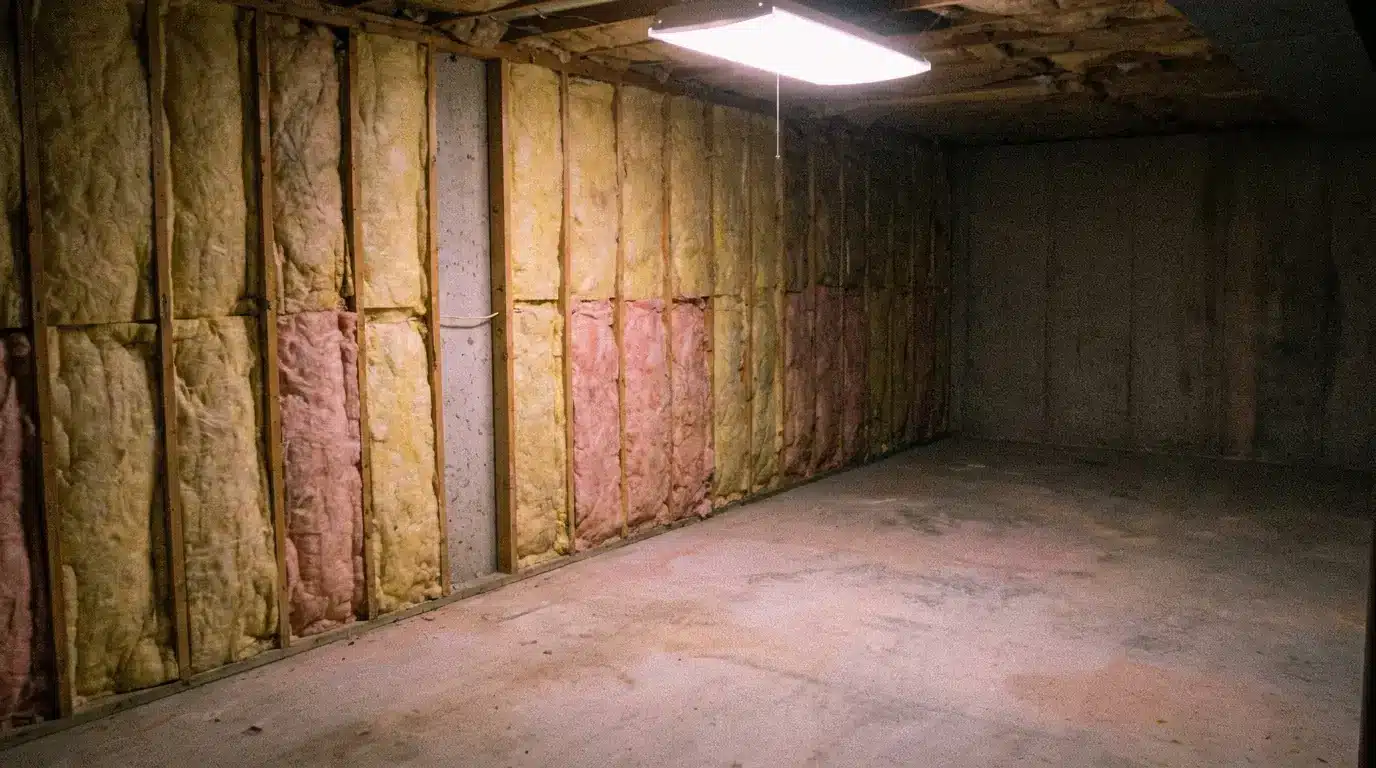
Another mistake that often gets overlooked is insulation and ventilation. Basements tend to feel colder and more damp than the rest of the house, and without proper insulation, that problem doesn’t go away.
I’ve seen beautifully finished basements that were uncomfortable to use simply because they weren’t insulated properly. Temperature control is key if you want the space to feel like a natural extension of your home.
Ventilation is just as important. Without good airflow, basements can develop a musty smell, and humidity levels can rise. This not only affects comfort but can also lead to long-term issues like mold growth.
Taking the time to install proper insulation and ventilation systems ensures that your basement stays comfortable and healthy year-round.
Inadequate Lighting and Design Planning
Lighting is another area where many people make mistakes. Basements usually don’t get much natural light, so relying on a single overhead fixture just doesn’t work.
I’ve noticed that the best basement designs use layered lighting. This means combining different types of lights, ambient, task, and accent, to create a bright and welcoming space. It makes a huge difference in how the room feels.
Design planning also plays a big role. Basements can feel cramped if the layout isn’t well thought out. Using lighter colors, open layouts, and smart storage solutions can help make the space feel larger and more inviting.
It’s easy to treat the basement like an afterthought, but with the right design approach, it can become one of the most enjoyable areas in your home.
Not Following Building Codes and Permits
Skipping permits might seem like a way to save time, but it can lead to serious problems later. Building codes are there for a reason. They ensure that your space is safe and up to standard.
If you ignore these requirements, you could face fines or even be forced to redo parts of your project. It can also create issues if you ever decide to sell your home. Buyers and inspectors will want to know that everything was done properly.
Taking the time to follow local regulations might feel like an extra step, but it’s one that protects both your investment and your safety.
Underestimating Costs and Budget Planning
Budgeting is another area where things can easily go wrong. Basement remodeling often comes with hidden costs, unexpected repairs, upgrades, or changes that weren’t part of the original plan.
I’ve learned that it’s always better to plan for more than you think you’ll need. Setting aside a contingency budget can help you handle surprises without feeling overwhelmed.
It’s also important to be realistic about what you can afford. Trying to cut corners to save money can lead to bigger expenses later. Investing in quality work from the beginning usually pays off in the long run.
Basement remodeling has the potential to completely transform your home. It can add valuable living space, increase comfort, and even boost property value. But like any major project, it comes with challenges.
Avoiding common mistakes, like poor planning, ignoring moisture issues, or skipping professional help, can make all the difference. Taking a thoughtful approach ensures that your basement not only looks good but also functions well for years to come.
From my experience, the key is to slow down, plan carefully, and work with people who understand the process. When you do that, the results are worth it. A well-finished basement isn’t just extra space. It’s a part of your home you’ll actually enjoy using every day.