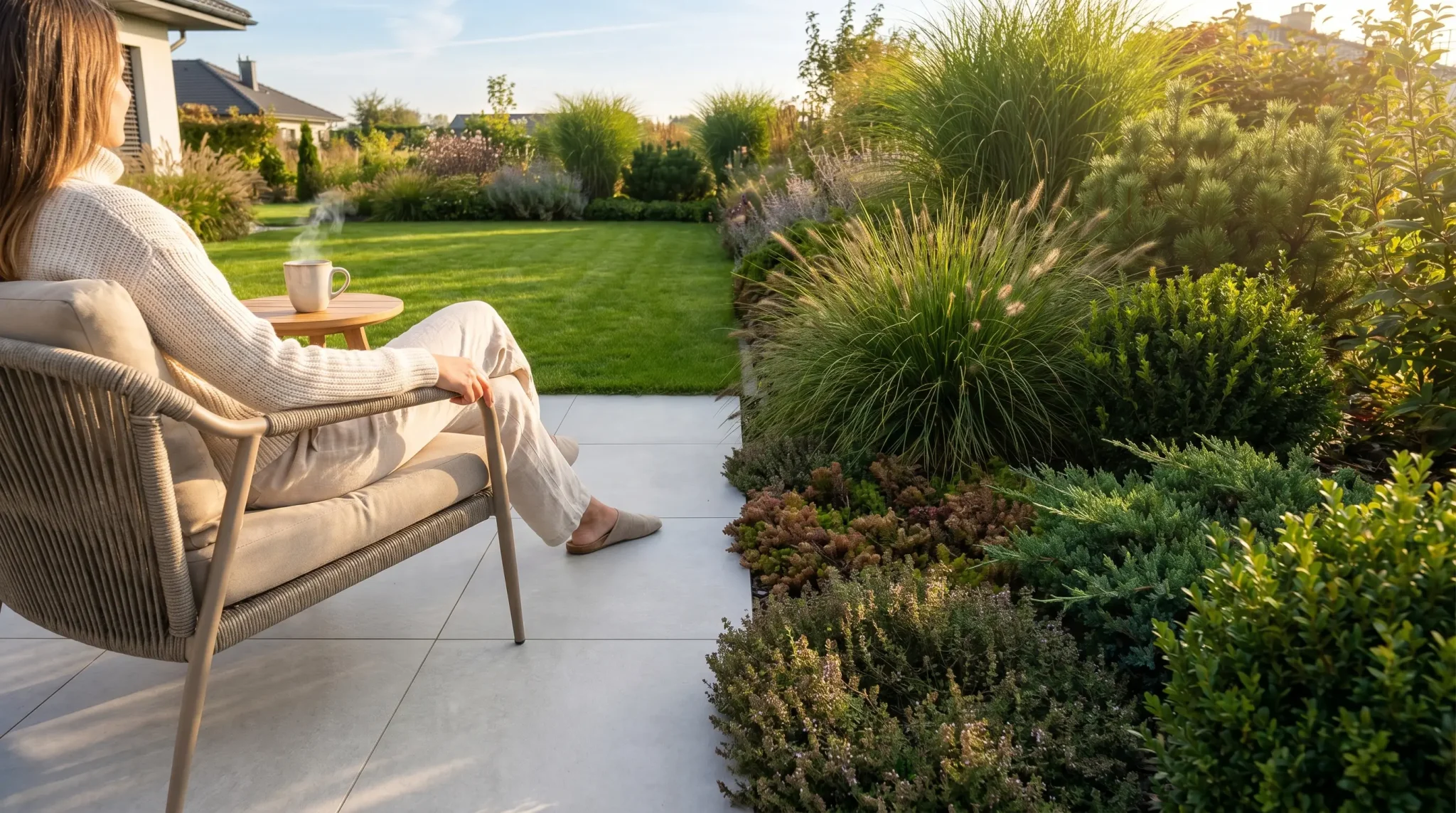
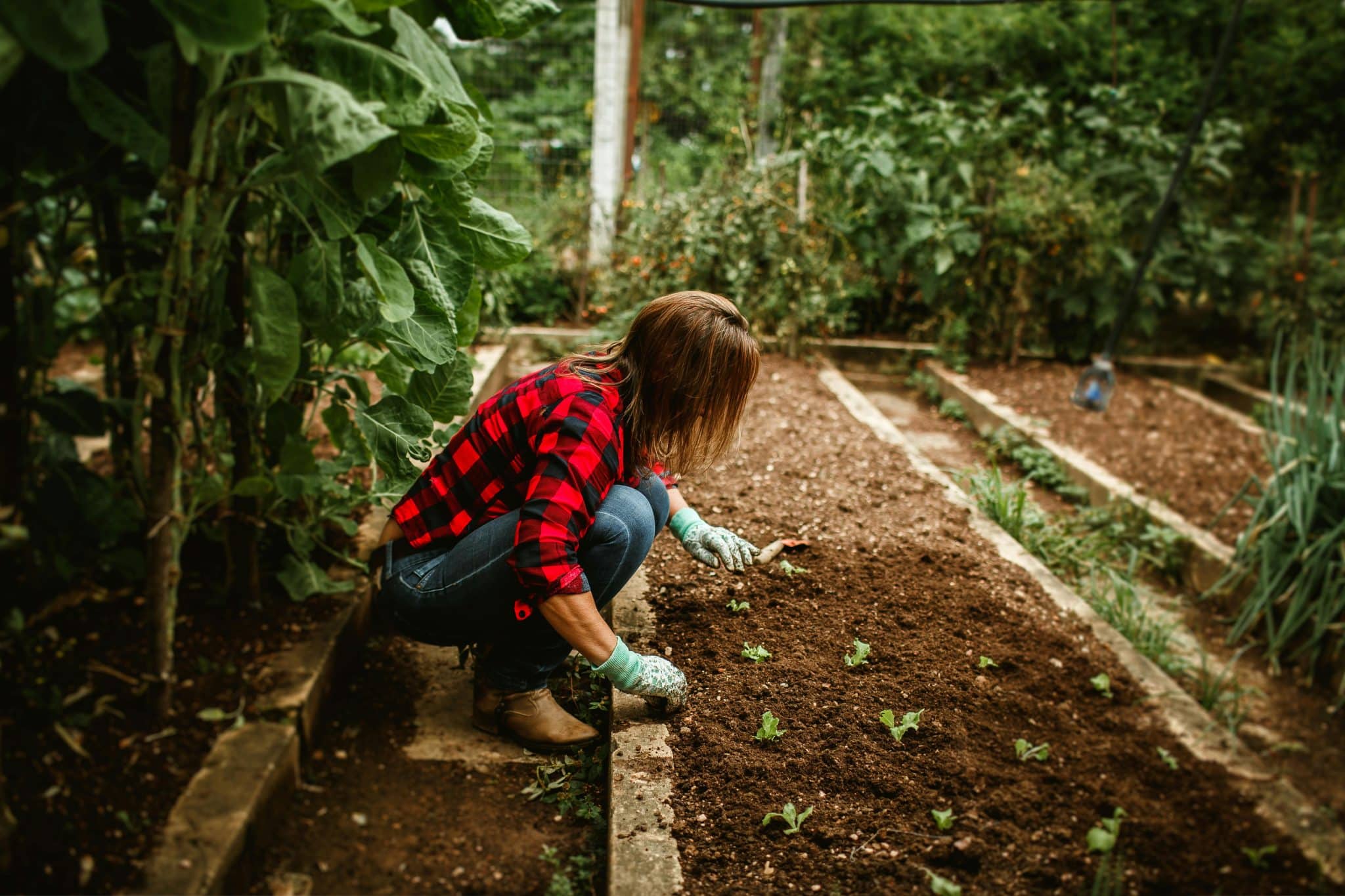
The relationship between home gardens and property value has shifted significantly over the past five years. What was once considered a niche preference — growing food at home — has moved into mainstream buyer expectations, particularly among millennials and Gen Z purchasers who now represent the largest demographic in the residential property market. Surveys from the National Association of Realtors and independent real estate analysts consistently show that outdoor usability, specifically the capacity to grow food, entertain, and maintain self-sufficient routines at home, ranks among the top five features influencing purchase decisions in the mid-to-upper residential market. For homeowners preparing to sell, and for buyers evaluating long-term value, this is not a soft preference. It is a commercially significant variable that deserves the same analytical attention as kitchen renovations or bathroom upgrades.
Why Productive Garden Spaces Have Become a Real Estate Signal
The Shift in What Buyers Actually Want
The pandemic years accelerated a structural change in how people relate to their homes. Extended periods at home made outdoor space functional rather than decorative. Gardens moved from aesthetic features to productive ones — places where households grew food, developed new skills, and reduced grocery spend. That behavioural shift has not reversed. According to the National Gardening Association, participation in food gardening in the United States reached its highest level in over a decade by 2023 and has remained elevated since. What changed is not just the number of people gardening, but the expectation that homes should support it.
This expectation now shows up in property search behaviour. Real estate platforms have reported significant increases in the use of outdoor-space-related filters, and listing agents confirm that properties with established raised bed gardens, functional composting systems, or clearly designated food-growing areas attract longer viewing times and more qualified enquiry than comparable properties without them. The productive garden has become a search signal — something buyers look for actively rather than simply appreciating when they find it.
The digital tools reshaping how buyers discover and evaluate these features are worth understanding. Real estate platforms are increasingly sophisticated in how they present outdoor living features, and development teams building property search applications — such as those documented by Binary Studio in their real estate app development practice, which covers custom platforms for property listings, CRM, and outdoor feature categorisation — are integrating more granular outdoor amenity data into search and filtering systems. This means that garden features, including raised beds, irrigation systems, and food-growing infrastructure, are becoming searchable and comparable attributes rather than incidental details buried in free-text descriptions.
What Buyers Are Prepared to Pay For
Understanding the financial dimension requires distinguishing between two categories of garden value: the capital contribution of permanent garden infrastructure, and the lifestyle premium that a well-maintained productive garden commands in competitive markets.
Permanent raised bed installations, particularly those built from durable materials such as cedar, composite lumber, or galvanised steel, contribute to property value in a way that is analogous to other permanent outdoor improvements. A professionally constructed raised bed system with irrigation, quality soil, and established compost infrastructure represents a tangible capital investment that survives the sale and transfers to the buyer as usable, ready-to-plant infrastructure. Buyers do not have to start from scratch. That ready-to-use quality carries genuine value, particularly for buyers who are interested in food growing but lack the time, knowledge, or confidence to build a system from nothing.
The lifestyle premium is harder to quantify but consistently reported by listing agents in markets where outdoor living is a priority. Properties in competitive suburban and peri-urban markets where comparable listings are otherwise similar tend to achieve faster sales and stronger offers when the garden demonstrates a clear, productive purpose. A garden that looks lived-in and functional — visibly growing food, with established soil and clear planting structure — signals that the outdoor space is genuinely usable, not aspirationally maintained.
How to Build Garden Value That Transfers to Buyers
The Infrastructure Decisions That Matter
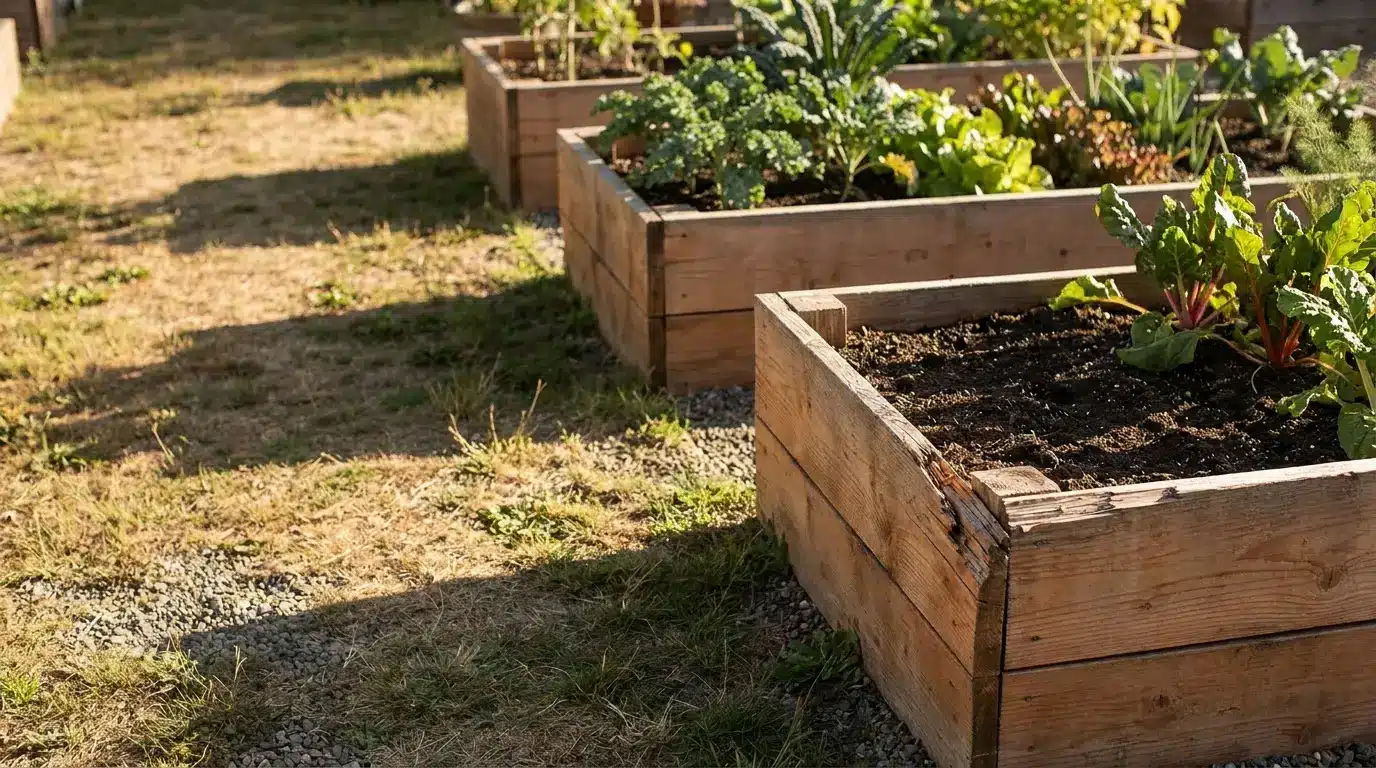
Not all garden improvements translate equally into buyer appeal. The investments that carry the most commercial weight are those that reduce effort for the next owner while delivering visible, immediate usability. This principle applies directly to the choice of planting system, soil preparation approach, and weed management infrastructure.
Raised bed systems outperform in-ground plots for resale purposes because they are contained, clearly defined, and require no interpretation. A buyer standing in a garden with three well-constructed raised beds, good soil, and an established growing record knows exactly what they are inheriting. An equivalent area of in-ground planting requires significantly more cognitive work to evaluate — what is growing, what the soil condition is, whether the area is workable or neglected.
Within the raised bed category, the choice of planting system influences how welcoming and accessible the garden feels to prospective buyers with limited gardening experience. Pre-seeded systems that eliminate the technical barriers of spacing, depth, and variety selection — such as Seedsheets, which embed organic, non-GMO seeds directly into weed-blocking biodegradable fabric that can be laid over prepared soil in minutes — serve a specific purpose in a resale context. They make the garden feel immediately accessible rather than demanding. A buyer who is drawn to the idea of growing food but uncertain about the complexity sees a pre-seeded raised bed as a system they can use from day one, rather than a project they need to learn before they can start.
The features of a productive garden infrastructure that carry the most buyer value are as follows:
- Permanent raised bed structures in durable materials, appropriately sized for the available space and positioned for maximum sun exposure
- Quality soil and compost systems that demonstrate active, maintained growing conditions rather than depleted or neglected beds
- Weed management infrastructure — weed-blocking fabric, mulch systems, or pre-seeded mats that make low-maintenance growing visible and credible to buyers who want results without intensive labour
- Water access and irrigation — proximity to a tap or installation of a drip irrigation system significantly increases the perceived usability of a garden area for food growing
Presenting the Garden at Sale: What Estate Agents Recommend
The presentation of a productive garden at point of sale is a specific skill that many vendors underestimate. Unlike a kitchen or bathroom, where the improvement speaks visually and immediately, a garden requires context. A buyer viewing a property in winter, or during a dormant growing period, may struggle to visualise the productive potential of a well-established system. Vendors who prepare clear photographic evidence of the garden in productive use — ideally showing multiple growing seasons and a variety of yields — give buyers the evidence they need to assign value rather than simply observing potential.
The numbered steps for maximising garden value in the sale process are as follows:
- Document the growing history — photographs of each growing season, plant varieties, and yields provide buyers with evidence of the garden’s productive capacity across different conditions
- Prepare the beds for immediate use — where timing allows, present the garden with fresh soil preparation, active plantings, or clearly laid-out seedsheets that demonstrate how quickly the new owner can begin growing
- Provide a simple growing guide — a brief document indicating what grows well in the space, when to plant, and what system is already in place reduces the cognitive barrier for buyers who are interested in food growing but unfamiliar with the specific microclimate of the property
- Highlight the infrastructure investment explicitly in listing details — raised bed dimensions, soil type, irrigation access, and composting systems are quantifiable features that belong in the property description rather than being left for buyers to discover at viewing
The Market Context That Makes This Matter Now
Food growing at home is no longer a countercultural hobby. It is a mainstream behaviour driven by cost-of-living pressures, interest in food provenance, and a growing body of evidence about the physical and mental health benefits of regular contact with growing things. In this context, a property with a well-designed, immediately usable productive garden is not appealing to a niche buyer. It is appealing to a broad demographic that includes young families, health-conscious professionals, retirees with time to invest in a garden, and urban escapees seeking exactly the kind of rooted, self-sufficient home life that a functional kitchen garden enables.
Homeowners who treat productive garden infrastructure as a serious capital investment — rather than a hobby expense — and who maintain and document that infrastructure in ways that transfer value to buyers are positioned to outperform comparable properties in markets where outdoor usability is a recognised differentiator. The underlying economics are straightforward: buyers who want to grow food will pay more for a home that makes it easy. Vendors who make it easy will sell faster and at stronger prices. The garden, properly understood, is not a feature. It is an asset.
Conclusion: The Productive Garden Belongs in Your Property Strategy
Homeowners who are planning to sell within the next two to five years have a meaningful opportunity to build genuine property value through productive garden investment — but only if that investment is made with resale in mind rather than personal preference alone. The decisions that create transferable value are those that reduce effort, increase accessibility, and demonstrate a clear, documented growing history that buyers can evaluate with confidence.
The broader market is moving in this direction regardless. As real estate platforms get better at capturing and surfacing outdoor living features, and as buyer demographics continue to skew toward households with strong food-growing interest, properties with well-designed productive gardens will increasingly stand apart from those without. The homeowners who act on this shift before it is universally recognised — not after — are the ones who will capture the premium.