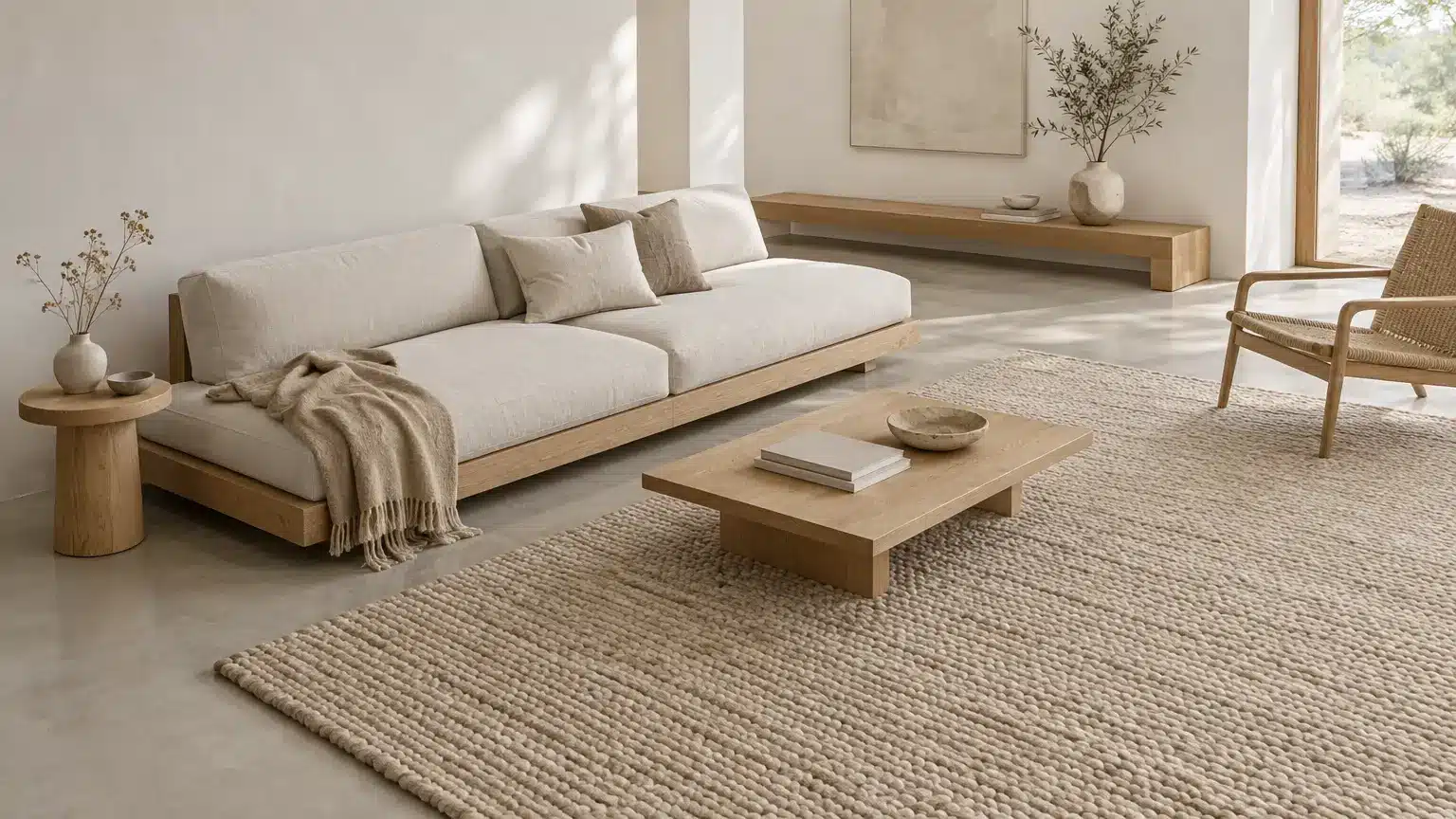
Most refresh budgets die in the checkout line: four throw pillows, a brass lamp, two mirrors, and a candle the size of a paint can, none of it fixing the reason the room felt tired in the first place.
There is a cheaper way through, and it runs on sequence. Decide what stays, put real money into the room that carries the household, give the paperwork corner one honest hour, and save the small purchases for last, when you can see what the bigger pieces need around them. A whole house can turn over one weekend at a time this way, without a single purchase you regret by October.
Walk the House Before You Spend a Dollar
Take a notepad through every room and give each one two columns: what earns its place, and what the room is missing. Most rooms already own more than they show. A solid wood dresser with dated hardware is a fifteen dollar fix. A sofa with a sound frame and flattened cushions can take new foam inserts for a tenth of what a replacement costs. The bookcase crowding the bedroom might be exactly what the hallway needs, and moving it is free.
Be harder on the gaps than on the objects. “This room needs a reading lamp” is a useful note. The vague version, “this room needs something,” is how the eleventh throw pillow happens.
Photos help more than you would expect. A room you walk through every day goes invisible, and the phone screen shows it to you the way a guest sees it, down to the cord tangle behind the television and the fern that quietly died in March.
Give the walk-through its own evening, with no browser tabs open. You make better calls standing in a room than you do scrolling a sale page.
The Living Room Carries the House
Add up the hours and no other room comes close: weeknight television, guests, homework that spills off the kitchen table, the dog. The main seating absorbs all of it, which is why it deserves the largest single line in the budget, and why saving there tends to cost more within a few years, once sagging cushions and a creaking frame send you shopping all over again.
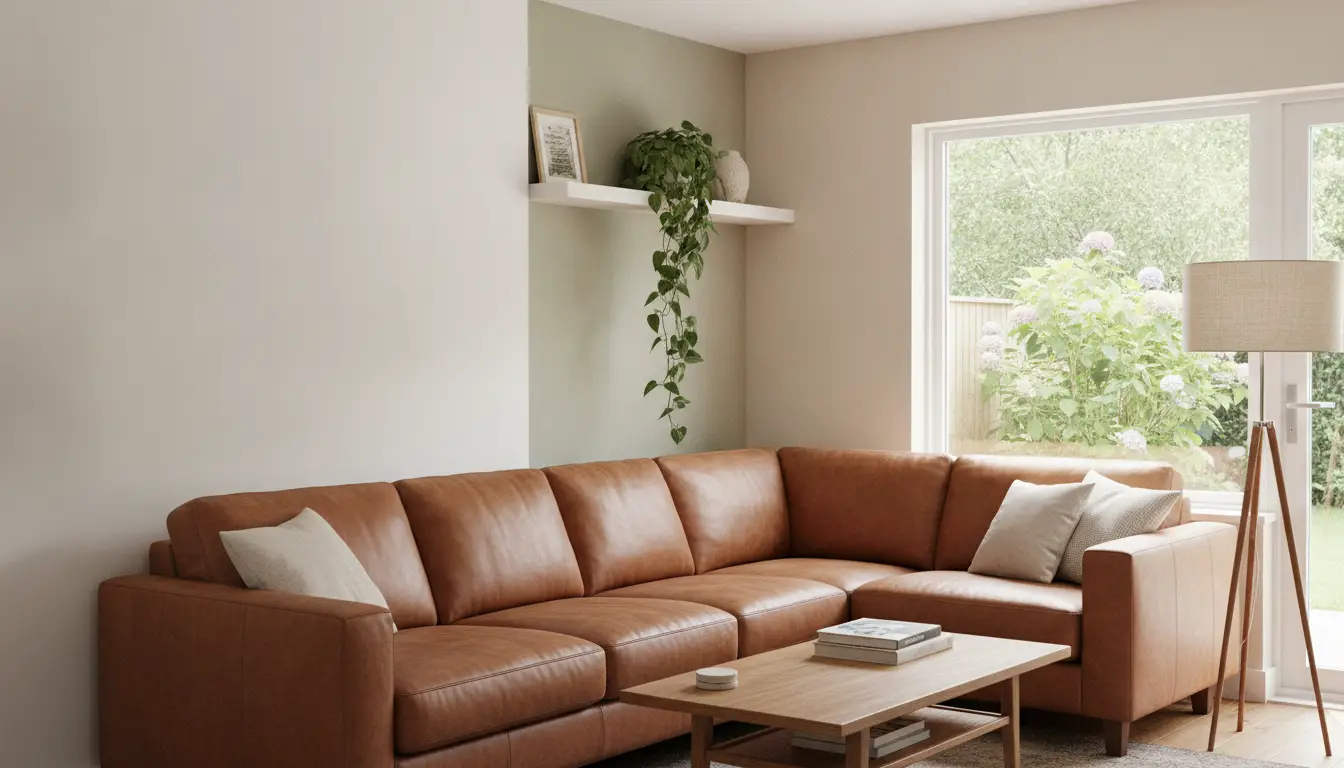
Buy that piece the way you would buy a mattress, on the parts you can’t see. Where the room takes daily family use, a leather sectional built as a corner unit settles two problems at once: the L shape seats a full movie night, and it squares off the seating area in an open floor plan. The versions worth the price pair top-grain hide, sold as Italian Nappa on the better pieces, with a kiln-dried solid wood frame, and those two materials decide whether the piece still looks right in year ten. Color is the low-stakes call; the same corner design now comes in cognac, black, beige, dark green, and a few shades between.
Measure before anything ships. A corner unit needs a clear doorway and enough wall on both legs of the L, and ten minutes with a tape measure spares you the sight of a delivery truck idling at the curb while two movers debate a stairwell.
Everything else in the room can trail behind that decision. A secondhand coffee table reads as character next to good seating, and the floor lamp from the guest room may only need a new shade. While the furniture is moving anyway, aim one chair at the window with the garden view. A sight line to the beds does more for a reading corner than anything you could hang above it.
The Corner Nobody Photographs
Every house has one: the stretch of counter or desk where the mail lands, school forms multiply, and the furnace warranty vanishes the week the furnace stops. No refresh survives contact with that pile. Clutter reads as tiredness no matter how good the new sofa is.
Clearing it takes about an hour and a filing box, with no purchase over twenty dollars. Sort everything into labeled folders: taxes, medical, insurance, appliance manuals, and one for the garden, because seed orders and plant receipts deserve better than the junk drawer. Keep a second box in a closet for anything older than two years, so the working files stay thin enough to flip through.
The supplies are the cheap part if you buy them once. Ordering folders in bulk, in the 50 and 100 count boxes office suppliers sell, costs less than a year of grabbing marked-up five packs on drugstore runs, and the spares mean a new category gets a labeled home the day it shows up rather than joining the pile.
Finishing Moves Under a Hundred Dollars
A gallon of paint costs about forty dollars and outworks nearly everything else at this stage. One repainted accent wall, or a hallway taken from scuffed beige back to a clean white, resets a space in a way furniture alone rarely does.
The rest of the finishing list is small and satisfying. New hardware wakes up a tired dresser in twenty minutes. Cushion covers cost a quarter of what new cushions do and read the same from across the room. A pothos on the bookshelf and a pot of basil on the kitchen sill bring the garden indoors for under fifteen dollars, and both forgive a missed watering. This is also the throw pillows’ moment, now that the pieces around them are settled and there are colors worth matching.
Rugs and lamps can simply trade rooms. The runner that went stale in the hallway often looks fresh again beside the bed, and shifting a floor lamp from a bright room to a dim one costs nothing while fixing the gloomiest corner in the house.
Start Where It Bothers You Most
Hand the first weekend to whichever room you avoid showing guests, since that discomfort is free information about where the budget should go. After that, the order matters less than letting the notepad from the walk-through run the shopping list.
Somewhere around the third month the columns are mostly crossed out. You pull the mower warranty from a labeled folder in ten seconds, and you carry your coffee to the chair that faces the garden beds.