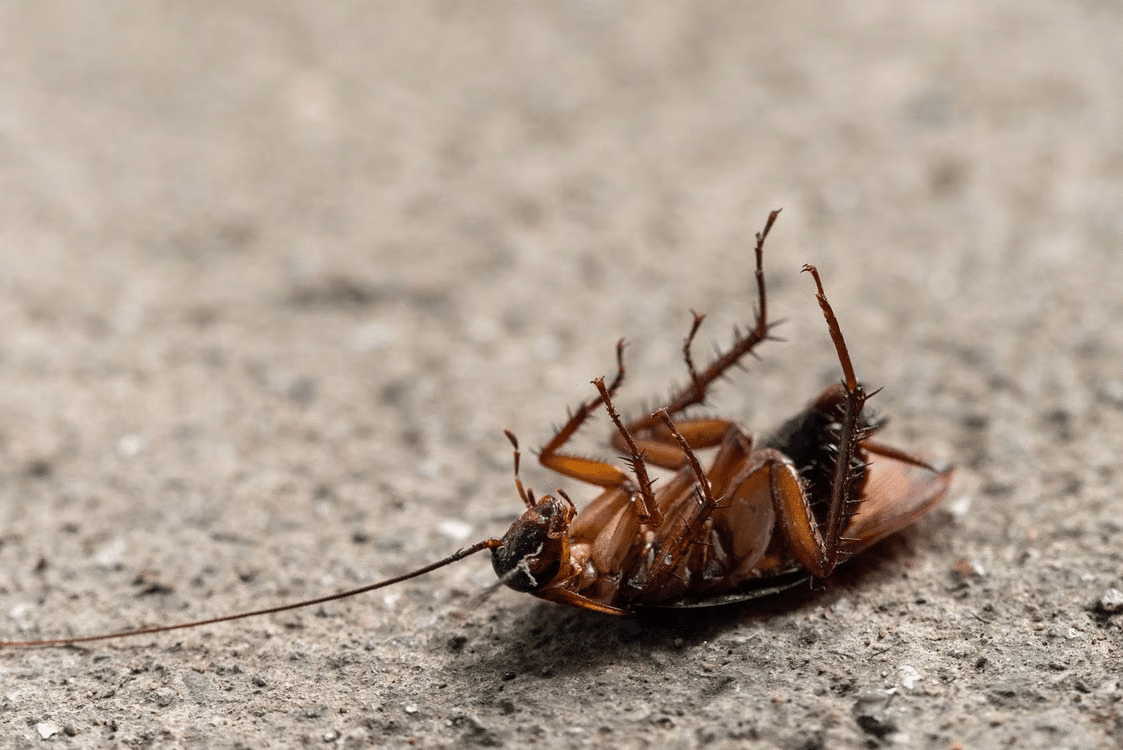
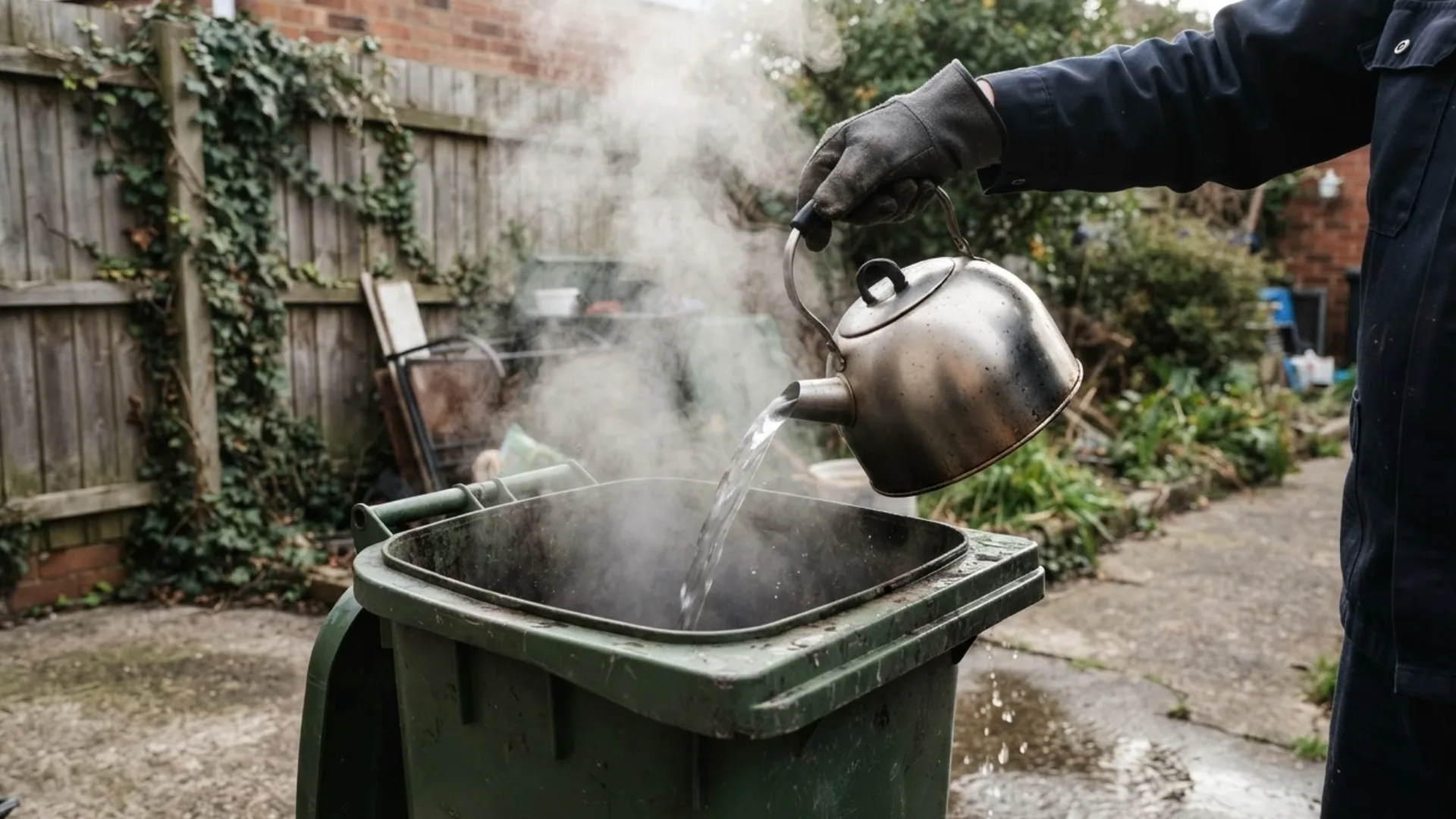
A thriving garden is a point of pride, but it can also be a beacon for pests. Natural, DIY solutions, like the companion planting principles used in SeedSheets, are fantastic for managing aphids on your tomatoes or deterring slugs from your lettuce. But what happens when those outdoor pests, or others like them, decide your home is an even better place to be?
The line between a simple garden nuisance and a threat to your home’s structural integrity is thinner than many homeowners realize. Understanding when your DIY pest control efforts are enough, and when it’s time to call in a professional, is key to protecting your biggest investment.
From Garden Pest to Structural Threat: The Escalation Path
Most pest problems start small and outside. But your home can offer everything a pest wants: food, water, and shelter from the elements. A damp, mulchy flowerbed against your foundation is an ideal habitat for many insects. If that foundation has small cracks, or if the wooden sill plate is softened by moisture, you have created a perfect entry point. The pest problem has now escalated from a garden issue to a home invasion. This is the moment where the effectiveness of surface-level DIY sprays begins to decline sharply.
The Limits of DIY: When Natural Solutions Aren’t Enough
Neem oil spray and diatomaceous earth are excellent tools for your garden and for handling the occasional ant that wanders into your kitchen. They are your first line of defense. However, they are fundamentally surface treatments. They cannot address an entire colony of carpenter ants that has established a nest inside your wall voids, or the family of rodents that has chewed through wiring in your attic.
This is the critical mistake many homeowners make: repeatedly treating the symptoms (the visible pests) without ever addressing the source (the nest inside the structure). If you find yourself constantly battling the same pest in the same area, your DIY methods are failing. You don’t have a pest problem; you have an entry point problem, a moisture problem, or an infestation problem.
The Unholy Trinity of Home Damage: Termites, Carpenter Ants, and Rodents
While many pests are a nuisance, three types are in a class of their own for causing severe structural damage.
- Termites: They eat wood from the inside out, often leaving no visible trace until the damage is catastrophic.
- Carpenter Ants: They don’t eat wood, but they excavate it to create massive, smooth galleries for their nests, compromising structural beams and studs.
- Rodents: They chew through wires (a major fire hazard), tear up insulation (reducing energy efficiency), and create nests in hidden, hard-to-reach areas.
When you suspect an infestation from any of these three, you have already passed the point of DIY. This is no longer about pest control; it’s about damage control.
When Pest Control Becomes a Remodeling Project
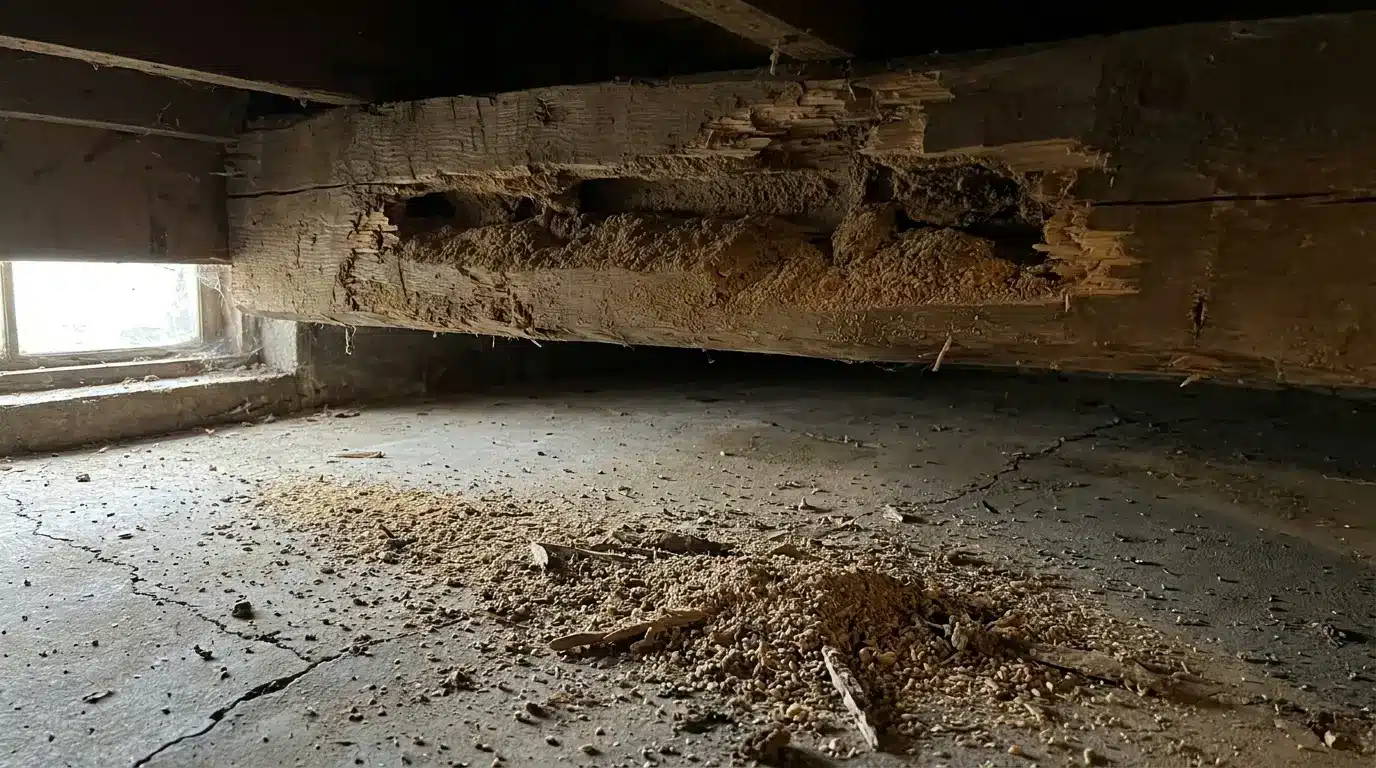
An exterminator can kill the pests, but they can’t fix the damage. If termites have hollowed out your floor joists, you don’t just need to eliminate the termites; you need to replace the joists. This is the crucial handoff from pest control to remodeling. Our data provides a stark reality check. Insight from our internal project dataset shows that in projects triggered by pest damage, over 50% require the replacement of structural components. It’s rarely just a cosmetic fix.
Furthermore, pests are often a symptom of a deeper issue. Insight from our internal project dataset reveals that about 20% of our kitchen and bathroom remodels uncover hidden pest damage the homeowner knew nothing about, almost always linked to a slow leak or moisture problem. The pests were just exploiting a structural vulnerability. A remodeler doesn’t just patch the damage; they eliminate the root cause—fixing the leak, replacing the rotted wood, and sealing the entry points. At this stage of crisis, getting a professional remodeling quote is a critical value anchor to understand the full scope of what it will take to make your home sound again.
Don’t Just Exterminate, Fortify Your Home
The ultimate solution to pest problems isn’t a better spray; it’s a better-sealed, drier, and more structurally sound home. After the pests are gone, the real work begins. This is where you need a professional who can:
- Identify and repair all entry points, from foundation cracks to gaps in siding.
- Replace any wood that has been compromised by rot or insects.
- Address the moisture issues that attracted the pests in the first place.
If you’ve been fighting a losing battle with pests, it may be time to stop thinking like an exterminator and start thinking like a remodeler. Protecting your home isn’t just about getting rid of what’s inside; it’s about strengthening the home itself.
Why Mr. Remodel? Putting Data into Action
The insights in this article come directly from our deep experience nationwide. We believe homeowners deserve transparent, data-driven advice before making a major investment. That is the core of our process.
What MrRemodel.com Does
- They connect you with real, local pest control professionals who want your project.
- You tell them what you need. They send it to licensed and insured pros in your area.
- Those contractors give you real price estimates, not ads or ballpark numbers.
- You choose who to talk to. There is no obligation to hire anyone.
What MrRemodel.com Is Not
- They are not a contractor and they do not do the work themselves.
- They are not a handyman service or for small repair jobs.
- They are not a spam site that sends your info to 20 companies.
- They are not the cheapest at all costs option. Quality matters.
Why Homeowners Choose MrRemodel.com
- Stop wasting time chasing contractors who never call back. They come to you.
- Call their number and get matched with pros who are ready to quote your project now, not weeks later.
- Compare real estimates side by side so you can make a confident decision.
- 100% free to use, no pressure, no obligation. You stay in control.
Ready to protect your house from pests with a team that values data and transparency? Apply through MrRemodel.com today for a free, no-obligation quote.