A yard that looks nice without much work is something you can plan for. No-maintenance landscaping cuts down the chores that fill up your weekends.
Mowing, watering, and weeding take up more time than most yards need. Your climate decides which options will actually hold up for you.
I have tried and researched enough setups to know which ones actually hold up. Dry areas call for different picks than wet or shady spots.
Some choices need a little setup before they start paying off. Others need almost no work once they are in place, saving you effort later. Getting these details right from the start saves you effort later.
What Makes a Landscape Truly Low Effort?
A low-effort landscape starts with a simple layout, not a complicated one. Fewer features means fewer things that ever need fixing or fussing over. Plants should fit the space they are given, not fight against it.
Room to grow means less pruning and less correcting later on. Permanent elements do not fade or wear out with the seasons. They stay put year after year without needing constant replacement.
I have noticed that the simplest yards are almost always the easiest to keep up. A yard built this way naturally needs less attention as time passes.
Less clutter and fewer moving parts mean less upkeep for you. A well-planned yard practically runs on its own once it is set.
No-Maintenance Landscaping Ideas Worth Trying
These practical ideas can reduce repetitive yardwork without leaving your outdoor space looking empty. Here are some solutions worth trying, based on your biggest chore and local conditions:
1. Install a Hardscape Patio or Paver Walkway

A patio or walkway replaces grass with a durable, usable surface. Stone, concrete, and pavers require no mowing, watering, fertilizing, or seasonal planting.
Install a compacted base and provide enough slope for proper drainage. Careful preparation prevents sinking, movement, puddles, and expensive repairs after heavy rainfall.
2. Swap Grass for Rock or Gravel Mulch

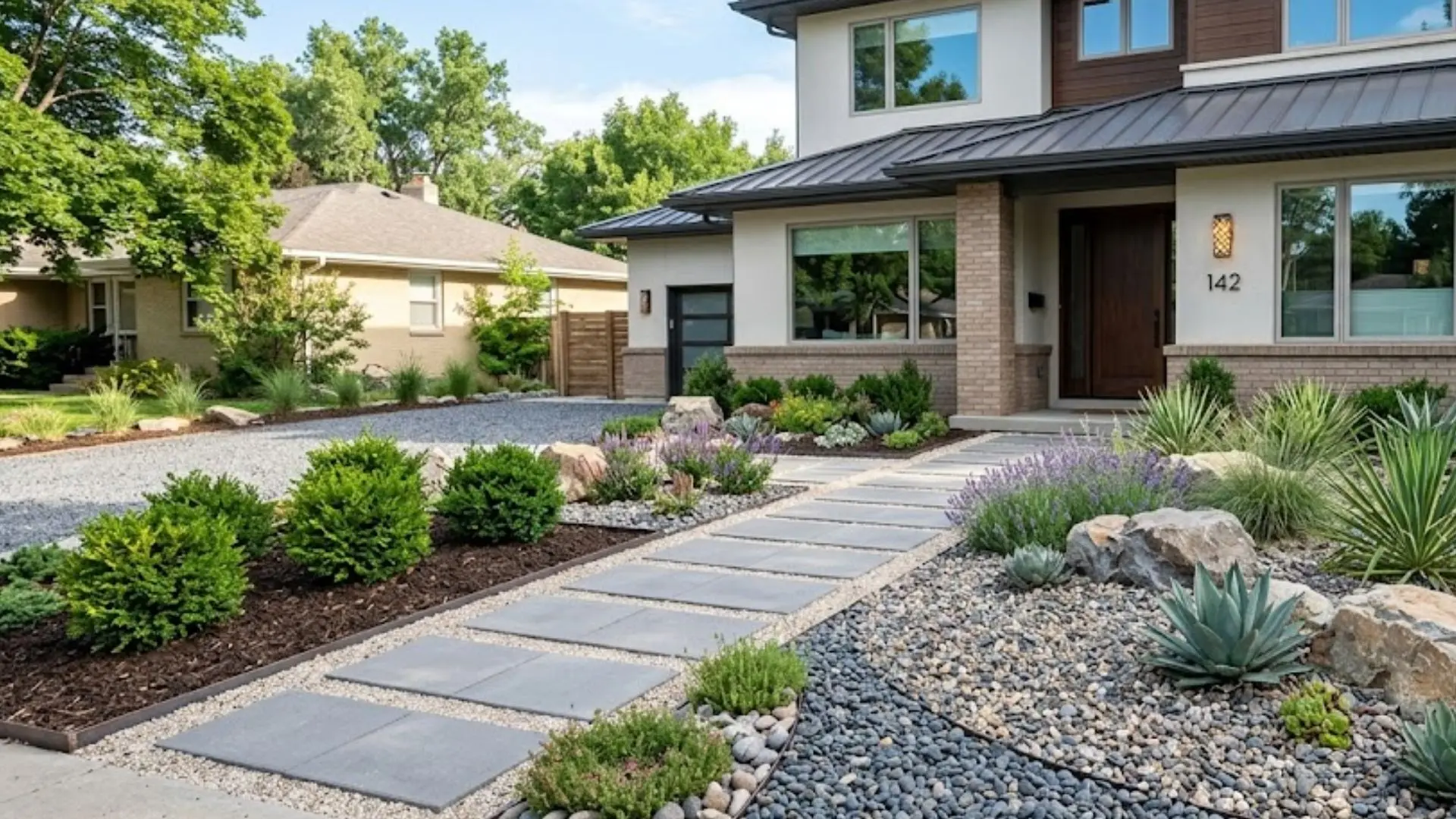
Rock or gravel can replace thirsty grass and mulch that needs frequent weeding. It works especially well beside driveways, foundations, pathways, and drought-tolerant plants.
Lay durable landscape fabric, install buried edging, and add three inches of rock to stop shifting, exposed soil, and weeds.
This rock-and-mulch comparison breaks down the cost and upkeep tradeoffs between the two.
3. Choose Native, Drought-Tolerant Plants

Native plants already suit the rainfall, seasons, and soil of their region. Once established, they generally need less watering, fertilizer, pest control, and protection.
Choose plants native to your specific area, not simply your state. Confirm their sunlight, mature size, drainage needs, and USDA hardiness zone before planting.
4. Add Self-Sufficient Perennials

Perennials return each year, eliminating the need to replant seasonal flower beds. Coneflowers, daylilies, and other dependable choices can provide color with limited attention.
Select disease-resistant varieties that remain controlled and rarely require division. Avoid aggressive spreaders that may escape their beds and create additional removal work.
5. Lay Heavy-Duty Weed Barrier Fabric

Quality landscape fabric can suppress weeds beneath rock and permanent pathways. It separates the soil from surface materials while still allowing water to drain.
Choose woven, professional-grade fabric that resists tearing and shifting under pressure. I tried the cheaper fabric once, and it tore apart within a season.
Overlap seams, secure the edges, and cover every exposed section thoroughly.
6. Install Artificial Turf

Artificial turf provides a green surface without mowing, watering, fertilizing, or reseeding. It suits small yards, play areas, pet zones, and deeply shaded spaces.
Professional base preparation helps the surface drain properly and remain level. Expect occasional rinsing, debris removal, and brushing, especially when pets use the area.
7. Xeriscape With Succulents and Cacti

Succulents and cacti store water, making them suitable for dry landscapes. Their unusual forms also create visual interest without relying on thirsty flowering plants.
Use fast-draining soil and reserve this approach for warm, arid climates. Persistent humidity, poor drainage, or heavy rainfall can quickly cause damaging root rot.
8. Plant Evergreen Shrubs for Year-Round Structure

Evergreen shrubs maintain foliage throughout the year, keeping beds visually complete. They reduce the need for seasonal flowers, replacements, and repeated landscape updates.
Check each shrub’s mature height and width before deciding its spacing. Proper placement prevents future crowding and reduces the amount of corrective pruning required.
9. Use Ornamental Grasses Instead of Lawn

Ornamental grasses add movement, height, and texture without weekly lawn maintenance. Many established varieties only need cutting back once during the entire year.
Choose clumping grasses that remain within their original planting area. Running varieties can spread through underground stems and become difficult to control later.
10. Add a Dry Creek Bed for Drainage

A dry creek bed guides stormwater while creating a natural-looking landscape feature. It can reduce muddy patches, soil erosion, and standing water after storms.
Study the yard’s natural drainage pattern before excavating or placing stones. I always trace where water actually flows before touching a single stone.
The channel needs a consistent slope leading water toward a safe discharge point.
11. Build a Fire Pit Gravel Patio Area

A gravel fire pit area turns unused lawn into an inviting gathering space. The finished zone requires no mowing and provides room for movable outdoor seating.
Position it safely away from structures, fences, trees, and low branches. Follow local fire rules and install a stable, noncombustible base beneath the fire pit.
12. Add Boulders or Rock Features

Large rocks offer year-round color, texture, and height without ongoing care. They can anchor empty beds or create a focal point among smaller plants.
Cluster boulders in natural-looking groups and partially bury their lower portions. Keep them away from drainage routes, utilities, walkways, and lawn equipment paths.
13. Install Permeable Pavers for Pathways

Permeable pavers allow rainwater to filter through joints into the ground. This design can reduce runoff, puddles, and erosion around frequently used walking areas.
Prepare the layered stone base according to the manufacturer’s installation instructions. Occasional joint cleaning prevents leaves and sediment from reducing the surface’s drainage ability.
14. Plant a No-Mow Fescue Grass Blend

No-mow fescue creates a soft, meadow-like lawn that grows relatively slowly. Depending on climate and preference, it may need cutting only occasionally each year.
Use it where a relaxed, natural appearance suits the surrounding landscape. It will not create the short, uniform finish associated with traditional turfgrass lawns.
15. Try a Clover Lawn Alternative

Clover remains green with less water and mowing than many traditional grasses. It also fixes nitrogen in the soil and produces flowers that support pollinators.
Avoid using broadleaf lawn herbicides because they will kill the clover. Select microclover for a shorter, more uniform appearance in smaller residential yards.
16. Grow a Moss Lawn in Shaded Areas

Moss creates a soft green carpet where ordinary grass often struggles. Once established in suitable conditions, it needs no mowing, fertilizer, or frequent trimming.
Choose a shaded location with acidic soil and dependable natural moisture. Moss cannot tolerate heavy foot traffic, prolonged drought, or intense afternoon sunlight well.
17. Use Self-Watering Raised Garden Beds

Raised beds contain garden soil and make invading weeds easier to manage. Adding a reservoir supplies moisture gradually, reducing the need for daily hand watering.
Select beds with overflow drainage and monitor moisture before refilling them. A constantly full reservoir can leave roots waterlogged and encourage rot or fungal disease.
18. Add Solar-Powered Landscape Lighting

Solar lights illuminate paths and planting beds without electrical wiring or energy costs. Automatic sensors turn them on after sunset and off during daylight hours.
Place each solar panel where it receives several hours of direct sunlight. Clean the panels occasionally because dust and debris can gradually reduce charging performance.
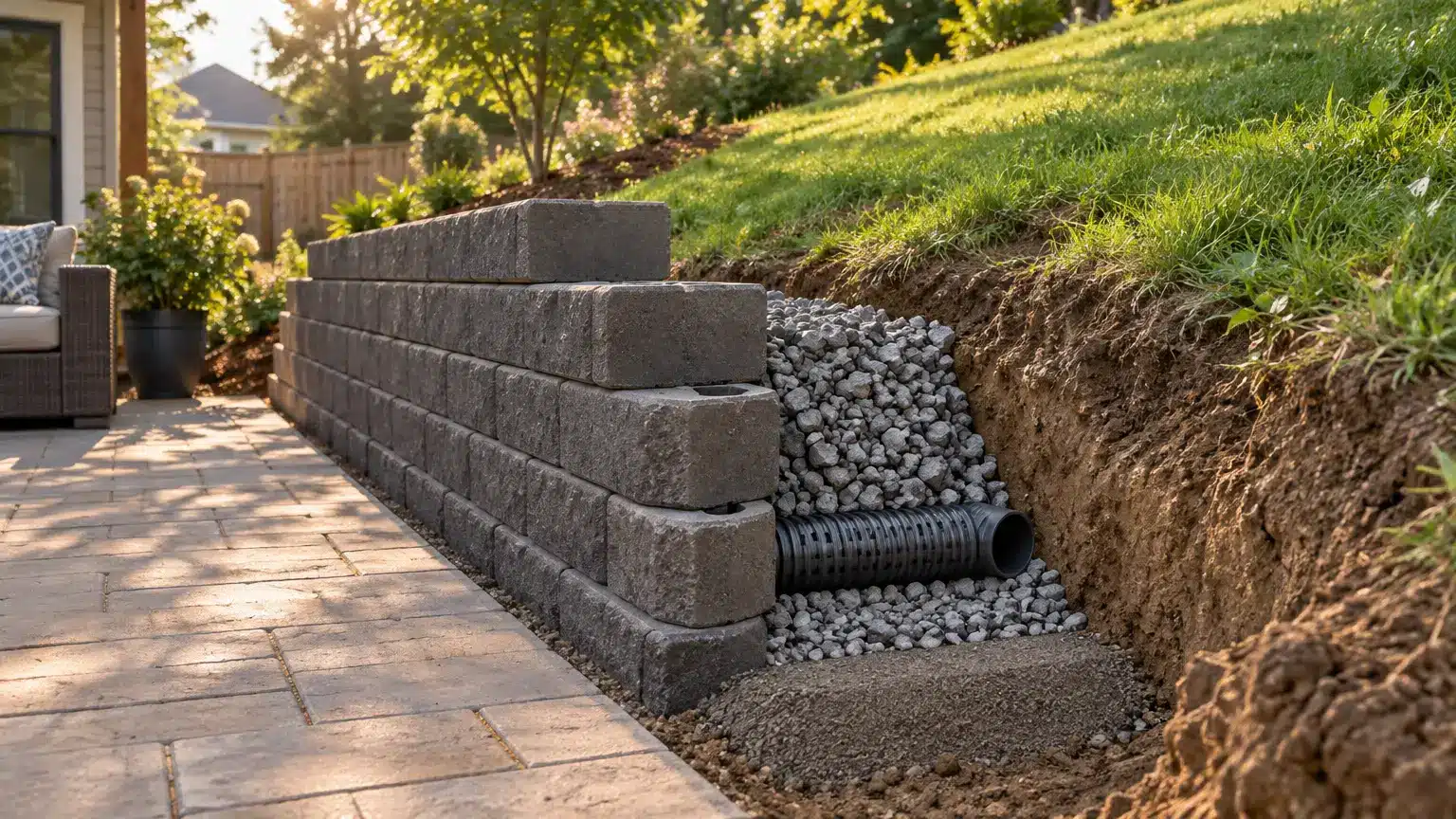
19. Build a Retaining Wall with Ground Cover

A retaining wall can stabilize a slope and reduce recurring erosion problems. Ground cover planted above it protects exposed soil and softens the finished structure.
Install gravel backfill and suitable drainage behind the wall during construction. Trapped water creates pressure that can eventually cause leaning, cracking, or complete failure.
20. Use Mulch Beds Around Trees

Mulch rings replace difficult strips of grass surrounding tree trunks. They reduce trimming, conserve soil moisture, suppress weeds, and protect bark from mower damage.
Spread mulch broadly but keep it several inches from the trunk, since deep mulch against bark can cause pests, decay, and circling roots.
Soil and drainage layers underneath matter just as much, and landscape supplies play a big part in getting that right.
21. Install Drip Irrigation on a Timer

Timed drip irrigation delivers water directly to plant roots with minimal waste. It removes regular hose watering while keeping leaves dry and discouraging fungal problems.
Inspect emitters periodically and adjust the schedule when temperatures or rainfall change. Leaving one setting active year-round may overwater plants during cooler, wetter months.
22. Plant Dwarf or Compact Shrubs

Compact shrubs naturally remain smaller than their full-sized relatives as they mature. They fit foundation beds and narrow spaces without requiring frequent size-control pruning.
Choose varieties resistant to pests and diseases common in your region. I have researched enough “dwarf” varieties to know the label can be misleading.
Confirm the mature dimensions because the word “dwarf” does not always mean genuinely small.
23. Add Steppingstones Through Gravel

Steppingstones protect gravel beds by creating a comfortable, clearly defined route. They provide a stable walking surface without requiring a fully paved pathway.
Space each stone according to a natural adult walking stride. Set every piece on a firm, level base to reduce wobbling and dangerous trip hazards.
24. Create a Rain Garden for Runoff

A rain garden temporarily captures stormwater from roofs, lawns, or driveways. Its plants filter runoff and help water soak into the ground more gradually.
Choose native species that tolerate both temporary flooding and dry periods. Position the garden away from foundations, septic systems, and areas with poor infiltration.
25. Use Decorative Edging to Separate Zones

Edging keeps lawn, soil, mulch, and gravel within their intended areas. It creates cleaner borders while reducing repeated trimming and the movement of loose materials.
Choose steel, stone, concrete, or another material suited to your landscape. Install it deeply enough to block spreading roots and withstand seasonal soil movement.
26. Add a Small Deck or Platform

A compact deck converts patchy grass or awkward ground into usable space. It provides room for seating, dining, or containers without ongoing lawn care.
Build it on properly spaced, stable footings and use weather-resistant materials. Confirm local permit and setback requirements before beginning construction near property boundaries.
27. Choose Self-Mulching Trees

Some trees drop small leaves that decompose naturally beneath their canopies. Leaving this organic material in suitable beds can improve soil and suppress weed growth.
Choose a locally appropriate tree with manageable litter and noninvasive roots. Avoid planting near pools, gutters, drains, or patios where debris will require cleanup.
Common Mistakes That Create More Yardwork
Avoid these common mistakes if you want your landscaping to remain manageable:
- Choosing plants that do not match the yard’s sunlight, soil, drainage, or climate can create constant watering, pruning, pest problems, and replacements.
- Installing gravel, patios, or retaining walls without proper drainage can cause weeds, standing water, sinking surfaces, erosion, and expensive structural repairs.
- Placing young shrubs too close together creates crowding as they mature. Follow their full-grown width to reduce frequent pruning and improve airflow.
- Expecting new plants to survive without early care often leads to failure. Even low-maintenance varieties need regular watering until their roots become established.
Avoiding these four mistakes can save more time than choosing any single landscaping feature.
Frequently Asked Questions
Is Artificial Turf Actually Maintenance-Free?
No. Artificial turf requires occasional rinsing, brushing, and debris removal, but it eliminates mowing, fertilizing, reseeding, and most routine watering.
Can I Combine Several Landscaping Ideas?
Yes. Combining gravel, native plants, edging, hardscaping, and automated irrigation can reduce upkeep while giving the yard more color, texture, and practical function.
How Long Does a Low-Maintenance Yard Take to Establish?
Hardscape becomes usable immediately, but new plants usually require regular care during their first growing season before becoming reliably low maintenance.
Final Thoughts
No-maintenance landscaping proves that a low-effort yard is possible. You pick the right plants, ground cover, and layout to fit your space. Once everything is set up, your yard takes care of most of itself.
You get back weekends you used to spend mowing and watering. I have seen how a few smart swaps change a whole yard. It makes me appreciate how little effort a good plan really takes.
Small checks here and there keep everything looking fresh each season. Your neighbors might even ask how your yard stays so tidy.
No-maintenance landscaping gives you a yard you can actually enjoy. Drop a comment below and tell me what you plan to try first.