

Severe seasonal storms are testing coastal and regional properties like never before. You can no longer rely on quick, post-storm patching when gale-force winds and driving rain strike your neighborhood. Leaving minor gaps unattended invites costly structural moisture intrusion and eats away at your long-term home equity.
Shifting toward proactive exterior reinforcements protects your property before the next weather front arrives. By upgrading to reinforced roof decking, impact-rated materials, and fortified drainage pathways, you build a reliable defense that keeps your home dry and secure.
Vetting Licensed Exterior Specialists
Hiring a qualified professional makes the difference between a roof that survives a hurricane and one that peels away. When preparing a residential exterior for harsh seasonal weather, partnering with an experienced specialist such as Sunshine Roofing and General Contracting lays a solid foundation so every inspection, flashing replacement, and roof installation meets local wind-mitigation standards. Licensed contractors pull the proper permits and document their work for your insurance records.
How Does Severe Weather Exploit Your Building Envelope?
Your home relies on a continuous outer shell to block wind, water, and debris. When sustained gale-force winds hit your roof, they create powerful uplift pressure along the edges and corners. If your perimeter seals have dried out or cracked, wind pries up shingle tabs and forces driven rain underneath the outer layer.
Vulnerable eaves and aged underlayment systems often fail first during intense squalls. Once water breaches the primary barrier, it travels along wooden trusses and saturates attic insulation. A small leak at the roofline quickly turns into widespread drywall damage and hidden mold growth inside your walls.
Why Should You Upgrade to Impact-Rated Roofing Materials?
Standard roofing products often crack, tear, or lose protective granules when struck by flying branches or hailstones. Modern impact-resistant shingles feature reinforced fiberglass mats that absorb heavy strikes without splitting or bruising, as noted by Roofer’s Mart. This added strength keeps your primary water barrier intact when severe weather strikes.
- Strengthen roof decking: Thick, properly fastened sheathing resists wind uplift and prevents panels from detaching during extreme gusts.
- Upgrade underlayment barriers: Synthetic, self-sealing membranes create a watertight secondary shield beneath your shingles.
- Fortify drainage pathways: Oversized gutters and clear downspouts move heavy rainfall away from your foundation before pooling occurs.
- Secure soffits and fascia: Reinforcing eave overhangs stops wind from entering the attic space and pressurizing the roof from below.
What Is the Financial Return on Preventative Hardening?
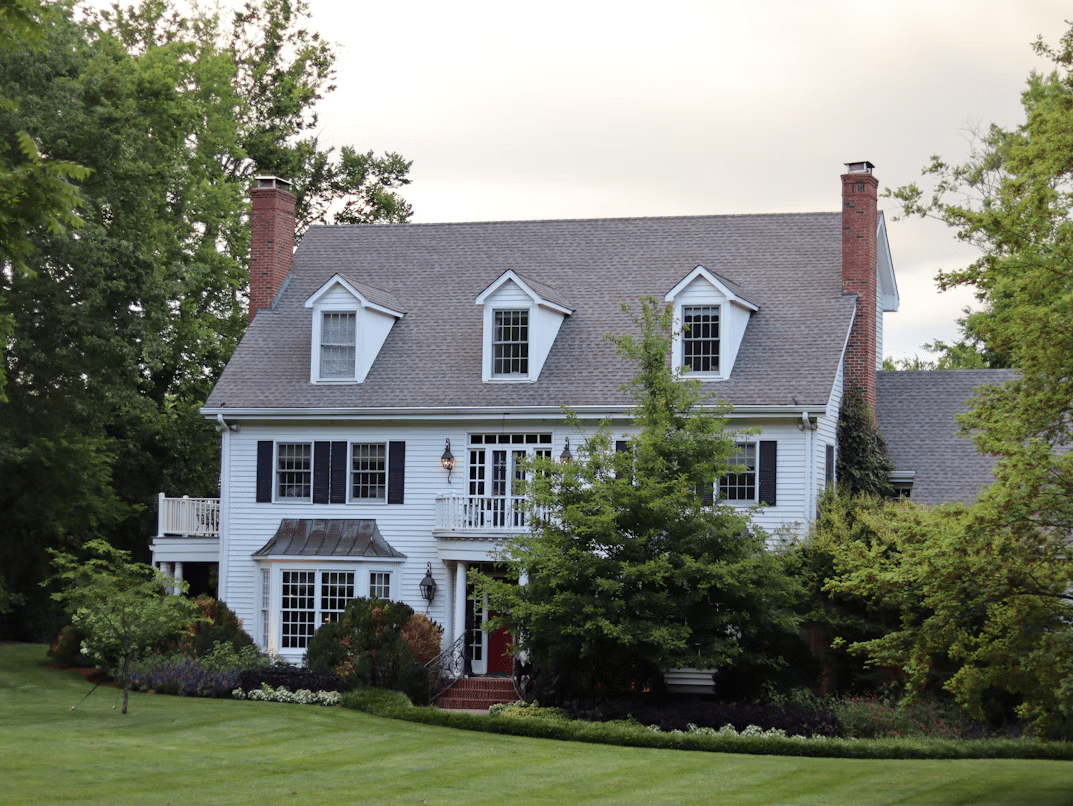
Paying for structural upgrades upfront feels like a major expense, yet reactive storm repairs drain far more cash over time. Emergency tarping, interior water extraction, and structural carpentry carry steep rush fees after regional disasters. Investing in durable materials now spares you from repeated out-of-pocket repair bills.
Insurance carriers also recognize the high risk of aging roofs in storm-prone regions. Research from Aon shows that once a roof reaches 8 years old, it faces a 25% chance of sustaining damage from a severe convective storm. Hardening your exterior early helps you avoid steep windstorm deductibles and keeps your property insurable at competitive rates.
Superficial cosmetic fixes will never hold up when a major storm bears down on your property. True resilience comes from pairing impact-rated materials with code-compliant, certified installation from the roof deck up. Taking proactive steps today gives you genuine peace of mind whenever dark clouds gather on the horizon.