Home improvement trends come and go, but not every upgrade actually adds long-term value to a property. Some renovations look impressive online but fail to affect resale price in a meaningful way. Others quietly improve a home’s functionality, efficiency, and buyer appeal in ways that consistently hold value regardless of market conditions.
The distinction is important now more than ever.
In uncertain housing markets, buyers are becoming more selective. They are considering more than the superficial aesthetics and are paying more attention to upgrades that can help reduce maintenance costs, improve comfort, or just make the property easier to live in over the long term. Sellers who understand that shift are often the ones who see stronger returns on their renovation investments.
The good news is that modern buyers are surprisingly consistent about what they value. Design styles may change but the basic priorities stay the same: durability, energy efficiency, low maintenance and practical comfort.
One area where homeowners continue investing heavily is roofing financing, especially as aging roofs become both a resale concern and an insurance issue in many regions. Buyers may tolerate outdated paint colors, but major structural expenses like roofing problems immediately affect negotiation power and perceived property value.
Energy Efficiency Is No Longer Optional
A decade ago, energy-efficient upgrades were considered a bonus feature. Today, many buyers consider them a baseline expectation.
People’s view of what makes a good home has shifted due to high utility costs. Improvements such as better insulation, energy-efficient windows, smart thermostats and solar-ready roofing systems are now seen as long-term savings rather than luxury extras.
Studies of the housing market have shown that energy-efficient homes tend to sell faster than comparable homes without those upgrades. Buyers are more likely to calculate ownership costs beyond the mortgage itself. Monthly electricity bills, cooling efficiency and maintenance costs now play a larger role in purchasing decisions than they once did.
This is especially true in warmer climates where cooling systems work year-round. Homes that reduce heat retention and improve insulation tend to stand out quickly during the buying process.
The shift is practical rather than trendy. Buyers want homes that feel financially sustainable over time.
Outdoor Spaces Have Become an Extension of the Home
One of the biggest changes in modern home design is the growing importance of outdoor living spaces.
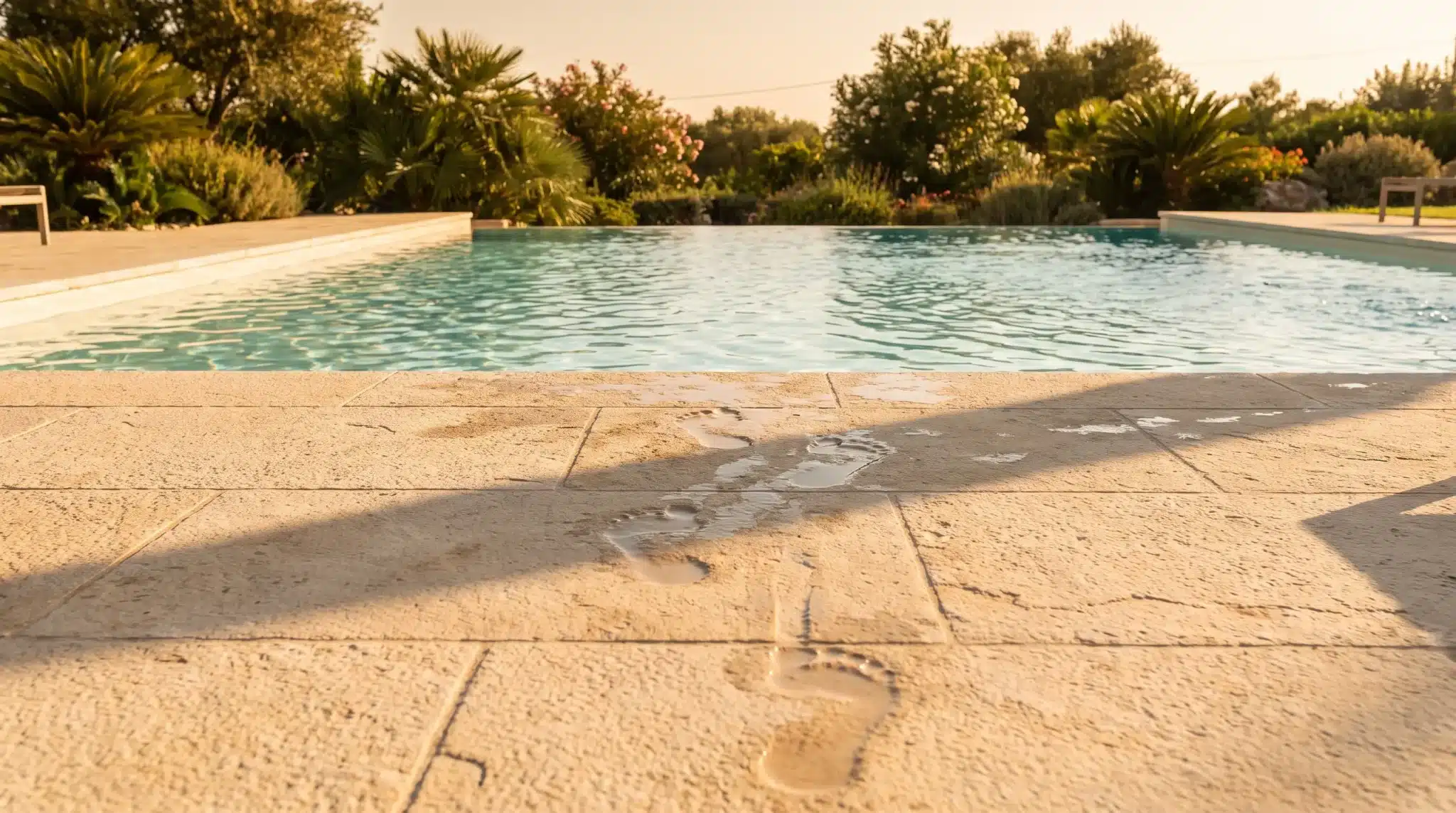
Patios, covered seating areas, outdoor kitchens, and functional landscaping have become highly desirable because people now spend more time at home than they did several years ago. Buyers are no longer looking only at square footage inside the property. They are evaluating how usable the entire space feels.
This is one reason low-maintenance landscaping trends have grown so rapidly.
In regions with water restrictions or extreme heat like in Nevada, artificial grass in Las Vegas has become increasingly common among homeowners looking to improve curb appeal without increasing water usage or maintenance demands. Artificial turf offers visual consistency year-round while reducing irrigation costs, which appeals to both buyers and long-term property owners.
More importantly, it aligns with a broader market shift toward practical landscaping solutions rather than purely decorative ones.
Kitchens Still Influence Buyer Psychology
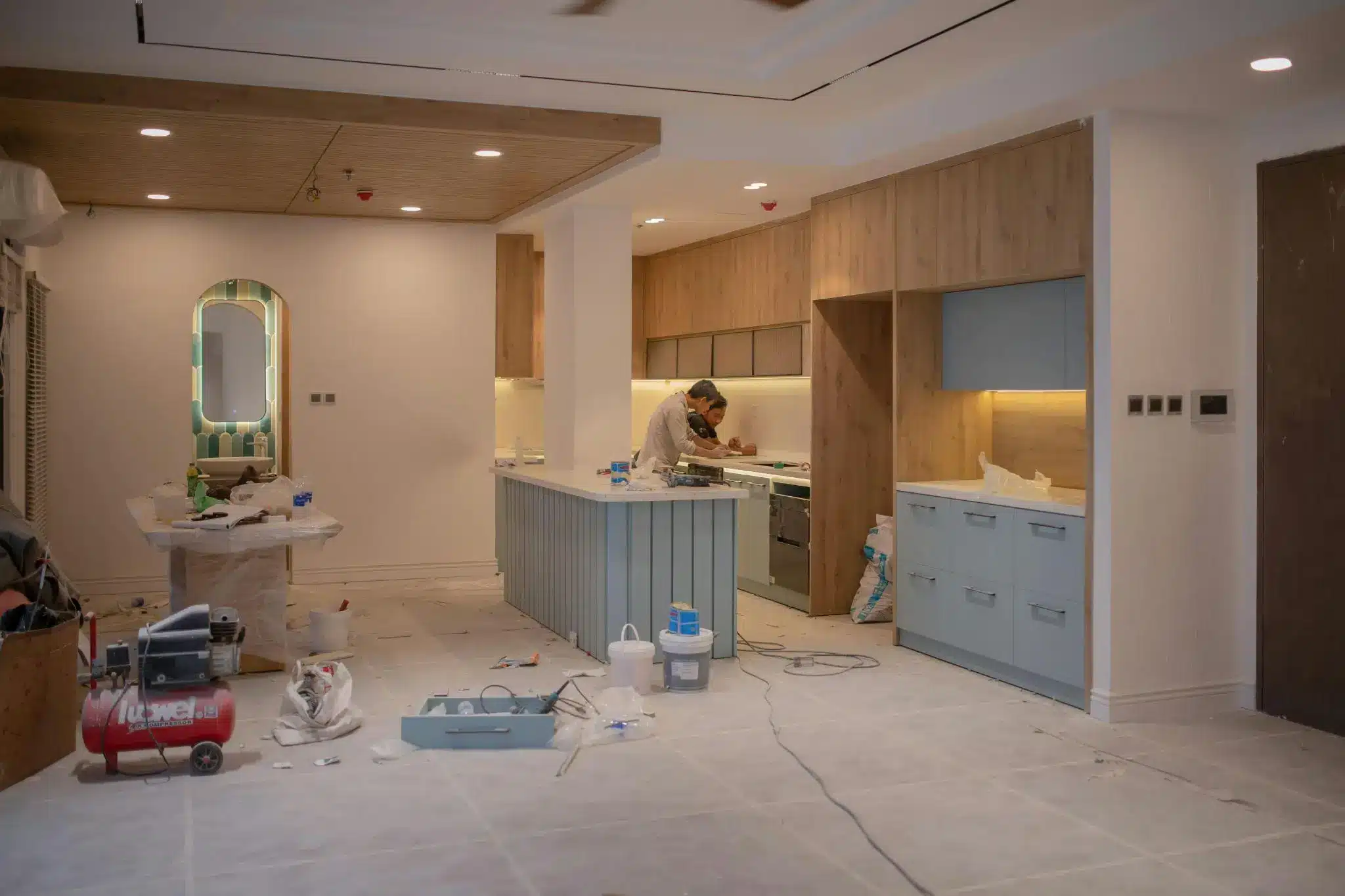 Despite changing design trends, kitchens remain one of the strongest value-driving areas in any home.
But modern kitchen renovations are less about fancy finishes and more about usability.
Buyers are drawn to:
- Better storage solutions
- Durable countertops
- Energy-efficient appliances
- Open layouts with functional lighting
- Neutral, timeless finishes
Overly customized kitchens can sometimes hurt resale appeal because they limit buyer imagination. Meanwhile, clean and practical renovations tend to age better across different market cycles.
Interestingly, smaller improvements often make for stronger returns than full luxury remodels. Swapping out old cabinet hardware, upgrading lighting, repainting cabinets or installing modern fixtures can make a big difference in how buyers will perceive a space, and you don’t have to spend the budget of a full renovation to do it.
In many cases, functionality creates more value than extravagance.
Smart Home Features Continue to Grow in Appeal
Technology integration has quietly become one of the most influential modern upgrades.
Smart thermostats, video doorbells, automated lighting systems, and app-controlled security features are now common expectations in many mid-range and higher-end markets.
The appeal is not necessarily about novelty anymore. Buyers want convenience, efficiency and security.
Smart systems also tend to give homes a more modern appearance, even if the house is older. This can be a psychological advantage in pricing because buyers often associate modern technology with lower future upgrade costs.
At the same time simplicity matters. Over-complicated systems can overwhelm buyers if they appear difficult to maintain or operate.
The most valuable smart upgrades are usually the least intrusive ones.
Roofing and Structural Improvements Matter More Than Cosmetic Ones
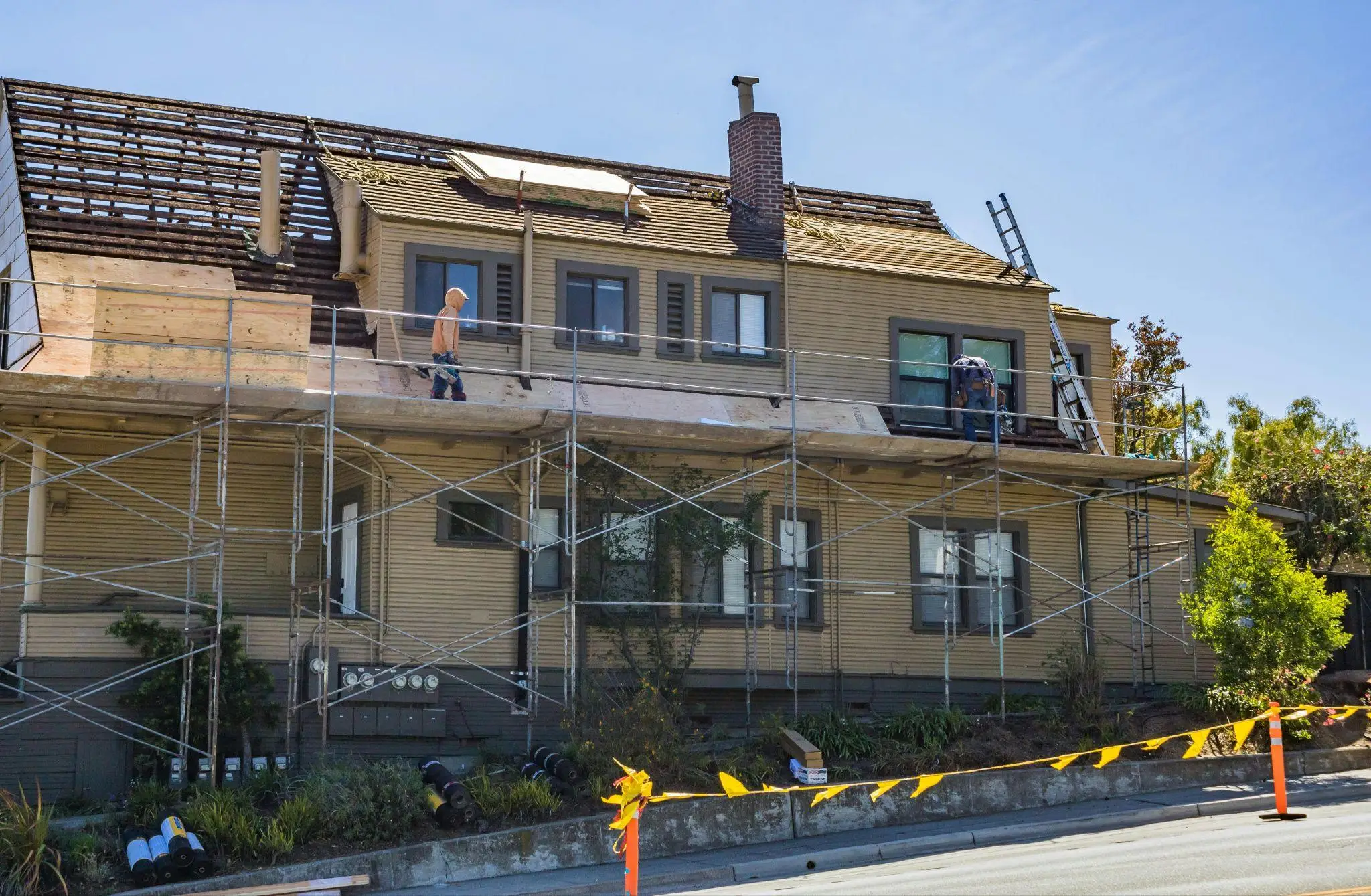 Cosmetic upgrades attract attention. Structural improvements build confidence.
That’s why experienced real estate agents usually tell home sellers to pay attention to the big systems before throwing a ton of money at décor or cosmetic renovations.
While a remodeled bathroom may not make for as dramatic a photo as a new roof, upgraded HVAC, modern plumbing or foundation repairs, these often have a greater impact on the outcome of negotiations.
Buyers tend to view structural issues as financial risks. Even small signs of roofing damage or deferred maintenance can trigger concerns about hidden repair costs later on.
That’s one reason roofing financing has become a common discussion point among homeowners planning renovations. Roofing projects can be expensive upfront, but they also protect one of the most important components of property value: buyer confidence.
A home that feels structurally secure naturally commands stronger offers.
Neutral Design Continues to Outperform Bold Trends
Modern design trends move quickly, but resale value tends to favor restraint.
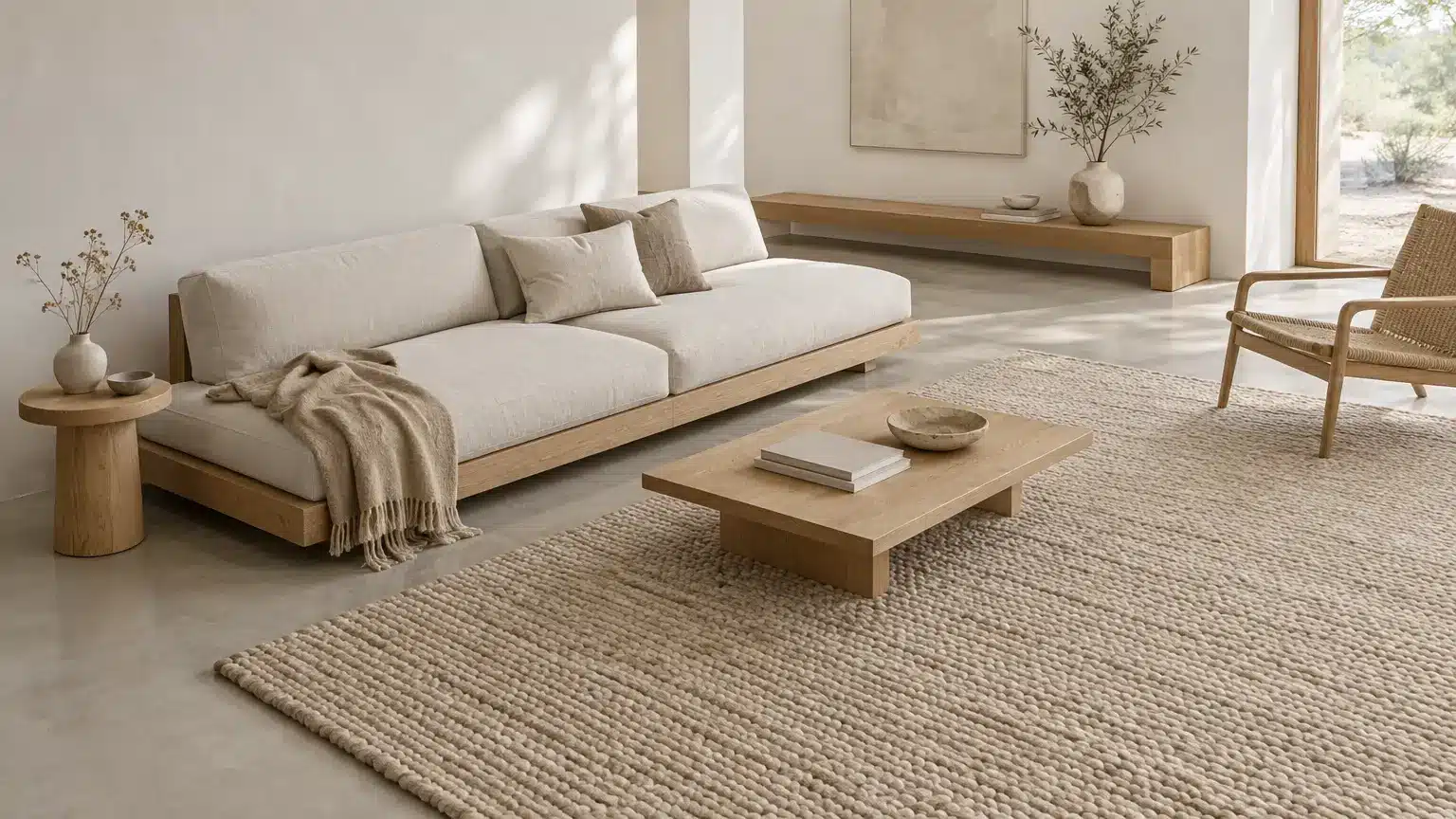
Neutral color palettes, natural materials and timeless finishes continue to win out over highly personalized aesthetics, consistent with broader buyer appeal.
This does not mean homes should feel generic. It means buyers respond better to spaces where they can imagine themselves living comfortably without immediately planning expensive changes.
Warm wood textures, matte finishes, soft lighting and clean architectural lines are particularly popular at the moment because they create a modern look but don’t feel overly trend-driven.
The goal is balance. Buyers want homes that feel updated but not temporary.
Buyers Are Thinking Long Term
Perhaps the biggest shift in today’s market is how buyers evaluate long-term ownership costs.
People are no longer focused only on purchase price. They’re asking:
- How much maintenance will this property require?
- Will utility costs stay manageable?
- Are major systems already updated?
- How expensive will landscaping and exterior upkeep become?
This mindset explains why practical upgrades are doing better than flashy renovations in many markets.
Low-maintenance exteriors, durable materials, energy-efficient systems, and functional outdoor spaces all reduce future ownership stress. And reduced stress has real value in the eyes of buyers.
Final Thoughts
The best home improvements are rarely the loudest ones.
Social media is full of images of dramatic renovations, but the ones that tend to increase property value are the improvements that improve daily living in subtle but meaningful ways. Energy efficiency, durable materials, functional outdoor spaces, updated roofing and low-maintenance landscaping continue to be valuable because they address real homeowner concerns.
Trends may evolve, but practicality remains surprisingly consistent across every market cycle.
Homeowners who focus on improvements that combine comfort, efficiency, and long-term reliability are often the ones who see the strongest return when it’s finally time to sell.