
Jamali Garden’s Extensive Vase Collection Is an Interior Stylist’s Favorite in 2026
In 2026, the demand for adaptable, design-forward decor elements continues to shape the interiors and event styling industries. Among these, vases remain a foundational component, serving both functional and aesthetic roles across residential, commercial, and event spaces. Jamali Garden, a New York–based importer and supplier founded in 1997, has gained attention within professional circles for its expansive and specialized vase collection.
Operating from Manhattan with a catalog of more than 3,000 SKUs, the company caters primarily to florists, event planners, and hospitality designers. Its vase category reflects broader shifts in styling preferences toward material diversity, bulk availability, and project-ready inventory.
A Broad Material Range Supporting Diverse Design Needs
One of the defining features of Jamali Garden’s vase collection is the breadth of materials available. This diversity allows interior stylists to select vessels that align with specific themes, textures, and lighting conditions.
The collection includes:
- Glass Vases: Cylinders, bud vases, and mercury glass options commonly used in weddings and retail displays
- Ceramic Vases: Neutral-toned and textured pieces suited for both minimalist and layered interiors
- Metal Vases: Brass, aluminum, gold, and silver finishes often used in contemporary or industrial designs
- Crystal Vases: High-clarity options for formal events and upscale installations
This range of vases by Jamali Garden addresses a key challenge in design: achieving cohesion across different environments while maintaining visual interest. Interior designer Bobby Berk has described floral styling as “the delicate balance of shape, texture, and soul,” a principle reflected in the company’s multi-material approach.
By offering varied finishes and forms within a single supplier ecosystem, Jamali Garden enables professionals to source complementary pieces without relying on multiple vendors. This can simplify procurement for large-scale projects, particularly those requiring consistent styling across multiple rooms or venues.
Founder-Led Designs and High SKU Exclusivity
Approximately 80 percent of Jamali Garden’s products are designed in-house by founder Sabir Taheraly. This level of direct design involvement contributes to a catalog that differs from standardized wholesale inventories.
Within the vase category, this results in:
- Unique silhouettes, including oblong, cube, and geometric forms
- Specialized finishes such as antiqued mercury glass and brushed metals
- Event-specific designs, including urns and French-style vessels
For interior stylists, access to non-replicated designs can be significant. Projects often require differentiation, particularly in commercial settings where branding and visual identity play a central role. Georgia O’Keeffe once referred to designers as “visionaries, seeing the potential for beauty in every stem and petal,” highlighting the importance of distinctive presentation tools.
This emphasis on originality positions the vase collection as more than a utility category. Instead, it functions as a set of design assets that can shape the overall tone of a space.
Inventory Availability and Bulk Purchasing for Project Work
A recurring challenge in the decor supply chain is timing. Event planners and interior stylists frequently work within fixed deadlines, leaving limited room for delays. Jamali Garden’s inventory model is structured to address this constraint.
Unlike suppliers that rely on pre-orders, the company maintains stock in its warehouse, enabling immediate fulfillment. This approach supports professionals managing time-sensitive installations, including:
- Weddings and corporate events
- Retail window displays
- Hospitality interiors, such as hotels and restaurants
The company’s pricing structure further reflects its project-based focus. Products are typically offered at both single-unit and case pricing, encouraging bulk purchases.
Integration With Floral and Lighting Elements in Interior Styling
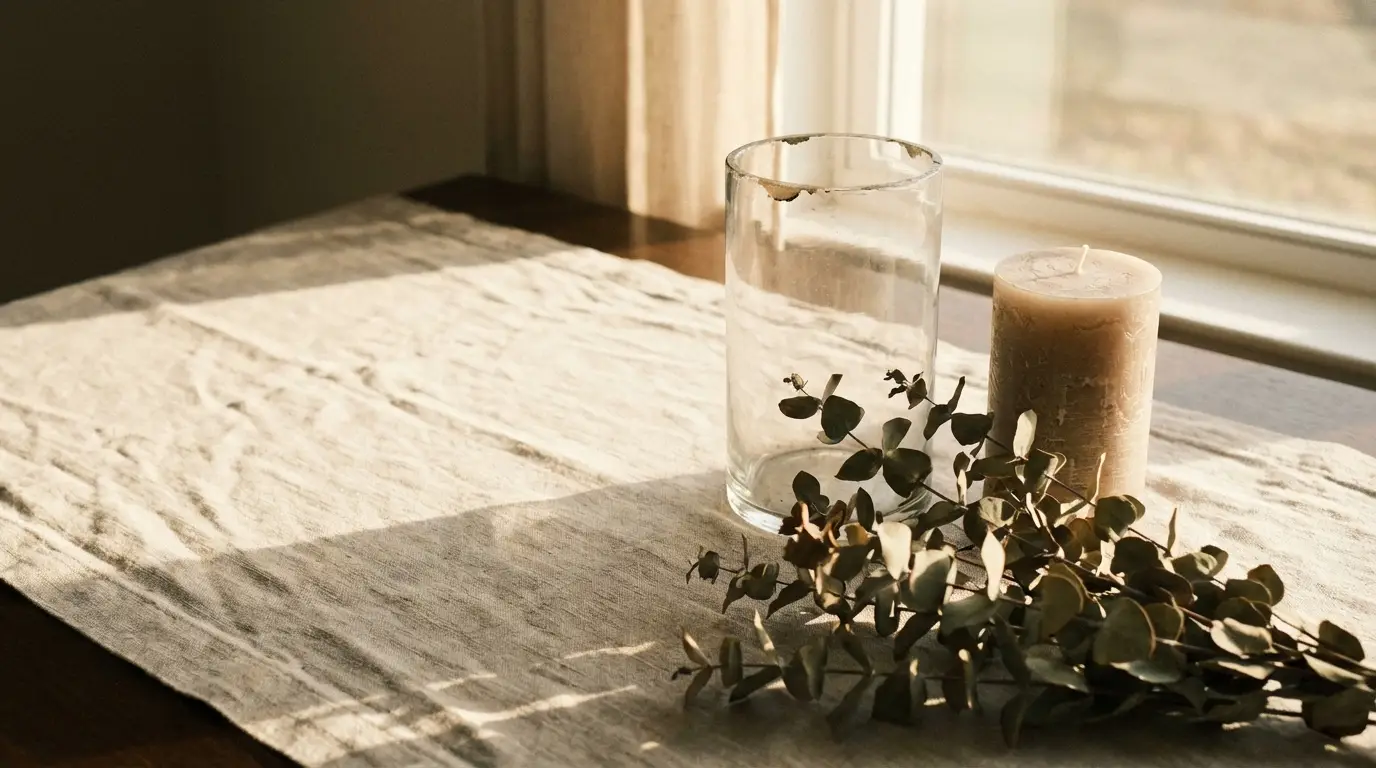
Vases rarely function in isolation. In professional design contexts, they are often paired with florals, greenery, and lighting elements to create cohesive arrangements. Jamali Garden’s broader catalog supports this integrated approach.
For example:
- Bud vases are frequently combined with silk stems for table centerpieces
- Larger urns are paired with artificial trees or seasonal arrangements
- Glass cylinders are used alongside candles to create layered lighting effects
Industry voices emphasize the importance of this interplay. Martha Stewart has described floral designers as “curators of nature’s finest treasures,” underscoring the role of vessels in framing and enhancing botanical elements.
This connection between vases and complementary decor is reflected in how stylists source products. Candle holders, in particular, are often selected alongside vases to build cohesive tablescapes. In this context, Jamali Garden’s collections, such as those featuring coordinated vessels and lighting elements, illustrate how wholesale candle holders have become a staple for interior stylists working on layered designs.
Professional Adoption and Use in High-Visibility Projects
Jamali Garden’s vase collection is widely used in professional environments, including high-traffic and high-visibility settings. The company reports that its products have been featured in:
- Fifth Avenue retail window displays
- Showrooms for established fashion brands
- Large-scale holiday installations in New York City
These applications highlight the durability and consistency required for commercial use. Products must maintain their appearance under varied lighting conditions and repeated handling, particularly in environments with heavy foot traffic.
The company’s customer base reflects this professional orientation. Approximately 50 percent of revenue comes from repeat customers, indicating ongoing reliance among florists, event planners, and hospitality designers.
Geographically, demand is concentrated in major urban markets such as New York, Los Angeles, Miami, and Houston. These cities host a high volume of events and commercial installations, creating sustained demand for decor elements like vases.
Conclusion
Jamali Garden’s vase collection illustrates how a focused product category can support a wide range of professional design applications. Through a combination of material diversity, original design, and inventory availability, the company addresses practical challenges faced by interior stylists and event planners.
As styling demands evolve in 2026, the role of foundational items such as vases remains consistent. Suppliers that can provide both variety and reliability are likely to maintain relevance, particularly in project-driven sectors where timing and visual differentiation are critical.