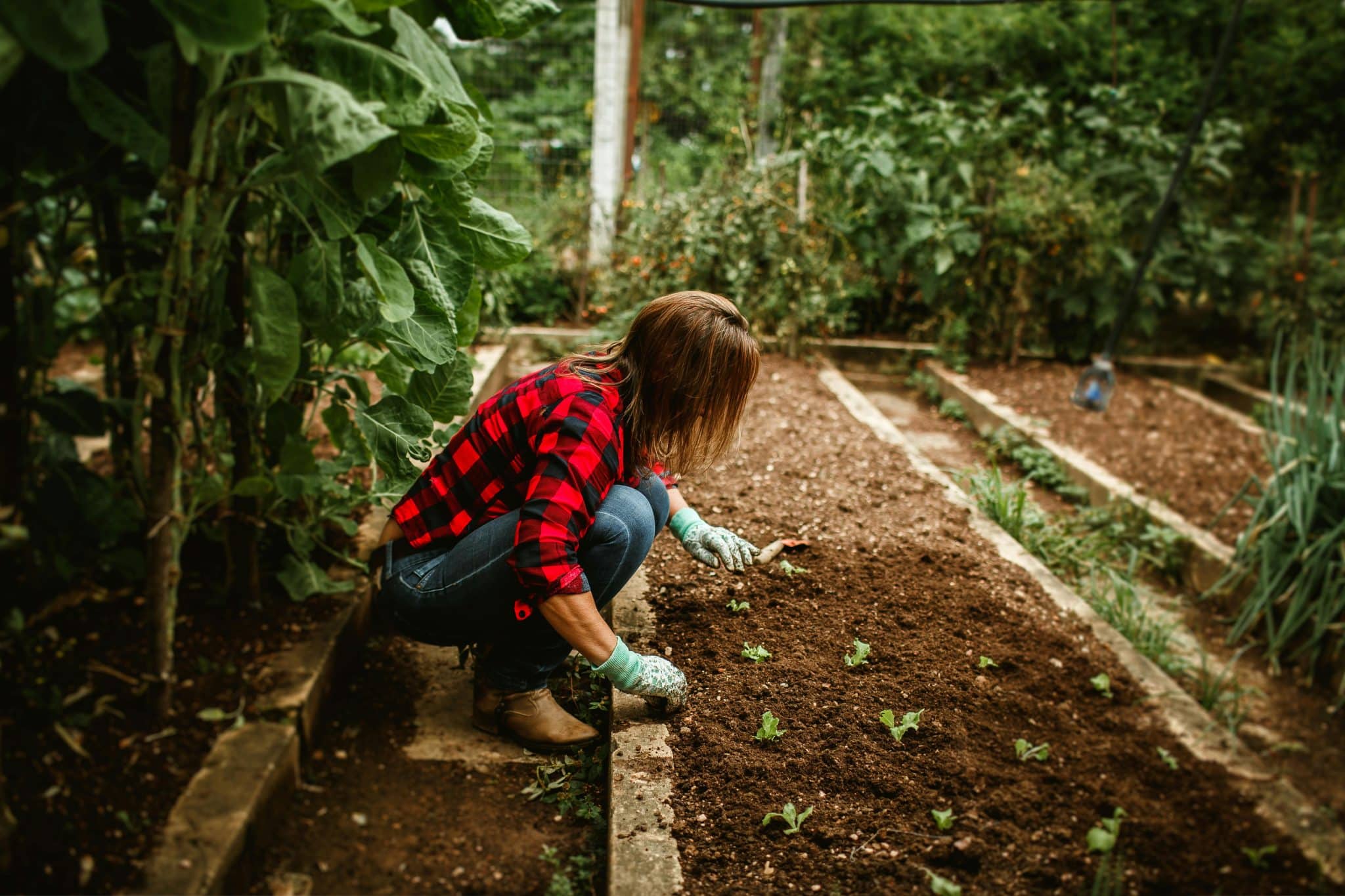
Most houseplants do not die during a move. They decline slowly from stress that could have been prevented.
Plants react to sudden shifts in light, temperature, airflow, and moisture. A smooth relocation is less about speed and more about managing those variables step by step.
Why Houseplants Experience Moving Shock
Minor environmental shifts can easily interrupt healthy growth.
Research in Scientific Reports shows indoor plants react to changes in light intensity and day length, with sudden shifts harming leaves and development. During moves, brightness changes and temperature swings, including drafts, create similar stress.
Pre Move Prep to Prevent Shock
Preparation should start two to three weeks before moving day. Sudden repotting or heavy pruning right before transport adds unnecessary stress.
Here are the key steps:
- Repot fragile plants into lightweight plastic containers if needed
- Check for pests and treat early
- Avoid heavy watering the day before the move
Research suggests repotting several weeks before relocation allows roots time to stabilize before transport. That adjustment period can significantly improve resilience once the plant is packed, lifted, and moved into a new environment.
For large specimens like mature monstera or fiddle leaf figs, transport planning becomes critical. Coordinating with experiencedprofessional movers helps ensure timing, truck conditions, and loading order minimize temperature spikes and excessive jostling. When plants travel last-in and first-out, they spend less time in unstable environments.
Stabilizing Soil and Protecting Leaves in Transit
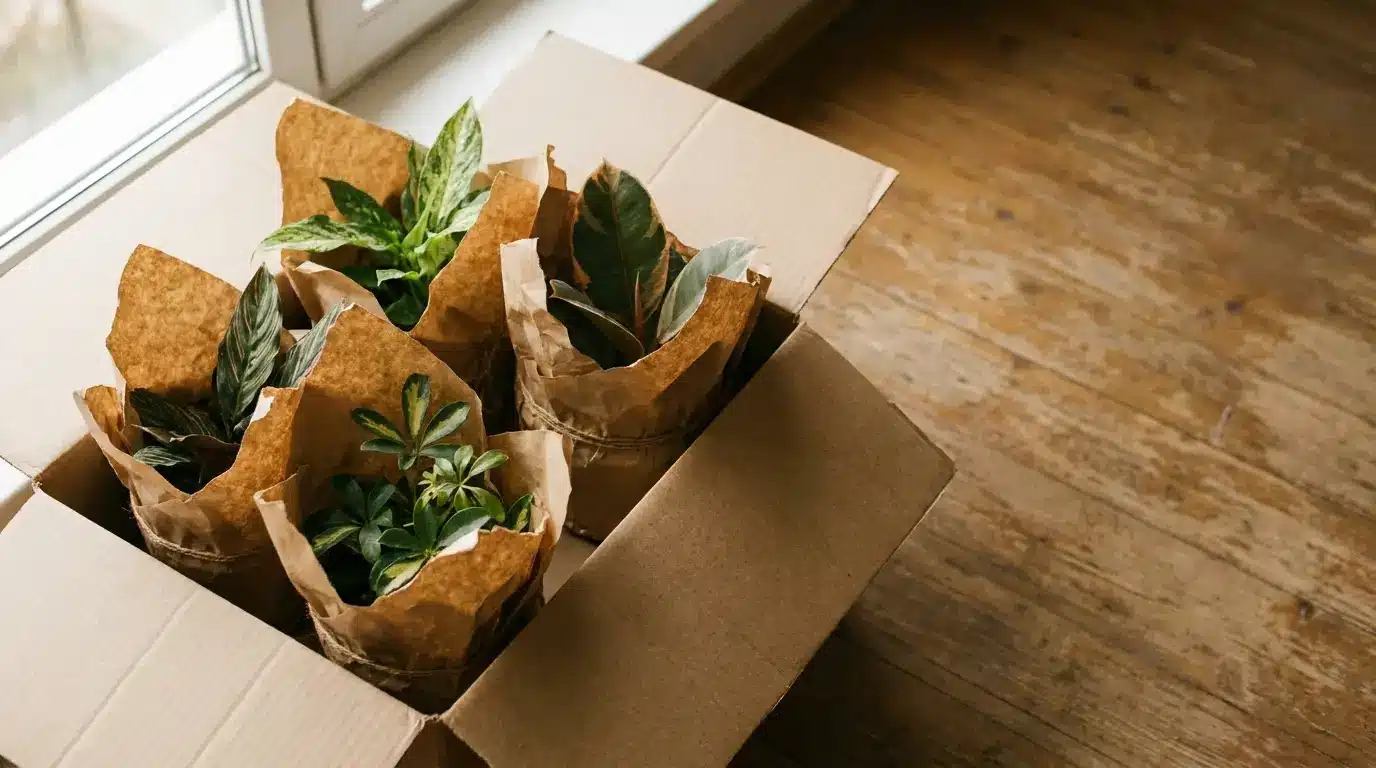
Movement damages roots more than most people realize. Loose soil shifts, root balls slide, and stems snap under vibration.
To reduce that risk:
- Wrap pots to prevent tipping
- Cushion foliage with breathable paper
- Keep plants upright and secure
Forbes Home recommends avoiding non-climate-controlled trucks during extreme heat or cold. If that is unavoidable, reduce transit time as much as possible. Even a few hours in high heat can trigger leaf drop days later.
Humidity matters too. If air is dry, group plants together or use a shallow humidity tray once you arrive. The goal is to limit drastic moisture swings.
Post Move Acclimation Strategy
The biggest mistake happens after unloading. Plants are often placed immediately into a new bright window or dark corner.
Instead, reintroduce light gradually. Place plants in moderate, indirect light for several days before moving them to their final position. Research from Scientific Reports shows that light intensity directly affects plant performance. Gradual exposure reduces shock and leaf scorch.
Water lightly, monitor for drooping, and avoid fertilizing for at least two weeks. Fertilizer pushes growth when the plant is still stabilizing.
Helping Your Plants Thrive After Relocation
Relocating greenery is about controlling stress before, during, and after the move. Manage light, stabilize soil, protect from temperature swings, and ease plants into their new environment.
If you are planning a move and want fewer setbacks, explore transport options carefully and consult trusted resources. When in doubt, reach out for guidance or share your experience in the comments at SeedSheets. A thoughtful plan makes all the difference when learning how to relocate houseplants without shock.