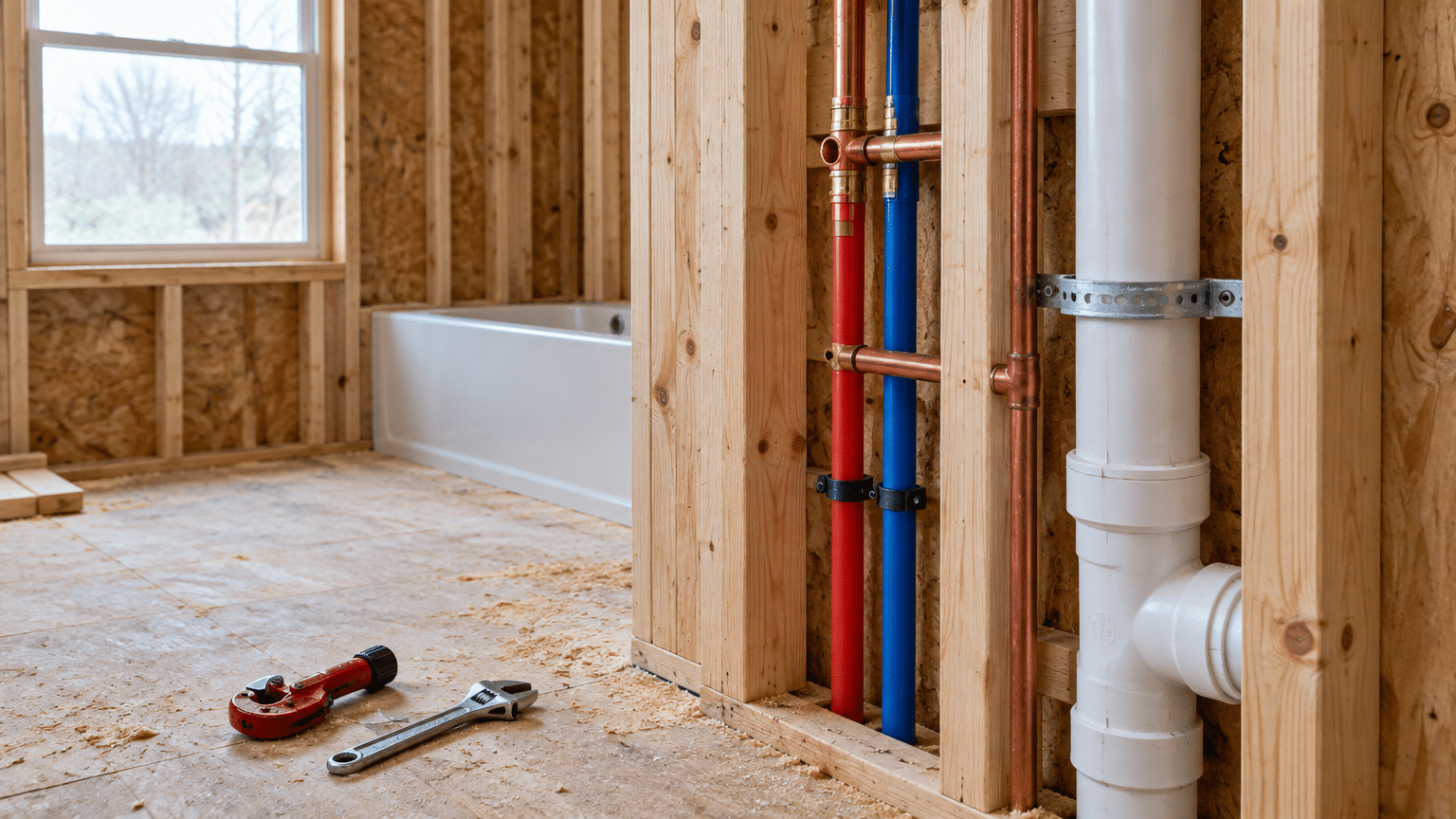
Being a landlord can be very profitable until hidden costs start to eat into your profit margin. Maintenance costs can increase, vacancies can last longer than anticipated, and now the net profit is not what you expected.
To reduce costs, you generally would have to get creative with your expenses. Whether you are a new landlord or a seasoned property owner, there are ways to reduce expenses while keeping your property in good condition for tenants.
Some of these strategies will require little to no effort or planning, while others may require some effort and time, but when combined, they can impact what you take home each month.
Evaluating Current Rental Costs
Rent
To cut costs as a homeowner, you must first figure out how much money you’re spending. To do this, you’ll need to understand your current rental expenses in detail and not just estimate them off the top of your head.
Review all of your records, such as your mortgage payments, insurance, property taxes, maintenance, management fees, and any utilities that you are responsible for.
After reviewing all this data, it’s common for homeowners to find hidden costs that have grown over time or to discover ongoing expenses they’ve been paying simply because they are used to paying them.
A trusted property manager in San Antonio Texas assists landlords in complying with local regulations, avoiding costly fines and penalties.
This is all about getting clarity. Once you know what you’re actually spending and where, you’re in a much better position to make smart decisions about where to trim without affecting the experience your tenants are paying for.
Utilities
Utilities are one of the expenses that go unnoticed until you actually put them down in numbers before you. If your tenants have some sort of utility coverage, such as water, electricity, or gas, these bills can add up to a good amount of your yearly expenses without you realizing it.
To start, analyze the last year of utility bills and see if you notice any patterns. Are certain units using more than others? Is there a season when the costs jump and remain high? These are clues you should take notice of.
Sometimes the issue is minor, such as an old water heater, poor insulation, or an appliance that has not been upgraded. One of the best ways to reduce rental property expenses is through preventative maintenance and making energy-efficient updates to your property.
Knowing where your money is going can help you plan for your future needs rather than just having a general idea that you are spending too much.
Subscriptions
Do you remember the last time you actually took some time to look through all of your subscriptions related to your rental business? Let’s be real, you probably haven’t done this in quite some time.
This is where you can lose a significant amount of money. You had a reason to subscribe to each of your software subscriptions when you first signed up.
Companies change, and what you needed two years ago might be completely different from what you need today. Some of your subscriptions overlap, while others are barely used. However, you continue to renew them simply from habit.
You need to pull up your bank statement, review the list of all your monthly recurring expenses for your rental property(s), and complete a checklist for each expense. You may be surprised by how many there are.
After doing this, question whether each expense is actually earning its way or just lying low, waiting to be charged to you each month. Eliminating unnecessary expenses is one of the quickest ways you can improve your bottom line.
Consider Location Trade-offs
Proximity vs. Price
Your rental price is largely dependent on where a property is located, so make sure you weigh the trade-off between its location and the monthly cost of owning it before adding a new property to your portfolio.
Purchasing a less desirable location at a lower price may save you money each month, but you may quickly lose that savings due to vacancies or tenants damaging the property over time.
Conversely, buying a property that is well-located near schools, transit, or job centers generally will rent more quickly, retain its value better, and attract tenants who stay longer.
Lower tenant turnover means lower repair expenses, reduced listing costs, and fewer headaches overall. Price is the initial point of entry, but proximity typically indicates the longevity of a profitable rental property after purchase.
How to Reduce Rental Expenses Without Sacrificing Quality?

Reducing what you spend on your rentals doesn’t have to feel like a compromise. You need to be smart with where your money goes and make sure that every dollar does its job.
You can start cutting costs by looking at your largest ongoing expenses, such as maintenance, property management fees, insurance, and utilities, if you cover them. These are usually where the most savings are hiding.
Small inefficiencies in each area add up to a significant amount over a year. Preventive maintenance is a great investment. You will spend significantly less in total by fixing small issues before they become costly, major repairs.
The same principle applies to tenant retention, too. Retaining a quality tenant is almost always less expensive than putting a new one into your building.
You do not need to make significant changes all at once; identify one area, make it completely tight, and move on to the next area. These small changes, when made consistently, will help you protect your profits, while your tenants will not notice them.
Conclusion
Cutting back on your rental costs is an ongoing effort. It requires periodic updating as your investment grows and your circumstances change.
Fortunately, making significant cuts is not necessary for you to realize the results. Rather, small intentional actions will yield the greatest results.
The first step to changing your rental costs is to critically examine how you’re spending money. The next step is to implement those changes one area at a time to see the ultimate savings to your overall bottom line.