Renovating your living space is one of the most satisfying things you can do all year. It breathes new life into the home and opens up the space for fresh possibilities. The same goes for adding new furniture to your existing setup, albeit on a smaller scale.
However, retouching your home in any way can be very stressful if you don’t have the right tools. There are very few things worse than finding out that your new $500 accent lamp doesn’t really chime with the oak table you love so much, or that your new furniture layout eats up space more than you’ll ever be comfortable with.
Fortunately, there’s a way to avoid costly mistakes and it’s called Planner 5D. It lets you act out your ideas, change them on the fly, and see exactly what your new home would look like both in a 2D blueprint and a 3D render. Here’s how planner5d.com can help you renovate your home, choose the right furniture, or simply play around with your space.
Start from Scratch
Even the tiniest of projects has to start with the layout. It doesn’t have to be anything crazy; inside Planner 5D, you can draw a floor plan from scratch or upload one you already have. That could be a professional blueprint, a scanned sketch on paper, or even a rough drawing you made while thinking through ideas.
Once the structure is laid out, the chips can start falling in their places. You can drag, drop, and move around different furniture or decor items, all from a single app.
Testing Ideas Without the Risk
The biggest advantage of planning digitally is trying things you’d normally hesitate to risk in real life. Planner 5D comes with a large library of over 8,000 furniture and decor items, which means you’re not limited to abstract ideas. You can actually drop in a specific sofa style, try different lighting setups, switch flooring materials, and see how everything works together.
Sometimes what looks good individually doesn’t work at all in combination. Other times, unexpected pairings end up being exactly what a room needed. Either way, you find out instantly instead of halfway through a renovation.
Switch Between Planning and Being Inside
What makes the whole process more useful than traditional planning is how easily you can move between 2D and 3D views. In 2D, you’re deciding on measurements, spacing, and flow. You’re making sure doors open properly, walkways aren’t tight, and furniture actually fits where it’s supposed to.
Then you flip into 3D, and it changes the feel about the space entirely. Now that you’re standing inside it, you can see whether a room feels open or crowded. You can tell if a layout makes sense from the inside, not just looking at it from above. And often, you’ll notice things you completely missed in the planning stage.
If you wouldn’t buy a house without walking through it, you shouldn’t design one without experiencing it first in 3D. – the Planner 5D design team.
See it Down to Light and Texture
A common issue with design planning is that it stays flat. Almost too flat. Even good layouts can feel hard to evaluate when they don’t reflect how the space will actually look in real life.
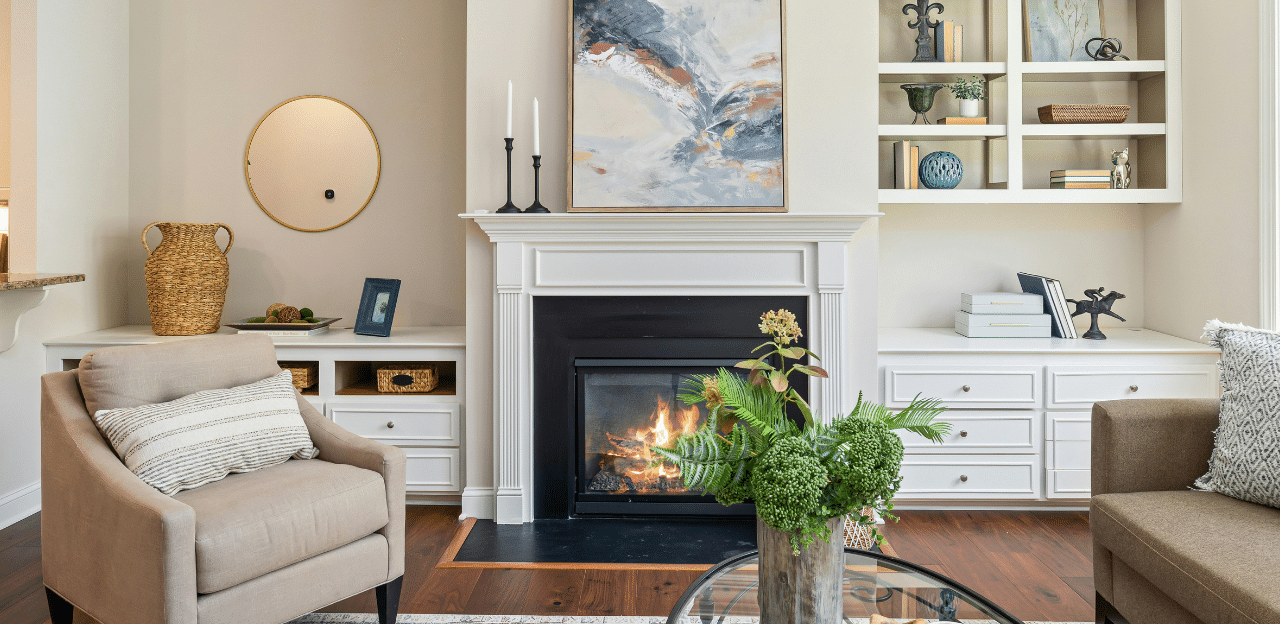
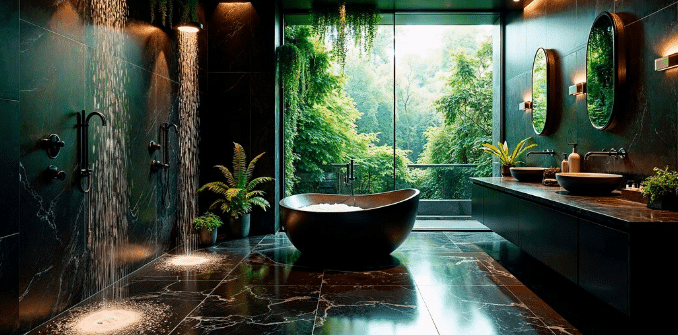
The 4K renders in Planner 5D solve this issue. They let you see the ins and outs of your new-look home.You get realistic images that show how light behaves in a room, how textures interact, and how colors shift depending on surroundings. It’s the closest thing to seeing the finished space without physically building it.
For decisions like paint colors, flooring, or statement pieces, that extra clarity makes a world of difference.
Discard Endless Possibilities
Most homeowners don’t struggle with a lack of inspiration, but with too much of it. Would another color fit better? Would another carpet be less kitsch?
Here’s where tools like mood boards can prove extremely useful. Inside Planner 5D, you can gather references, colors, textures, and styles in one place so your ideas don’t scatter across tabs, screenshots, and notes. You’ll naturally discard more ideas than adopt, but in doing so, the desired style will start to appear. The more design ideas you discard, the closer you are to making the right decision.
More than just gathering ideas, mood boards are useful for eliminating what doesn’t belong. Clarity often comes from subtraction, not addition. – the Planner 5D design team.
Catching Mistakes with 360° Walkthrough
One of the underrated parts of design is understanding movement. That is, figuring out how people actually move through a space.
A room can look fine on paper but feel off when you imagine walking through it. Maybe the kitchen island interrupts the flow. Maybe a sofa blocks a natural path. Maybe a hallway feels tighter than expected once furniture is in place. Or that $500 overhead statement lamp eats up too much visual space and you feel reluctant to pass it by.
The 360° walkthrough helps surface those issues early. You can move through the space almost like it already exists and get a better sense of scale and comfort. It’s often in these small moments that the biggest design adjustments happen.
Not Tied to One Device
Home design rarely happens in a single sitting. You think about it while shopping, while scrolling, while rearranging furniture in your head at random times during the day. As a result, you need to be able to switch between devices and work your way towards the perfect renovation in installments.
Planner 5D works across desktop, mobile, and tablet. Start a project on one device and continue it somewhere else without breaking your flow. You never have to lose progress or miss out on the idea just because your PC is not around.
Planning Makes Perfect
At some point, you realize that it’s not the renovation itself that’s stressful, but uncertainty. Not knowing whether something will fit. Not knowing if a style will work or if a layout will feel right once it’s built.
Digital planning removes a lot of that uncertainty. You’re still making creative decisions, but you’re making them with context instead of guesswork. You’ll know not only whether the table you’ve been eyeing for the past week is right, but why it does or doesn’t work.
And that’s usually the difference between a space that looks just fine and one that actually feels just right.