The Texoma region is known for its blend of small-town charm and modern living, with homeowners continuously seeking ways to enhance the comfort and value of their properties. As communities throughout North Texas and Southern Oklahoma continue to grow, home improvement projects, particularly bathroom renovations, have become a popular investment for creating more functional, attractive, and accessible living spaces.
Small bathrooms can be sneaky. They may not take up much square footage, but they can create a giant amount of daily frustration. A cluttered counter, weak lighting, and a shower that feels like a phone booth can wear on you fast. The good news is that you don’t always need a mansion-sized bathroom to make life easier. A few smart updates can help the room look better, work better, and feel a whole lot less grumpy.
Start with your goals
Before you pick tile colors or shiny new faucets, take a minute to think about what you want the bathroom to do better. Maybe you need more storage for towels and hair tools. Maybe the room feels dated, cramped, or just annoying to clean. When you know your top priorities, it becomes much easier to make choices that actually help.
If your project is bigger than a few weekend fixes, working with a bathroom remodeling company like Luxury Bath of Texoma can help you turn those goals into a plan that fits your space. That matters most when you want a new shower, a safer setup, or a better layout.
Keep your wish list simple at first:
- What bothers you every day
- What feels outdated
- What would make mornings easier
- What needs to last for years
That list becomes your roadmap, not just a pile of pretty ideas.
Fix the daily annoyances
A lot of bathroom stress comes from little things that happen over and over. Bad lighting makes it harder to get ready. A messy vanity slows you down. A shower with nowhere to put soap is weirdly irritating. These aren’t dramatic problems, but they can make the room feel harder to use than it should.
Start by noticing the friction points. If two people use the bathroom every morning, counter space matters more than fancy décor. If kids leave everything everywhere, storage needs to be easy to reach and easy to put back. If the mirror always fogs up, better ventilation might be the hero of the story.
Simple upgrades can make a real difference:
- Swap harsh lighting for layered light
- Add drawer organizers or wall shelves
- Replace old faucets that splash too much
- Use hooks where towels actually get dropped
It’s not glamorous, but solving small daily headaches is often what makes a bathroom feel truly improved.
Choose materials that last
Bathrooms work hard. They deal with water, steam, toothpaste blobs, and the occasional mystery puddle. So when you choose materials, pretty matters, but practical matters more. You want surfaces that can handle real life without turning every cleaning session into a battle.
For floors, slip-resistant tile is a smart pick because it handles moisture well and usually holds up over time. For shower walls, smooth surfaces are easier to wipe down than lots of tiny grout lines. Vanities with durable finishes tend to age better in humid spaces, especially in busy family homes.
Try to balance these three things:
- Easy cleaning
- Long-term durability
- A look you won’t hate next year
This is one place where going ultra trendy can backfire. A bold style can be fun, but classic colors and simple finishes usually age better. Your future self will thank you when the bathroom still looks good and doesn’t need constant fussing.
Make small spaces feel bigger
You can’t always steal extra square footage from another room, sadly. If you could, most people would borrow a few feet from the hallway and call it a day. What you can do is make a small bathroom feel more open with a few visual tricks and smarter storage choices.
Lighter wall colors help bounce light around the room. A larger mirror can make the whole space feel wider. Glass shower doors often look less bulky than shower curtains, especially in compact bathrooms. Wall-mounted shelves and recessed storage can also free up floor space and reduce clutter.
Even simple habits matter here. A crowded vanity makes the room feel tighter than it is. Closed storage helps a lot because your eye gets a break when everything isn’t on display.
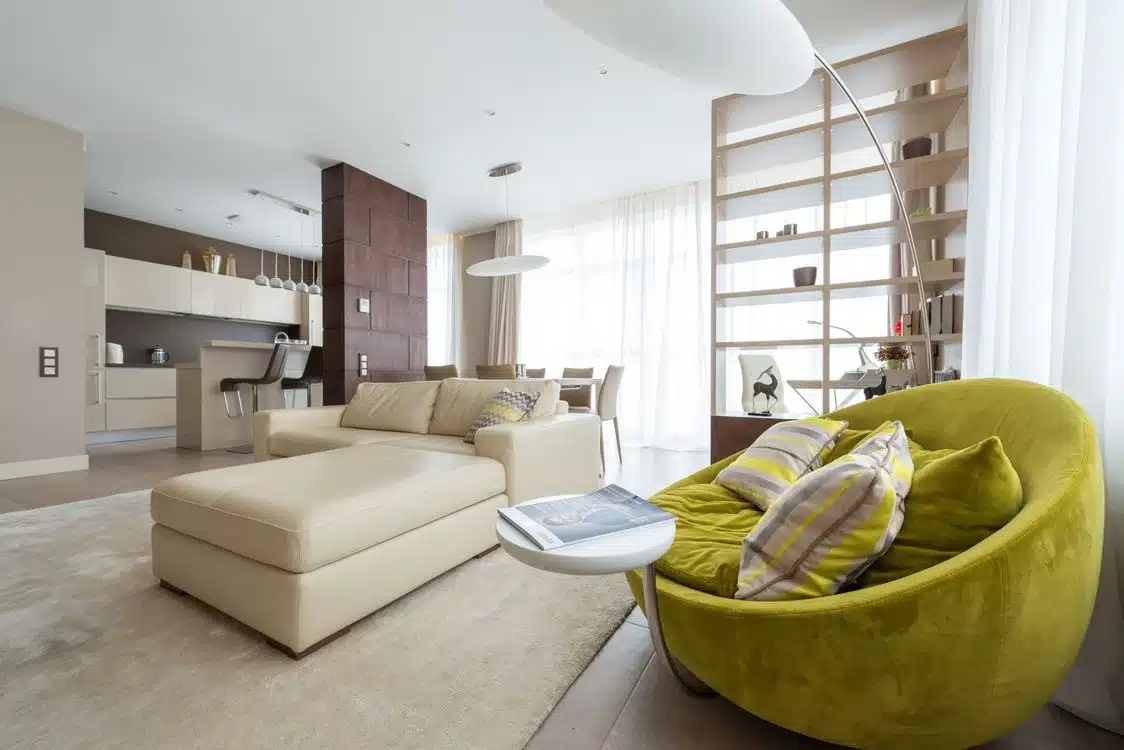
If you want design inspiration, even a simple image like this home improvement photo can help you think about cleaner lines and more open-looking layouts. Sometimes the room doesn’t need to grow. It just needs to breathe.
Think about comfort too
When people plan bathroom updates, they often focus on looks first. That makes sense, but comfort is what you actually notice every day. A bathroom that looks nice but feels awkward isn’t much of a win. The goal is to make the space easier and more pleasant to use.
Good ventilation is one of those boring features that turns out to be a superstar. It helps with moisture, smells, and mirror fog. Better lighting also matters more than people expect. Bright task lighting near the mirror is useful, while softer lighting can make the room feel calmer in the evening.
Comfort upgrades might include:
- A handheld showerhead for flexibility
- A built-in seat in the shower
- Slip-resistant flooring
- Easy-reach storage
These choices are especially helpful if you’re planning for kids, guests, or aging family members. Comfort isn’t extra fluff. It’s what makes the space feel friendly instead of fussy. Your bathroom shouldn’t act like it’s doing you a favor just by existing.
Plan a realistic budget
Bathroom projects have a sneaky way of growing once you get started. You think you’re replacing a vanity, and suddenly you’re talking about flooring, lighting, and whether that old tub has always looked slightly haunted. A clear budget helps you stay focused before the wish list runs wild.
A simple way to plan is to divide your spending into three groups. First are must-haves, like fixing damage or replacing things that no longer work well. Next come nice-to-haves, such as upgraded finishes or better storage. Last is the backup money for surprises, because bathrooms love surprises and not the fun kind.
A basic budget breakdown can look like this:
- Core repairs and essential upgrades
- Design choices and style upgrades
- A cushion for hidden issues
It’s often smarter to spend a little more on items you use every day, like flooring, showers, and fixtures. Cheap materials can cost less now but create more problems later. A budget should protect your project, not punish it.
Know when to upgrade
Sometimes a bathroom only needs a few surface changes. Other times, the room is telling you it needs more than fresh paint and optimism. If the layout doesn’t work, the storage is terrible, or the shower is showing wear that keeps getting worse, a larger remodel may make more sense.
Watch for signs like water damage, mold issues, cracked surfaces, or fixtures that no longer function well. A bathroom can also be due for an upgrade if it no longer fits your household. Maybe your family has grown, your mobility needs have changed, or the room simply doesn’t support your routine anymore.
A smart remodel isn’t just about style. It’s about making the space safer, easier to clean, and more useful for the way you live now. If you keep patching the same problems again and again, that’s usually your clue. At some point, a bigger update stops being a splurge and starts being the sensible move.