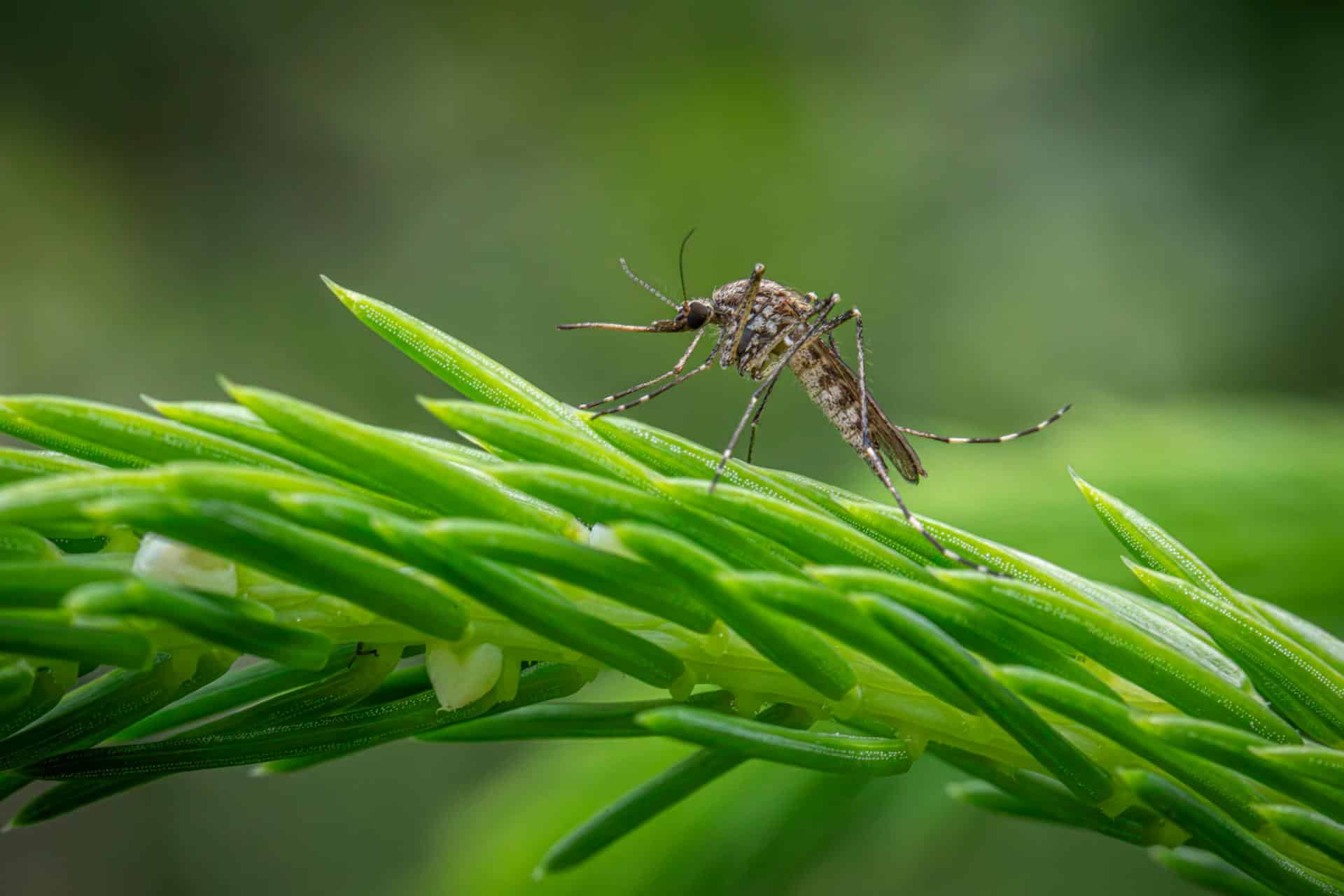
You notice your pet scratching more than usual. Then you see it, a tiny flea hopping on the carpet.
That’s when it hits you: they’re not just on your pet. They’re in your home. Figuring out how to kill fleas in carpet is about getting your space back.
These tiny bugs hide deep in the fibers, and simple vacuuming won’t cut it. In this blog, I’ll show you how to handle the problem step-by-step, without making it harder than it needs to be.
You’ll learn what methods actually work, what to avoid, and how to make sure they don’t come back. By the time you’re done reading, you’ll feel ready to take control and get real results.
Why Carpet Fleas Are Hard to Get Rid Of
Fleas don’t just land in carpets by accident, they choose them. Thick carpet fibers give fleas a place to hide, lay eggs, and grow without being noticed. Warm, dark, and quiet spots near where pets rest are their favorites.
The real problem isn’t just the fleas you can see.
Flea eggs and larvae sink deep into the carpet, where vacuums and sprays often miss. These stages make up most of the flea life cycle, so killing only adult fleas doesn’t solve the problem.
Many people try quick fixes, but they only treat the surface. Some sprays don’t reach deep enough, and vacuuming alone won’t break the cycle. Even worse, missing just one round of treatment can lead to a new outbreak.
To fully get rid of fleas, you need to understand how they live, grow, and survive in carpets.
Then, you can go after all stages, not just the ones you see.
How Fleas Live and Spread Inside Carpeted Homes
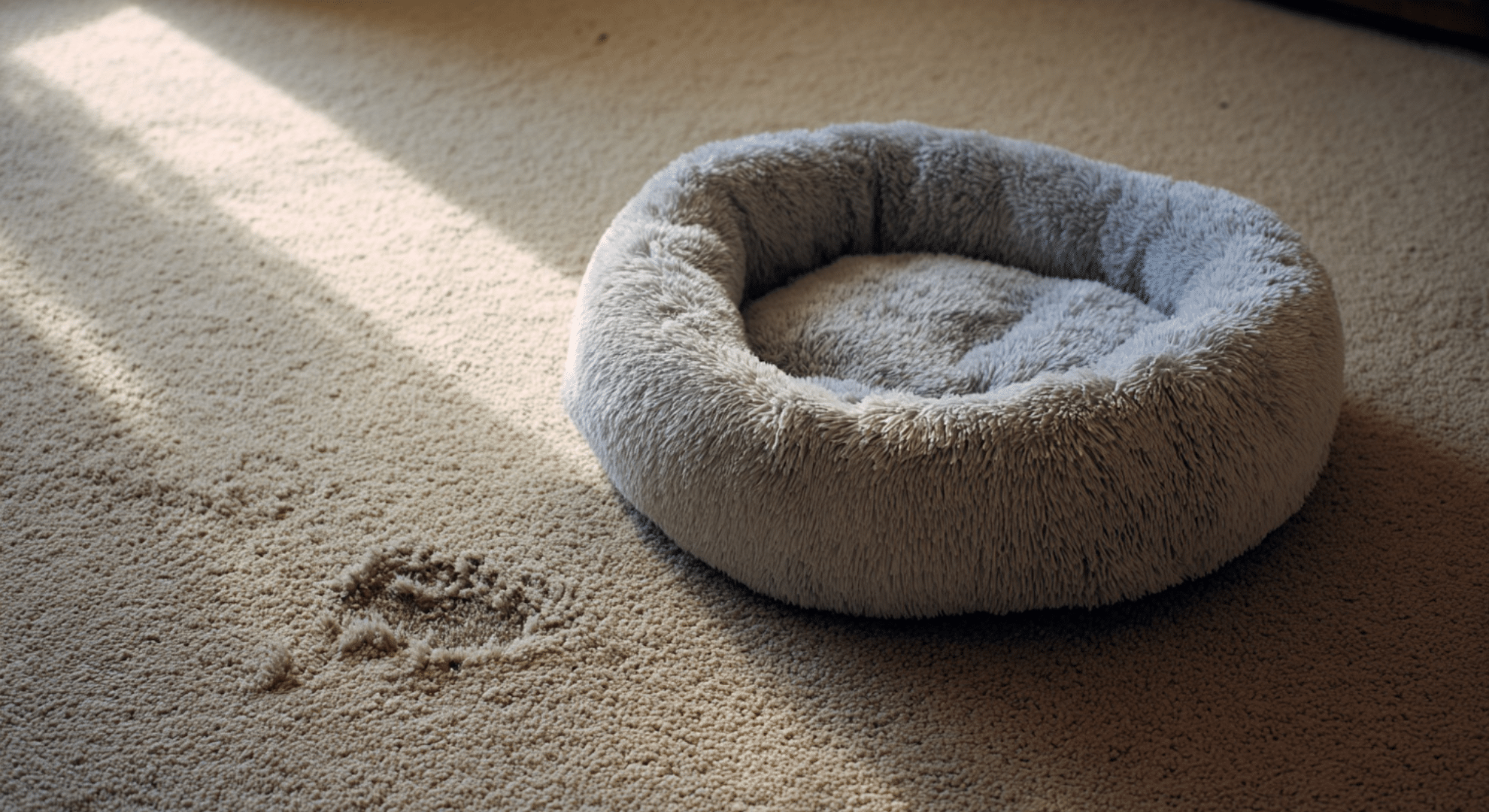
Fleas go through four stages: egg, larva, pupa, and adult. Most people only notice the adult stage, the biting fleas, but that’s just a small part of what’s really happening.
After feeding, adult fleas lay tiny white eggs. These eggs fall off pets and land in carpet fibers. A few days later, they hatch into larvae, which crawl deep into the carpet to stay away from light.
Larvae eat tiny bits of dried blood and skin until they turn into pupae, wrapping themselves in a sticky cocoon. Inside that cocoon, the flea waits: sometimes for weeks, until it senses movement or warmth. Then it hatches and jumps out as an adult.
Even without pets, fleas can survive for a while by hiding in their cocoons.
That’s why you may think you’ve cleared them out, only for them to come back. Treating once isn’t enough; you have to stop the cycle completely.
How to Kill Fleas in Carpet Naturally
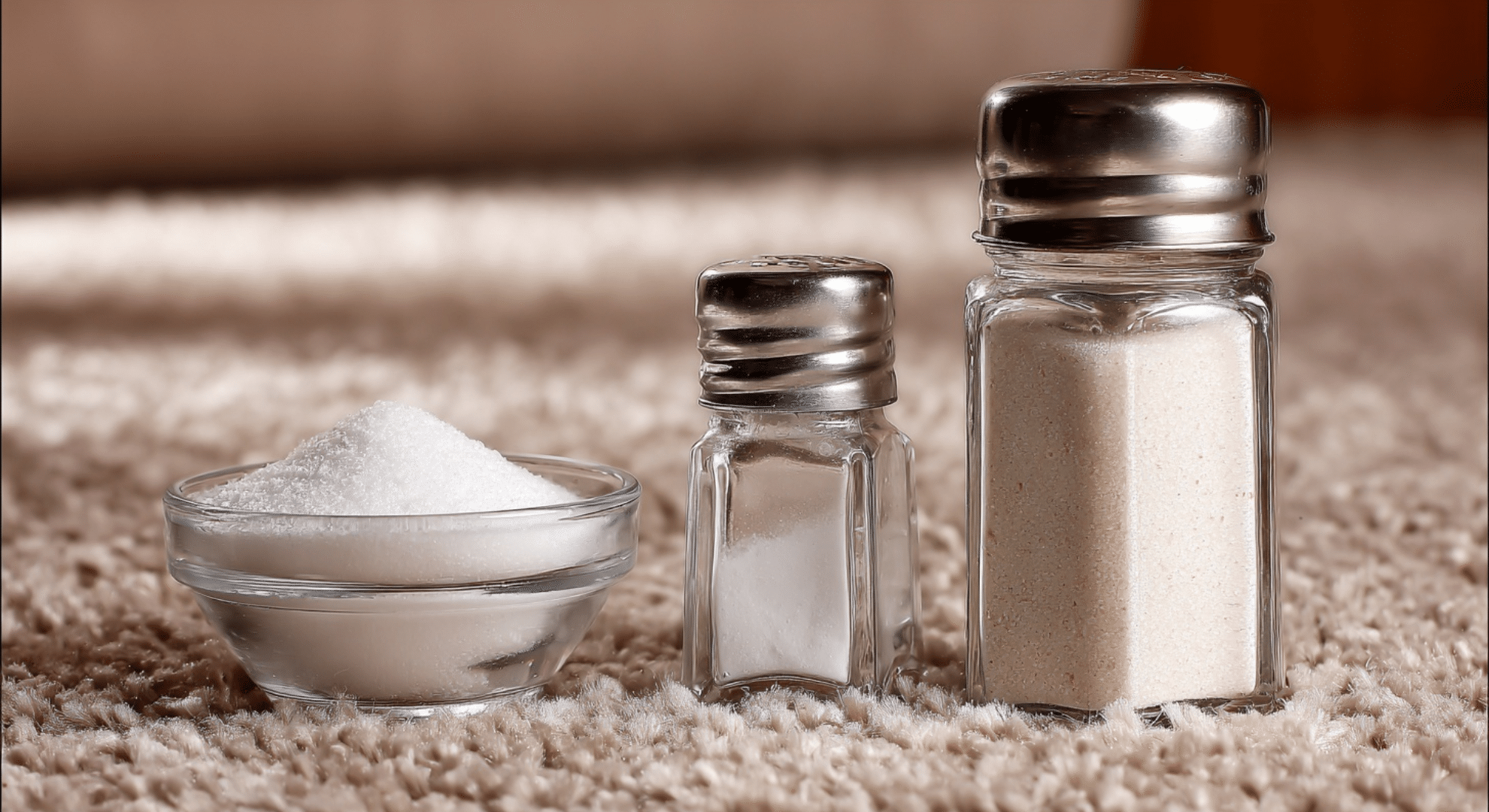
Natural ways to kill fleas can work well, but only if you use them the right way. Most natural methods don’t kill every stage of the flea life cycle at once.
That’s why you’ll need to repeat treatments and follow each step closely. If you’re looking for a chemical-free approach, here’s what actually helps and what you need to watch out for:
Diatomaceous Earth (DE)
What it does:
Diatomaceous earth is a fine powder made from crushed fossils. It feels soft, but under a microscope, it’s sharp. When fleas crawl through it, it cuts their outer layer and dries them out.
What it doesn’t do:
It only kills adult fleas and larvae, not eggs or pupae. Plus, it only works when dry. If your carpet is damp or humid, it won’t help.
How to use it:
- Sprinkle a thin layer on the carpet
- Let it sit for 24–48 hours
- Vacuum thoroughly
- Repeat in 3–4 days
Safety tip: Use food-grade diatomaceous earth. Don’t breathe it in: wear a mask while spreading it. Keep pets and kids away until you vacuum it up.
Salt and Baking Soda Mixes
Why they help:
Salt dries out fleas and larvae. Baking soda may help lift eggs and dirt to the surface when you vacuum.
Why timing matters:
This method works best when left overnight, at least 12 hours. If you vacuum too soon, it may not do much.
How to use:
- Mix equal parts salt and baking soda
- Sprinkle across the carpet
- Work it in with a broom
- Leave it for 12–24 hours
- Vacuum slowly and throw away the vacuum bag if you use one
- Repeat every few days for two weeks
This method is gentle, but it needs regular use to work. It won’t stop fleas in cocoons, so expect to repeat the process.
Borax or Boric Acid Powders
How they work:
Borax and boric acid dry out fleas like DE does. They also break down the flea body from the inside after it’s swallowed.
Use with care:
Borax is stronger than salt or baking soda, and it can be harmful to pets and small kids if they eat it or breathe in a lot of dust. Never use it near pet beds or food bowls.
How to apply:
- Lightly sprinkle over dry carpets
- Brush in with a broom
- Leave for 12–24 hours
- Vacuum well
Don’t use wet or in humid areas, as it can clump or be less effective.
Lemon Sprays and Essential Oils
What they do:
Natural sprays can repel fleas, but most won’t kill them. Lemon spray (boiled lemon water cooled in a spray bottle) can drive fleas away. Oils like lavender, cedarwood, and peppermint can do the same.
What they don’t do:
They usually don’t kill flea eggs or pupae. Some essential oils can bother pets, especially cats. Always research before using.
How to use:
- Make a spray with boiled lemon slices or water mixed with safe essential oils
- Lightly mist carpets (don’t soak)
- Let dry before letting pets in
Use sprays to make the area less welcoming to fleas after vacuuming and powder treatments. They’re better as a support, not the main fix.
Natural methods can take longer, but they avoid harsh chemicals and still give good results if you stick with the routine.
Step-by-Step DIY Flea Treatment Plan for Carpets
If you want natural flea treatments to work, it’s not just about what you use: it’s how and when you use it.
Here’s a clear plan to follow so you hit every stage of the flea cycle and stop the bugs from coming back:
Step 1: Vacuum Before You Start Anything
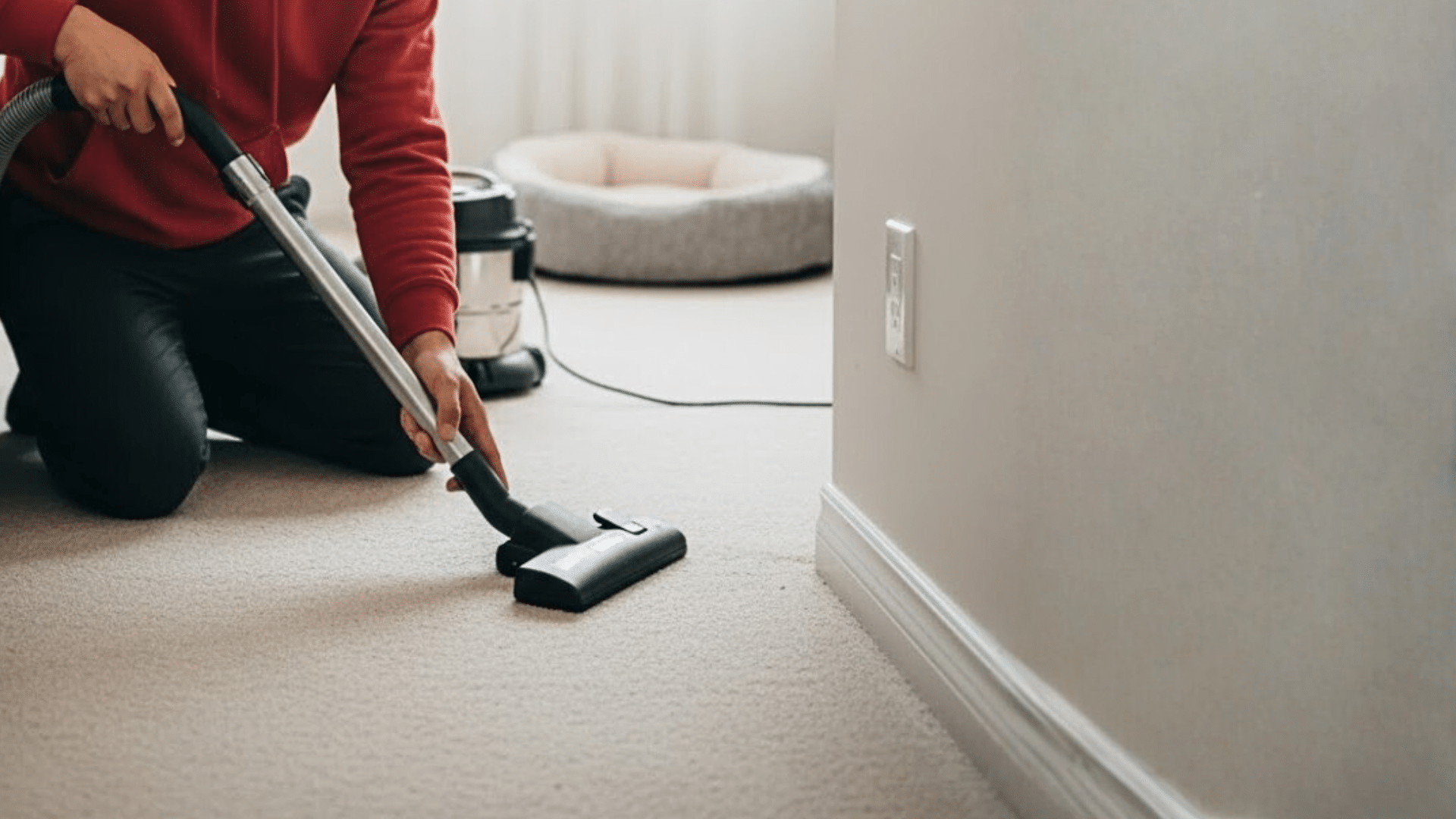
Before you spread any powder or spray, vacuum your carpet slowly and thoroughly.
- Focus on spots where pets sleep or rest
- Get under furniture and along baseboards
- Use the hose for edges and corners
This picks up some adult fleas and eggs and also wakes up fleas hiding in cocoons. That makes them easier to kill in later steps. Throw away the vacuum bag or empty the container outside, into a sealed trash bag. Fleas can crawl back out if you don’t.
Step 2: Apply Natural Powders Correctly
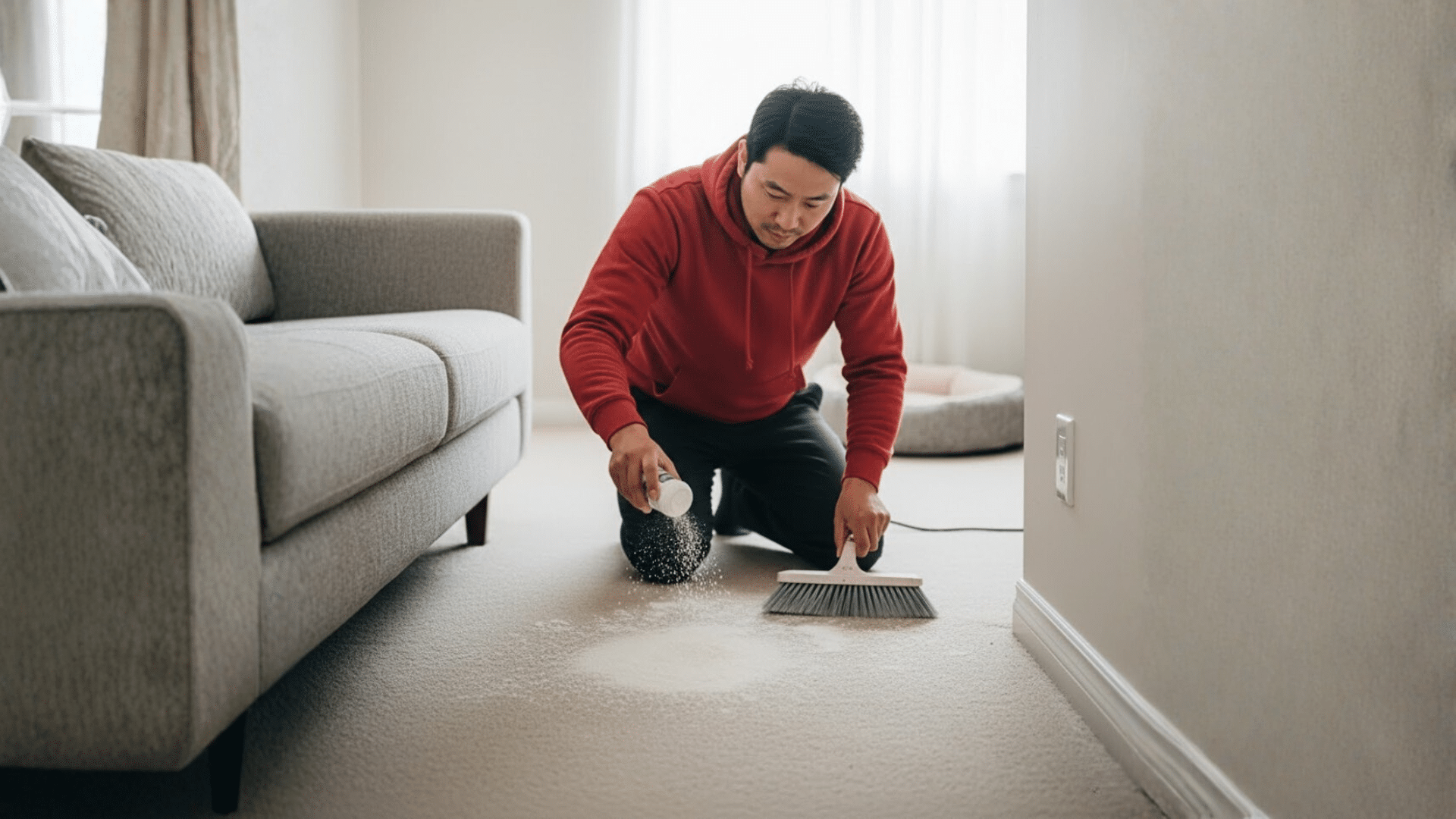
Choose one of the powders:
- Diatomaceous earth (food-grade only)
- Borax or boric acid (use with caution around pets)
- Salt and baking soda mix
How to apply:
- Make sure carpet is completely dry
- Lightly sprinkle powder across the carpet
- Use a broom or brush to work it in
- Don’t soak the carpet, just coat it evenly
- Keep pets and kids away during this step
Step 3: Let It Sit
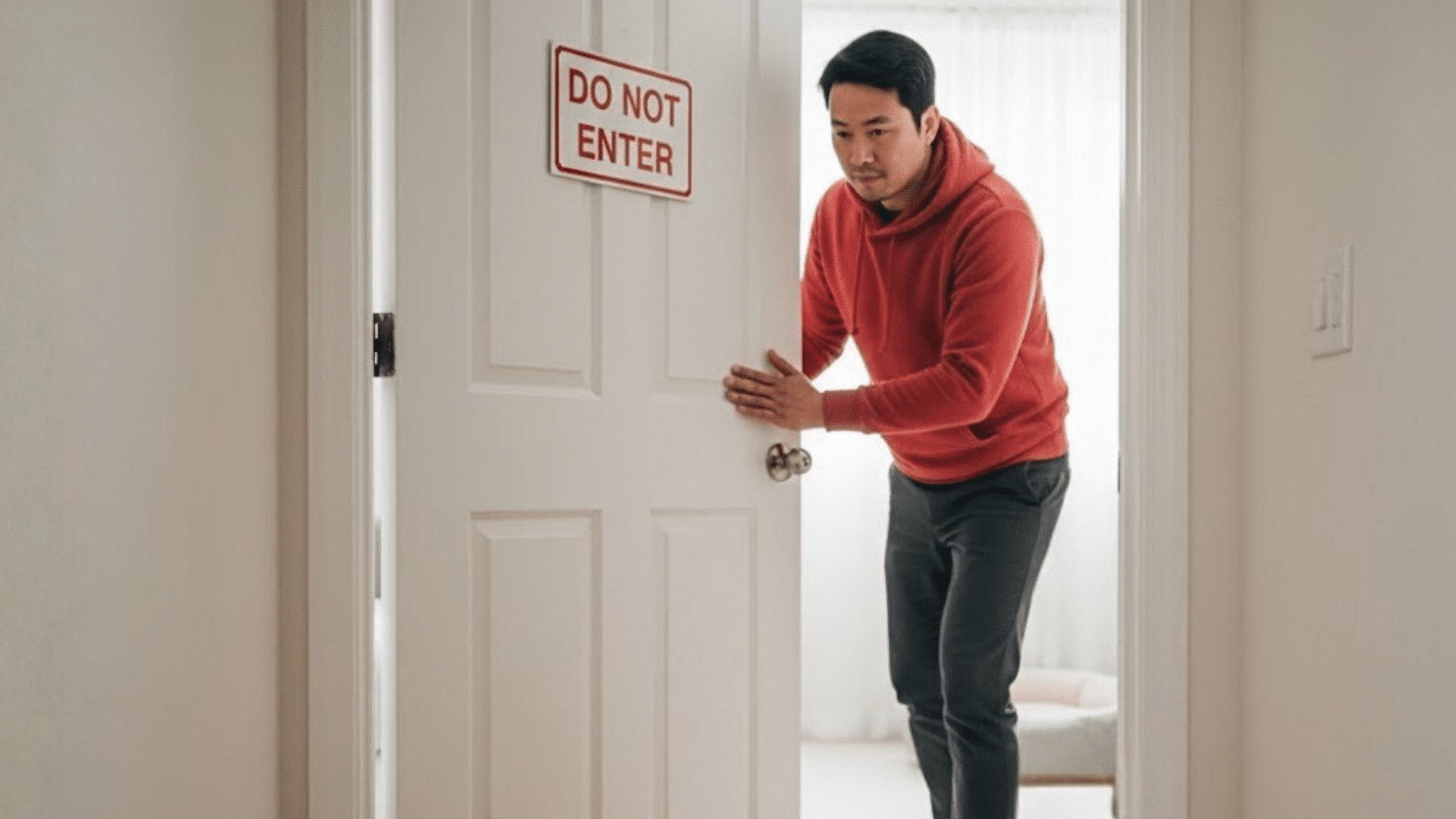
This is where most people mess up, they vacuum too soon.
- Leave the powder in place for at least 12–24 hours
- For diatomaceous earth, you can go up to 48 hours
- Avoid walking over treated areas if you can
The longer you let the powder sit, the more fleas it will kill. Just make sure the room stays dry and well-ventilated.
Step 4: Vacuum Again, Slow and Deep
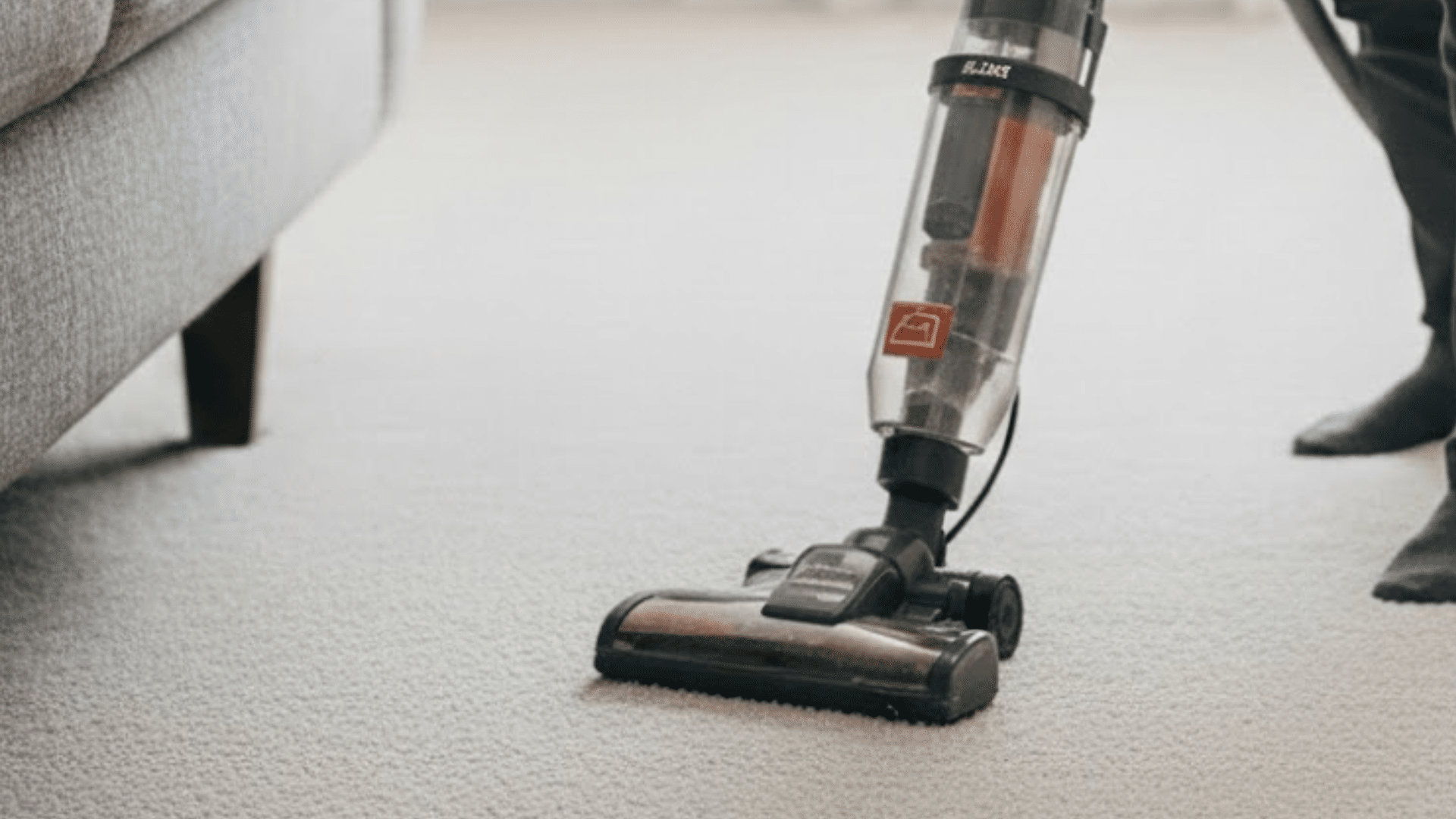
After the waiting period, vacuum again; this is key.
- Go over each section slowly
- Use criss-cross patterns for better coverage
- Vacuum edges and furniture legs again
Then empty the vacuum outside, and seal the trash bag right away. This prevents live fleas or eggs from escaping.
Step 5: Repeat on a Set Schedule

Natural treatments won’t kill everything in one go. Eggs and pupae that survive will hatch later—so you need to hit them when they do.
Repeat the full process:
- Every 3–4 days for the first two weeks
- Then once a week for another 2–3 weeks
Keep up with vacuuming even between powder treatments. It helps pull out eggs and makes the area less friendly for fleas.
Bonus Tip: Wash your pet’s bedding, blankets, and toys in hot water while treating the carpet. Fleas can hide in soft items and reinfest your home quickly.
What Household Remedies Can and Cannot Do
When people talk about how to kill fleas in carpet on forums and social feeds, a lot of advice gets mixed together. Some home remedies do kill or trap fleas, and others only give short relief and don’t touch the deeper problem.
Fleas live in all stages: eggs, larvae, pupae, and adults and many DIY ideas only affect the adults you can see, not the hidden immature stages that keep the infestation alive.
For example, simple home strategies like dish soap water traps can physically drown adult fleas by breaking their waxy outer coating and are often shared as quick fixes.
That does work on adults and gives some immediate reduction in surface fleas, but it won’t stop eggs or pupae tucked deep in carpet fibers.
Many guides point out that common natural ingredients like vinegar or essential oilsrepel fleas because of their smell and acidity, but they don’t reliably kill eggs or larvae on contact.
The acidity in vinegar can make an area less attractive and loosen debris (which may help when you later clean), but it’s not a standalone killer of all life stages.
Methods that actually kill more fleas include sprinkling food‑grade diatomaceous earth on carpet.
The tiny fossil particles scratch and dehydrate fleas, and when used correctly can reduce adults and some larvae by damaging their bodies. However, it still doesn’t reliably get eggs or cocooned pupae deep in carpet weave.
Similarly, simple powders like salt or baking soda help dry out fleas and may reduce numbers over time, but they don’t fully break the life cycle without repeated application and thorough vacuuming.
The key limitation most people see, which is echoed across pest control sources, is that home remedies mostly target visible adult fleas and offer short‑term relief.
This is exactly why infestations come back after a treatment that seemed “successful” at first: the eggs and pupae that were never affected continue to mature and emerge over the following weeks.
More effective flea control strategies use a multi‑step approach: deep cleaning (including steam cleaning), repeated vacuuming, and natural desiccants combined with safe environmental habits, to actually reduce numbers rather than just momentarily repel or kill a few adults.
How Long Does It Take to Get Fleas Out of Carpet Using DIY Methods
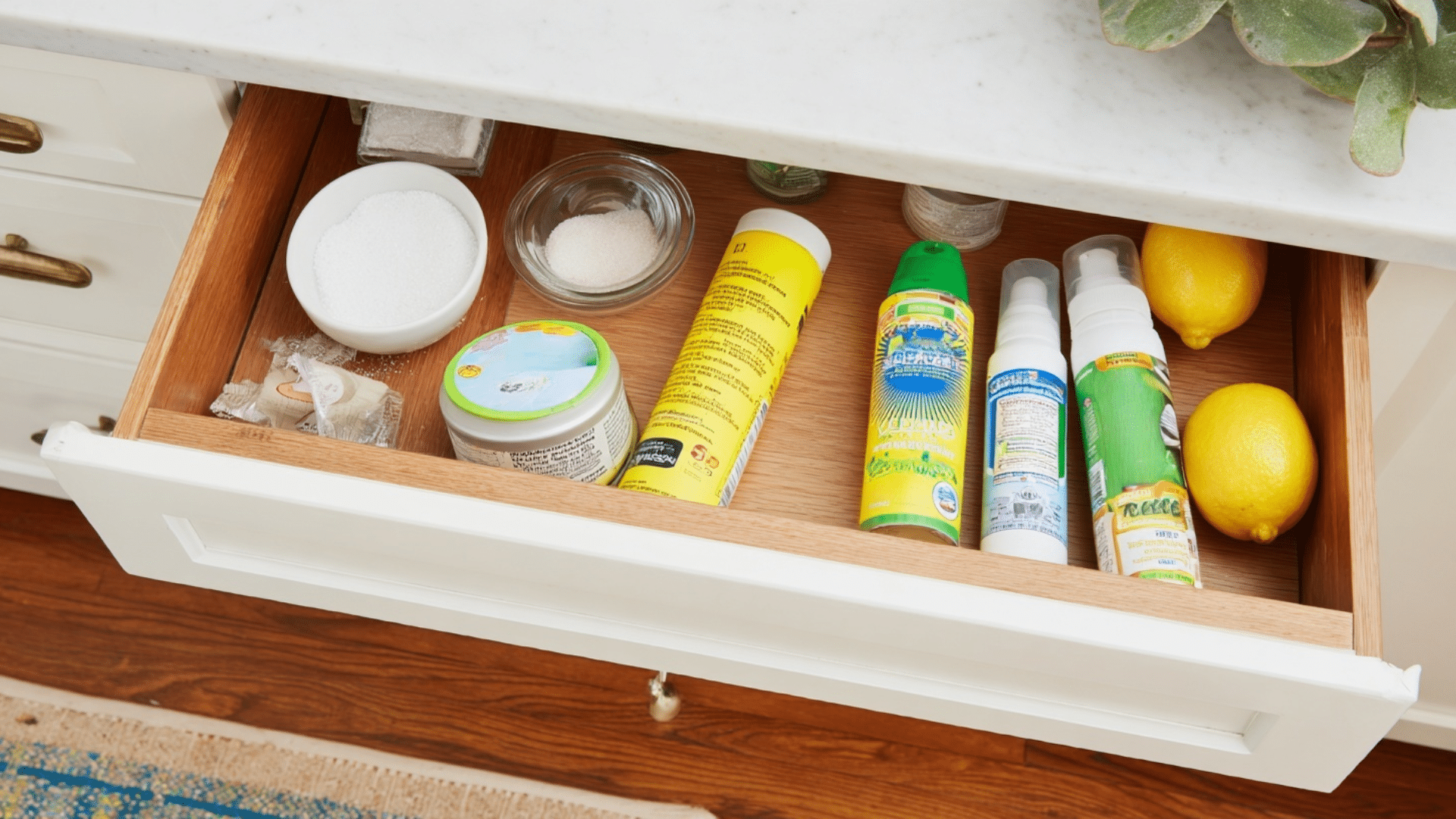
Killing fleas overnight sounds great, but it’s rarely the full truth. While you might see fewer fleas after one day of vacuuming or powder treatment, the real flea problem lives deeper in the carpet and follows a longer timeline.
Here’s a quick look at how the flea life cycle affects your results and why most natural or DIY plans need 2 to 4 weeks to fully work:
| Stage | Where It Lives | How Long Does It Lasts | Can DIY Kill It Easily? |
|---|---|---|---|
| Egg | Deep in carpet fibers | 2–5 days | No, too small, needs vacuuming |
| Larva | Hides in carpet debris | 5–11 days | Sometimes, powders may kill some |
| Pupa (cocoon) | Sealed in a sticky casing | 7–14 days (can wait longer) | Rarely, almost nothing gets in |
| Adult | On pets carpet surface | Lives up to several weeks | Yes, traps, powders, vacuum work |
You’ll likely need to repeat your treatment every 3–4 days for at least 2 weeks to keep killing new adults as they hatch.
It’s working if you start to see fewer fleas each time, less scratching from pets, and cleaner vacuum loads after each pass. Stick with it, consistency is key.
When Natural Carpet Flea Remedies Are Not Enough
Sometimes, natural fixes just aren’t strong enough. If fleas keep coming back after weeks of treatment, or if you’re seeing them in multiple rooms, you may have a heavy infestation.
In apartments or shared spaces, fleas can spread between units, making it hard to fix the problem alone. When that happens, it’s smart to bring in a professional.
Still, you can keep using natural methods between visits like vacuuming daily and using diatomaceous earth.
Just avoid mixing strong chemical sprays with oils or powders to stay safe. Combining both approaches gives you a better shot at getting rid of fleas for good.
Pet-Safe and Family-Safe Carpet Flea Control Tips
Keeping your pets safe while treating carpets for fleas is just as important as getting rid of the bugs. Many natural methods are low-risk, but you still need to use them the right way to protect both pets and people.
- Use only food-grade diatomaceous earth, not the kind made for pools
- Keep pets out of rooms being treated until powders are vacuumed up
- Avoid essential oils like tea tree, eucalyptus, or peppermint around cats—they can be toxic
- Wash pet bedding, toys, and blankets in hot water during each treatment cycle
- Vacuum floors, furniture, and pet zones daily to remove eggs and larvae
- Treat all pets with flea-safe products at the same time
- Keep pets on vet-recommended flea prevention even after the infestation is gone
- Never apply household flea powders or sprays directly to pets unless the label says it’s safe
Pets often carry fleas from outside right back in. If you don’t treat them while treating the carpet, the cycle will keep starting over. Ending the infestation means treating both your home and your animals together.
Conclusion
Getting rid of fleas isn’t just about spraying or vacuuming once; it’s about staying on top of every stage they go through.
I’ve walked through what actually works and what doesn’t when it comes to how to kill fleas in carpet, and it really comes down to being patient and staying consistent.
Now it’s up to you to take what you’ve learned and start applying it at home.
Stick to the routine, treat your pets, and watch for signs of progress. Fleas can’t win if you stay ahead of them.
If you found this helpful, there’s more where that came from. Check out my other blogs on the website for more easy, clear tips that actually make sense!