I’ve watched whiteflies turn my thriving tomato plants into wilting shadows of themselves, and I know how defeating that feels.
These tiny white insects multiply faster than you can blink, clustering beneath leaves and sucking the life from everything they touch.
From my vegetable beds to my favorite indoor ferns, nothing seems safe when they arrive. The sticky residue they leave behind invites mold, and before long, your once-vibrant garden looks tired and stressed.
But here’s the encouraging part: catching them early changes everything. I’m sharing exactly how to identify, treat, and prevent whiteflies so your plants can thrive again.
Identifying Whiteflies Correctly
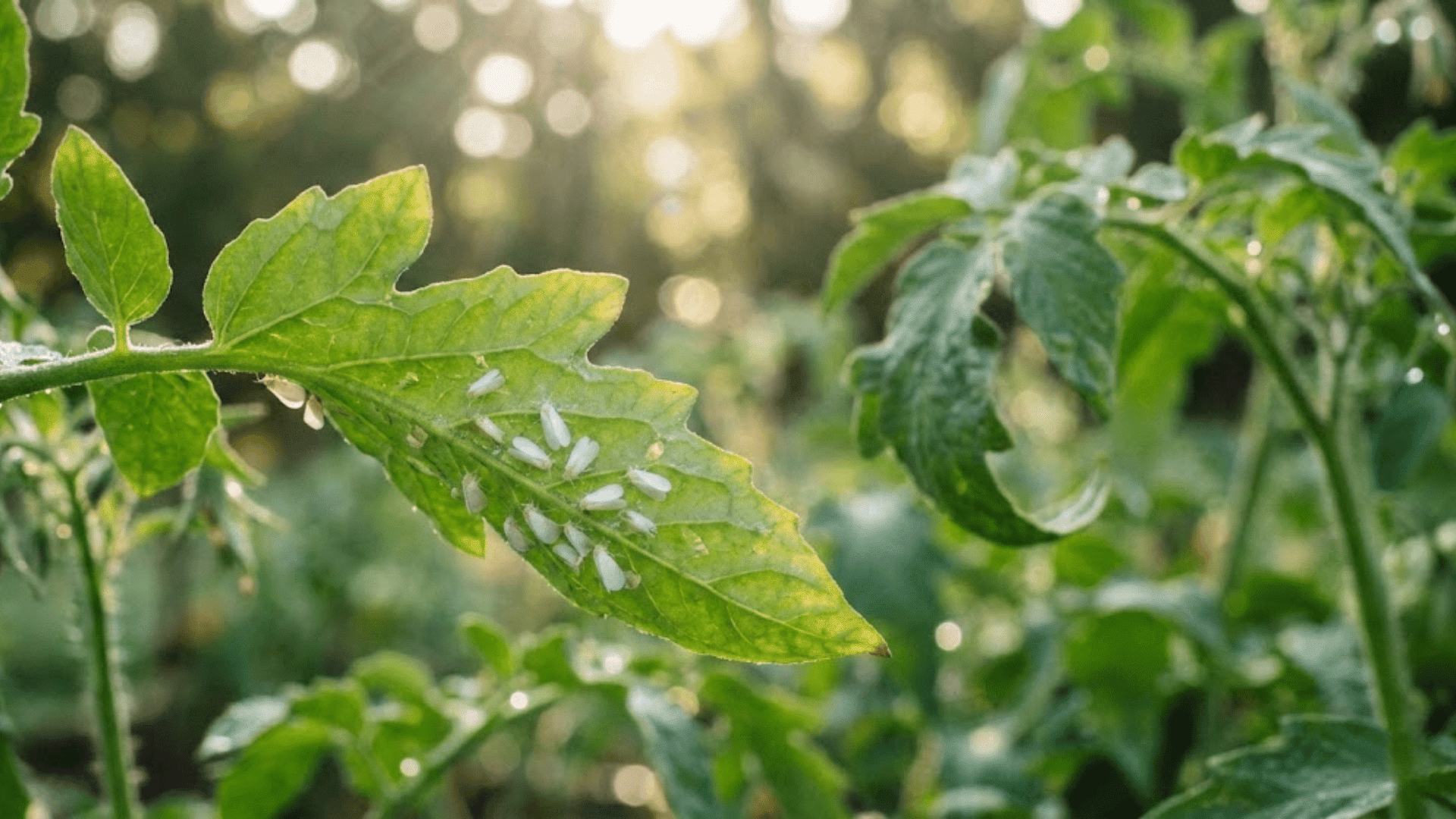
Learning to spot whiteflies accurately saves you from treating the wrong problem. Adult whiteflies are tiny, powdery-white insects about one-sixteenth of an inch long.
When you brush against an infested plant, the seeds flutter up in a cloud before settling back down. Their nymphs are flat, oval, and translucent yellow-green, clinging motionless to leaf undersides.
The eggs look like miniature grains of rice, also found beneath leaves in neat clusters.
Because several pests look similar at first glance, here’s how to tell them apart:
| Pest | Appearance | Behavior | Location |
|---|---|---|---|
| Whiteflies | Powdery white, moth-like | Fly when disturbed | Leaf undersides |
| Aphids | Green, black, or brown; pear-shaped | Stay put, cluster on stems | New growth, stems |
| Fungus Gnats | Dark gray/black flies | Hover around soil | Soil surface, not leaves |
Signs of Whitefly Damage on Plants
Before you even spot the whiteflies themselves, your plants will tell you they’re under attack. Recognizing these warning signs helps you act quickly before the infestation spirals out of control.
Watch for these telltale symptoms:
- Yellowing Leaves: Whiteflies drain sap from leaves, causing them to lose their vibrant green color and fade to pale yellow, starting from the bottom up.
- Curling or Wilting Foliage: As feeding continues, leaves curl inward, become distorted, and may eventually drop off prematurely.
- Sticky Honeydew Coating: This clear, sugary substance covers leaves and surfaces below infested plants, feeling tacky to the touch.
- Black Sooty Mold Growth: A secondary fungus that feeds on honeydew, creating unsightly dark patches that block photosynthesis.
- Stunted or Weakened Growth: New shoots remain small and underdeveloped as the plant struggles to sustain itself while under constant attack.
- Stippled or Mottled Leaf Texture: Tiny yellow or white speckles appear where whiteflies have pierced leaf tissue.
The honeydew and sooty mold combination is particularly problematic because it creates a double threat: the mold blocks sunlight while the sticky residue attracts ants and other pests.
Once you notice even one of these signs, flip those leaves over and check for whiteflies immediately.
Whitefly Life Cycle
Understanding how whiteflies develop explains why a single treatment rarely solves the problem. These pests move through distinct life stages, and each stage responds differently to control methods.
| Life Stage | Duration | Appearance | Vulnerability |
|---|---|---|---|
| Egg | 5-10 days | Tiny, cone-shaped, pale yellow on leaf undersides | Resistant to most sprays |
| Nymph (Crawler) | 1-2 days | Mobile, translucent, barely visible | Somewhat susceptible to insecticidal soaps |
| Nymph (Scale-like) | 10-14 days | Flat, immobile, waxy coating | Highly resistant to sprays |
| Pupa | 2-4 days | Thicker, raised appearance | Protected by a shell |
| Adult | 30-40 days | White, flying insects | Most vulnerable to traps and sprays |
The complete cycle takes just three to four weeks in warm conditions, meaning populations explode rapidly. This is why repeated treatments every 5 to 7 days are essential; you’re targeting newly hatched adults.
Catching whiteflies early in spring or at the first sign of infestation gives you the best chance of staying ahead of their lifecycle.
Natural & Organic White Fly Treatment Methods
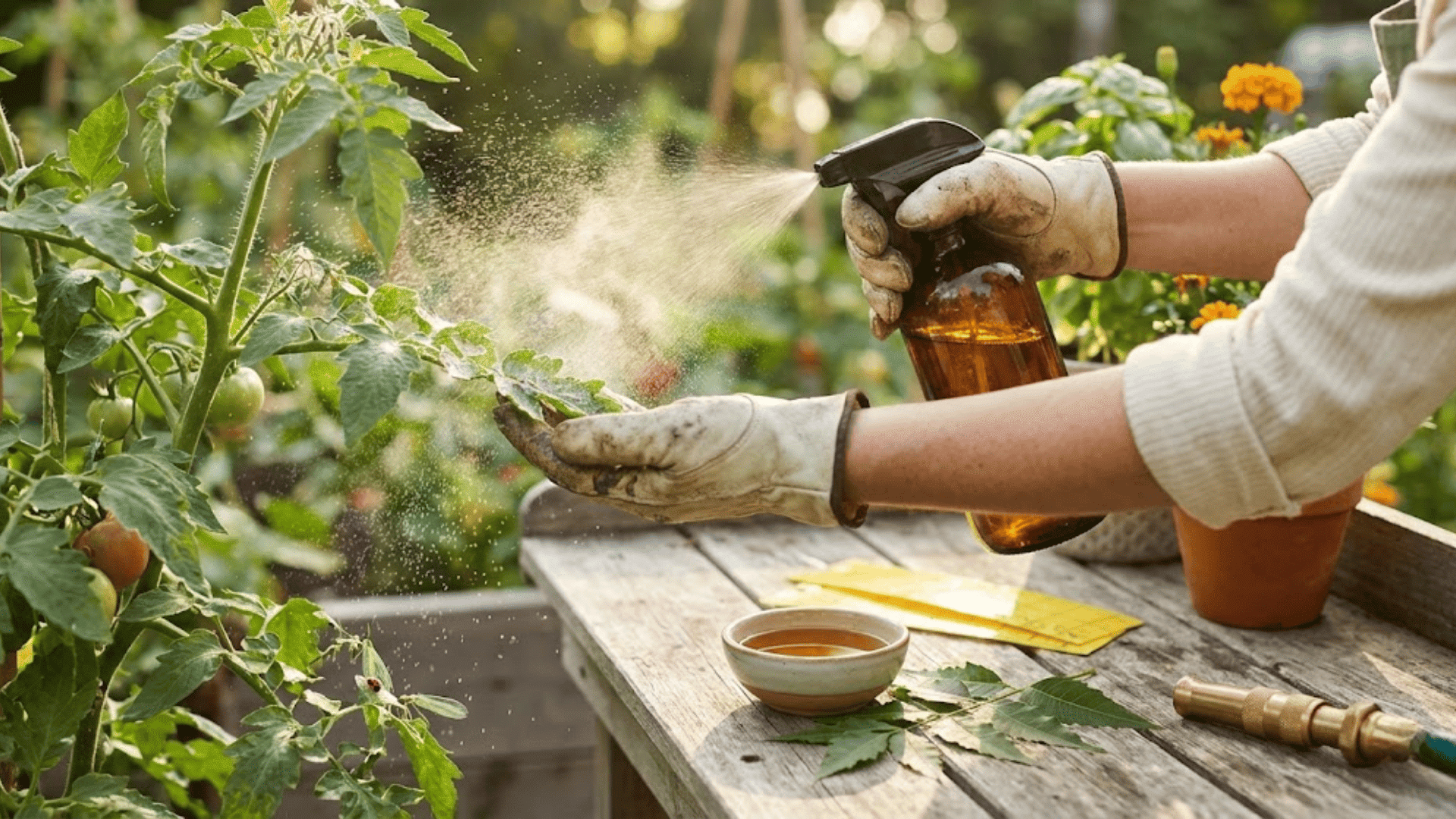
When whiteflies invade, I always reach for natural solutions first.
These organic methods effectively control populations without harsh chemicals, protecting beneficial insects and keeping your garden safe for pollinators, pets, and family.
1. Insecticidal Soap
Insecticidal soap breaks down the protective coating on whiteflies, causing dehydration and death on contact. It’s gentle on plants but tough on soft-bodied pests, making it my go-to first treatment.
- Step 1: Choose a ready-made insecticidal soap or mix one tablespoon of pure liquid castile soap per quart of water.
- Step 2: Spray thoroughly on leaf undersides where whiteflies cluster, ensuring complete coverage until dripping.
- Step 3: Apply in the early morning or evening to avoid leaf burn from sun exposure.
- Step 4: Repeat every five to seven days for three to four weeks to catch newly hatched adults.
- Step 5: Rinse plants with plain water a few hours after application to prevent residue buildup.
2. Neem Oil
Neem oil disrupts whitefly hormones, preventing them from feeding, maturing, and reproducing. While slower-acting than soap, it offers longer-lasting protection and works systemically when absorbed by leaves.
- Step 1: Mix neem oil according to package directions, typically one to two tablespoons per gallon of water with a drop of dish soap as an emulsifier.
- Step 2: Apply during cooler parts of the day since neem can cause phytotoxicity in heat above 90°F.
- Step 3: Coat all leaf surfaces thoroughly, especially undersides where eggs and nymphs hide.
- Step 4: Reapply every seven to fourteen days, avoiding use on stressed or newly transplanted plants.
- Step 5: Test on a small section first and wait 24 hours to check for plant sensitivity.
3. Strong Water Spray
A forceful blast of water physically removes whiteflies from plants, interrupting their feeding and reducing populations instantly. This simple method works surprisingly well for light infestations.
- Step 1: Use a hose with an adjustable nozzle set to a strong but not damaging pressure.
- Step 2: Target leaf undersides where whiteflies congregate, working systematically from top to bottom.
- Step 3: Spray in the early morning so plants dry quickly, reducing disease risk.
- Step 4: Repeat every two to three days for two weeks to keep populations suppressed.
- Step 5: Focus on sturdy plants; avoid this method on delicate seedlings or flowers.
4. Sticky Traps
Yellow sticky traps attract and capture adult whiteflies, helping you monitor infestation levels while reducing breeding populations. They’re an essential part of any integrated pest management approach.
- Step 1: Hang bright yellow sticky cards just above plant canopy height where adults naturally fly.
- Step 2: Place one trap per large plant or every few feet in garden beds for adequate coverage.
- Step 3: Position traps early in the season before populations explode for best preventive results.
- Step 4: Check traps every few days and replace when surfaces become covered with insects.
- Step 5: Combine with other treatments since traps alone won’t eliminate eggs and nymphs.
5. Beneficial Insects
Introducing natural predators creates a sustainable, long-term solution for whitefly control. Ladybugs consume whitefly eggs and nymphs voraciously, while green lacewing larvae are equally aggressive hunters.
Parasitic wasps like Encarsia formosa lay eggs inside whitefly nymphs, killing them from within.
Release beneficial insects in the evening when they’re less likely to fly away, and ensure your garden has pollen-rich flowers and water sources to encourage them to stay.
Homemade Whitefly Sprays: DIY Options
Creating your own whitefly sprays from kitchen ingredients offers an affordable, immediate solution. These DIY remedies work through contact, so thorough application is key to success.
6. Soap and Water Spray
This gentle yet effective spray suffocates whiteflies on contact by breaking down their protective waxy coating. It’s the safest homemade option for most plants and can be used frequently without harm.
- Step 1: Mix one teaspoon of mild liquid dish soap (without degreasers or bleach) into one quart of lukewarm water.
- Step 2: Pour the solution into a clean spray bottle and shake gently to combine.
- Step 3: Test on a single leaf first and wait 24 hours to ensure no damage occurs.
- Step 4: Spray generously on all leaf surfaces, concentrating on undersides where whiteflies hide.
- Step 5: Apply every two to three days until whiteflies are gone, rinsing plants weekly to prevent soap buildup.
7. Garlic or Chili Spray
The pungent compounds in garlic and hot peppers repel whiteflies while disrupting their feeding behavior. This spray works best as a preventive measure or for light infestations.
- Step 1: Blend six cloves of garlic or two hot peppers with two cups of water, then steep overnight.
- Step 2: Strain the mixture through cheesecloth or a fine mesh to remove all solid particles.
- Step 3: Add one teaspoon of liquid soap and dilute with one quart of water.
- Step 4: Spray plants thoroughly in the evening, reapplying after rain or heavy watering.
- Step 5: Store unused spray in the refrigerator for up to one week in a labeled container.
8. Alcohol-Based Spot Treatment
Rubbing alcohol kills whiteflies instantly on contact but requires careful application to avoid plant damage. Use this method sparingly for targeted treatment of heavily infested leaves.
- Step 1: Mix one part 70% isopropyl rubbing alcohol with four parts water in a small spray bottle.
- Step 2: Test on one or two leaves and wait 48 hours to check for burning or discoloration.
- Step 3: Dab or lightly mist affected areas only, never soaking the entire plant.
- Step 4: Apply in the early morning and rinse with plain water after 15-20 minutes to prevent damage.
- Step 5: Use only on mature, healthy plants and avoid treating the same plant more than once per week.
Safety Precautions: Wear gloves when handling spicy sprays and test solutions on one leaf first. Spray when temperatures are below 85°F, avoiding direct sunlight. Label containers, keep away from children and pets, and wait three days before harvesting edibles.
Chemical Whitefly Control
Sometimes severe infestations require stronger intervention, especially when whiteflies threaten an entire crop or valuable plants.
Chemical controls should be your last resort after natural methods have failed, used strategically to minimize environmental impact while maximizing effectiveness.
| Treatment Type | Active Ingredients | How It Works | Best For |
|---|---|---|---|
| Systemic Insecticides | Imidacloprid, dinotefuran | Absorbed by the plant; kills feeding insects | Severe infestations, ornamentals |
| Contact Insecticides | Pyrethrins, pyrethroids | Kills on contact | Quick adult knockdown |
| Insect Growth Regulators | Buprofezin, pyriproxyfen | Disrupts reproduction | Long-term suppression |
| Horticultural Oils | Refined petroleum/plant oils | Smothers eggs and nymphs | Bridge option |
Important Safety Notes: Apply only in the evening when pollinators are inactive and never on flowering plants. Always wear protective gear, follow label instructions, and keep children and pets away for 24 hours after application.
Preventing Whiteflies From Returning
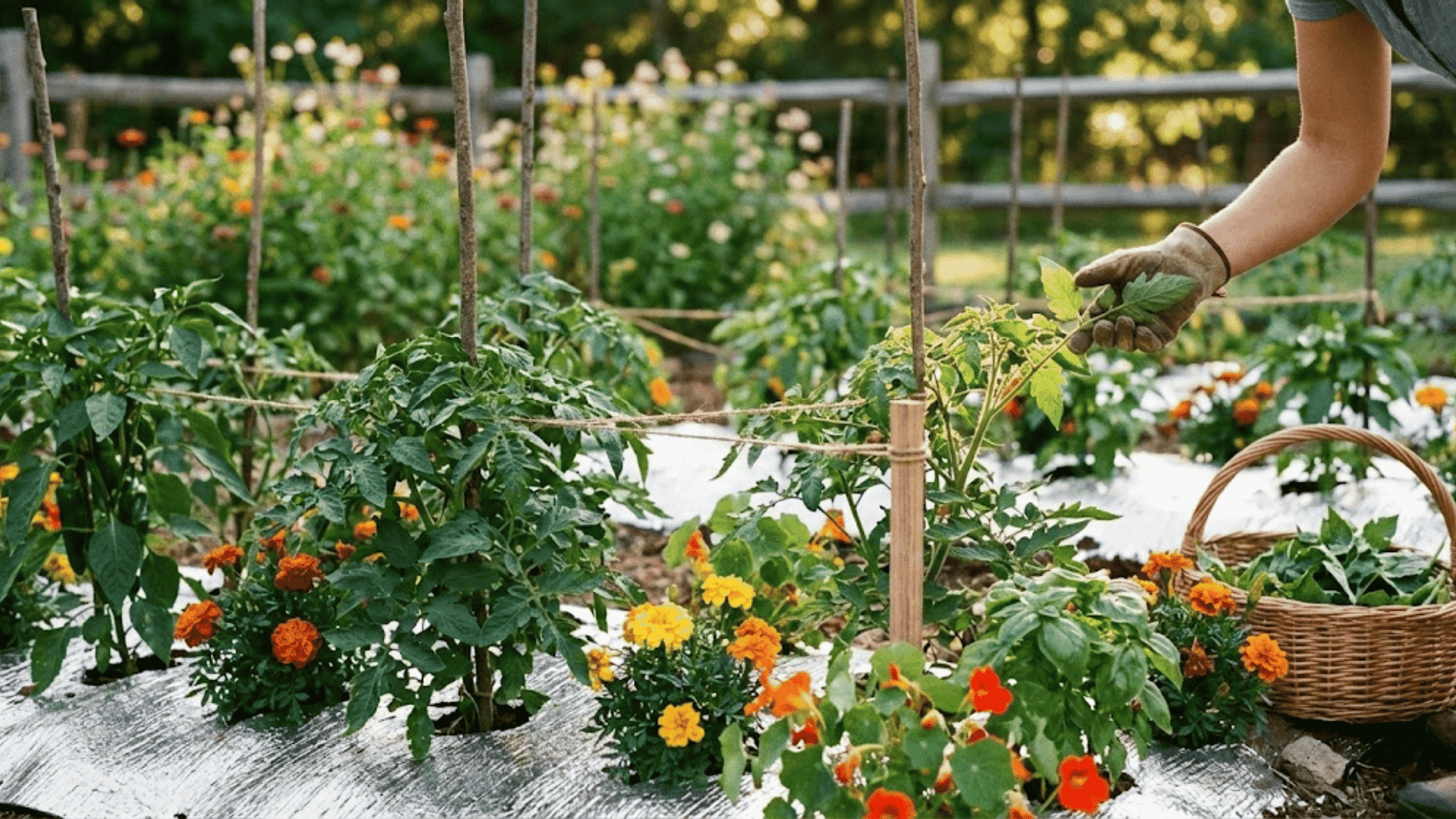
Keeping whiteflies away requires consistent garden habits rather than one-time fixes. I make it a routine to inspect leaf undersides weekly, catching any stragglers before they multiply.
Pruning overcrowded branches improves air circulation, making plants less inviting to pests, while promptly removing yellowed leaves eliminates hiding spots.
In my vegetable garden, reflective silver mulch confuses whiteflies and keeps them from landing. I’ve also learned that excess nitrogen creates tender new growth that whiteflies love, so I fertilize moderately with balanced formulas.
Planting marigolds, nasturtiums, and basil nearby naturally repels whiteflies while attracting beneficial predators.
These simple practices create an environment where whiteflies struggle to establish themselves, giving your plants lasting protection without constant intervention.
Whitefly Control Mistakes to Avoid
Even with the best intentions, certain missteps can sabotage your whitefly control efforts and make infestations worse.
Recognizing these common mistakes helps you avoid wasted time, money, and plant stress while achieving faster, more effective results.
- Ignoring Early Warning Signs: Waiting until clouds of whiteflies appear means multiple generations are already established and exponentially harder to control.
- Applying Treatment Only Once: Single applications miss eggs and nymphs, allowing populations to rebound within days.
- Spraying During Midday Heat: High temperatures and direct sunlight cause leaf burn and reduce spray effectiveness.
- Focusing only on Visible Adults: Ignoring immobile nymphs and eggs underneath leaves ensures the infestation continues.
- Overusing Chemical Treatments: Repeated use of the same product creates resistant populations while killing beneficial insects.
By avoiding these mistakes and combining multiple control methods, you’ll protect your plants more effectively while maintaining a healthier, more balanced garden ecosystem that naturally resists future infestations.
Wrapping It Up
You’ve got everything you need now to send those whiteflies packing for good.
Whether you choose gentle soap sprays, introduce helpful predators, or combine several methods, consistency is what makes the difference.
Your garden will thank you with healthier leaves, stronger growth, and that vibrant beauty you’ve been missing.
Getting rid of white flies takes patience, but watching your plants recover and thrive again makes every effort worthwhile.
Have you tried any of these methods, or do you have a secret weapon against whiteflies? Share your wins and questions in the comments; I’m here to help!