Most people think about wellness upgrades after they move in. A air purifier here, a filtered water tap there, maybe a yoga mat rolled out in whatever corner of the living room nobody is using.
And that approach works, to a point. But if you are building from scratch, you have a window that closes once the slab goes down. The decisions made at the planning stage, before a single wall goes up, are the ones that determine whether your home genuinely supports your health or just looks like it does.
Building Health In From the Beginning
There is a common assumption that buying into house and land packages means accepting a standard template with limited room for personalisation. That is increasingly not the case. Many builders now offer meaningful flexibility in their inclusions, particularly if you engage early in the process and know what you want to prioritise.
Wellness-focused upgrades like improved insulation for thermal comfort and noise reduction, cross-ventilation design that reduces reliance on air conditioning, low-VOC paints and finishes, and non-toxic flooring materials are all conversations worth having before contracts are signed.
Builders are more receptive to these requests than people expect, especially when they are framed as selections rather than structural changes. Knowing your priorities going in is the difference between getting a healthier home and getting whatever the standard spec includes.
Light Is Doing More Than You Think
The relationship between natural light and human health is well established and consistently underestimated in residential design. Exposure to natural daylight regulates your circadian rhythm, which affects sleep quality, mood, hormonal function, and immune response.
That is not a wellness industry claim, that is basic biology. Yet the average home plan positions windows based on street orientation, privacy concerns, and resale aesthetics rather than where light will actually fall throughout the day and across seasons.
If you are designing your own home, push hard for north-facing living spaces in the Southern Hemisphere. Talk to your architect or builder about clerestory windows in rooms that cannot face north.
Think about where you wake up in the morning and whether that room will get early light. These are not expensive decisions when made at the drawing stage. They become expensive retrofits later.
The Air Inside Your Home Is Not Neutral
Mould spores accumulate in poorly ventilated bathrooms and roof cavities. Dust mites thrive in carpet. None of this is dramatic or unusual, it is just what happens in most homes and most people live with it without connecting it to the headaches, fatigue, or respiratory issues they experience.
Planning for indoor air quality means specifying low-VOC or zero-VOC materials from the start, designing for adequate ventilation including in wet areas, and thinking about filtration. A whole-home ventilation system is worth investigating if the budget allows. At minimum, exhaust fans that actually vent to the outside rather than into the ceiling cavity make a meaningful difference.
What You Drink at Home Matters More Than People Admit
Water quality is one of those topics that gets written off as alarmist until you actually look into what comes out of municipal taps. Chlorine, chloramines, fluoride, heavy metals, and sediment are all present in tap water to varying degrees depending on your area.
Zazen water systems have become a reference point in the Australian wellness home conversation for good reason. Their alkaline water systems filter out the contaminants worth filtering while adding back beneficial minerals that standard filtration strips out. Planning for a filtration system at the build stage means you can integrate it properly under the bench rather than having it live on the counter as an afterthought.
The Spaces That Support How You Actually Live
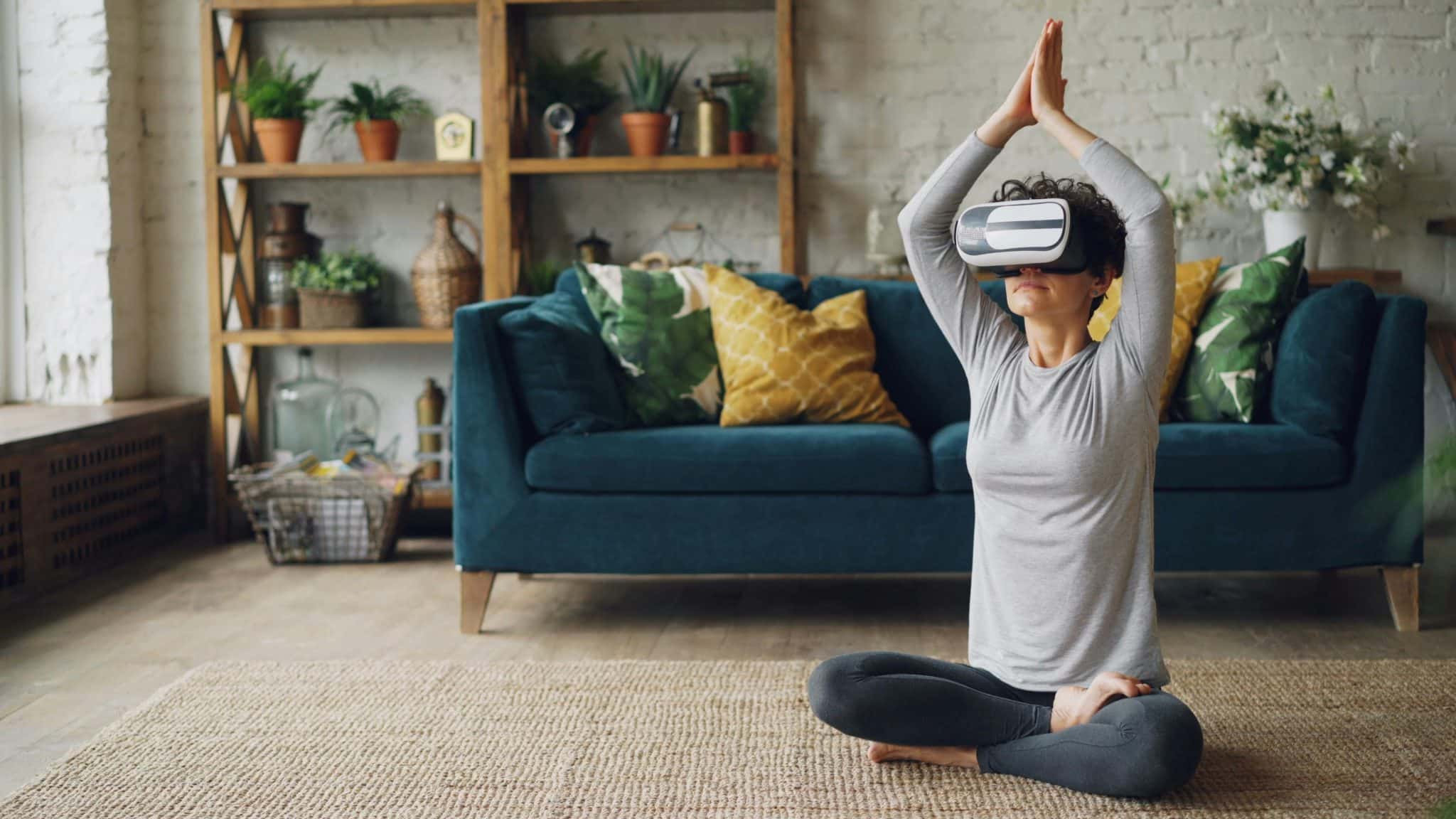
A health-first home is not just about materials and systems. It is about designing spaces that make healthy behaviour the easy default. A dedicated zone for movement, even a modest one, that is set up and ready to use rather than requiring the dining table to be pushed aside.
A kitchen layout that makes cooking at home genuinely enjoyable rather than cramped and frustrating. Outdoor space that connects to the interior so it actually gets used rather than existing as a view from a window. Storage designed so that the home stays ordered without constant effort, because chronic clutter has a measurable effect on cortisol levels.
What You Decide Now You Will Live With for Decades
Building a home is one of the few opportunities most people get to design an environment that actively works in their favour. The wellness upgrades that feel like extras at the planning stage tend to feel like necessities once you understand what they do.
Prioritise them early, communicate them clearly to your builder, and treat them as investments in the quality of every day you spend in that space rather than optional add-ons for a higher budget.