Sometimes, a home just stops fitting the life you’re living. Maybe the family has grown, your work-from-home setup is a folding table in the hallway, or you’ve simply outgrown the space you once loved.
A home addition is building new square footage onto your existing home, and honestly, it’s one of the most rewarding investments a homeowner can make.
Beyond the extra room, it quietly lifts your property’s value and shapes your everyday life in ways you’ll actually feel.
Costs vary depending on size, type, and where you live, so let’s walk through everything worth knowing before you break ground.
What is a Home Addition?
A home addition is any project that expands your home’s existing footprint or living space, whether that’s a new room, a second story, or an extended wing.
Homeowners build additions for all kinds of reasons.
A growing family needs more breathing room, a home office setup demands a dedicated space, and sometimes it’s simply about building equity without the stress of relocating.
Moving costs money too, often more than people expect, and an addition lets you stay in the neighborhood you love while getting the home you actually need. For homeowners who would rather sell and move on than invest in renovations, Big Door Home Buyers offers a straightforward alternative worth considering.
It’s practical, personal, and worth every bit of planning.
Average Cost of a Home Addition
Planning a home addition involves understanding a range of numbers because costs vary significantly depending on size, complexity, and location. A simple room extension differs greatly in cost from a full second-story addition.
Here’s a general breakdown to help you get oriented:
| Addition Size | Cost Per Sq Ft | Typical Total Range |
|---|---|---|
| Small Addition | $80 – $150 | $20,000 – $50,000 |
| Medium Addition | $150 – $200 | $50,000 – $120,000 |
| Large Addition | $200 – $300+ | $120,000 – $300,000+ |
Costs vary this widely because no two additions are the same. The complexity of the build, your choice of materials, local labor rates, permit fees, and even the condition of your existing structure all play into the final number.
A basic bedroom addition is a very different undertaking than a full in-law suite with a bathroom and kitchenette.
Cost Breakdown for Home Additions
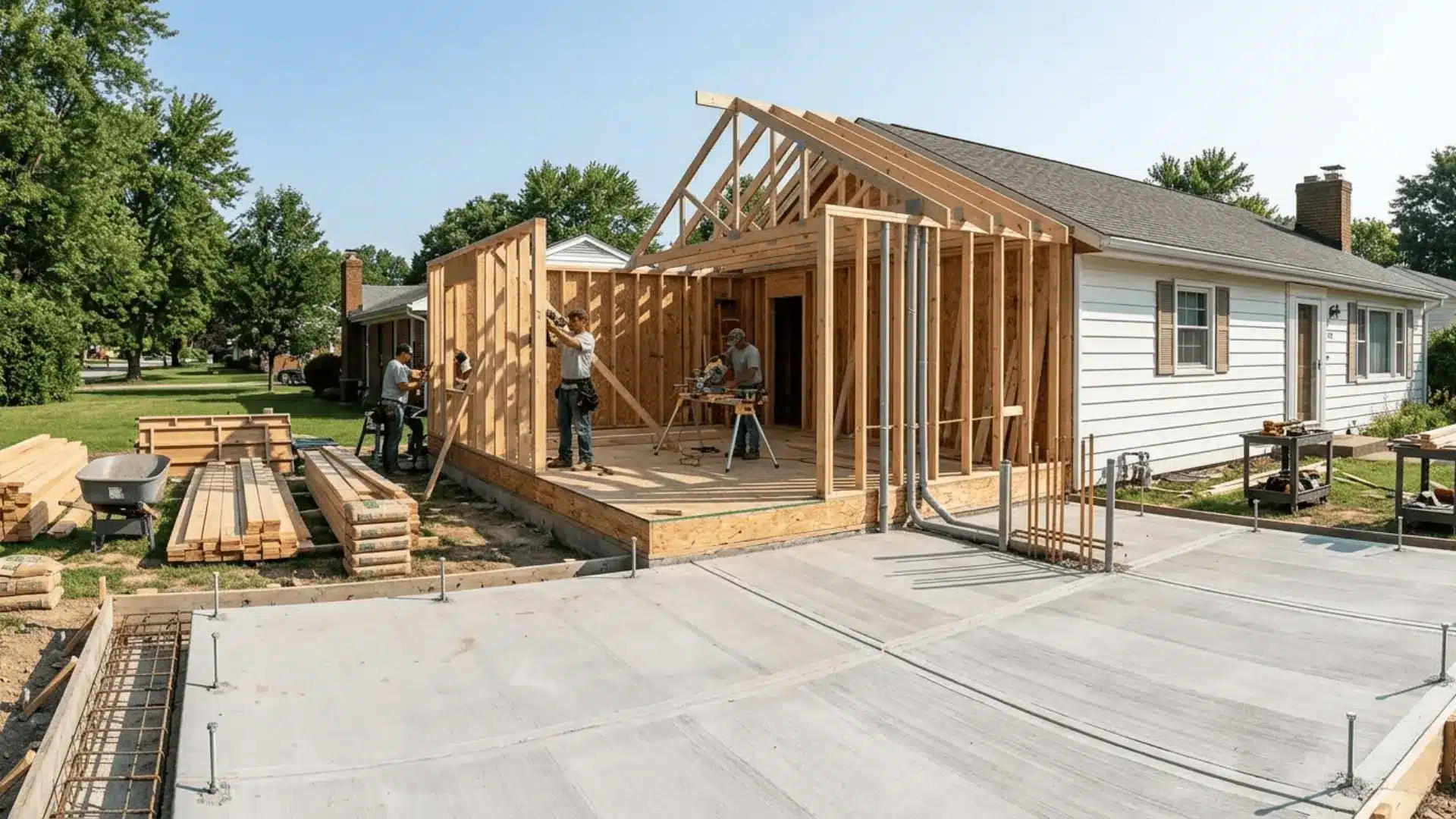
Building a home addition isn’t a single expense; it’s a collection of moving parts that each carry their own cost.
Knowing what goes into the total helps you budget smarter and avoid surprises midway through the project.
1. Design and Architectural Fees
Before a single nail goes in, you’ll need plans. Architectural and design fees typically run between 5 and 15% of your total project cost.
If your addition is complex or requires structural engineering, expect to sit closer to the higher end. Skimping here often costs more later, so treat this as a foundational investment in getting the build right.
2. Foundation Work
Every addition needs something solid underneath it. Depending on your soil, slope, and addition type, this could mean excavation, a concrete slab, or a crawlspace setup.
Foundation work is one of those costs that’s hard to predict until contractors assess your specific site, so always get this scoped early in the planning process.
3. Framing and Structural Work
Framing is where your addition starts to take physical shape. This covers the skeleton of the structure, walls, floor joists, and any load-bearing considerations tied to your existing home.
If your addition connects to or alters the current structure in any significant way, structural work can become one of the heftier line items in your budget.
4. Roofing
Your new addition needs a roof that integrates cleanly with what’s already there. Roofing costs depend on the size of the addition, the pitch of the roof, and the materials you choose.
Matching existing shingles or tiles matters both aesthetically and functionally, so this isn’t the place to cut corners if you want a seamless finished look.
5. Electrical and Plumbing
Running new electrical circuits and plumbing lines into your addition is skilled work, and it’s priced accordingly. The more complex the space, say a bathroom or kitchenette, the higher these costs climb.
Both systems also require permits and inspections, which add time and a bit more to the budget but are non-negotiable for safety and resale purposes.
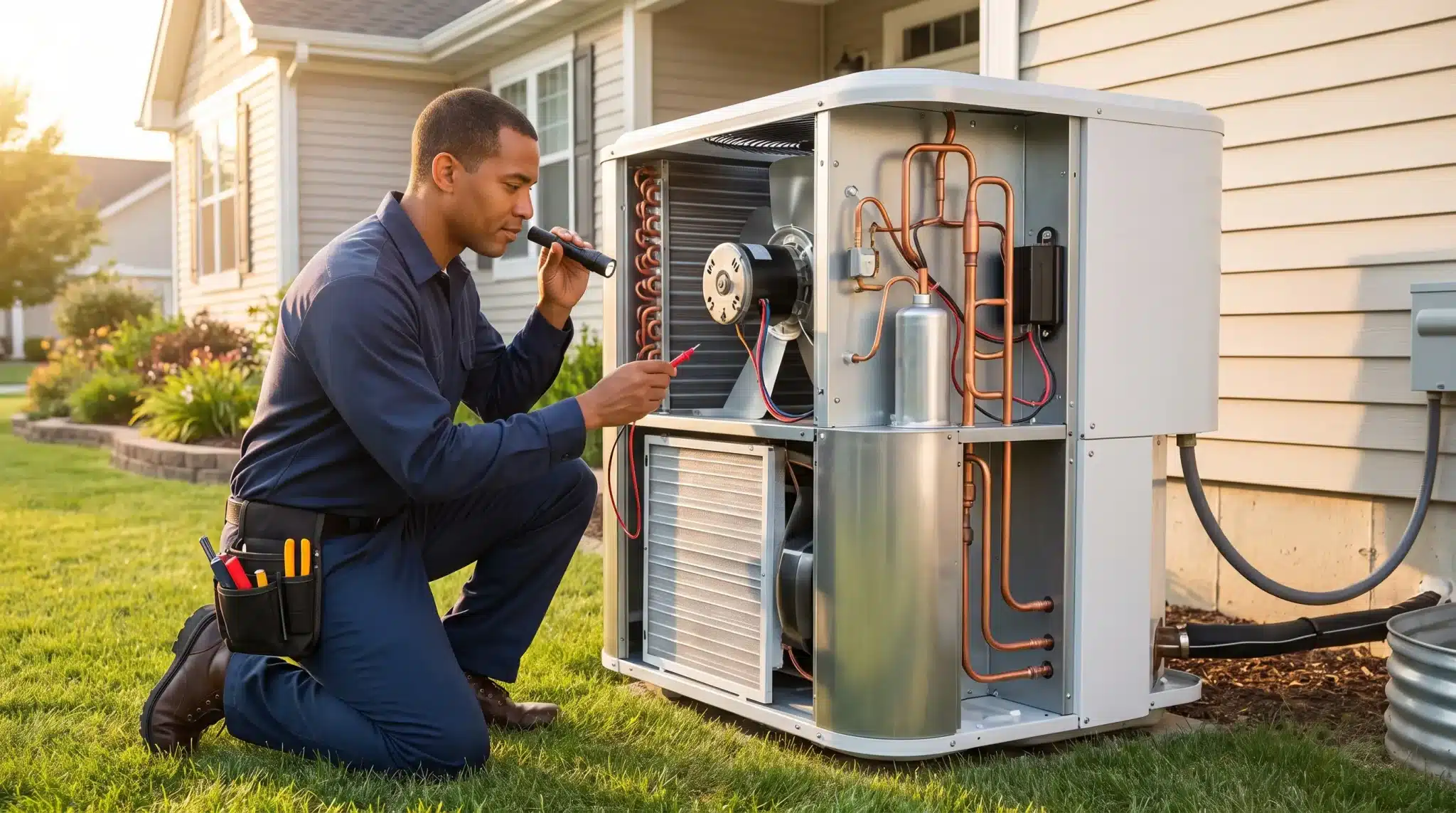
6. HVAC Extension
Keeping your new space comfortable year-round means extending your heating and cooling system. Sometimes your existing HVAC can handle the added load with minor modifications.
Other times, a new unit or zoned system is the smarter long-term call. Either way, this is worth discussing with an HVAC professional early so it doesn’t become an afterthought once the walls are already up.
7. Interior Finishing
This is where the addition starts feeling like a real part of your home. Flooring, drywall, lighting, and paint all fall under this category, and collectively they have a huge impact on the final look and feel of the space.
Finish choices vary widely in price, so this is also where you have the most flexibility to either stretch or rein in your overall budget.
Home Additions That Add the Most Property Value
When the goal is building equity, not every addition pulls equal weight. Some projects quietly add value while others actively drive up what buyers are willing to pay.
Here’s a look at which additions tend to move the needle most on property value:
| Addition Type | Why It Adds Value | Avg. ROI |
|---|---|---|
| Kitchen Expansion | Improves functionality and tops buyer wish lists | 60 – 80% |
| Bathroom Addition | One of the most consistently high-return upgrades | 50 – 70% |
| Primary Bedroom Suite | Adds a luxury feel and broadens market appeal | 50 – 65% |
| Garage Addition | Highly desirable for storage, vehicles, and security | 60 – 80% |
| Sunroom or Four-Season Room | Creates an attractive, light-filled living space | 50 – 60% |
ROI figures vary based on location, finish quality, and current market conditions, so these ranges are best used as a general guide rather than a guarantee.
That said, all five of these additions have a strong track record of making a home more appealing, more functional, and more competitive when it hits the market.
Most Popular Types of Home Additions
Not all additions are built the same, and the type you choose shapes everything from your budget to how dramatically your home changes.
Here’s a look at the most popular options homeowners are building right now.
1. Room Addition
Cost: $20,000 – $100,000+
A room addition is one of the most straightforward ways to gain real, usable space. Adding a bedroom for a growing family or a dedicated living area, this type of addition plugs directly into the home’s existing layout.
The cost scales with size and finish level, but the payoff in daily comfort and resale value is hard to argue with.
2. Bump-Out Addition
Cost: $5,000 – $30,000
A bump-out is a small extension of an existing room, think a few extra feet added to a kitchen, bathroom, or bedroom. It won’t dramatically change your home’s footprint, but it can completely change how a tight space functions.
It’s one of the more budget-friendly addition types and a smart option when you need just a little more breathing room.
3. Sunroom Addition
Cost: $15,000 – $75,000
A sunroom brings the outdoors in without fully committing to an open-air space. These glass-enclosed rooms are filled with natural light and work beautifully as reading nooks, breakfast areas, or casual lounges.
Costs vary depending on whether the space is insulated and climate-controlled, which makes a big difference in how usable it is throughout the year.
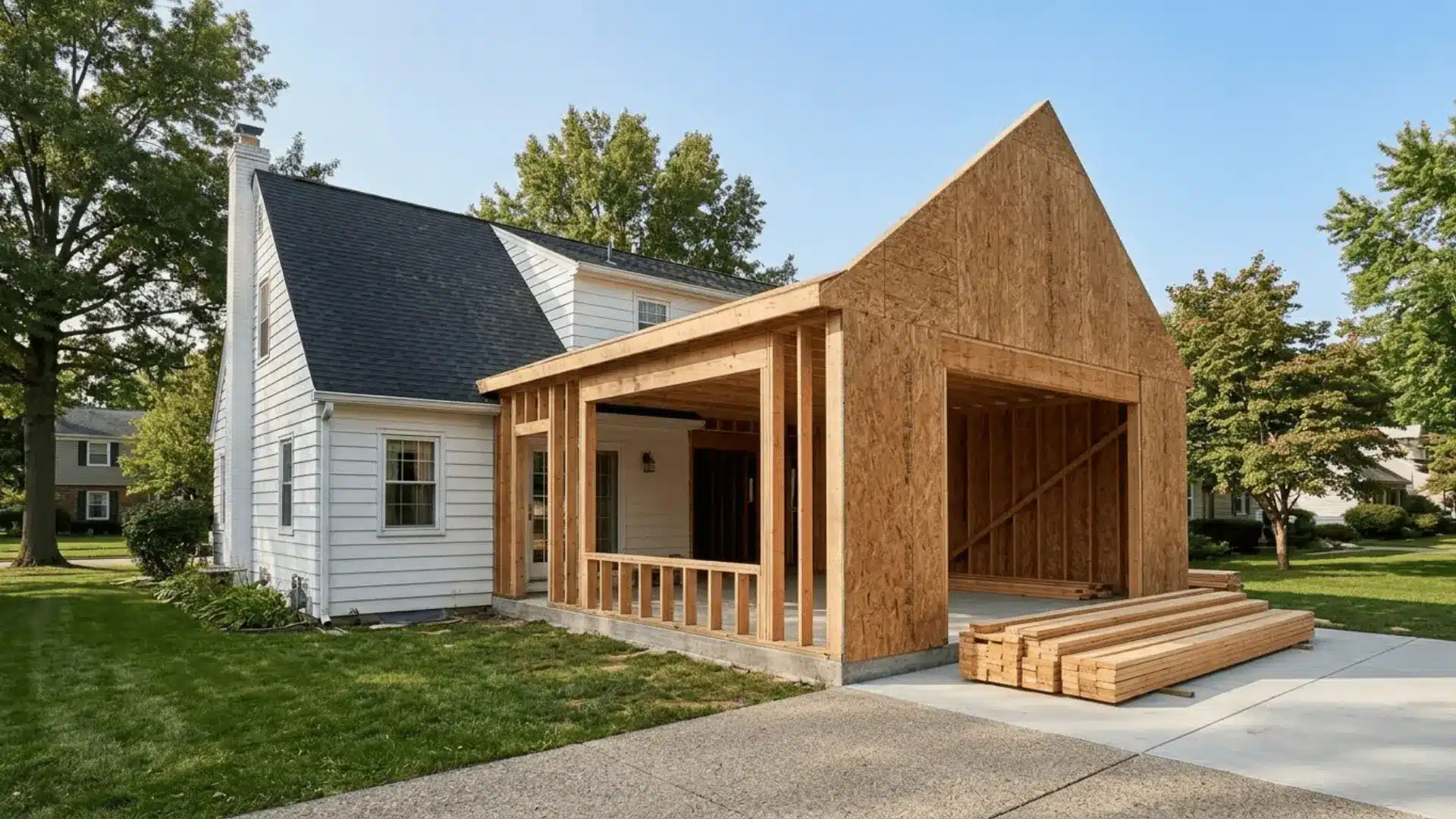
4. Garage Addition
Cost: $20,000 – $75,000
Whether attached or detached, a garage addition adds serious practical value to a property. Beyond parking, these spaces double as workshops, storage areas, or even future conversion projects.
An attached garage tends to cost more due to structural integration with the home, while a detached build offers more flexibility in placement and design.
5. Second-Story Addition
Cost: $100,000 – $300,000+
Adding a second story is one of the most ambitious home addition projects you can take on, and one of the most rewarding. It effectively doubles your living space without expanding your home’s footprint on the lot.
The investment is significant, covering structural reinforcement, staircase integration, roofing, and full interior finishing, but so is the impact on both livability and property value.
6. In-Law Suite Addition
Cost: $40,000 – $125,000
An in-law suite is a self-contained living space, typically including a bedroom, bathroom, and small kitchenette, designed for a family member or long-term guest.
It adds privacy, flexibility, and a compelling selling point when the time comes to list your home. Many homeowners also convert these into rental units, making it one of the few additional types that can actively generate income.
Factors That Affect Home Addition Costs
Costs don’t shift arbitrarily; there’s always a reason the quote comes in higher or lower than expected.
Here are the factors that do most of the heavy lifting in pricing a home addition.
- The size of the addition directly dictates material quantities, labor hours, and overall project scope.
- Location and local labor costs vary significantly by region, sometimes by tens of thousands of dollars for the same job.
- Materials chosen range from budget-friendly to premium, and that gap compounds quickly across a large build.
- Structural changes to load-bearing walls or the existing foundation add both complexity and cost to any project.
- Plumbing and electrical work scale in price based on how much new infrastructure the addition actually requires.
- Permits and building codes add upfront fees and can influence design decisions depending on local regulations.
Getting a clear read on these factors early means fewer surprises once the project is underway, and a much more accurate budget to plan around.
Planning a Home Addition
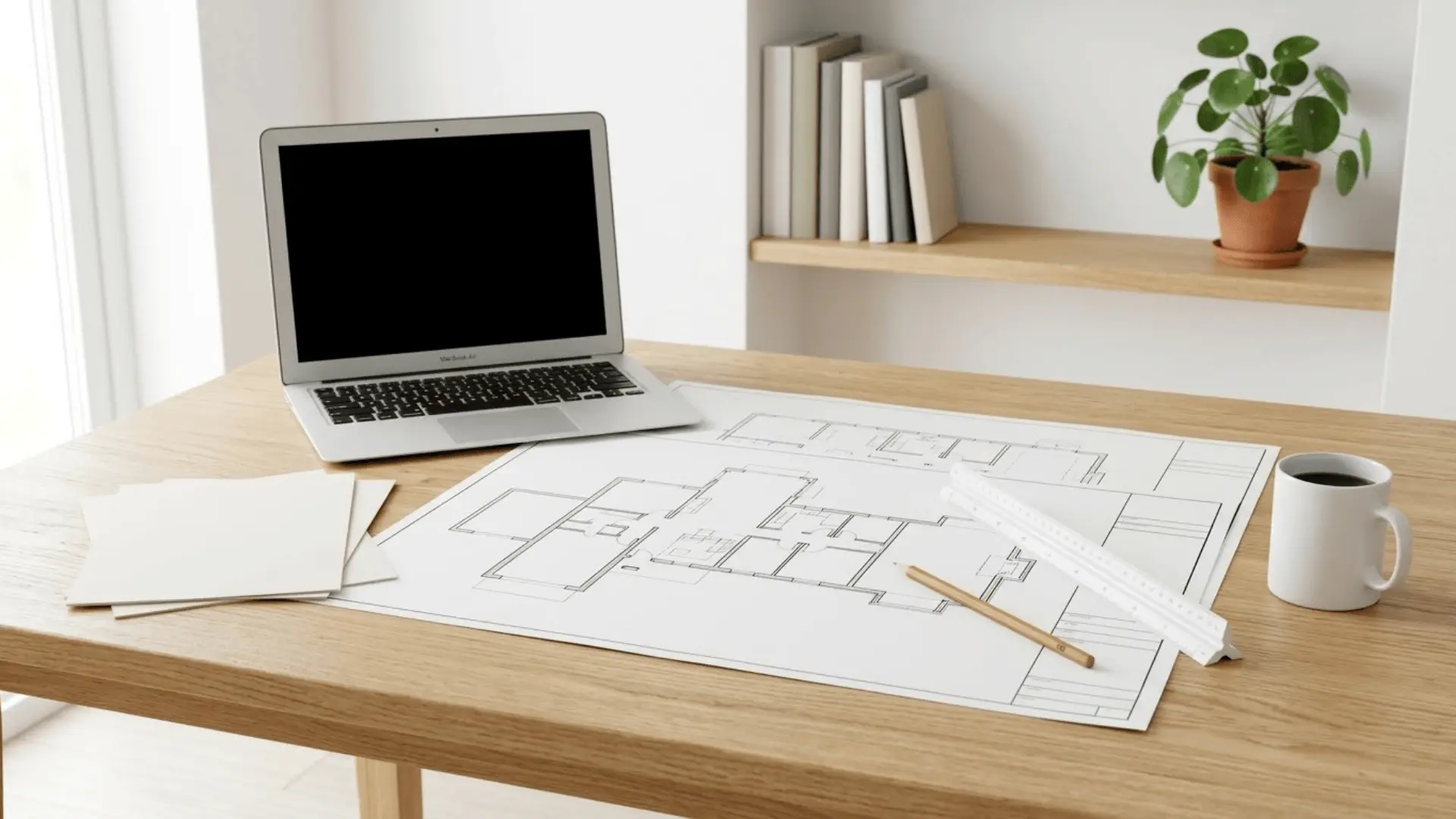
A well-built addition starts long before the first wall goes up. Getting the planning right is what separates a smooth project from a stressful one:
- Step 1: Evaluate the property for space limitations, lot boundaries, and any zoning regulations that could affect what’s buildable.
- Step 2: Set a realistic budget that accounts for construction, design fees, permits, and a contingency buffer for unexpected costs.
- Step 3: Hire the right professionals, including a licensed architect for design and a vetted contractor for execution.
- Step 4: Secure permits and schedule inspections as required by local building codes before and during construction.
- Step 5: Finalize the timeline with all parties involved so expectations around milestones and completion are clearly aligned.
Skipping any of these steps tends to cost more in the long run, whether that’s in rework, delays, or compliance issues. A little structure up front makes the entire process significantly easier to manage.
Home Addition vs. Moving to a New House
It’s a question worth sitting with before committing to either path.
Both options have real merit, and the right call usually comes down to how much the current home and neighborhood matter versus what the budget and lot can realistically support.
| Factor | Home Addition | Moving to a New House |
|---|---|---|
| Neighborhood | Stay rooted in a familiar, loved community | Start fresh in a new area |
| Customization | Shape the space exactly to personal needs | Work within an existing layout |
| Property Value | Builds equity in the current home | Value depends on the new market |
| Cost Efficiency | Often more affordable than buying new | Buying involves agent fees, closing costs, and moving expenses |
| Structural Limitations | Works well on lots with available space | Better option when major structural overhauls are needed |
| Lot Size | Requires adequate land to expand | No land constraints to navigate |
Ways to Save Money on a Home Addition
A home addition doesn’t have to stretch the budget to its breaking point. A few smart decisions early in the process can make a meaningful difference in the final cost:
- Opt for a simple design since complex rooflines, custom angles, and unconventional layouts all add labor and material costs.
- Build during the off-season when contractor availability is higher, and pricing tends to be more negotiable.
- Reuse existing plumbing lines wherever possible to avoid the expense of running entirely new infrastructure.
- Hold off on luxury finishes at the start and upgrade incrementally once the core build is complete.
- Collect multiple contractor quotes before committing, as pricing can vary significantly for the exact same scope of work.
None of these require compromising on quality; they’re just about being intentional with where the money goes and where there’s genuine room to flex.
Final Thoughts
A home addition is one of those decisions that pays off in more ways than one, financially, functionally, and in the way a space finally feels like it fits.
With the right planning, a realistic budget, and the right team behind the project, adding on to a home can be a genuinely rewarding experience.
Take time to review the options, weigh the costs, and build something that actually serves the life being lived in it.
Have questions or planning an addition of your own? Drop them in the comments, would love to hear what’s in the works.