There are a lot of reasons to start a garden. The most common is (probably) wanting to grow fresh vegetables and/or beautiful flowers. Despite the fact that both vegetables and flowers are easily bought and accessible, there is a unique sense of achievement and joy when they are personally grown.
And even a little bit of pride.
But when it comes to starting a garden and maintaining one, most people realize that a garden is much more than they originally thought. It becomes something personal, like a part of you. And it becomes something that can help you relax after a long and stressful day. It’s about reconnecting with nature and yourself and enjoying yourself while you are at it.
Making something like a countryside-inspired garden doesn’t require lots of land, professional tools, or any type of special landscaping knowledge. It just takes a little bit of planning, a few well-tested and timeless ideas, and with that, anyone can capture that unique feeling in their own backyard.
In this article, we’ll go over how to design a garden that feels like a countryside retreat.
Let’s Start With a Simple Layout
Usually, and this is a common mistake gardeners who are just starting out make, people try to plant everything at once.
It’s not that it can’t be done, but segmenting your approach into little chunks tends to give better results while also being much more reliable.
There are a lot of little elements to a garden.
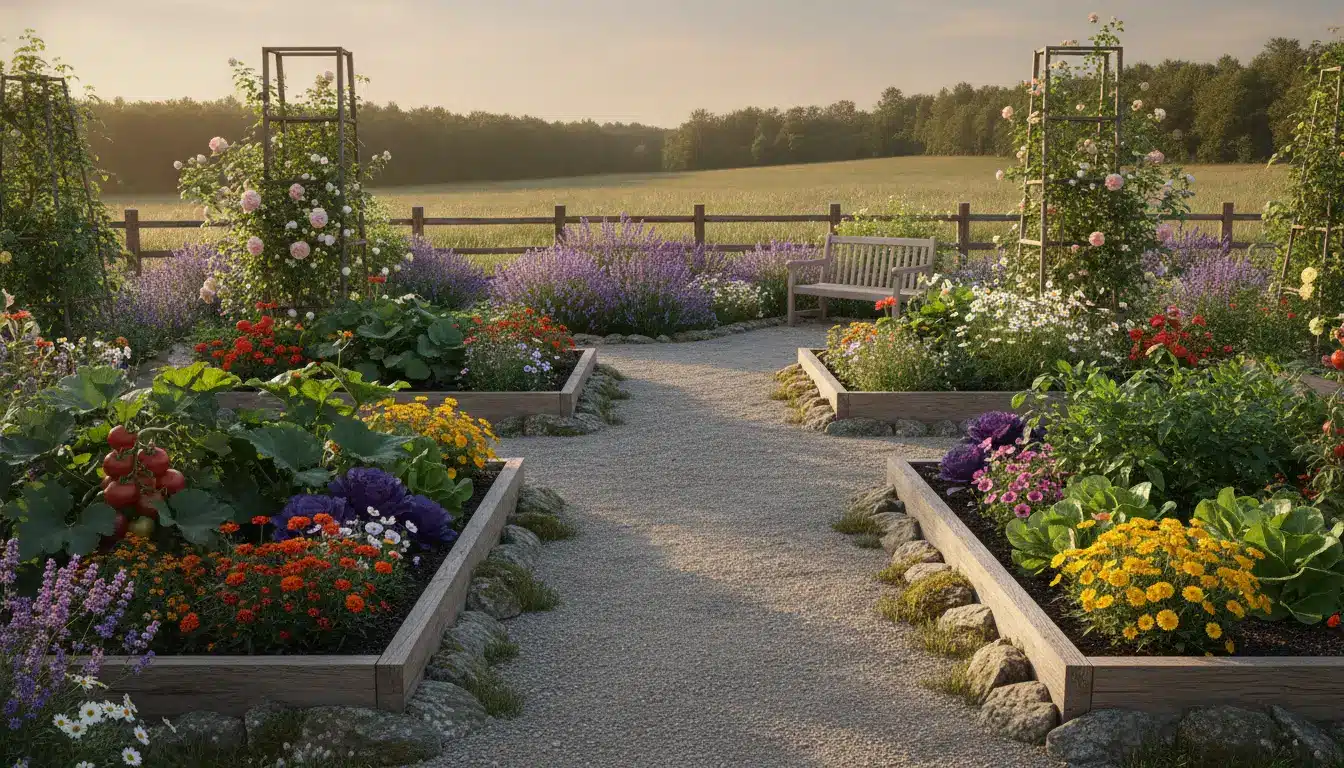
Having raised beds, making walking paths – and having them be clearly defined and visible – and making zones that are specially designated for plants.
These factors contribute to easier plant growth throughout the seasons and help manage any issues that need to be addressed. To best make a layout, planning is key. Always plan ahead of time and work with the set plan in mind. One of the important reasons why this is crucial is that not every plant acts the same, and not every plant has the same requirements.
For example, some plants need much more sunlight than others. Others need more space. Making sure that each plant gets what it needs in both quality and quantity will greatly benefit the garden in the long run, and it’ll cause it to flourish more easily/quickly.
The Beauty and the Function
Function and beauty don’t have to be mutually exclusive; in fact, when it comes to good gardens, they really aren’t.
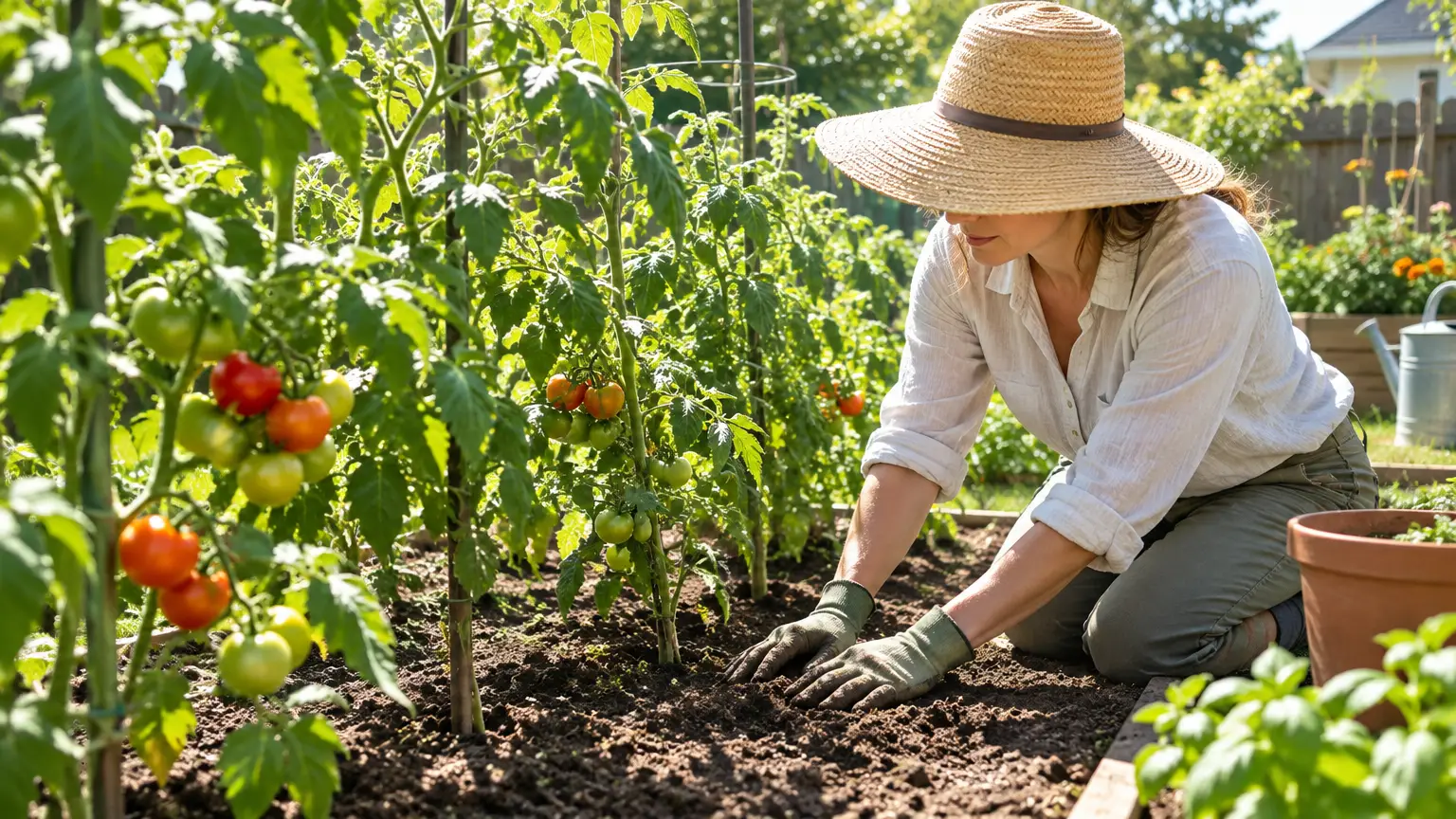
For example, we can plant both vegetables and flowers.
Now, some people could perhaps be slightly reserved about how those two would look side by side and how they would work. But when it comes to function and appearance, vegetables and flowers can work well to supplement each other. Flowers attract insects that work as pollinators; herbs create borders and raised beds.
Trellises, arbors, and rustic fencing add structure while also supporting climbing plants like beans, peas, and cucumbers.
This makes the garden look amazing, and it gives it its functionality.
It’s as close to a win-win situation as it gets.
Add Natural Materials
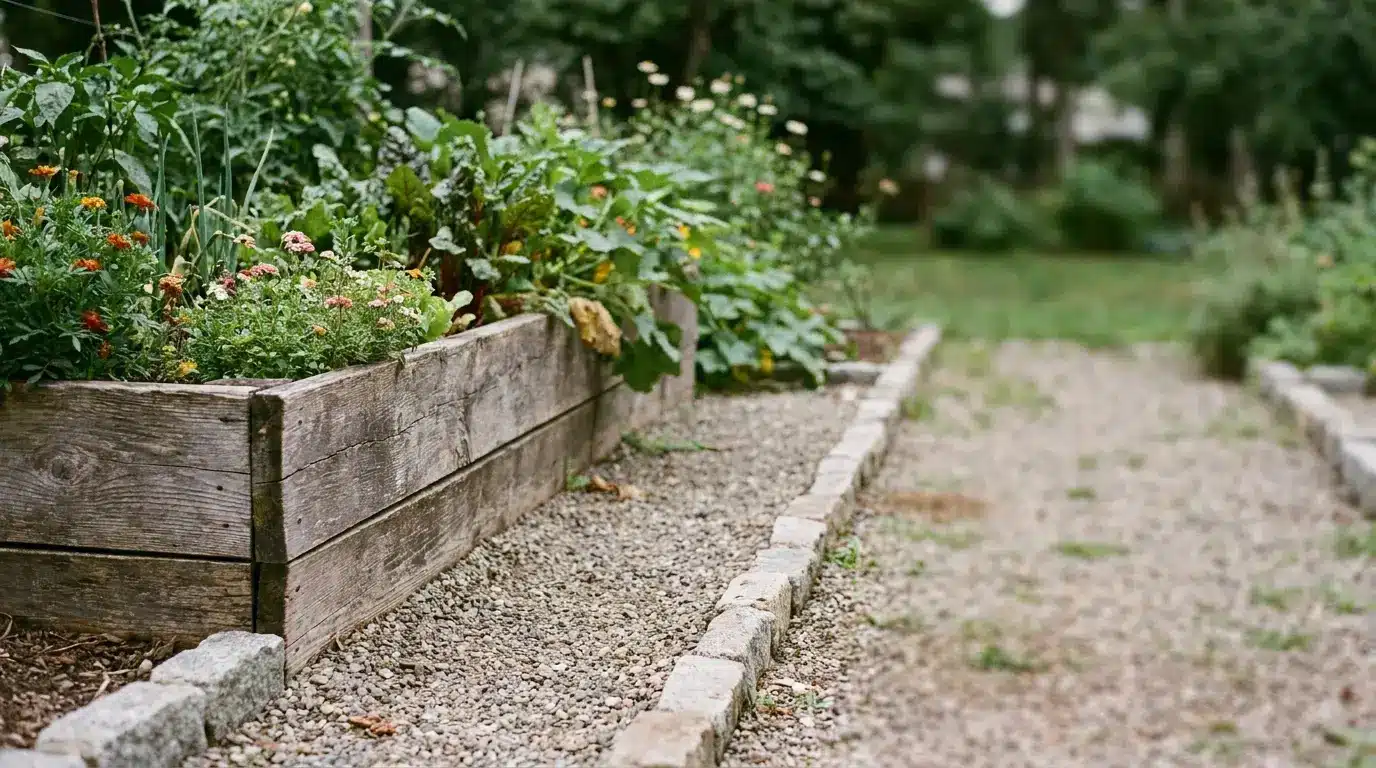
One neat trick is adding natural minerals to your garden. They can help create that atmosphere and appearance that most people are looking for.
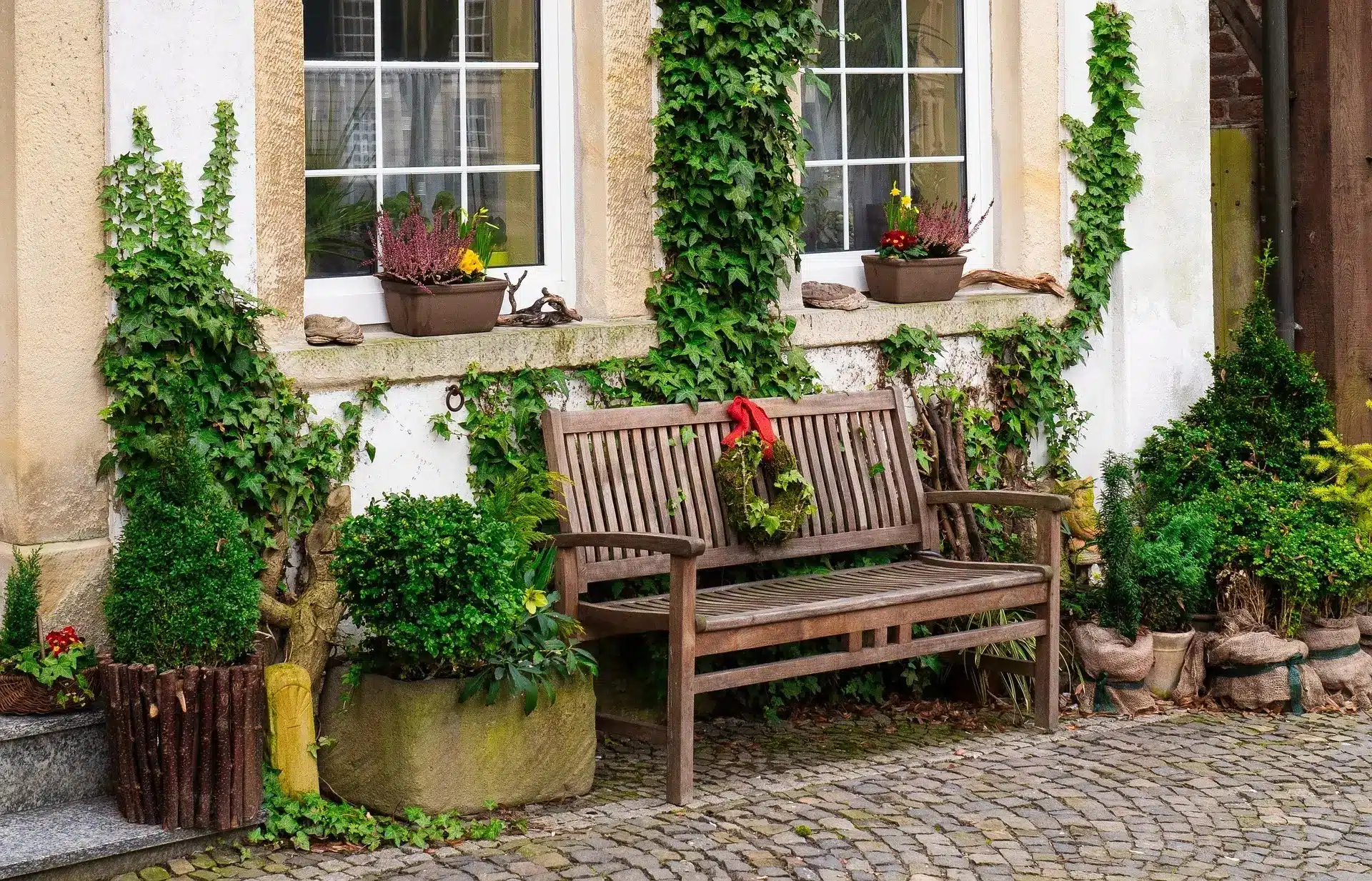
Elements like wooden raised beds, gravel paths, stone borders, and benches all blend beautifully with the plants.
These elements are easy, quick, and require little to no maintenance.
Many gardeners draw inspiration from the traditional countryside: places like log cabins, cottage gardens, zen gardens, villas, etc. Some gardeners even try making styles of their own. If you go for the latter route, then it’s all you and your creativity, but if you want to go for one of the more traditional routes, such as log cabins, then it’s always recommended that you hire the services of a company that specializes in this type of building.
Lancaster Log Cabins is just one example of a reputable business that focuses solely on designing and creating premium portable cabins. So whichever route you choose, you should always go with a business that specializes instead of a general we-do-everything type.
It’s all pretty much about creativity, and every gardener has full rein.
Gardens Change and That’s Okay
Most people add or remove elements from their gardens; even something as simple as maintenance can change how everything is positioned, or it could simply be that, as time goes on, people want a little change here or a little change there. It’s okay to change your garden; after all, it is your garden.
Choose plants with staggered bloom times or include cool-season vegetables that work well when placed near summer crops. There are a lot of options.
Additional ornaments or accessories also work. It’s planning for seasons that keeps the garden attractive and fun.
Conclusion
When it comes to building a garden inspired by the countryside, one important thing to note is that it doesn’t have to be perfect. It’s about making something uniquely yours, something that feels warm and welcoming. It is that personal aspect that will bridge the divide between us and nature, and, after all, it is something we make for ourselves.
So why wouldn’t we make it in a way we think is best?
Using practical planting techniques combined with natural design and some well-thought-out planning is usually the best way to get a garden of your dreams.
And, of course, enjoy your time while doing it.