The home looks good even when pets live there. A space made well keeps things neat despite paws and claws. One idea leads to another – durable floors handle spills without showing every mark. Furniture picks itself based on how easily it shrugs off fur. Rooms breathe better when layout allows room for tails to wag freely. Style stays intact because details matter more than perfection. Living together means surfaces survive naps, snacks, messes. Beauty hides in choices that expect real life. Comfort grows where function meets care.
Choosing Practical Materials
Start strong with floors that handle paws without showing every scuff. Tile holds up when life gets messy, unlike softer options that mark at the first sign of claws. Furniture covered in tightly woven fabric shrugs off daily chaos far longer than loose weaves. Luxury vinyl stands firm even after countless runs down the hall. What matters shows over time – less cleaning, fewer worries, more living. A space meant for animals should not need constant fixing.
Start strong with stuff you can count on – looks still matter just as much. These days, tough things come dressed sharp, built to last without sacrificing color or texture. Think floors that shine even after paws race across them, couches holding their shape through chaos, rugs keeping patterns intact despite spills. Pick solid pieces early and later bills shrink; wear doesn’t mean wrecked. A clean space stays possible when what’s inside fights back quietly.
Designated Pet Spaces
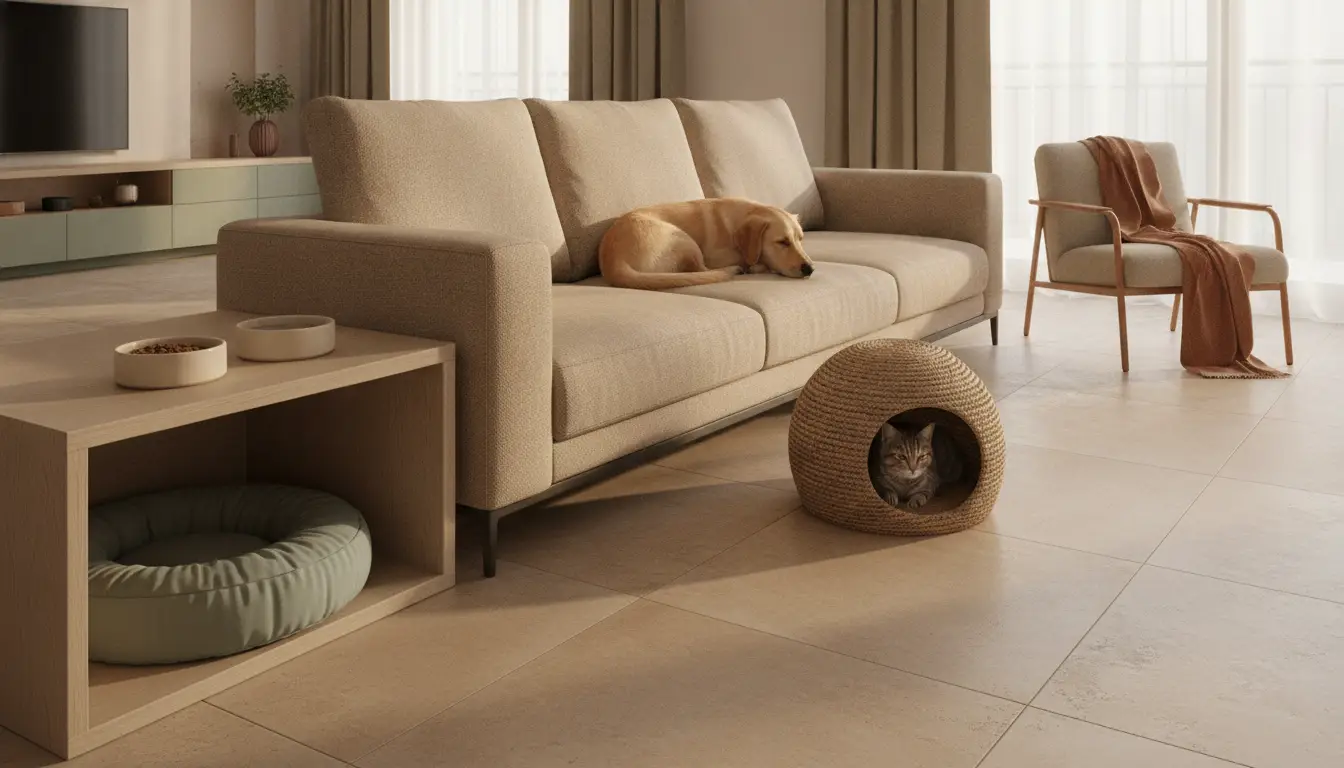
Out here, giving pets their own spots means less clutter where people spend time. Instead of tossing gear anywhere, a bed tucked in a nook or bowls lined up by the kitchen keeps things tidy. Even toy bins find order when they belong somewhere specific. Design blends these zones in – no afterthoughts sticking out like sore thumbs.
Hidden storage spots help keep things looking neat. Instead of loose items lying around, benches with lids, tucked-away cupboards, and smart nooks hold pet gear out of sight but close by. A tidy corner might stash the best dog food in stylish jars that match the room’s look – everything handy, nothing messy.
Keeping Spaces Clean And Maintained
Clean homes often look better when they stay tidy, particularly where pets live. Because animals shed fur, brushing them often keeps floors and furniture less messy. When baths happen on schedule, plus wiping paws after walks, messes pile up slower. Rooms hold their neat appearance longer if these small steps become habits. Fewer chores stack up later simply by staying ahead early.
Most folks find it simpler to keep things tidy when tools are close at hand. Storage that puts cleaning items, vacuums, or pet gear within reach makes dealing with spills less of a chore. A place for everything means messes get handled fast – no searching, no delay. Daily upkeep blends into routine once it fits naturally with how the space works. Staying clean stops feeling like work when the setup supports it quietly. Order stays possible even on busy days if effort is low and access is clear.
Selecting Pet Friendly Furniture
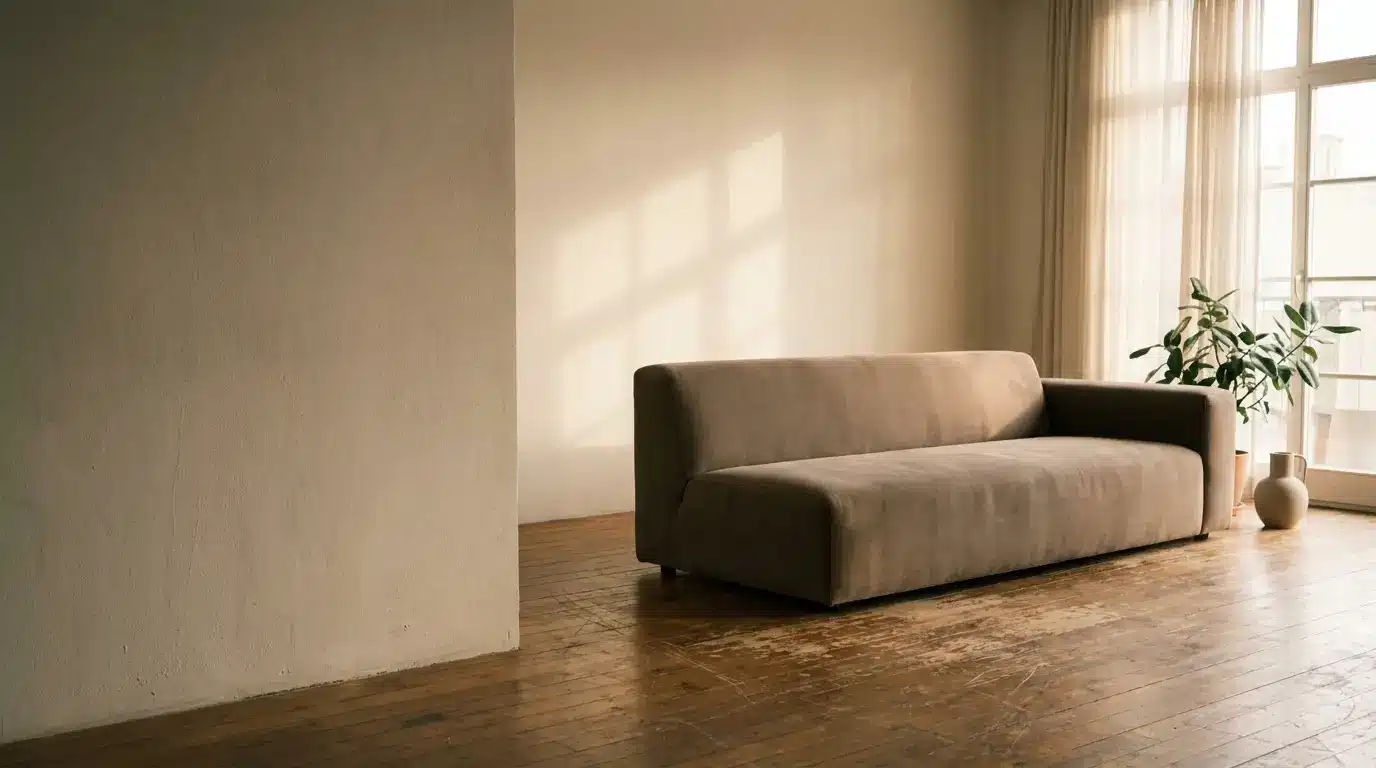
Start strong with seating that stands up to daily wear. Tough coatings plus wipe-down tops handle pet life without fuss. Fake leather, spill-proof cloth, then slipcovers keep things tidy but still stylish. How it looks matters just as much as how long it lasts.
Start by thinking about where things sit inside your space. When chairs and surfaces make room for animals to move, fewer items get knocked over, plus people still enjoy open areas. Animals tend to follow certain routes they prefer again and again through rooms. Spotting those paths means arranging furniture so both pets and owners share smoothly – without giving up how nice everything looks.
Organizing Pet Supplies
A tidy space often feels more peaceful. When pet items like toys, brushes, leads, or bowls have no fixed spot, they tend to spread out, breaking the calm. Storage ideas such as cupboards, woven bins, or stylish boxes keep things hidden yet close by. These choices help maintain order without clashing with how a room looks.
When more than one animal lives in a house, staying organized really matters. Each pet benefits if they have their own spot to hold things. Picture bins set aside just for certain needs – like the best cat food for cats or other essentials – placed where only that pet uses them. These little setups cut down clutter near mealtimes. Routines start running smoother when everything has its place.
Maintaining Visual Consistency
Same colors, matching textures, those little details – pet stuff fits right into rooms without standing out. From sleeping pads to food mat setups, even bins for kibble, there’s plenty that looks like it belongs. When things follow the room’s vibe, dog bowls or cat caves won’t scream “out of sync.” .
A single brushstroke of thought changes everything. Finishes that echo one another, textiles speaking the same quiet language, bits and bobs chosen with care – these stitch rooms together. Pets live here too, their needs not buried but woven into shelves, corners, built-in spots where function hides in plain sight. The whole feels calm because nothing fights for attention.
A home works best when how it looks lines up with how it lives, especially around pets. Tough fabrics hold up under paws, claws, or sudden zoom sessions. Instead of hiding messes, plan spots just for animals – places they use daily. Cleaning becomes easier when tools are nearby, storage makes sense, routines stick. Design touches blend in rather than stand out, so everything feels natural together. Style does not have to suffer because a dog sheds or a cat climbs. Little adjustments add up over time, quietly making life smoother. Pets stay happy, people stay calm, rooms still feel like home.