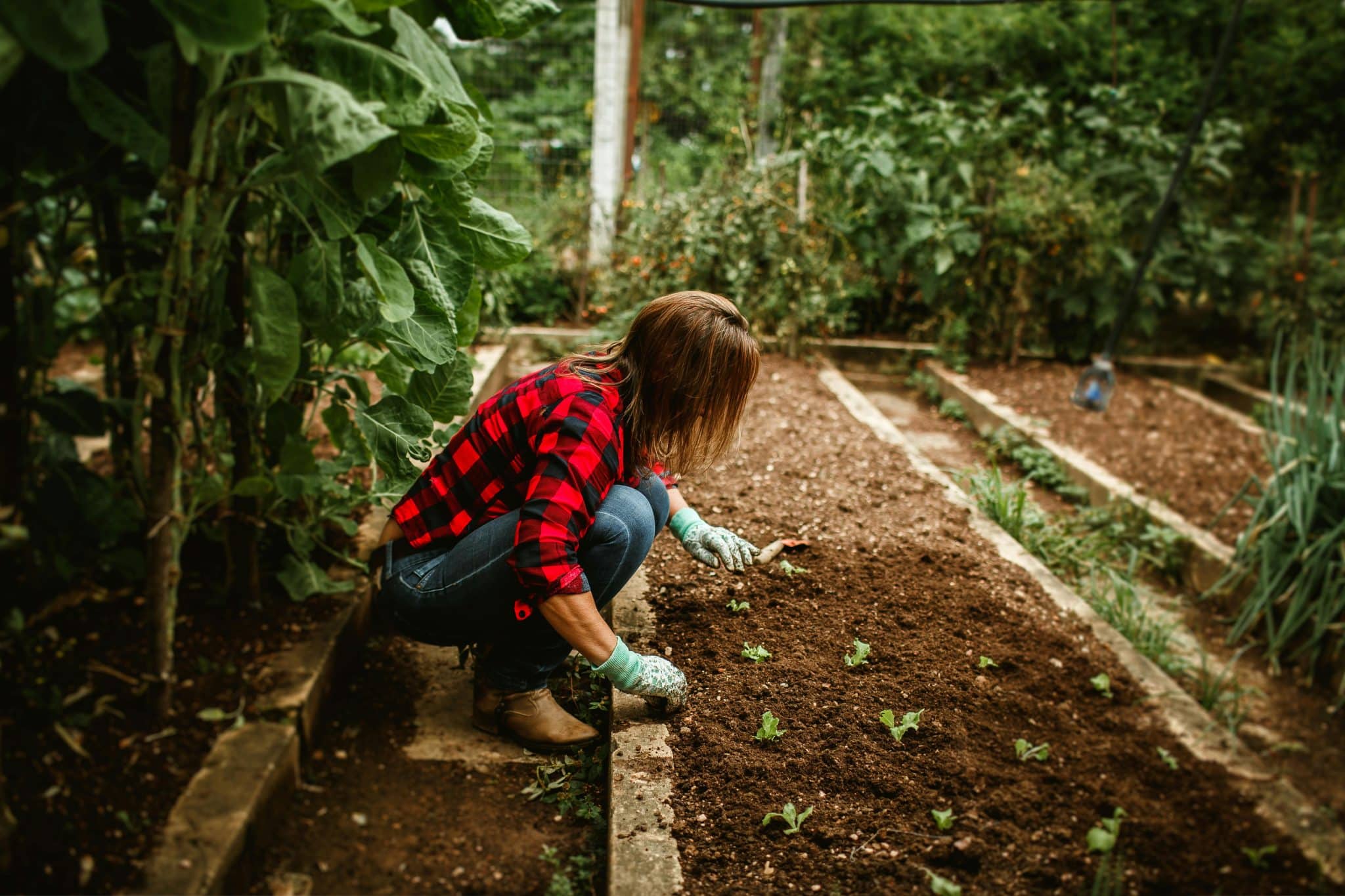
A healthy garden attracts more than just pollinators.
Vegetables, herbs, flowers, and compost piles create a thriving ecosystem. Unfortunately, that same environment can also attract insects and pests looking for food, water, and shelter.
Many gardeners focus on pest control only after damage appears on plants. By that point, however, pests are often already established.
A more effective approach is understanding how pest activity changes throughout the year.
Most garden pests follow predictable seasonal cycles. Knowing what typically happens in spring, summer, fall, and winter allows homeowners to prevent infestations before they spread.
Spring: The Season When Pest Activity Begins
Spring marks the start of the gardening season and the beginning of increased pest activity.
As temperatures rise, insects that overwintered in soil, mulch, and nearby structures begin searching for food. Newly planted gardens are especially vulnerable because young plants are tender and easy for insects to damage.
Common Spring Garden Pests
Common spring garden pests include:
- Aphids feeding on new plant growth
- Ants establishing colonies near garden beds
- Beetles emerging from soil
- Earwigs hiding under mulch or stones
Early pest activity often goes unnoticed because insects are still building their populations. However, catching problems at this stage makes control much easier.
Spring Prevention Tips
Simple preventative steps can help reduce spring infestations:
- Remove leftover plant debris from the previous season
- Inspect young plants regularly
- Avoid excessive mulch that creates hiding spots
By monitoring gardens early, homeowners can stop small pest populations before they expand later in the season.
Summer: Peak Season for Garden Pests
Summer typically brings the highest level of pest activity in most outdoor spaces.
Warm temperatures accelerate insect reproduction cycles. At the same time, gardens begin producing fruits, vegetables, and flowers, creating a reliable food source for pests.
Common Summer Garden Pests
Some of the most common summer garden pests include:
- Mosquitoes breeding in standing water
- Caterpillars feeding on leafy vegetables
- Beetles attacking flowers and crops
- Wasps building nests near outdoor areas
Mosquitoes often become the biggest concern during the summer months. Even small amounts of standing water in watering cans, buckets, gutters, or decorative containers can create breeding sites.
Removing stagnant water regularly is one of the most effective ways to reduce mosquito populations around gardens and homes.
For some homeowners, routine prevention becomes part of their yearly maintenance routine. Instead of reacting to infestations, they focus on managing pest pressure throughout the seasons with a consistent plan. Understanding which pests appear at different times of the year can make that process much easier, which is why many homeowners refer to a local pest calendar to anticipate common infestations before they begin.
Fall: When Pests Start Searching for Shelter
As temperatures drop, pest behavior begins to change.
Instead of focusing only on food sources, many insects and rodents begin searching for warm places to spend the winter. Gardens and landscaping often become transition areas before pests move closer to homes and buildings.
During fall, homeowners frequently notice increased activity from:
- Rodents searching for shelter
- Spiders building webs around structures
- Stink bugs gathering near buildings
- Ant colonies relocating
Outdoor storage areas can unintentionally provide ideal hiding places for pests. Compost piles, stacked firewood, garden sheds, and dense landscaping can all attract insects and rodents looking for protection from colder weather.
Fall Prevention Tips
Preparing gardens for winter can significantly reduce these risks. Helpful fall maintenance steps include:
- Cleaning up fallen leaves and plant debris
- Trimming dense vegetation near structures
- Storing firewood away from the house
- Securing compost containers
These simple actions reduce the number of pests that attempt to move indoors during colder months.
Winter: The Most Overlooked Time for Pest Prevention
Winter may appear quiet in the garden, but pest control during this season plays an important role in preventing future infestations.
Many insects survive winter by hiding in soil, tree bark, mulch, or small gaps around buildings. Rodents may also remain active near homes as outdoor food sources become scarce.
Because pest activity is less visible during winter, it is an ideal time for preventative maintenance.
Winter Prevention Checklist
Homeowners can use this period to:
- Inspect sheds, garages, and garden structures
- Seal small openings around foundations
- Remove unused containers that collect water
- Maintain compost areas properly
These preventative steps reduce the number of pests that emerge once temperatures rise again in spring.
Why Seasonal Pest Awareness Matters for Gardeners
One of the biggest mistakes homeowners make is treating pest control as a reaction rather than a strategy.
Waiting until pests visibly damage plants often means populations are already established. Seasonal awareness allows gardeners to anticipate pest behavior and take preventative action earlier.
Healthy gardening practices already support pest prevention. Maintaining clean planting beds, removing standing water, trimming plants regularly, and keeping outdoor areas organized can dramatically reduce pest activity.
However, some infestations extend beyond simple garden maintenance. When pests spread to lawns, structures, or nearby living spaces, professional pest management may be necessary to fully address the problem.
When pest problems start affecting both gardens and nearby living spaces, many homeowners decide to bring in professionals who understand local pest patterns. On Long Island, companies like Woody’s Exterminating work with homeowners to identify recurring pest issues and apply long‑term prevention strategies that protect both outdoor spaces and homes.
A Healthier Garden Starts With Prevention
Gardens thrive when the surrounding environment is balanced.
Understanding how pests behave throughout the year allows homeowners to stay one step ahead of infestations. Regular garden maintenance combined with seasonal pest awareness helps protect plants, reduce pest populations, and maintain healthier outdoor spaces.
Instead of reacting to problems after they appear, a preventative approach keeps gardens productive while minimizing pest issues year after year.