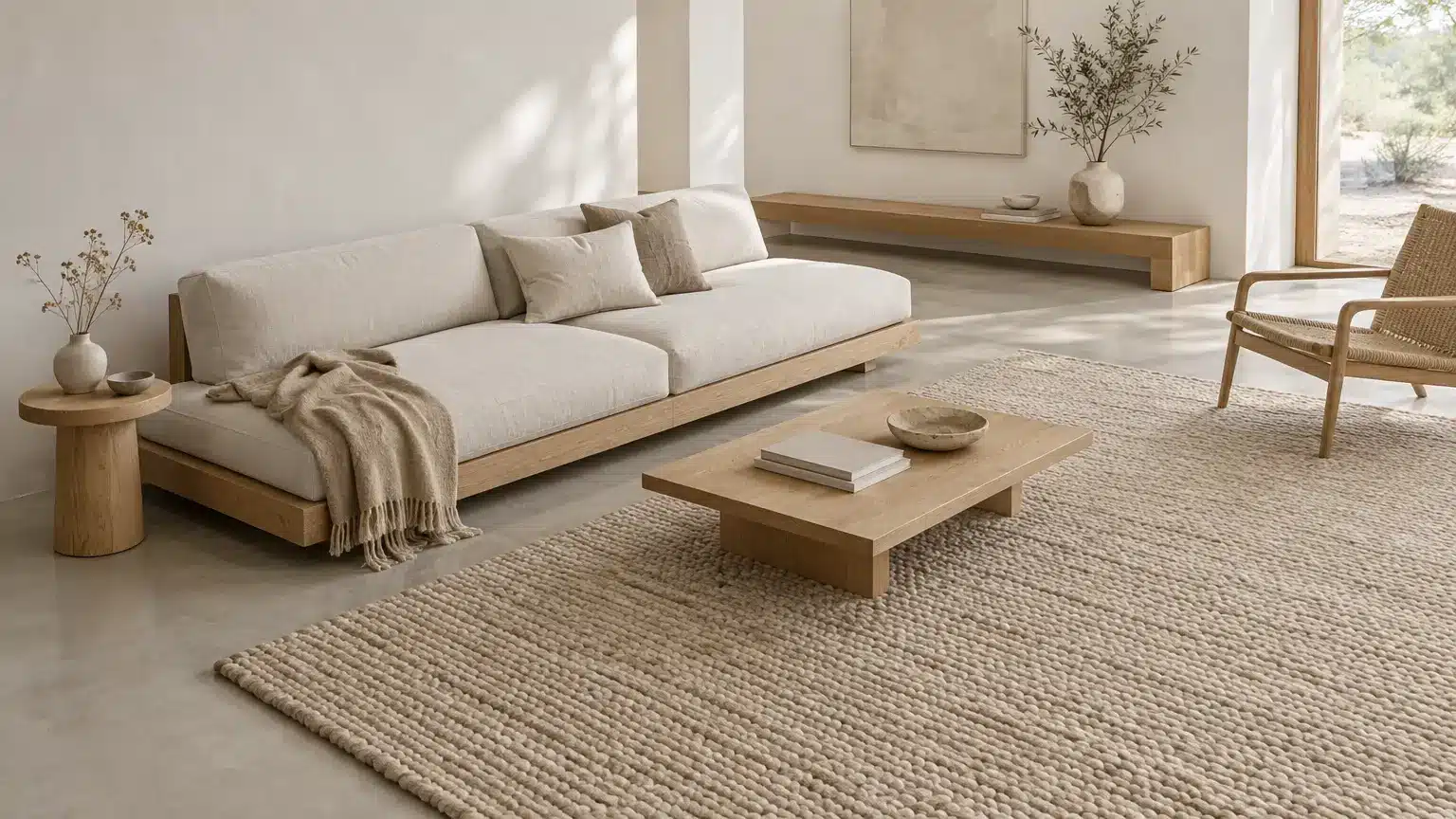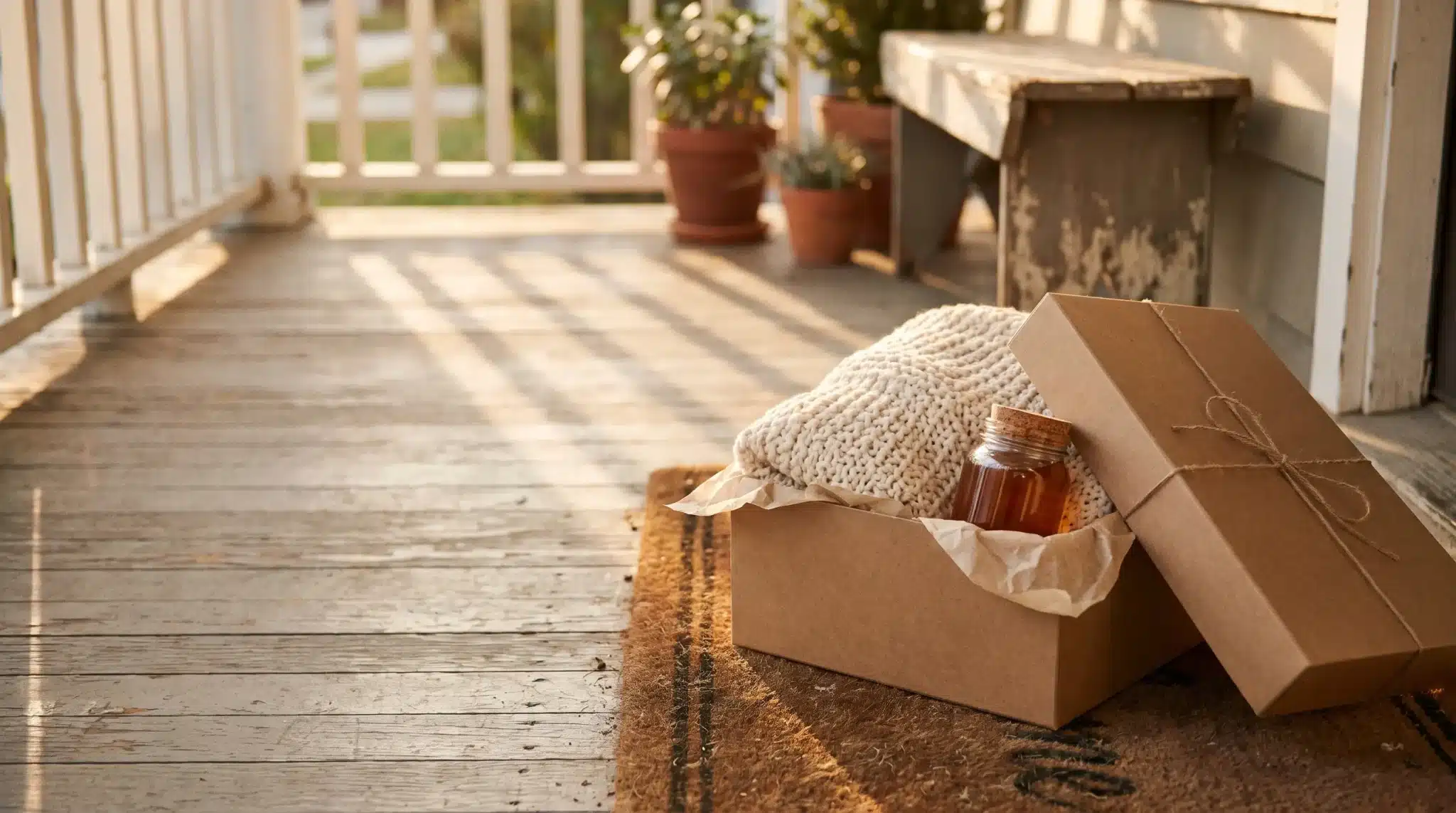
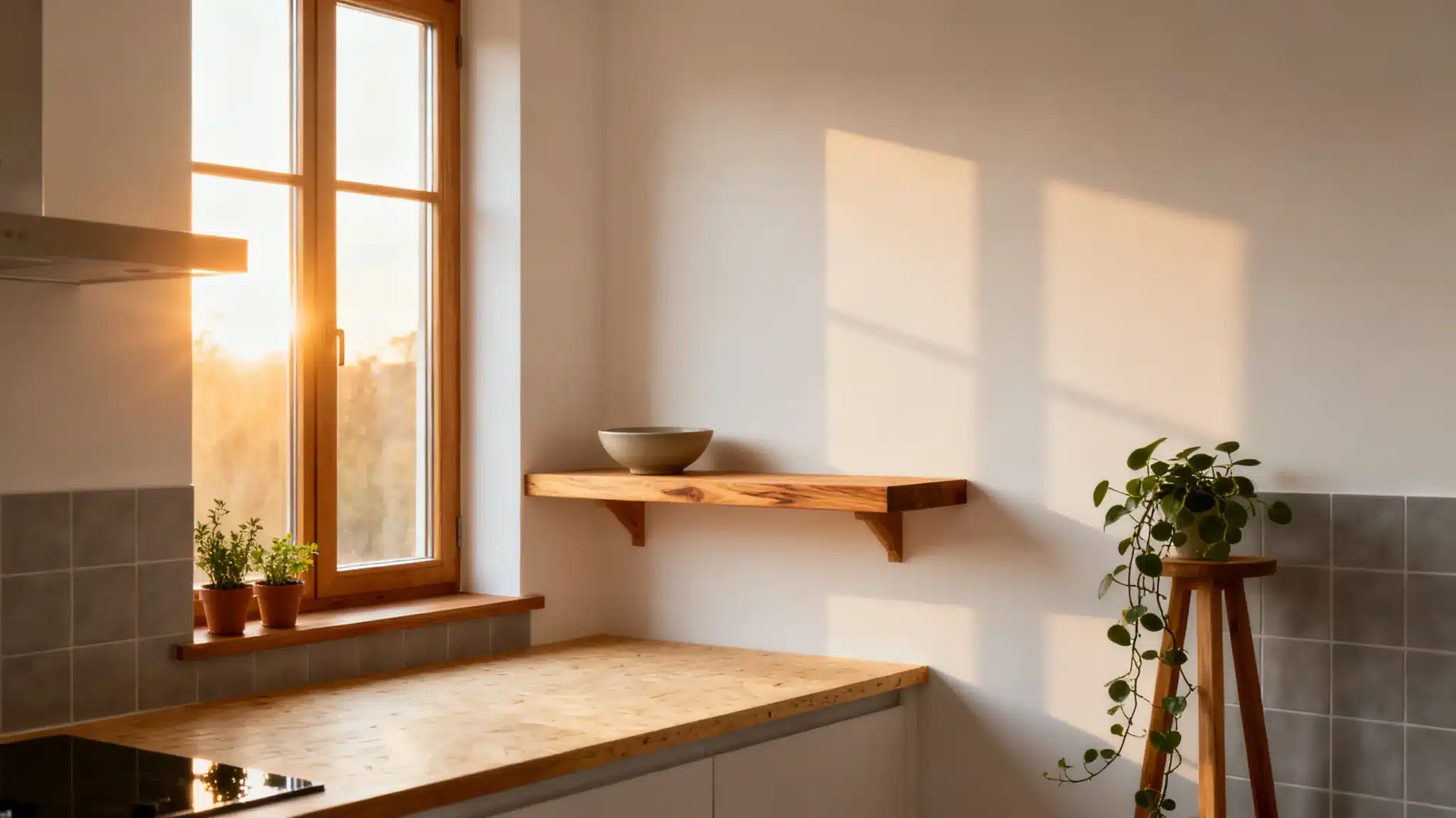
Some homes feel finished the moment you walk in. Not because every room is expensive or perfectly styled, but because the materials feel honest. A wood shelf near the kitchen window, a simple built-in bench by the entry, or a smooth cabinet face can do more for a room than another basket of decorative pillows.
That is the quiet strength of wood in home decor. It adds warmth without shouting for attention. It works in old houses, new apartments, cottages, townhomes, and small spaces where every surface has to earn its place. You do not always need to knock down walls or replace every cabinet to make a room feel calmer and more personal. Sometimes, the best change is choosing one or two wood details and doing them well.
Start With the Places You Touch Every Day
The best home updates usually happen in the spots people actually use. A mudroom shelf, a breakfast nook bench, a laundry room counter, a floating nightstand, or open kitchen shelving can change how a room feels and functions. These are not showpiece projects. They are the details you notice while making coffee, putting away keys, folding towels, or setting down a book at night.
Wood works especially well in these areas because it softens hard finishes. Tile, stone, glass, and metal can make a room feel clean, but too much of them can also feel cold. Adding a wood surface gives the eye somewhere to rest. It creates balance. Even a narrow shelf above a sink or a small wall ledge for plants can make a plain corner feel intentional.
Choose Wood That Fits the Mood of the Room
Not all wood has the same personality. Pale woods feel airy and relaxed. Deeper tones feel grounded and traditional. A clean, smooth grain can suit a modern kitchen, while a more visible grain can make a reading corner or pantry feel cozy. Before choosing a material, look at what is already in the room. Are the walls warm white or cool gray? Are the floors dark? Is the lighting soft or bright?
For a light, calm look, many designers and DIY homeowners like baltic birch plywood because it has a clean surface and a simple, natural appearance. It can work well for shelves, cabinet faces, storage units, craft-room tables, and small built-ins where you want the wood to look neat but not overly formal.
If you want something a little warmer and more classic, maple plywood is another strong choice. Maple has a smooth look that blends easily with both traditional and modern spaces. It can be especially useful in kitchens, laundry rooms, home offices, and entry areas where you want a practical surface that still feels polished.
Use Wood to Frame Greenery and Natural Decor
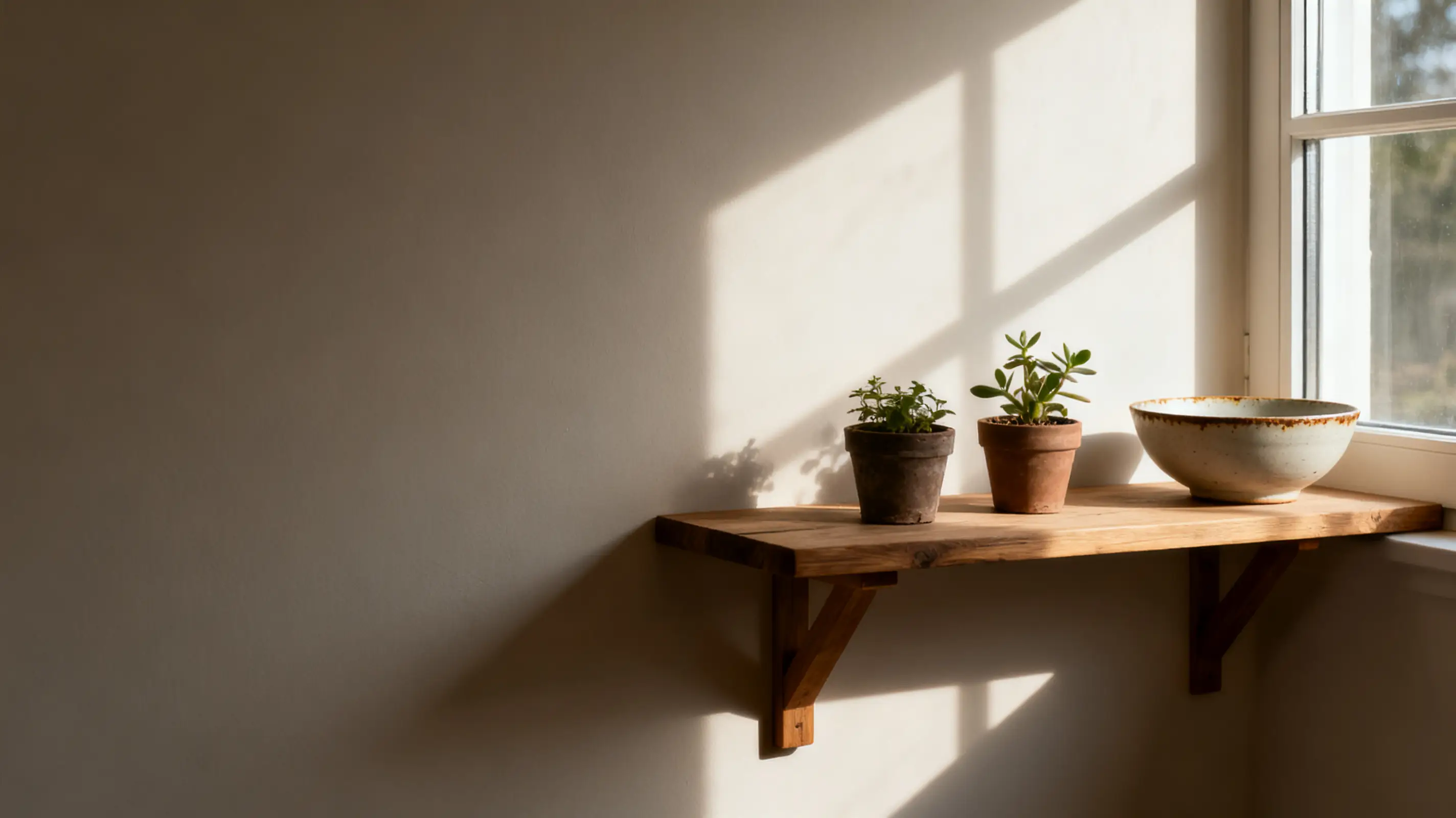
Plants and wood have always made sense together. A small herb shelf in the kitchen, a plant stand near a sunny window, or a simple wall-mounted ledge can make greenery feel like part of the room instead of an afterthought. This is a good approach for anyone who likes home decor that feels lived-in rather than staged.
Try placing a wood shelf where it catches morning light. Add a few small plants, a ceramic pot, a framed print, and one useful object, such as a bowl for keys or a small lamp. The goal is not to fill every inch. A little open space makes the display feel calmer. In a bedroom, one wood ledge with a trailing plant and a reading light can feel more personal than a large piece of store-bought wall art.
Keep the Details Simple
One mistake people make with wood accents is overcomplicating them. A shelf does not need heavy brackets, carved edges, and five different stains to look good. A bench does not need to be oversized to feel useful. Simple lines often age better, especially in rooms where decor changes over time.
If you are adding wood to a room that already has a lot going on, keep the finish quiet. Let the grain show, but avoid making every new piece the main feature. If the space is very plain, you can afford to make the wood detail more noticeable. A thicker floating shelf, a built-in desk, or a wall of cabinet doors can bring character to a room that otherwise feels flat.
Think About Storage as Part of the Design
Good storage should not feel like a punishment. When it is designed well, it becomes part of the room’s character. A low plywood cabinet under a window can hold extra linens and also become a place to sit. A narrow entry cabinet can hide shoes while giving you a surface for a lamp and a tray. Open shelves in a pantry can turn everyday jars, baskets, and dishes into part of the decor.
This is where wood really earns its keep. It is practical, but it also brings texture. Painted storage can disappear into a wall, which is sometimes useful, but natural wood adds a layer of warmth. For small homes especially, that matters. When one piece has to provide storage, display space, and visual comfort, material choice becomes more important.
A Home Should Feel Built Over Time
The nicest rooms rarely look as if they were finished in a single weekend. They feel collected. A wood shelf here, a better cabinet there, a plant stand near the window, a small bench by the door. These changes are modest, but together they make a home feel more settled.
Natural wood details are a good way to move slowly. You can start with one project and see how the room responds. Maybe the kitchen needs open shelving. Maybe the hallway needs a cleaner landing spot. Maybe the bedroom only needs a warmer bedside surface. The point is not to chase a trend. It is to make the rooms you already live in feel easier, softer, and more useful.
When chosen carefully, wood does not just decorate a home. It gives the home a steadier rhythm. It makes everyday corners feel cared for. And often, that is the difference between a space that simply looks nice and one that actually feels good to live in.