

When people think about co-parenting challenges, they usually think about schedules, communication, child care, school pickups, and shared expenses.
Those things are central, but they are not the whole picture. Housing also matters, and not just in the broad sense of where each parent lives. The rules attached to a neighborhood can shape how daily life works in ways many families do not fully notice until they are already dealing with them.
That is especially true in HOA communities.
The issue is not simply that rules exist. It is that those rules can affect ordinary family logistics. They can influence parking, guest access, quiet hours, property use, maintenance expectations, amenity access, and other parts of daily life that become very important when children are moving between two households.
This is one reason parents should pay closer attention to community rules.
What seems minor on paper can feel much bigger in real life once co parenting routines depend on it.
Co Parenting Works Best When Daily Logistics Feel Stable
Co parenting already asks a lot from families.
It requires planning, communication, flexibility, and a willingness to keep routines as steady as possible for the children involved. Small points of friction can become big sources of stress when they keep repeating. A confusing pickup routine, an awkward guest policy, or a parking problem may not sound major in isolation, but repeated problems create tension fast.
That is why the neighborhood environment matters.
Families often focus on the house itself, the school district, or commute times. Those things matter, but the rules around the property can also affect whether everyday transitions feel smooth or strained. If one home is in a community with tight restrictions, limited guest flexibility, or more active enforcement, those conditions can shape co parenting in practical ways.
The goal is not to avoid HOA communities.
It is to understand how their rules may affect family routines before those routines are locked into place.
Guest Rules Can Influence Pickups, Drop Offs, and Family Support
One of the first areas where community rules can affect co parenting is guest access.
This matters more than many people expect. Children may be picked up by a parent, a grandparent, a trusted family friend, or a step parent depending on the day. Relatives may visit during custody time. A partner may become part of the household rhythm over time. In some neighborhoods, guest parking, gate access, or visitor limits can make these interactions feel more complicated than they need to be.
That does not mean the rules are unreasonable.
It does mean families should understand how they work. If a neighborhood has strict visitor parking rules, guest registration requirements, or access controls that are difficult to manage, those details can add stress to a co parenting schedule that already depends on timing and cooperation.
What matters most is predictability.
When adults involved in a child’s care know how access works, transitions tend to go more smoothly.
Parking Rules Can Create Daily Friction
Parking is another area that can affect co parenting more than people expect.
A household may rely on more than one adult for transportation. A child may be dropped off by one parent and picked up by another. Teen drivers may eventually enter the picture. Extended family may help with school runs or after school care. If the neighborhood has limited parking, strict guest rules, or narrow enforcement practices, those details can shape how practical the routine feels.
This becomes especially important in busy weeks.
One parent may be running late. Another may need to make a quick exchange. A grandparent may stop by to help. What would otherwise be a simple transition can become irritating if the community environment makes short term access harder than it should be.
The issue is not that the neighborhood should bend every rule.
It is that families should understand the rules before they become part of the weekly schedule.
Quiet Enjoyment Matters for Children Too
Children do not just need a place to sleep.
They need environments that feel steady, calm, and livable. That includes being able to play inside without constant tension, move through normal family routines, and feel comfortable in the home. HOA communities often have rules around noise, common areas, and how space is used. Those rules may make perfect sense in general, but families should think about how they interact with the reality of raising children across two homes.
This is not about assuming children are disruptive.
It is about recognizing that family life is active. A toddler may cry. A child may play in a shared outdoor area. A parent may be doing bedtime during a neighbor’s quiet hour expectations. In some communities, the culture may feel more family friendly and flexible. In others, even normal household activity may seem to invite tension.
That difference matters.
Children tend to do better when the adults around them are not constantly stressed about whether ordinary family life is violating someone else’s expectations.
Property Upkeep Rules Can Add Pressure During Busy Seasons
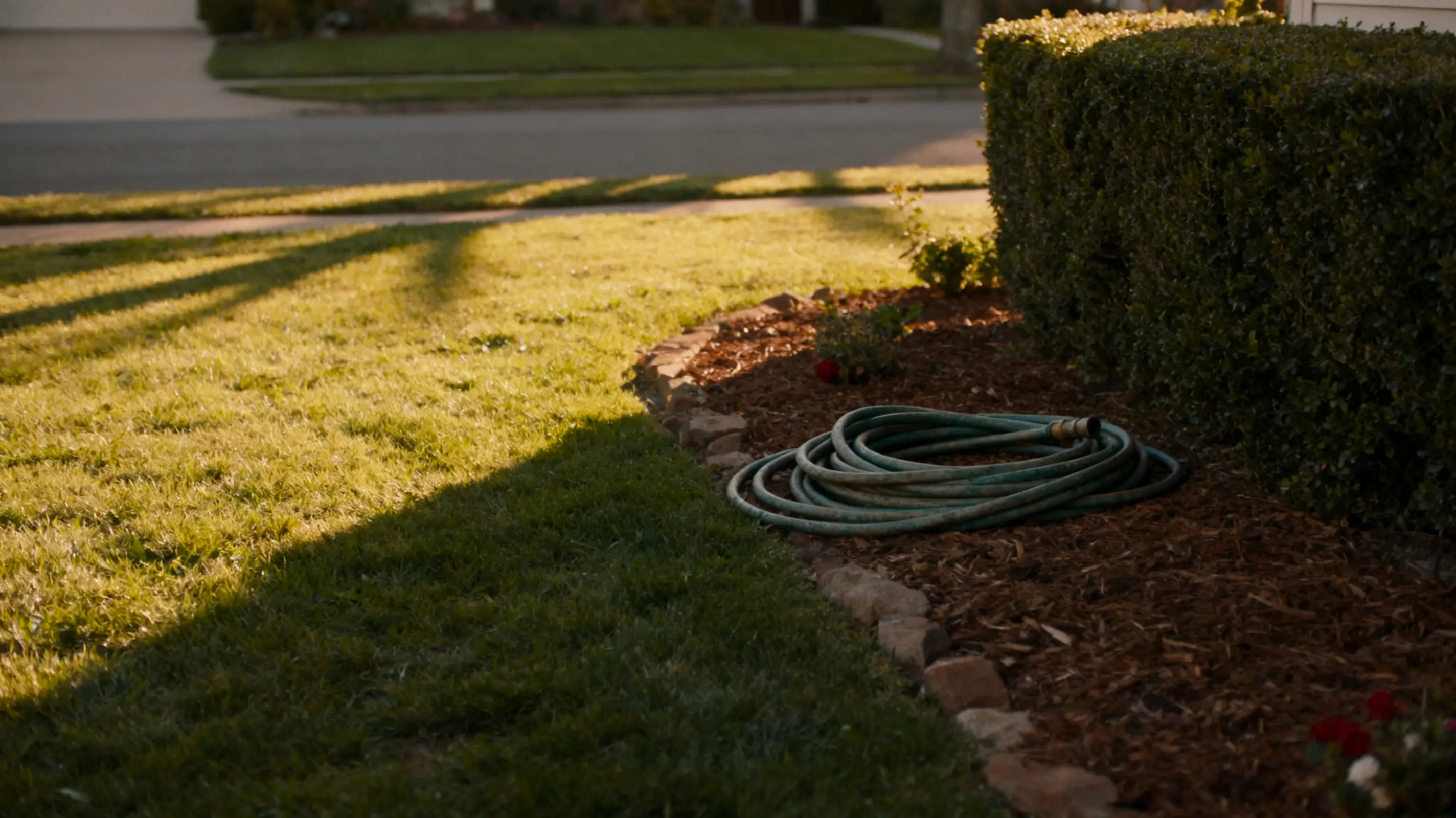
Another area that can affect co parenting is exterior maintenance and property appearance.
Many communities have expectations around lawns, landscaping, bins, exterior appearance, and upkeep. These rules are not unusual, and in many cases they help the neighborhood stay attractive and orderly. But for co parenting households, they can create pressure during seasons when time, energy, and responsibility are already split across many demands.
A parent may be balancing work, school schedules, transportation, and shared custody handoffs.
In that setting, home upkeep rules can feel more stressful if there is little room for flexibility. The issue is not simply whether the rule exists. It is whether the parent understands what is expected and can realistically keep up with it.
This is where CC&Rs become very important. Kuester explains that these governing documents outline homeowners’ rights and obligations, including property use standards, maintenance expectations, and other community restrictions that are legally binding once a person buys into the neighborhood. That means the rules are not casual suggestions. They are part of the living arrangement itself.
Amenities Can Help or Complicate Family Routines
Some HOA communities include amenities that can make co parenting easier.
Pools, playgrounds, walking paths, clubhouses, or open green areas can give children more to do and help parents create a more enjoyable routine at home. These features can become part of how a child experiences the neighborhood and can make transitions between households feel more positive.
But amenities can also come with rules.
There may be guest restrictions, reservation policies, age rules, supervision requirements, or access limitations that affect how those spaces are used. A parent may assume a child can bring a friend to the pool. Another may assume a grandparent can supervise at the clubhouse. The actual rules may say otherwise.
That is why understanding community documents matters.
The features of a neighborhood only help if families know how they can really be used.
Community Enforcement Can Affect Stress Levels
Rules themselves are only part of the story.
How those rules are enforced matters too. A neighborhood with clear, fair, and predictable communication usually feels very different from one where enforcement feels inconsistent or overly aggressive. In a co-parenting situation, that tone can shape how stressful a home feels for the adults involved.
If one parent is constantly worried about notices, fines, or complaints, the neighborhood may start feeling less supportive and more like another source of conflict.
That tension can spill into family logistics. It can affect how people plan visits, handle transitions, or even talk to each other about the home. Children may not understand the reason for the stress, but they often feel it when a household seems tense around ordinary routines.
A well run community can reduce that pressure.
An unpredictable one can magnify it.
Before Moving In, Families Should Ask Practical Questions
Parents considering a home in an HOA community should think beyond the surface.
It is not enough to like the home, the layout, or the location. Families should ask practical questions about how the neighborhood rules affect real life. How does guest parking work. Are there restrictions on who can use amenities. What are the quiet hour rules. What upkeep is required. How is enforcement handled. Are there rental restrictions that might affect future flexibility. What happens if family members need regular access to help with child care or transportation.
These questions do not mean a neighborhood is a bad fit.
They just help families understand what daily life may actually feel like there. For co parenting households, that understanding can make the difference between a routine that feels manageable and one that keeps running into avoidable friction.
Rules Feel Bigger When Children Move Between Homes
A single household may adapt to neighborhood rules fairly easily.
Co parenting adds another layer because children are not just living in one structure with one set of habits. They are moving between homes, often between schedules, and sometimes between very different neighborhood environments. What works smoothly in one home may feel more restricted in the other.
That difference can affect how routines are planned.
One parent may have easy guest parking and flexible common space use. Another may have more limitations. One may be in a neighborhood where everyday family life blends in naturally. Another may feel the need to manage every detail more carefully. These differences do not make co parenting impossible, but they do shape the lived experience.
That is why housing rules deserve more attention than they usually get.
They may not be the first thing parents think about, but they often become part of the routine very quickly.
Final Thoughts
HOA rules can affect co parenting schedules, guests, and daily family logistics because they shape the practical environment where family life happens.
Parking rules, guest access, amenity use, maintenance expectations, quiet standards, and enforcement culture all influence whether everyday routines feel smooth or strained. For parents managing handoffs, child care help, family visits, and the constant movement of children between homes, those details matter more than they might seem at first.
That is the key point.
Community rules are not just about property standards. They can become part of how family life functions from day to day. The more clearly parents understand them before settling into a home, the easier it becomes to build routines that actually work.