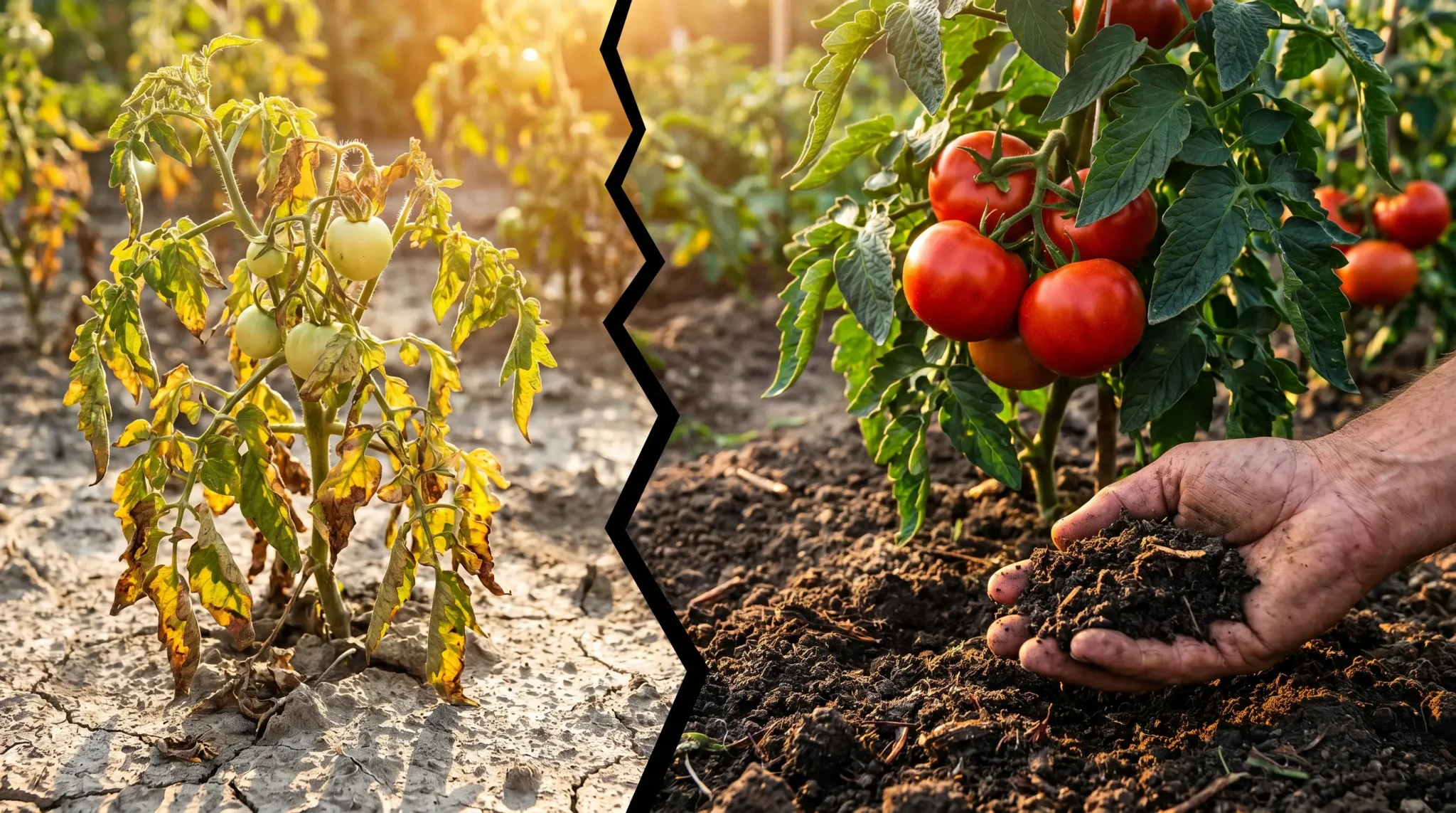
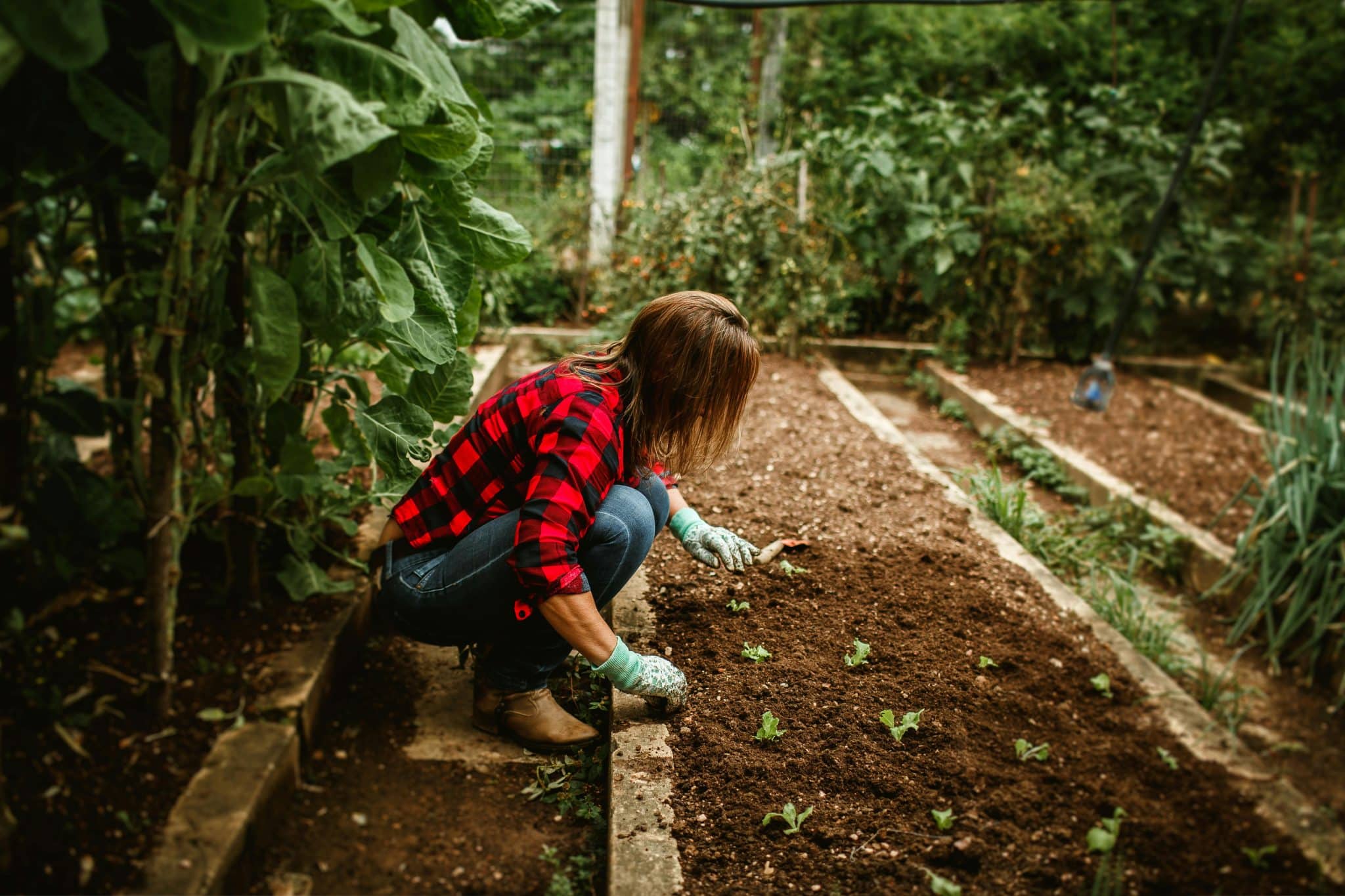
Your lawn watering frequency depends on a few things. A suitable schedule can improve lawn health. In hot weather, the goal is to provide deep watering to encourage strong root growth.
Your local CitiTurf lawn care company can assist with garden work. Check out how you can maximize efficiency with professional help.
Factors That Influence Lawn Watering Frequency
The right lawn watering frequency can change. When the external condition changes, you need to be versatile as well.
Temperature
High temperatures increase evaporation. More frequent watering is needed. Even if the leaves still look vibrant, they could be slowly getting cooked.
Grass type
Different grass types can endure heat and dehydration differently. Grass types native to the desert climate can handle heat much better.
Sunlight
Sunlight speeds up the evaporation process. For regions with long daylight, the watering frequency should be increased.
Signs Your Lawn Needs Water
How often to water the lawn depends on the actual condition. You should always be flexible. You might need to adjust the schedule.
Color
Grass fading from its vibrant green suggests dehydration. They turn into a dull, grey-ish color. The change can be gradual. You may see that only a part of the grass has changed color.
Shape
Wilting or curling blades mean the grass is almost dying. They curl due to the lack of moisture. You may also notice that the patches are thinning out.
Weeds
A thriving weed presence indicated issues with your lawn. They will take over when the grass is stressed. Weed removal is necessary before watering.
Recommended Watering Schedule for Summer
In the summer, it is all about root-level hydration. The watering frequency should not be too high. This may drown the roots.
General schedule
Two to three times a week works great. It is frequent enough that your garden can be sufficiently hydrated. But it is not too frequent that they will be over-watered.
Timing
Early morning watering is preferred. It minimizes evaporation as the sun is not too strong. You just have to avoid the hottest hours of the day.
Even irrigation
Irrigate the space evenly. Manual irrigation methods often miss a few spots. Time your watering sessions and be careful about covering every inch.
Tips to Optimize Lawn Watering
Lawn watering can be challenging. It involves techniques and skills to do it perfectly. Here are a few ways to optimize your upcoming watering sessions.
Rain sensor
A smart detector can draw information from a weather forecast. It can also measure the actual rainfall. It calculates the water needed and automatically adjusts your watering schedule.
Aeration
Aerating your lawn can reduce soil compaction. It can improve the absorption ability. This will provide better support to facilitate plant growth.
Remote control
Being able to control the irrigation system remotely gives you flexibility. You don’t have to worry about being away suddenly. You can adjust the watering schedule as necessary.
Common Watering Mistakes to Avoid
CitiTurf, North Dallas, TX, is your local provider for lawn care. During the visit, you will be given personalized suggestions on mistakes to avoid when watering your lawn.
Wait until the warning signs
The garden is battling the blazing heat. You should not wait until it looks visibly weak to water it. It usually means the lawn is already suffering from damage. And it can be difficult to restore health.
Overwatering
This will lead to shallow roots and fungal diseases. Overwatering is not the solution to hot weather.
Daily light watering
The key point is deep penetration. Daily light watering will not give the soil what it needs.
In conclusion

How often to water the lawn is the first question for every new homeowner. The heat can present different challenges for your garden. Therefore, you should water and give them enough nutrients as suggested.