
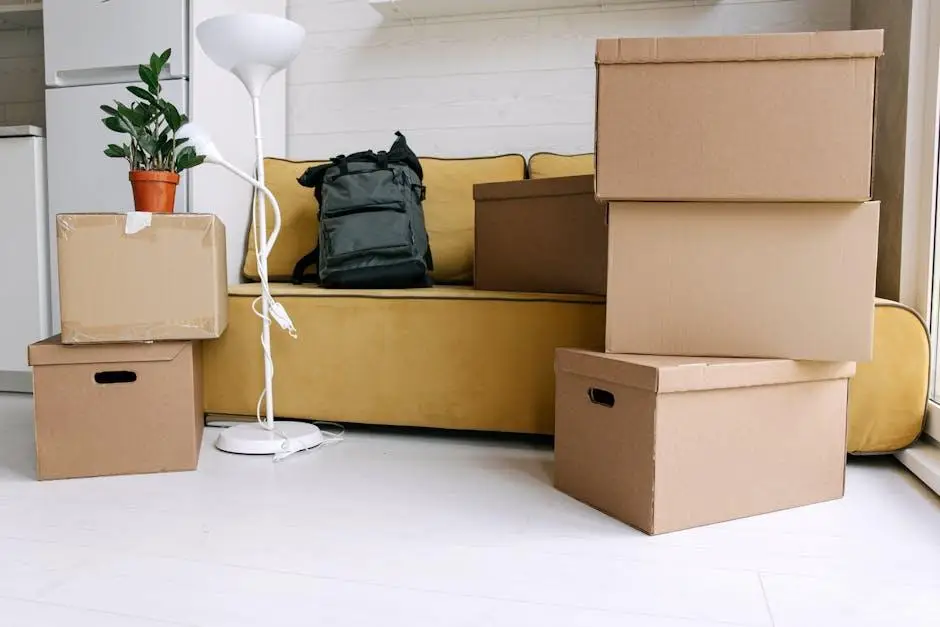
Moving across the country is one of those life events that sounds exciting until the packing begins. Between sorting years of belongings, coordinating logistics, and adjusting to a completely new area, a cross-country relocation can quickly feel overwhelming.
The good news is that planning ahead makes a massive difference. Working with experienced long distance movers early in the process takes the heaviest burden off your shoulders. A clear timeline and a few smart strategies can turn a chaotic move into a surprisingly manageable experience.
What Should Your Moving Timeline Look Like?
Start planning at least eight to ten weeks before your moving date. That window gives you enough time to compare providers, sort your belongings, and handle the dozens of small tasks that tend to pile up at the last minute.
During the first few weeks, focus on getting estimates from multiple moving companies and deciding which services you actually need. Some households only need transport, while others benefit from full-service packing, storage, or vehicle shipping. Locking in your movers early also means better availability, especially if you are relocating during the busy summer season between May and September.
The final two weeks should focus on confirming details with your moving company, packing remaining items, and setting up utilities at your new address. Having a written checklist for each phase keeps you on track and prevents the kind of last-minute scrambling that leads to forgotten items or missed deadlines.
How Can You Pack Smarter for a Cross-Country Move?
Packing for a long haul requires more care than a local move. Follow these steps to protect your belongings and stay organized.
- Declutter before you pack. Go room by room and sort items into four groups: keep, donate, sell, and discard. Every item you cut saves money on transport costs.
- Use double-walled boxes for fragile items like dishes, glassware, and electronics. Fill gaps with packing paper or bubble wrap to prevent shifting.
- Label every box with the room name and a brief list of contents. This simple step saves hours of frustration when you arrive at your new home.
- Pack a “first night” bag with essentials you will need within the first 24 hours. Include toiletries, medications, phone chargers, a change of clothes, and basic kitchen supplies.
- Take photos of electronic setups before disconnecting cables. You will thank yourself when it is time to reassemble your entertainment center or home office.
- Wrap furniture legs and corners with moving blankets or foam padding to prevent scratches during loading and transit.
Smart packing is really about reducing surprises on the other end of your move.
When Is the Best Time to Schedule a Long-Distance Move?
The cheapest and least hectic time to move is between October and April. Demand drops significantly during the cooler months, which means lower rates and more flexible scheduling from carriers.
According to U.S. Census data, more than eight million Americans move between states each year. That volume spikes during summer, when families want to relocate between school years and take advantage of warmer weather. The trade-off is higher prices and tighter availability from moving companies during those peak months.
If you have flexibility in your timeline, consider a mid-month move on a weekday. Most people schedule moves around the first and last days of the month to align with lease dates, so the middle of the month tends to be quieter. Even shifting your date by a few days can result in noticeable savings.
What Costs Should You Budget For?
A long-distance move involves more than just the price of a moving truck. Here is a breakdown of common expenses to plan for.
- Moving company fees: The average interstate move costs between $2,500 and $6,500 depending on distance, weight, and services. Full-service packing adds to the total.
- Insurance and liability coverage: Most carriers offer basic coverage at no extra charge, but full value protection costs more and covers the replacement value of damaged items.
- Storage fees: If your new home is not ready on moving day, temporary storage can run $100 to $300 per month depending on unit size and location.
- Travel expenses: Factor in fuel, meals, and hotel stays if you are driving to your new location. Flights and rental cars add up quickly for multi-person households.
- Utility setup fees: Some providers charge connection or activation fees when you set up electricity, internet, and water at your new address.
- Post-move upgrades: Once you arrive, small home improvement projects can help your new space feel like your own without breaking the budget.

Building a buffer of 10 to 15 percent above your estimated total helps cover unexpected costs without adding stress.
How Do You Settle Into a New Home After a Big Move?
The first few weeks in a new home set the tone for how comfortable you feel in your new space. Unpacking room by room, starting with the kitchen and bedroom, gives you a functional living space faster than opening every box at once.
Getting to know your neighborhood matters just as much as unpacking. Walk the streets, find the closest grocery store, and introduce yourself to neighbors. People who invest time in their community early tend to adjust faster than those who stay isolated during the transition.
One of the best ways to make a new house feel like home is to start something fresh outside. A small garden layout on your patio or in your yard gives you a reason to spend time outdoors and connect with your new space. According to the American Psychological Association, creating familiar routines quickly reduces relocation stress, and tending a garden is one of the simplest ways to build that rhythm.
Here’s What Matters Most
- Start planning your move at least eight to ten weeks in advance for the best rates and availability.
- Declutter before packing to reduce transport costs and simplify your arrival.
- Move during the off-season (October through April) if your schedule allows for lower pricing.
- Label every box by room and contents to speed up the unpacking process.
- Budget 10 to 15 percent above your estimated costs for unexpected expenses.
- Settle in by exploring your neighborhood and starting a small project like a garden.
Making Your New Place Feel Like Home
A long-distance move is a big chapter, but it does not have to be a stressful one. The right preparation, realistic budgeting, and a focus on settling in quickly can turn any cross-country relocation into a fresh start worth looking forward to.
FAQ
How far in advance should I book a long-distance moving company?
Book at least six to eight weeks ahead of your moving date. During peak summer months, booking even earlier gives you more carrier options and better pricing.
What is the average cost of moving across the country?
Most interstate moves cost between $2,500 and $6,500 depending on the distance, shipment weight, and level of service. Moves during off-peak months tend to cost 20 to 30 percent less.
Should I pack myself or hire professional packers?
Packing yourself saves money but takes more time and effort. Professional packing is worth considering for fragile, valuable, or bulky items that need special handling during a long trip.
What should I do first after arriving at my new home?
Start by unpacking your essentials bag and setting up the kitchen and bedroom. From there, prioritize getting utilities running and learning the basics of your new neighborhood.