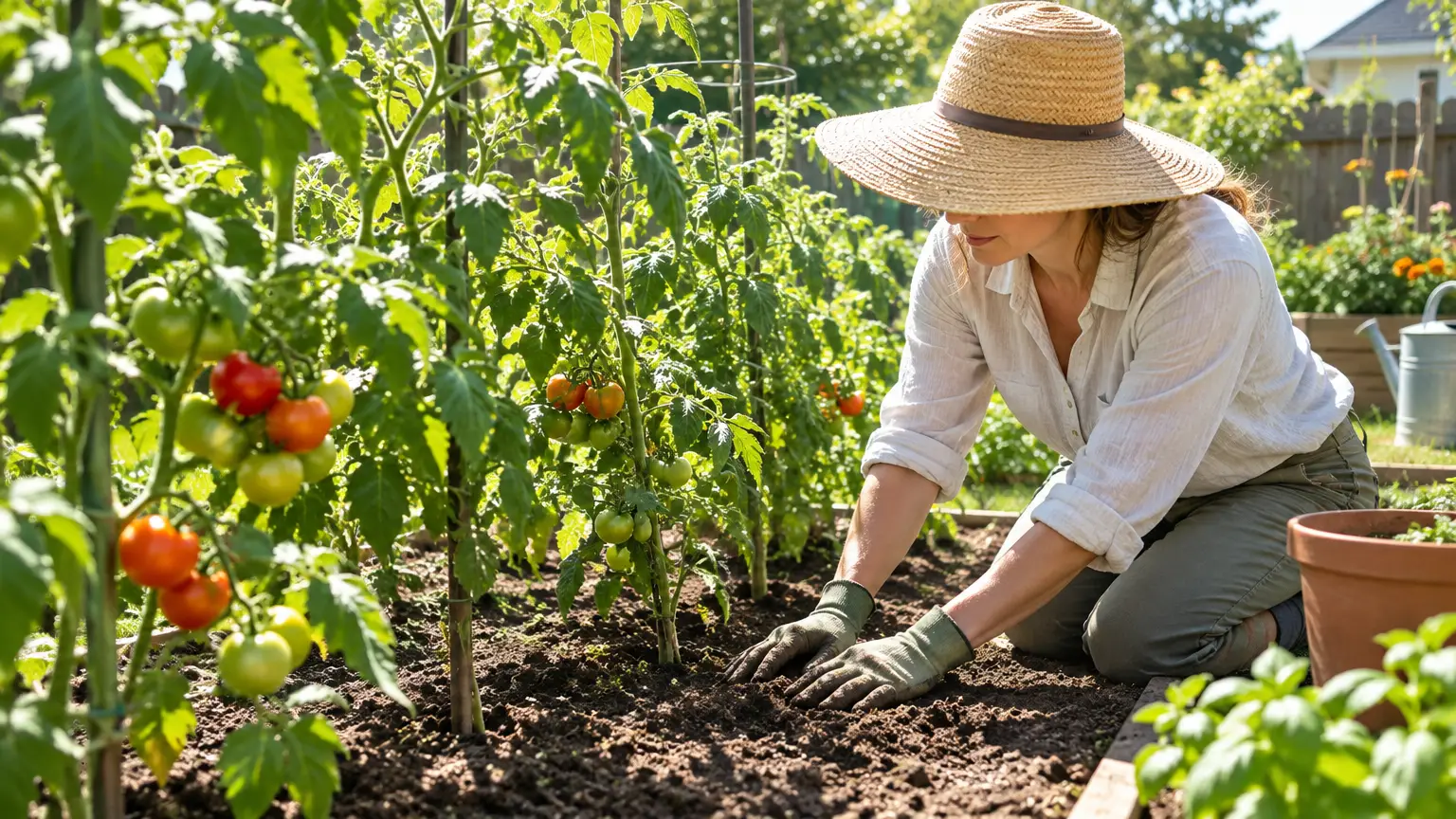
Gardening ranks among the most popular outdoor activities for older adults. It provides physical exercise, mental stimulation, and the deep satisfaction of growing your own food. But working alone in the garden carries real risks that deserve attention.
Falls, heat exhaustion, and sudden medical events can happen when a senior gardener is out of earshot from anyone who could help. Companies like Life Assure now offer wearable medical alert devices with fall detection and GPS that work outdoors, giving gardeners a direct line to emergency help while they enjoy their favourite hobby.
Why Is Gardening Beneficial for Older Adults?
Gardening delivers measurable physical and mental health benefits for seniors. Regular time in the garden improves strength, flexibility, and cardiovascular fitness without the impact stress of gym workouts.
The mental health gains are equally significant. Studies from the National Institute on Aging show that moderate outdoor activity reduces symptoms of depression and anxiety in older adults. Gardening combines exercise with purposeful work, which gives participants a sense of accomplishment that passive activities cannot match.
Growing vegetables and herbs also improves nutrition. Seniors who garden eat more fresh produce because they harvest it steps from their kitchen.
What Safety Risks Do Senior Gardeners Face Outdoors?
Older gardeners face several specific hazards that younger people rarely consider. Here are the most common risks and how they develop.
- Falls on uneven ground. Garden paths, wet grass, and loose soil create tripping hazards. A fall while carrying tools or a watering can increases the chance of a serious injury.
- Heat-related illness. Seniors are more vulnerable to heat exhaustion and heatstroke. Medications for blood pressure and heart conditions can reduce the body’s ability to regulate temperature.
- Overexertion injuries. Bending, lifting, and kneeling for extended periods strains joints and muscles. Back injuries and knee problems develop gradually over a long gardening session.
- Insect stings and allergic reactions. Bee stings and wasp encounters trigger severe reactions in some older adults. An allergic response can escalate quickly without immediate treatment.
- Dehydration. Older adults feel thirst less acutely. They often work longer than intended without drinking water, especially on mild days when the heat feels manageable.
The CDC recommends that adults over 65 take fall prevention seriously, since one in four older adults falls each year. A garden filled with hoses, stepping stones, and uneven beds presents exactly the kind of environment where these falls happen.
How Do Medical Alert Systems Protect Gardeners?
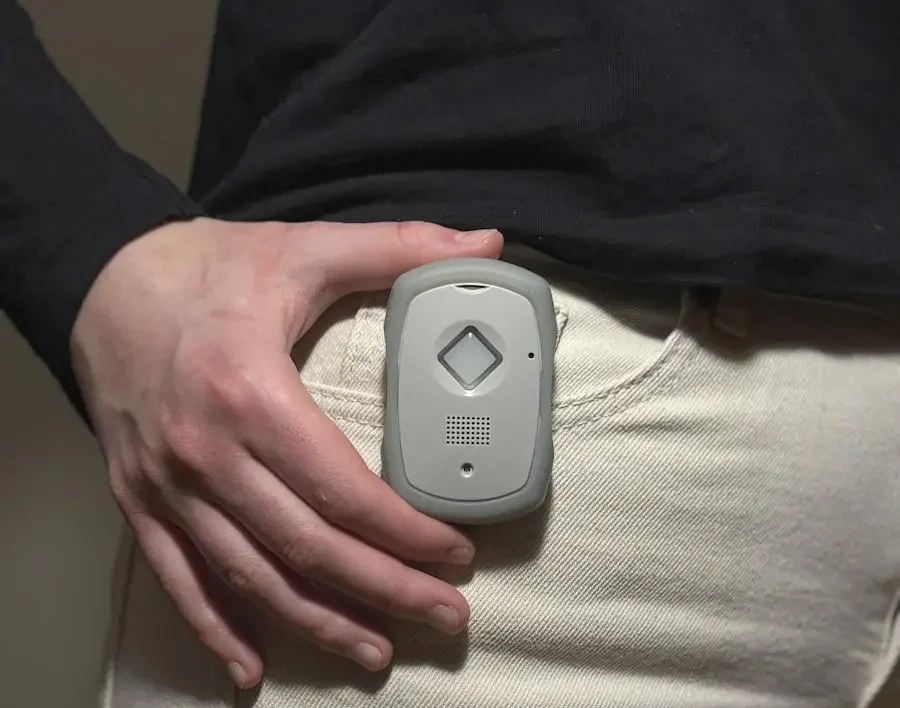
Wearable alert devices give seniors a safety backup that works wherever they garden. A waterproof pendant, wristband, or belt-clip unit travels with the gardener from the raised bed to the potting shed to the compost pile.
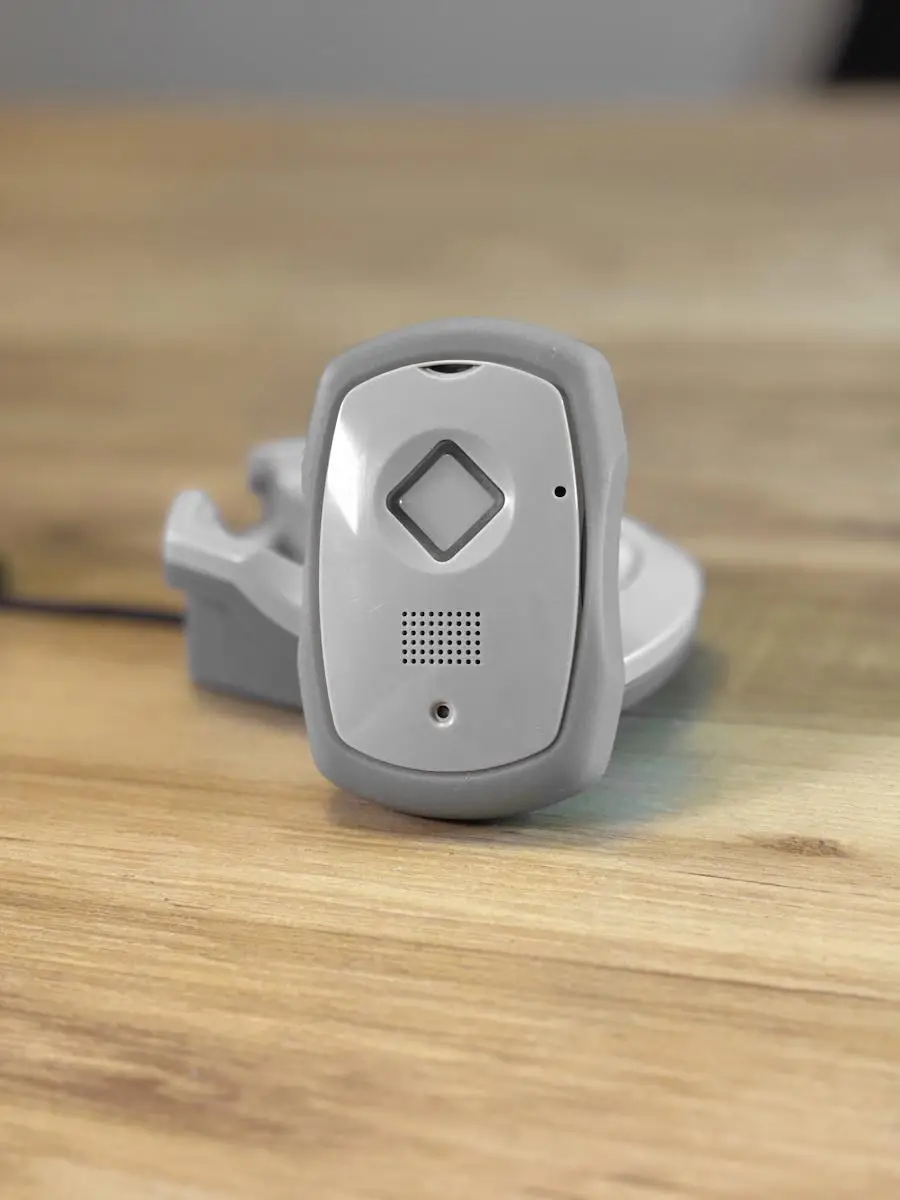
The device connects to a 24/7 monitoring centre through cellular networks. When the wearer presses the SOS button or the built-in sensors detect a fall, an operator responds within seconds. They speak directly to the gardener through the device and dispatch emergency services to the GPS location if needed.
This matters most for seniors who garden alone. A fall behind the greenhouse or in the back corner of a large plot can go unnoticed for hours. A wearable alert closes that gap by sending an automatic signal the moment an incident occurs.
Raised bed gardening systems reduce some physical strain, but they do not eliminate fall risk entirely. A medical alert device adds protection that garden design alone cannot provide.
What Features Should Senior Gardeners Look for in an Alert Device?
Not every medical alert system suits outdoor garden use. These features matter most for active gardeners.
- Waterproof rating (IPX7 or higher). Devices must survive rain, hose spray, and muddy hands without failing.
- Automatic fall detection. Sensors should trigger alerts even when the gardener cannot reach the button after a fall.
- GPS location tracking. Large gardens, allotments, and community plots require precise positioning for emergency response.
- Long battery life. A five to seven day charge means the gardener never worries about the device dying mid-session.
- Lightweight and wrist-worn. Garden gloves, tools, and soil make pendants impractical. A wristband stays accessible and out of the way.
- No contract commitment. Seasonal gardeners may only need the service from spring through autumn.
Choosing the right device starts with understanding how and where you garden.
Can Gardening and Safety Technology Work Together?
Absolutely. The combination of accessible gardening methods and personal safety devices makes outdoor growing viable for seniors well into their later years.
Pre-planted seed sheet systems simplify the physical work of gardening. They eliminate the need for bending to plant individual seeds, reduce weeding, and make seasonal planting predictable. Paired with raised beds or container setups, these systems remove many of the physical barriers that discourage older gardeners.
A medical alert device removes the remaining safety barrier. Knowing that help is seconds away, even when gardening alone at the far end of the yard, lets seniors commit fully to their outdoor time without anxiety. Family members also gain peace of mind, which means fewer worried phone calls interrupting a perfectly good afternoon in the garden.
More seniors are choosing to stay active outdoors while wearing a discreet safety device that connects them to professional help around the clock.
Quick Recap
- Gardening improves physical fitness, mental health, and nutrition for older adults.
- Falls, heat illness, and overexertion are the top safety risks for senior gardeners.
- Medical alert devices with fall detection and GPS work outdoors and connect to 24/7 monitoring centres.
- Waterproof ratings, long battery life, and wrist-worn designs matter most for garden use.
- Pre-planted seed systems reduce physical strain and pair well with personal safety technology.
So, Can Seniors Keep Gardening Safely?
The answer is a confident yes. With the right combination of accessible garden design and wearable safety technology, older adults can enjoy outdoor growing for years to come. The goal is not to stop gardening. It is to remove the risks that make family members and seniors themselves hesitate to pick up the trowel.
FAQ
Is gardening safe for seniors with balance problems?
Yes, with modifications. Raised beds, seated gardening benches, and container systems reduce the need for bending and kneeling. Adding a medical alert device with fall detection provides an extra safety layer for anyone concerned about stability while working outdoors.
Do medical alert devices work in a garden or allotment?
GPS-enabled devices work anywhere with cellular coverage. Most gardens, allotments, and community plots receive adequate mobile signal. Check your provider’s coverage map if your plot sits in a particularly rural or sheltered location.
How much does a medical alert system cost for a senior gardener?
Monthly plans typically range from $25 to $50 depending on features. Many providers offer no-contract options, so seasonal gardeners can activate the service in spring and pause it during winter months when they spend less time outdoors.
What should I do if an elderly family member gardens alone?
Consider a wearable alert device with automatic fall detection as a first step. Pair it with a daily check-in routine and make sure the gardener stays hydrated and takes regular breaks. Raised bed and seed sheet systems also reduce physical strain significantly.