Somewhere between a busy grocery run and a quietly growing herb on a windowsill, a lot of people are pausing and asking if there is a slower, sweeter way to live.
Homesteading for beginners is really just that question turning into action.
It is not about doing everything from scratch overnight; it is about choosing, little by little, to know where food comes from, how a home runs, and what our hands are actually capable of.
A backyard, a balcony, or wide open land, it does not matter the size of the space; knowing how to start a homestead begins with a single, intentional step.
Why Homesteading is Worth it and What to Actually Expect?
Homesteading brings a kind of quiet reward that builds over time.
There is something deeply grounding about growing food, learning to live more gently on the planet, and building a sense of real day-to-day independence that no store or subscription can replicate.
For many, it also means:
- Gradually cutting down on grocery bills
- Making choices that are kinder to the environment
- Gaining skills that carry through a lifetime
That said, homesteading is deeply real, and going in with honest expectations makes all the difference.
It asks for consistent time and genuine effort. There will be a learning curve, moments of trial and error, and seasons where things simply do not go as planned.
Results build slowly, and that slowness is actually part of the process. This is not a quick lifestyle switch; it is a long, rewarding one.
Step 1: Define What Homesteading Looks Like for You
Before a single seed is planted or a single plan is made, it helps to get clear on what homesteading actually means in the context of a life already being lived.
For some, it means full self-sufficiency: growing food, raising animals, and stepping away from the grid. Others pursue a partial shift: kitchen gardens, compost bins, and a quieter, intentional daily routine.
Neither is more valid than the other, and that is exactly why defining personal goals early matters so much.
A few good questions to sit with:
- Is the focus on food production, and if so, at what scale?
- Is there interest in raising animals, or does the vision stay plant-based?
- Does off-grid living appeal, or is this more about sustainability within a conventional setup?
The answers shape everything, from the space needed to the skills worth learning first.
Aligning those goals with current resources, time, land, budget, and bandwidth keeps the process from feeling overwhelming before it even begins.
Step 2: Start Where You Are, Even Without Land
One of the biggest misconceptions about homesteading is that it requires acres of open land before anything meaningful can begin. It does not. The mindset comes first, and the space follows.
A simple breakdown of what homesteading can look like across different living situations:
| Living Situation | Growing | Animals | Other |
|---|---|---|---|
| Apartment | Windowsill herbs, microgreens | None | Indoor composting |
| Suburban Backyard | Raised beds, vegetables | Backyard chickens | Rainwater collection, fermenting |
| Rural Land | Large-scale crops, orchard | Livestock | Off-grid energy, preservation |
The size of the space does not determine the seriousness of the effort. Some of the most resourceful homesteaders started on a balcony with a few pots and a lot of curiosity. Acreage is an advantage, not a prerequisite.
Step 3: Start Small and Scale Gradually
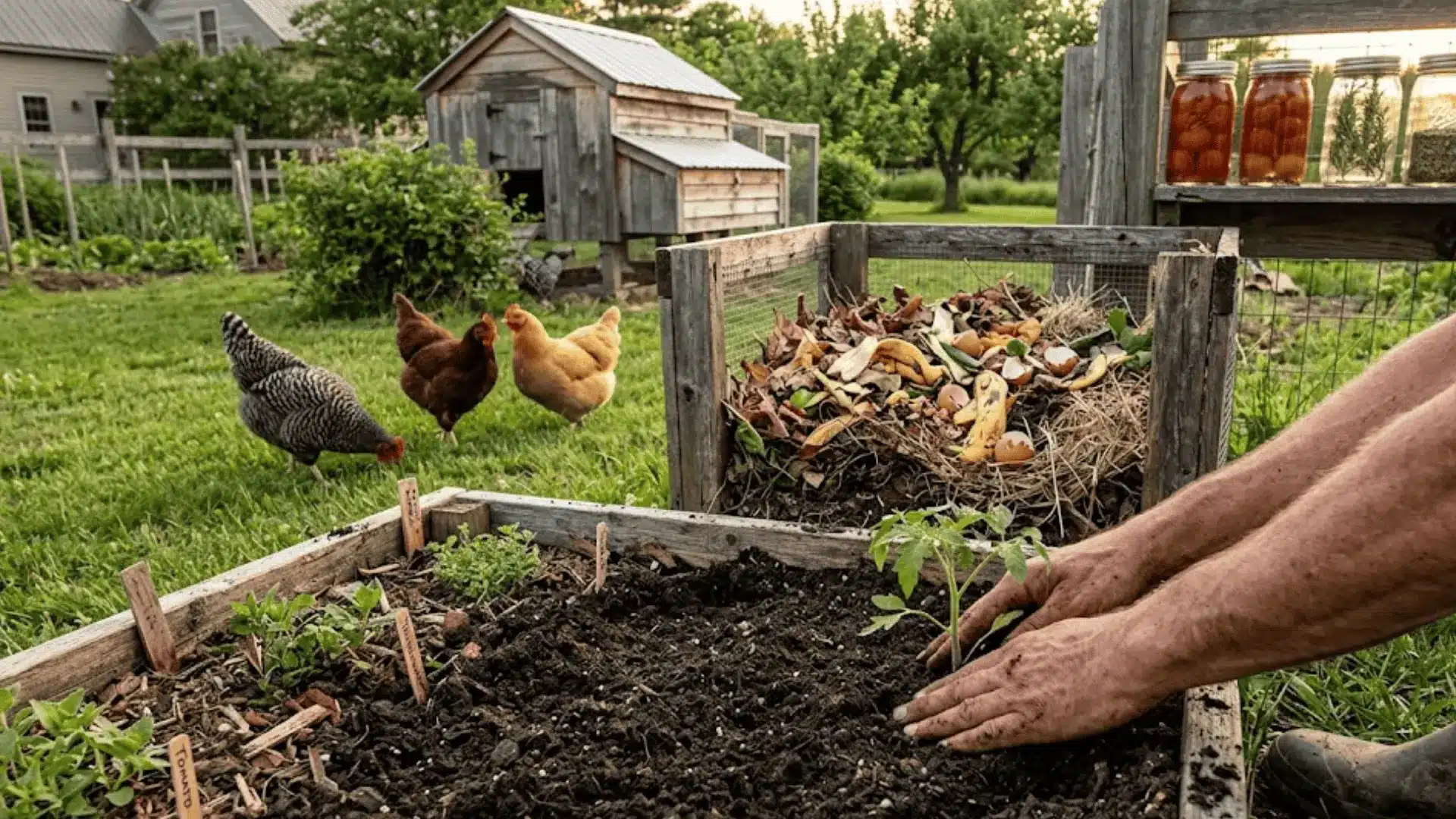
Trying to do everything at once is one of the most common ways beginners lose momentum early on. Homesteading rewards patience, and the strongest foundations are built one skill at a time.
Picking one or two projects to focus on first makes the whole process feel manageable rather than mounting.
A natural beginner path tends to follow something like this:
Garden → Compost → Chickens → Preservation
Each step feeds into the next. A garden builds the habit of tending and observing. Composting closes the loop on waste. Chickens add a layer of responsibility and reward.
Preservation ties it all together, turning a season’s harvest into something that lasts. There is no pressure to rush through any of it; the goal is progress that actually sticks.
Step 4: Learn to Grow Your Own Food First
Of all the skills homesteading asks for, growing food is the one that anchors everything else. It builds observation, patience, and a working relationship with the land or space available.
It also delivers the most immediate and tangible reward, a plate of food that came from something planted, tended, and harvested with care. Starting here is a practical early win that makes everything that follows feel possible.
Beginner-Friendly Crops
Not every plant is forgiving, and the first garden does not need to be ambitious.
Starting with crops that are reliable, fast-growing, and satisfying to harvest keeps confidence high during the learning curve:
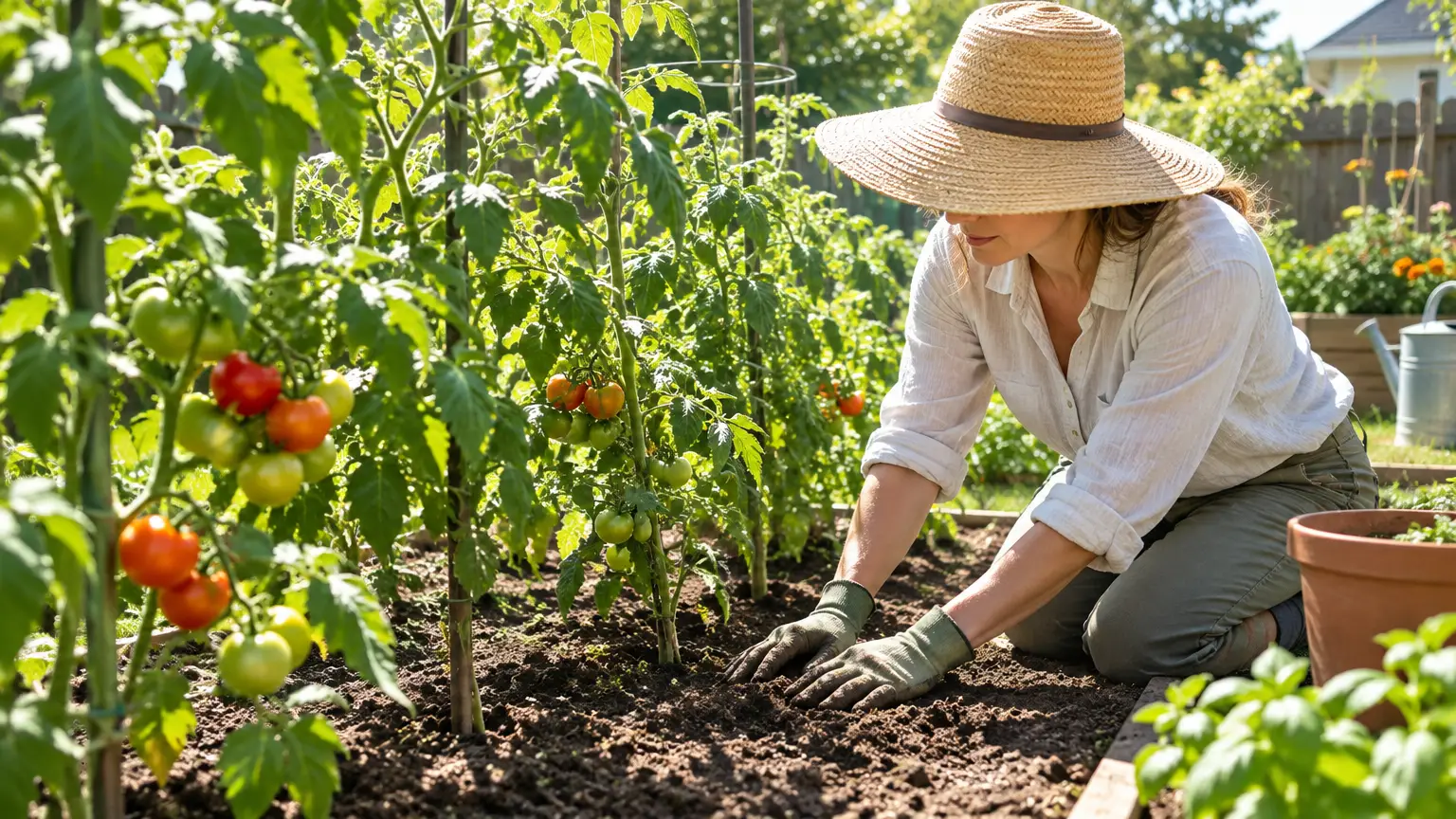
- Tomatoes: Rewarding, versatile, and great for small spaces
- Leafy greens: Quick to grow and easy to harvest repeatedly
- Beans: Low maintenance and surprisingly high yield
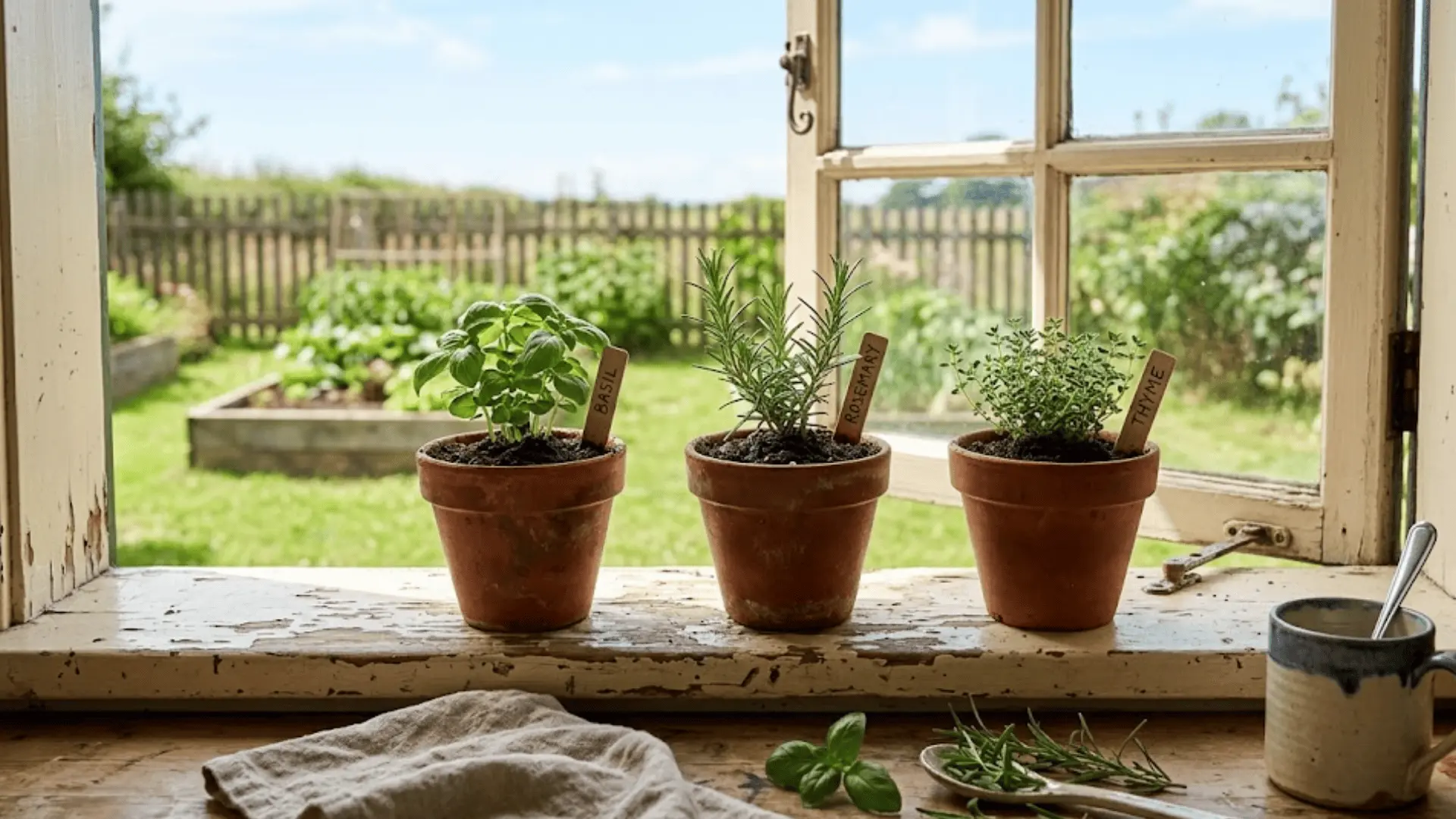
- Herbs: Ideal for containers, windowsills, and everyday kitchen use
Easy Ways to Set Up a Growing Space
The setup does not need to be elaborate to be effective. A few options that work well for beginners:
| Setup | Space Needed | Avg. Cost to Start | Best Grown Here |
|---|---|---|---|
| Raised Beds | 4×4 ft minimum | $50 to $150 | Tomatoes, beans, greens |
| Container Gardening | 1 to 5 sq ft per pot | $10 to $40 | Herbs, peppers, lettuce |
| Small Ground Plots | 10×10 ft or more | $20 to $60 | Root vegetables, squash, beans |
Step 5: Build Essential Homesteading Skills
Homesteading is as much about what gets learned along the way as what gets grown or built. Skills accumulate gradually, and each one adds a new layer of confidence and capability to everyday living.
A solid starting point covers these core areas:
- Cooking from Scratch: Whole ingredients, simple techniques, less reliance on packaged food.
- Food Preservation: Canning, drying, and fermenting to make harvests last through every season.
- Composting: Turning kitchen and garden waste into rich, usable soil.
- Basic Repairs and Maintenance: Fixing before replacing, starting with tools, structures, and equipment.
- Water Management: Rainwater collection, mindful usage, and understanding the water needs of a growing space.
None of these needs to be mastered at once. Picking one, getting comfortable with it, and then building from there is how a genuinely sustainable and self-sufficient lifestyle takes shape over time.
Step 6: Raising Animals When Ready
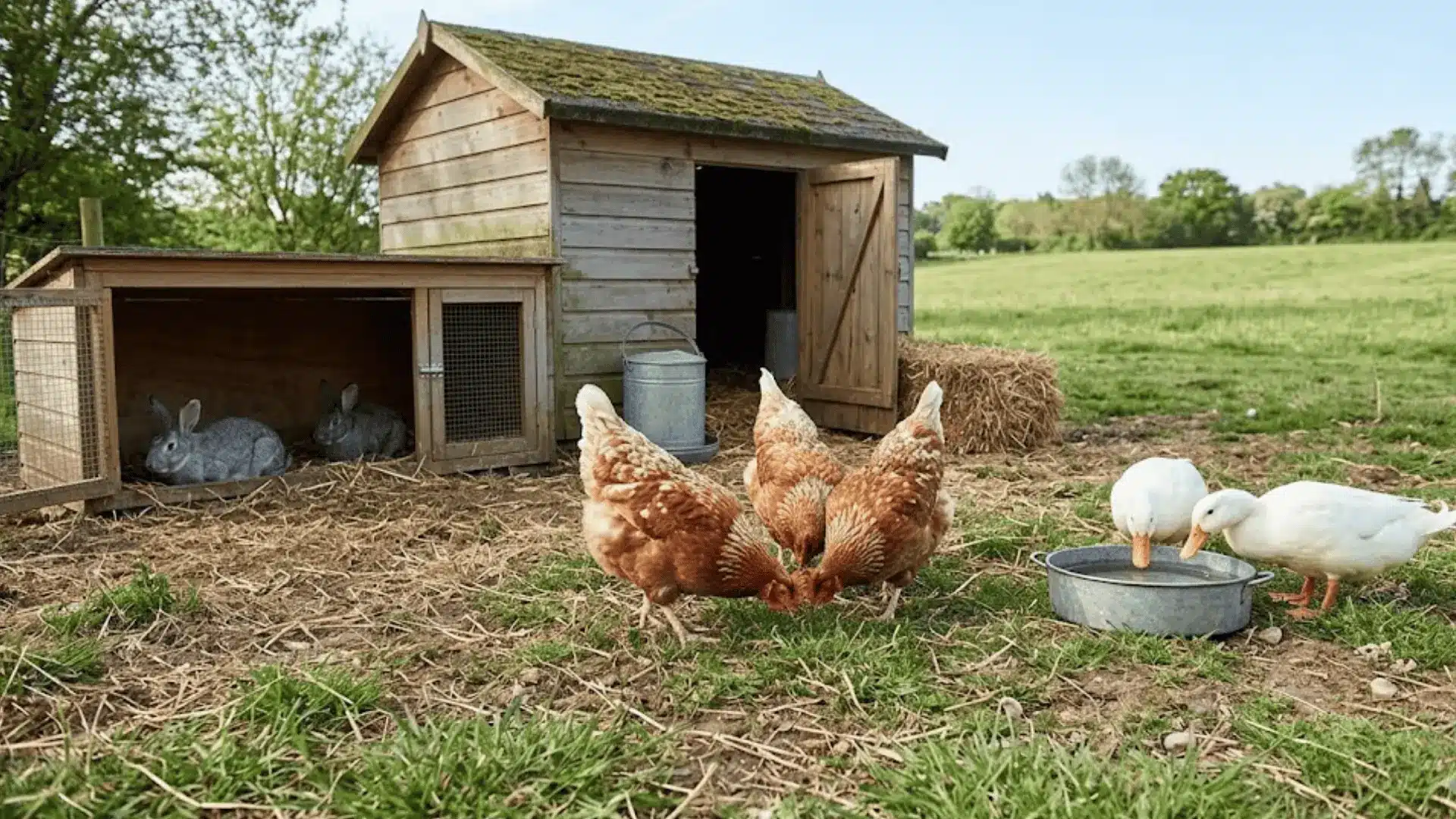
Animals bring a whole new dimension to homesteading, and they also bring real responsibility. Starting small makes the transition manageable.
Chickens, rabbits, and ducks are beginner-friendly because they need little space, yield eggs, meat, and fertilizer, and are forgiving for first-time keepers.
That said, bringing animals into a homestead is a commitment that deserves honest preparation before the first one arrives.
Before getting started, a few key considerations to work through:
- Local Zoning Laws: Not all areas permit livestock, even small ones, so checking regulations early saves a lot of trouble.
- Time and Daily Responsibility: Animals need consistent care, feeding, and monitoring, without exception.
- Shelter and Space: Each animal type has specific housing needs that have to be met before arrival.
- Feed and Ongoing Costs: Factor in the recurring cost of feed, bedding, and basic veterinary care from the start.
Step 7: Plan a Homestead Layout
A thoughtful layout saves time, effort, and a great deal of guesswork down the line. Before constructing, plan the space divisions and how each zone interacts.
Here is a practical way to think about it:
| Zone | Purpose | Placement Tip |
|---|---|---|
| Garden | Food production, herbs, seasonal crops | Closest to the kitchen for easy access and daily tending |
| Livestock | Animal housing, grazing, and movement | Downwind from the living space, near a water source |
| Storage | Tools, preserved food, seeds, and supplies | Central location for easy access from all zones |
| Living Space | Rest, cooking, and day-to-day life | Positioned for maximum comfort, light, and privacy |
Getting the zones right from the start makes everything run more smoothly. A few key factors that should guide every placement decision:
- Sunlight: Most food crops need a minimum of six hours of direct sun daily, so garden zones should never be an afterthought.
- Water Access: Proximity to a water source reduces labor significantly, especially for gardens and livestock areas.
- Soil Quality: Testing soil before committing to a garden zone prevents avoidable disappointment later on.
Step 8: Budgeting and Costs for Beginners
Homesteading does not have to be expensive to start, but going in without a rough budget is one of the most common beginner mistakes.
Costs vary widely depending on scale and location, and knowing what to expect upfront makes it easier to start smart and spend intentionally.
Here is a realistic breakdown of where money tends to go, and where it can be saved:
| Category | Typical Startup Cost | Ways to Save |
|---|---|---|
| Seeds and Soil | $20 to $60 | Buy heirloom seeds, save and replant each season |
| Basic Tools | $50 to $150 | Start with essentials only, source secondhand where possible |
| Raised Beds or Fencing | $80 to $300 | Built with reclaimed or repurposed wood and materials |
| Livestock Setup | $100 to $500 | Start with chickens, the most affordable entry point |
| Water and Irrigation | $30 to $100 | Collect rainwater, use drip irrigation to reduce waste |
The pattern across every category is the same: starting small, building gradually, and leaning into DIY wherever possible keeps costs reasonable without cutting corners on what actually matters.
Step 9: Build a Sustainable System
Long-term homesteading is really about closing the loop wherever possible.
A composting cycle turns daily waste into next season’s soil. Crop rotation keeps the land productive without depleting it year after year.
A reliable food storage system, whether that is a root cellar, a pantry, or a chest freezer, means a good harvest carries through the leaner months.
Renewable energy options like solar panels or rainwater collection reduce dependence on outside systems over time.
Each piece supports the next, and that is what makes a homestead genuinely self-sustaining rather than just self-sufficient on paper.
Step 10: Learn from Real Homesteading Experiences
The most consistent advice from experienced homesteaders comes down to a few hard-earned truths.
Starting too big, too fast is the most common mistake, and it burns people out before the first season ends.
Ignoring local climate and soil conditions leads to avoidable crop failures. Poor planning costs more time and money than almost anything else.
The real wisdom is simple: start small, learn the land before building on it, and expect things to go wrong. Failures are not setbacks; they are the actual curriculum.
For candid, real-world perspectives from people who have been through it, this r/Homesteading community thread is worth a read.
Urban Homesteading: Can it Be Done in Small Spaces?
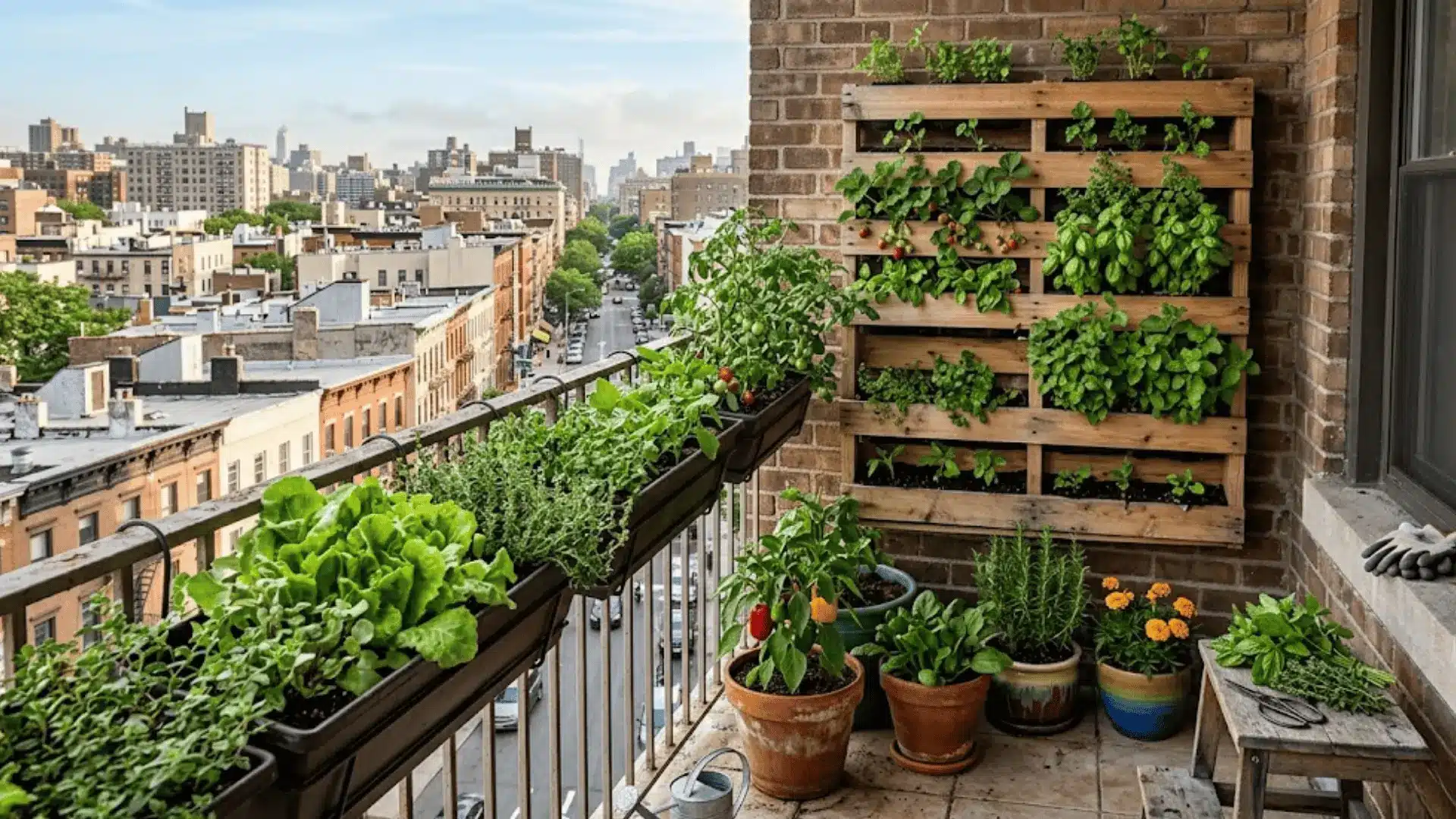
Absolutely, and more people are proving it every day. Urban homesteading is less about square footage and more about using available space with intention.
A balcony becomes a productive garden with the right containers. Walls and fences open up vertical growing opportunities for herbs, greens, and even strawberries.
Community gardens offer access to shared land and collective knowledge, which is often just as valuable as the produce itself.
Small spaces do not limit the homesteading mindset; they simply sharpen it.
Tools and Resources for Beginner Homesteaders
Getting started is a lot smoother with the right resources in hand.
A few worth exploring early on:
- Books: Titles like The Self-Sufficient Life and How to Live It by John Seymour remain a foundational read for beginners.
- Online Communities: Subreddits like r/Homesteading and r/homestead offer real, experience-based advice from people at every stage.
- Local Workshops: Many cooperative extensions and agricultural colleges run beginner-friendly workshops on gardening, preservation, and livestock.
- Mentorship and Networking: Connecting with a local homesteader or joining a nearby farming group through Homesteaders of America shortens the learning curve significantly.
The best resource, ultimately, is simply starting and learning along the way.
Seasonal Homesteading Checklist for Beginners
Homesteading follows the rhythm of the seasons, and planning around that rhythm makes everything more manageable.
Here is a simple timeline to work with through the first year:
| Season | Focus | Tasks | Preserve / Plan |
|---|---|---|---|
| Spring | Soil and seeds | Start seeds, amend soil | Set up growing spaces |
| Summer | Tending crops | Water, weed, maintain | Begin early harvesting |
| Fall | Harvest and close | Preserve and store food | Build compost, rest beds |
| Winter | Rest and prepare | Learn new skills | Plan and research next season |
That’s a Wrap
Homesteading for beginners is not about having everything figured out before taking the first step.
It is about choosing, season by season, to live with a little more intention and a little less dependence on convenience.
The skills build slowly, the space grows gradually, and the rewards show up in the quietest, most satisfying ways. Start with one small thing, tend to it well, and let the rest follow naturally.
If this resonated, drop a comment below and share where in the process things are, whether it is day one or somewhere far beyond it.