I once bit into a cucumber from my garden and had to double-check; it was sweet, almost melon-like.
That moment made me realize how little I actually knew about cucumbers. There isn’t just one kind; there are many, and they’re not all made for the same things.
You’re probably here wondering about the different types of cucumbers: what they’re called, how they taste, and which ones work best for what you need.
This blog breaks that down in simple terms. You’ll learn how to spot the main varieties, how to use them in your kitchen or garden, and what makes each one worth knowing.
It’s not complicated, but it’s definitely more interesting than you’d expect.
Why Cucumbers Come in So Many Forms
Cucumbers do not all look or taste the same, and that is on purpose. Over time, growers have bred cucumbers for clear needs. Some are best for fresh eating.
Others are made to hold up well in pickling jars. A few types handle heat better, while others grow fast and give more cucumbers per plant.
Where a cucumber grows also makes a big difference. Climate affects size, skin thickness, and even bitterness. Plants grown outdoors may look different from those grown in greenhouses.
Water, soil, and sunlight can change flavor and texture, too. On top of that, how we plan to eat cucumbers matters. A salad needs a crisp bite, while pickling needs a firm cucumber that stays crunchy.
Because of this, choosing the right type matters. The right match helps both eating and growing feel easier and more rewarding.
The Main Types of Cucumbers Explained
Not all cucumbers are meant for the same job. Some are grown for fresh eating, some for pickling, and others just for variety and taste. Below are the main types you will see and how each one fits into the kitchen and the garden.
Slicing Cucumbers
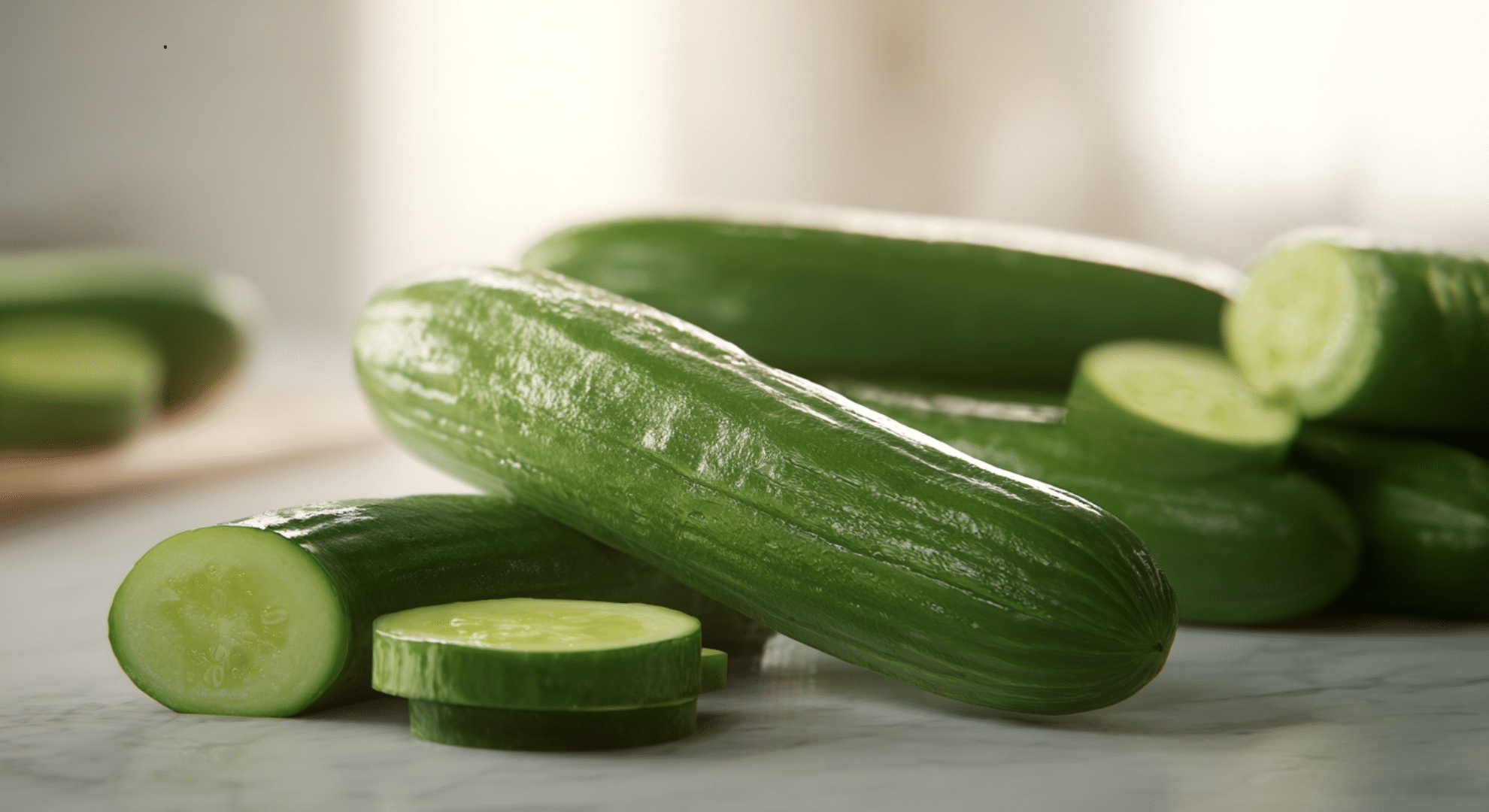
Slicing cucumbers are the ones most people see in stores. They are long, straight, and have high water content.
The skin can be smooth or slightly bumpy, and it is often waxed to keep it fresh longer. The flavor is mild and clean.
These cucumbers work best in salads, sandwiches, and fresh snacks.
Pickling Cucumbers
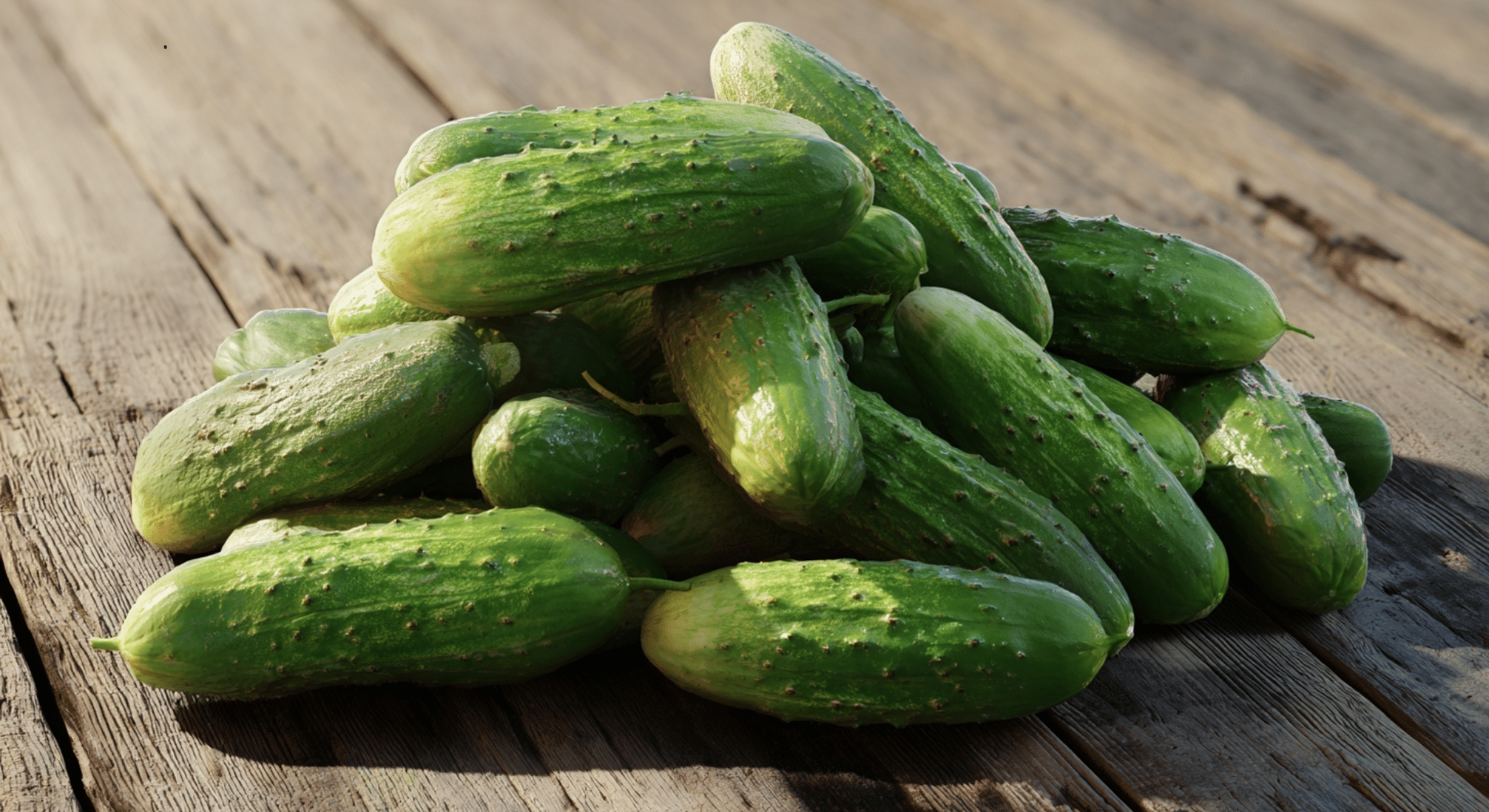
Pickling cucumbers are shorter and thicker than slicing types. They have firmer flesh, thicker skin, and smaller seeds.
This helps them stay crunchy in brine. Their skin often has bumps or spines. While they are best for pickles, you can still eat them fresh when young.
They may taste stronger and less watery than slicing cucumbers.
Specialty and Heirloom Cucumbers
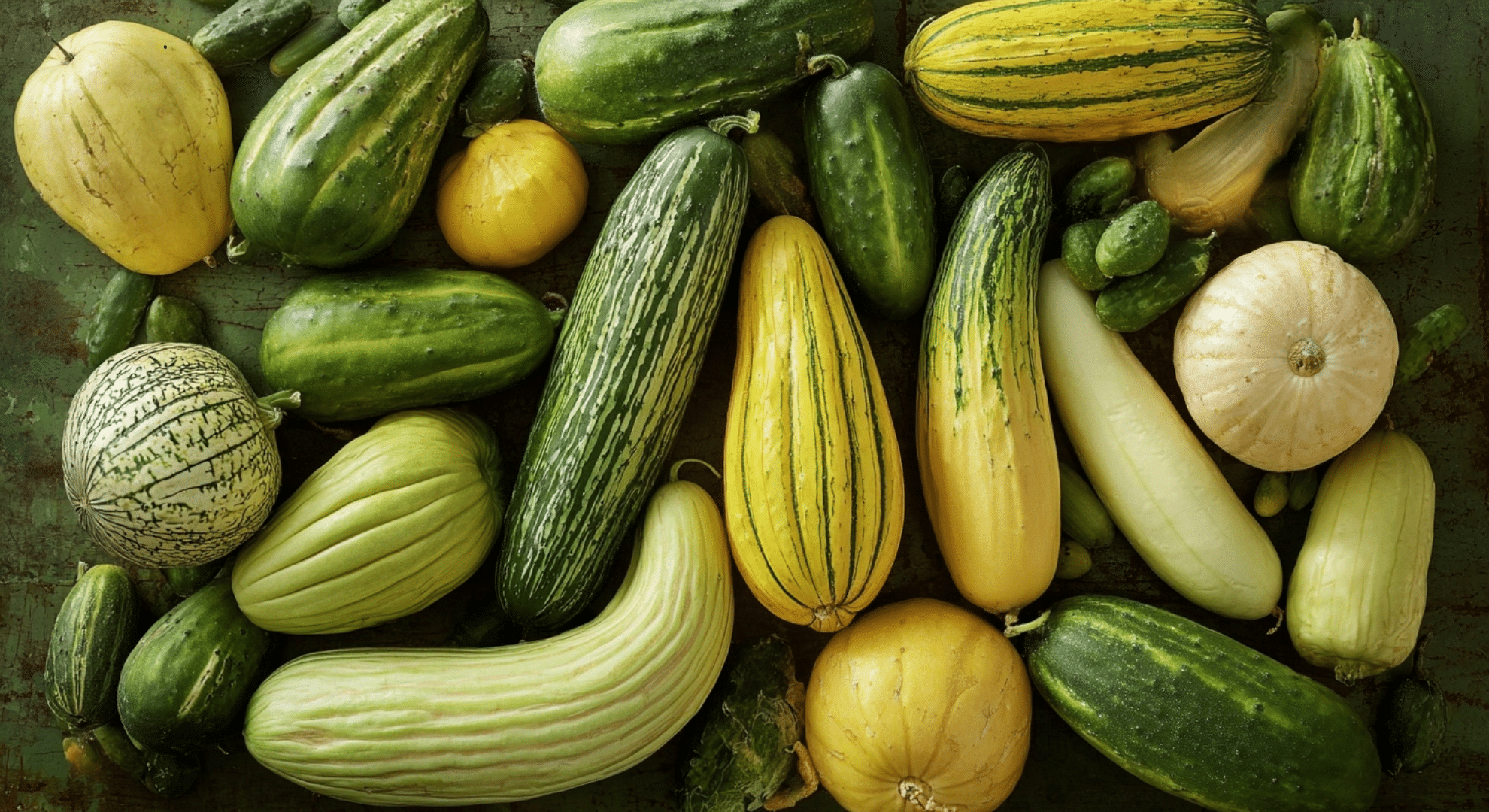
Specialty and heirloom cucumbers look very different from store-bought ones. Some are round, curved, striped, or pale yellow.
Flavors can range from sweet to rich and bold. Many have thin skin and unusual textures. Home gardeners grow these for taste, variety, and fun.
They also like saving seeds and growing types not found in stores.
Popular Cucumber Varieties and How to Use Each
Below are well-known cucumber varieties you will find in stores or home gardens. Each one has its own look, taste, and best use. Knowing these details helps you choose the right cucumber for meals or growing at home:
1. English (Hothouse or Seedless)
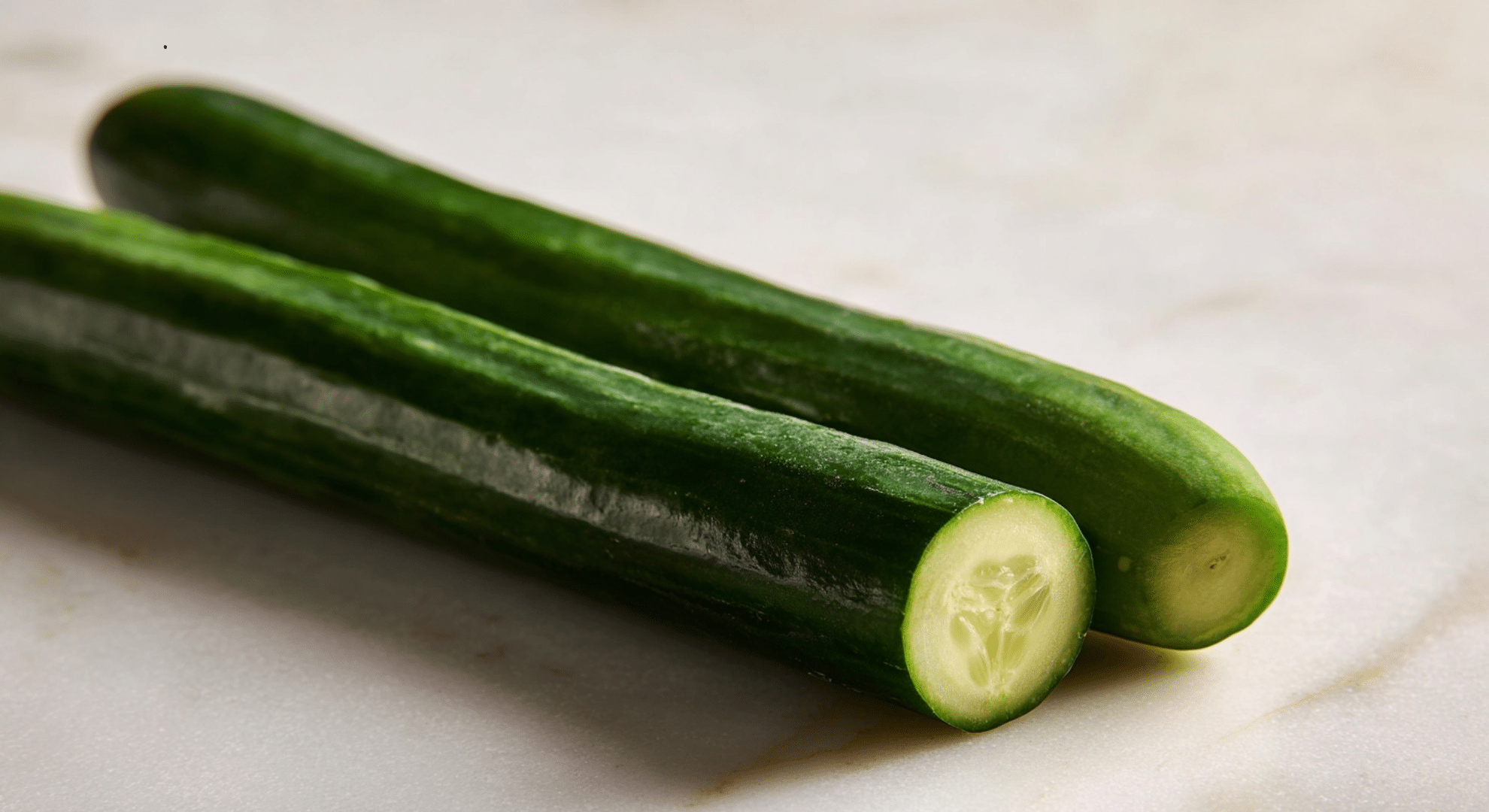
English cucumbers are long, straight, and wrapped in plastic to protect their thin skin. They are dark green and mostly seedless, which makes them easy to slice and eat.
- Mild taste with a clean crunch
- Best for salads, sandwiches, and fresh plates
- Thin skin, no peeling needed
They grow best in controlled spaces like greenhouses. These plants like steady water and support from trellises. Because the skin is soft, they are usually eaten fresh instead of stored for long periods.
2. Persian (Mini)
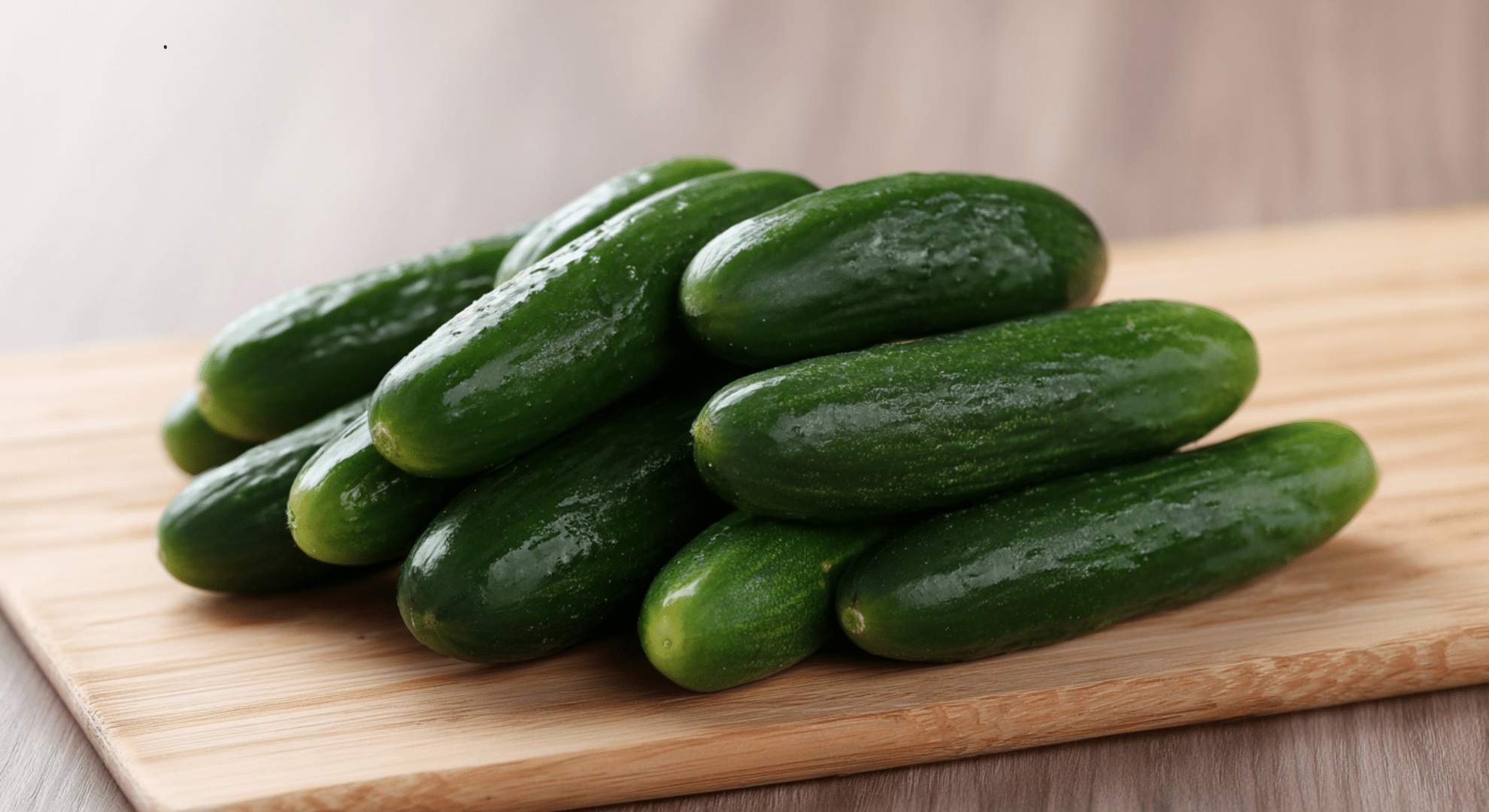
Persian cucumbers are short, slim, and deep green. They look small but feel firm in your hand. Their size makes them easy to snack on without cutting.
- Crisp bite with low water
- Great for snacking and dipping
- Soft seeds and tender skin
They grow quickly and fit well in containers or small gardens. These plants handle heat better than many types and give steady harvests when picked often. Their balanced taste makes them popular for daily meals.
3. Kirby
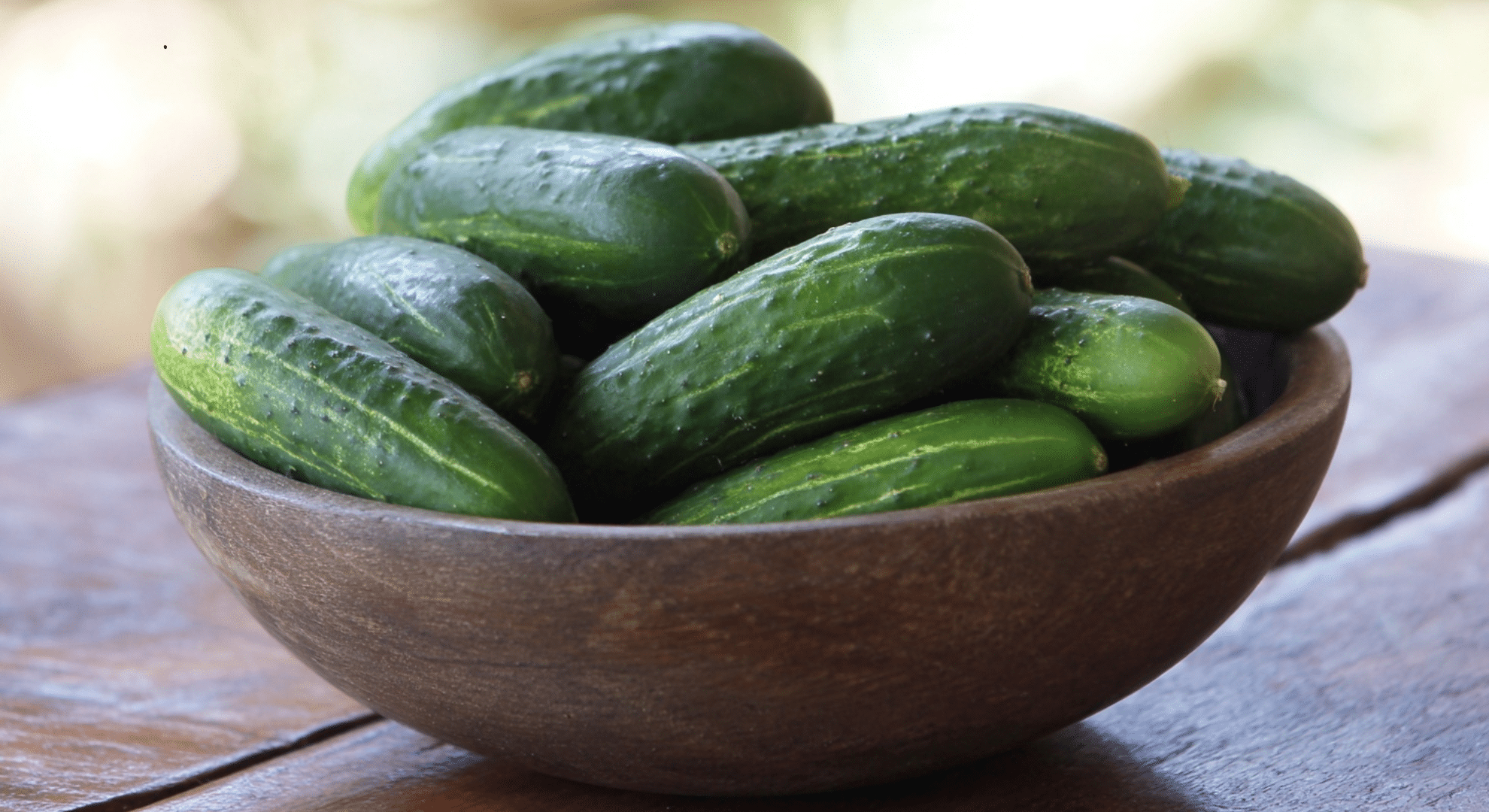
Kirby cucumbers are short, thick, and covered in bumps. You often see them sold loose at markets, especially during pickling season.
- Strong crunch with a fresh taste
- Best for pickles, still fine fresh
- Firm flesh that stays solid
They are picked young to keep them crisp. Kirby plants grow well outdoors and do not need fancy care. Frequent picking helps the plant keep producing more fruit through the season.
4. Garden Cucumber
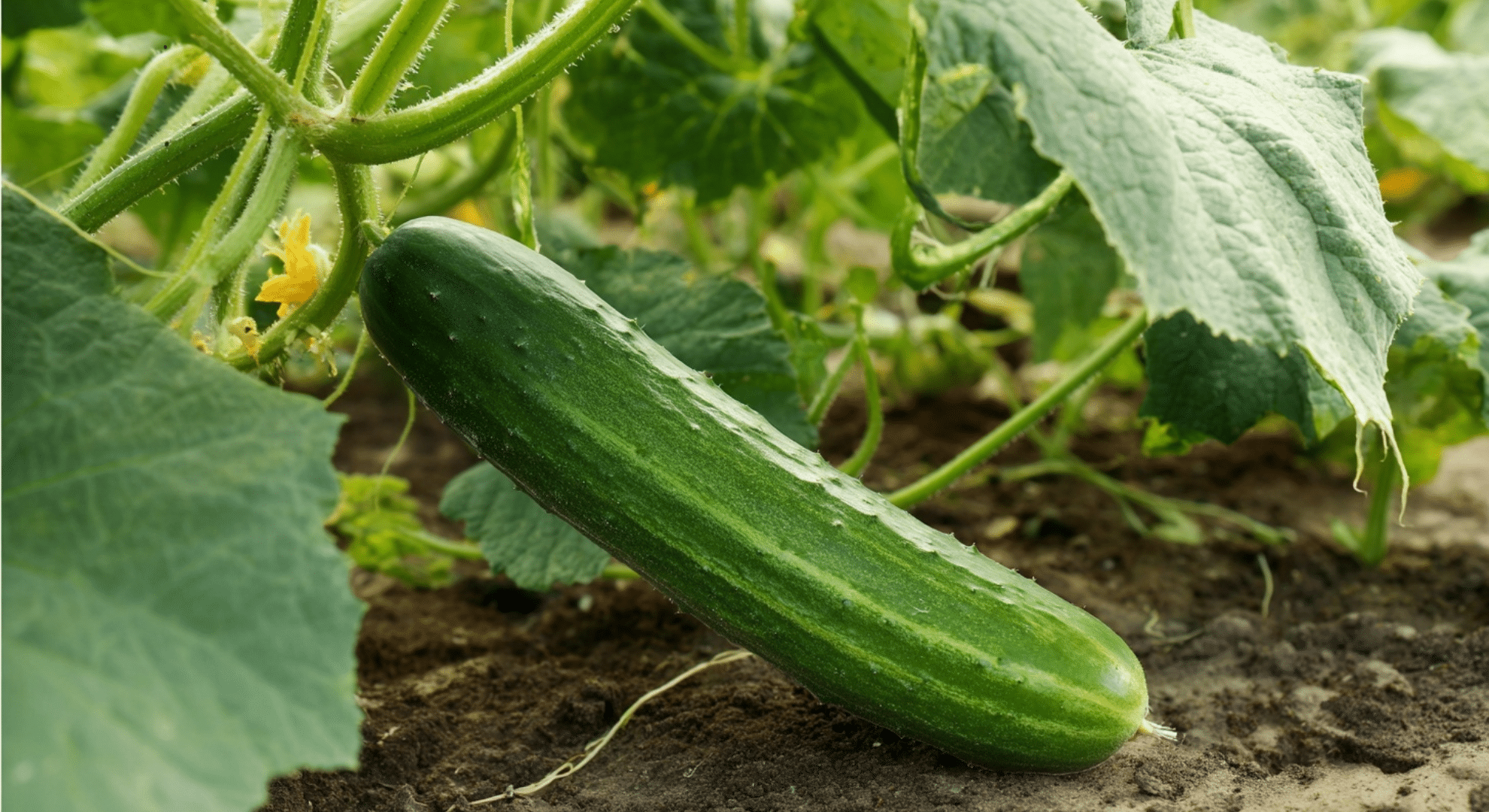
Garden cucumbers are the classic backyard type many people grow. They are long, wide, and have darker, thicker skin.
- Mild flavor with high water
- Used for slicing and salads
- Skin may taste bitter if large
These plants need full sun, space to spread, and steady watering. If left too long on the vine, seeds grow large, and the skin toughens. Peeling and seed removal often improve the eating experience.
5. Japanese (Kyuri)
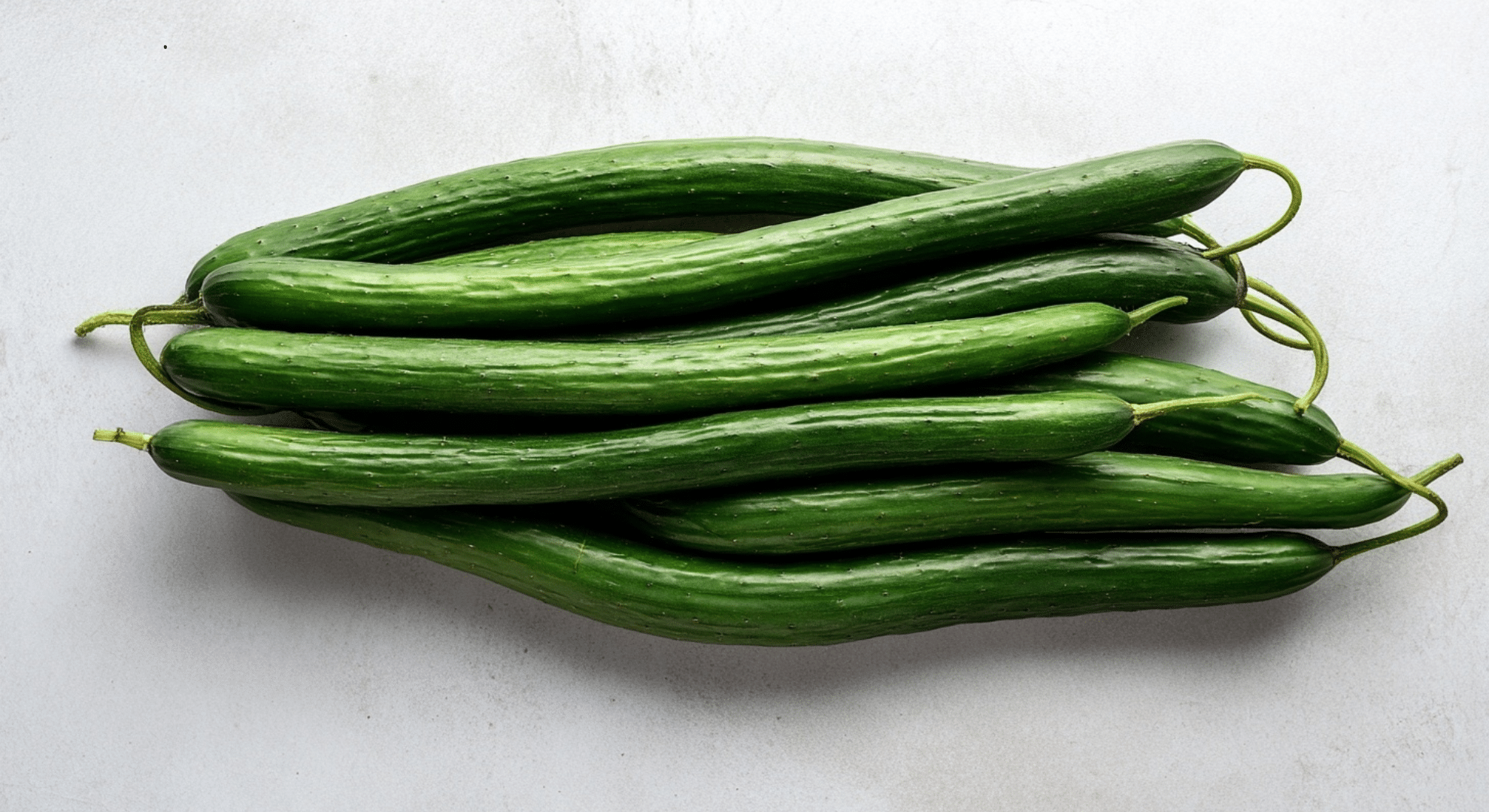
Japanese cucumbers are long, thin, and dark green. They often curve slightly and have smooth skin.
- Light taste with gentle crunch
- Used in salads and quick sides
- Thin skin and small seeds
They grow best in warm weather with even moisture. Many gardeners train them upward to keep the fruit straight. These cucumbers are popular in fresh dishes where a clean taste matters most.
6. Armenian (Snake)
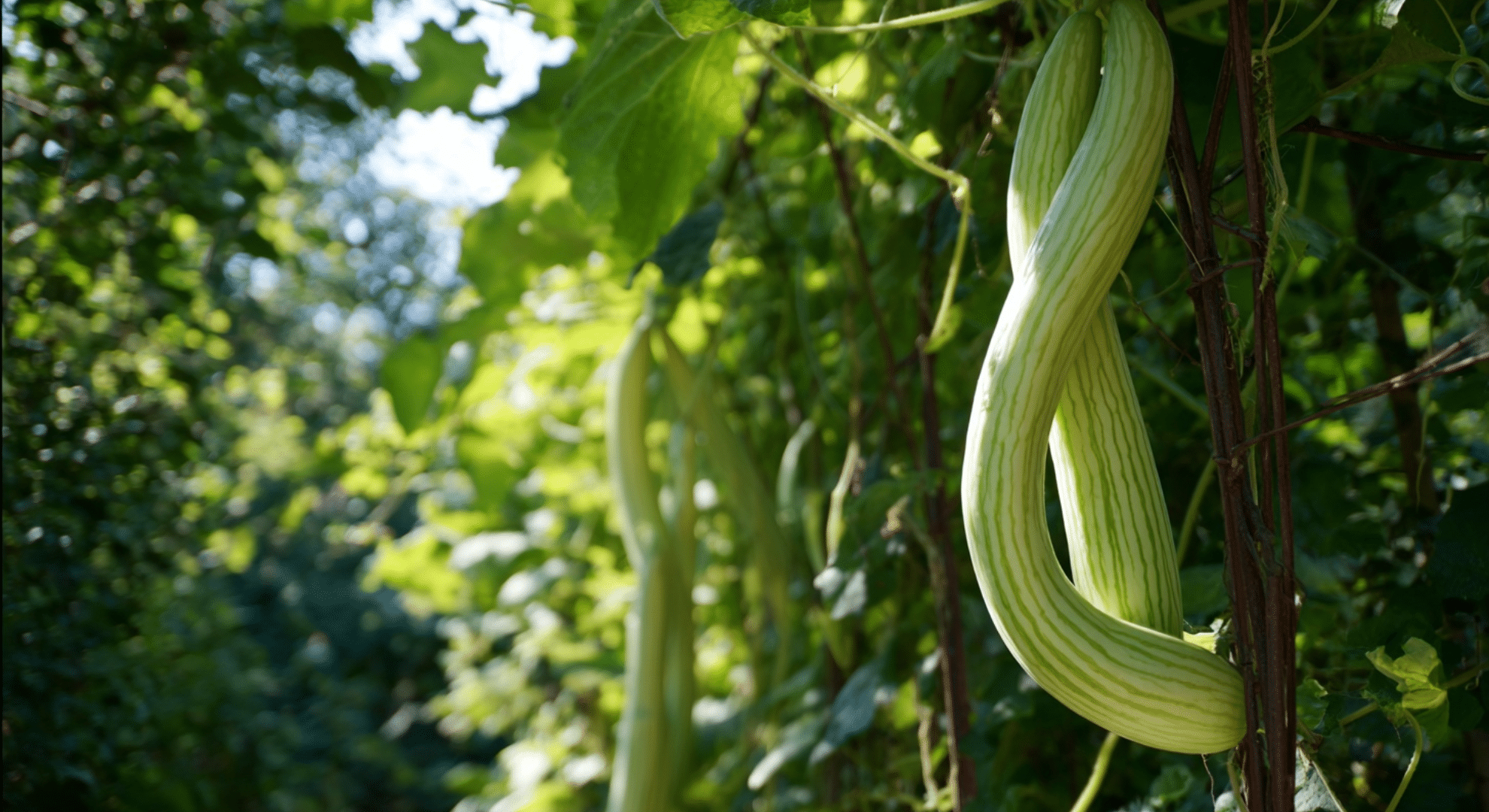
Armenian cucumbers are long, pale green, and curved, with ribbed skin. Even though they look different, they are eaten like cucumbers.
- Sweet taste with crisp texture
- Used fresh, sliced thin
- No bitterness when mature
They grow very long and need support from trellises. These plants like heat and open space. Because of their size, one cucumber can serve several people in a single meal.
7. Lemon Cucumber
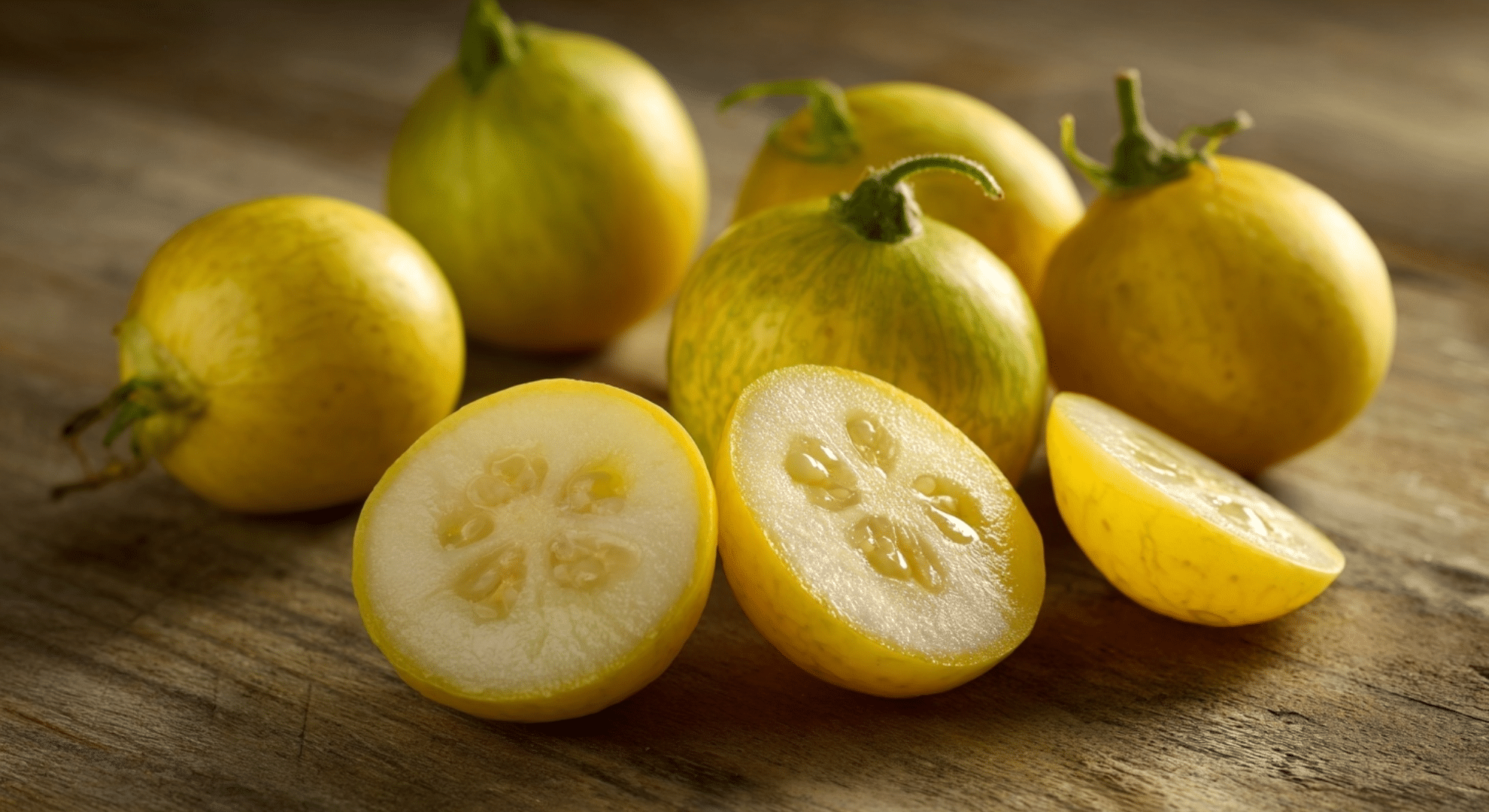
Lemon cucumbers are round and yellow, about the size of a small apple. Their look makes them stand out in gardens.
- Mild taste with slight sweetness
- Good for fresh eating
- Thin skin and soft seeds
They grow easily and are fun for kids to harvest. Picking them while light yellow keeps the flavor best. Overripe fruits can taste bland, so timing matters with this type.
8. Gherkins and Cornichons
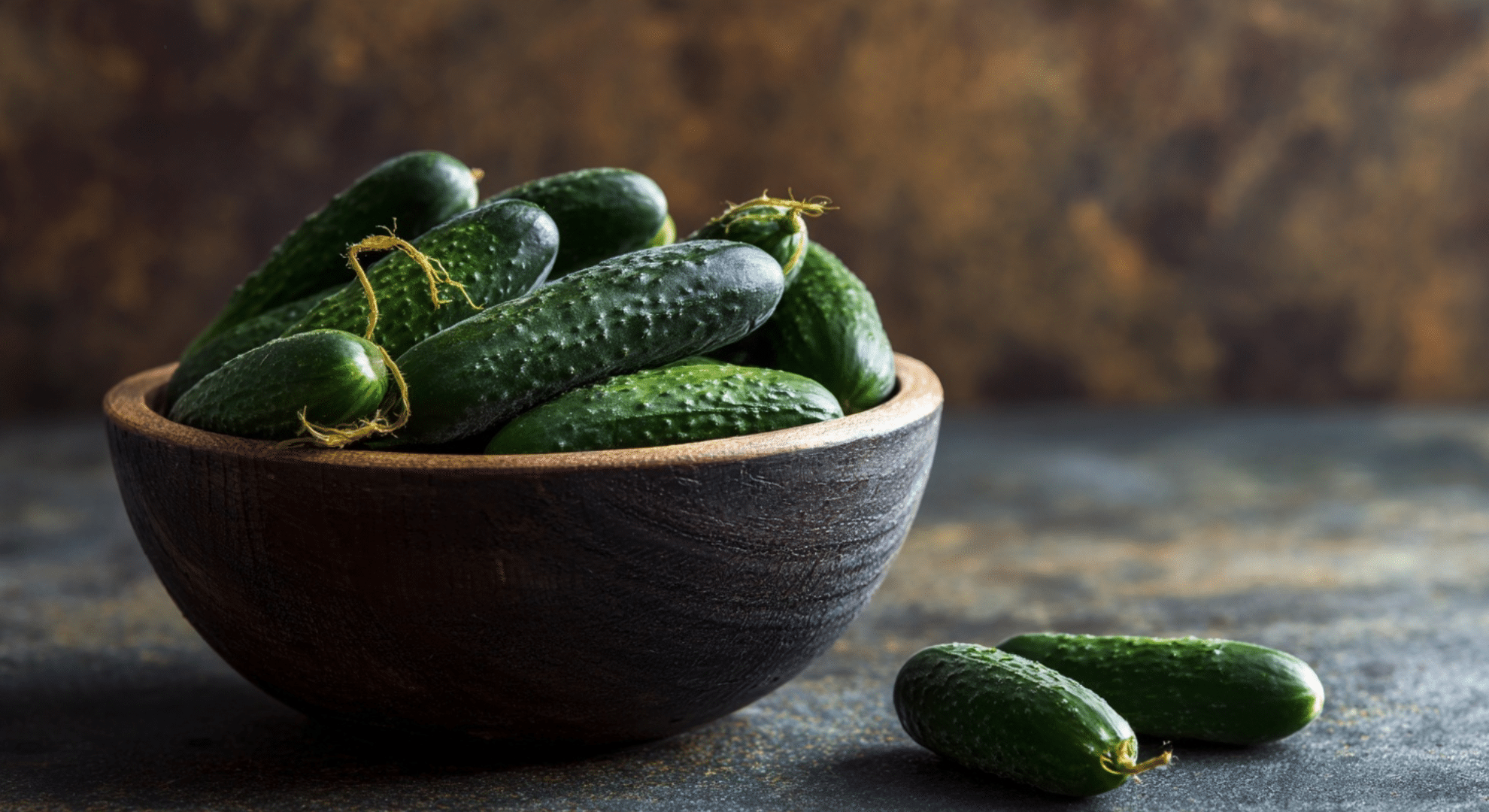
These are very small cucumbers picked early in their growth. They are dark green and firm.
- Sharp crunch and bold taste
- Best for pickling
- Stay firm in brine
They must be picked often to stay small. These plants produce many fruits in a short time. Because of their size and texture, they are rarely eaten plain and are mainly grown for jars.
9. Mexican Sour Gherkin (Cucamelon)
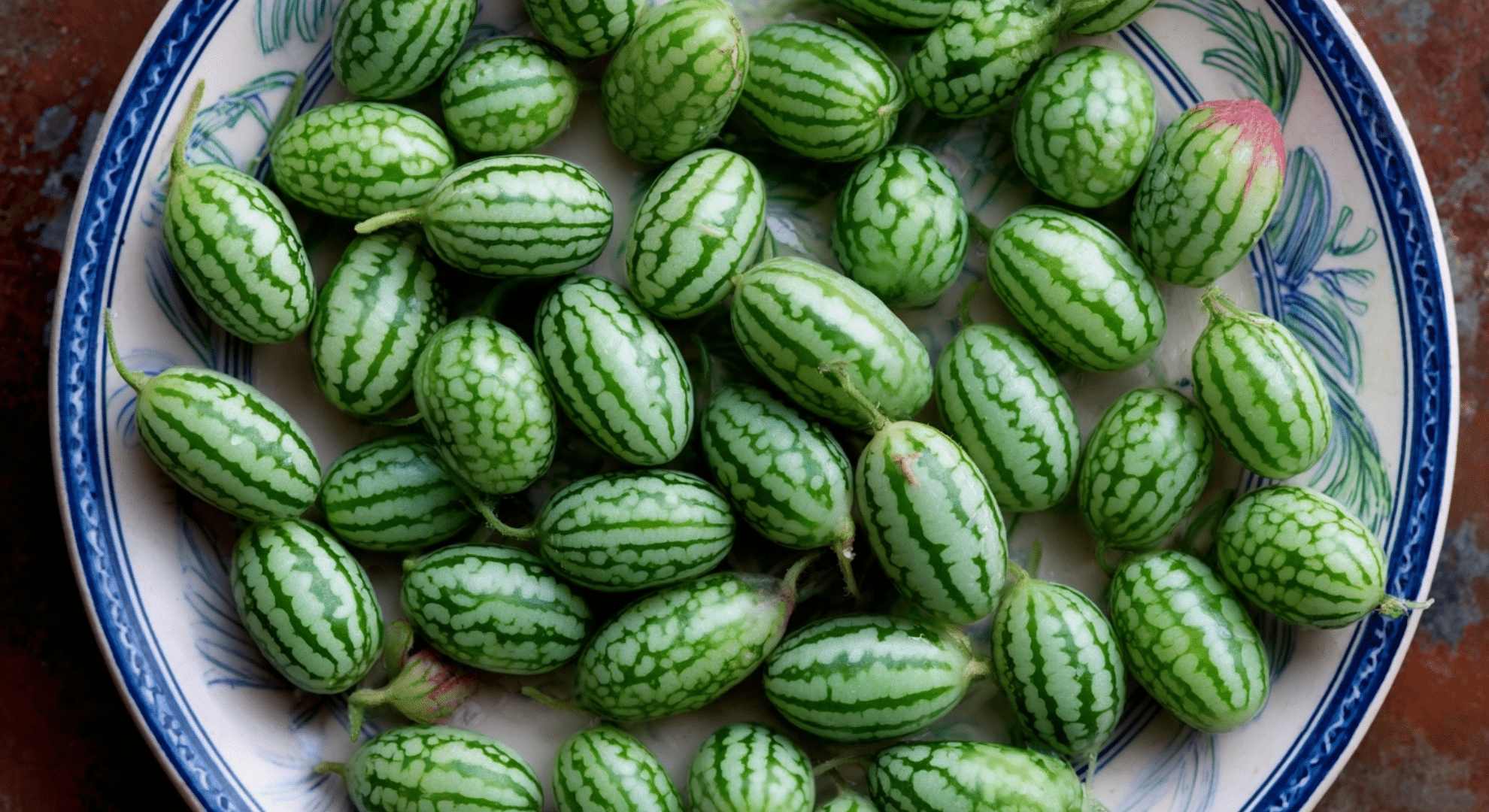
Cucamelons look like tiny watermelons and grow on thin vines. They are not true cucumbers but are used in similar ways.
- Tangy taste, slightly sour
- Used fresh or pickled
- Bite-sized and crisp
They grow well in warm weather and need support to climb. These plants are strong and handle pests well. Their small size makes them popular for snacks and garnishes.
10. White Cucumber Varieties
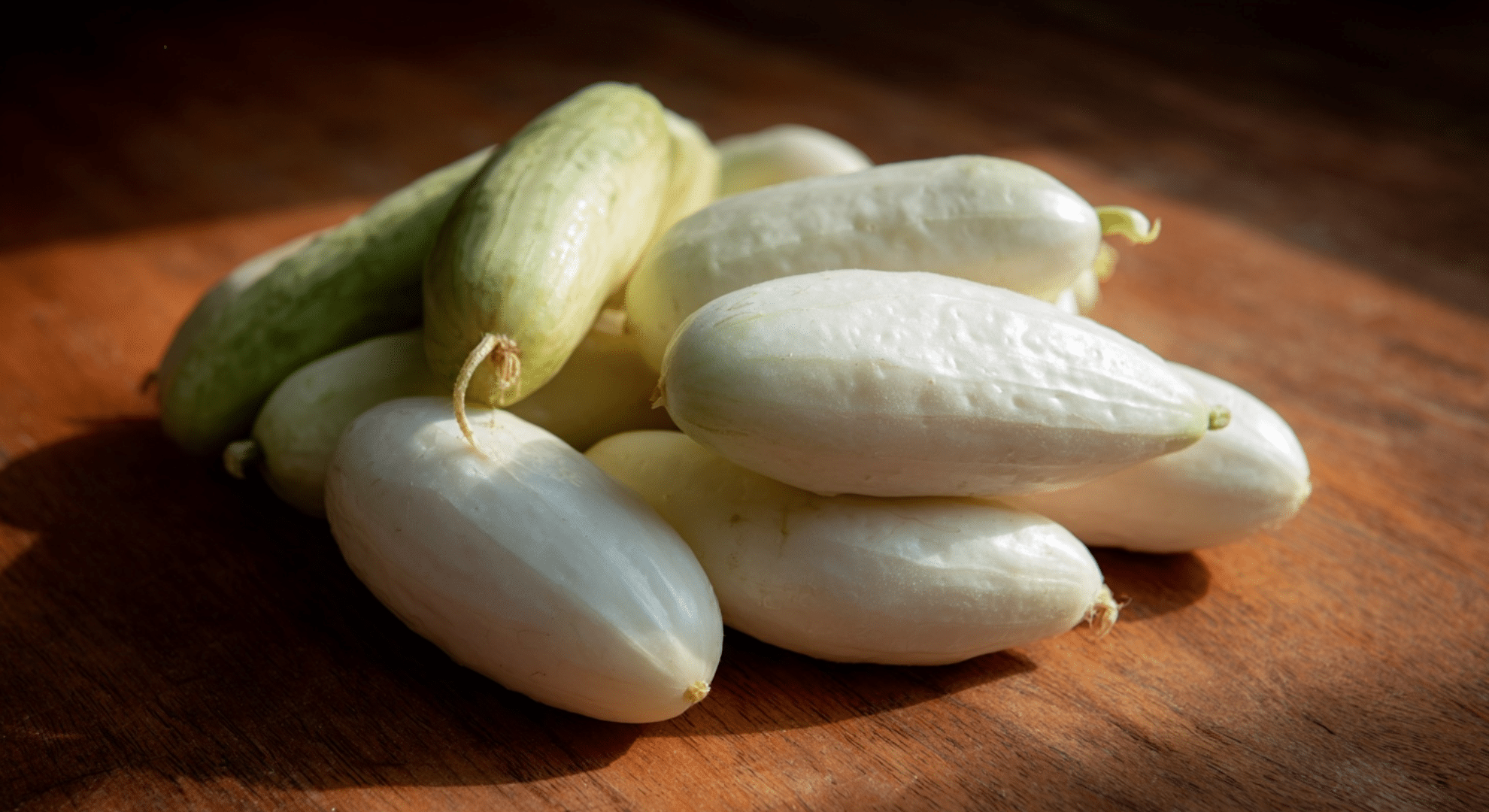
White cucumbers come in many shapes, from short and round to long and slim. Their skin is pale and smooth.
- Mild flavor with low bitterness
- Used fresh or sliced
- Soft skin, easy to digest
They grow well in home gardens and stand out among green leaves. Many people like them for their gentle taste. Regular picking helps keep the texture tender and pleasant.
How to Choose the Right Cucumber for What You Need
Use this when you need to decide fast and only have a few options in front of you:
| Cucumber Type | What You Notice First | What It’s Best For | Why This Works | Quick Fix If It’s Not Ideal |
|---|---|---|---|---|
| English cucumber | Very thin skin, often wrapped | Salads and fresh slices | Low seeds and soft skin | Chill before slicing |
| Persian or mini cucumber | Small size, firm feel | Snacking | Easy to eat, steady crunch | Slice lengthwise |
| Kirby cucumber | Short shape, bumpy skin | Pickling | Firm flesh holds up in brine | Pick smaller ones |
| Garden cucumber | Thick skin, large seeds | Mixed or cooked uses | Strong structure | Peel skin, scoop seeds |
| Japanese cucumber | Long, thin, smooth skin | Light fresh dishes | Clean taste | Slice thin |
| Lemon cucumber | Round, yellow skin | Fresh eating | Mild flavor | Pick before deep yellow |
This keeps things simple and practical. Even when the ideal type is missing, knowing the name helps you adjust and still get good results.
Burpless Cucumbers and Why Some Taste Bitter
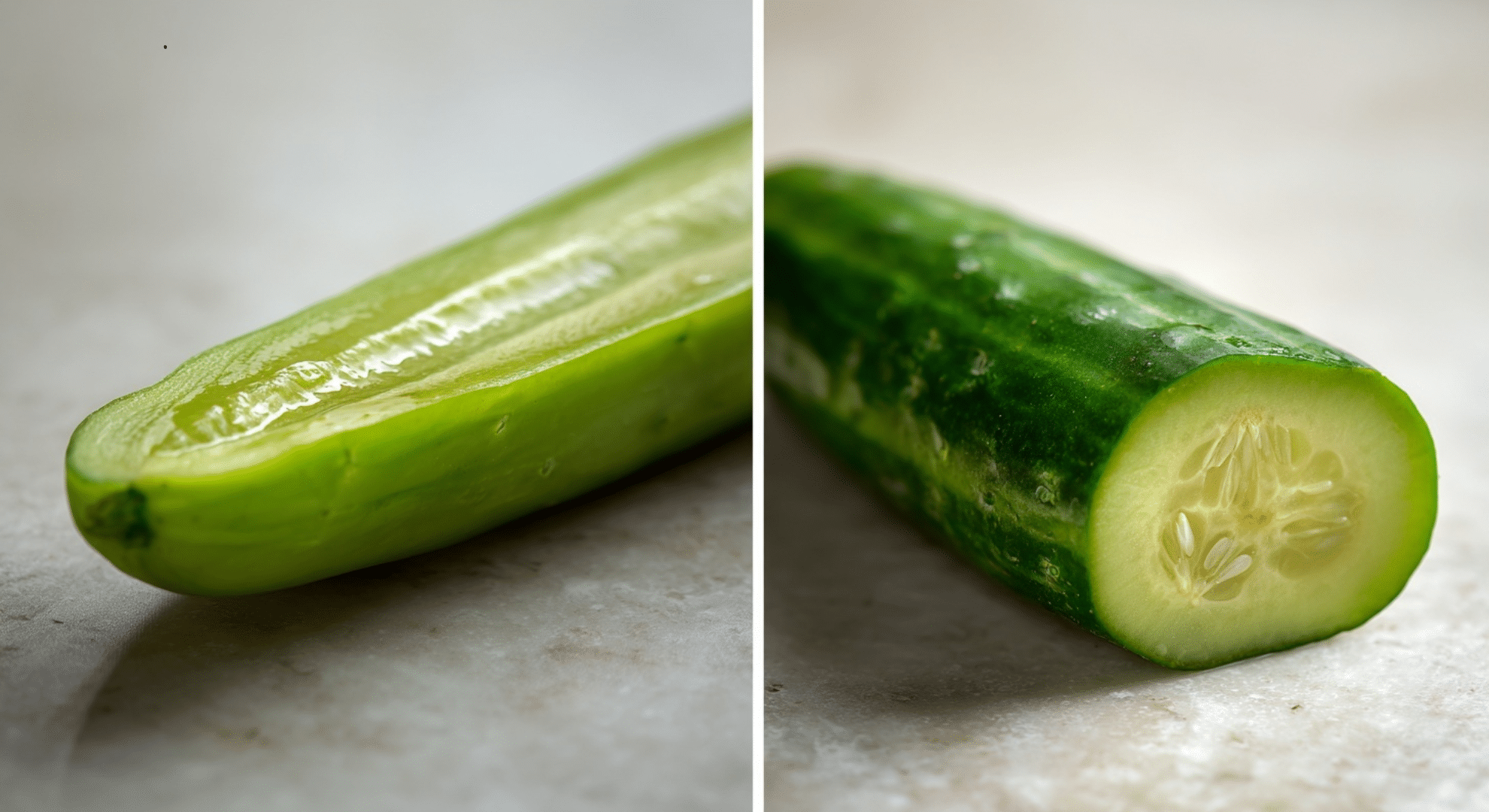
“Burpless” cucumbers are bred to be easier on the stomach. They usually have fewer seeds and milder compounds that can cause gas or discomfort.
These types are often longer, thinner, and have soft skin. People with sensitive digestion benefit most from them, as well as anyone who eats cucumbers often. English and some Persian cucumbers fall into this group and are common in stores.
Bitterness comes from natural compounds found in cucumbers. Stress during growth makes this worse. Too much heat, uneven watering, poor soil, or leaving cucumbers on the vine too long can raise bitterness.
The skin and stem end usually hold the strongest bitter taste. Some varieties are more likely to turn bitter than others, especially large garden types.
Peel the skin and cut off the stem end first. Taste a small slice before using the rest. Chilling can help slightly.
If the bitterness is strong and spreads through the flesh, it is best to throw it away. Very bitter cucumbers will not improve with cooking or soaking.
Growing Different Types of Cucumbers at Home
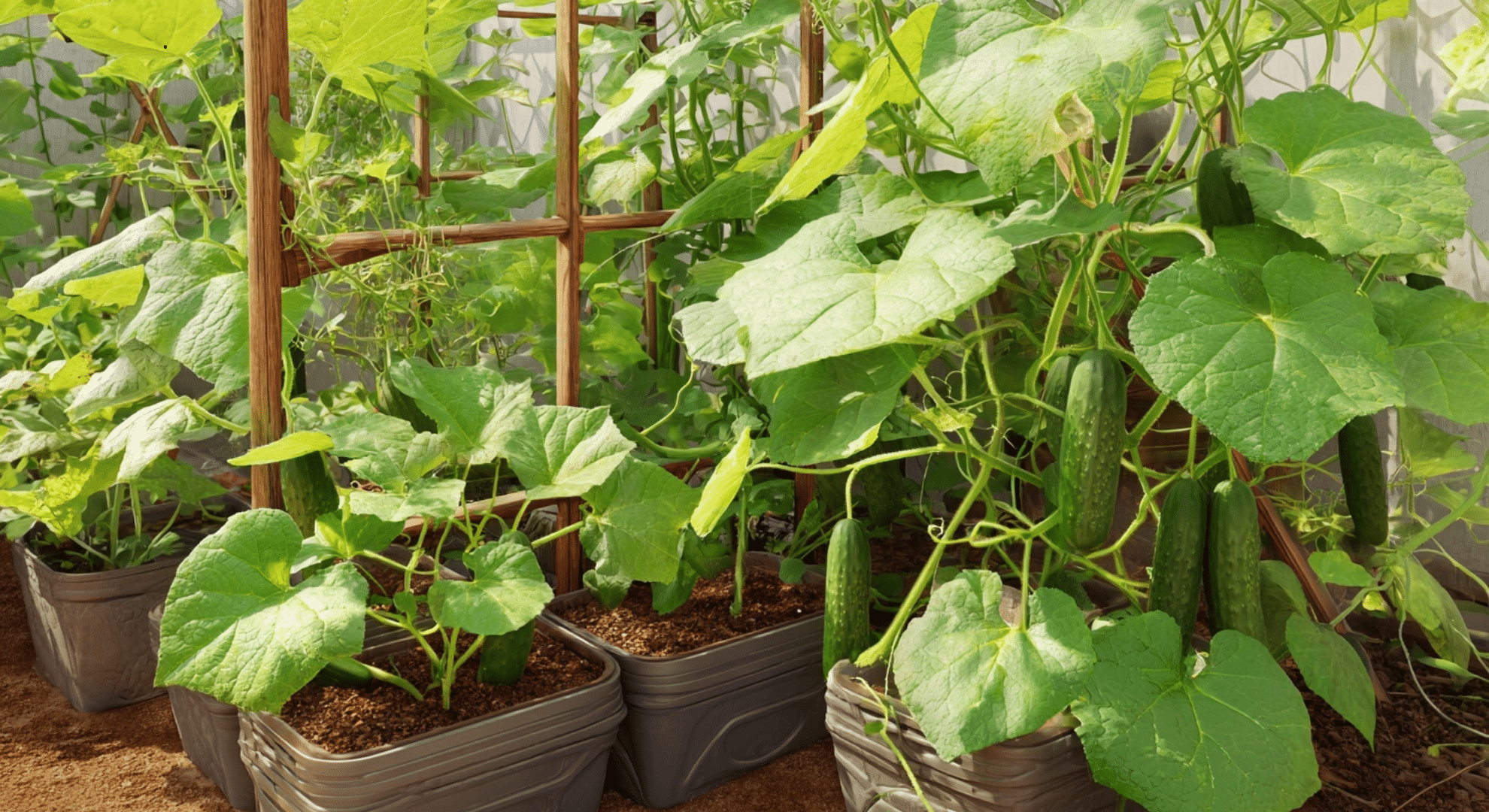
Growing cucumbers at home is easier when you match the plant to your space and weather. Some types handle heat better, some fit small areas, and all need the basics done right.
Here is how to make smart choices:
Choosing Cucumber Varieties Based on Climate
Climate plays a big role in how cucumbers grow and taste. Hot regions do better with heat-tolerant types like Persian, Armenian, and some Japanese cucumbers. These are less likely to turn bitter in strong sun.
Cooler areas work well with garden cucumbers and Kirby types, which handle mild weather better. If your summers are short, choose fast-growing varieties so you can harvest before temperatures drop.
Bush vs. Vining Cucumbers
Bush cucumbers stay compact and grow in a small area. They work well in containers, raised beds, or patios. Vining cucumbers spread out and climb.
They need more space or a trellis. These are better for garden beds and often give more fruit over time. If space is tight, bush types are easier to manage.
Soil, Sun, and Water Basics
All cucumber varieties need loose soil that drains well. They grow best with full sun for most of the day. Water should be steady and deep, not light and uneven.
Dry soil followed by heavy watering can hurt flavor. Adding compost helps roots grow strong and keeps moisture balanced.
Harvest Timing for Best Flavor and Texture
Picking time matters a lot. Cucumbers taste best when young and firm. Waiting too long makes seeds large and skin tough. Overgrown cucumbers can turn bitter and slow new growth.
Check plants often and harvest when they reach the size listed for that type. Early picking leads to better taste and more cucumbers overall.
How to Keep Cucumbers Fresh and Ready to Eat
How you store and prepare cucumbers can change how they taste and feel. A few small steps like this help keep them crisp, fresh, and pleasant to eat:
- Store whole cucumbers in the fridge, not on the counter
- Keep them dry and wrapped loosely, not sealed tight
- Do not store them near apples or bananas
- Wash only right before using, not before storage
- Cut off the stem end if bitterness is a concern
- Peel thick skin when needed, especially on large types
- Scoop out large seeds for better texture
When treated well, cucumbers stay fresh longer and taste better. Simple care saves waste and makes every slice more enjoyable.
Conclusion
I used to grab whatever cucumbers looked freshest, never thinking twice. But once I learned the names, shapes, and uses, I stopped picking at random and started picking with purpose. That slight shift made every bite better.
Now you know the different types of cucumbers, and that simple knowledge puts you ahead. You can choose the right kind for your salads, sandwiches, or garden without second-guessing. That’s a small win that adds up.
Here’s something to keep in mind: variety brings flavor. Don’t settle for the same one every time.
If this helped you see cucumbers in a new way, there’s more where that came from. Check out the other blogs, they’re full of helpful stuff, just like this!