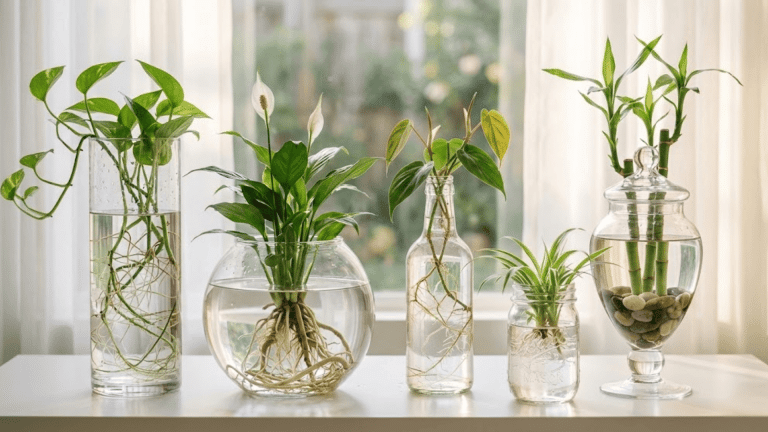
Lush greenery floating in clear water, roots suspended like living sculptures. Growing plants in water brings botanical beauty into your space without the fuss of soil or mess.
This simple method has taken over feeds and windowsills everywhere, blending easy care with that minimalist vibe we all crave.
Perfect for small apartments, plant newbies, or anyone drawn to clean aesthetics, water-grown greenery offers a fresh way to connect with nature indoors.
Here’s everything about which plants thrive in this liquid life, how to keep them healthy, and the little tricks that make your setup truly shine.
Can Plants Really Grow in Water?
Yes, and it’s simpler than you think. When cuttings or roots meet water, they adapt by developing water roots that thrive in liquid environments.
There’s a difference between quick propagation and long-term growth, but many plants happily live in water indefinitely with proper care.
The perks? No soil means no mess, fewer pests, and almost effortless maintenance. Plus, you get cleaner air and that coveted minimalist aesthetic.
But here’s the truth: not every plant will flourish forever in water alone. Nutrient management becomes key, as water lacks the minerals soil naturally provides.
With the right approach, though, your water garden can absolutely thrive.
Best Types of Plants to Grow in Water
From trailing vines to fresh herbs, certain plants take to water like they were meant for it. Here’s your curated list of beauties that thrive in liquid, sorted by care level and style.
1. Pothos

Light Requirement: Low to bright indirect light
Ideal Size: Trailing vines up to several feet
The ultimate beginner’s companion, pothos practically raises itself in water. Its heart-shaped leaves cascade gracefully from any container, and it tolerates neglect like a champ.
Watch as glossy green or variegated foliage grows quickly, rooting enthusiastically in plain tap water. Perfect for shelves, hanging displays, or anywhere you need instant greenery with zero drama.
2. Lucky Bamboo
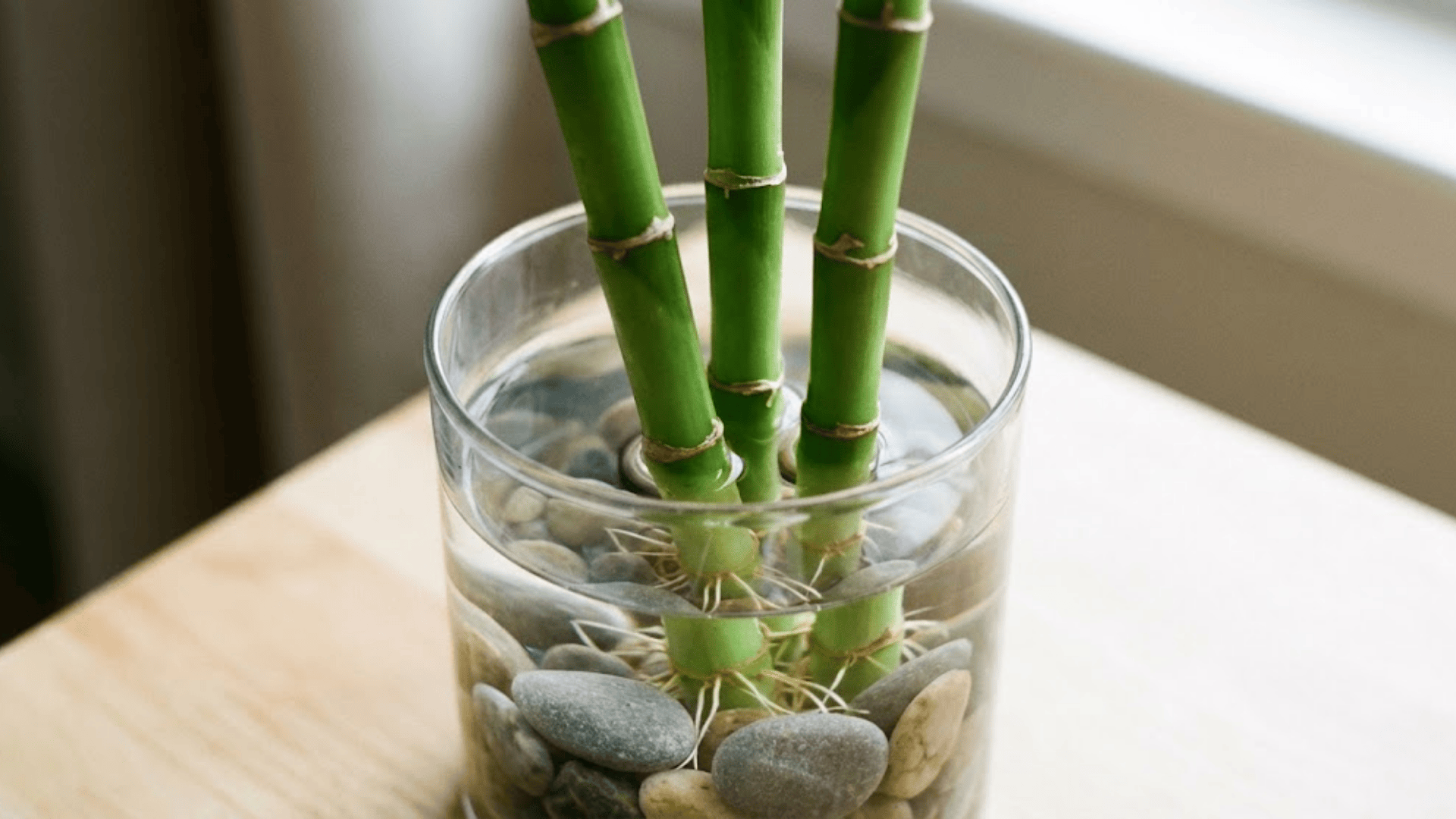
Light Requirement: Low to moderate indirect light
Ideal Size: 6 inches to 3 feet tall
Not actually bamboo but a resilient Dracaena, this plant has been living in water for centuries. Its sculptural stalks bring zen vibes to any space and require almost nothing beyond occasional water changes.
Twist them into spirals or keep them straight for that clean, architectural look that fits every aesthetic from boho to modern minimalism.
3. Philodendron
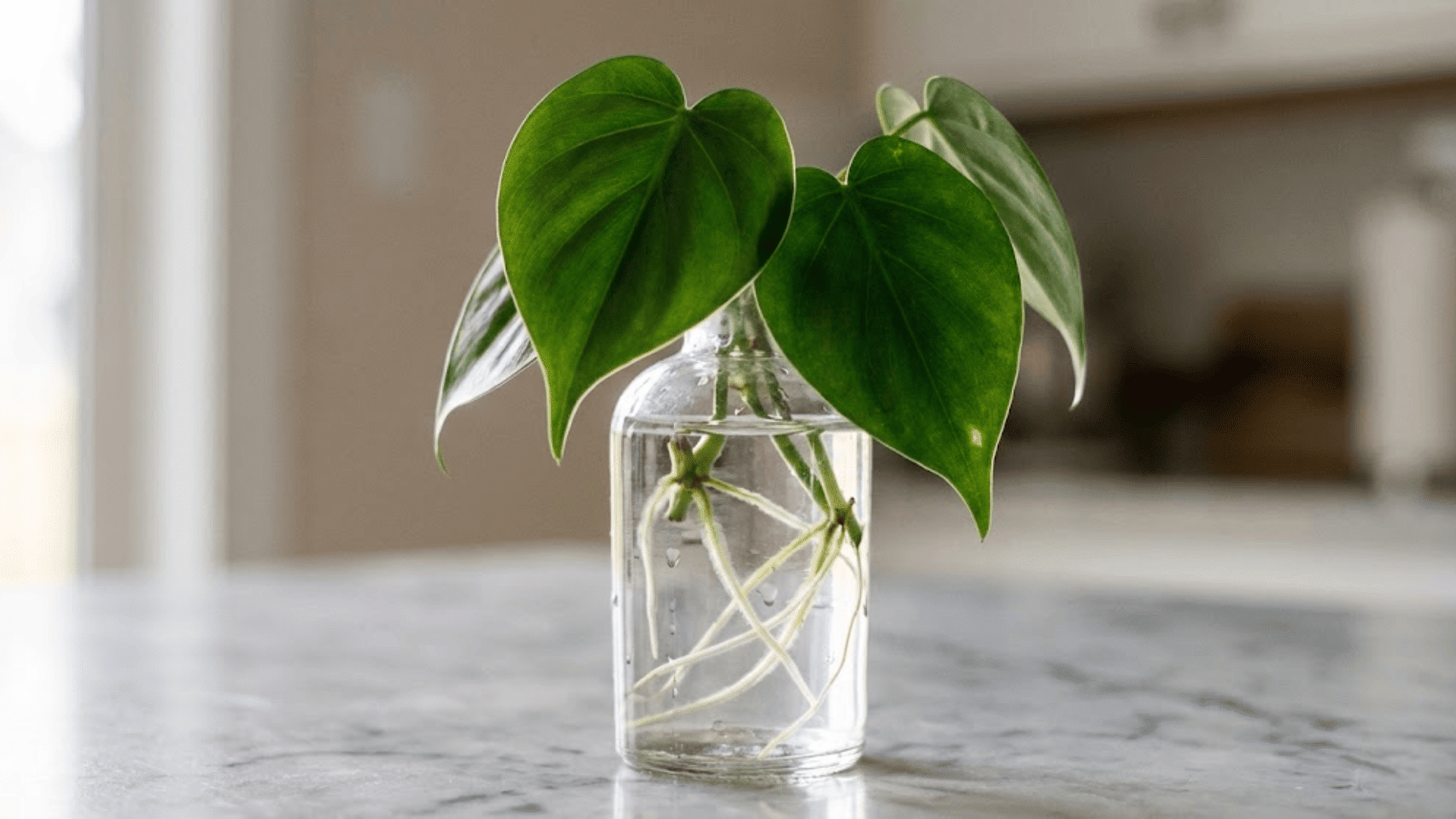
Light Requirement: Medium to bright indirect light
Ideal Size: Vining varieties trail 2-4 feet
Close cousins to pothos, philodendrons offer gorgeous leaf shapes from heart-shaped to split varieties. They root quickly in water and grow with remarkable vigor, creating lush displays in weeks.
The trailing types look particularly magical in clear glass vessels where you can watch their white roots spread and dance beneath the surface.
4. Spider Plant
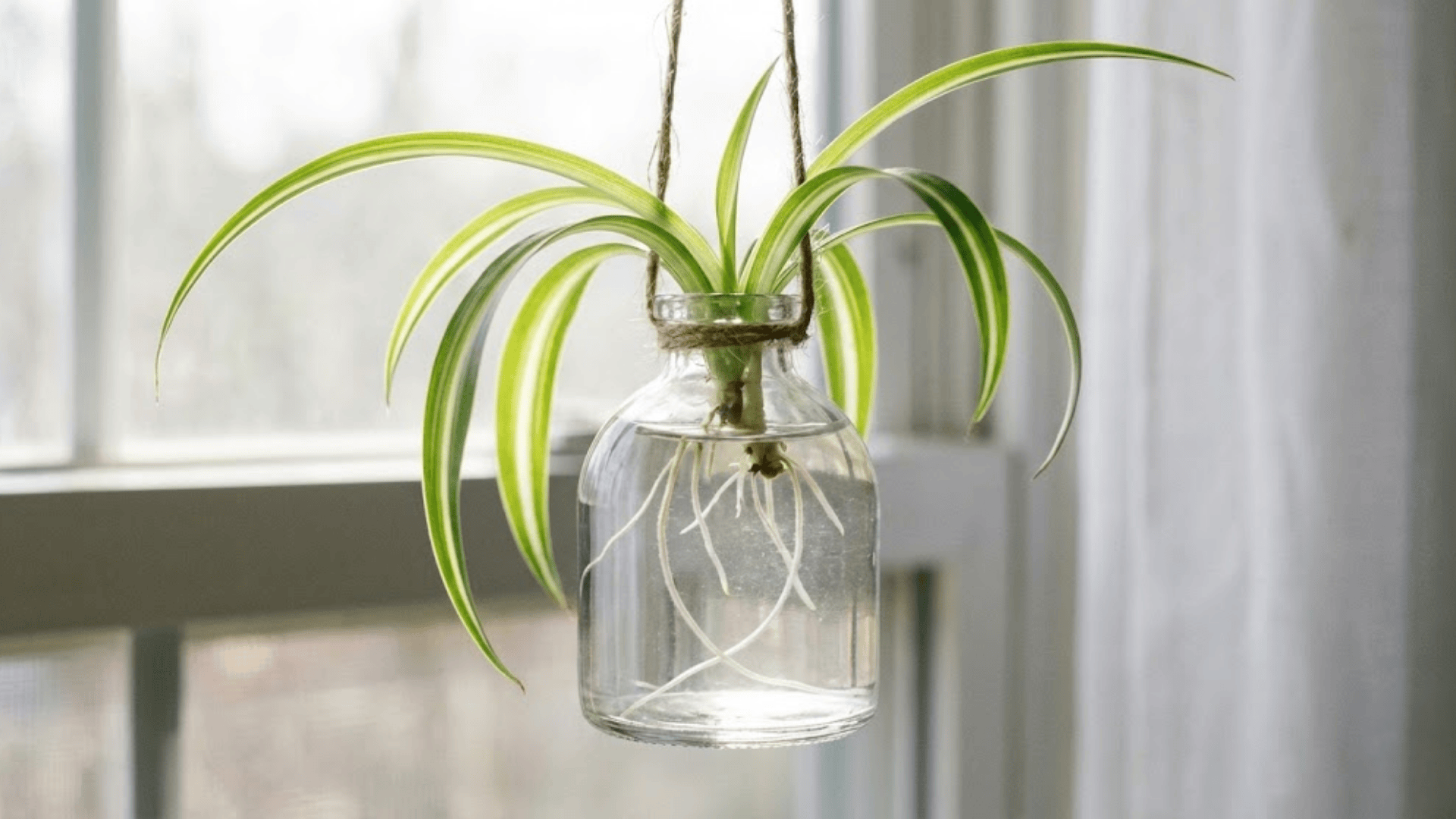
Light Requirement: Bright indirect light
Ideal Size: 12-18 inches wide with dangling babies
Those adorable plantlets dangling from the mama spider plant? They root beautifully in water. The arching, striped leaves create a fountain effect that’s both retro and fresh.
Spider plants are forgiving about water quality and lighting, making them foolproof for anyone starting their water garden. Plus, they naturally purify your indoor air while looking effortlessly cool.
5. Tradescantia
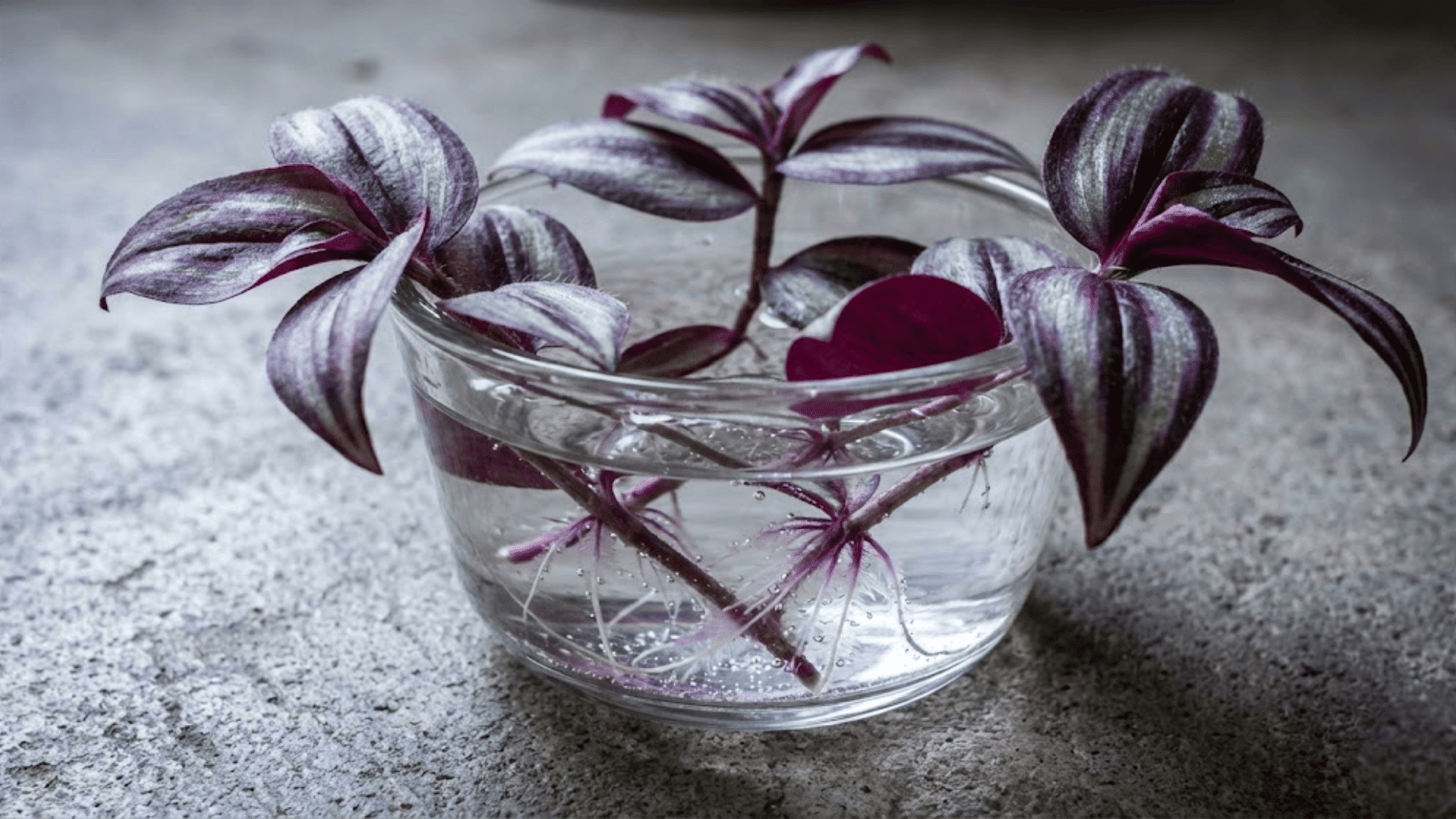
Light Requirement: Bright indirect light for best color
Ideal Size: Trailing stems up to 2 feet
Also called inch plant or wandering dude, tradescantia brings serious color to water gardens. Purple, pink, silver, and green variegated leaves create living art in any glass container.
This fast-growing trailer roots within days and rewards you with vibrant foliage that intensifies under proper light. Pinch back for bushier growth and more dramatic displays.
6. Peace Lily
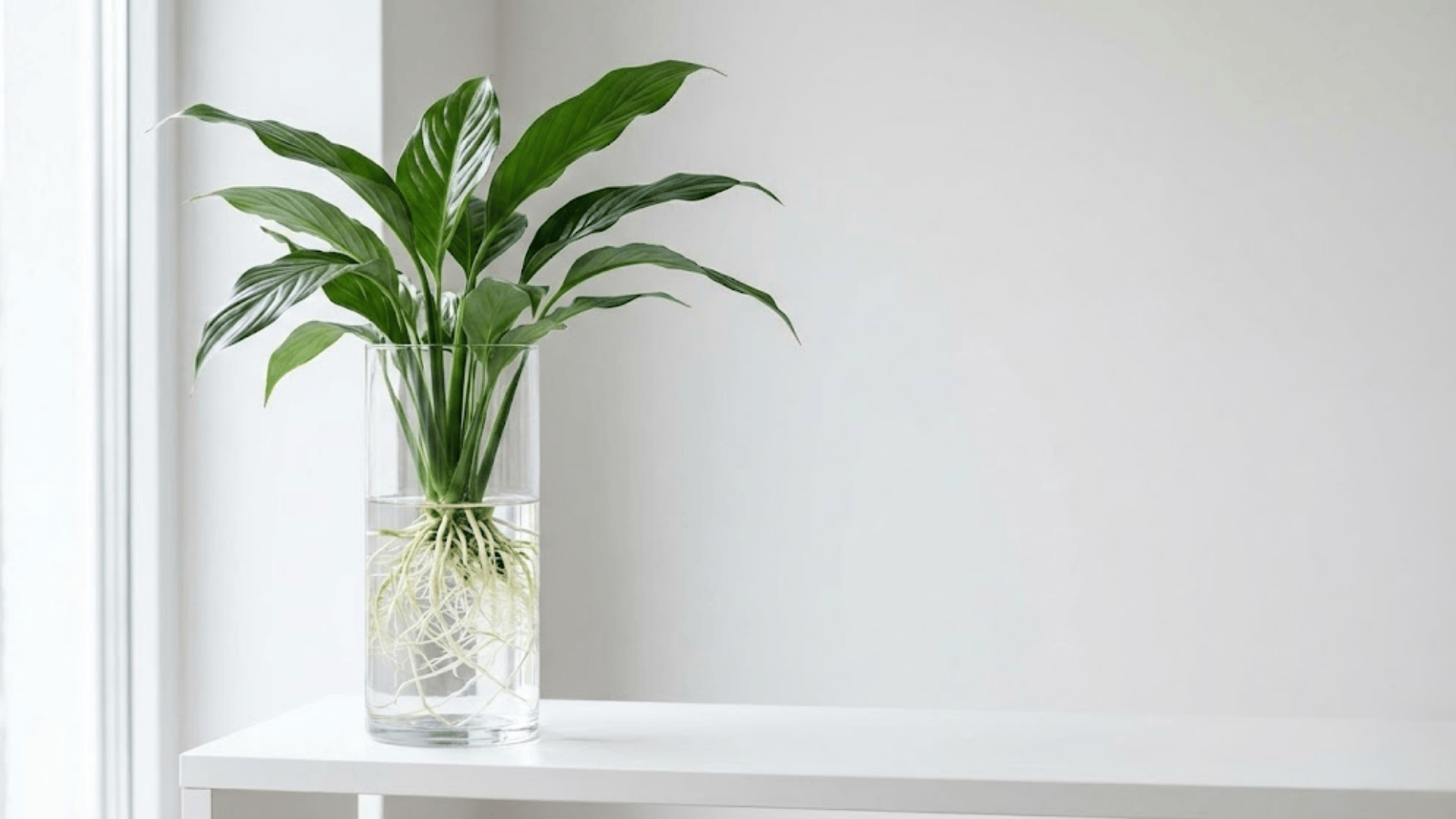
Light Requirement: Low to medium indirect light
Ideal Size: 1-3 feet tall, depending on variety
Peace lilies transition beautifully from soil to water, making them ideal for long-term liquid living. Their glossy leaves and occasional white blooms add sophistication to any room.
These air-purifying powerhouses tolerate lower light better than most, thriving in offices or dim corners. Just rinse roots well before switching from soil to prevent cloudiness.
7. Chinese Evergreen
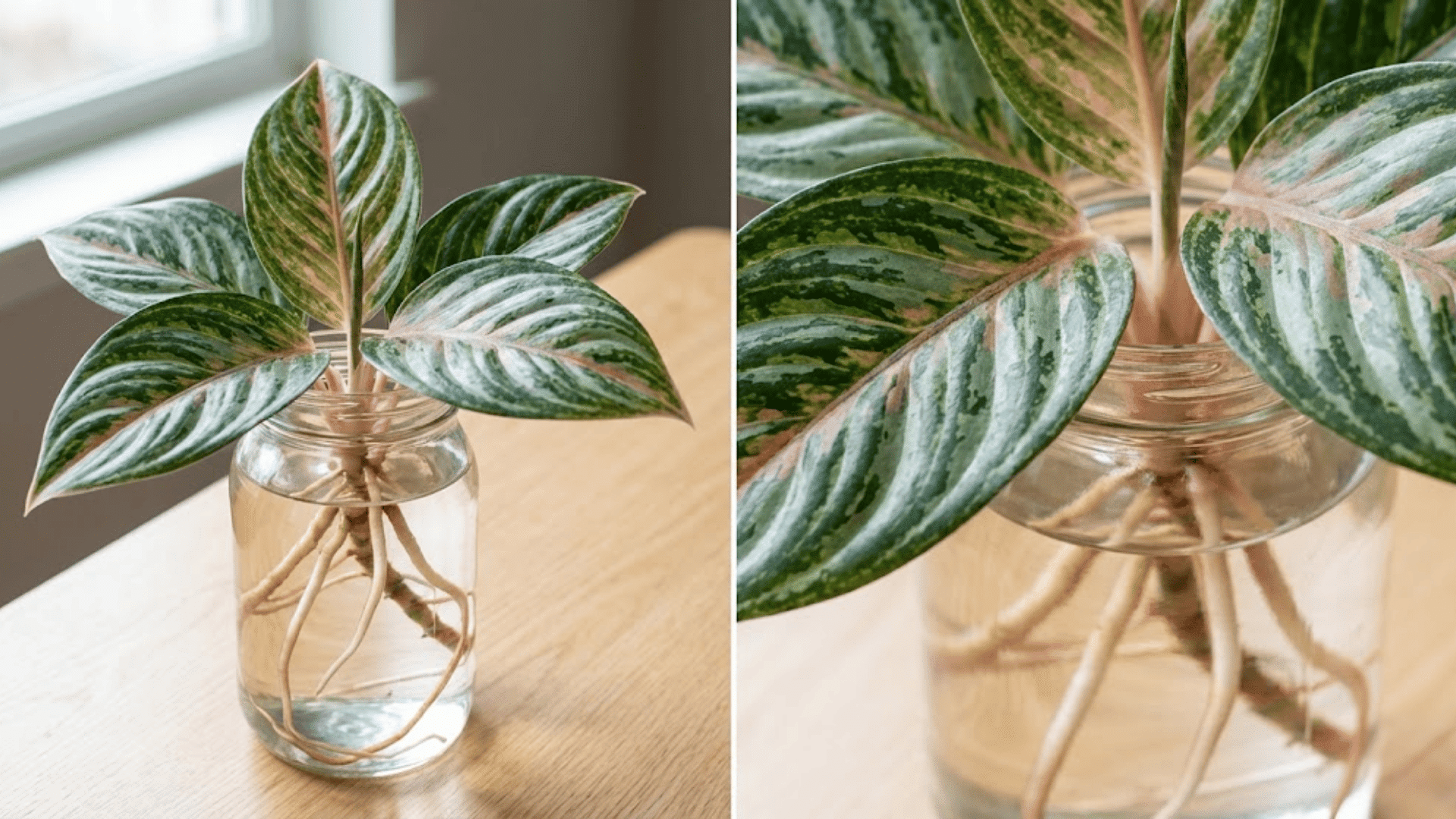
Light Requirement: Low to medium light
Ideal Size: 1-2 feet tall and wide
With stunning patterned leaves in shades of green, silver, pink, and red, Chinese evergreens are showstoppers in water. They’re incredibly tolerant of neglect and low light, adapting to water culture with minimal fuss.
The thick stems and robust roots create visual interest below the waterline, while the colorful foliage steals the show above.
8. English Ivy
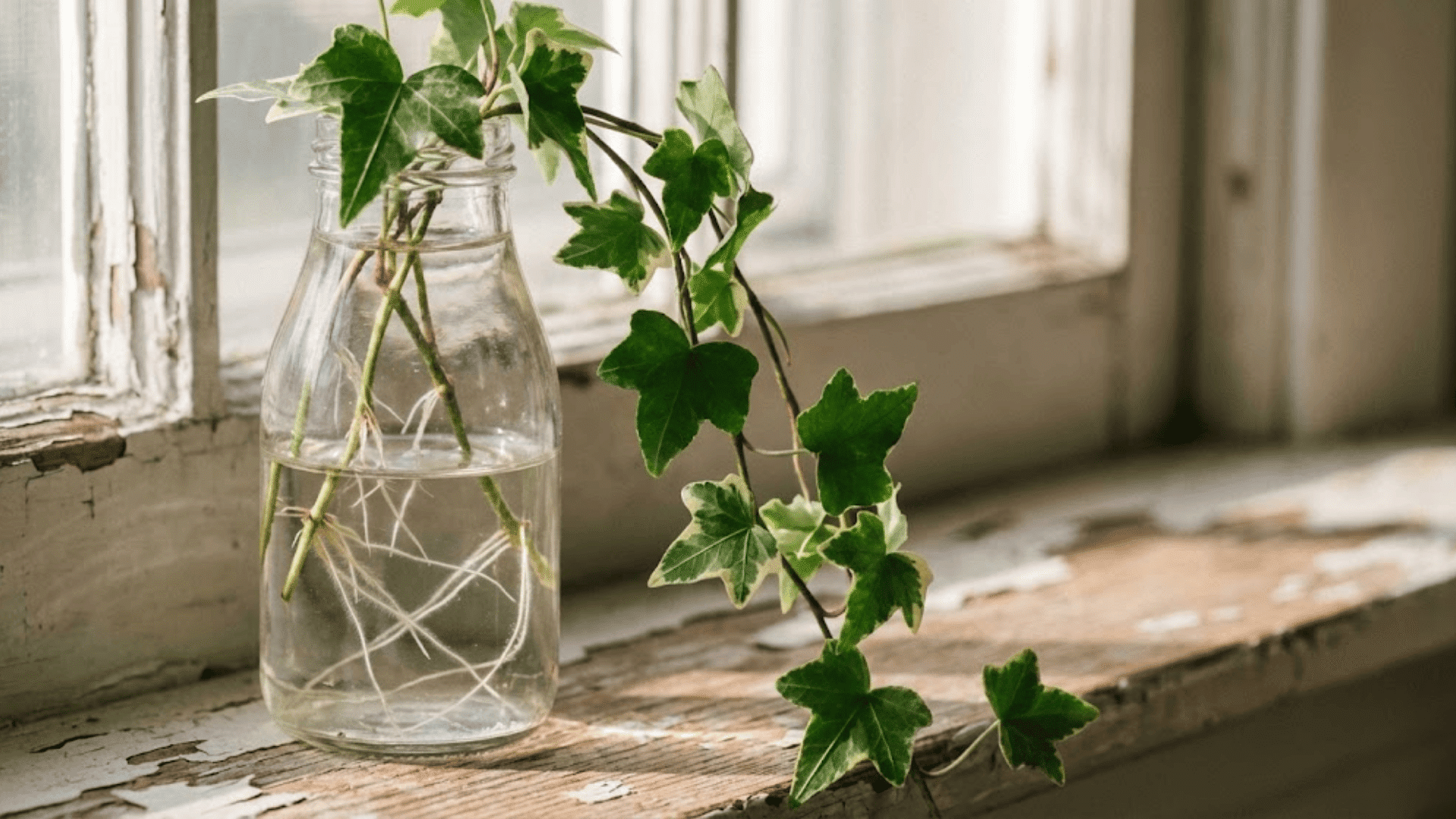
Light Requirement: Bright indirect light
Ideal Size: Trailing vines up to 3 feet
Classic and cottage-cozy, English ivy brings timeless charm to water gardens. Its delicate trailing vines and distinctive lobed leaves look particularly romantic in vintage bottles or apothecary jars.
Ivy roots eagerly in water and can live there indefinitely with occasional liquid fertilizer. Choose variegated varieties for extra visual interest and lighter, brighter vibes.
9. Syngonium
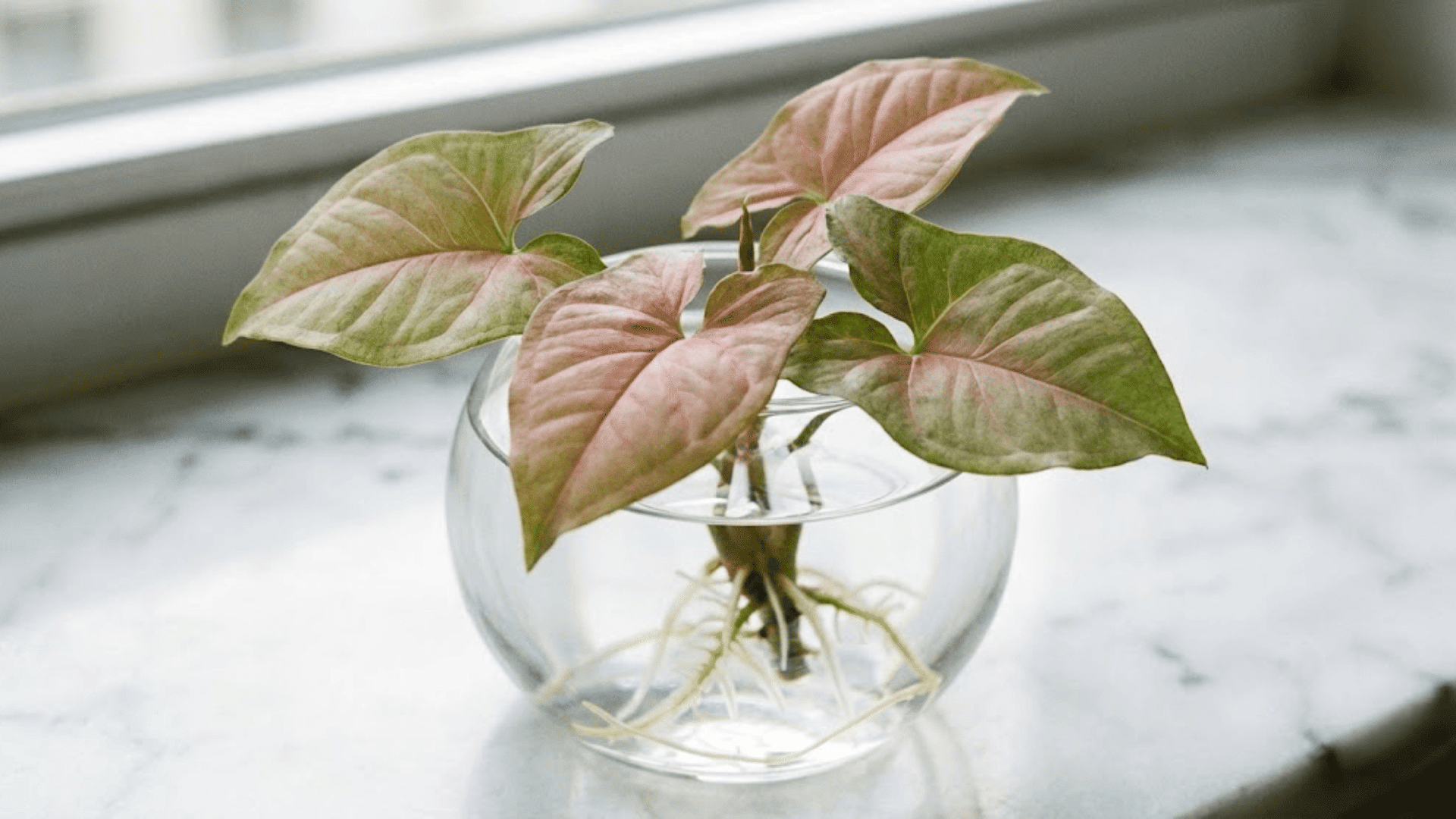
Light Requirement: Medium to bright indirect light
Ideal Size: Compact to trailing, 1-2 feet
Arrowhead plants offer incredible leaf variety from soft pink to deep green, often with contrasting veining. They start compact and become trailing as they mature, creating dynamic displays.
Syngoniums adapt quickly to water and reward you with steady growth. Their arrow-shaped leaves evolve into lobed forms over time, giving you an ever-changing living sculpture.
10. Coleus
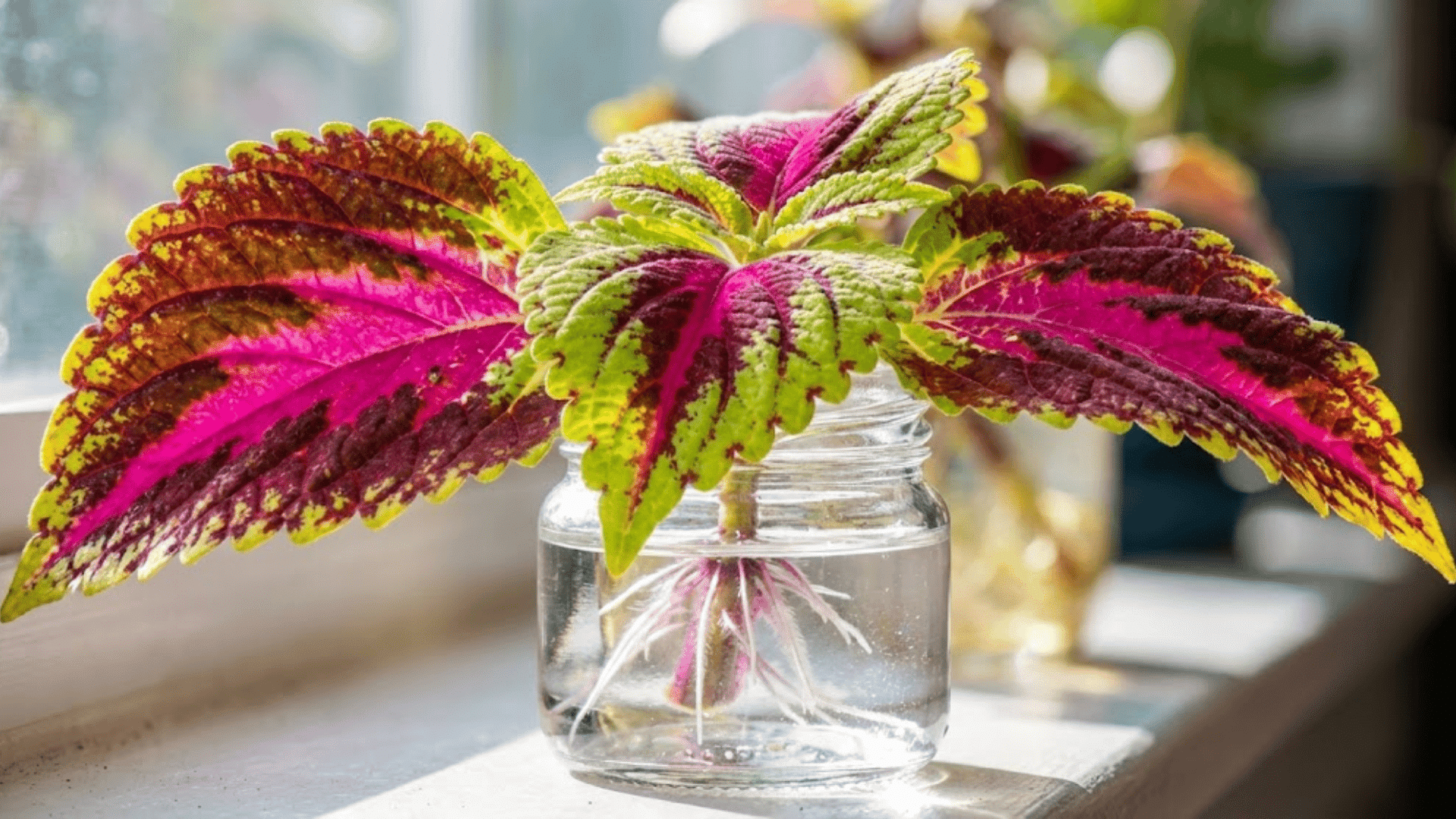
Light Requirement: Bright indirect to partial direct light
Ideal Size: 6-12 inches in water culture
If you crave color, coleus delivers. These velvety leaves come in wild combinations of pink, purple, red, yellow, and green that pop against clear water.
While often grown as annuals outdoors, coleus cuttings thrive indoors in water indefinitely. Pinch regularly to encourage bushy growth and prevent legginess, especially in lower light conditions.
11. Basil
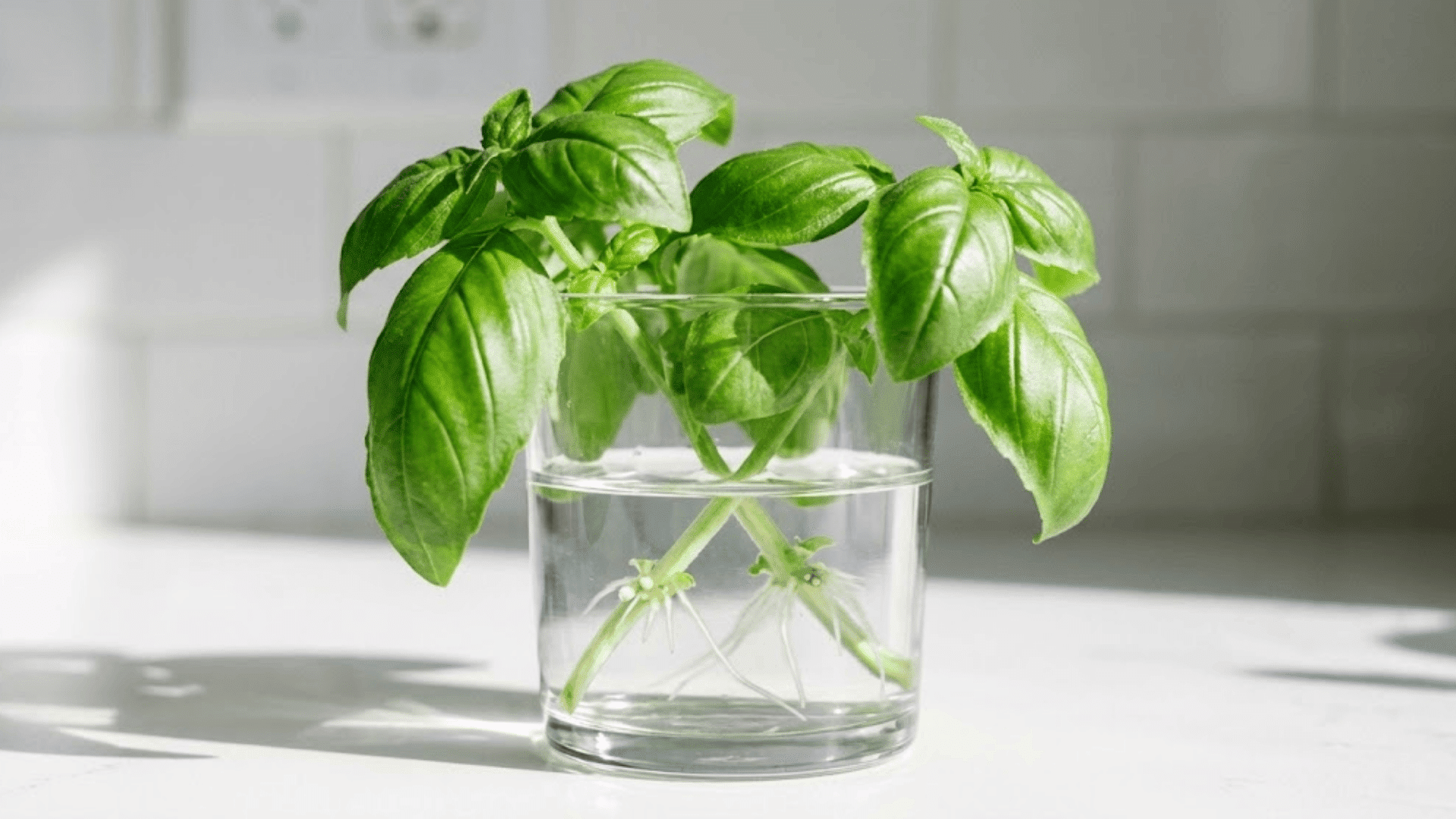
Light Requirement: Bright light, 6+ hours daily
Ideal Size: 6-10 inches tall in water
Fresh basil at your fingertips, no garden required. Snip stems from the grocery store bunch and watch them root in days. Basil loves warmth and bright light, rewarding you with aromatic leaves for cooking.
Pinch off flower buds to keep energy focused on leaf production, and refresh cuttings every few months for the most flavorful harvest.
12. Mint
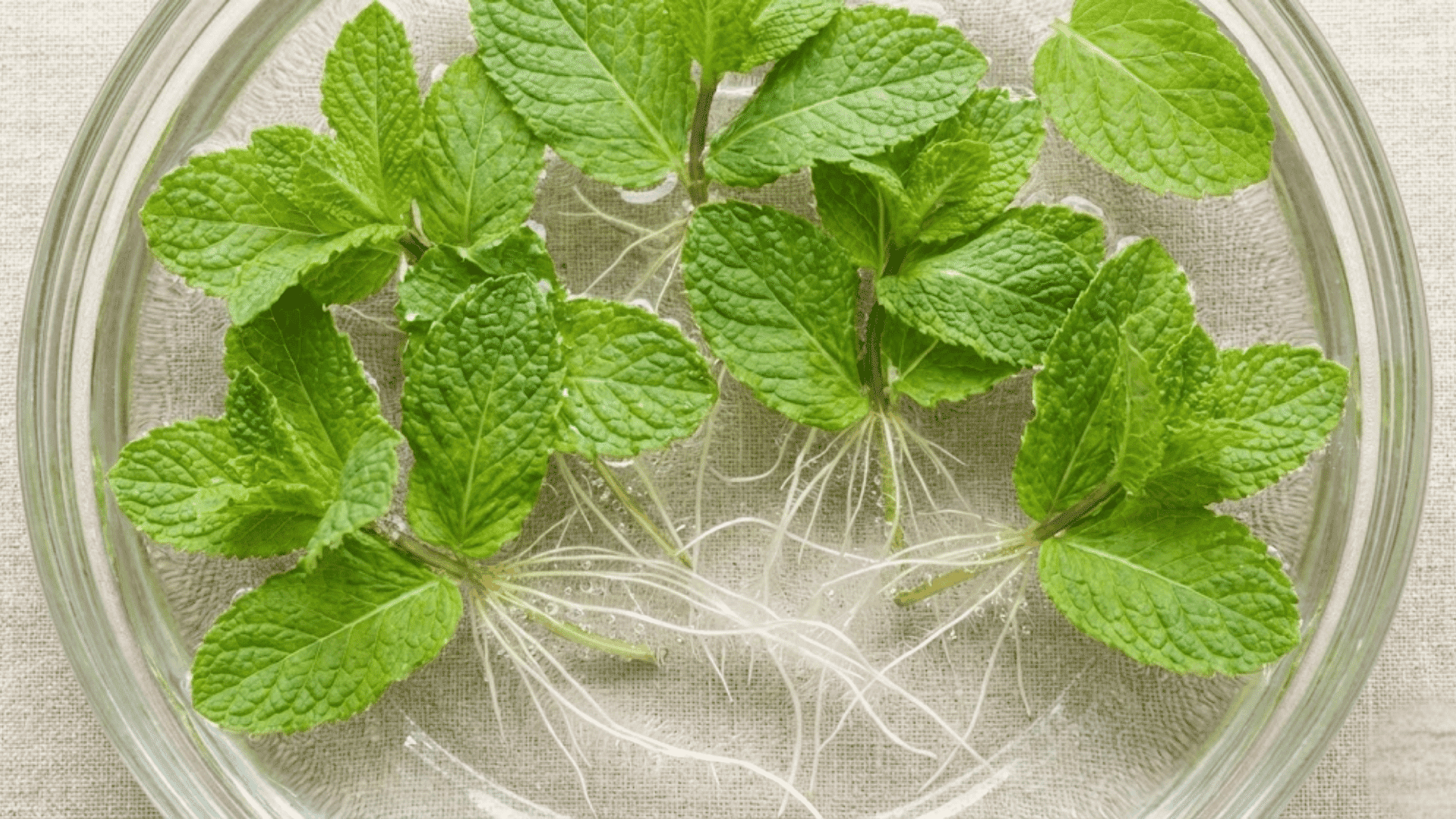
Light Requirement: Bright indirect to partial direct light
Ideal Size: 8-12 inches, can be aggressive
Mint is nearly indestructible in water, rooting and spreading with wild enthusiasm. From peppermint to chocolate mint, these fragrant herbs stay fresh and ready for tea, cocktails, or garnishes.
The vigorous growth means frequent harvesting keeps plants bushy and contained. Change water weekly to prevent that strong mint aroma from becoming overwhelming in your space.
13. Rosemary
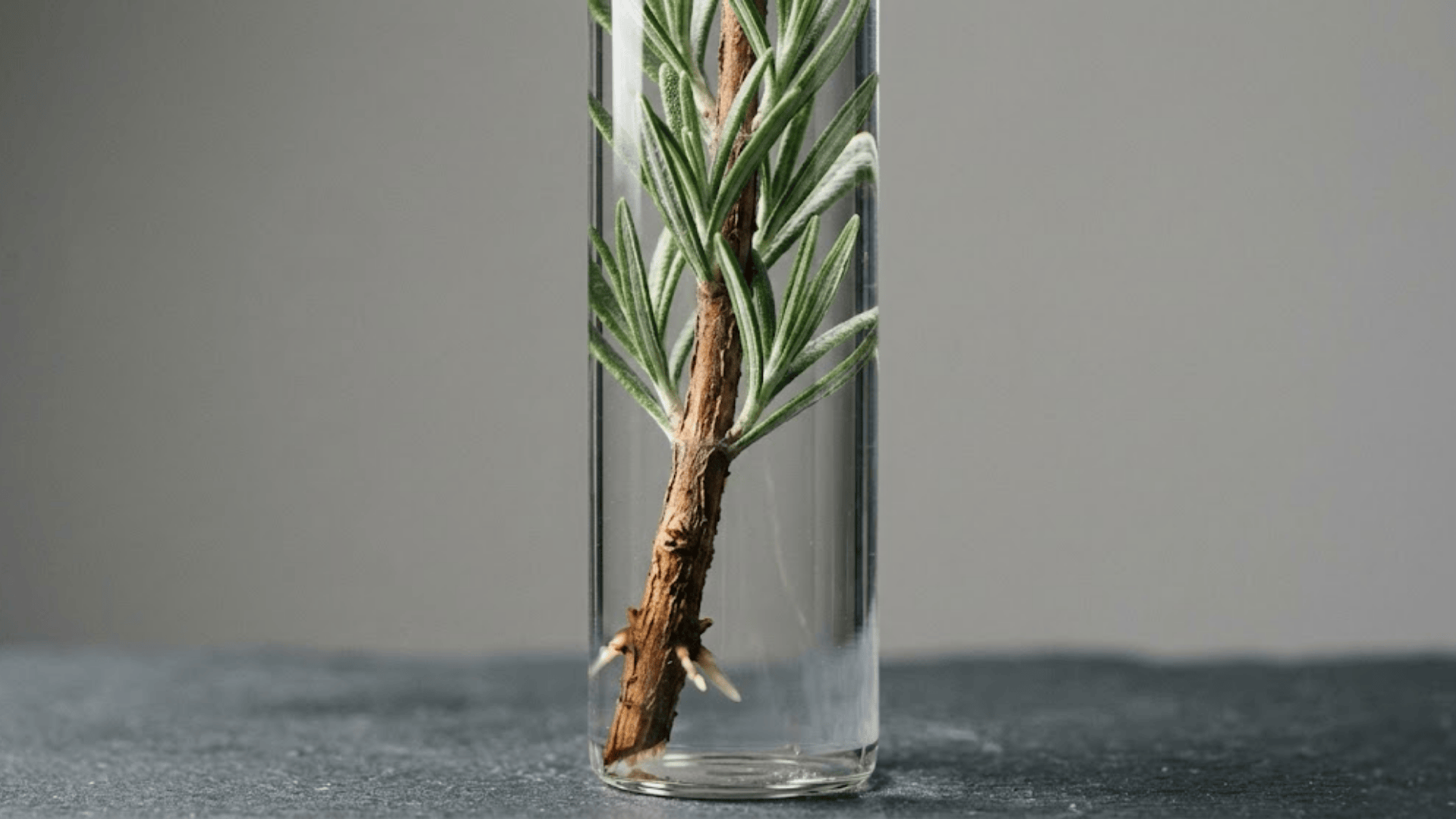
Light Requirement: Bright light, 6+ hours daily
Ideal Size: 6-10 inches in water (better in soil long-term)
Rosemary can root in water but prefers eventual soil life. Take semi-hardwood cuttings and be patient as rooting takes several weeks. This woody herb needs bright light and good air circulation to prevent rot.
Use it as a temporary propagation method before transplanting, or keep small cuttings in water for short-term kitchen access to fresh rosemary.
14. Oregano
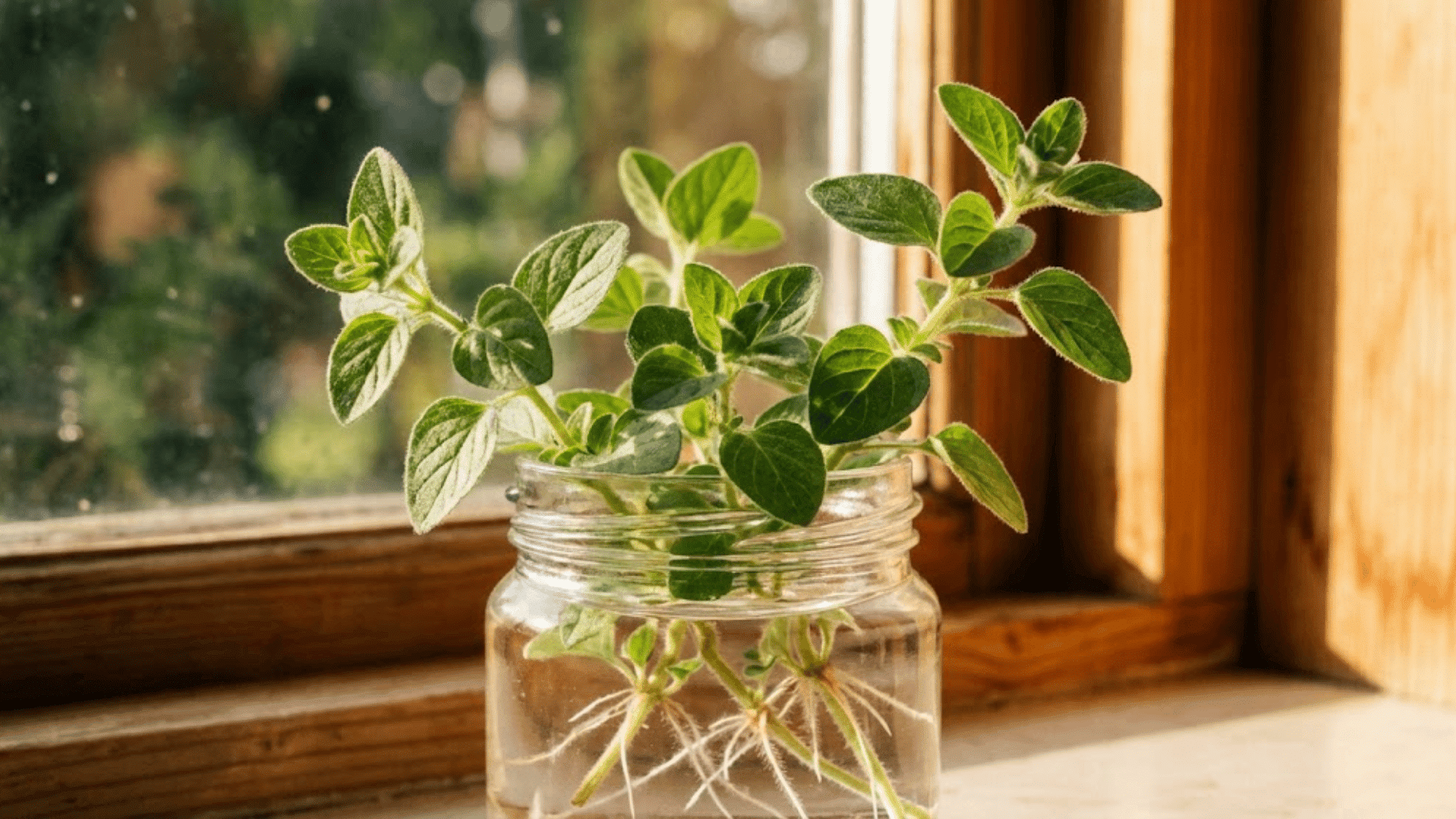
Light Requirement: Bright light, 5-6 hours daily
Ideal Size: 6-8 inches in water
Mediterranean oregano adapts surprisingly well to water culture for extended periods. Its small, aromatic leaves pack serious flavor for cooking while the trailing stems create pretty displays.
Take cuttings from healthy plants in spring or summer for the best results. Oregano tolerates slightly cooler temperatures than basil, making it versatile for various indoor spots.
15. Thyme
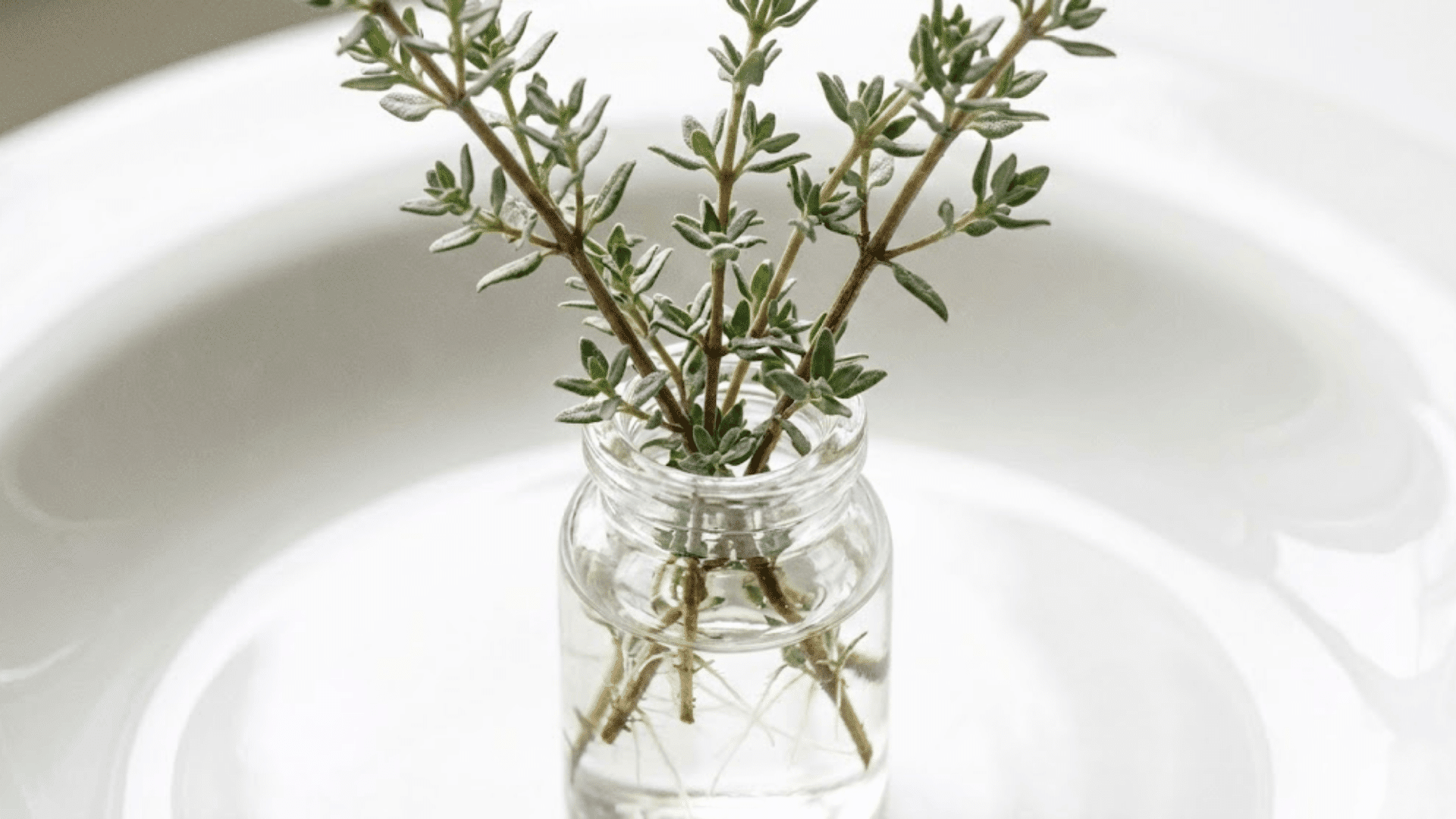
Light Requirement: Bright light, 6+ hours daily
Ideal Size: 4-6 inches (short-term best)
Delicate thyme can root in water, but typically performs better as a short-term setup. The tiny leaves and woody stems look charming in small bottles or test tubes.
This herb needs excellent light and prefers eventual transition to soil for longevity. Perfect for propagating new plants or keeping fresh thyme handy for a few weeks of cooking.
16. Monstera
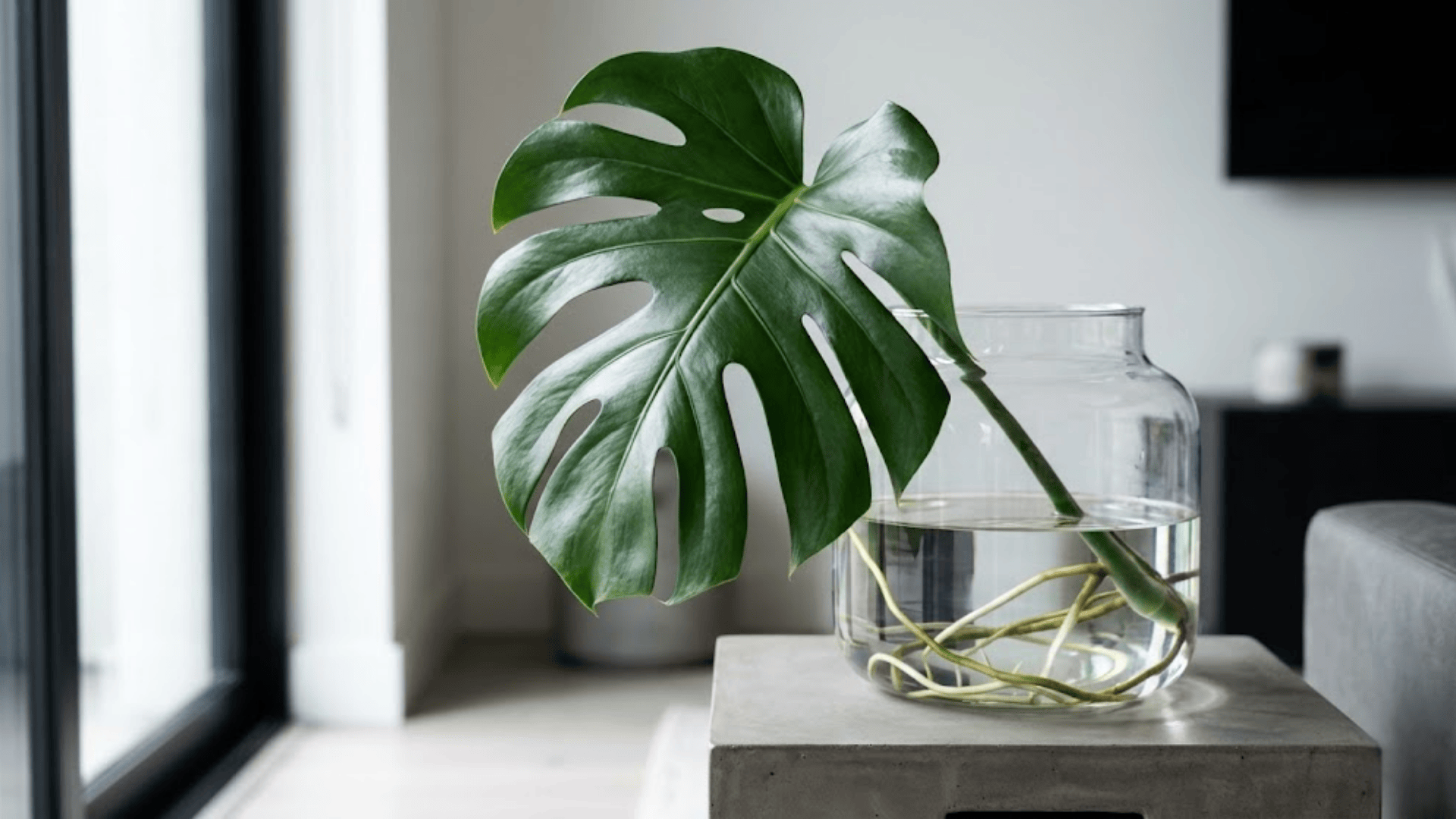
Light Requirement: Bright indirect light
Ideal Size: Single leaf cuttings or small nodes
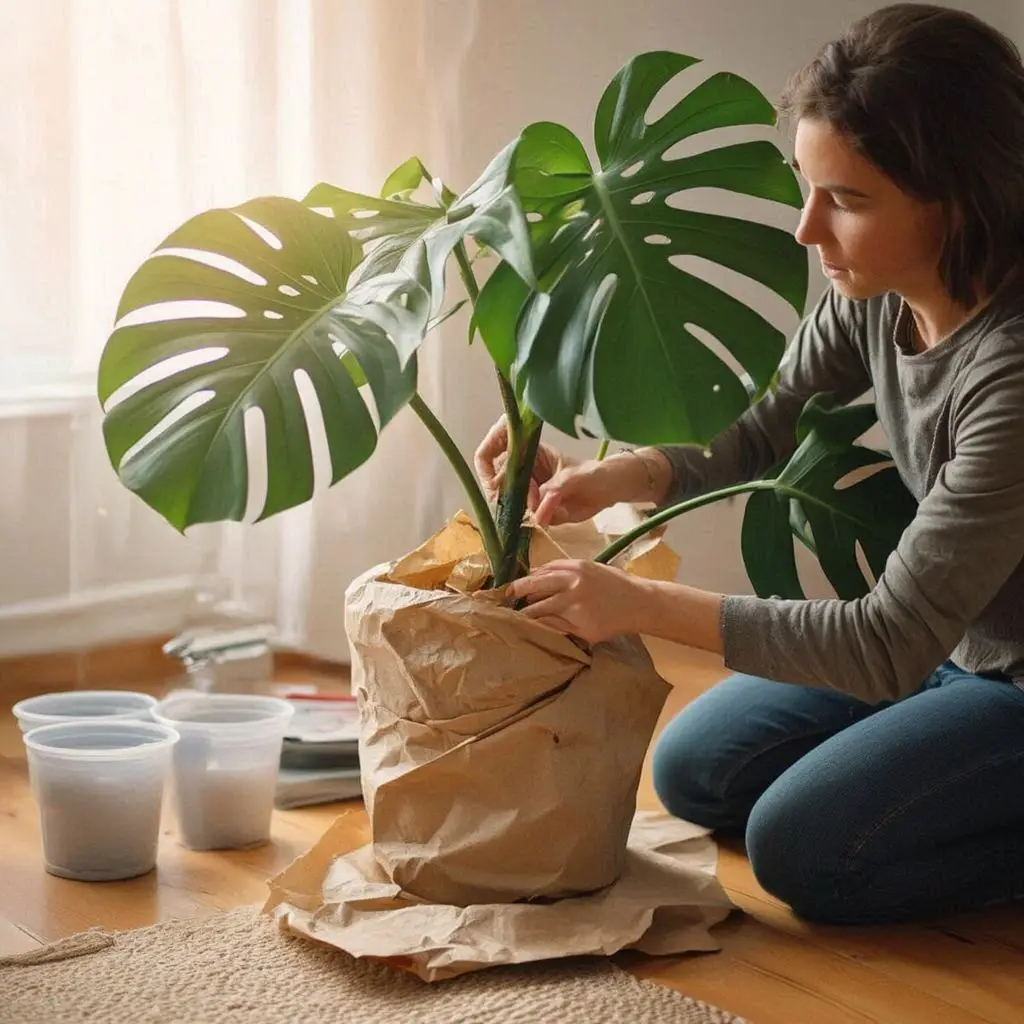
Those iconic split leaves make serious statements in water. Monstera cuttings with nodes root readily, creating focal points in large vases or jars.
While they can live in water semi-permanently, these tropical beauties eventually appreciate soil for the best growth. The developing roots are particularly sculptural, adding to the visual drama of this trendy plant.
17. Rubber Plant
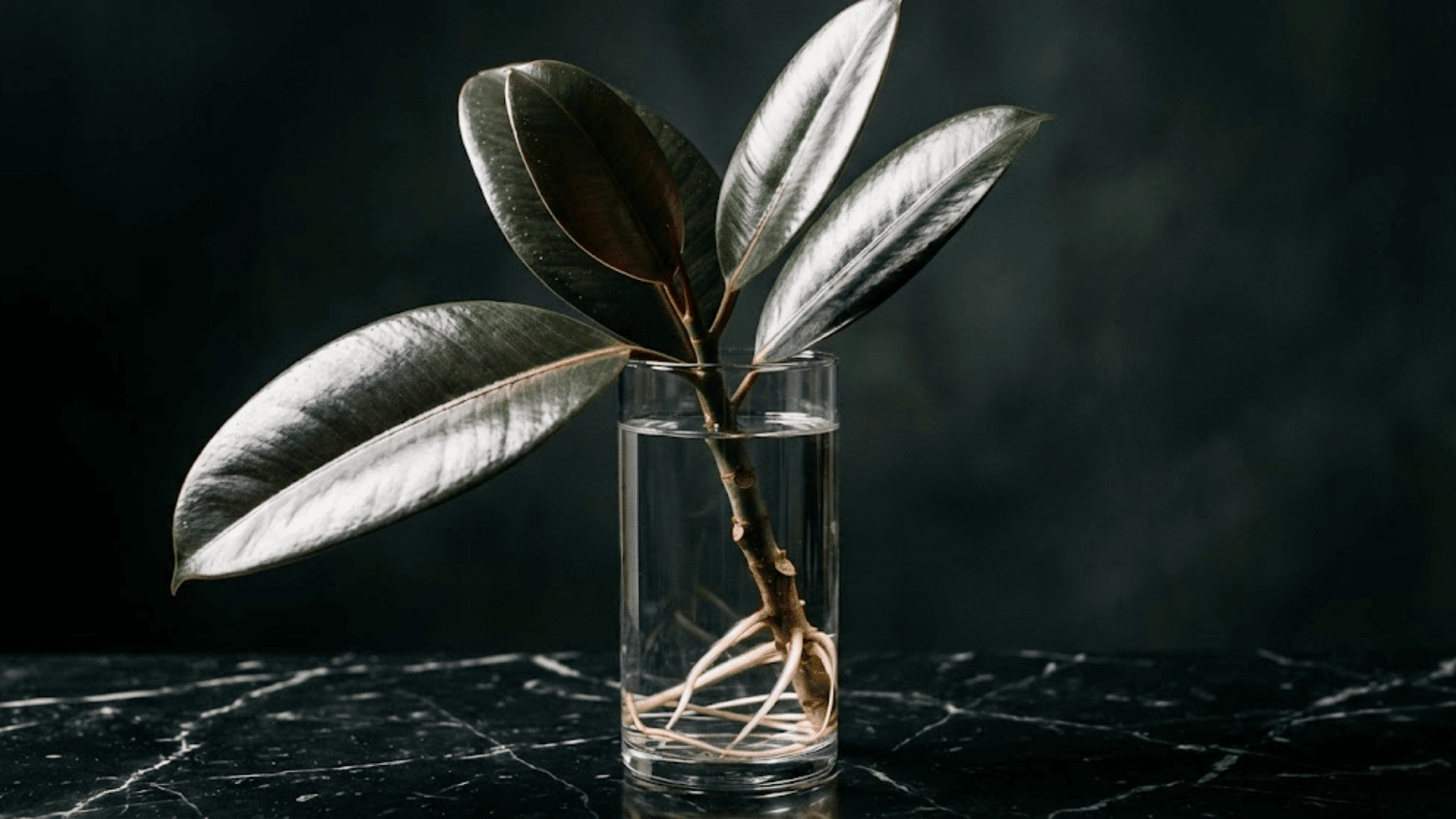
Light Requirement: Bright indirect light
Ideal Size: Single stem cuttings, 6-12 inches
Glossy, burgundy-tinted leaves make rubber plant cuttings water garden royalty. They root more slowly than some plants but create bold, architectural displays.
Keep the water fresh and be patient as roots develop over several weeks. These cuttings work beautifully as temporary statement pieces before transitioning to soil for long-term growth and that signature tree-like form.
18. Fiddle Leaf Fig
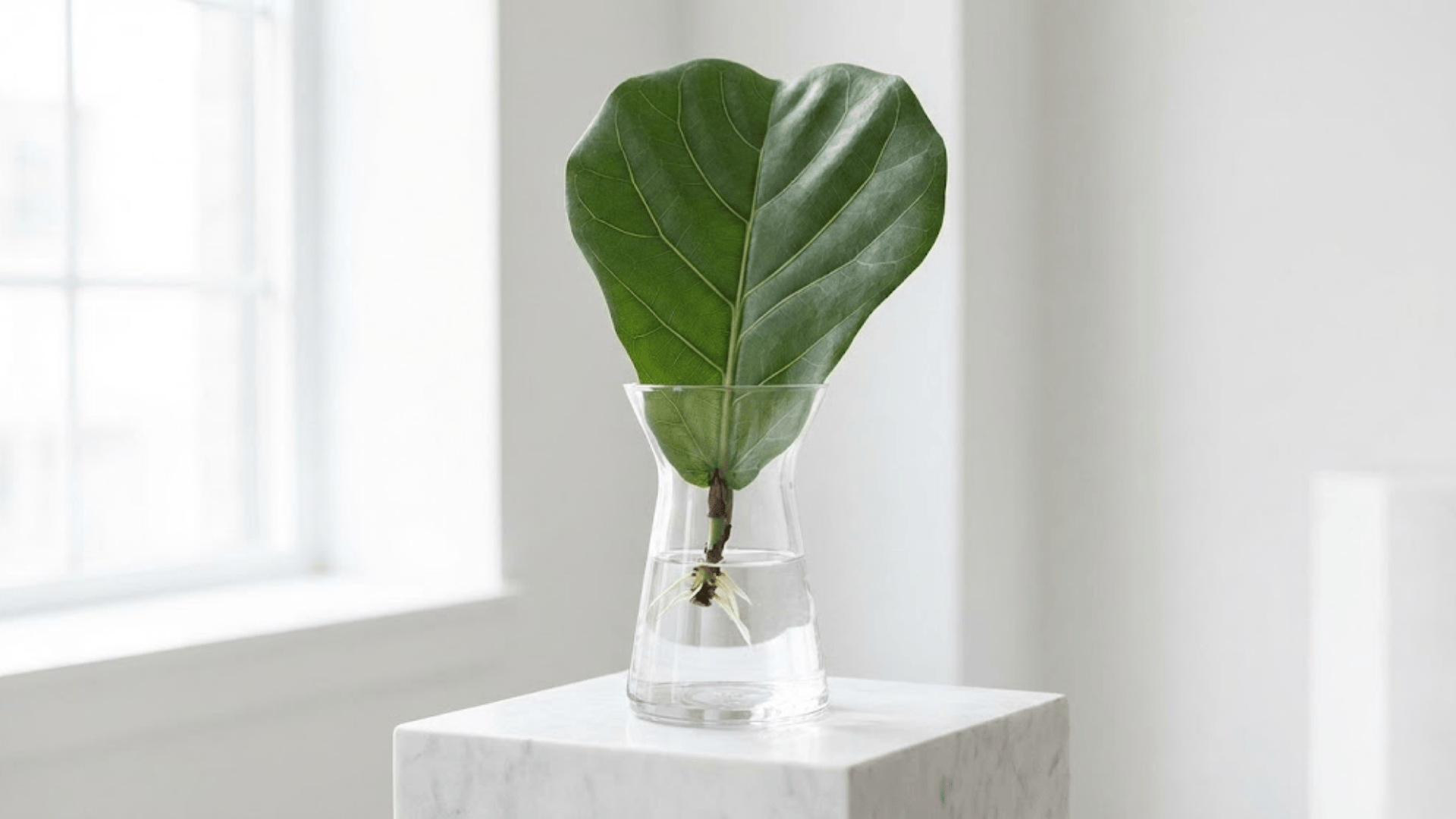
Light Requirement: Bright indirect light
Ideal Size: Single stem cuttings (temporary)
The darling of interior design, fiddle leaf fig cuttings can root in water with patience and warmth. Those dramatic violin-shaped leaves create instant urbanity.
However, this method works best as propagation rather than permanent housing. Rooting takes time, and these finicky plants prefer eventual soil life. Still, watching roots develop on such coveted cuttings feels phenomenal.
19. Begonia
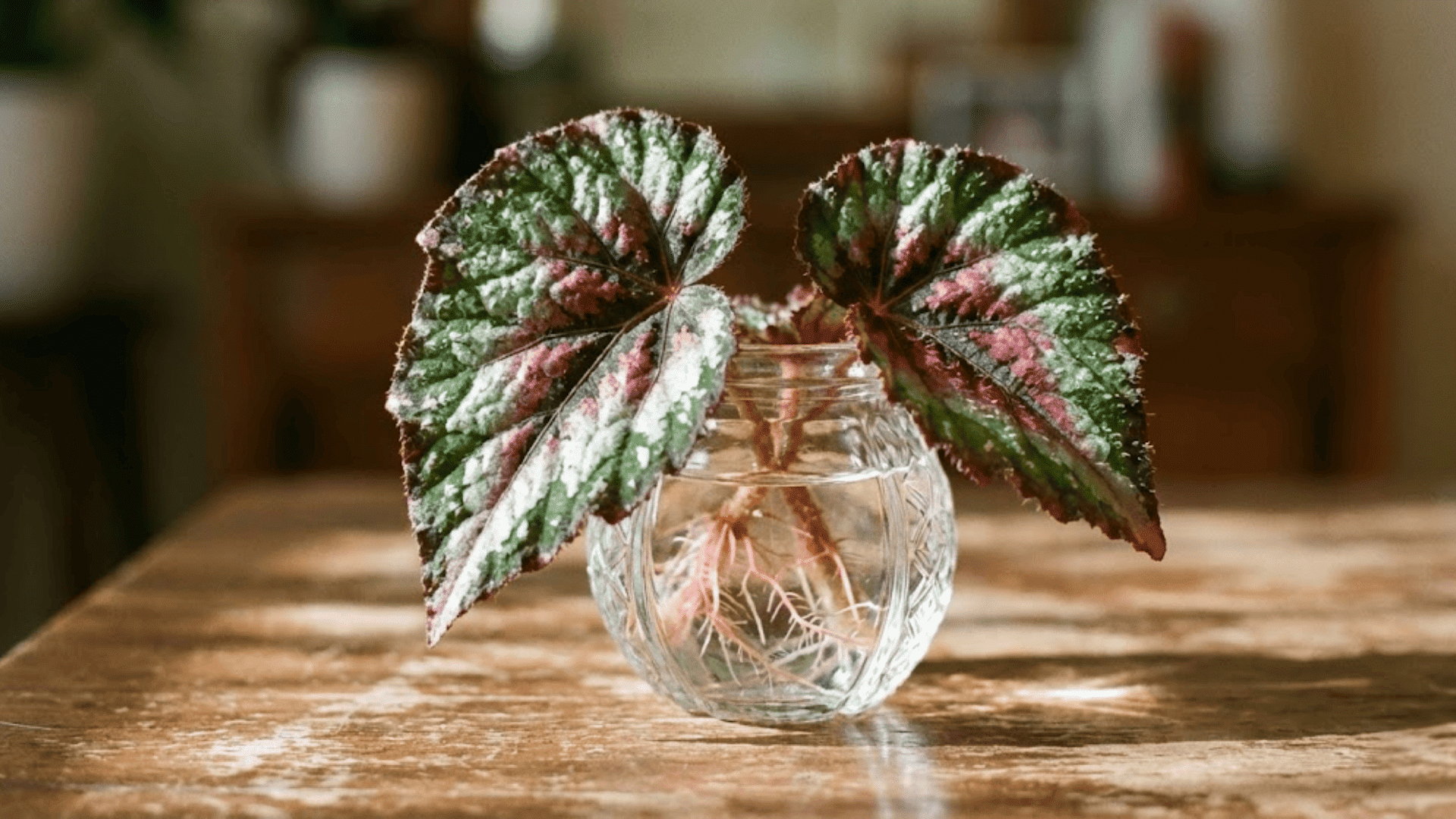
Light Requirement: Bright indirect light
Ideal Size: 4-8 inches, depending on variety
From angel wing to rex varieties, many begonias flourish in water with proper care. Their striking foliage patterns and colors create living art pieces. Some even bloom in water, adding floral beauty to your setup.
Begonias appreciate higher humidity and consistent warmth, making them perfect for bright bathrooms or kitchen windowsills where conditions stay stable.
How to Start Growing Plants in Water?
Starting your water garden is simpler than you think. With the proper cutting, a clean container, and fresh water, you’ll see roots developing within days.
Step 1: Choosing the Right Plant Cutting
Look for healthy stems with vibrant leaves and no signs of disease or pests. Select a section that’s 4-6 inches long with at least two leaf nodes (the bumps where leaves attach to the stem).
These nodes are where roots will emerge. Use clean, sharp scissors or pruning shears to make a clean cut just below a node at a 45-degree angle.
Remove any leaves from the lower portion that would sit underwater, as submerged foliage will rot and cloud your water.
Step 2: Containers That Work Best
Any clean, waterproof container works beautifully. Glass jars, vintage bottles, bud vases, or dedicated propagation stations all serve the purpose while adding visual charm.
Clear containers let you monitor root development and water quality, creating living art as roots grow. However, clear glass can encourage algae growth in bright light. Tinted or opaque containers reduce this issue while still looking chic.
Choose vessels with openings wide enough for easy water changes but narrow enough to support your cuttings upright.
Step 3: Water Setup Basics
Fill your container with room temperature water, leaving about an inch of space at the top for air circulation. Tap water works fine for most plants, though letting it sit overnight allows chlorine to dissipate.
Submerge only the bottom nodes and stem portion where you want roots to form. Keep all leaves above the waterline to prevent rot and bacterial growth.
The water should cover at least one or two nodes completely while leaving foliage dry and free to photosynthesize properly.
Water Requirements & Maintenance for Plants Growing in Water
Keeping your water garden thriving comes down to fresh water and balanced nutrition. Here’s your maintenance roadmap for healthy, long-lasting plants.
| Aspect | Best Practice | Frequency | Warning Signs |
|---|---|---|---|
| Water Type | Filtered or tap (let sit 24 hours). Room temperature. | Before each change | Chlorine smell, leaf tip browning |
| Water Changes | Replace fully. Rinse roots if needed. | Every 7-14 days | Cloudiness, algae, odor, slime |
| Nutrients | Liquid fertilizer at 1/4 strength | Every 4-6 weeks | Yellow leaves, stunted growth |
Plants in Water: Common Problems & How to Fix Them
Even the easiest water gardens hit occasional snags. Here’s how to troubleshoot common issues and keep your plants healthy.
Problem 1: Yellowing Leaves
Solution: Your plant is likely lacking nutrients or not getting enough light. Move it to a brighter spot with indirect sunlight and add diluted liquid fertilizer at quarter strength to the water during your next change.
Problem 2: Slimy Roots or Root Rot
Solution: Stagnant, oxygen-poor water creates bacterial buildup that damages roots. Change water immediately, trim brown or mushy roots with clean scissors, and do weekly water changes until roots recover and turn white.
Problem 3: Algae Growth in Water
Solution: Algae thrives in stagnant water exposed to bright light, especially in clear containers. Move your setup away from direct sun, use tinted vessels, and scrub containers with diluted vinegar during water changes to prevent regrowth.
Problem 4: Slow or No Root Development
Solution: Your cutting may lack viable nodes, or the water is too cold. Ensure a node is submerged, keep water at room temperature, and be patient, as some plants take 2-4 weeks to root, with woody stems needing longer.
Can Plants Live in Water Forever?
Many plants thrive in water indefinitely with proper care. Pothos, philodendron, lucky bamboo, and peace lilies adapt beautifully to permanent water living, developing specialized water roots that differ from soil roots.
However, growth may slow over time as nutrient availability becomes limited compared to the soil’s rich ecosystem.
Some plants, like herbs and fiddle leaf figs, prefer water as a temporary home and eventually need soil for optimal health.
If you notice stunted growth or pale leaves despite fertilizing, consider transitioning to soil by gradually acclimating roots and planting in a well-draining potting mix for renewed vigor.
Styling & Display Ideas for Water-Grown Plants
Water gardens aren’t just about growing plants; they’re living decor that transforms any space. Here’s how to style your liquid greenery with intention and charm.
1. Minimalist Shelves & Windowsills
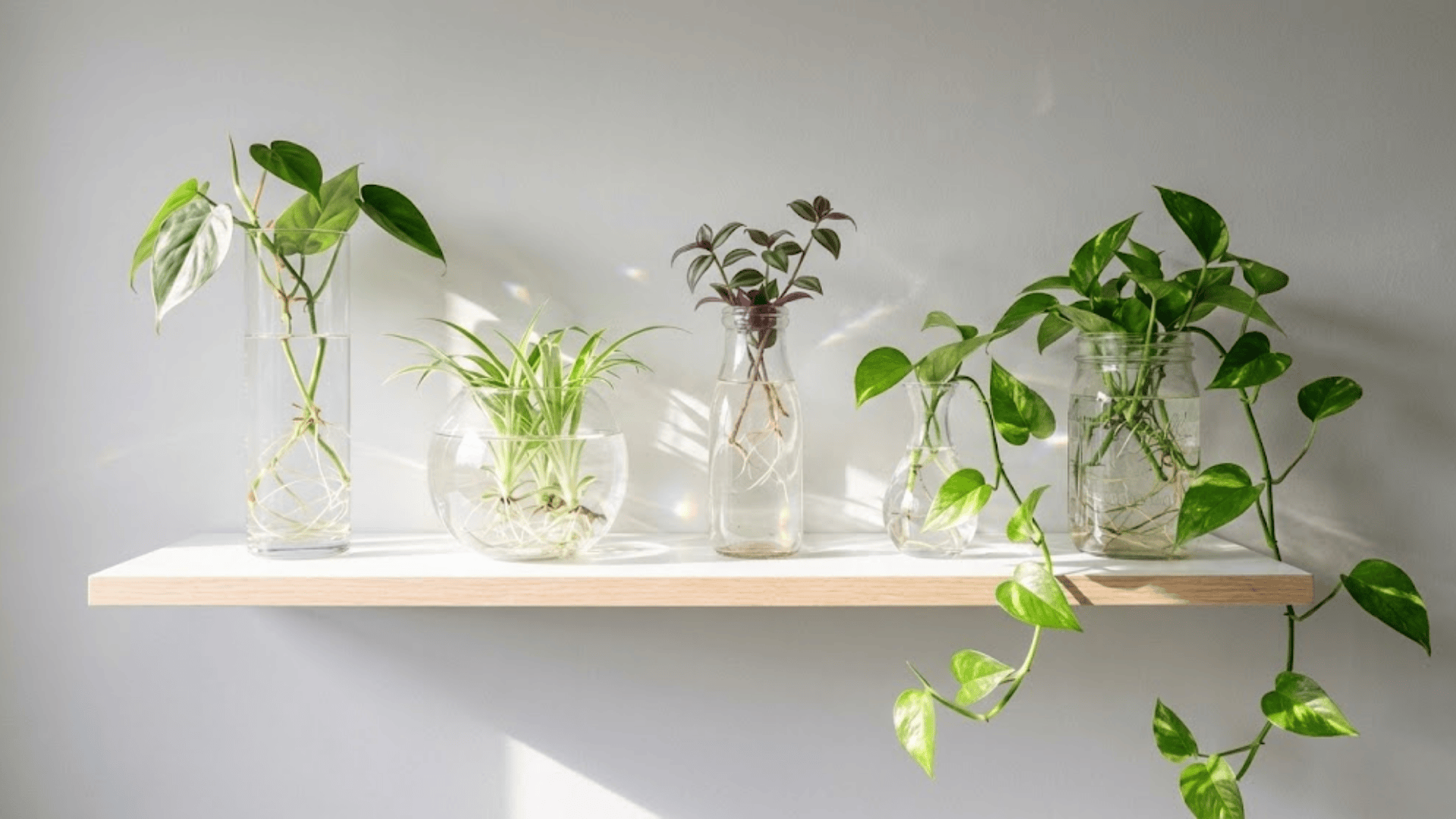
Line floating shelves or windowsills with a collection of clear glass vessels in varying heights, each holding a different plant.
The repetition creates visual rhythm while the transparent containers maintain that airy, uncluttered feel. Group odd numbers together for balance, and let trailing plants like pothos cascade naturally over edges.
Morning light through the glass creates beautiful refractions and shadows, turning your plant display into shifting art throughout the day.
2. Kitchen Herb Displays
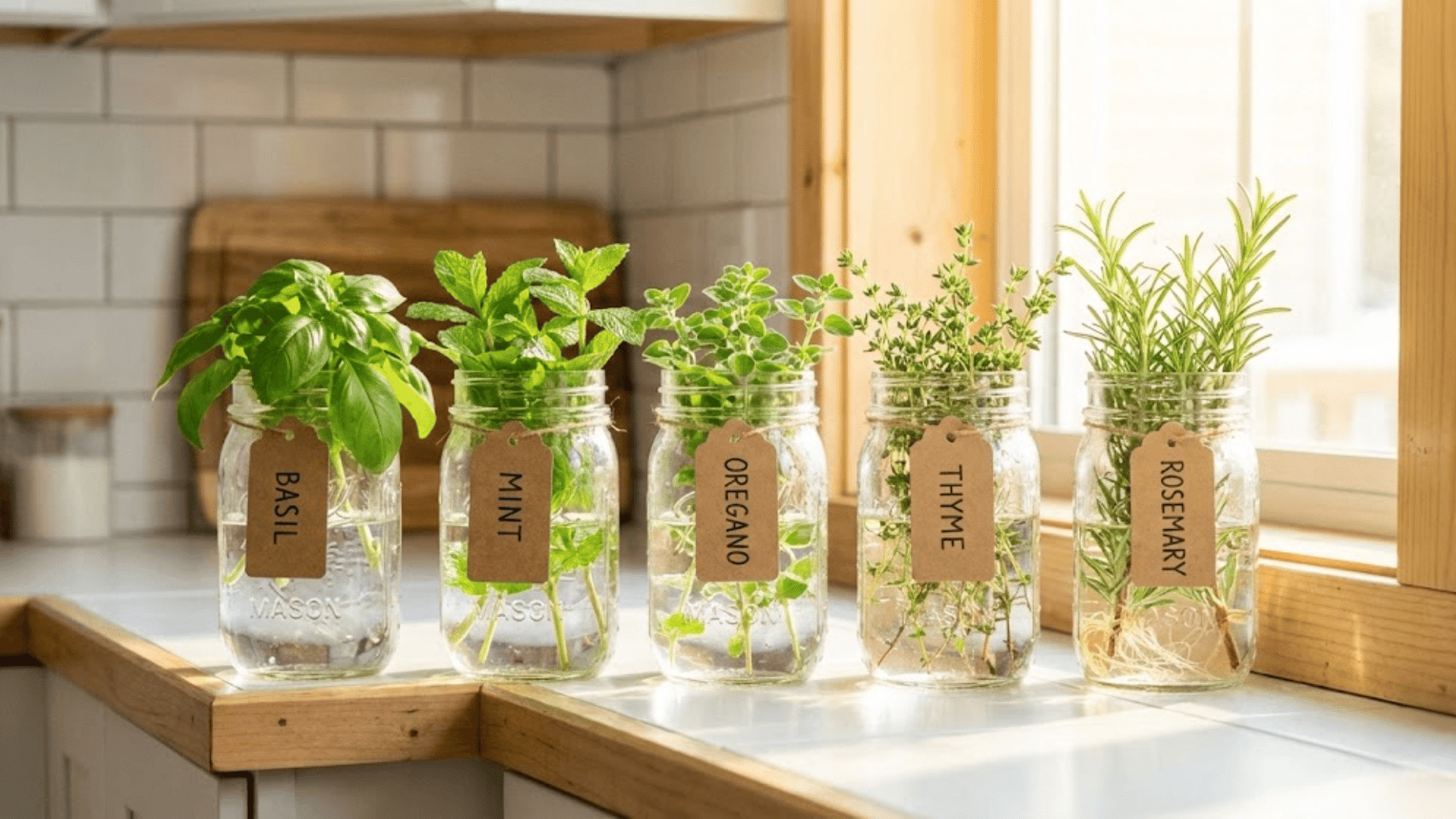
Turn your kitchen counter or windowsill into a functional herb garden using matching glass jars or vintage bottles.
Arrange basil, mint, and oregano within arm’s reach of your prep area for instant fresh flavor. Label containers with twine tags for that rustic farmhouse touch, or keep it sleek with unmarked matching vessels.
The greenery adds life to your cooking space while providing fresh herbs that smell incredible and taste better than store-bought.
3. Bathroom & Desk Styling
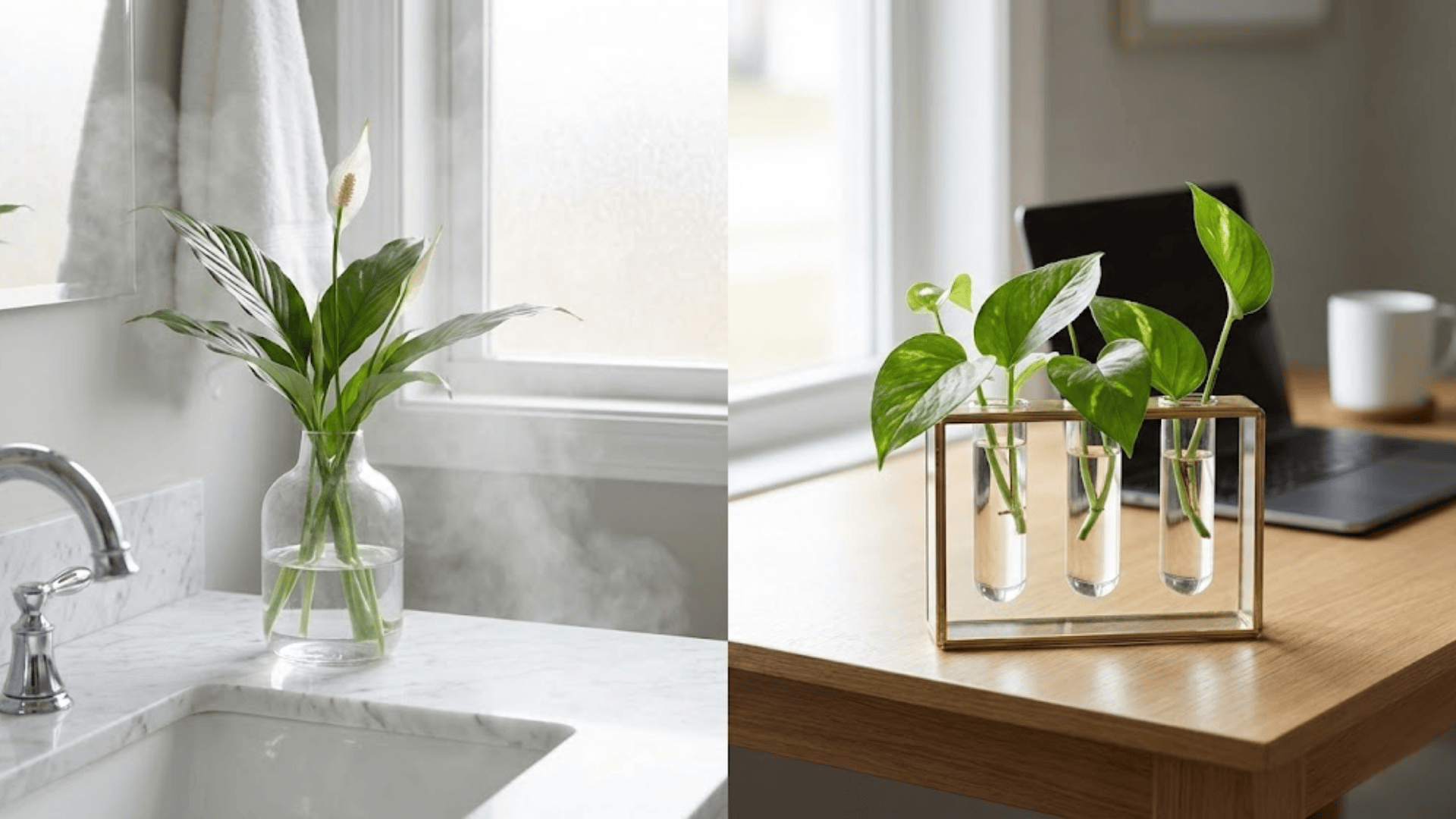
Bathrooms offer perfect humidity for water plants; place peace lilies or philodendron on vanity corners or window ledges where steam from showers keeps them happy.
For desks, small propagation stations with pothos or spider plant babies bring calm focus to workspaces. Choose compact vessels that don’t overwhelm limited surfaces.
The presence of living greenery reduces stress and improves air quality right where you spend hours daily, making both spaces feel more zen.
4. Using Propagation Stations as Decor
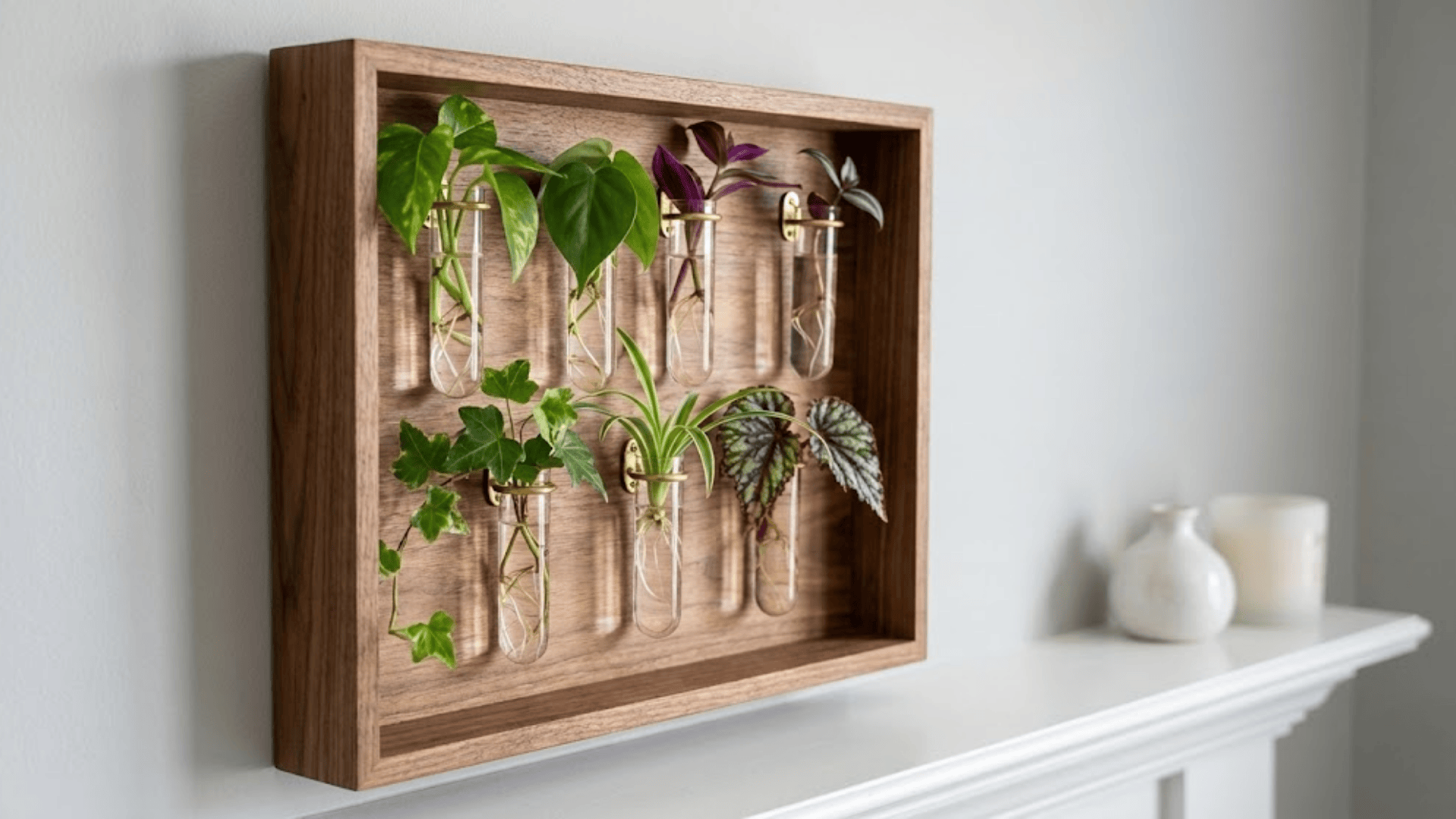
Dedicated propagation stations with multiple test tubes or vials become sculptural focal points on shelves or mantels.
These pieces showcase various plant varieties in a cohesive display, creating a botanical gallery wall. Wooden or metal frames with glass tubes add warmth and structure, and wall-mounted versions save counter space.
Fill them with a curated mix of trailing and upright plants for dimension, turning the functional act of propagation into intentional home decor.
Growing Plants in Water vs. Soil: A Complete Comparison
Choosing between water and soil depends on your lifestyle, space, and plant goals.
Here’s how these two methods stack up against each other.
| Factor | Water | Soil |
|---|---|---|
| Maintenance | Change water every 1-2 weeks, fertilize monthly | Water regularly based on dryness, seasonal care |
| Mess Level | Clean, no spills or drainage | Soil spills, water runoff possible |
| Growth Speed | Slower, steady growth | Faster, more vigorous |
| Nutrients | Requires added fertilizer | Naturally nutrient-rich |
| Best Plants | Pothos, philodendron, lucky bamboo, spider plants, peace lily | Succulents, flowering plants, fruiting plants, trees |
| Root Type | White water roots, visible | Thicker soil roots, hidden |
| Aesthetic | Modern, minimalist, showcases roots | Traditional, lush, fuller growth |
| Pest Risk | Minimal to none | Higher, soil harbors pests |
The Bottom Line
Growing plants in water opens up a whole new world of green possibilities, especially when traditional gardening feels out of reach.
Whether on your kitchen counter or beside your workspace, these liquid gardens bring effortless beauty and calm into everyday spaces. Start small with a single pothos cutting or go bold with a curated collection.
There’s no wrong way to begin. The simplicity, the visual charm, the satisfaction of watching roots unfurl in clear glass: it all adds up to something genuinely special.
What’s your favorite plant to grow this way? Share your water garden wins in the comments below.