I used to think a shaded spot in the yard was just a bonus, until I got serious about making one.
That’s when I ran into the whole gazebo vs. pergola thing.
At first, I thought they were pretty much the same. But the more I looked, the more I realized they offer very different vibes and uses.
I wanted comfort, shade, and something that felt right for how I actually live.
Now, it’s your turn to figure out what fits best in your space. Are you looking for full shade or a little sunlight?
Want something cozy or more open? This blog will walk you through the differences so you can make the right choice without second-guessing yourself later.
Why This Choice Causes So Much Confusion
Gazebos and pergolas seem simple, right? You just want a nice place to sit outside. But once you start searching, things get confusing fast.
I remember looking at pictures and thinking, “Wait… aren’t these kind of the same?” At first glance, they both have open sides and posts. Some even have similar shapes. So it’s easy to mix them up.
Online advice doesn’t always help either. Most of it sounds perfect on paper, until you’re stuck with something that doesn’t work for your yard or your weather.
Many blogs leave out the downsides, like high costs or tricky upkeep. That’s why regular people talking in forums or social media often give better advice. They talk about how it feels to live with it.
And then there’s the classic answer: “It depends.” That sounds safe, but it doesn’t actually help you choose. You deserve clearer answers than that.
Gazebo vs. Pergola: The Core Difference That Actually Matters
The biggest difference between a gazebo and a pergola is the roof. It’s easy to overlook, but that one detail shapes how the space feels and works.
The roof affects everything from how much shade you get, to how well it handles rain, bugs, and even the changing seasons.
People often pick one without thinking much about this part, and that’s usually what leads to either loving it or wishing they’d chosen the other.
What is a Gazebo?
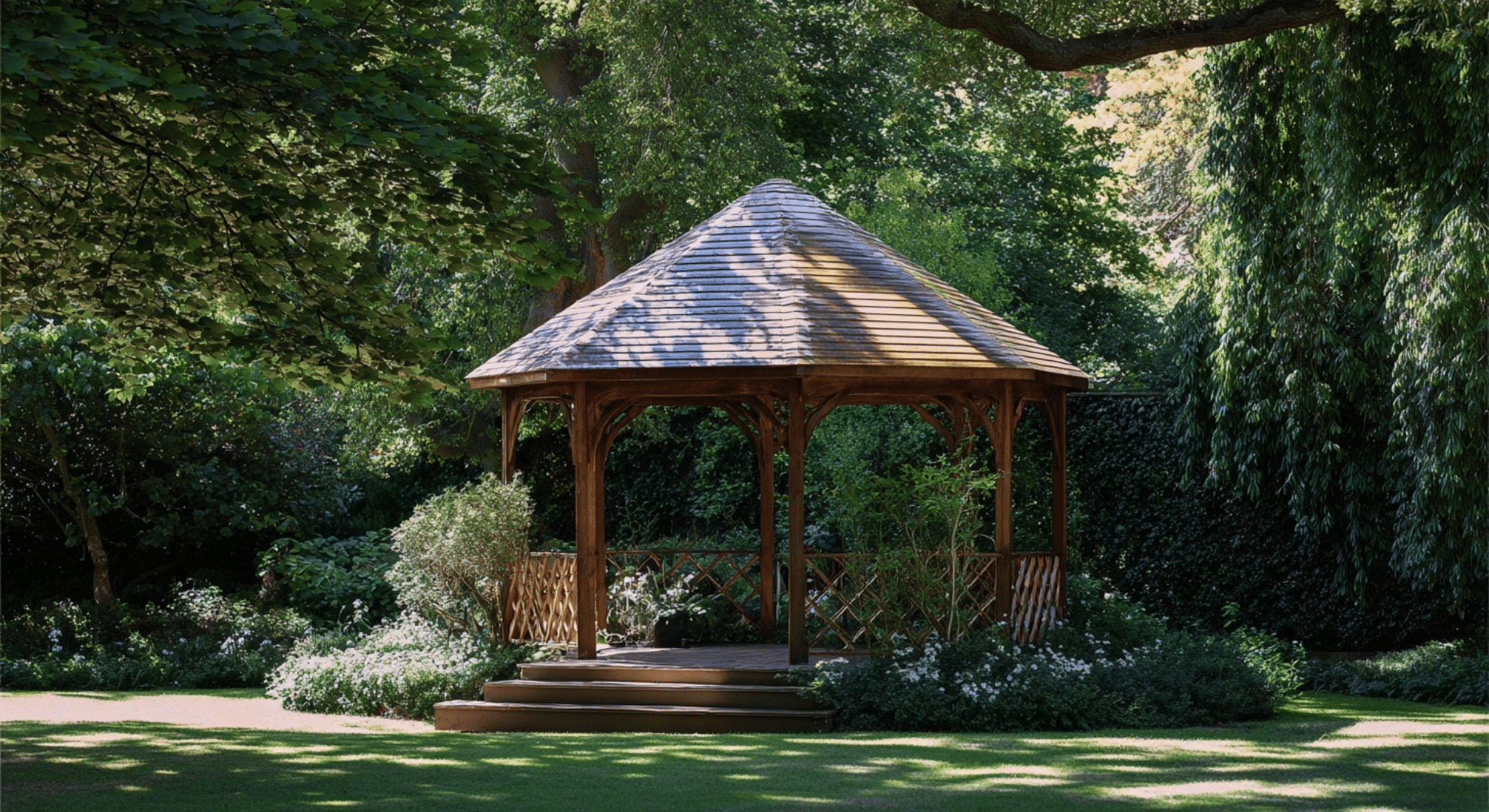
A gazebo has a hard, closed roof usually made of shingles, metal, or other solid materials. This type of roof gives full shade and real protection from rain. Gazebos often have a complete structure too, sometimes with rails, curtains, or screens.
It’s more like a small building that stands apart in your yard.
Key things to know about gazebos:
- Full shade all day
- Keeps you dry in rain
- Bugs stay out if screened
- Feels private and cozy
Gazebos are better for people who want to use their outdoor space no matter the weather.
If you like sitting outside during a rain shower or want to stay cool on a hot afternoon, a gazebo will keep you comfortable. It also works better if you live in a place with lots of bugs or changing seasons, since it offers more coverage.
What is a Pergola?
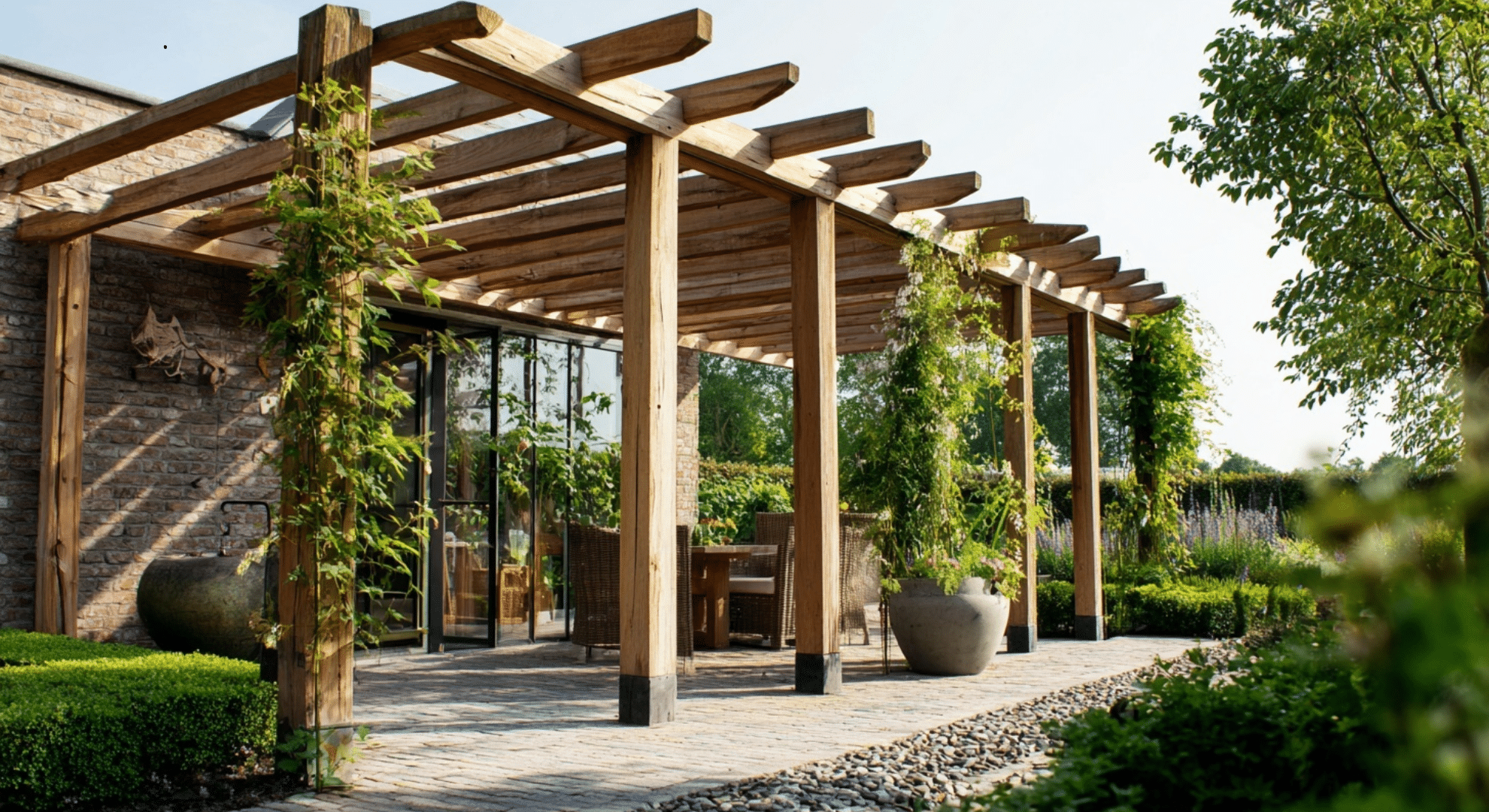
A pergola has an open roof, usually made with beams or slats that run across the top. Sometimes they’re wooden; other times, they’re metal or vinyl. The gaps between them let sunlight and rain pass through.
You can add fabric or climbing plants to block more light, but it’s never fully covered.
Key things to know about pergolas:
- Light shade only
- Doesn’t block rain
- Open to breeze and bugs
- Better for open, airy feel
Pergolas are more about creating a soft border for a space, not closing it off. If you like sunshine and just want a little break from it, this might be the better choice. It’s good for growing vines or hanging lights.
But keep in mind, it won’t protect you much in bad weather, and you’ll feel the seasons more directly. Still, some people love that open feeling and don’t mind the trade-offs.
What Real Homeowners Say: Pergolas vs. Gazebos After Living With Them
Reading specs and reviews is one thing. Hearing from people who actually live with a pergola and a gazebo gives deeper insight into how these structures fit into real backyards. The difference in roof and structure changes how people use these spaces in everyday life.
Here’s a look at what real backyard users say after the build is done:
| What People Say | Pergolas | Gazebos |
|---|---|---|
| Why people pick them | Style, airy feel, budget‑friendly | Full shelter, versatile use, weather‑ready |
| What they love most | Airflow, natural light, easy decor | Protection from rain and sun, comfort in varied weather |
| Common surprises or complaints | Not enough shade in heat, rain protection weak | Higher cost, takes more space, needs maintenance |
| When people regret it | Hot summers, rainy seasons | If built too big or hardly used |
Many pergola owners enjoy the open, breezy feel but find shade can be uneven or limited in harsh sun. Gazebos often feel more “complete” for everyday use, especially where weather is unpredictable.
Your choice should match how you plan to use your outdoor space and how much shelter versus openness you want.
Shade, Rain, and Comfort: What Daily Use is Really Like
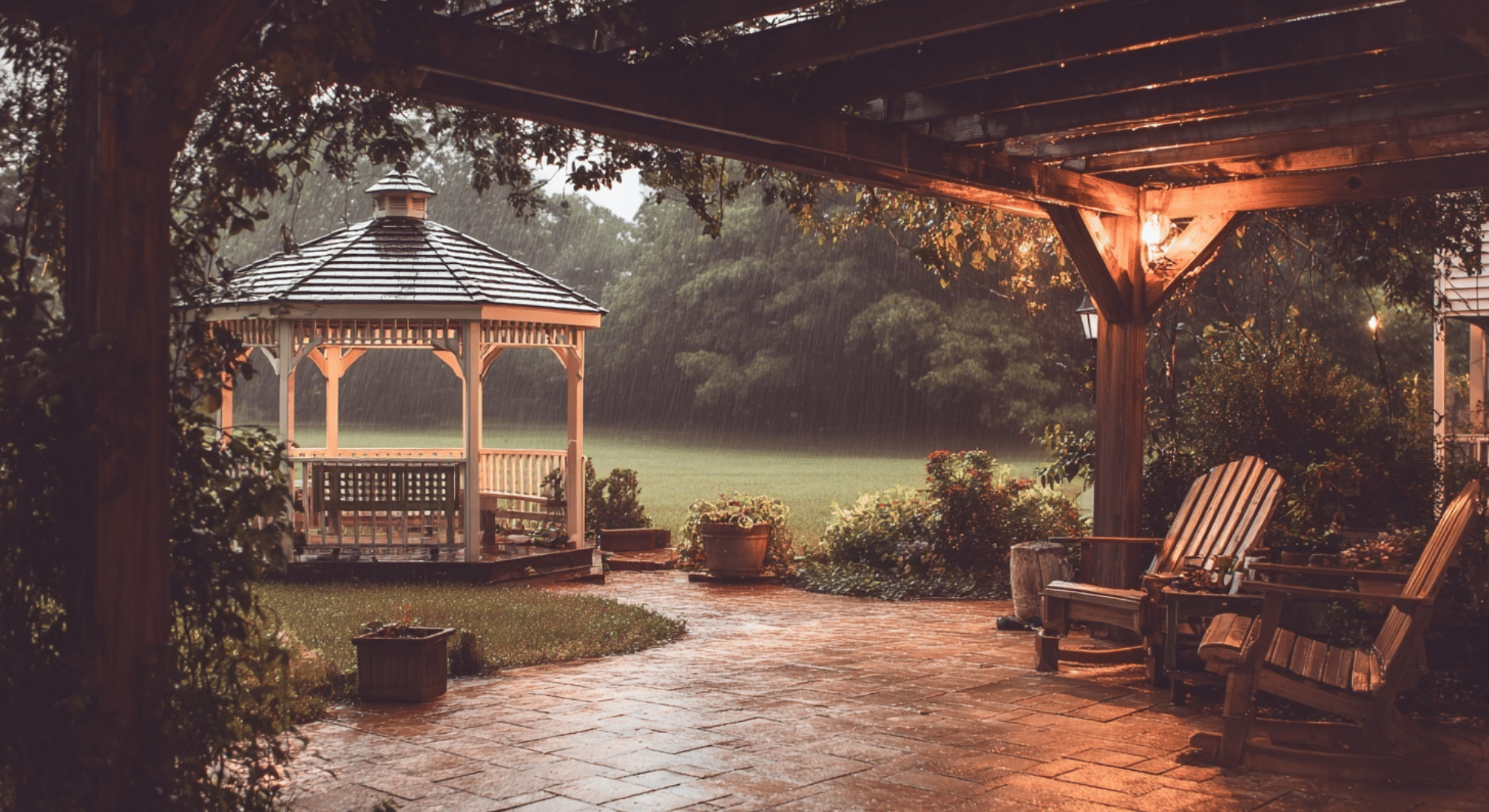
Here’s where the decision between a gazebo and pergola really starts to show up in daily life.
You can scroll through all the product photos online, but none of them tell you how it feels to sit under one on a hot, sticky afternoon or during a surprise drizzle.
Sitting Outside on Hot Afternoons
A gazebo gives deep, full shade. It blocks direct sunlight completely, so you can sit outside even when the sun is strong.
The roof also protects against heat buildup, especially if there’s good airflow from open sides or a ceiling fan installed. It’s cooler, more consistent, and easier to stay under for hours.
A pergola gives partial shade. Sunlight still slips through the beams unless you add a cover or grow vines.
That means your seat might be in the sun one hour and shaded the next. It can get pretty warm under there on hot days unless there’s a breeze or added shade material.
Using the Space During Light Rain
With a gazebo, you stay dry. The solid roof works like a shelter. You can enjoy the rain without running inside. It’s perfect for reading, eating, or just relaxing when it’s drizzling.
With a pergola, you’re getting wet, unless you’ve added some kind of waterproof cover.
Most pergolas aren’t built for wet weather. Even then, side spray from wind might still hit you. It’s not ideal if you plan to use it during rainy seasons.
Wind, Heat Buildup, and Airflow
Gazebos, if built right, handle airflow well, especially with open sides.
But the solid roof can trap heat if there’s no air moving. Fans or vents can help.
Pergolas are naturally open, so air flows freely. That’s a plus during hot months, especially if you live in a breezy area.
They don’t trap heat, which keeps things light and airy, but also exposed.
Gazebos work well in all seasons. You can use them spring through fall, and even in winter if you make a few upgrades (like curtains or a heater). They’re better for year-round use.
Pergolas are great in fair weather: spring and early summer are best. But they’re not ideal during colder months or heavy rain. You’ll likely stop using it during rougher seasons unless you make big changes to the setup.
If you want something that works no matter the season or weather, a gazebo is usually the better fit. If you only want a spot for casual shade and open air on nice days, a pergola might be enough.
What You’ll Really Spend Over Time
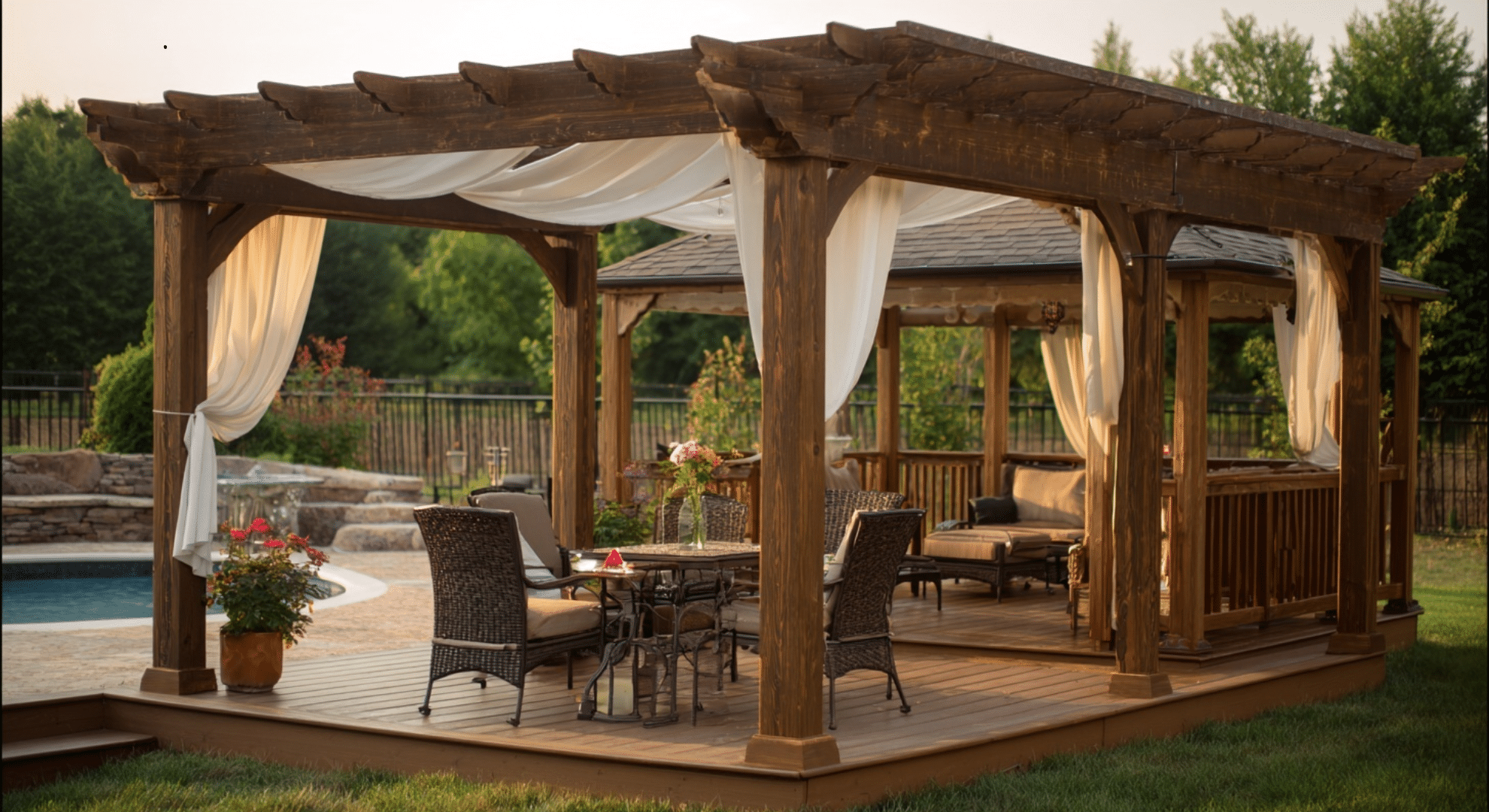
Most people look at the sticker price first. Pergolas usually cost less at the start, while gazebos come with a bigger price tag. But what you pay later matters just as much.
Over time, pergolas often need extras like shade cloths, rain covers, or side curtains. These add-on costs can sneak up on you.
Many owners also spend money fixing or replacing worn-out parts, especially if the pergola is made of wood.
Gazebos cost more upfront but usually come fully ready to use. They already block rain and give full shade. You might add a fan or lights, but you don’t have to. Plus, the roof helps protect the whole structure, which means fewer repairs over the years.
If you want something quick and simple for nice days, a pergola can work.
But if you’re thinking long-term comfort and use in all kinds of weather, a gazebo often ends up feeling like the smarter choice. It’s not just about price, it’s about what holds up and gets used the most, year after year.
Pergola Pros and Cons From Real Owners
Real backyard users often point to practical upsides and downsides after living with a pergola for months or years. According to outdoor structure guides, pergolas stand out for their open design, stylish look, and flexibility in garden spaces.
Clear advantages people mention repeatedly:
- Airy, open shade that lets in breeze and light.
- Great for plants and decorations like vines, lights, and curtains.
- Better for defining patio or garden zones without blocking views.
Regrets and frustrations: Some owners say pergolas don’t give enough rain protection or cool shade. Others find they add extra costs over time for covers or shade cloths.
What People Really Think About Gazebos
Owners and comparison guides show that gazebos are seen as more practical shelters with solid covering and weather protection.
Benefits that justify the cost:
-
Full protection from sun and rain.
-
Feels like an outdoor room you can use more days of the year.
-
Good for gatherings or lounging in comfort.
Common complaints: Some users note higher upfront costs and more complicated installation, especially with larger gazebos.
Louvered Pergolas vs. Traditional Gazebos: Is This the Middle Ground?
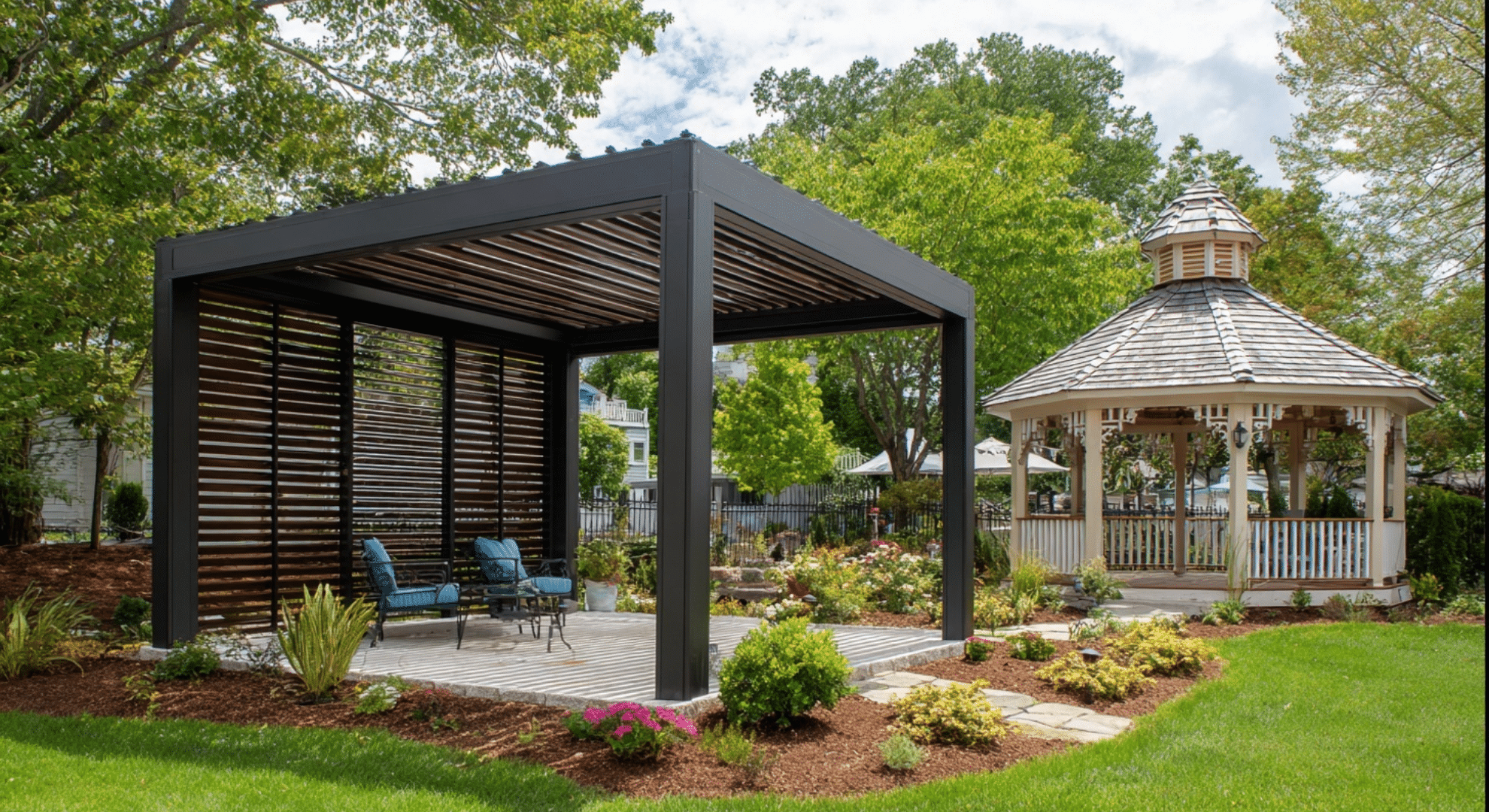
Lately, more people are asking about louvered pergolas instead of choosing between a regular pergola or a full gazebo. And it makes sense, these offer adjustable slats that open or close, giving you more control over sun and rain.
That’s why this option keeps coming up in backyard planning.
Louvered pergolas sit between the two in both cost and flexibility.
They give shade like a pergola but can close for rain protection, much like a gazebo. Some even come with motorized controls, which makes them feel high-end.
They’re worth considering if you want more control without fully committing to a solid roof.
But they’re not always ideal. In very wet or windy climates, they might not hold up like a full gazebo. And they’re often more expensive than people expect.
So, they work well for the right setup, but they’re not always the perfect in-between.
Cleaning and Maintenance Over Time
When people compare gazebos and pergolas, they rarely think about what it takes to keep them clean year after year. But long-term care plays a big role in how much you enjoy the space or avoid it.
Leaves, debris, and buildup: Pergolas are more open, so leaves and dirt collect on the patio below, not on the structure itself. But if you add a canopy or fabric, that part can trap dirt and need cleaning often. Gazebos with solid roofs collect leaves on top, which means you’ll need to climb up and clear it, especially after storms or in the fall.
Mold and mildew: Gazebos are more prone to mold, especially on the roof if there’s poor airflow. Pergolas stay drier unless you’ve added fabric covers that hold moisture.
Time investment: Expect to clean both a few times a year. Gazebos need more roof attention; pergolas need less but may require upkeep on added covers.
Gazebos usually last longer, but when repairs come up, parts like shingles or screens may cost more. Pergola parts are simpler but wear faster, especially fabric.
Space Planning Mistakes People Make
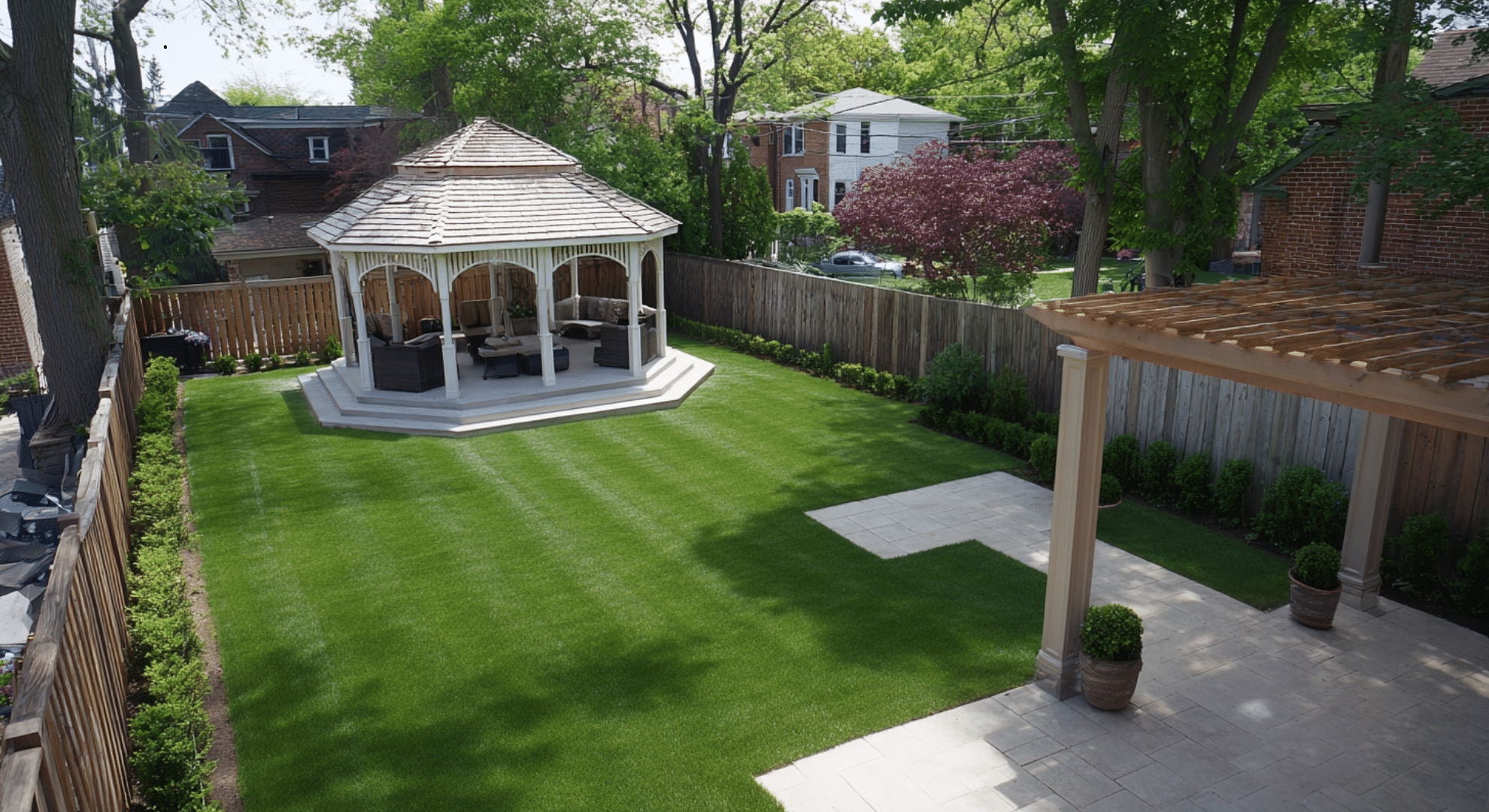
Choosing between a pergola or gazebo is only part of the decision: where and how big you place it can make or break the whole setup.
Many people focus on the look, but end up with a structure that just doesn’t fit the space right.
One of the most common mistakes is putting a large gazebo in a tight yard. It can feel crammed, block views, and leave no room for anything else. Once it’s up, there’s no easy way to shrink it.
A pergola often works better in smaller areas because it feels lighter and less boxed-in.
The opposite problem happens too. A small pergola in a big, open yard can look out of place. It won’t offer much shade, and it may not “anchor” the space. Bigger gazebos or pergolas with extensions work better here.
People often wish they had thought more about sun direction, wind, and privacy. Placing a structure too far from the house—or in direct sun with no breeze, can make it hard to use. Think function first, not just looks.
HOA Rules and Permit Considerations
It’s easy to get caught up in picking the style, size, or color of your pergola or gazebo, but skipping the fine print can lead to serious trouble. Many neighborhoods have HOA rules or city permit laws that limit what you can build.
Gazebos often raise more red flags since they’re larger, have a full roof, and are seen as permanent structures.
Some places treat them almost like small buildings. Pergolas may seem safer, but once you start adding covers, attaching them to your home, or building near a fence, the rules can still kick in.
Common restrictions to check:
- Roof types and height limits
- Distance from fences or property lines
- Rules on attaching to your house
- Required permits or formal HOA approval
Even a simple structure can run into trouble if the location or design breaks local codes. Always check the rules before building, it could save you a lot of stress and money later.
Conclusion
The biggest thing I learned while digging into gazebo vs. pergola is that the roof really changes everything, how the space feels, how often you use it, and even what it costs over time.
I used to think it was just about looks, but now I know better.
Think about how you’ll use your space: shade, rain, comfort, or just somewhere to chill. This post gave you the real-life pros, cons, and things people don’t always say out loud. Keep those in mind before you decide.
Don’t rush the size or placement: get that part right first.
Want help with layout ideas, material choices, or budget-friendly setups?
Check out more of my blogs to keep going in the right direction!